filter_list Showing 21 results for "Yo" close Clear
dashboard All 421 museum exhibitions 225article local 64article news 38trending_up market 24article culture 21person people 16candle obituary 12article policy 11rate_review review 7gavel restitution 3
date_range Range Today This Week This Month All
Subscribe

There will be mud! Could my child (and buggy) survive a day at a sculpture park?

A parent takes their toddler to Yorkshire Sculpture Park (YSP) in West Yorkshire, UK, during a rainy February day. Despite the mud and drizzle, the child engages with outdoor artworks by Barbara Hepworth, Henry Moore, Bharti Kher, Sol LeWitt, Vanessa da Silva, and Damien Hirst, treating the sculptures as playgrounds and objects of discovery. The park offers free activity packs, a Hidden Forest designed for under-fives, and a family-friendly environment that encourages children to explore art and nature without the constraints of indoor galleries.

The Defining Themes of Today’s Biennial Art

The article analyzes the defining themes and styles of the past four years in the international biennial circuit, based on a survey of 130 biennials. It identifies a core group of artists who appeared most frequently, including Ali Eyal, Apichatpong Weerasethakul, Carolina Caycedo, Kapwani Kiwanga, and Tuan Andrew Nguyen, among others. Many of these artists are also featured in the upcoming 61st Venice Biennale curated by the late Koyo Kouoh. The piece categorizes their work under two broad themes: "Post-Colonial Post-Conceptualism," which involves poetic engagement with colonial history and artifacts, and "Families and Networks," where artists explore personal and political family histories.

7 Books We’re Looking Forward to in May

ARTnews has published a list of seven art books to look forward to in May 2026, covering a wide range of topics from contemporary theory and AI imagery to historical biographies and the Venice Biennale. Featured titles include Dena Yago's collected writings 'That Figures,' Victoria Johnson's biography of Frederic Church 'Glorious Country,' Trevor Paglen's 'How to See Like a Machine,' Nicholas Fox Weber's 'Anni Albers: A Life,' Massimiliano Gioni's 'High Waters: An Oral History of the Venice Biennale,' Rennie McDougall's 'Nonstop Bodies: How Dance Shaped New York City,' and Paul Elie's 'Last Supper: Art, Faith, Sex and Controversy in the 1980s.'

Luca De Michelis, chief executive of Marsilio Arte, on his favourite spots in Venice beyond the Biennale

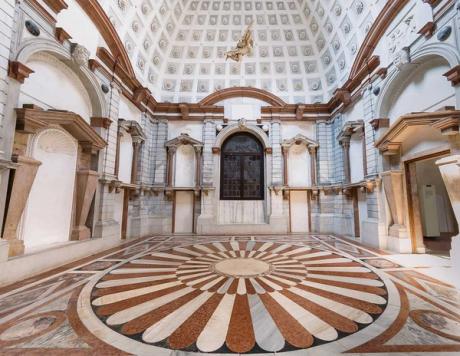
Luca De Michelis, CEO of Marsilio Arte, shares his personal guide to Venice beyond the Biennale, highlighting historic sites, shopping, dining, and cultural venues. His recommendations include Palazzo Grimani, Micheluzzi Glass, the Gardens of the Church of the Redeemer on Giudecca, Antiche Carampane restaurant, the newly opened Dries Van Noten Foundation, San Giorgio Maggiore island, Codroma for spritz, and the upcoming exhibition 'Strange Rules' at Palazzo Diedo’s Berggruen Arts & Culture.

Isabel Nolan’s Work Challenges Everything We Think We Know About Creativity

Artist Isabel Nolan recently discovered she has aphantasia, a rare neurological condition that prevents her from visualizing mental images. Despite this, Nolan has built a successful career creating abstract sculptures, drawings, and tapestries, and her work is featured in the Irish Pavilion at the Venice Biennale. Her exhibition, "Dreamshook," explores themes of imagination versus reality and draws inspiration from late medieval history and the printer Aldo Manuzio.

Trevor Paglen’s New Book Says AI Is Rewriting What Images Do

Artist Trevor Paglen has published a new book, *How to See Like a Machine: Images After AI*, which argues that generative AI and computer vision are fundamentally changing how images function in culture. Drawing on his decade-long practice, Paglen contends that images are no longer merely representations for human interpretation but have become operational tools—'activations' that trigger automated responses and shape reality. He cites examples such as surveillance cameras at grocery stores, the Samsara navigation system in trucks, and the ImageNet database to illustrate how machine vision systems normalize surveillance in service of capital, a phenomenon he terms 'machine realism.'

Martin Schongauer in 2 Minutes

Martin Schongauer en 2 minutes

Martin Schongauer (c. 1445–1491), the Alsatian painter, draftsman, and engraver, is celebrated as the greatest German copperplate engraver before Albrecht Dürer and one of the first artists to achieve pan-European fame in his lifetime. The article outlines his life and career, from his early training in his father's goldsmith workshop in Colmar to his studies at the University of Leipzig and travels through Flanders, where he absorbed the influence of Rogier van der Weyden and Dirk Bouts. It highlights his 116 copper engravings, signed with the monogram 'M+S', which elevated engraving to a high art and circulated from Spain to Bohemia, inspiring Dürer and the young Michelangelo. Key works discussed include the painting 'La Vierge au buisson de roses' (1473) and the engraving 'La Tentation de saint Antoine' (c. 1470–1475).

27 Best Museums in the World for Art, History, and Cultural Wonders

This article from Travel + Leisure lists 27 of the best museums in the world, covering art, history, science, and culture. Featured institutions include the Louvre in Paris, the Metropolitan Museum of Art in New York, the Vatican Museums, the National Museum of China in Beijing, the National Gallery and Tate Modern in London, the Natural History Museum in London, the Griffin Museum of Science and Industry in Chicago, and Miraikan in Tokyo. The piece highlights iconic artworks such as the Mona Lisa, Venus de Milo, and the Sistine Chapel ceiling, as well as notable architectural features like I.M. Pei's glass pyramid at the Louvre.

Primitivism to Reinvent Art

Le primitivisme pour réinventer l’art

Philippe Dagen has published the third and final volume of his series on primitivism, covering the period from World War II to the late 1970s. The book traces how Western artists, from Barnett Newman and Jackson Pollock to members of the CoBrA movement and figures like Jean Dubuffet, Lucio Fontana, and Yayoi Kusama, engaged with so-called "primitive" art from Africa, Oceania, and the Americas, often as a means of rejecting or redefining modern civilization. Dagen also examines the intellectual debates surrounding primitivism, including the critiques of colonized peoples who refused the label "primitive," and the shifting attitudes of thinkers like Claude Lévi-Strauss, Michel Leiris, and Aimé Césaire.

Final book in trilogy asks: What is the future of the art world?

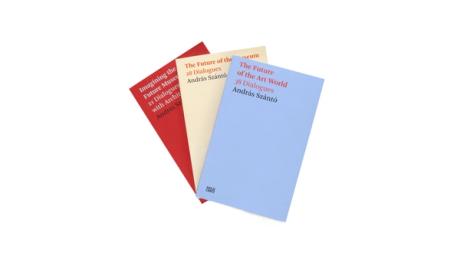
Cultural strategist András Szántó has published the third and final volume of his trilogy on the future of museums, titled *What Is the Future of the Art World?*. The book features dialogues with a wide range of art-world figures—including gallerists José Kuri and Atsuko Ninagawa, collectors Alain Servais and Sylvain Levy, artists William Kentridge and Holly Herndon & Mathew Dryhurst, curator Fatoş Üstek, network scientist Albert-László Barabási, former Art Basel director Marc Spiegler, and Sheikha Al-Mayassa Al Thani—who discuss topics such as the definition of the art world, its rules, and its future trajectory. Szántó notes that there is no consensus on whether the art world is still expanding or entering a phase of slowdown, with different regions moving on divergent paths.

Nine Artists on the Gardens They’ll Never Forget

Nine artists, including Hiroshi Sugimoto, Irene Neuwirth, and Umberto Pasti, share personal reflections on unforgettable gardens from around the world. Each contributor describes a specific garden that left a lasting impression, ranging from historic estates to wild natural landscapes, highlighting the sensory and emotional impact of these spaces.

8 Art Films Worth Watching in May

8 Kunstfilme, die sich im Mai lohnen

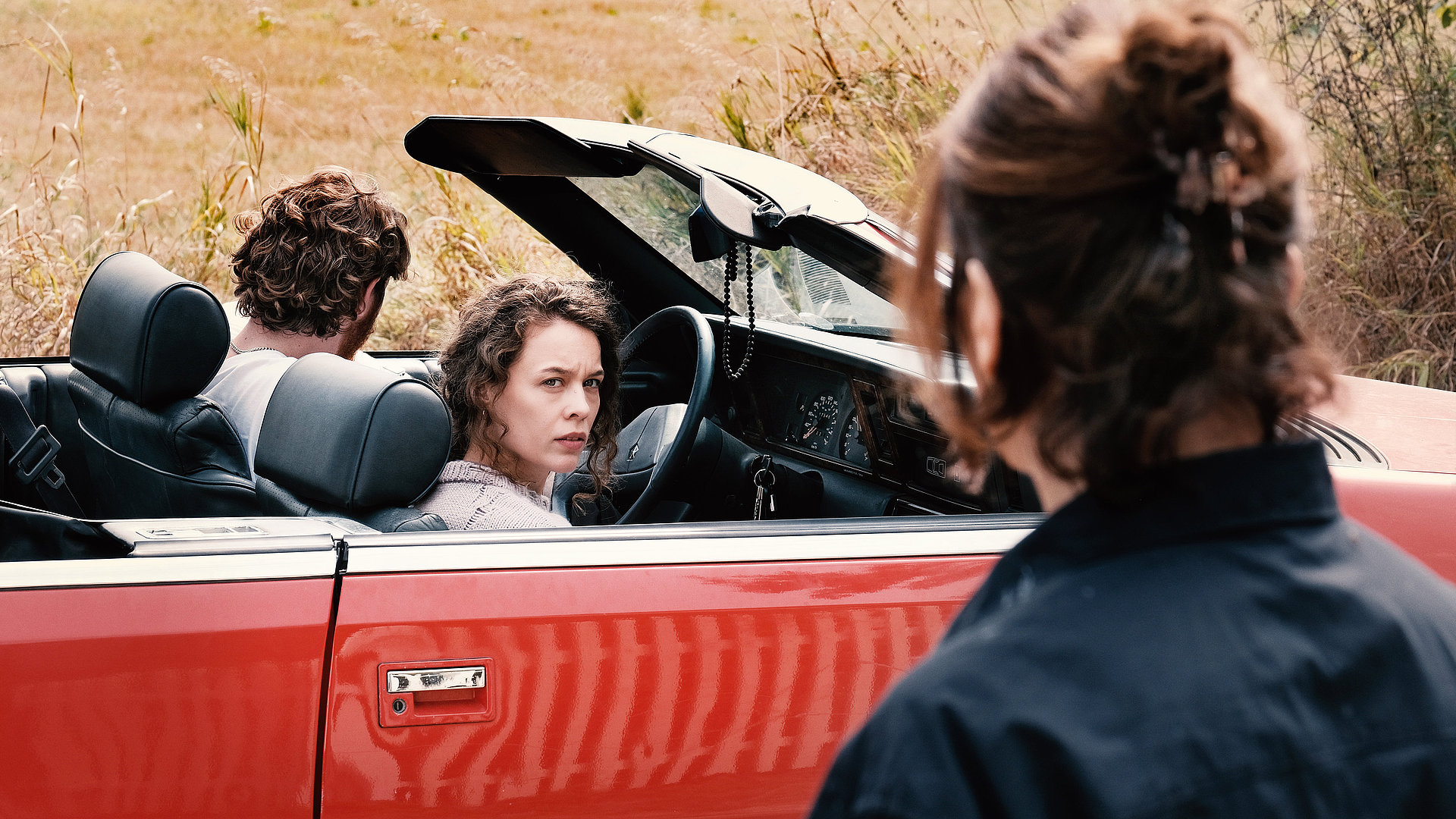
Monopol magazine presents eight art films worth streaming in May, including a documentary featuring 40,000 slides from critic Jerry Saltz capturing the 1990s New York art scene, Shirin Neshat's film "Women Without Men" about women in 1953 Tehran, Christian Petzold's new film "Miroirs No. 3," and a documentary on the Shroud of Turin. The roundup also includes a politically charged drama directed by Yael Bartana and a Dada-metal film, offering a diverse selection of art-related cinema.

Bodies in Motion, Bodies at Rest: Ali Cherri in Conversation with Kaelen Wilson-Goldie

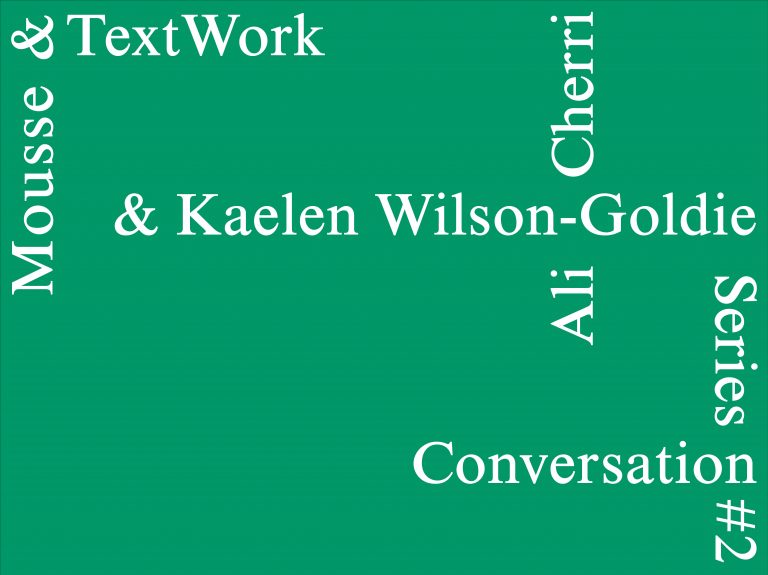
This article presents a conversation between artist Ali Cherri and writer Kaelen Wilson-Goldie, marking the second installment of a collaborative series between TextWork by Fondation Pernod Ricard and Mousse Magazine. The series features in-depth dialogues between artists from the TextWork program and magazine contributors, expanding on the traditional interview format, and is set to continue until 2027.

Beyond the Sagrada Família: These 6 Surprising Places in Barcelona Reveal a Lesser-Known Gaudí

Au-delà de la Sagrada Família, ces 6 lieux étonnants à Barcelone qui révèlent un Gaudí méconnu

Beaux Arts Magazine highlights six lesser-known architectural works by Antoni Gaudí in Barcelona, beyond his famous Sagrada Família. The article features Casa Vicens (1883–1885), his first private commission; Torre Bellesguard (1900–1909), a medieval-inspired tower with panoramic views; Casa Calvet (1897), a residential building with textile-themed details; and the Finca Güell and Palau Güell, experimental projects for his patron Eusebi Güell. These sites showcase Gaudí's organic style, fusion of nature and architecture, and influences from Japanese, Arabic, and Catalan Gothic traditions, with several recently opened to the public.

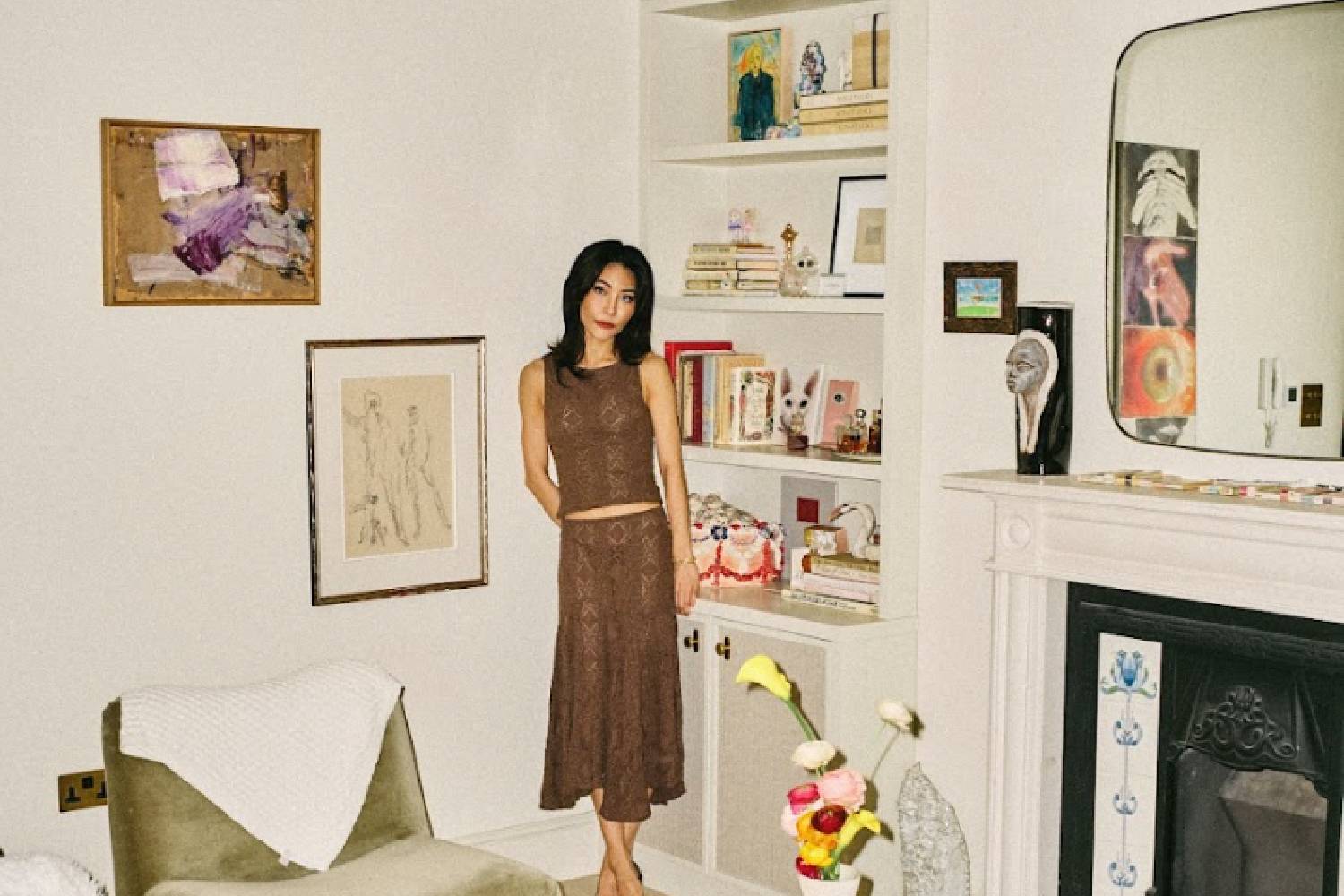
Meet the London Perfumer Building a Collection Around Humor and Instinct

Cherry Cheng, a London-based perfumer, has curated a personal art collection in her Notting Hill flat that reflects her instinctive and humorous approach to collecting. The collection features works by artists such as Beau Gabriel, Miranda Keyes, Sarah Pucci, Juliette Teste, Araki Nobuyoshi, Katrien de Blauwer, Lucile Littot, Leo Costelloe, Sebastian Espejo, and Joline Kwakkenbos, displayed throughout her home like a diary of her tastes.

Met Gala 2026: Everything to Know About the Theme, Co-Chairs, Dress Code and More

The 2026 Met Gala will take place on May 4 at the Metropolitan Museum of Art in New York City, with the theme "Costume Art" and a dress code of "Fashion Is Art." The event honors the spring 2026 exhibition of the same name, which inaugurates the Costume Institute's first permanent galleries, the nearly 12,000-square-foot Condé M. Nast Galleries. Co-chairs include Beyoncé, Nicole Kidman, Venus Williams, and Anna Wintour. The red carpet livestream will be hosted by Ashley Graham, La La Anthony, Cara Delevingne, and Emma Chamberlain on Vogue's digital platforms.

Ada: My Mother the Architect review – illuminating profile of brilliant builder balances work and family

Architect-turned-filmmaker Yael Melamede directs a documentary portrait of her mother, Israeli architect Ada Karmi-Melamede, who co-designed the Supreme Court of Israel building in Jerusalem in the early 1990s with her brother Ram Karmi and later created Ben Gurion Airport. The film explores Karmi-Melamede's architectural philosophy of "architecture of the ground and of the sky," her departure from her brother's brutalism, and a painful family split when she left her husband and children in New York after being denied tenure at Columbia University.

Births, deaths and a first kiss: life near the frontline in Ukraine – in pictures

British-Iranian artist Aria Shahrokhshahi's long-term photographic project "Wet Ground" captures daily life in Ukraine during Russia's full-scale invasion, focusing on moments of youth, subculture, and fragile continuity rather than traditional war imagery. The series, developed through repeated stays and volunteering since 2019, includes scenes from teenage discos, hospital wards, a birth during a missile attack, and a first kiss near the frontline, all shot in stark black and white.

Michelangelo and Rodin: Finding the Living Spirit in Stone

The New York Times article examines the artistic kinship between Michelangelo and Auguste Rodin, focusing on how both sculptors sought to animate stone with a sense of living spirit and emotional intensity. It explores their shared techniques, such as leaving surfaces unfinished to suggest movement and inner life, and highlights key works including Michelangelo's "Slaves" and Rodin's "The Gates of Hell."

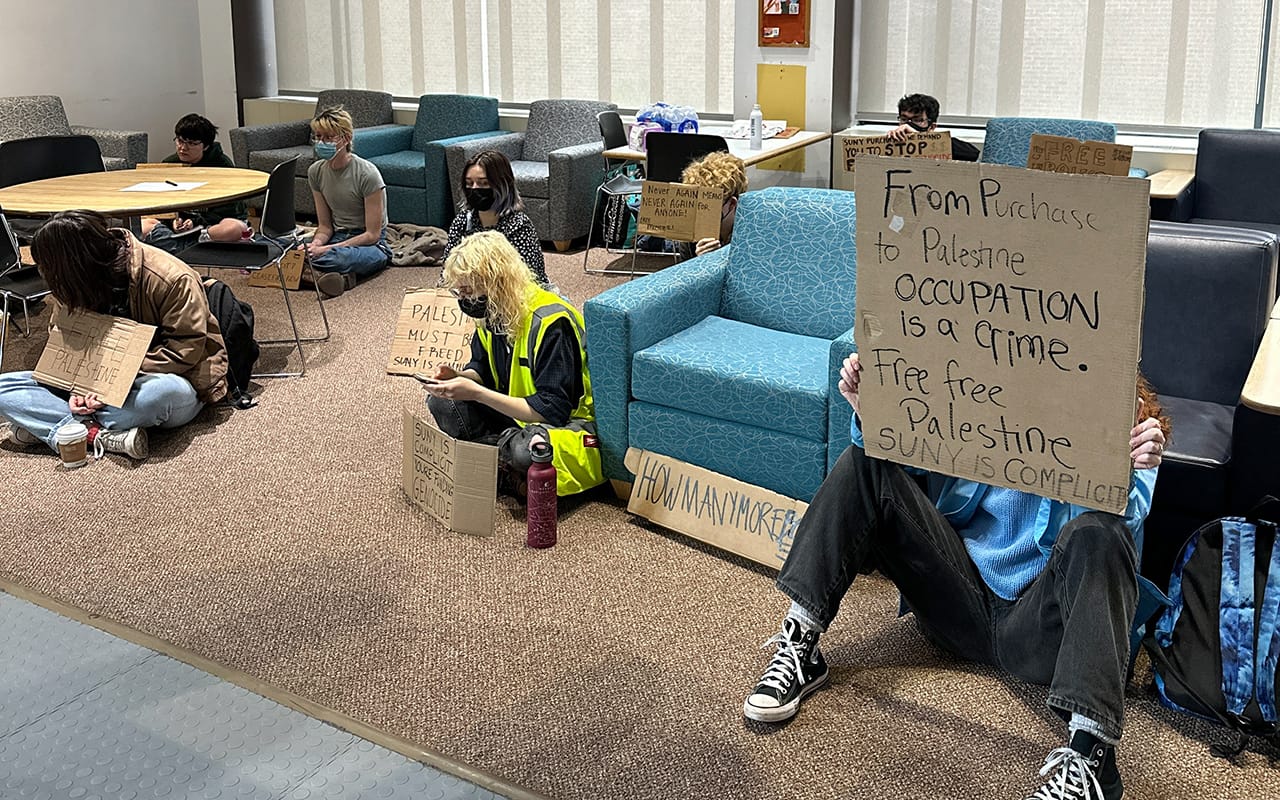
The Death of the Art School

In a faculty meeting at Purchase College in New York, an administrator referred to students as "consumers," prompting the author to reflect on the pervasive corporatization and "administrification" of American higher education. The article argues that this language reflects a broader restructuring of universities as businesses, where students are customers, knowledge is a product, and faculty are service providers. It cites data showing that between 1976 and 2011, non-faculty professional positions grew by 369% while tenure-track faculty grew by only 23%, and at Purchase College, administrator salaries rose over 45% from 2016 to 2024 while assistant professor salaries rose just 14%, with inflation at 31%.

Remains of time: Discarded Material Finds New Life As Artwork

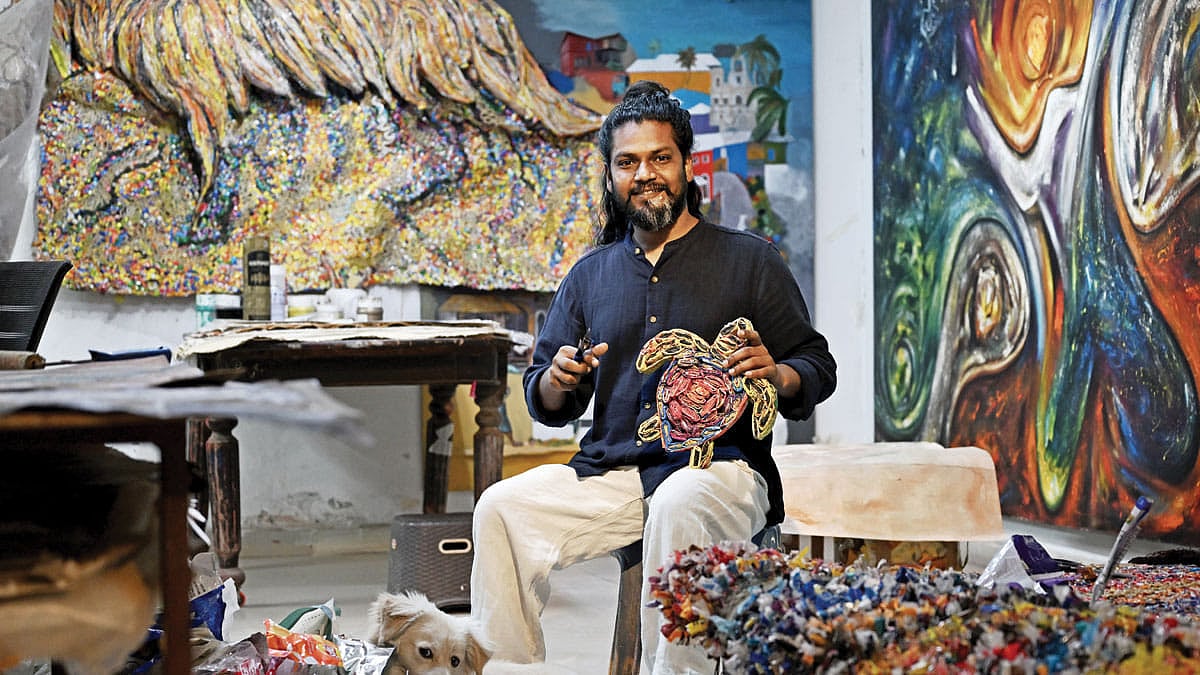
Two Indian artists, Manveer Singh (aka Plasticvalla) and Smriti Dixit, are creating artworks from discarded materials to address environmental degradation. Singh transforms multi-layered plastic waste into sculptures inspired by local landscapes and folk traditions, such as a snow leopard for Spiti Valley and a landfill-inspired piece for Delhi. Dixit finds her practice meditative, while other young artists like Anuja Dasgupta and Mrugen Rathod recently exhibited at the 'Sustaina' exhibition using recycled materials like agricultural waste and discarded hotel textiles. Additionally, Tara Lal's Aranyani Pavilion, made from invasive Lantana Camara wood, was displayed at Sunder Nursery to promote forest restoration.