filter_list Showing 9 results for "cleveland" close Clear
search
dashboard All 190 museum exhibitions 101article news 19article local 14trending_up market 12rate_review review 10article culture 9article policy 8person people 7gavel restitution 5candle obituary 4article events 1
date_range Range Today This Week This Month All
Subscribe

art best most iconic photos of the 21st century

Cultured magazine asked 25 photographers to each select a single image for a time capsule representing the first quarter of the 21st century. The resulting portfolio includes works by Juergen Teller (a Balenciaga ad featuring Putin, Trump, and climate imagery), Sinna Nasseri (a cat amid a California wildfire), Naima Green (a domestic scene mediated by smartphones), Lele Saveri (a critique of property ownership), and Trevor Paglen (a CIA black site in Kabul), among others.

design amalia ulman home

Artist Amalia Ulman shares a personal inventory of 44 objects from her home, ranging from a pigeon-shaped oven mitt and a 1920s Austrian bronze cat figurine to a telephone-shaped lamp bought from a subway vendor and a graphite portrait of her late dog Holga. The list includes quirky functional items like a cane that turns into a stool, a wooden chair that transforms into a ladder, and sentimental keepsakes such as a red pompom from Holga's casket and a bag of gravel from the dog park. The objects reflect her daily life, travels, and memories, blending humor with melancholy.

who was j m w turner why so important british artist

This article profiles British painter Joseph Mallord William Turner (1775–1851), detailing his rise from a barber's son to one of Britain's most famous artists. It covers his early training at the Royal Academy Schools, his mastery of watercolor and oil, and his prolific output of over 500 oil paintings and thousands of works on paper. Key works discussed include *Jedburgh Abbey* (c. 1832), *Fishermen at Sea* (1796), and *The Battle of Trafalgar* (1822), the latter of which sparked controversy for historical inaccuracies. The piece notes that for his 250th birthday, international institutions are celebrating his legacy.

rodins the thinker history

Auguste Rodin's iconic sculpture *The Thinker* was originally conceived in 1880 as part of a larger project—a decorative doorway for a planned Musée des Arts Décoratifs at the Palais d'Orsay in Paris. Rodin later exhibited the figure independently, and after his wife Rose Beuret died in 1917, he placed a bronze cast on her grave in Meudon, where he was buried months later. The article reveals lesser-known facts about the work, including that the first cast (1884, now at the National Gallery of Victoria) originally wore a Florentine cap identifying it as the poet Dante Alighieri, and that the plaster version of *The Gates of Hell* now sits at the Musée d'Orsay, the very site where the doorway was originally intended.

art where artists hang out nyc

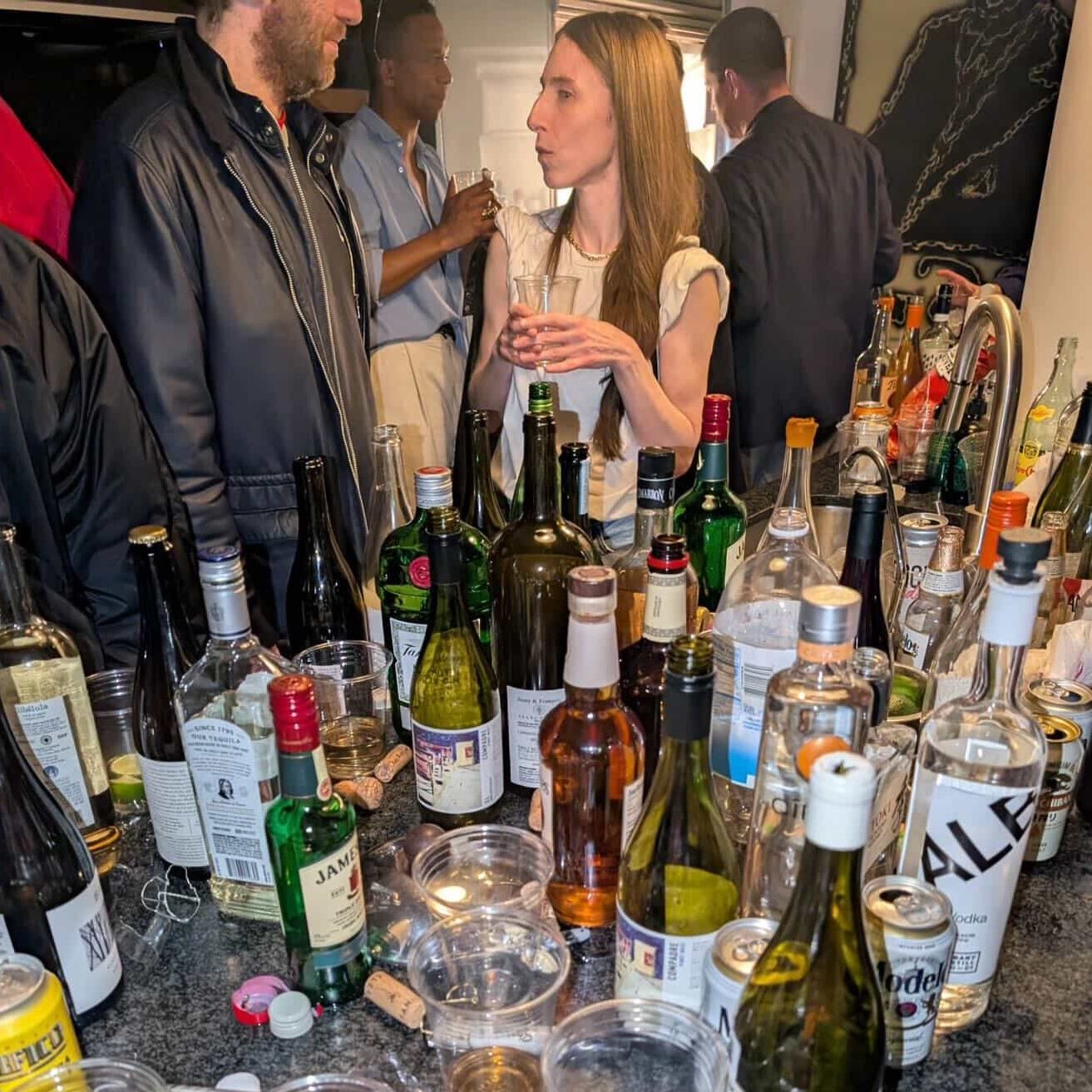
Cultured magazine surveyed 30 New York-based artists to find out where they hang out in 2026, as affordable and easy gathering places have become scarce. The responses range from iconic spots like the Rose Reading Room at the New York Public Library and the Metropolitan Museum of Art to more offbeat locales such as a karaoke bar on Bowery, a Cantonese noodle house in Chinatown, and a church hosting vogue sessions. Artists including Coco Klockner, Jamian Juliano-Villani, Tiffany Sia, Amanda Ba, Lucy Bull, and others share their personal favorites, highlighting a diverse mix of libraries, restaurants, bars, and community spaces.

These Are the 44 Best Art Museums in the U.S. Right Now

Time Out has published a list of the 44 best art museums in the U.S., ranking institutions like the Museum of Modern Art (MoMA), the Whitney Museum of American Art, and the Metropolitan Museum of Art (The Met) at the top. The article highlights each museum's collection highlights, architectural features, and visitor tips, with prices and recommendations for immersive experiences.

art black museums moad mocada auc

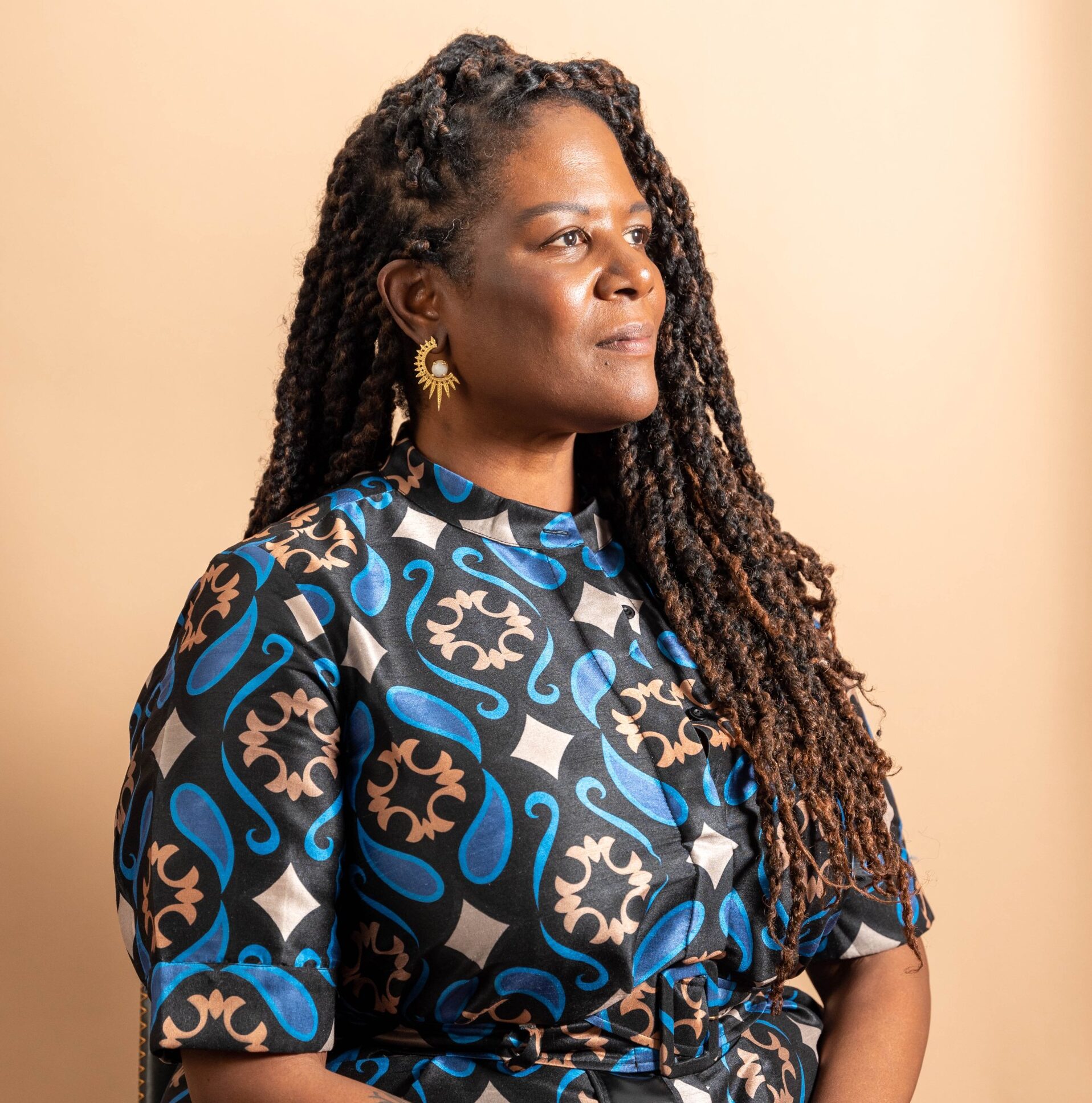
CULTURED magazine assembled a roundtable of three Black women leaders at prominent Black art museums in the U.S.—Key Jo Lee of the Museum of the African Diaspora (MoAD) in San Francisco, Cheryl Finley of the Atlanta University Center Art History and Curatorial Studies Collective (AUC), and Amy Andrieux of the Museum of Contemporary African Diasporan Arts (MoCADA) in New York. The discussion explores how each arrived at her role, the challenges these institutions face—including financial pressures and heightened scrutiny under the current U.S. administration—and their strategies for preserving and building legacies. Lee, who joined MoAD three years ago after a tenure at the Cleveland Museum of Art, is curating the exhibition “UNBOUND: Art, Blackness & the Universe,” named one of Hyperallergic’s top 25 of 2025. Finley, a curator, art historian, critic, and author, directs the AUC collective at Spelman College. Andrieux, who came from music and media roles at Red Bull Media House and MTV World, was recruited in 2018 to save MoCADA from closure and later became its executive director and chief curator, overseeing a capital expansion in 2023.


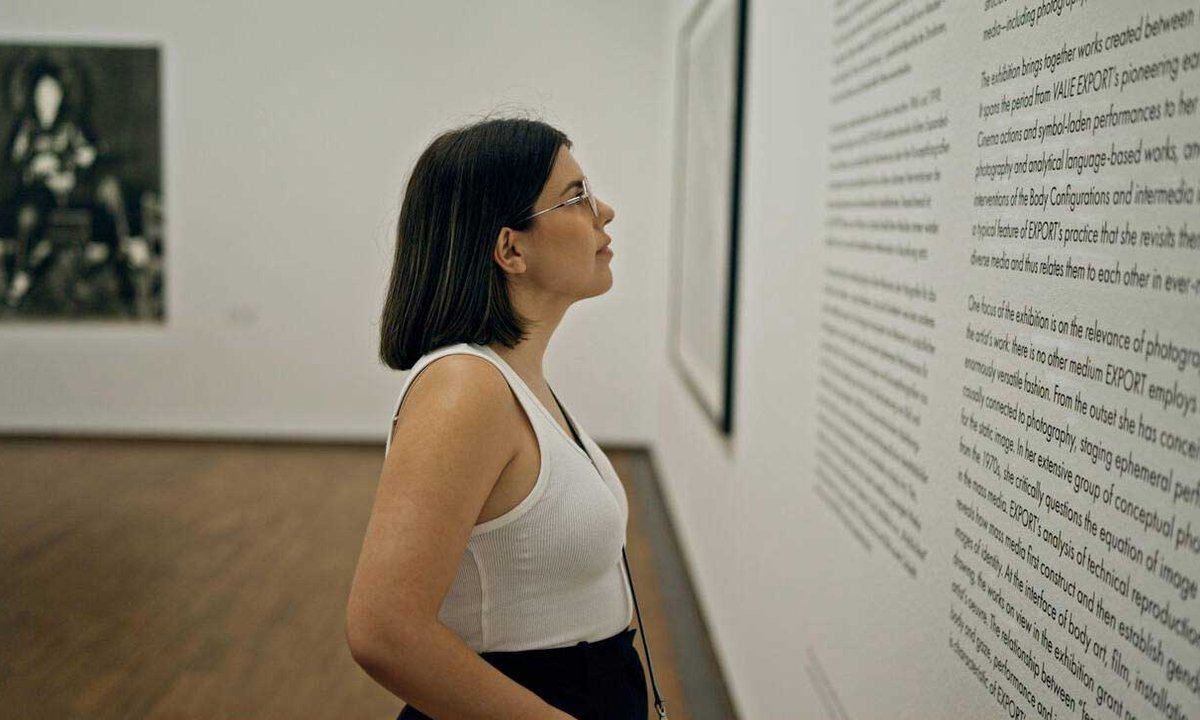
Museum wall texts are an art in their own right—but will they survive the digital age?

The article explores the debate over museum wall texts, examining whether they enhance or hinder the visitor experience. It highlights contrasting approaches: Calder Gardens in Philadelphia has eliminated wall text entirely, branding itself as "open to interpretation," while institutions like the Frick Pittsburgh and the Royal Ontario Museum (ROM) continue to use carefully crafted labels, often with strict word limits and multiple languages. The Frick Pittsburgh invites guest "labelists" from the local community to write labels, and the ROM focuses on making text shorter and more scannable to hold visitors' limited attention.

Column | I road-tripped the Midwest’s best art museums. It was anything but an escape.

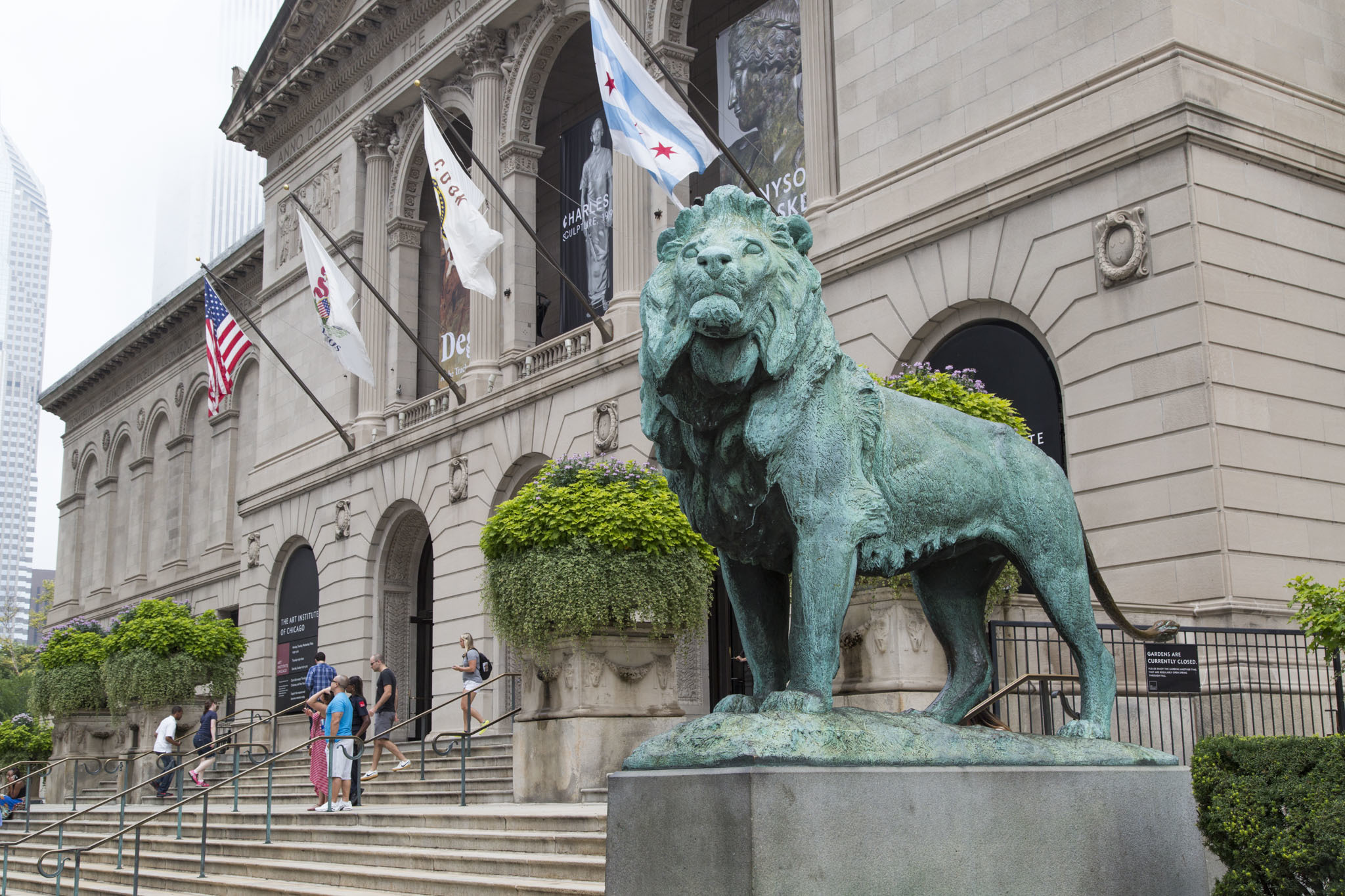
Art critic Sebastian Smee embarked on a summer road trip to visit seven major art museums across five Midwestern cities over five days. The column reflects on how the rapid succession of artworks and ideas from these institutions—ranging from the Art Institute of Chicago to the Cleveland Museum of Art—creates oblique connections and correspondences, both among the works themselves and between art and the outside world. Smee describes the experience as anything but an escape, as the art continually mirrors real-world events and emotions.