
filter_list Showing 3 results for "museum architecture" close Clear
search
dashboard All 102 museum exhibitions 64article news 21rate_review review 7candle obituary 3article culture 3article policy 2person people 2
date_range Range Today This Week This Month All
Subscribe

architecture peterson rich met moma

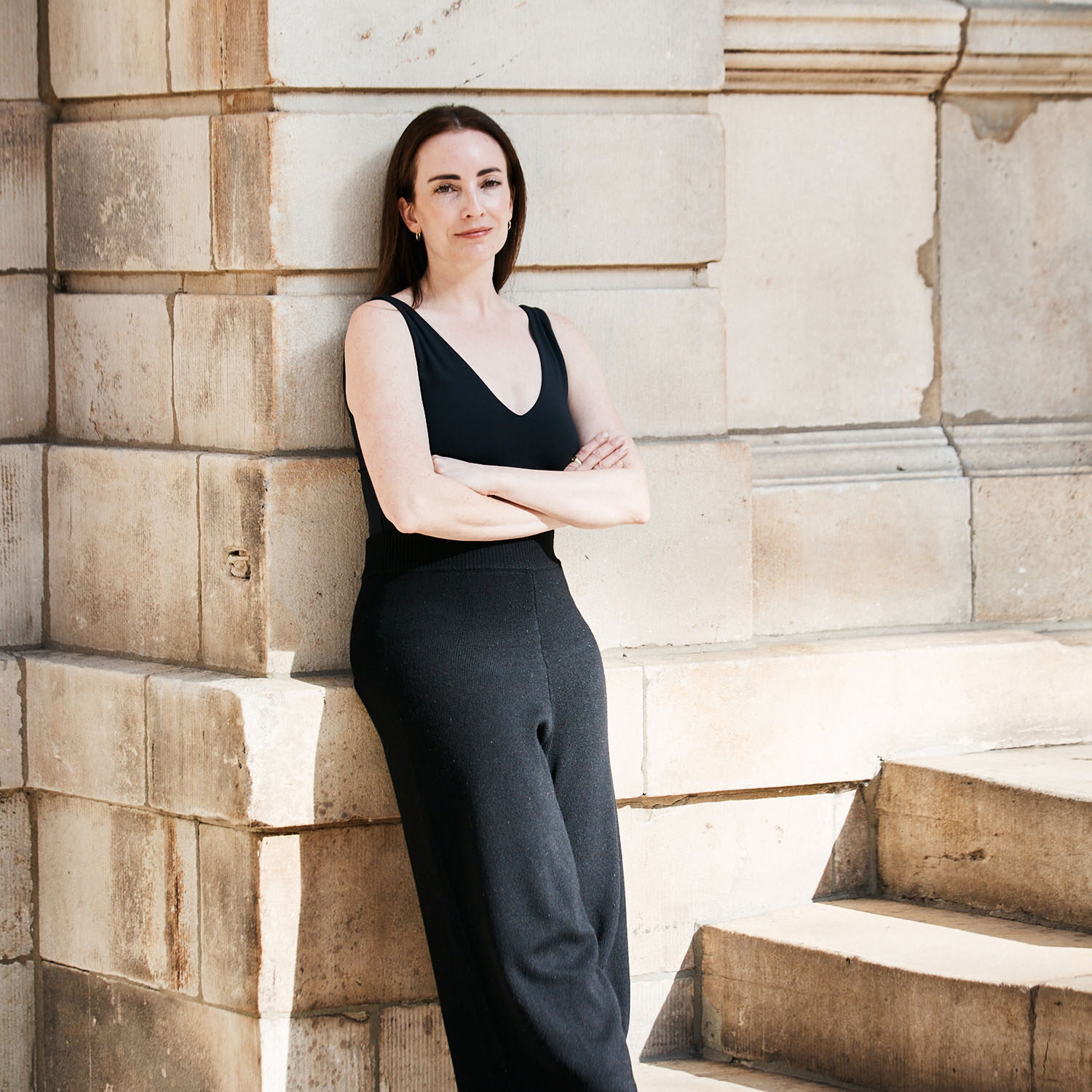
The architectural studio Peterson Rich Office (PRO), founded by husband-and-wife team Miriam Peterson and Nathan Rich in 2014, is designing cultural spaces that blend art, commerce, and community. Their recent projects include converting a Romanesque church into the Shepherd in Detroit—a space for exhibitions, a community library, and performances—and redesigning the MoMA Design Store in SoHo to draw more visitors and link it to contemporary artists like Nina Chanel Abney. PRO's most ambitious commission is for the Metropolitan Museum of Art, involving a special exhibition gallery, dining and retail spaces, and a new entrance at 83rd Street.
hotels museum future architecture

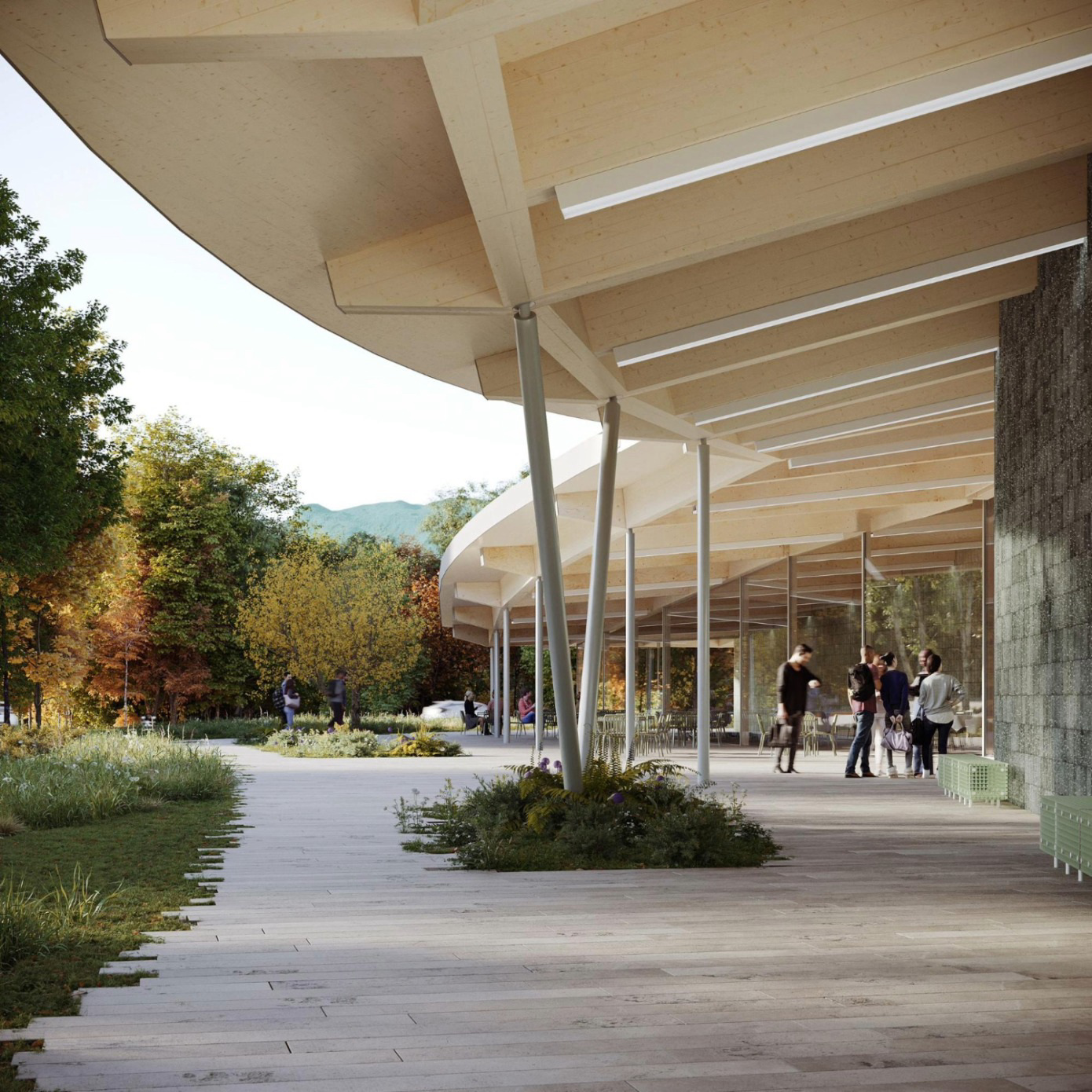
The article, written by a former New Museum staffer, traces the evolution of museum architecture from the early 2000s starchitect era toward a hospitality- and community-focused model. It cites examples like MoMA's extensive visitor amenities (four restaurants, two retail spaces) and the Williams College Museum of Art's open, evolving design by SO-IL. The piece also highlights the Underground Museum's storefront approach in Los Angeles and the Storefront for Art and Architecture in New York as strategies that prioritize accessibility and community engagement.

Comment | Muted grey, bloody red, or dark blue—here’s why the colour of museum walls matters more than you might think

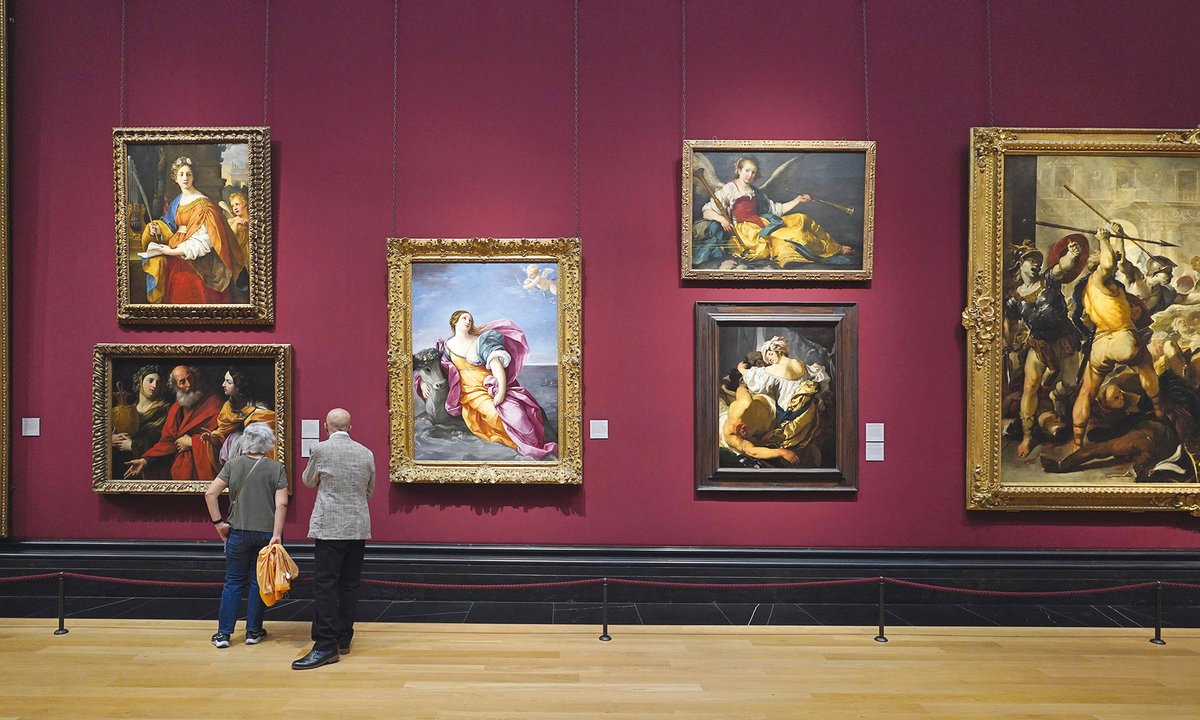
The article explores the often-overlooked significance of color in museum spaces, prompted by a conversation with architect Annabelle Selldorf about her $220 million renovation of New York's Frick Collection. Selldorf describes the new auditorium's muted grey as creating a calm, meditative environment, contrasting sharply with Tate Modern's Starr Cinema, which architect Jacques Herzog painted shocking red to symbolize the space as the museum's "brain." The piece traces historical approaches to gallery wall colors, from Charles Eastlake's advocacy at the National Gallery in London—informed by Goethe's color theory—to the enduring orthodoxy of reds and greens, and a notable departure with deep Prussian blue for a Gainsborough exhibition at Tate Britain. It also recounts Henri Matisse's 1946 project in Paris, where he covered his room's grimy beige walls with cut-paper forms, creating the screens "Océanie, Le Ciel" and "Océanie, La Mer."