filter_list Showing 21 results for "protests" close Clear
dashboard All 211 article news 91museum exhibitions 52article policy 23article culture 21person people 8rate_review review 6article local 4gavel restitution 3trending_up market 2candle obituary 1
date_range Range Today This Week This Month All
Subscribe

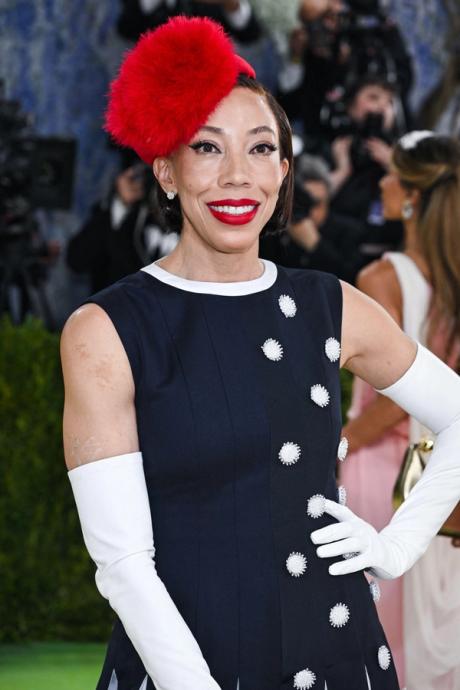
Artists made their mark at 2026 Met Gala

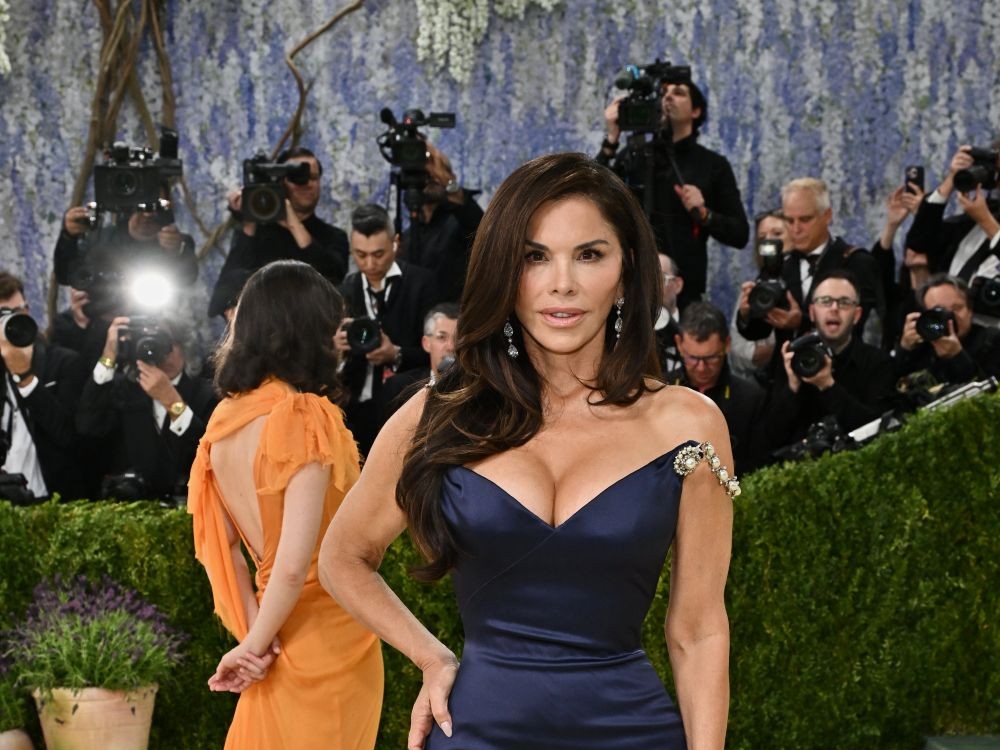
The 2026 Met Gala, held on May 4 at the Metropolitan Museum of Art, raised a record $42 million for the Costume Institute, surpassing last year's $31 million. Honorary chairs Jeff Bezos and Lauren Sanchez Bezos contributed at least $10 million, but their involvement sparked protests outside the event, with demonstrators holding signs like "Tax the Rich" and a group called Everyone Hates Elon leaving fake urine bottles labeled with Bezos's face. Inside, artists made a strong impression: Amy Sherald wore a Thom Browne look based on her painting; Jordan Roth donned a Robert Wun outfit inspired by a Met collection work; and Tschabalala Self collaborated with Brandon Blackwood on a gown evoking Degas's ballerina sculpture. The gala's dress code was "fashion is art," and the accompanying exhibition, "Costume Art" (May 10–January 10, 2027), debuts the Met's new 12,000-square-foot Condé M. Nast Galleries.
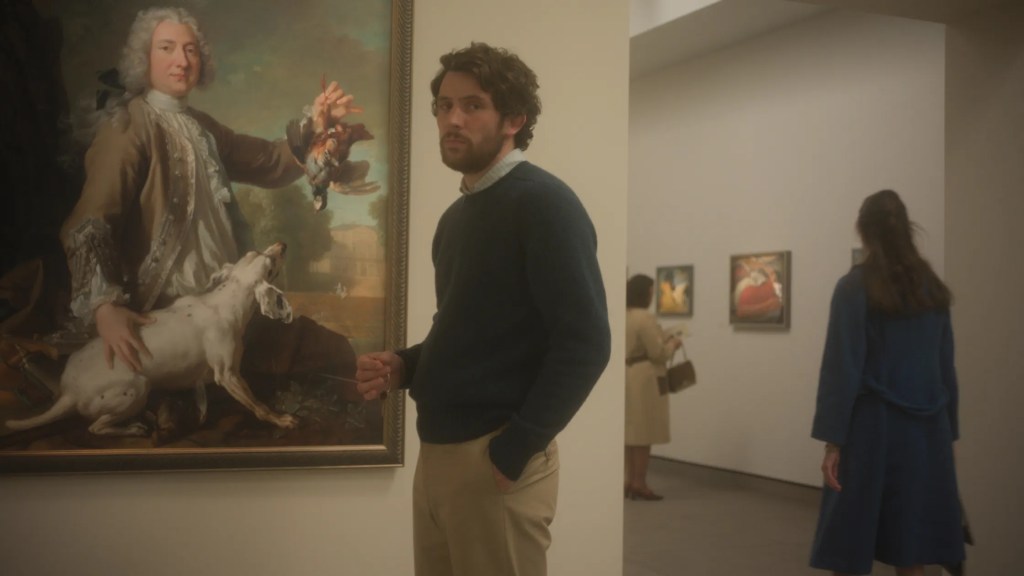
art heist that inspired the mastermind 1234757268

Kelly Reichardt's new film *The Mastermind*, starring Josh O'Connor, depicts a low-stakes art heist at the fictional Framingham Museum of Art, inspired by a real 1972 theft at the Worcester Art Museum in Massachusetts. In the actual heist, two robbers stole four paintings by Rembrandt, Picasso, and Gauguin, worth about $7.72 million today, and shot an unarmed guard. The film, set in the early '70s, draws on details like two schoolgirls who witnessed the crime, but Reichardt deliberately makes the cinematic version less thrilling than the real event.

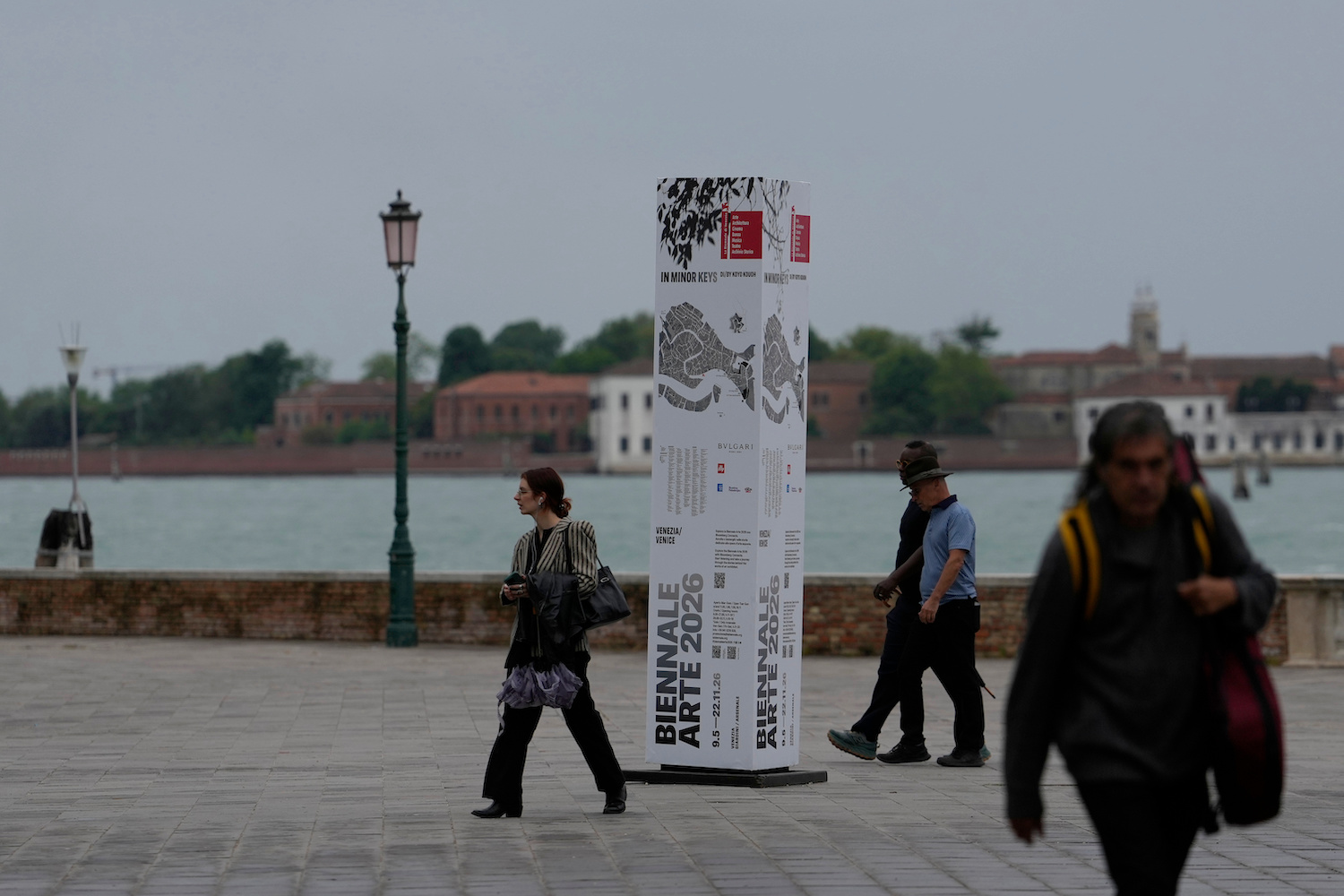
A Brief History of Protest at the Venice Biennale

The article provides a historical overview of protest actions that have taken place at the Venice Biennale, tracing key moments of political and social dissent within the prestigious international art exhibition. It highlights instances where artists, activists, and participating nations have used the Biennale as a platform to challenge authority, address censorship, and critique global issues, from the 1968 student protests to more recent controversies involving national pavilions and institutional policies.

African LGBTQ+ art at the Smithsonian, the Iran crisis, Louise Nevelson at Pompidou Metz—podcast

The latest episode of The Art Newspaper's 'The Week in Art' podcast, hosted by Ben Luke, covers three major stories. It features a discussion with co-curator Kevin Dumouchelle about 'Here: Pride and Belonging in African Art,' a new exhibition at the Smithsonian’s National Museum of African Art in Washington, D.C., focusing on LGBTQ+ artists from Africa and its diaspora. The episode also examines the cultural impact of the protests and brutal crackdown in Iran, with reporter Sarvy Garenpayeh, and highlights Louise Nevelson's 'Tropical Garden II (1957)' as the Work of the Week, tied to a new survey of the sculptor's work at the Centre Pompidou-Metz.

barbara kruger untitled questions ice protests la 1234745039

Barbara Kruger's monumental text-based mural "Untitled (Questions)" (1990/2018) at the Geffen Contemporary in Los Angeles has become a backdrop for National Guard deployments during protests against ICE raids. Originally commissioned by MOCA in 1989, the 191-foot-long work asks "WHO IS BEYOND THE LAW?" and has been photographed twice with armed soldiers beneath it—first in 1992 during the Rodney King protests, and again this week as President Donald Trump deployed the National Guard to quell demonstrations against immigration enforcement. Photographer Jay L. Clendenin captured the latest image, showing a calm scene that belies nearby unrest.

Met Gala Memes That Ate the Rich and Left No Crumbs

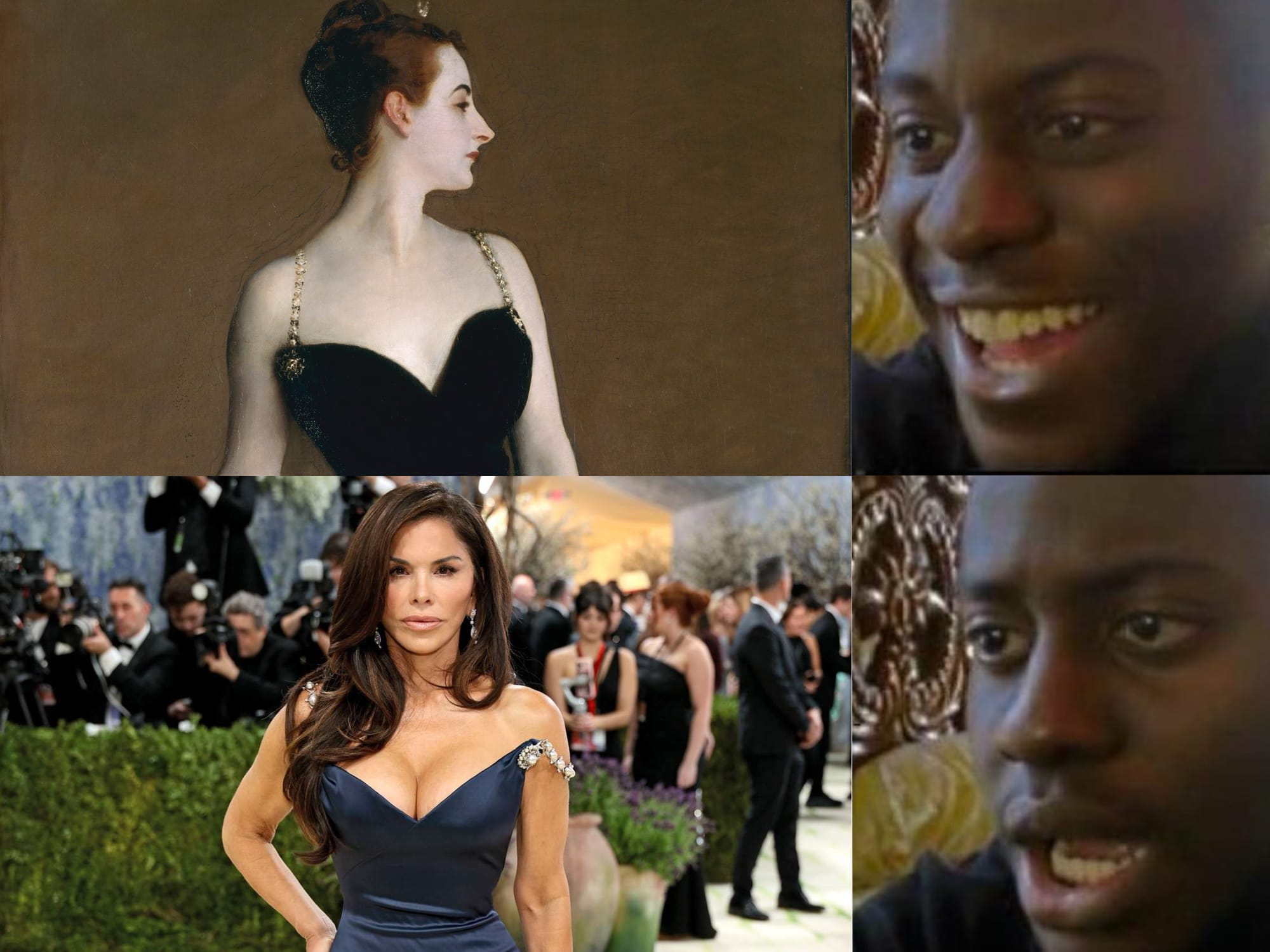
The article covers the 2026 Met Gala, sponsored by Jeff and Lauren Sánchez Bezos, and the intense online backlash it generated. Despite a dress code of "Fashion is Art," celebrities faced merciless mockery on social media for their looks, with particular scorn directed at Lauren Sánchez Bezos's Schiaparelli gown inspired by John Singer Sargent's "Madame X." The criticism was amplified by weeks-long protests against Amazon's labor practices and Bezos's involvement, as well as the museum's own unionized employees speaking out. The piece compiles the most inventive and cutting memes from X (formerly Twitter), targeting everything from fashion fails to political hypocrisy.

How Tech Billionaires Turn Couture into Content

Wie Tech-Milliardäre Couture zu Content machen

The Met Gala, long considered the premier event for fashion and cultural influence, has become increasingly dominated by tech billionaires. This year, Jeff Bezos and Lauren Sánchez Bezos purchased their role as co-hosts, sparking protests in New York and raising questions about whether money alone now buys entry into the highest echelons of fashion. Individual tickets cost $10,000 and a table $350,000, with sponsors including OpenAI, Snapchat, and Meta. The event, organized by Anna Wintour to raise funds for the Costume Institute at the Metropolitan Museum of Art, raised $31 million last year but has transformed from a benefit into a spectacle optimized for viral moments and algorithmic appeal.

There Has Never Been an Apolitical Venice Biennale

The Venice Biennale, with its national pavilion structure, has always been a platform for political expression and soft power, a reality evident from its early 20th-century origins. Contemporary critic Arturo Lancellotti's 1909 review of the German and British pavilions was steeped in geopolitical context, revealing how national artistic displays were interpreted through the lens of imperial power and military alliances.

art criticism contemporary art crisis trump gaza

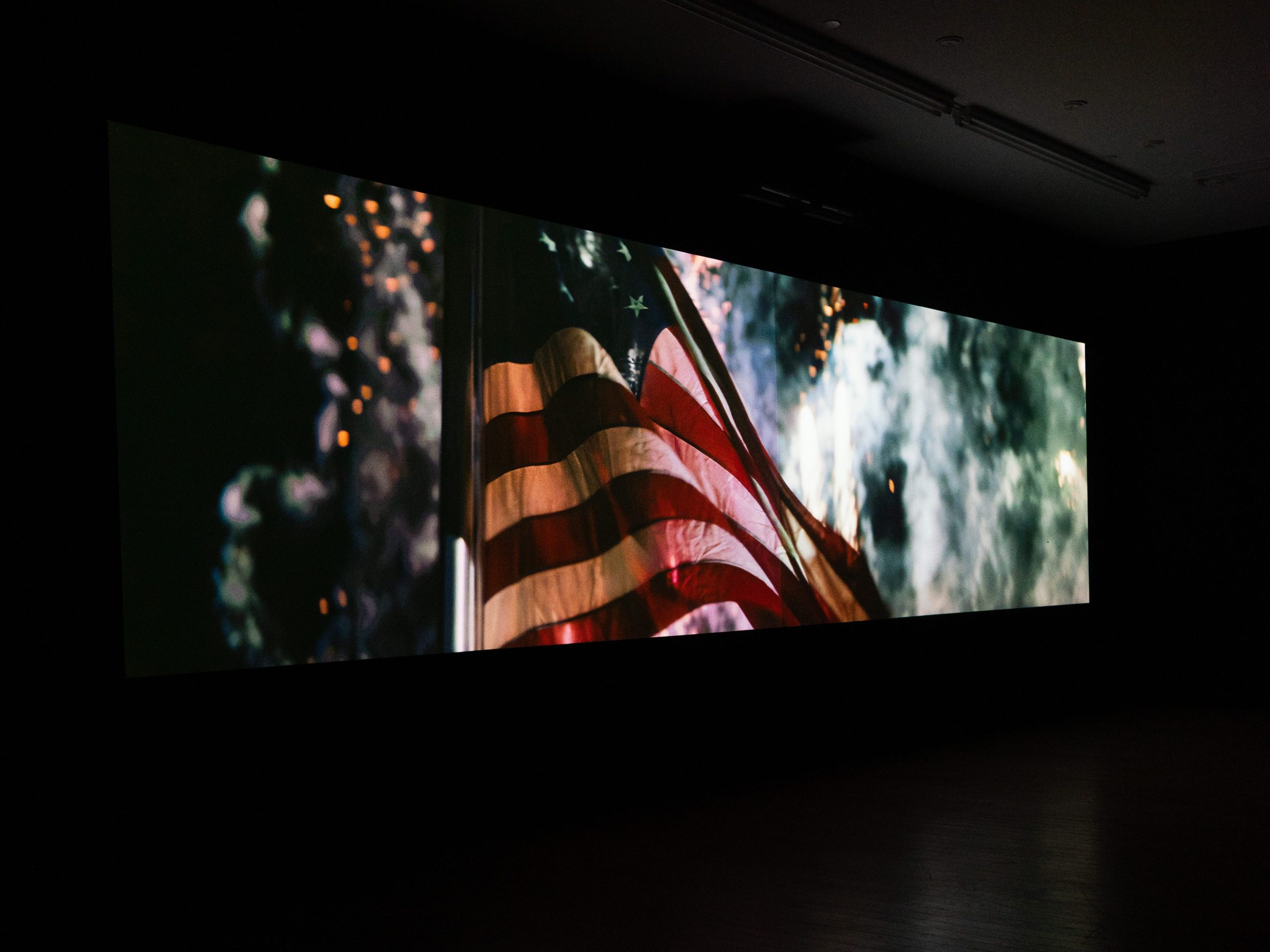
The article, written by an art critic for Cultured, opens by describing recent U.S. government actions under Executive Order 14253, including the National Park Service's restoration of a monument to Confederate General Albert Pike and a White House letter to Smithsonian Secretary Lonnie G. Bunch III ordering a review of Smithsonian programming to align with a directive to "celebrate American exceptionalism." The critic notes Bunch's balancing act of cooperating while asserting the Smithsonian's independent authority. The piece then pivots to the state of art criticism, referencing Domenick Ammirati's essay on the perpetual "crisis in criticism," and highlights Marco Brambilla's exhibition "Limit of Control" at bitforms gallery as the year's most under-appreciated show, praising its use of AI to explore political violence and protest.

mahmoud khalil nan goldin market tanked palestine activism 1234751605

Artist Nan Goldin and Palestinian activist Mahmoud Khalil discussed Khalil's 104-day ICE detention, the 'Palestine Exception' to free speech, and the backlash faced by pro-Palestinian activists in a conversation published in Dazed magazine. Khalil was arrested in March 2024 after serving as a negotiator during Columbia University protests, with the Trump administration alleging he undermined foreign policy and later claiming he failed to disclose information on his green card application. Goldin compared her own experience leading the activist group PAIN, which successfully pressured museums to cut ties with the Sackler family over the opioid crisis, noting that pro-Palestinian activism has faced far greater criminal and professional repercussions.

Comment | The slopification of political art

The article critiques the rise of AI-generated political imagery, such as Donald Trump depicted as Jesus and viral Lego videos of the Iranian Revolutionary Guard Corps, arguing that these shallow, generic visuals fail to provide meaningful or lasting cultural commentary on current conflicts. The author contrasts this with the inventive, humorous resistance seen during the 2013 Gezi Park protests in Istanbul, which later influenced a generation of Turkish artists.

art bites monet water lily pond 2711440

Claude Monet’s iconic water lily pond paintings are the subject of a new article exploring the artist’s deep passion for gardening. The piece details how Monet, after moving to Giverny in 1883, spent decades transforming his property into a lush, Japanese-inspired garden, complete with a pond, wisteria bridge, and exotic plants. He hired up to eight gardeners, studied botanical journals, and even faced protests from local farmers when he diverted a river to create the pond. The garden became his sole artistic focus for the last 20 years of his life, producing around 250 paintings of the water lilies.

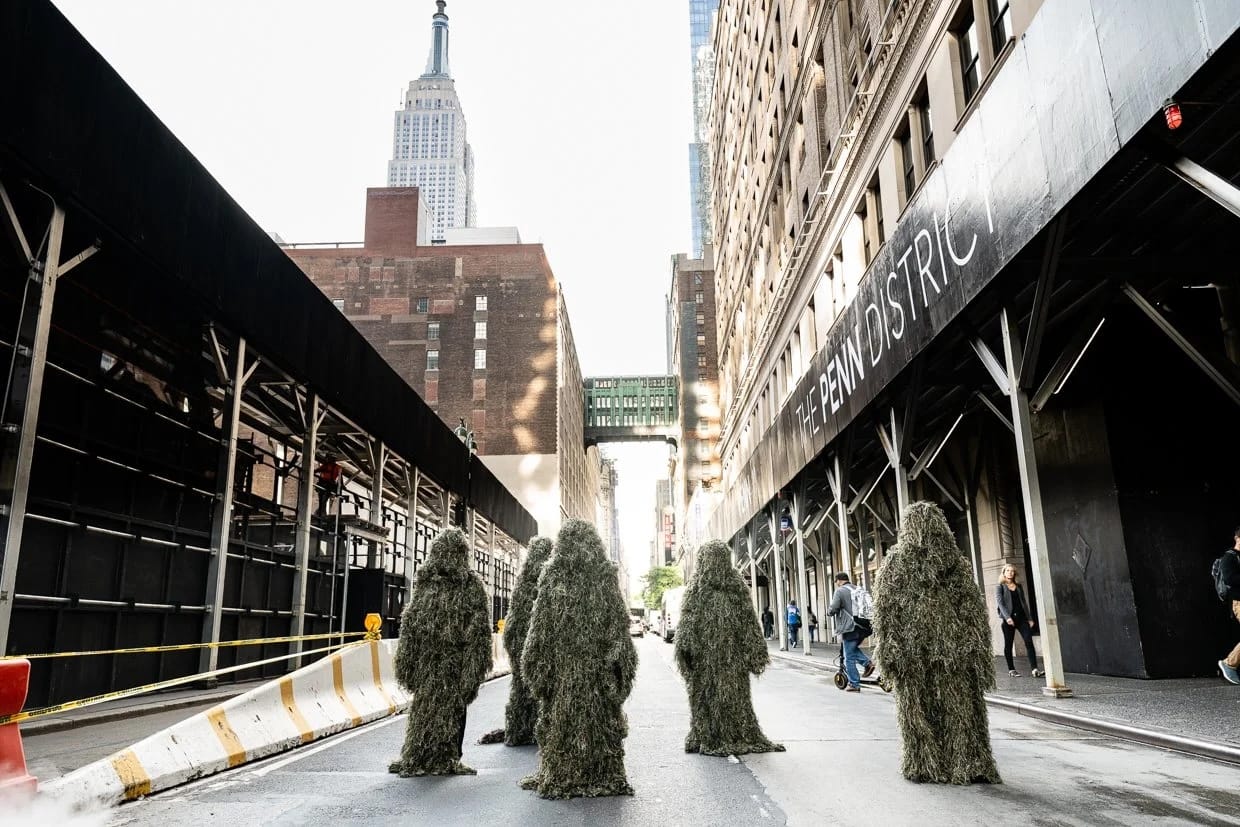
Group "New Generation" Plans "Art Protest" on Wednesday

Gruppe "Neue Generation" plant "Kunstprotest" am Mittwoch

The activist group "Neue Generation" has announced a week of protests in Berlin under the theme "Revolution Days," promising creative and artistically designed actions. Their activities began with a "protest dance" on the steps of the Reichstag building, leading to three participants being investigated for trespassing. The group has scheduled a "Kunstprotest" (art protest) for Wednesday and a "revolutions attempt in the government district" for Thursday.

Galle Facing

Colombo’s skyline has undergone a radical transformation into a forest of glass and steel towers, epitomized by projects like the Lotus Tower and Port City. This rapid urbanization, driven by a state ambition to create a 'world-class city' following decades of civil war, has resulted in the displacement of local neighborhoods and the burial of historical layers under new infrastructure.

Mexico City: El Desagüe by Luis Ortega Govela

Francis Alÿs’s 1997 performance piece, *Paradox of Praxis I*, serves as a starting point for an exploration of Mexico City’s violent hydrological transformation. By pushing a block of ice through the streets until it evaporates, Alÿs retraces the vanished canals of Tenochtitlán, the Aztec capital that was systematically drained by Spanish colonizers to establish a terrestrial, European-style urban grid.

Where to go for the next scandal?

Wo bitte geht's zum nächsten Skandal?

The article reports on the 2024 Venice Biennale preview days, where the atmosphere is dominated by political protests, media stunts, and social-media pressure rather than the art itself. Incidents include a solidarity drone choir for Gaza, a Pussy Riot and FEMEN protest at the Russian Pavilion, and a planned demonstration near the Israeli Pavilion, all amplified by PR agencies and WhatsApp alerts. A journalist describes being pressured by editors to cover scandals and political controversies instead of art reviews, which they say no longer attract clicks.

Rika Nakajima: A New Book of the Dead, Part 3

連載 中島りか 新しい死者の書 第三回

Japanese artist Rika Nakajima reflects on the trial of Tetsuya Yamagami, who assassinated former Prime Minister Shinzo Abe in 2022, weaving together her own experience running the project space "Datsuisho – (a) place to be naked" in Tokyo's Yanaka district. As the space faced demolition in late 2025, Nakajima draws parallels between the trial's timing and the closure of her venue, recalling earlier events at the space that discussed the state funeral controversy and the cult issues exposed by the assassination. She describes attending the trial in Nara, observing Yamagami's demeanor, and connecting the case to broader themes of political aesthetics, fascism, and the theatricality of the judicial system.

Social Malpractice in the Age of Cultural Compliance

Artist Ed Woodham reflects on the evolution and co-option of socially engaged art, using his own projects like 'The Keepers' protests and the Art in Odd Places initiative as examples. He describes a troubling trend where the language and strategies of social practice art, once used to challenge systems, are now being adopted by developers, corporations, and institutions for branding, place-making, and community engagement initiatives that often operate within the very economic structures driving displacement and eroding public space.

Commentary: This year's Met Gala proved one thing: The real devil who wears Prada is Jeff Bezos

Jeff Bezos and his wife Lauren Sánchez Bezos served as honorary co-chairs and sponsors of this year's Met Gala, sparking widespread protests and calls for boycotts. Guerrilla activist group Everyone Hates Elon plastered New York with anti-Bezos signage, and activists placed 300 bottles filled with fake urine inside the Metropolitan Museum of Art to highlight Amazon workers' bathroom break complaints. New York Mayor Zohran Mamdani declined his invitation, and the absence of celebrities like Meryl Streep and Zendaya fueled speculation about a boycott, though representatives denied any coordinated protest. Despite the controversy, the gala proceeded with many attendees and is expected to raise more than last year's $31 million for the Costume Institute.

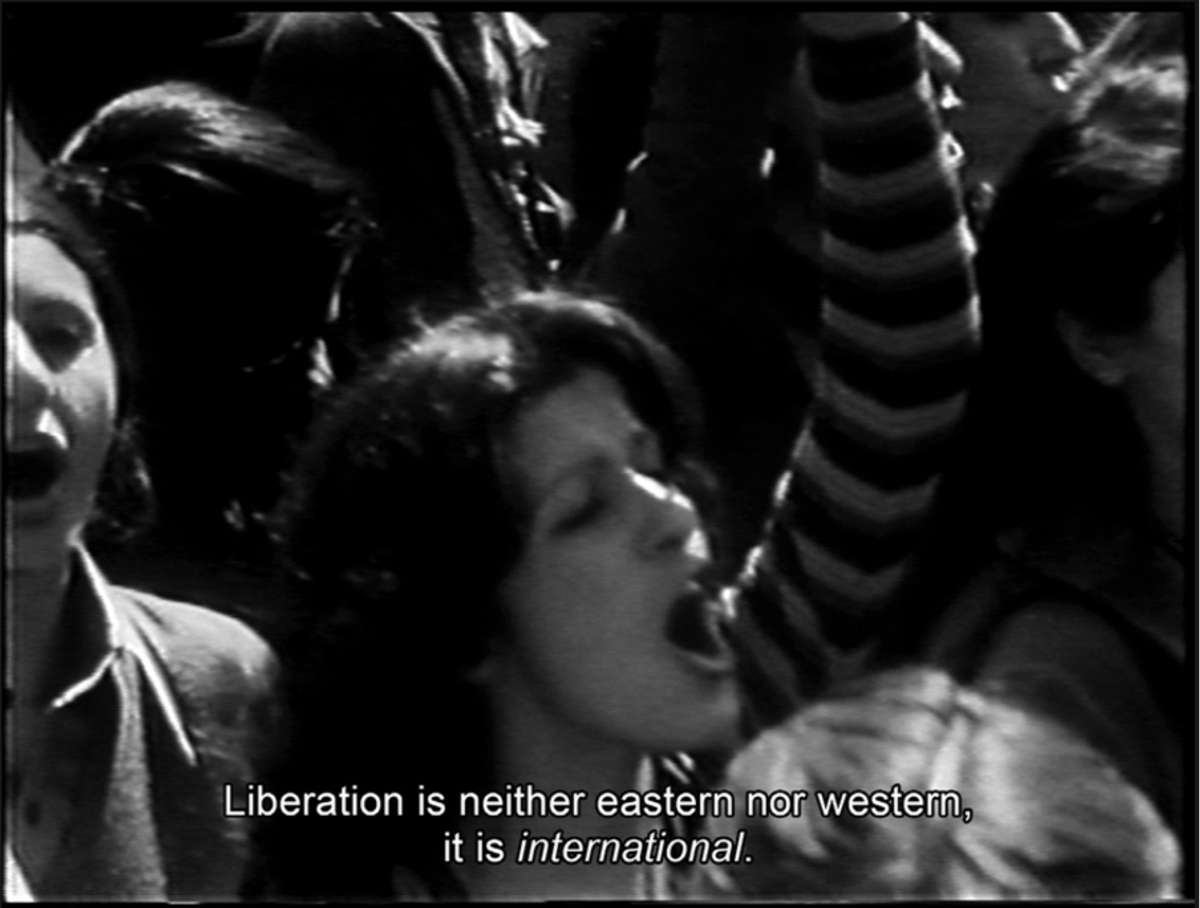
“Those Who Tell You What to Wear Today Will Tell You What to Think Tomorrow”: Revisiting International Women’s Day 1979 in Iran

The article revisits the six-day nationwide women's protests in Iran that began on International Women's Day, March 8, 1979. Thousands of women marched in Tehran and other major cities in response to Ayatollah Ruhollah Khomeini's declaration mandating the hijab in public ministries, marking the first mass organized resistance against the compulsory hijab and the rising Islamic Republic.

craft as protest 2741909

Craft-based activism is surging in the U.S. as a form of protest against Immigration and Customs Enforcement (ICE) policies and operations under President Trump's second term. Projects include the "Melt the ICE" hat, a red beanie pattern that has sold over 65,000 copies and raised over $600,000 for immigrant-support nonprofits, and origami rabbits for a detained five-year-old boy, drawing direct parallels to historical craft-as-resistance movements like the Norwegian topplue worn against Nazi occupation.