filter_list Showing 17 results for "provenance" close Clear
search
dashboard All 562 trending_up market 275gavel restitution 108article news 82museum exhibitions 57article culture 17article policy 14person people 6article local 2candle obituary 1
date_range Range Today This Week This Month All
Subscribe

Andrew Lloyd Webber Is Writing a Musical About the Heist that Made ‘Mona Lisa’ Famous

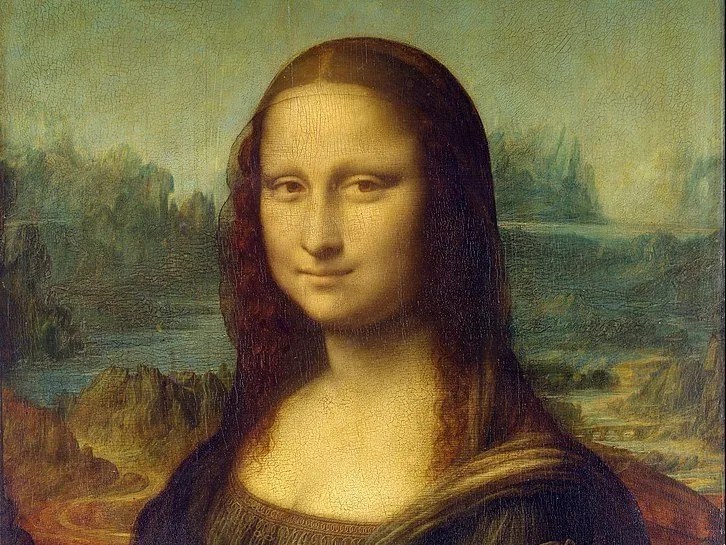
Renowned composer Andrew Lloyd Webber has announced he is developing a new musical centered on the 1911 theft of Leonardo da Vinci’s Mona Lisa. The production will dramatize the true story of Vincenzo Peruggia, a Louvre employee who stole the masterpiece and hid it for two years before it was recovered in Italy. Lloyd Webber revealed the project following the Broadway opening of Cats: The Jellicle Ball, noting that he is beginning the writing process immediately.

secrets of the metropolitan museum

The article reveals little-known secrets about the Metropolitan Museum of Art, including that its first home was not on Fifth Avenue but at 681 Fifth Avenue, and later the Douglas Mansion, before moving to its current location in 1879. It also notes that the museum's original red-brick facade is barely visible today, hidden within the Robert Lehman Wing, and that its first director, Luigi Palma di Cesnola, controversially mixed and matched parts of ancient sculptures to create composite works, while also misrepresenting their provenance.

the phoenician scheme wes anderson renoir art collecting

Wes Anderson's new film *The Phoenician Scheme* features a protagonist, Zsa-Zsa Korda (played by Benicio del Toro), who is a jet-setting high roller with a vast but neglected art collection housed in a 16th-century palazzo. The collection includes authentic masterpieces such as an 1889 Renoir portrait once owned by Greta Garbo, a 1942 Magritte, and a 17th-century van Schooten still life, alongside replicas like a Peter Paul Rubens. The film, now playing in New York and Los Angeles, uses these artworks as props and backdrops, reflecting the protagonist's indifference to his possessions amid his shady business schemes and fractured family relationships.

Our Summer Art Reading List

Hyperallergic's summer art reading list features a curated selection of art books, including Kory Stamper's 'True Color' about the Merriam-Webster color definer, Megan O'Grady's essay collection on art as necessity, and 'O'Keeffe-isms' drawn from Georgia O'Keeffe's writings. The list also highlights art detective mysteries like 'The Case of the Disappearing Gauguin' by Stephanie Brown and provenance stories from the San Antonio Museum of Art, alongside upcoming Yale University Press titles on Anni Albers, Dorothea Tanning, and Edward Steichen. Additional coverage includes an exhibition of Jack Kerouac's letters and photographs in NYC, and the Printed Matter art book fair in Los Angeles.

Most expensive, suicide not murder and more: celebrating 300 Adventures with Van Gogh

Adventures with Van Gogh, a weekly blog launched in 2018, has published its 300th post. To mark the milestone, the blog compiled a list of its most-read posts since the 200th edition in February 2023, updated with new information. Topics range from the ten most expensive Van Gogh paintings at auction (led by *Orchard with Cypresses* at $117m) to a geological feature near Saint-Rémy-de-Provence that appears in *The Olive Trees*, a defense of the suicide theory over murder, the real-life view behind *Starry Night over the Rhône*, Picasso’s granddaughter Marina Picasso quietly buying and selling a Van Gogh watercolour, and the artist’s preference for simple wooden frames over ornate gold ones.

Van Gogh’s Starry Night over the Rhône reveals more of its mysteries

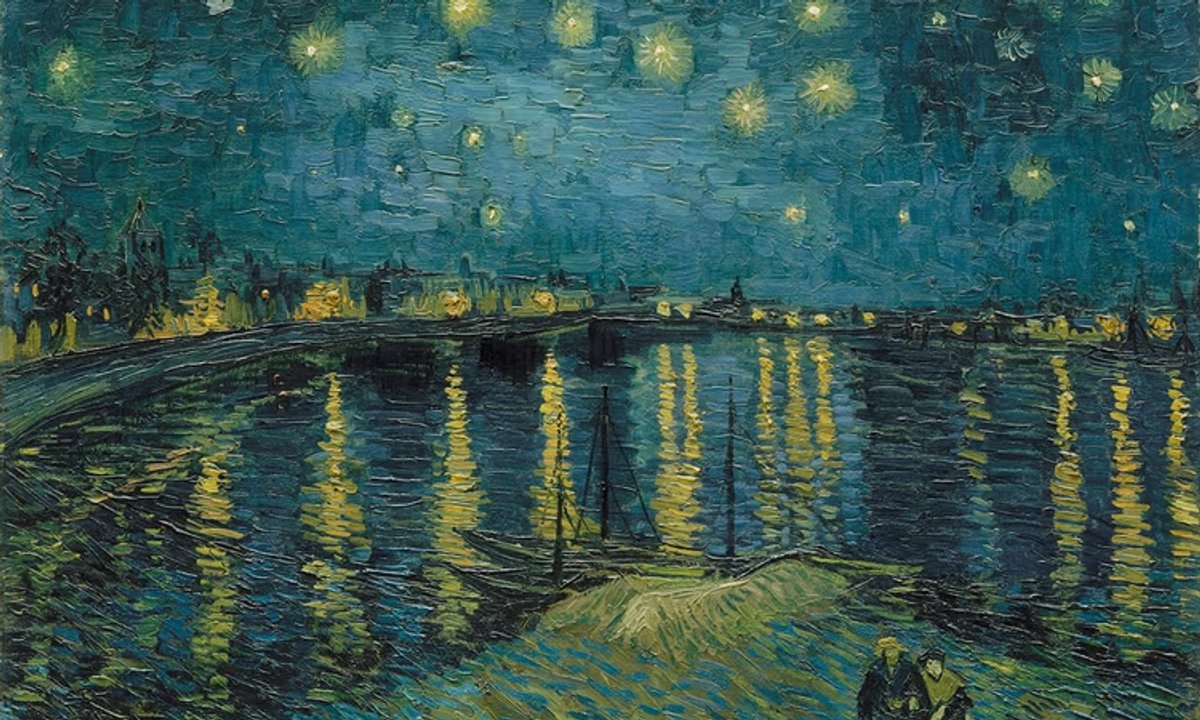
Van Gogh's *Starry Night over the Rhône* (September 1888), housed at the Musée d'Orsay in Paris, is analyzed in detail to separate the actual view of Arles from the artist's imaginative additions. The article examines how Van Gogh repositioned the Plough (Big Dipper) constellation, exaggerated the brightness of gas lamps, and likely painted most of the scene in his studio rather than en plein air. It also reveals that he later reworked the lower-left corner of the canvas, as seen in contemporary sketches.

How did the only painting sold by Van Gogh in his lifetime end up in Russia?

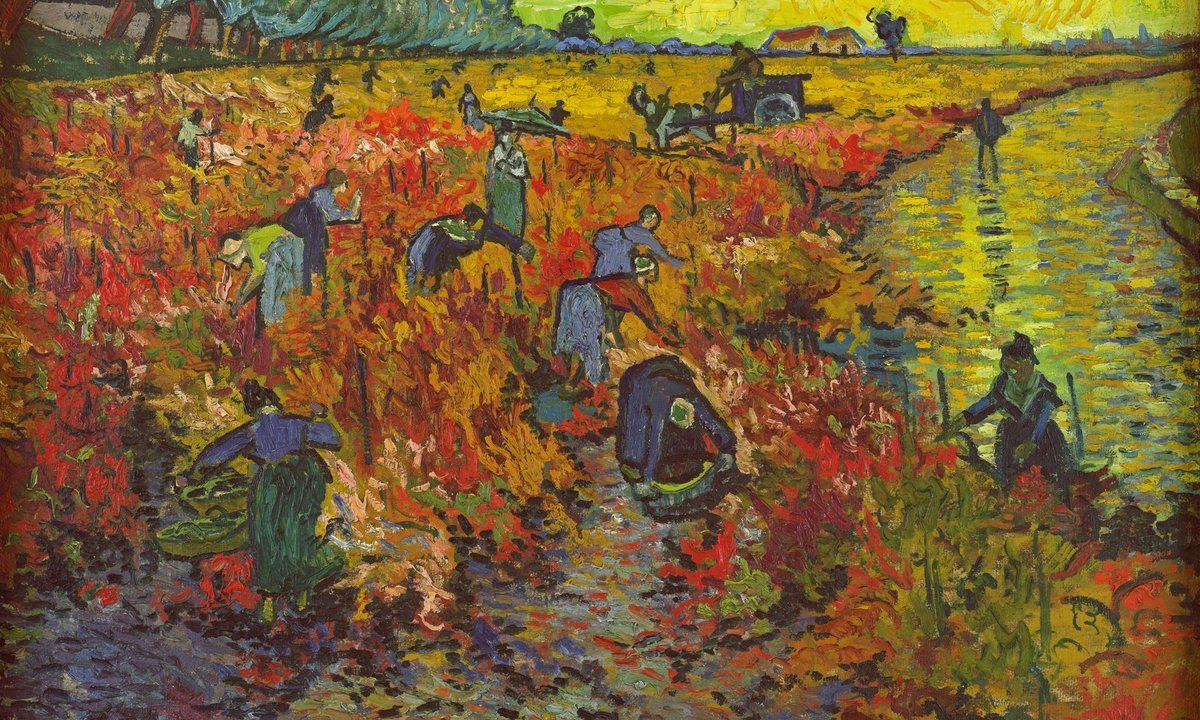
The article explores the history and conservation of Vincent van Gogh's "The Red Vineyard," the only painting he is certain to have sold during his lifetime. Sold for 400 francs at a Brussels exhibition in March 1890, the work now resides at the Pushkin State Museum of Fine Arts in Moscow. A recent conservation project used modern scientific techniques to uncover new details about the painting's creation, including Van Gogh's use of paint straight from the tube, compositional changes, and the fading of chrome yellow pigments. The article also recounts the painting's origin during Van Gogh's time in Arles with Paul Gauguin and its journey to Russia.

New book digs into the little-known gallery that brought Modern art to America

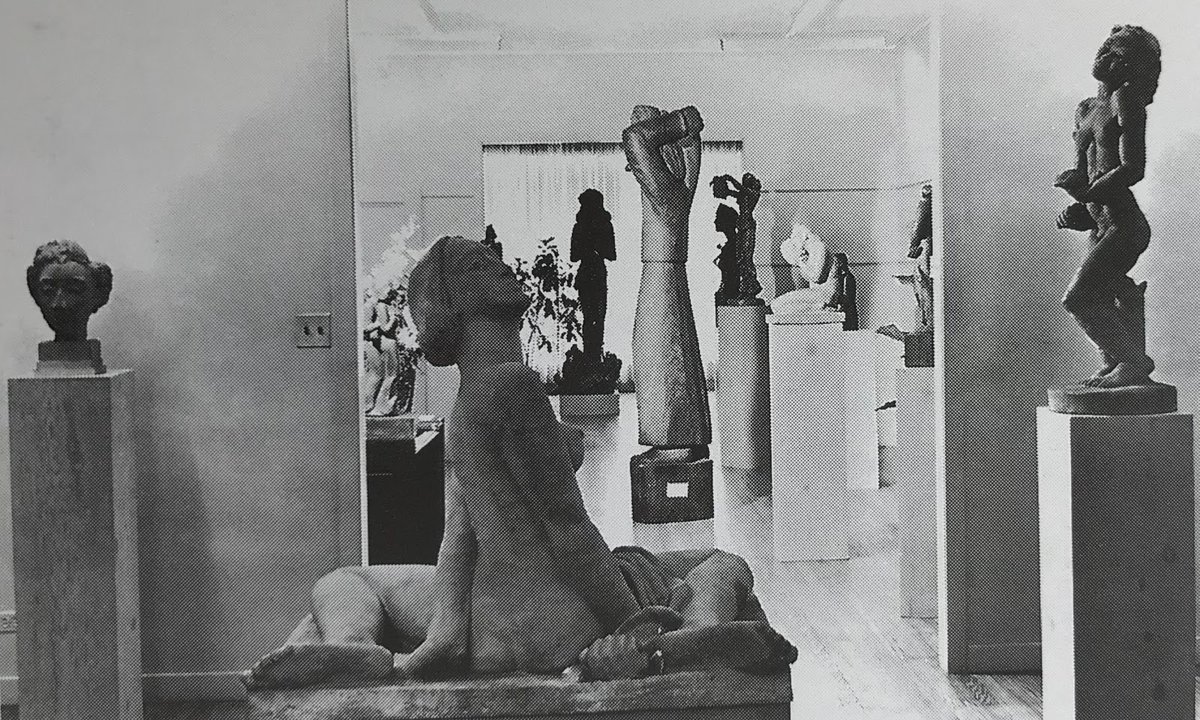
Researcher Julia May Boddewyn has published a new book, 'The Valentine Gallery: The Forgotten Story of Valentine Dudensing, Matisse, Picasso, and the US Market for Modern Art (1926-1947)', which unearths the history of a pivotal but overlooked New York gallery. Founded a century ago, the F. Valentine Dudensing Gallery was responsible for introducing European Modernism to America, hosting the first US solo shows for icons like Joan Miró and Piet Mondrian, and organizing the American debut of Picasso’s 'Guernica'.

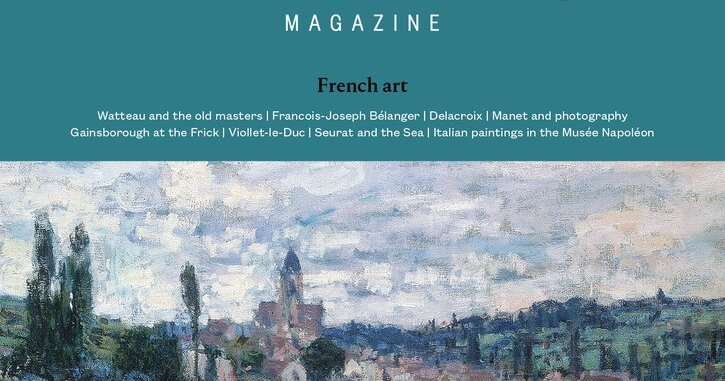
The Burlington Magazine - n°1478 vol CLXVIII - May 2026

The May 2026 issue of The Burlington Magazine (n°1478, vol. CLXVIII) presents a rich array of scholarly articles, exhibition reviews, and book reviews covering European art from the medieval period to the 20th century. Highlights include Laure Boyer's study of two photographs of Victorine Meurent linked to Manet's 'Le Déjeuner sur l'herbe' and 'Olympia', Axel Moulinier's analysis of Watteau's copies after old masters, and Richard Thomson's essay on a century of Monet in print. Exhibition reviews cover shows on Monet's Étretat coast, Orazio Gentileschi, Cornelius Jonson van Ceulen, Gainsborough, Seurat, Italian Symbolism, and Iliazd. Book reviews range from medieval art and Pietro Bellotti to Helene Schjerfbeck, Roberto Matta, and contemporary jewelry at the Dallas Museum of Art.

art heist genre film tv books guide

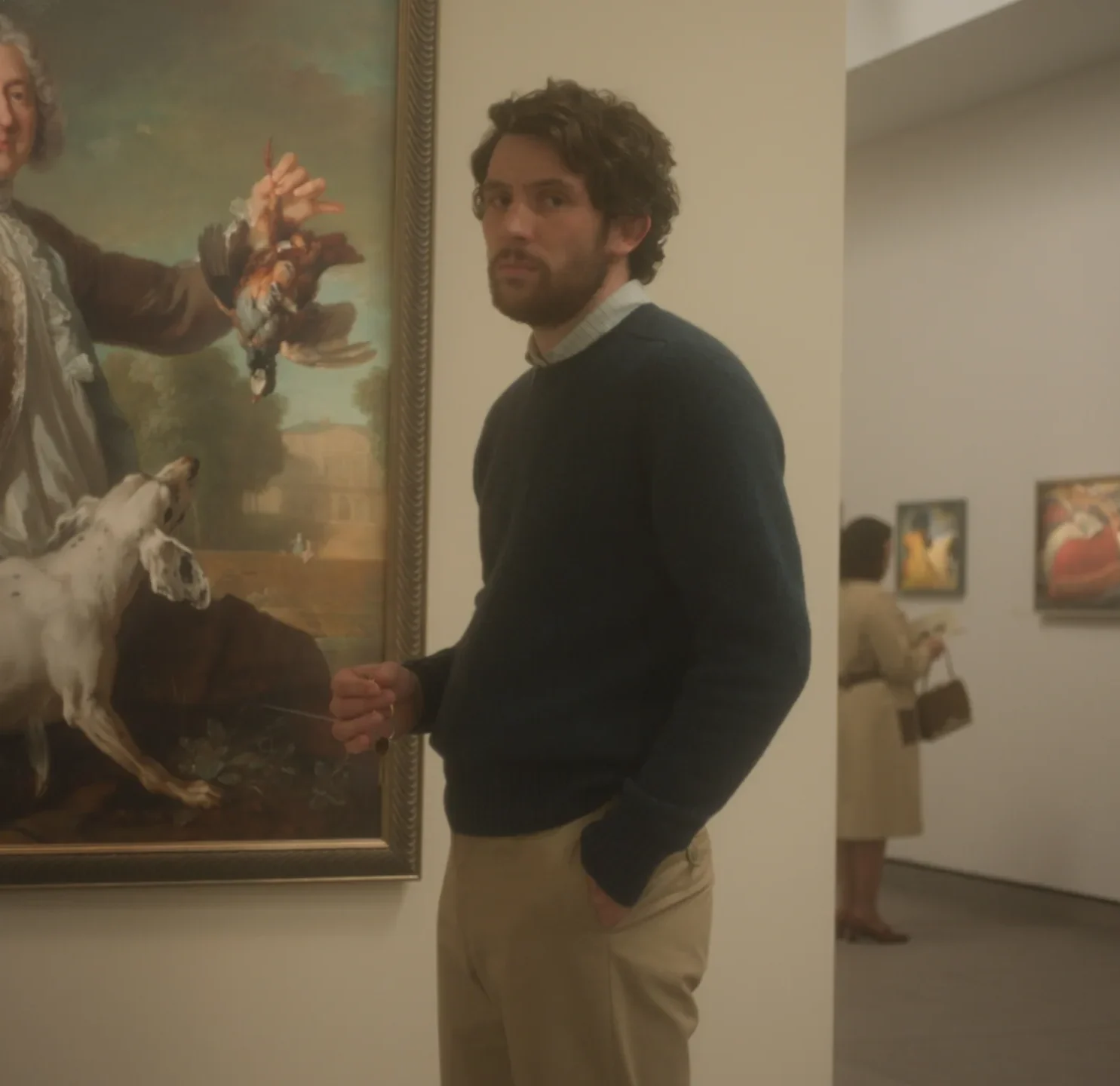
This article from Cultured explores the history and evolution of the art heist genre across film, television, and books. It traces the genre's origins from the 1911 theft of the Mona Lisa by Vincenzo Peruggia to its appearance in 19th-century detective serials by Agatha Christie and Arthur Conan Doyle, and later in French New Wave noirs and slick 1990s heist films. The piece highlights recent entries like Kelly Reichardt's film *The Mastermind* starring Josh O'Connor, and compiles a list of key works including *Animal Crackers* (1930), *How to Steal a Million* (1966), *The Thomas Crown Affair* (1968/1999), and *Hudson Hawk* (1991), noting how the genre reflects changing attitudes toward wealth, crime, and the sublime power of art.

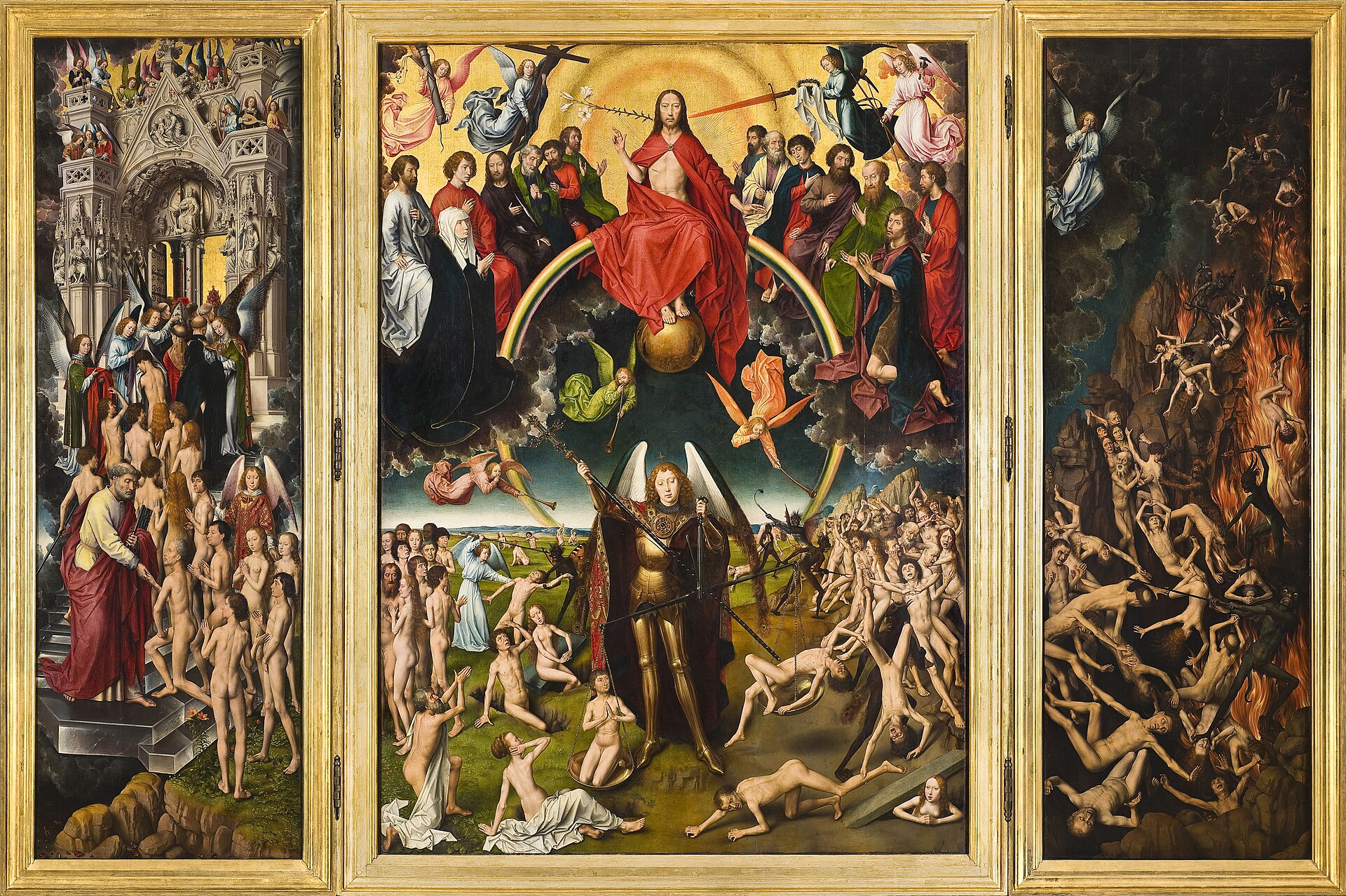
What Hans Memling's Last Judgment Still Tells Us

Was uns Hans Memlings Jüngstes Gericht noch sagt

Hans Memling's 15th-century triptych "The Last Judgment" is currently undergoing restoration at the National Museum in Gdańsk, Poland, and is expected to be off view until the end of the year. The artwork, painted before 1465, has a dramatic provenance, having been captured at sea by a privateer en route from Bruges to Florence and eventually finding a permanent home in Gdańsk after various displacements.

david oyelowo ava duvernay thriller heist of benin

David Oyelowo and Ava DuVernay are reuniting for a new thriller film titled "Heist of Benin," more than a decade after their Oscar-winning collaboration on "Selma." The film is set in modern-day London and described as a thriller that intertwines art, love, and restitution. DuVernay will direct from a screenplay by Jesse Quiñones, based on an original idea. Oyelowo will star and produce under his Yoruba Saxon banner, with Studiocanal financing and distributing. The project was announced during Canal+’s ORIGINAL+ presentation in Paris.

Inside a Black Panther Family Album

Scholar Leigh Raiford examines the personal family archives of Black Panther Party leaders Kathleen and Eldridge Cleaver, specifically focusing on photographs taken during their period of exile in the 1970s. The analysis centers on how domestic objects, such as a zebra-print carver chair and various African artifacts, transitioned from private household items to iconic symbols of Black Power and cultural nationalism in the public sphere.

art blunk house mariah nielson collector

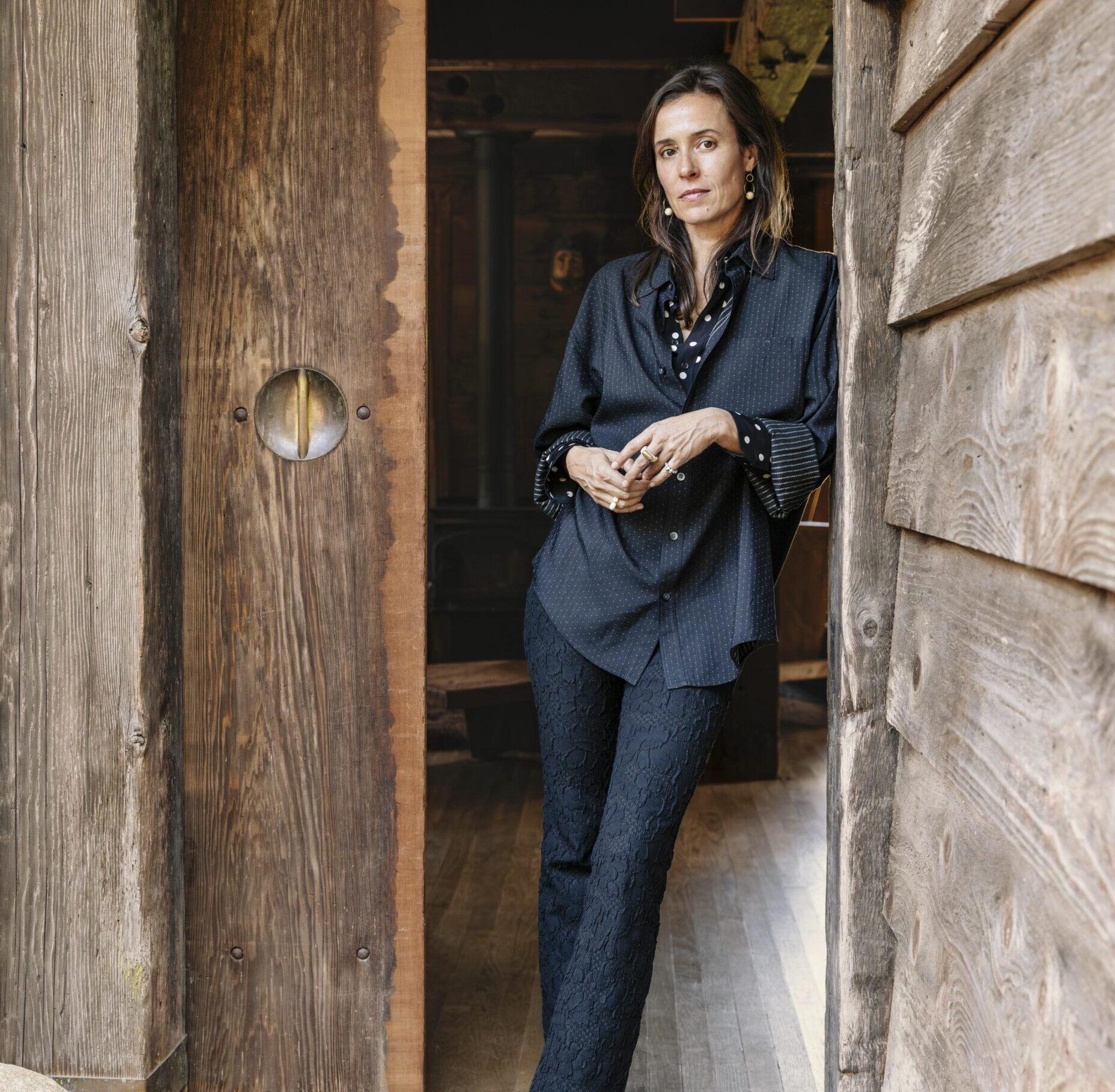
Mariah Nielson, director of the JB Blunk Estate, reflects on growing up in the Blunk House—a home built by her father, artist JB Blunk, in the 1950s from salvaged materials in Point Reyes Station, California. She describes the house as a living sculpture where art, craft, and daily life merge. Today, she runs Blunk Space, the estate's gallery, and currently presents the exhibition “100 Candleholders,” featuring works by artists connected to the Blunk legacy. Nielson shares how her father's philosophy of functional, un-precious art shapes her collecting and curatorial practice.

design aspen home dana garman jim jacobson

Dana Garman Jacobsen and Jim Jacobsen purchased a 1970s West End house in Aspen, Colorado, after Dana felt an irresistible pull toward the property during a ski trip. The home, previously owned by Chicago philanthropist Joan Harris, features a post-and-beam structure reminiscent of their Richard Neutra house in Los Angeles, with a swimming pool integrated into the living space and architectural details that frame mountain views. The couple furnished the interiors with pieces from Dana's collection, including Børge Mogensen sofas and a Biedermeier chaise lounge, and crafted bed frames from a 150-year-old walnut tree.

Comment | Dave the Potter finally becomes a complete artist

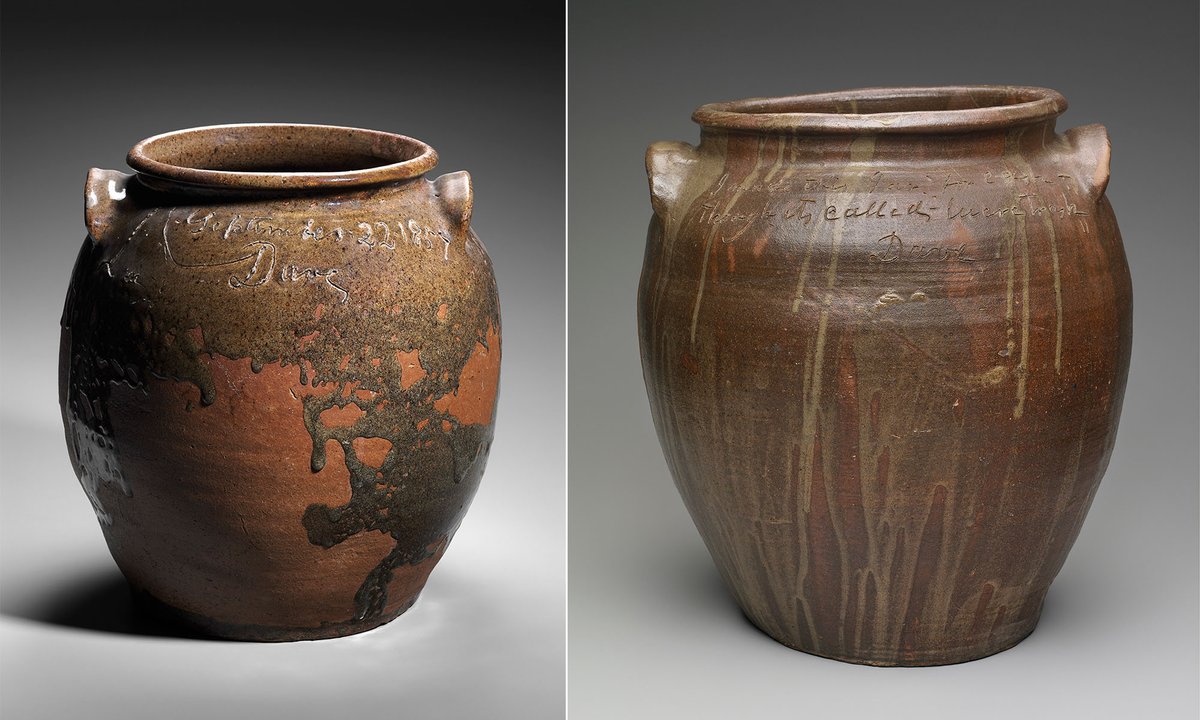
David Drake, also known as Dave the Potter, was an enslaved African American ceramicist and poet in 19th-century South Carolina who inscribed his stoneware jars with defiant poetry at a time when teaching enslaved people to read or write was a crime. The article argues that despite his recognized genius, Drake was not fully an artist during his lifetime because he was denied the fundamental right to own, control, and benefit from his creations—a right the Berne Convention calls 'inalienable.' Only recently, after the Museum of Fine Arts Boston returned two of his jars to his heirs, has Drake begun to receive the full recognition and economic justice that define true artistic status.

Comment | From restitution to confronting authoritarian regimes, here are five ways museums can be more ethical

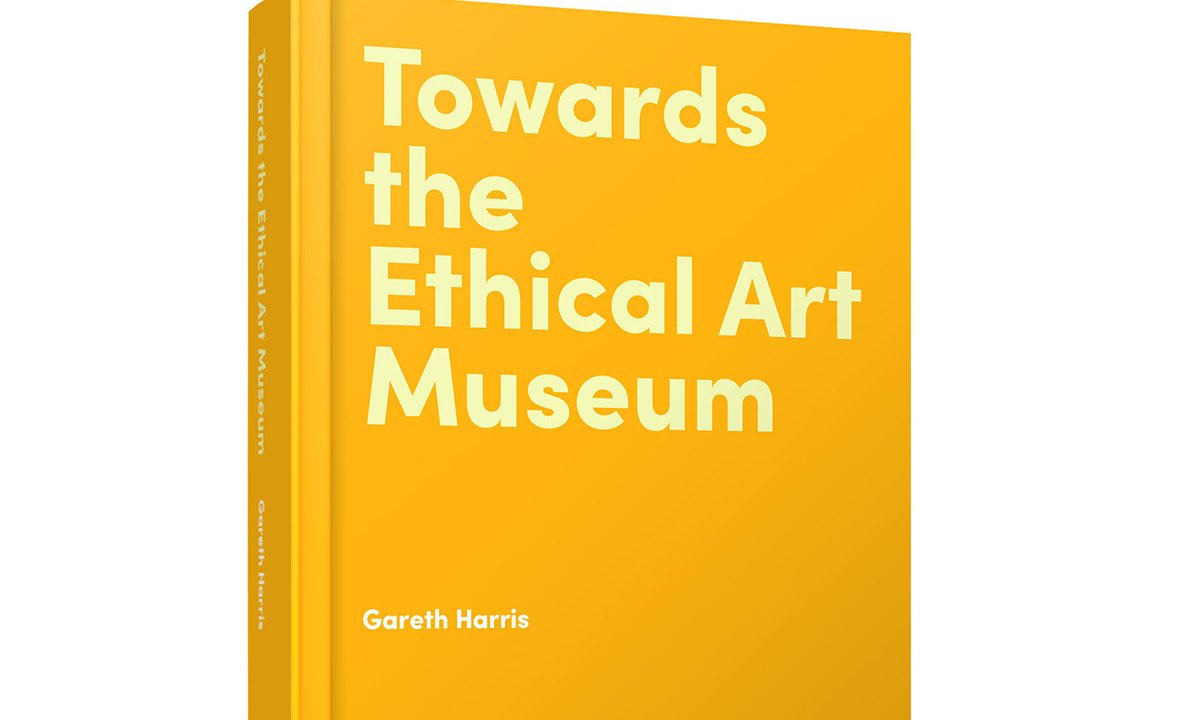
The article previews the upcoming book "Towards the Ethical Art Museum" and outlines five key strategies for museums to become more ethical institutions. These include developing ethics codes in collaboration with advisory bodies like ICOM and the UK Museums Association, changing mindsets on restitution to focus on mutual benefit rather than loss, and addressing internal "employee activism" to build diverse and equitable workplaces.