filter_list Showing 7 results for "spatial experience" close Clear
search
dashboard All 15 article culture 7museum exhibitions 7rate_review review 1
date_range Range Today This Week This Month All
Subscribe

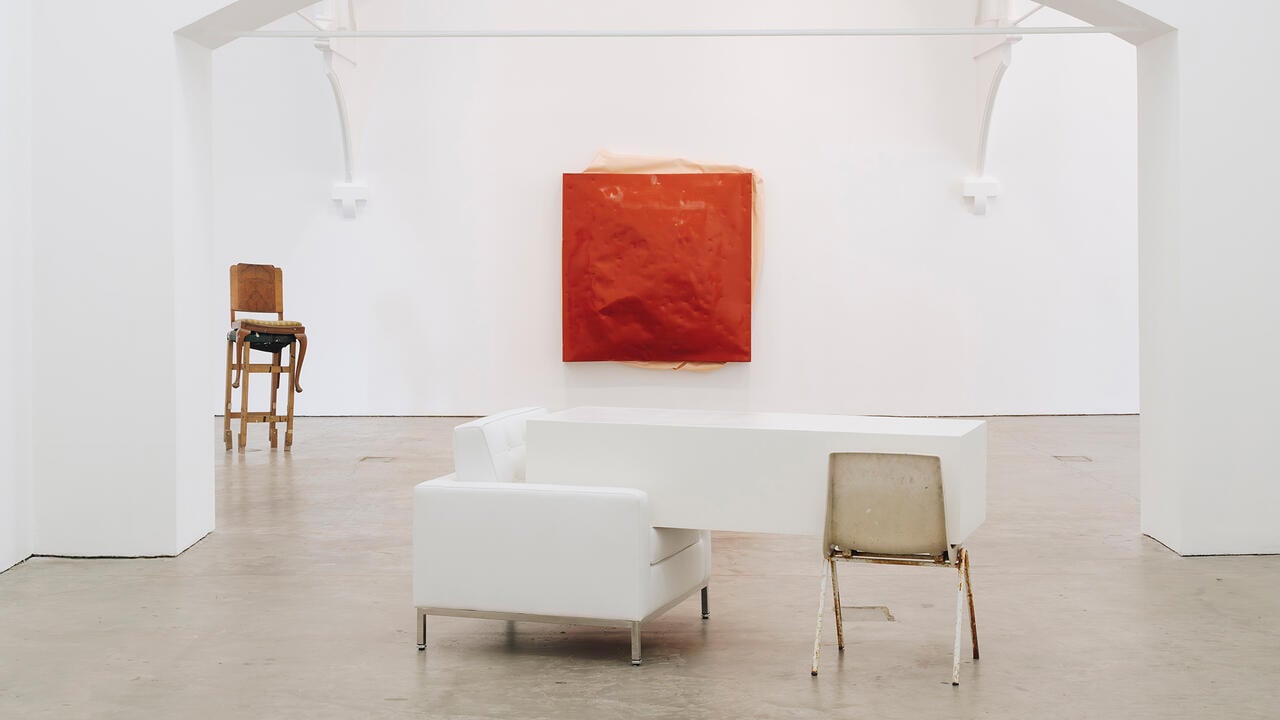
The Poetics of Error Between Art and Architecture

La poetica dell’errore tra arte e architettura

This essay challenges the historical obsession with perfection in architecture and art, rooted in Hegelian philosophy where beauty is equated with truth and flawlessness. It argues that the pursuit of the 'ideal' is a cognitive bias that ignores the value of complexity and structural failure. By reframing the 'error' not as a mistake but as a generative method, the text suggests that imperfection is often what elevates a work to the status of a masterpiece.
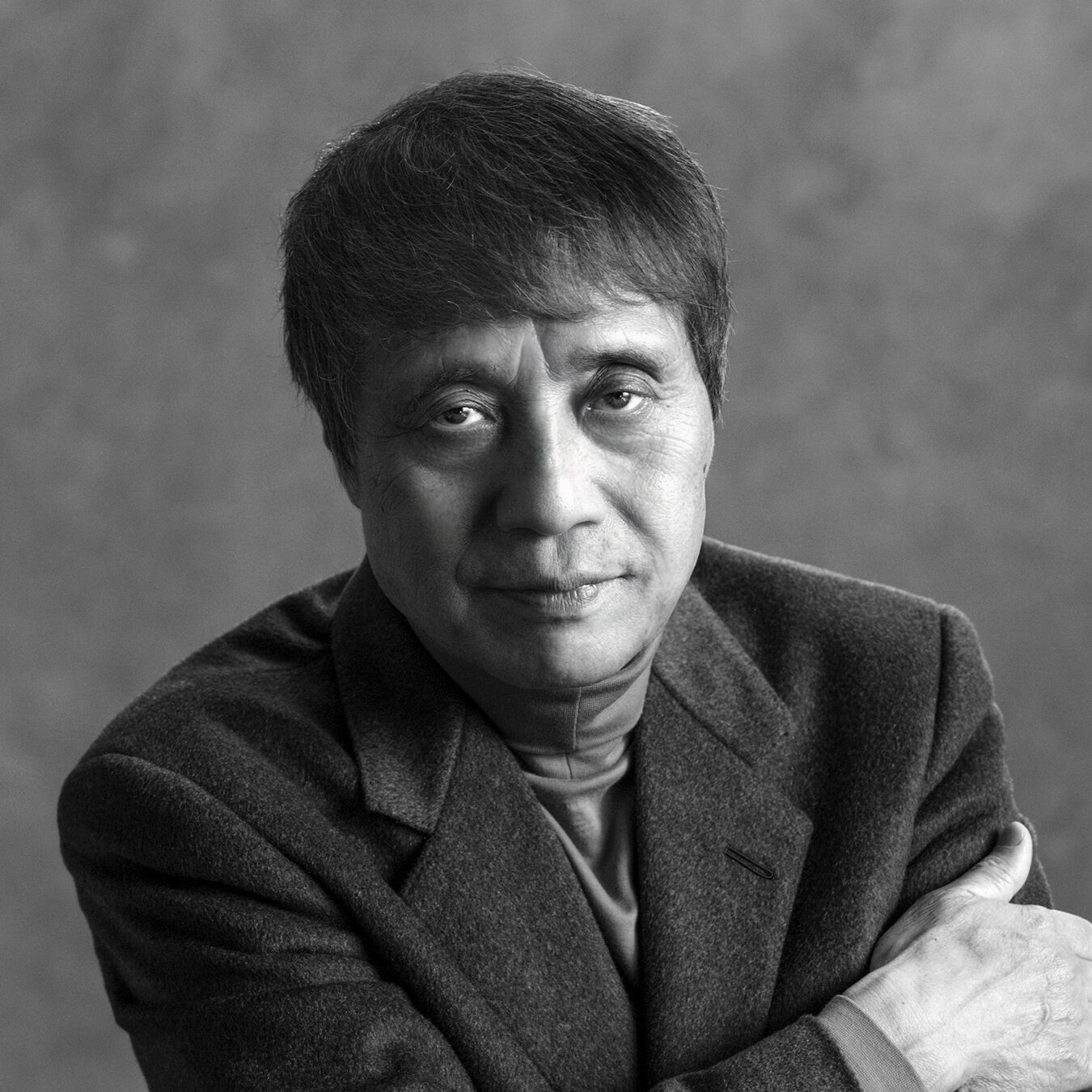

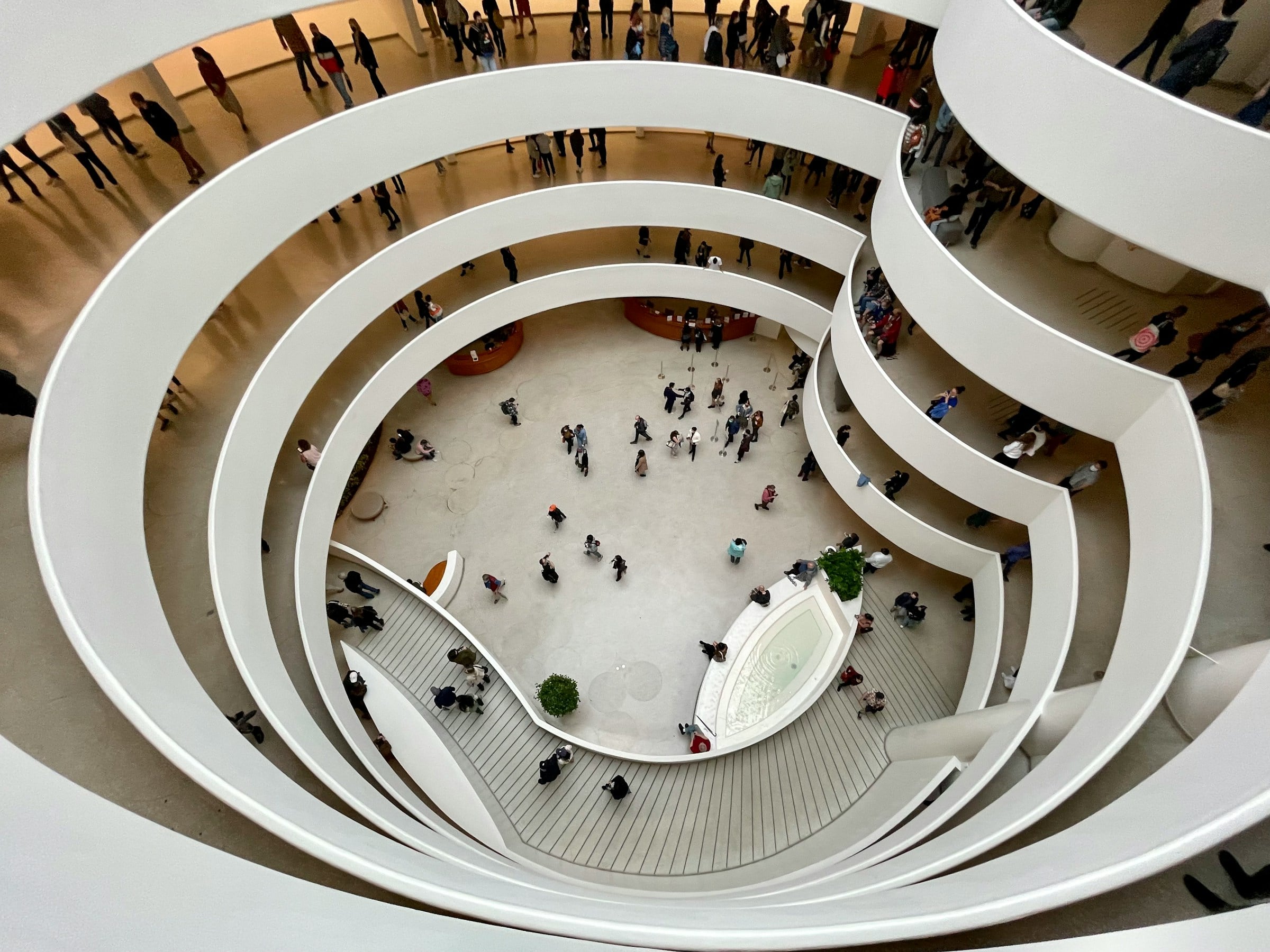
architecture tadao ando naoshima new museum of art

The article profiles the renowned Japanese architect Tadao Ando, now 84, who has built 10 museums on the island of Naoshima over 33 years. It features an interview where Ando discusses his upbringing in a traditional wooden row house in Osaka, his early training as a boxer, and how these experiences shaped his architectural philosophy of "light within darkness." The piece includes personal reflections from the author on encountering Ando's work and highlights key projects such as the Pulitzer Arts Foundation in St. Louis and the Church of Light in Osaka.

Miljohn Ruperto Rethinks Western Ideas of Time

The rise of the 'one-work exhibition' is transforming how audiences engage with art, shifting the focus from the rapid consumption of numerous objects to a singular, immersive spatial experience. By isolating a single masterpiece or installation, institutions are creating environments that demand 'slow looking' and provide a meditative counterpoint to the overwhelming speed of digital and contemporary visual culture.

Angela de la Cruz Breaks the Frame

The art world is witnessing a significant shift toward the 'one-work exhibition,' a format that rejects the traditional gallery model of high-volume displays in favor of singular, immersive encounters. By isolating a single masterpiece or installation, institutions are encouraging 'slow looking' and recasting the act of viewing as a deliberate spatial experience. This trend serves as a direct response to the digital age's relentless pace and the overwhelming 'glut' of contemporary visual culture.

6 Exhibitions to See During EXPO Chicago 2026

The art world is witnessing a significant shift toward 'one-work exhibitions,' where entire gallery or museum spaces are dedicated to a single object. This curatorial trend, often referred to as 'slow looking,' prioritizes deep engagement and spatial experience over the traditional model of high-volume, rapid-fire viewing. By isolating a single masterpiece or installation, institutions are challenging the 'speed and glut' that defines modern digital and visual consumption.

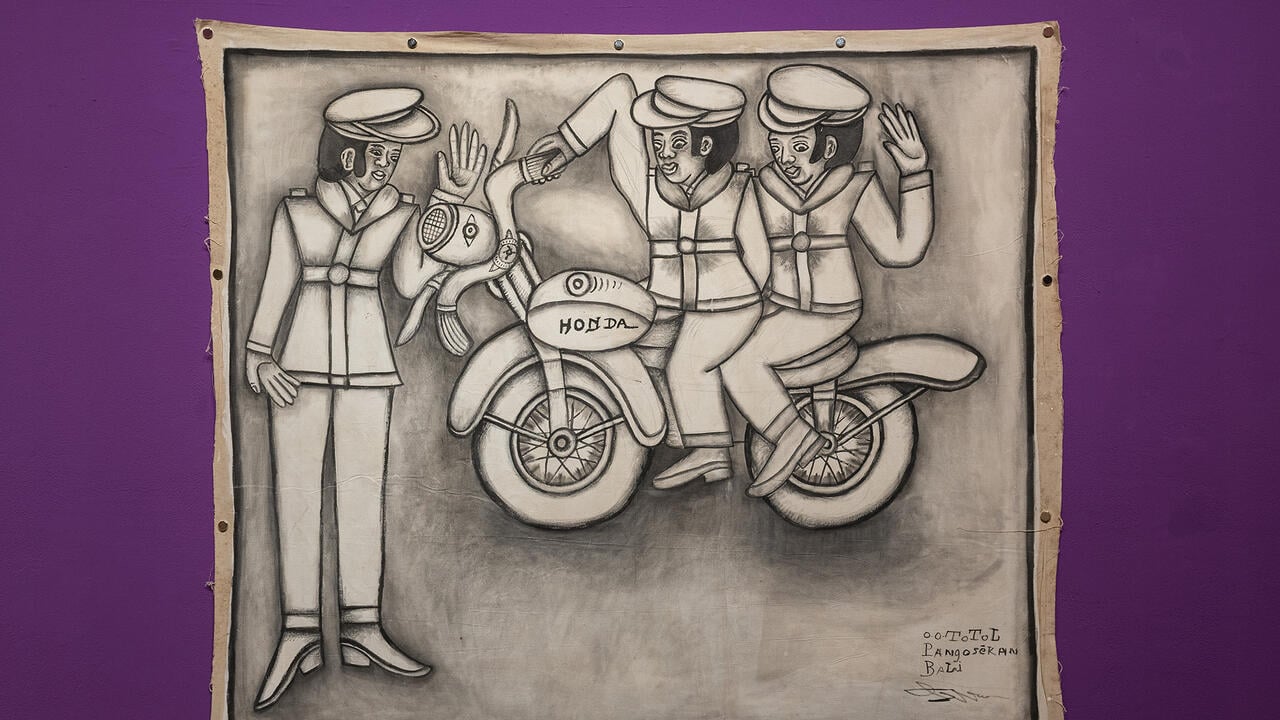
What Oototol’s Art Reveals about Indonesian History

Tara Anne Dalbow explores the emerging trend of 'one-work exhibitions,' where galleries and museums dedicate an entire show to a single masterpiece. This format encourages 'slow looking,' a meditative practice that prioritizes deep engagement and spatial experience over the rapid-fire consumption of images typical of the digital age.

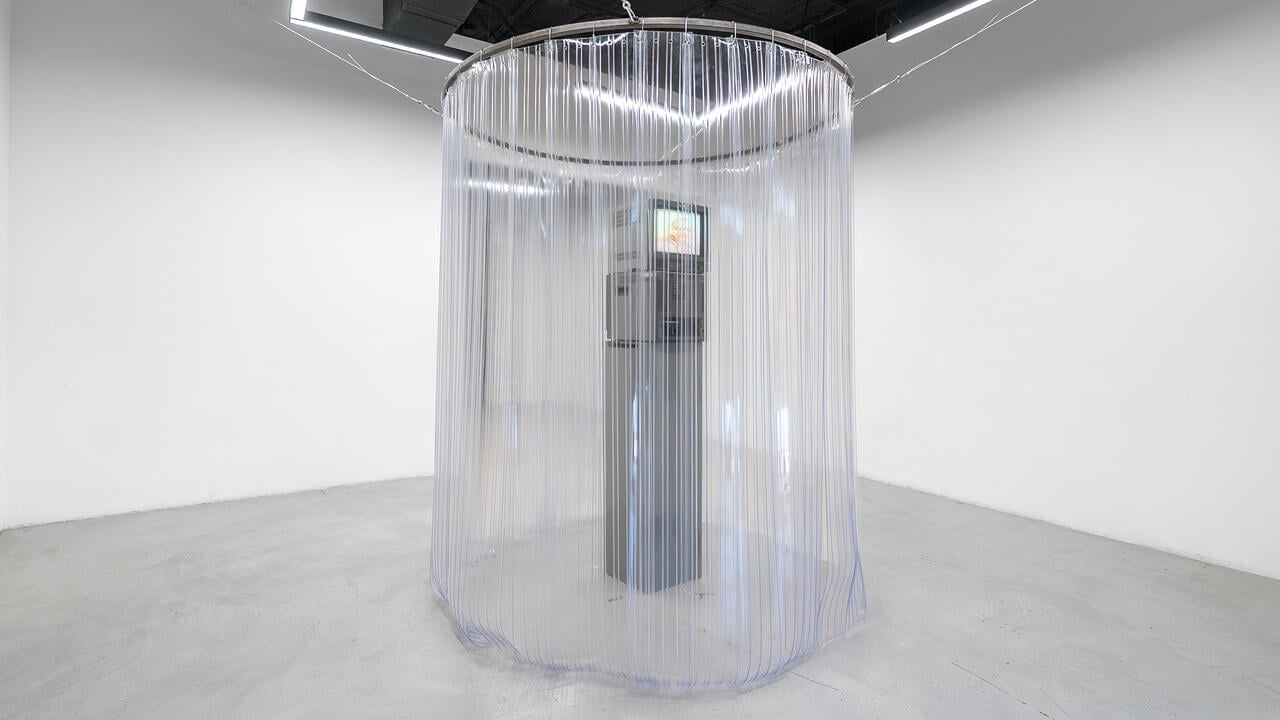
Can Video Art Rewire South Korea’s Global Image?

The rise of the 'one-work exhibition' is transforming the traditional museum experience by focusing an entire show on a single object. These minimalist presentations prioritize 'slow looking' and spatial immersion, forcing viewers to engage deeply with a lone masterpiece rather than scanning through a crowded gallery of multiple works.