filter_list Showing 7 results for "student" close Clear
search
dashboard All 295 article local 164museum exhibitions 98article news 12article culture 7person people 4trending_up market 3candle obituary 3article policy 3rate_review review 1
date_range Range Today This Week This Month All
Subscribe

The documentary dedicated to Sicilian patron Antonio Presti airs on Rai Tre. Here is the video preview.

Va in onda su Rai Tre il documentario dedicato al mecenate siciliano Antonio Presti. Qui la video anteprima

On Tuesday, May 19, 2026, at 3:30 PM, RAI 3 will broadcast the documentary "Asteroide 20049 Antonio Presti," produced by Rai Documentari and dedicated to Sicilian patron Antonio Presti (born 1957). Written by Fedora Sasso and Francesco Castellani, curated by Giulietta Venneri, and directed by Fedora Sasso, the film explores Presti's four-decade career using art to intervene in marginalized areas of Sicily. The documentary's title references an asteroid named after Presti, symbolizing his vision linking cosmic and urban space. It opens at the Astrophysical Observatory of Isnello and focuses on the Catania neighborhood of Librino, where Presti created MAGMA, an open-air museum developed through collaboration with students, artists, and residents.
The Death of the Art School

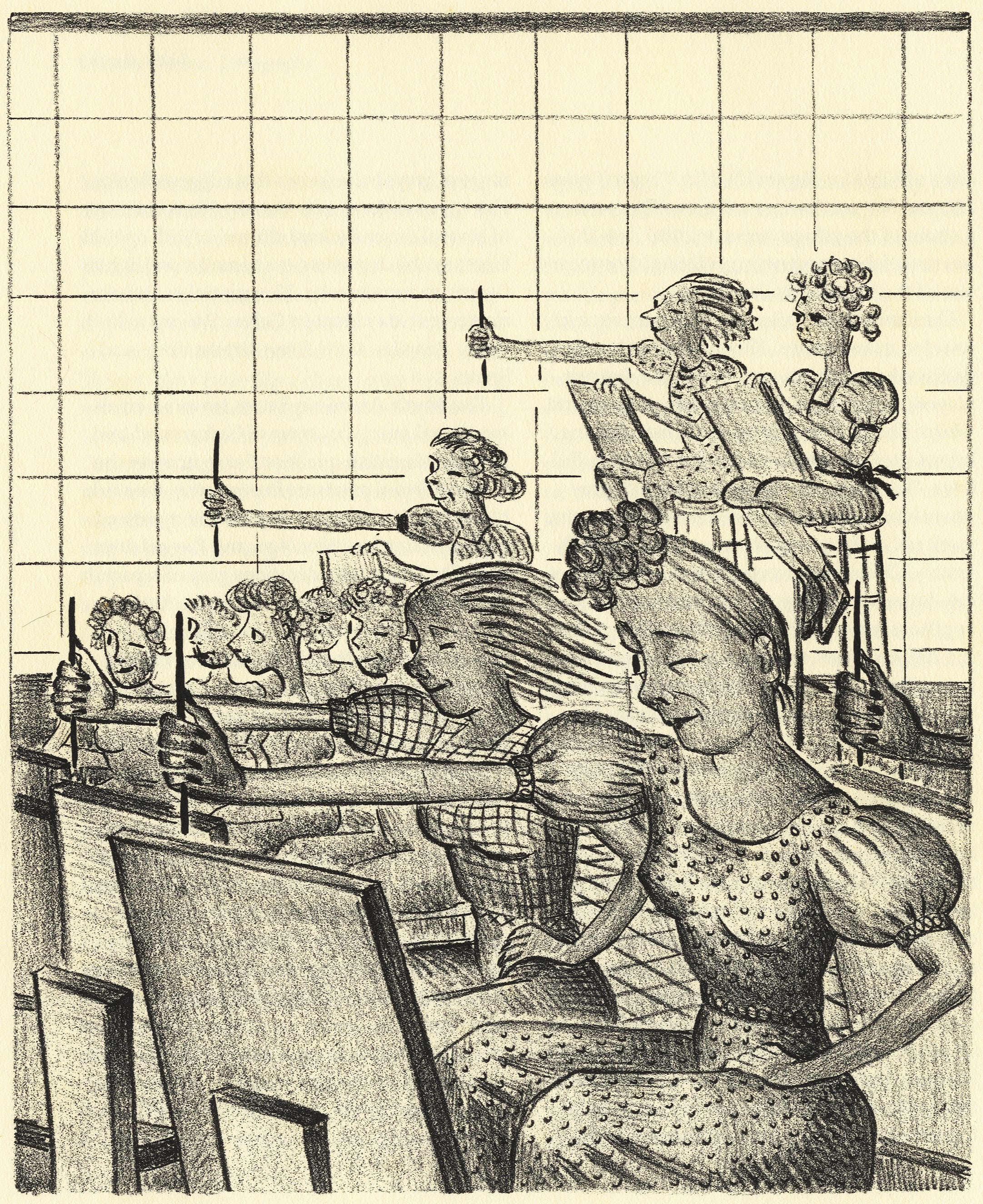
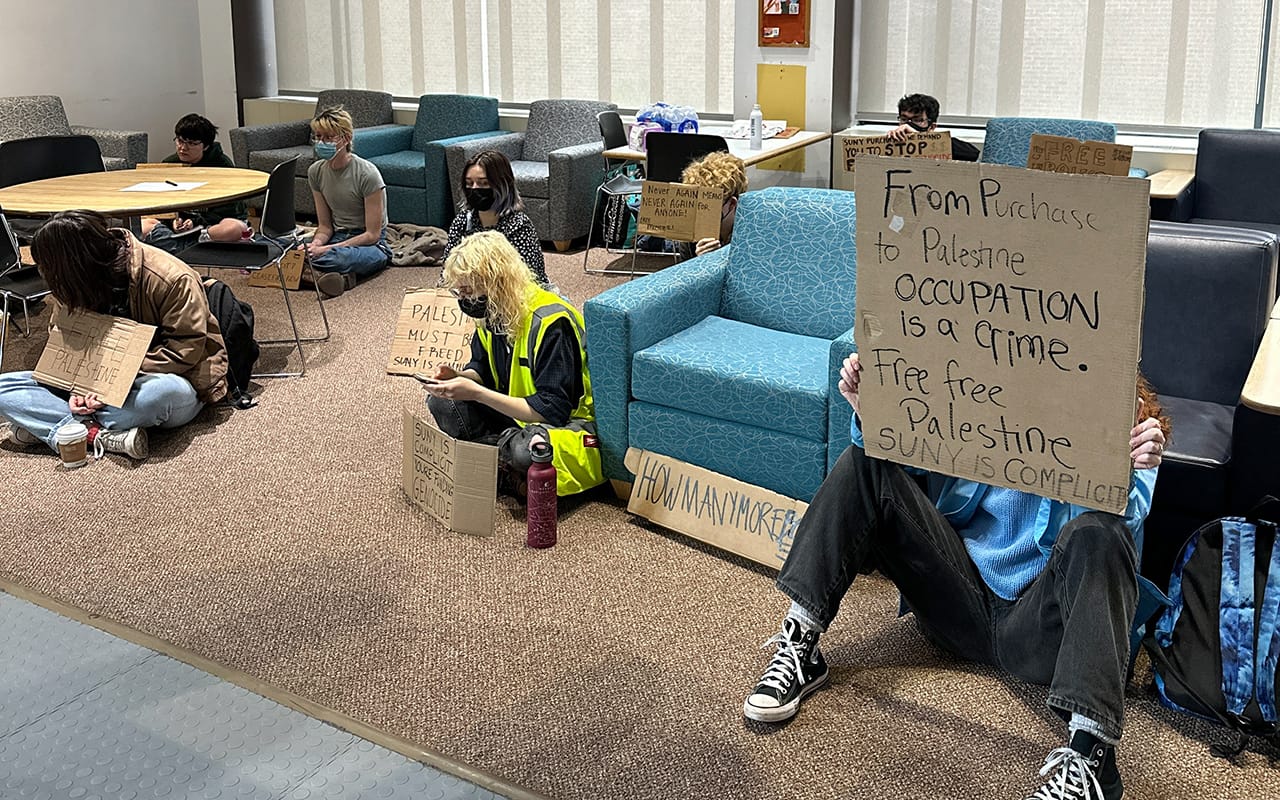
In a faculty meeting at Purchase College in New York, an administrator referred to students as "consumers," prompting the author to reflect on the pervasive corporatization and "administrification" of American higher education. The article argues that this language reflects a broader restructuring of universities as businesses, where students are customers, knowledge is a product, and faculty are service providers. It cites data showing that between 1976 and 2011, non-faculty professional positions grew by 369% while tenure-track faculty grew by only 23%, and at Purchase College, administrator salaries rose over 45% from 2016 to 2024 while assistant professor salaries rose just 14%, with inflation at 31%.

Since 1968, Protests Have Revealed the Real Impact of the Venice Biennale

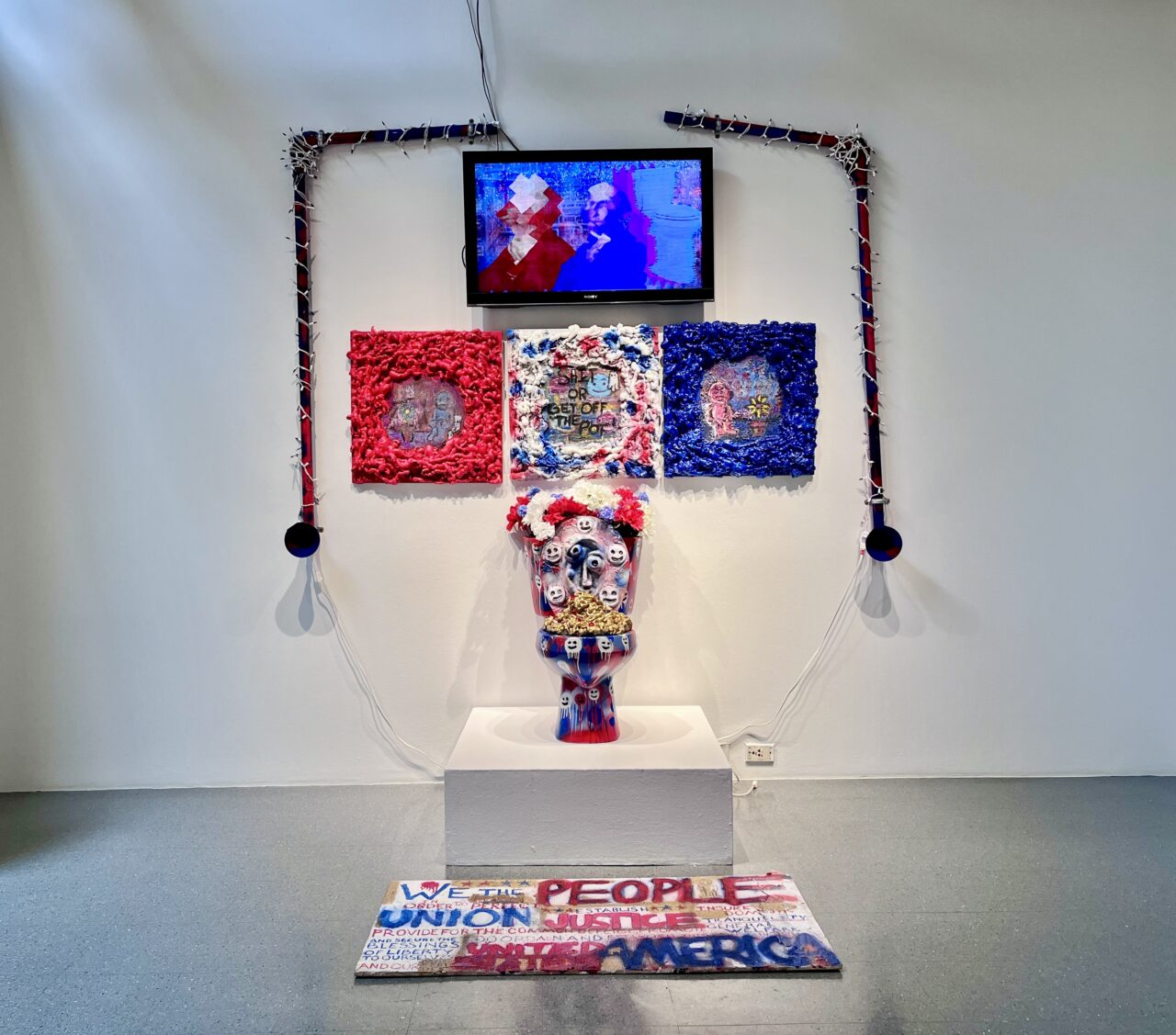
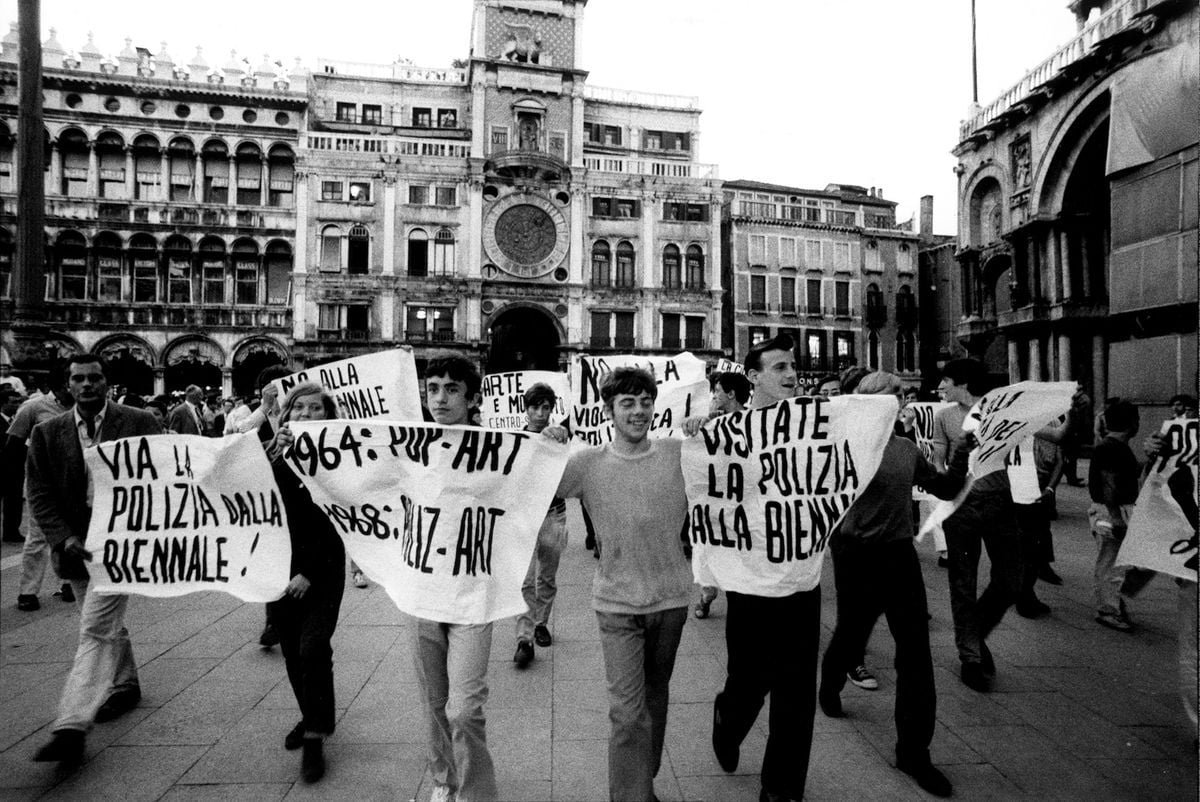
The article recounts the 1968 protests at the Venice Biennale, where artists, students, and activists clashed with police over the event's perceived ties to bourgeois power and capitalist commodification. It draws parallels to the 2024 Biennale, where groups like Art Not Genocide Alliance, Pussy Riot, and Femen demonstrated against the participation of Russia and Israel, while artists staged strikes and performances like the Solidarity Drone Chorus to highlight the Gaza conflict.

Dolce Vita is Over

Dolce Vita war gestern

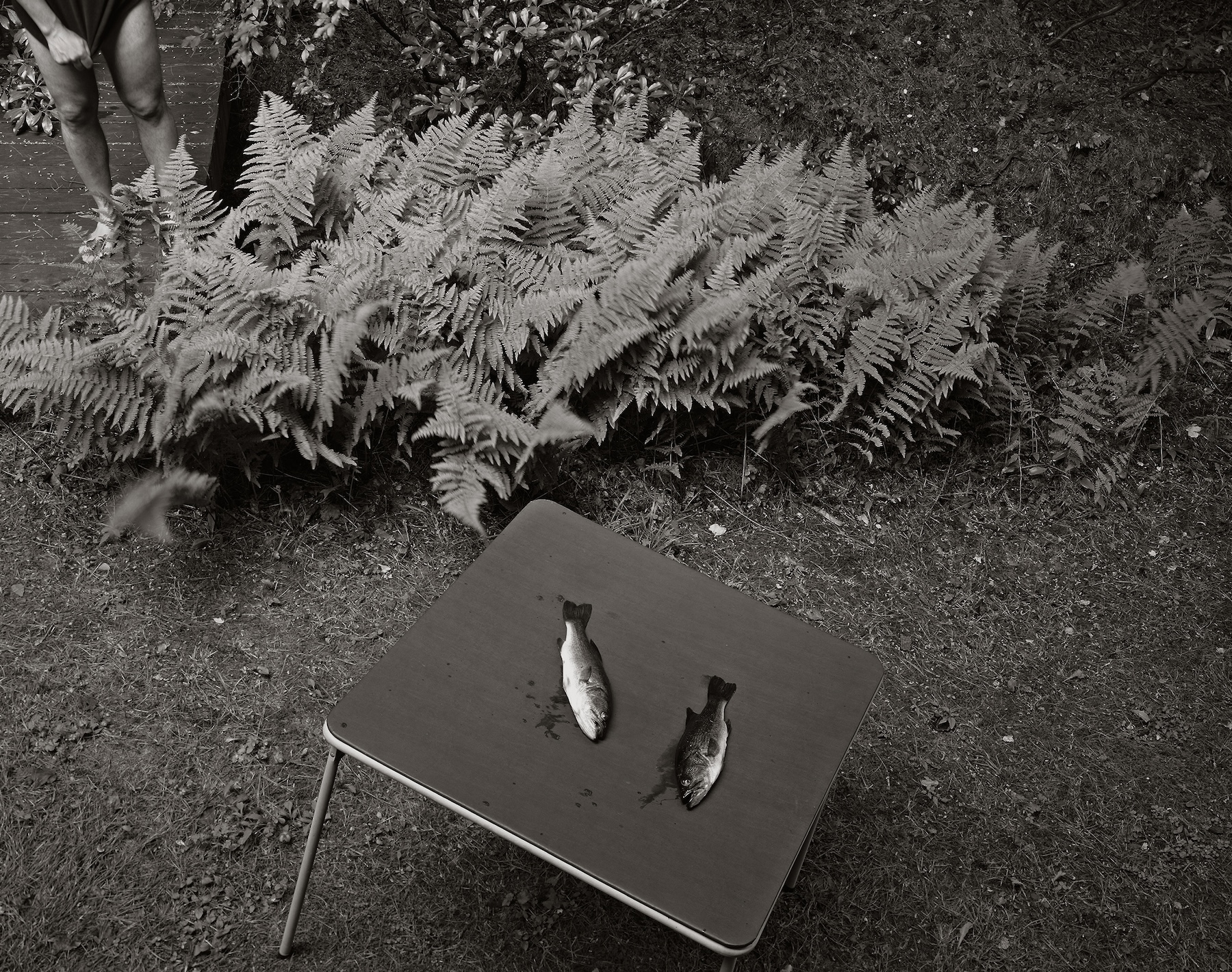
Andrea Modica's new photobook "Italian Story" collects four decades of photographs taken in Italy, beginning with her first trip there in the late 1980s. Born in 1960 to a family with roots in Sicily and Naples, Modica received a Fulbright scholarship to travel to Sicily and photograph the origins of the Catholic imagery, gender roles, and family structures she experienced growing up in New York. The book, however, is not a documentary of her heritage; instead, it presents dreamlike, surreal images—motionless bodies in water, dead fish, figures behind mosquito nets, Madonna statues—that resist clear narrative or identity politics. Modica works with an 8x10 large-format analog camera and prints using the historic platinum-palladium process, giving the images a timeless, collaborative quality.

Creative Thought Is Essential: A Letter from Our Editor

Jackie Andres, online editor of Colossal, writes an open letter to readers reflecting on Virginia Woolf's assertion that "thinking is my fighting." Andres connects this to contemporary concerns about declining literacy rates, the rise of AI tools like ChatGPT, doomscrolling, and "brain rot" that undermine critical thinking. She positions Colossal as a free, accessible resource for art education, noting that the publication has remained entirely free for 15 years, and highlights how educators and students use the site for lesson plans and learning.

Torna TAILOR. Ecco come abbonarsi alla newsletter di Artribune sulla cultura del vestire

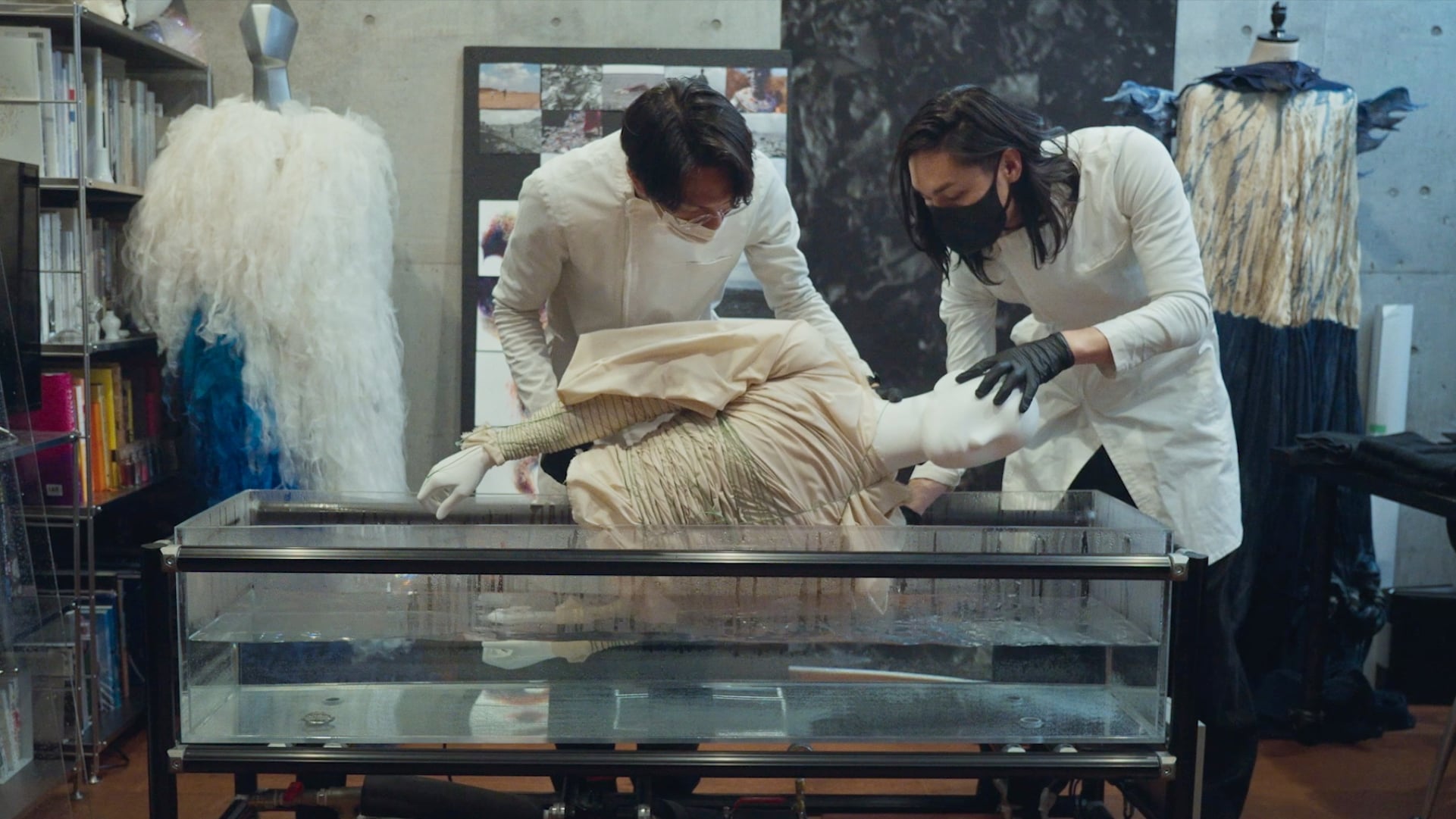
TAILOR, the vertical newsletter from Artribune exploring the intersections of art and fashion, returns on Sunday, May 17, 2026. The upcoming issue focuses on "Science Fashion," an event held from May 13 to 15 at the MACRO – Museo d'Arte Contemporanea di Roma, curated by Dobrila Denegri, which investigates relationships between fashion, science, and new technologies. The newsletter also examines the rapid spread of the non-color white in fashion and design as a response to pandemic, crisis, and geopolitical tensions, offering analytical content for professionals, students, and enthusiasts.

Should art have moral limits?

At Metropolitan State University of Denver, students, artists, professors, and curators debate whether art should have moral limits, particularly when it addresses violence, political division, or sensitive social issues. The discussion features perspectives from Jess Gerome, an art education student who argues discomfort should not dictate creative expression, and Xtna Doleres, a multidisciplinary artist who believes art carries an ethical responsibility to speak truth and represent communities respectfully. Professor Jason Miller adds that while art alone may not cause harm, it must be taken seriously when it suggests real-world danger.