filter_list Showing 16 results for "thames" close Clear
search
dashboard All 92 museum exhibitions 25article culture 16article news 15article local 8person people 7trending_up market 7rate_review review 5candle obituary 3article policy 2gavel restitution 2article events 1article event 1
date_range Range Today This Week This Month All
Subscribe

design amalia ulman home

Artist Amalia Ulman shares a personal inventory of 44 objects from her home, ranging from a pigeon-shaped oven mitt and a 1920s Austrian bronze cat figurine to a telephone-shaped lamp bought from a subway vendor and a graphite portrait of her late dog Holga. The list includes quirky functional items like a cane that turns into a stool, a wooden chair that transforms into a ladder, and sentimental keepsakes such as a red pompom from Holga's casket and a bag of gravel from the dog park. The objects reflect her daily life, travels, and memories, blending humor with melancholy.
The best art books of 2025, as picked by The Art Newspaper’s editors

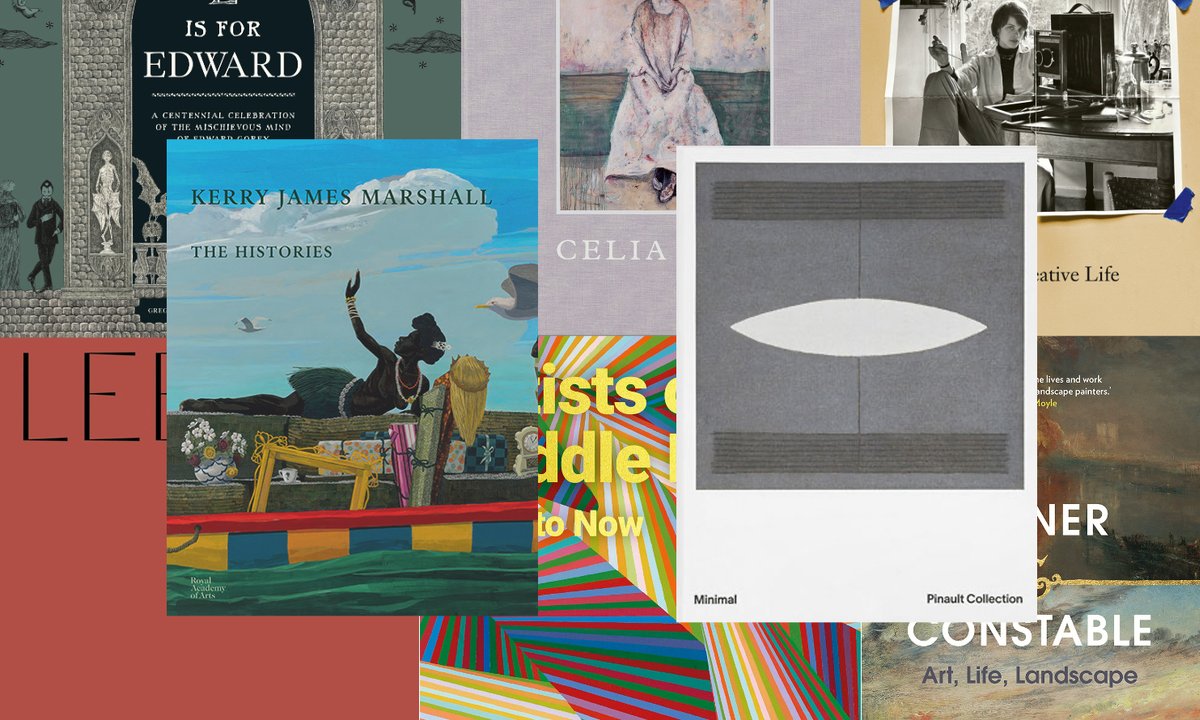
The Art Newspaper’s editors have selected their top art books of 2025, featuring a diverse range of titles. Highlights include "Kerry James Marshall: The Histories," a catalogue from the Royal Academy of Arts exhibition surveying the American artist’s large-scale history paintings centered on Black figures; "Minimal, edited by Jessica Morgan," which reassesses overlooked Minimalist artists; and "Lee Miller," the Tate Britain exhibition catalogue exploring the photographer’s multifaceted career. Other notable picks include monographs on Celia Paul, Shahzia Sikander, and Edward Gorey, as well as a comprehensive overview of Middle Eastern art from 1900 to now.

12 Art Books to Kick Off Summer

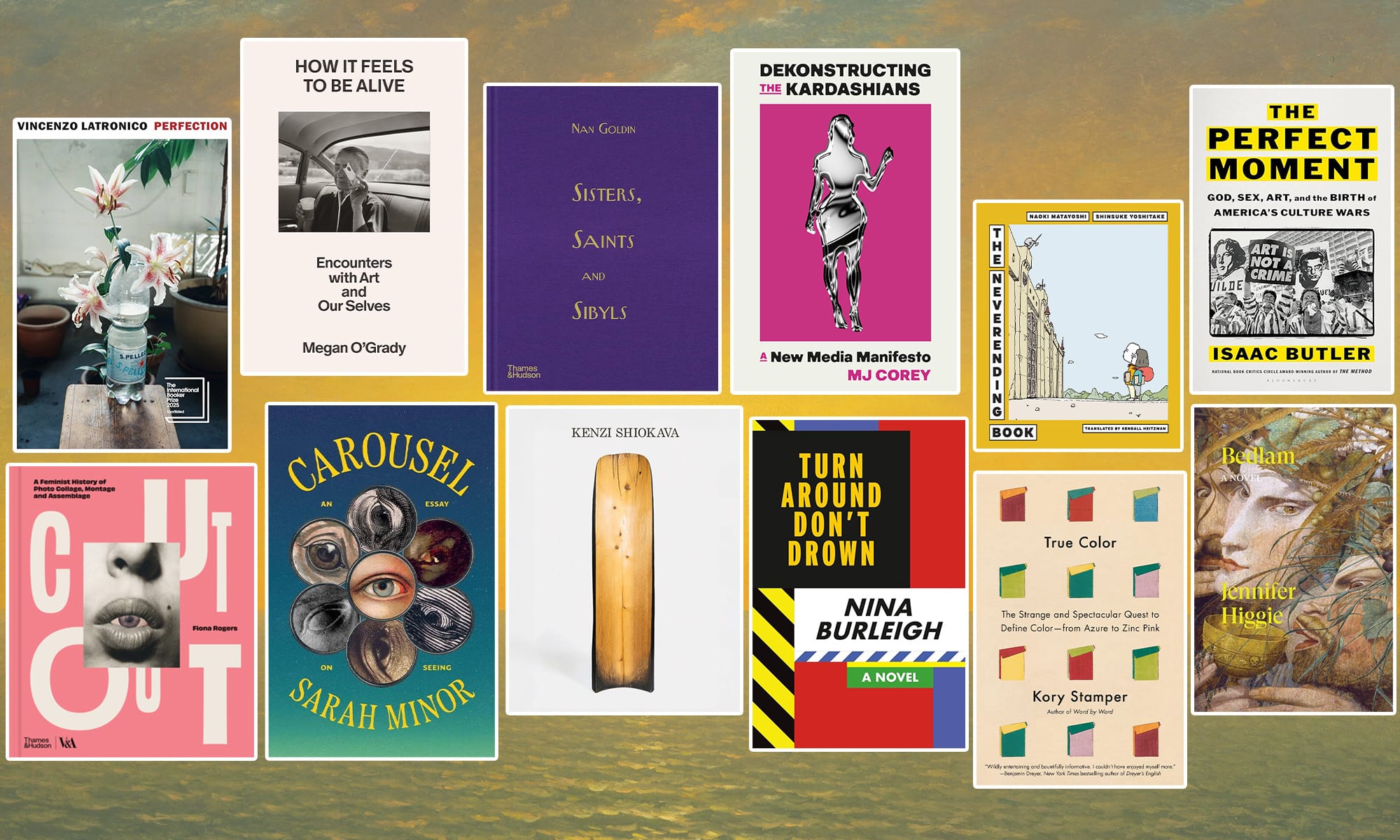
Hyperallergic's Lakshmi Rivera Amin presents a curated list of 12 art books for summer reading, including a novel lampooning the art world, Megan O'Grady's meditation on art and living, Kory Stamper's exploration of color lexicography, Nan Goldin's reissued photo essay, and Jennifer Higgie's prose poetry novel. The roundup also features Vincenzo Latronico's 'Perfection,' Nina Burleigh's satirical 'Turn Around, Don’t Drown,' and a graphic novel by Naoki Matayoshi and Shinsuke Yoshitake, among others.

suprising history behind whistlers mother

The article explores the enduring appeal of James McNeill Whistler's 1871 painting commonly known as "Whistler’s Mother," officially titled "Arrangement in Grey and Black, No.1." It recounts how the painting was acquired by the French state in 1891 and became the first American painting in the Louvre, now housed at the Musée d'Orsay. The piece also reveals little-known facts: the sitter's full name was Anna Matilda McNeill Whistler, who wore mourning clothes for 31 years after being widowed and moved in with her son in London, displacing his mistress. The article includes her recipe for a dessert called Floating Island and notes that Whistler incorporated his earlier etching "Black Lion Wharf" into the portrait.

July Book Bag: from a monograph of Vincent Namatjira’s headline-grabbing portraits to a book of Chinese art heists

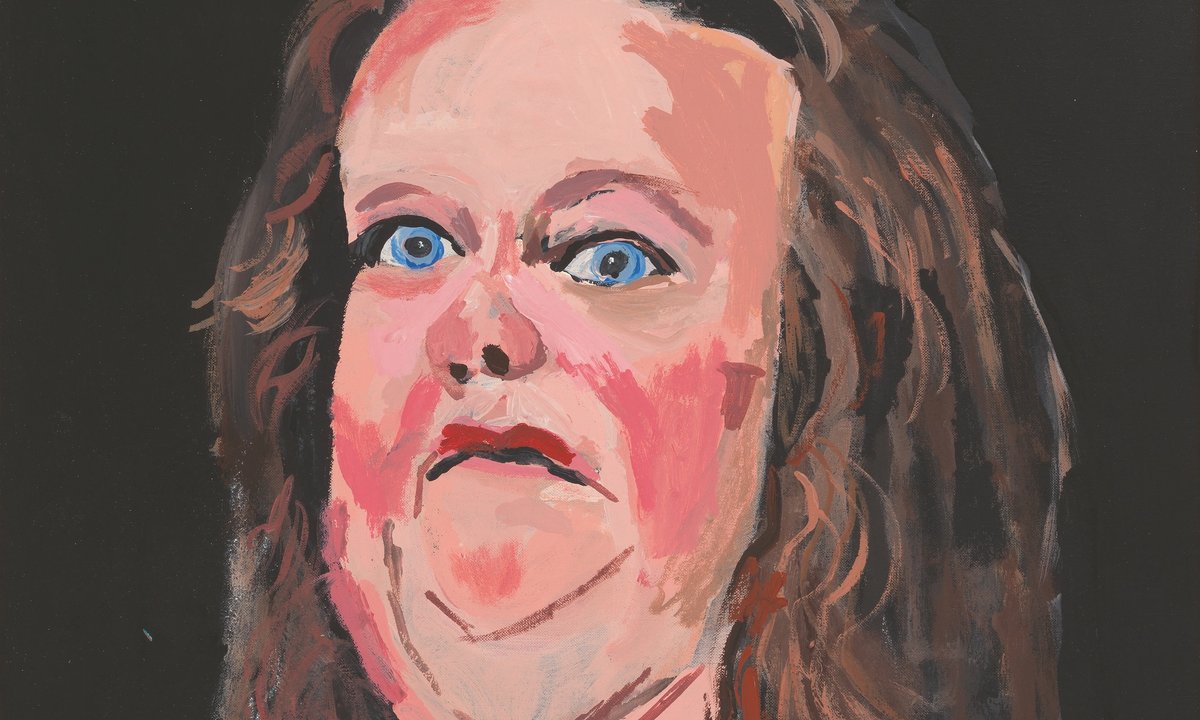
This article presents a roundup of five new art books released in July, covering a diverse range of topics. The featured titles include a monograph on Vincent Namatjira, whose unflattering portrait of mining billionaire Gina Rinehart sparked controversy at the National Gallery of Australia; a study of Palestinian embroidery in contemporary art by Joanna Barakat; a guide to New York City monuments of Black Americans by David Felsen; and a true-crime investigation into Chinese art heists by Ralph Pezzullo.

You can spray that again! New York drenched in colour – in pictures

The Guardian published a photo essay featuring Harry Gruyaert's vibrant street photography of New York City, spanning over 50 years. The Belgian Magnum photographer captures the city's energy through bold color and candid moments—children playing in fire hydrants, yellow cabs, neon-lit diners, and diverse neighborhoods. The images are accompanied by text from French filmmaker Cédric Klapisch, who provides fictional vignettes that blur reality and imagination.

art collector book recommendations

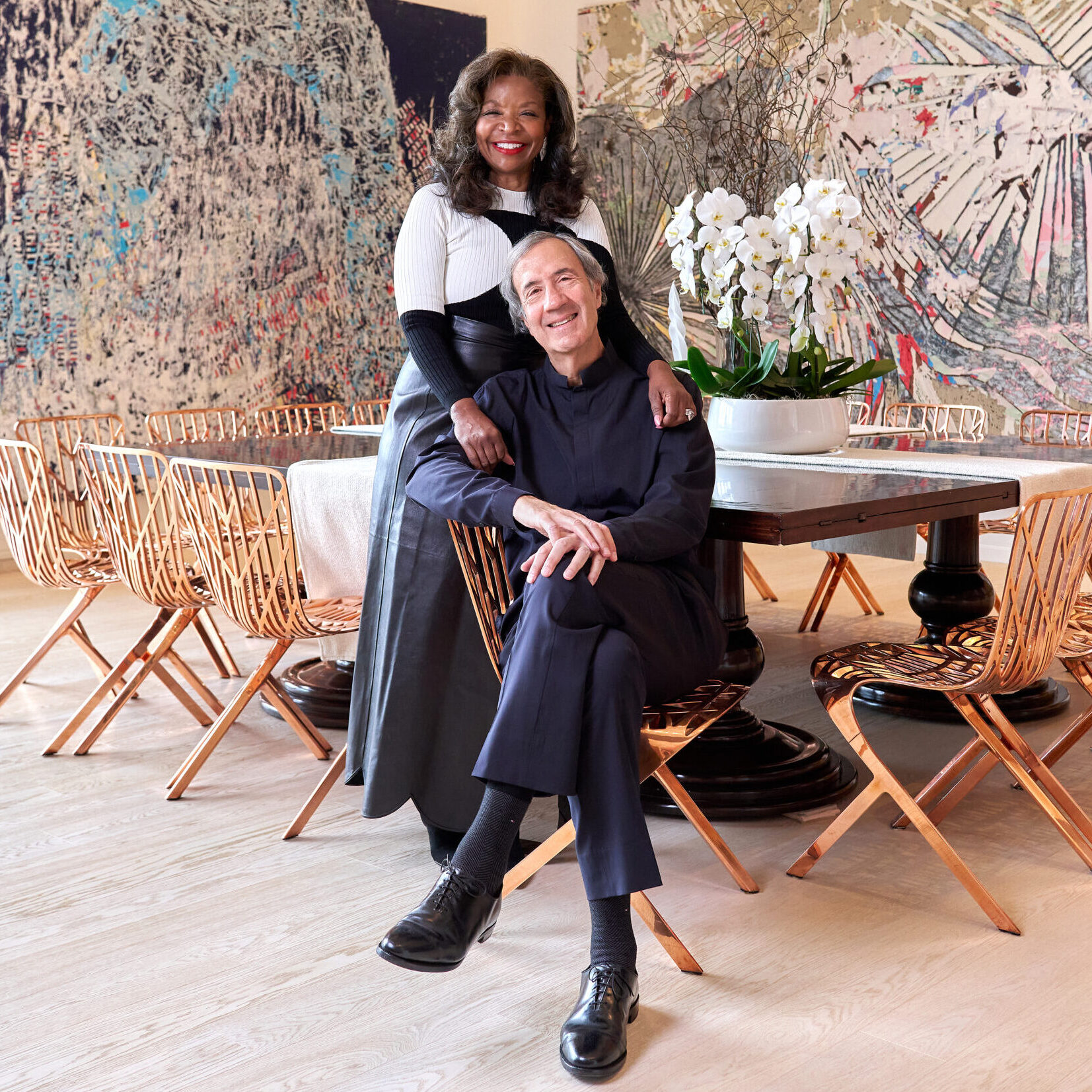
Cultured magazine asked 10 art collectors to recommend books that changed how they think about art. The responses range from John Berger's "Ways of Seeing" (Matthew Harris) and Sarah Thornton's "Seven Days in the Art World" (Paola Creixell) to Peter Brook's "The Empty Space" (Brandon John Harrington) and Calvin Tomkins's "Off the Wall" (Francis J. Greenburger). Other collectors cite exhibition catalogs, biographies, and personal collection books as transformative reads.

ai weiwei censorship artificial intelligence deepseek

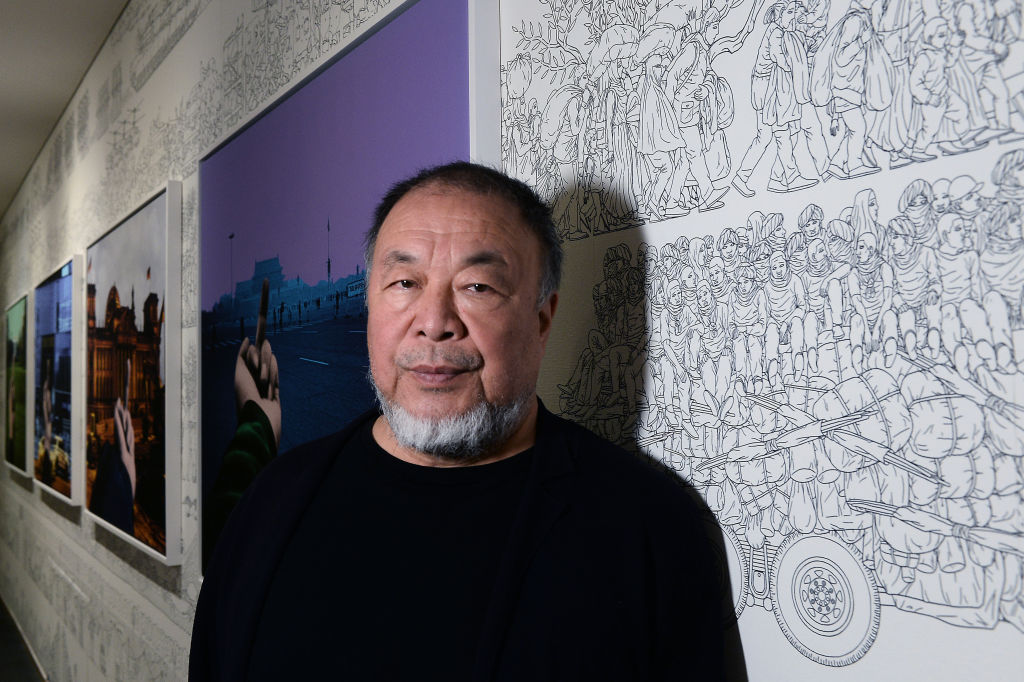
Renowned artist and activist Ai Weiwei critiques the intersection of artificial intelligence and censorship, drawing parallels between AI's algorithmic limitations and the Chinese government's systematic suppression of dissent. Using the emergence of the Chinese AI model DeepSeek as a catalyst, Ai recounts how the tool refused to discuss him, mirroring the state's long-standing strategy of erasing sensitive topics from public discourse. He argues that AI's reliance on existing data sets inherently replicates societal biases and moral codes, leading to factual inaccuracies and the homogenization of human thought.

art books surrealism

Artnet News published a list of must-read books on Surrealism, marking the movement's 100th anniversary since André Breton's 1924 Surrealist Manifesto. The article highlights key texts including Breton's own "Manifestoes of Surrealism" and his novel "Nadja," Patrick Lepetit's "The Esoteric Secrets of Surrealism" exploring occult influences, and Whitney Chadwick's "Farewell to the Muse" focusing on women Surrealists who were often marginalized as muses rather than artists.

The story of Jean-Michel Basquiat’s brief but dazzling life, as told by an art-world insider

Doug Woodham, former president of Christie's Americas and current managing partner of Art Fiduciary Advisors, has authored a new biography titled "Jean-Michel Basquiat: The Making of an Icon." The book is divided into two halves: the first offers a straightforward biography of Basquiat's life from his gifted childhood in Brooklyn to his rise as a star artist, his friendship with Andy Warhol, and his tragic death from a heroin overdose at age 27. The second half analyzes how Basquiat achieved such early success, examining the influence of his father Gerard, the legal battle with dealer Vrej Baghoomian over the artist's estate, and the roles of collectors like Peter Brant and José Mugrabi. Notably, the Basquiat estate refused permission to include images of his artwork because the book openly addresses sensitive issues about his character and life.

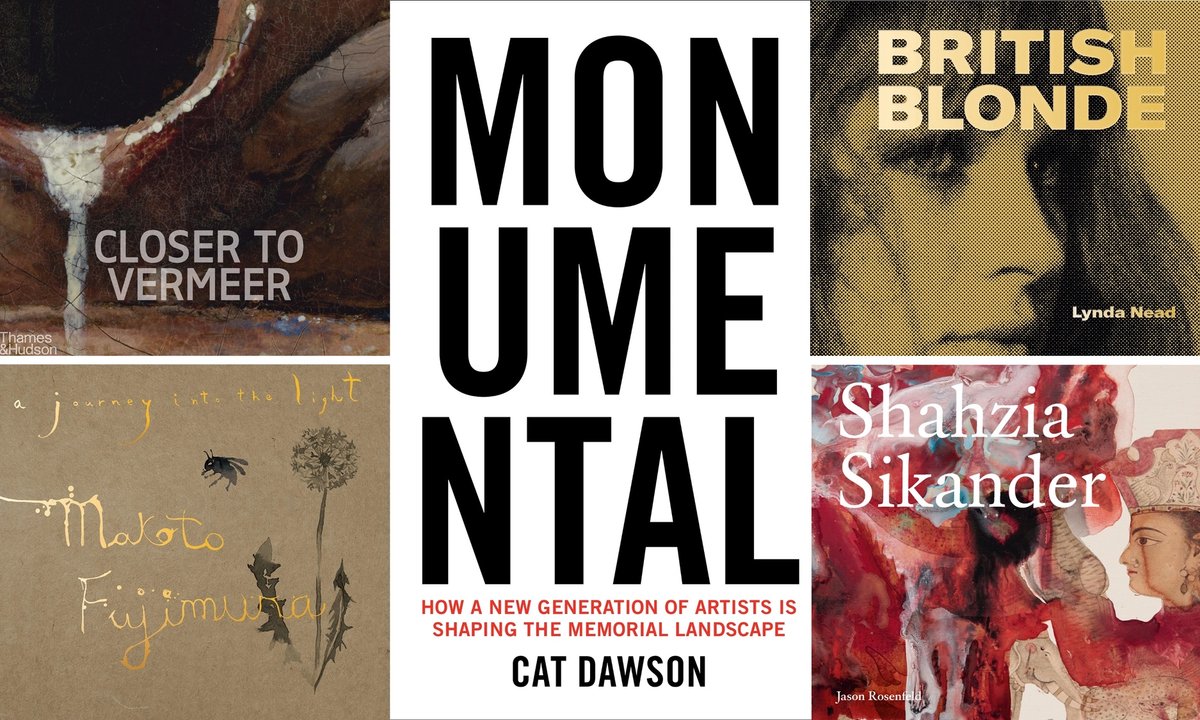
Five new art books to look out for this autumn, including publications on US monuments and Vermeer close-ups

Five new art books are set for release this autumn, covering topics from US monuments and Vermeer's techniques to post-war British culture and contemporary Pakistani-American art. Titles include 'Closer to Vermeer' (Thames & Hudson), 'Monumental: How a New Generation of Artists Is Shaping the Memorial Landscape' (MIT Press), 'British Blonde' (Paul Mellon Centre), 'Art Is: A Journey into the Light' (Yale), and 'Shahzia Sikander' (Lund Humphries), each offering fresh scholarship or monographic depth.

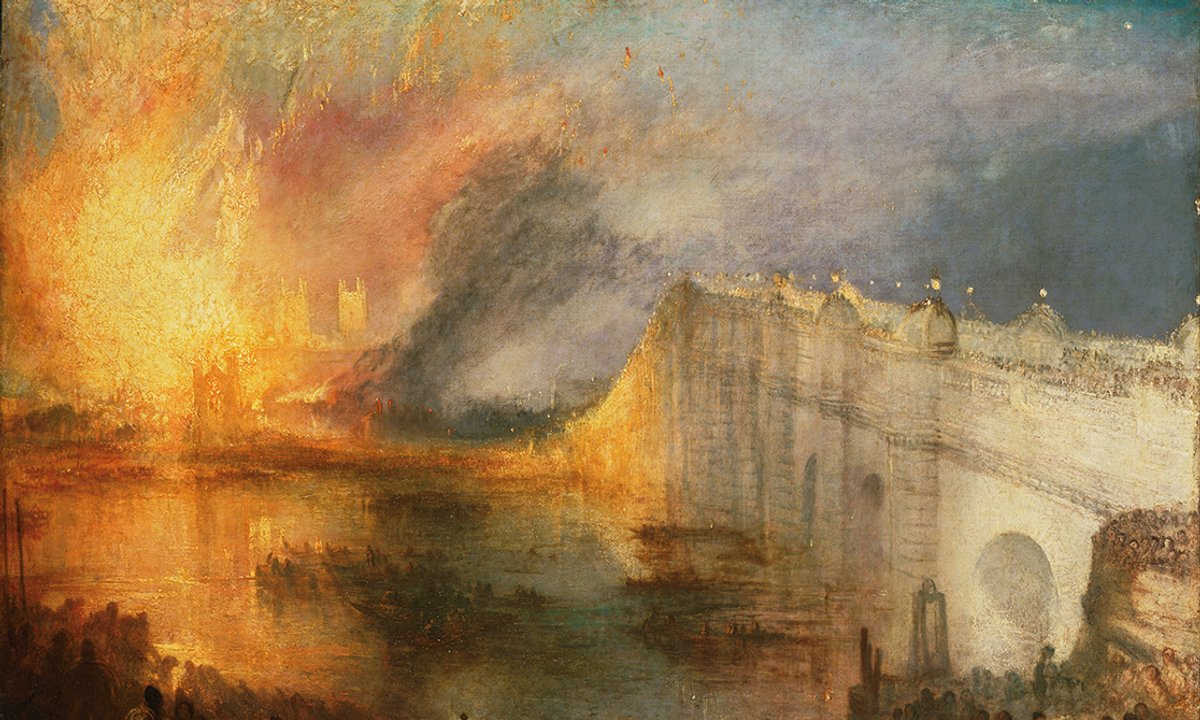
A biography of Turner and Constable that goes beyond the stereotypes

Nicola Moorby, curator of British art 1790-1850 at Tate, has published a new book titled *Turner & Constable: Art, Life, Landscape*, which examines the lives and careers of J.M.W. Turner and John Constable side by side for the first time in such depth. Published in the 250th anniversary year of Turner's birth and ahead of Constable's in 2026, the study uses a thematic approach within a chronological framework to compare their approaches to landscape painting, including their treatment of rivers like the Thames and the Stour, their differing paths to success, and famous flashpoints at Royal Academy exhibitions.

Space: the ultimate wardrobe challenge – in pictures

Thames and Hudson has released Space Journal: The Art and Science of Cosmic Exploration, a new visual compendium curated by BBC presenter Dallas Campbell. The book chronicles humanity’s aesthetic and technical obsession with the cosmos, featuring a diverse array of archival imagery ranging from 17th-century illustrations and 1930s rocket experiments to high-fidelity spacesuit replicas and mid-century astronomical art.

Nintendo, Nostalgia and Gaming as Accumulation

The article examines the Nintendo Museum in Kyoto and the company's 137-year history, tracing its evolution from hanafuda playing cards to global video game dominance. It highlights how the museum curates nostalgia through interactive exhibits and preserved artifacts, framing Nintendo's journey as a sequence of applying technology for fun and profit.

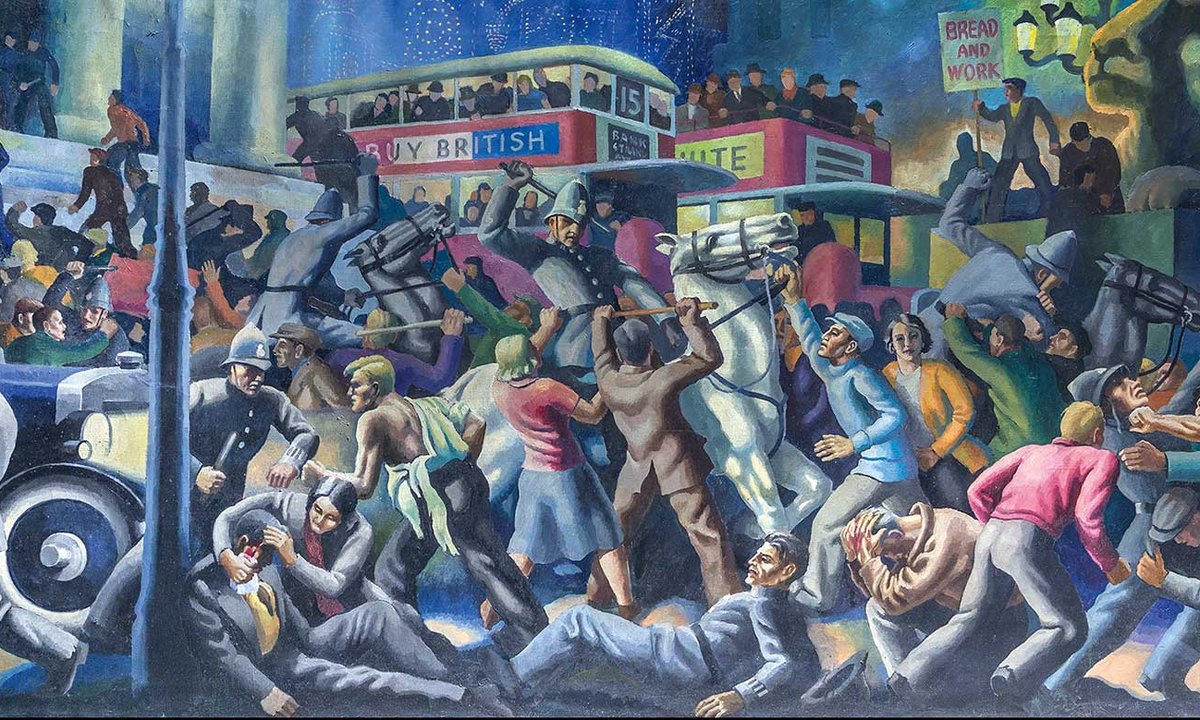
Comrades in art: meet the artists who fought against fascism

Andy Friend's book "Comrades in Art" chronicles the founding and first decade of the Artists International Association (AIA), a radical union of artists established in London in the 1930s. The AIA, born from a belief in art's power to revolutionize society, grew from a small group of mostly underemployed communist-affiliated commercial artists into a popular front against fascism and war, eventually including over 1,000 members such as Henry Moore and Paul Nash. The book focuses on lesser-known figures like Felicia Browne, the first British female combatant killed in the Spanish Civil War.

Rain, insomnia and finding a model: how Morocco challenged and changed Matisse

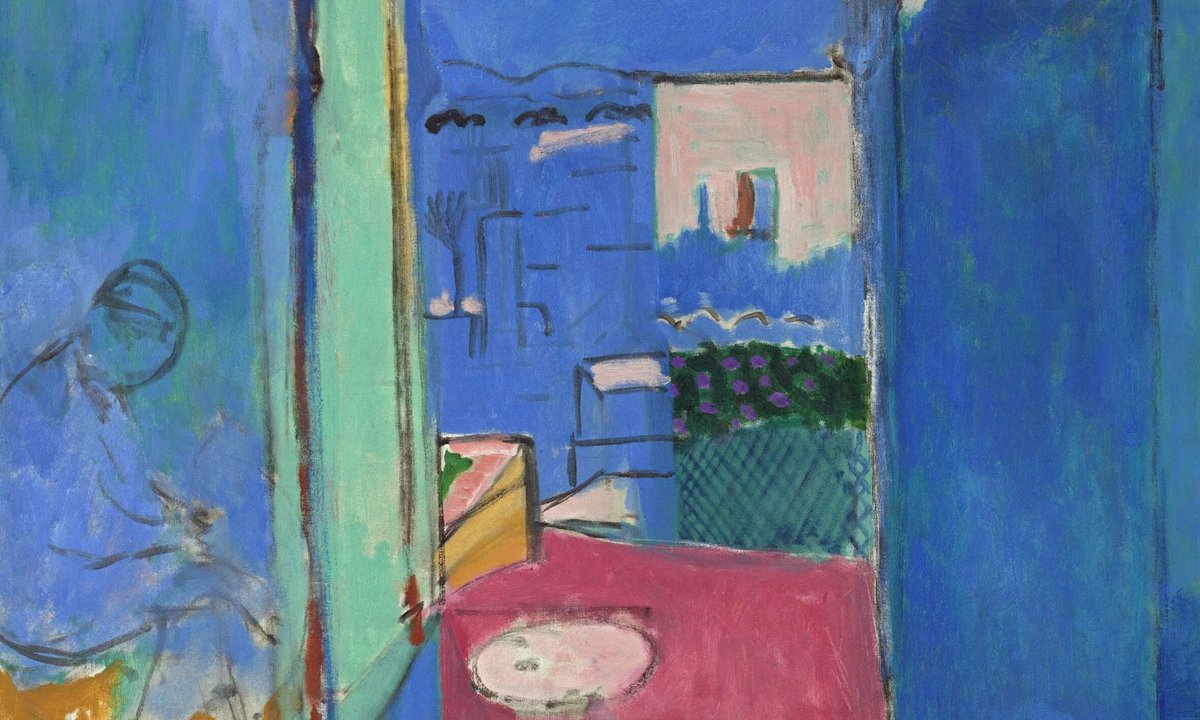
Henri Matisse made two pivotal trips to Tangier, Morocco, in 1912-1913, documented in Jeff Koehler's new book *Matisse in Morocco: A Journey of Light and Colour*. At a low point in his career—having lost patrons and critical support after his Fauve period—Matisse sought new inspiration, producing over 20 paintings despite challenges like rain, insomnia, and difficulty finding models. Commissions from Russian collectors Sergei Shchukin and Ivan Morozov helped fund the trips, and Matisse worked at the Villa Brooks estate, creating works such as *Moroccan Landscape (Acanthus)* (1912) and *The Palm* (1912). The article also highlights Matisse's discovery of fingerprints on *View of the Bay of Tangier* (1912-13) and his reliance on a Moroccan model named Zorah.