filter_list Showing 75 results for "FT" close Clear
dashboard All 579 museum exhibitions 311article news 75article local 63article culture 53trending_up market 23rate_review review 19article policy 12person people 9gavel restitution 7candle obituary 7
date_range Range Today This Week This Month All
Subscribe

Erster Teil des Pergamonmuseum öffnet im Juni 2027

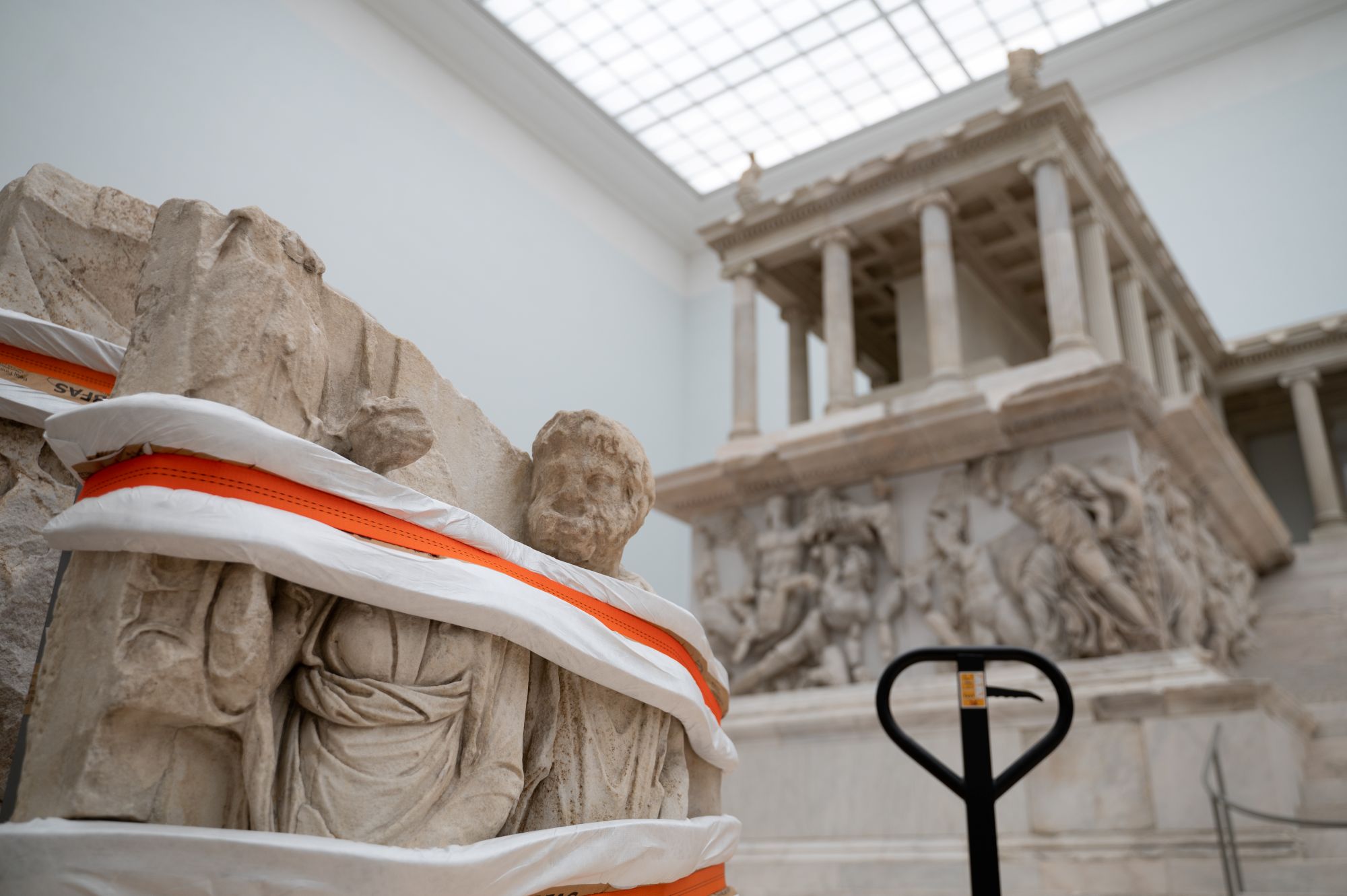
The first section of Berlin's Pergamon Museum will reopen to the public on June 4, 2027, after years of renovation. The Prussian Cultural Heritage Foundation (SPK) announced the date, ending months of uncertainty. The museum has been completely closed since autumn 2023 for comprehensive refurbishment, and the reopening will finally make the famous Pergamon Altar accessible again. However, the south wing, housing the Ishtar Gate and Babylonian Processional Way, will remain closed until 2037, with full museum access expected that year.
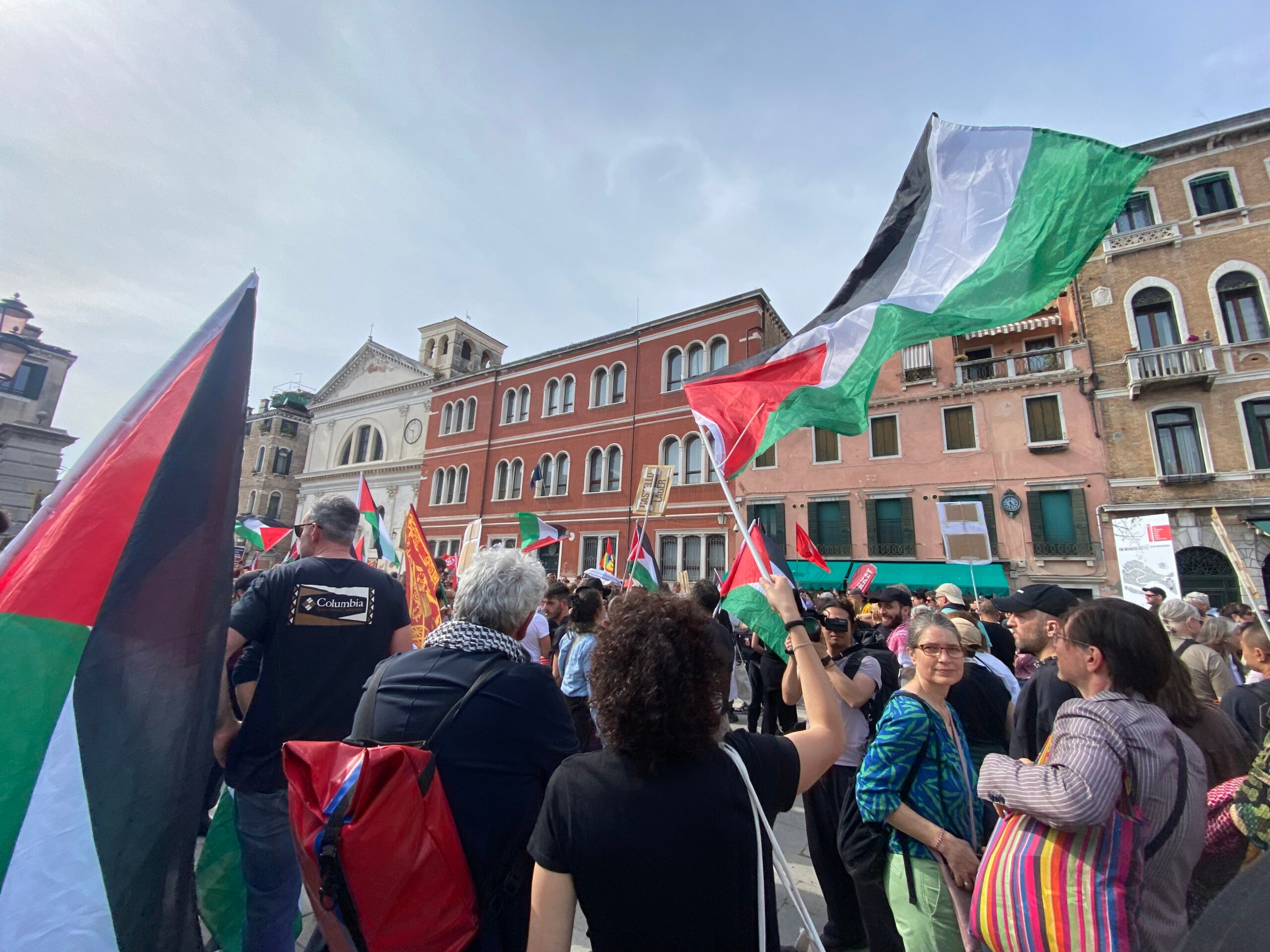
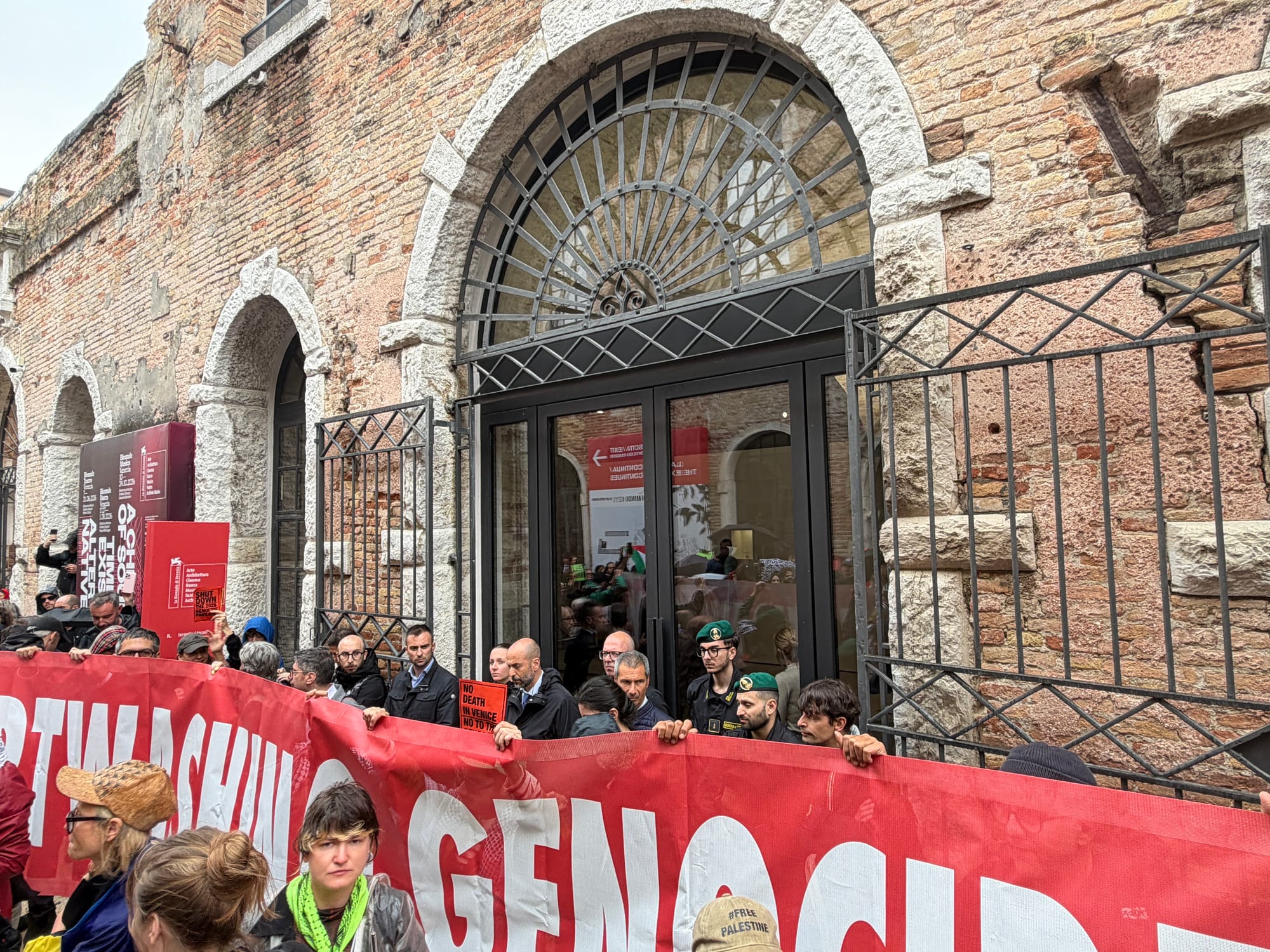
At the 2026 Venice Biennale, pavilions shut down for pro-Palestine strike. The map of protests

Alla Biennale di Venezia 2026 serrata dei padiglioni per sciopero pro Palestina. La mappa delle proteste

On May 8, 2026, the third VIP preview day of the 61st Venice Biennale, a massive strike shut down numerous national pavilions and disrupted the exhibition. Led by the Art Not Genocide Alliance (Anga), the protest demands Israel's exclusion from the Biennale over allegations of genocide in Palestine, and also targets poor labor conditions in the cultural sector. Pavilions closed one after another due to staff shortages, and protest posters appeared around artworks at the Giardini and Arsenale. The strike involved the Biennale Foundation itself, along with about twenty contractors managing services and national pavilions, with unions Adl Cobas, USB Lavoro privato, and Cub supporting the action. Tensions rose when the UK Pavilion reportedly replaced striking staff to remain open, and the Foundation issued a statement falsely denying that its employees were covered by the strike.

Israeli Pavilion Artist Made Legal Threats Before Venice Biennale Jury Resigned

New reports reveal that Israeli Pavilion artist Belu-Simion Fainaru issued legal threats against the Venice Biennale, alleging antisemitism and discrimination after the awards jury decided to exclude Israel and Russia from consideration due to human rights charges. The jury, which included Elvira Dyangani Ose, Zoe Butt, Marta Kuzma, Giovanna Zapperi, and Solange Farkas, initially stated on April 22 it would not consider nations whose leaders are charged with crimes against humanity by the International Criminal Court. Fainaru filed legal warnings with the Biennale, the Italian Ministry of Culture, and the Prime Minister's office. The jury abruptly resigned eight days later, leading the Biennale to scrap the Golden Lion awards and institute "Visitor Lions" decided by public vote. Reports indicate the Biennale's legal department warned jurors could be personally liable for damages, and Italian Culture Minister Alessandro Giuli promised to promote Fainaru's work.

Venice Biennale chief under pressure

Venedig-Biennale-Chef unter Druck

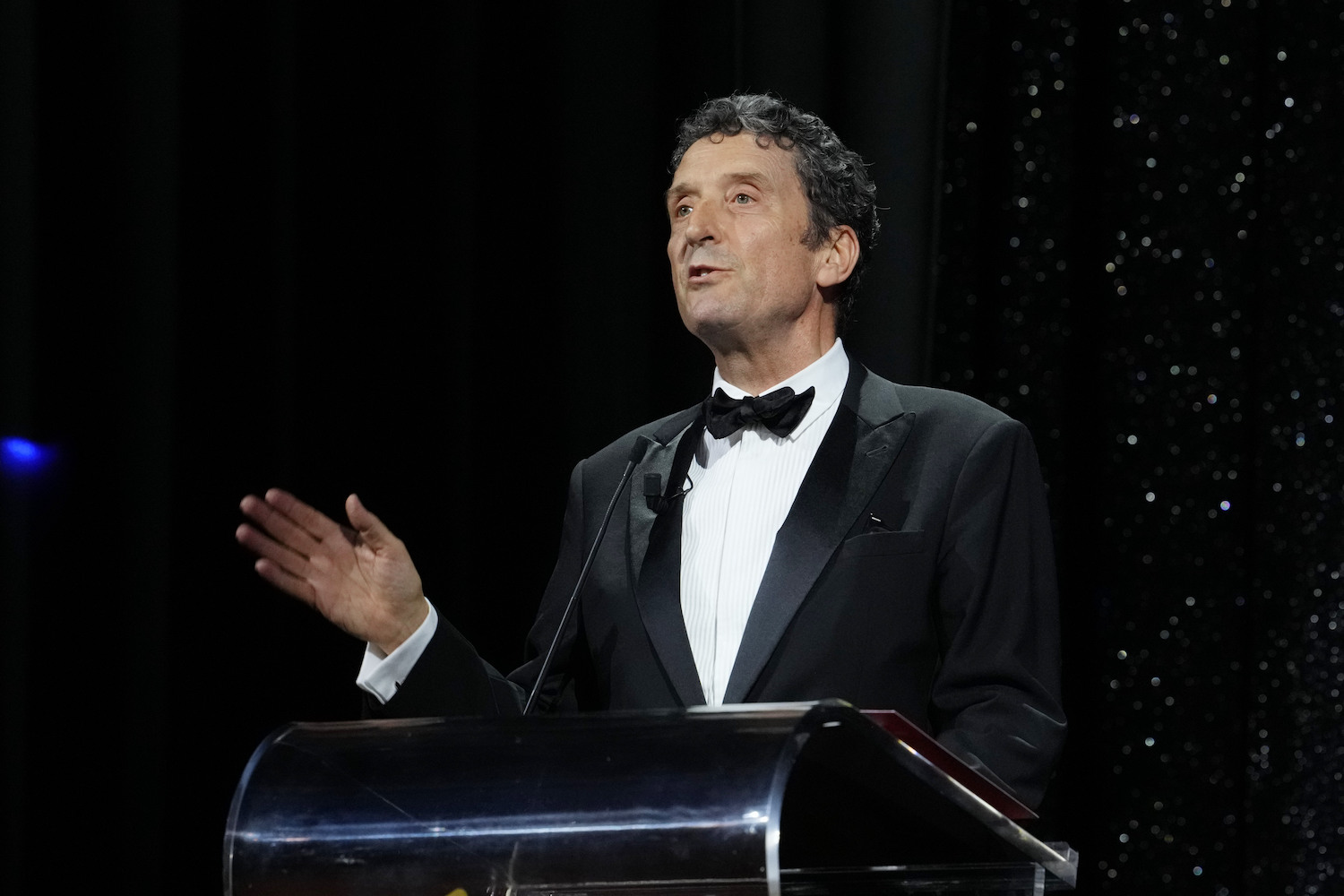
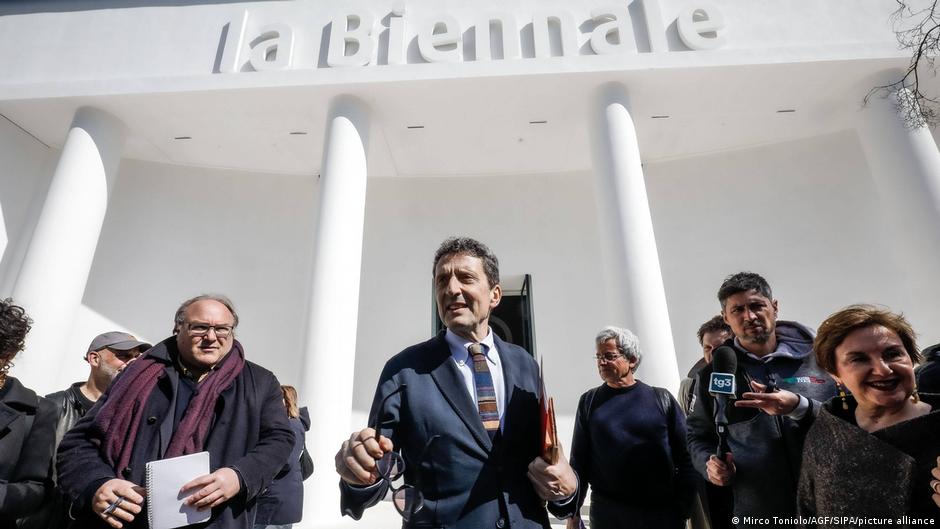
Just before the opening of the Venice Art Biennale, its president Pietrangelo Buttafuoco is facing mounting criticism after the entire jury resigned. Italian Culture Minister Alessandro Giuli accused Buttafuoco of pursuing a form of "parallel foreign policy" by readmitting Russia to the six-month exhibition, calling him a "victim of a pacifist fantasy." The opening ceremony and the traditional Golden Lion awards have been canceled; prizes will now be decided by visitor vote at the end of the Biennale in November.

Under pressure, the Venice Biennale jury resigns and is replaced by a public vote

Sous pression, le jury de la Biennale de Venise démissionne et est remplacé par un vote du public

On April 30, just days before the Venice Biennale's public opening on May 9, the entire international jury responsible for awarding the Golden and Silver Lions resigned. The jury—comprising Solange Farkas, Zoe Butt, Elvira Dyangani Ose, Marta Kuzma, and Giovanna Zapperi—had been caught in a escalating controversy after Biennale president Pietrangelo Buttafuoco reinstated Russia, which had been excluded since the 2022 invasion of Ukraine. The European Union threatened to suspend or cancel its €2 million subsidy if Russia remained included. The jury attempted to exclude countries whose leaders face International Criminal Court arrest warrants, effectively targeting Russia and Israel, but ultimately resigned under pressure from both external diplomatic turmoil and internal institutional opposition to any discrimination between pavilions.

From Minor Keys to Uproar: The Crisis of the Venice Biennale

DE LAS MINOR KEYS AL ESTRUENDO: LA CRISIS DE LA BIENAL DE VENECIA

The 61st Venice Biennale is engulfed in a structural crisis, marked by geopolitical tensions over the inclusion of Russia (amid its invasion of Ukraine) and Israel (amid the Gaza genocide). The Biennale Foundation, led by Pietrangelo Buttafuoco, defended their participation on legalistic grounds, sparking outrage from over 200 artists, curators, and cultural workers who demanded Israel's exclusion, aligning with Art Not Genocide Alliance (ANGA). The international jury, chaired by Solange Farkas and including Zoe Butt, Elvira Dyangani Ose, Marta Kuzma, and Giovanna Zapperi, resigned collectively on April 30 after deciding not to award prizes to countries whose leaders face International Criminal Court arrest warrants. This led to the cancellation of the traditional Golden and Silver Lions, replaced by audience-voted "Visitor Lions," with awards deferred until November. The European Commission suspended a €2 million subsidy over Russia's participation, and Italian Culture Minister Alessandro Giuli notably skipped the May 9 opening.

As the South African Pavilion Sits Empty, Gabrielle Goliath Continues a ‘Life-Work of Mourning’

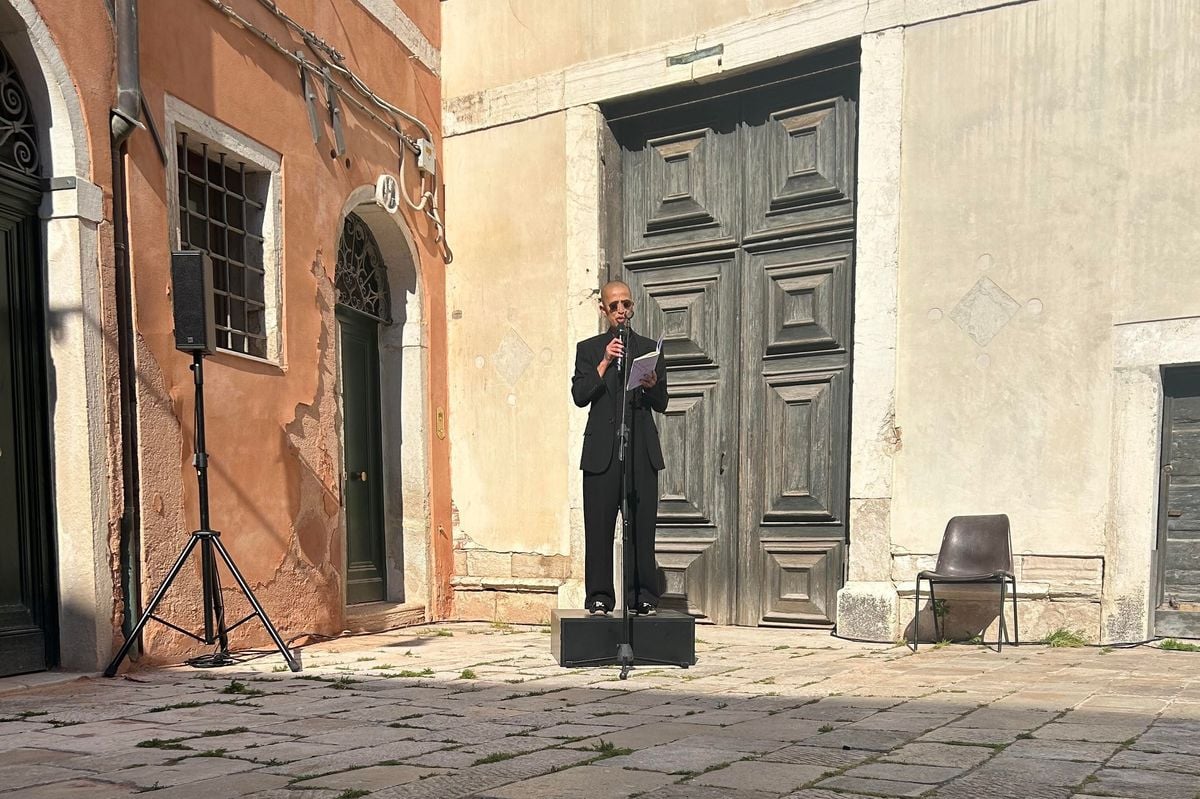
South African artist Gabrielle Goliath inaugurated an off-site Venice exhibition with a public poetry reading after her official presentation at the South African Pavilion was canceled. The performance, part of her ongoing series *Elegy* (2015), features seven singers sustaining a single tone for an hour as a mourning ritual. The work addresses femicide, rape culture, and the killing of Palestinian civilians, and includes new video and sound installations lamenting specific victims: South African teenager Ipeleng Christine Moholane, Nama women killed during Germany’s colonization of Namibia, and Palestinian poet Hiba Abu Nada. The South African Department of Sport, Arts and Culture rescinded Goliath’s invitation in January, deeming the work “related to an ongoing international conflict that is widely polarising.” Goliath unsuccessfully challenged the decision in South Africa’s high court, and the exhibition now runs throughout the Venice Biennale outside the official program before traveling to London in October.

Anti-Russia Protests Spread Beyond the Biennale and Into Venice

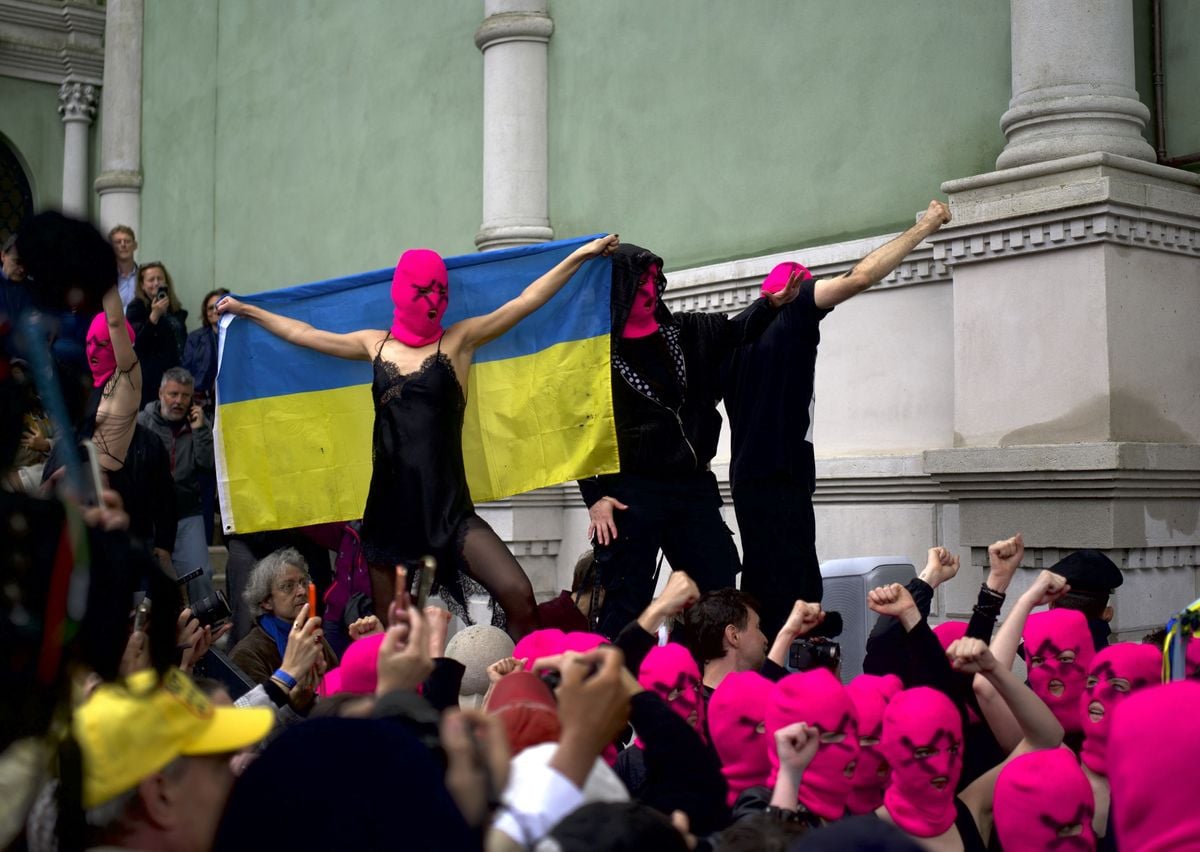
Protests against the reopening of the Russian pavilion erupted at the Venice Biennale and spread across the city on the second day of the 61st edition. Visual artist Shalva Nikvashvili, who grew up in post-Soviet Georgia, began a silent performance wearing a muzzle-style mask and carrying a chair, holding a sign reading “La Biennale di Venezia” and “violence.” Shortly after, a group of about 20 protesters led by Pussy Riot co-founder Nadya Tolokonnikova gathered outside the Russian pavilion, chanting against Vladimir Putin, waving Ukrainian flags, and releasing a pink smoke flare. The protests followed the Biennale's decision to allow Russia to participate for the first time since its 2022 invasion of Ukraine, despite calls from artists and politicians to exclude the country.

How the Venice Biennale imploded over Israel

The 61st Venice Biennale, scheduled to open on May 9, has been thrown into turmoil after its International Jury announced that national pavilions and artists representing countries whose leaders are charged with crimes against humanity by the International Criminal Court will not be eligible for prizes. This excludes Israel, represented by sculptor Belu-Simion Fainaru, and Russia from competing for the Golden Lion. The decision follows an open letter signed by hundreds of artists and curators demanding Israel's exclusion over the war in Gaza, and comes amid ongoing geopolitical tensions, including Russia's absence from previous editions after its invasion of Ukraine. The Biennale's theme, 'In Minor Keys,' curated by the late Koyo Kouoh, aimed to focus on dignity and listening to marginalized voices, but the prize ban has sparked accusations that identity politics are overshadowing artistic merit.

Venice Biennale in crisis: The controversies explained

The Venice Art Biennale's official awards ceremony, scheduled for May 9, has been canceled after the entire five-member jury resigned days before the event. The jury had previously announced they would not consider countries whose leaders face International Criminal Court charges, directly impacting Russia and Israel. Instead of jury-selected prizes, visitors will vote throughout the Biennale's run, with "Visitor Lions" awarded on November 22. The event, running from May 9 to November 22, features 100 national participations, including seven first-time countries, and a posthumous main exhibition titled "In Minor Keys" curated by the late Koyo Kouoh, the first African woman to lead the show. Iran withdrew on May 4 amid Middle East tensions, while Russia's return to the Biennale in 2026 has sparked EU threats to cut funding.

The Venice Biennale and Its Many Flashpoints: An Explainer

The Venice Biennale, often described as the Olympics of the art world, is set to begin previews on Tuesday amid several controversies. Key flashpoints include the sudden death of a curator, Russia's surprise participation despite ongoing geopolitical tensions, and an unconventional entry from the United States. These developments have intensified scrutiny and debate around the prestigious international exhibition.

Endangered Species? Venice Biennale Ditches Golden, Silver Lions for 2026 Edition

The Venice Biennale has announced it will eliminate the Golden and Silver Lions for the 2026 edition, replacing them with Visitor Lions chosen by popular vote. The prizes, traditionally awarded on opening day (May 9), will now be presented at the closing ceremony (November 22). Russia and Israel, previously barred from consideration by the prize jury due to ICC charges against their leaders, will be eligible for the new Visitor Lions. The decision follows the mass resignation of the original prize jury after they excluded those nations and faced pressure to also ban the US.

Ministry of Culture inspectors present report on Biennale: Russia pavilion will remain closed

Gli ispettori del Ministero della Cultura in Biennale presentano relazione: il padiglione Russia resterà chiuso

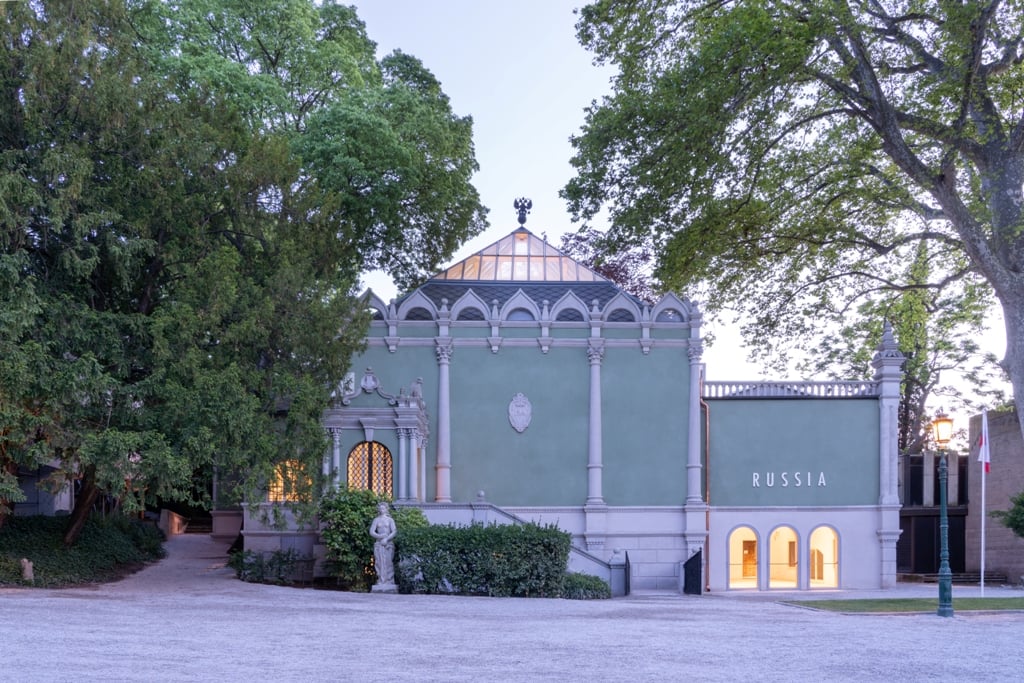
Italian Ministry of Culture inspectors have submitted a report to the Prime Minister's office regarding Russia's participation in the 2026 Venice Art Biennale. The report concludes that Russia did not receive a formal invitation from the Biennale Foundation to participate, nor did it sign the participation agreement—a situation shared by other countries with permanent pavilions. While Russia submitted a project and appointed a commissioner, its pavilion will remain closed to the public due to EU sanctions, though a private vernissage may proceed. The report finds no serious violations that would cancel Russia's participation, but notes critical issues that warranted more caution. The international jury resigned en masse after announcing it would not consider countries whose leaders are accused of crimes against humanity by the International Criminal Court, including Russia and Israel, and after an Israeli artist threatened a discrimination lawsuit.

Iran will not participate in the Biennale

Iran nimmt nicht an Biennale teil

Iran has withdrawn from the Venice Biennale, according to an announcement by the Biennale organization reported in Italian media. No reasons were given for the decision. The withdrawal comes amid significant turmoil at the Biennale just days before its official opening on Saturday: the entire jury resigned over disputes regarding the treatment of Russia and Israel, the opening ceremony was canceled, and the traditional awarding of Golden Lions at the start has been postponed to the final day in November, with winners now to be decided by visitor vote rather than a jury.

Artists’ Strike Closes Pavilions at Venice Biennale, Adding to Upheaval

Several national pavilions at the Venice Biennale were shut down after artists staged a strike, protesting working conditions, funding disparities, and the event's relationship with sponsors linked to geopolitical conflicts. The closures disrupted the opening week of the prestigious international exhibition, with participating artists and curators withdrawing their work or locking pavilion doors in solidarity.