filter_list Showing 33 results for "FT" close Clear
dashboard All 437 museum exhibitions 217article news 64article local 39article culture 33trending_up market 31article policy 15rate_review review 14person people 13candle obituary 8gavel restitution 3
date_range Range Today This Week This Month All
Subscribe

‘It’s not much but, at the same time, it’s very much’: the enduring impact of Sade’s style

The article discusses the enduring style of Sade Adu, frontwoman of the British group Sade, following the band's announcement of their induction into the 2026 Rock and Roll Hall of Fame. It highlights how Adu's signature look—scraped-back hair, red lipstick, hoop earrings, and simple black dresses or denim—has become iconic and influential, with her outfits featured in exhibitions like V&A East's 'The Music is Black' and referenced by celebrities such as Drake. The piece traces the origins of her style to her fashion design studies at Saint Martin's School of Art and her early work with designer Fiona Dealey.

Martin Schongauer in 2 Minutes

Martin Schongauer en 2 minutes

Martin Schongauer (c. 1445–1491), the Alsatian painter, draftsman, and engraver, is celebrated as the greatest German copperplate engraver before Albrecht Dürer and one of the first artists to achieve pan-European fame in his lifetime. The article outlines his life and career, from his early training in his father's goldsmith workshop in Colmar to his studies at the University of Leipzig and travels through Flanders, where he absorbed the influence of Rogier van der Weyden and Dirk Bouts. It highlights his 116 copper engravings, signed with the monogram 'M+S', which elevated engraving to a high art and circulated from Spain to Bohemia, inspiring Dürer and the young Michelangelo. Key works discussed include the painting 'La Vierge au buisson de roses' (1473) and the engraving 'La Tentation de saint Antoine' (c. 1470–1475).

"There are no minor or feminine arts." Domitilla Dardi explains this in her new book

“Non esistono arti minori o femminili”. Ce lo spiega Domitilla Dardi nel suo nuovo libro

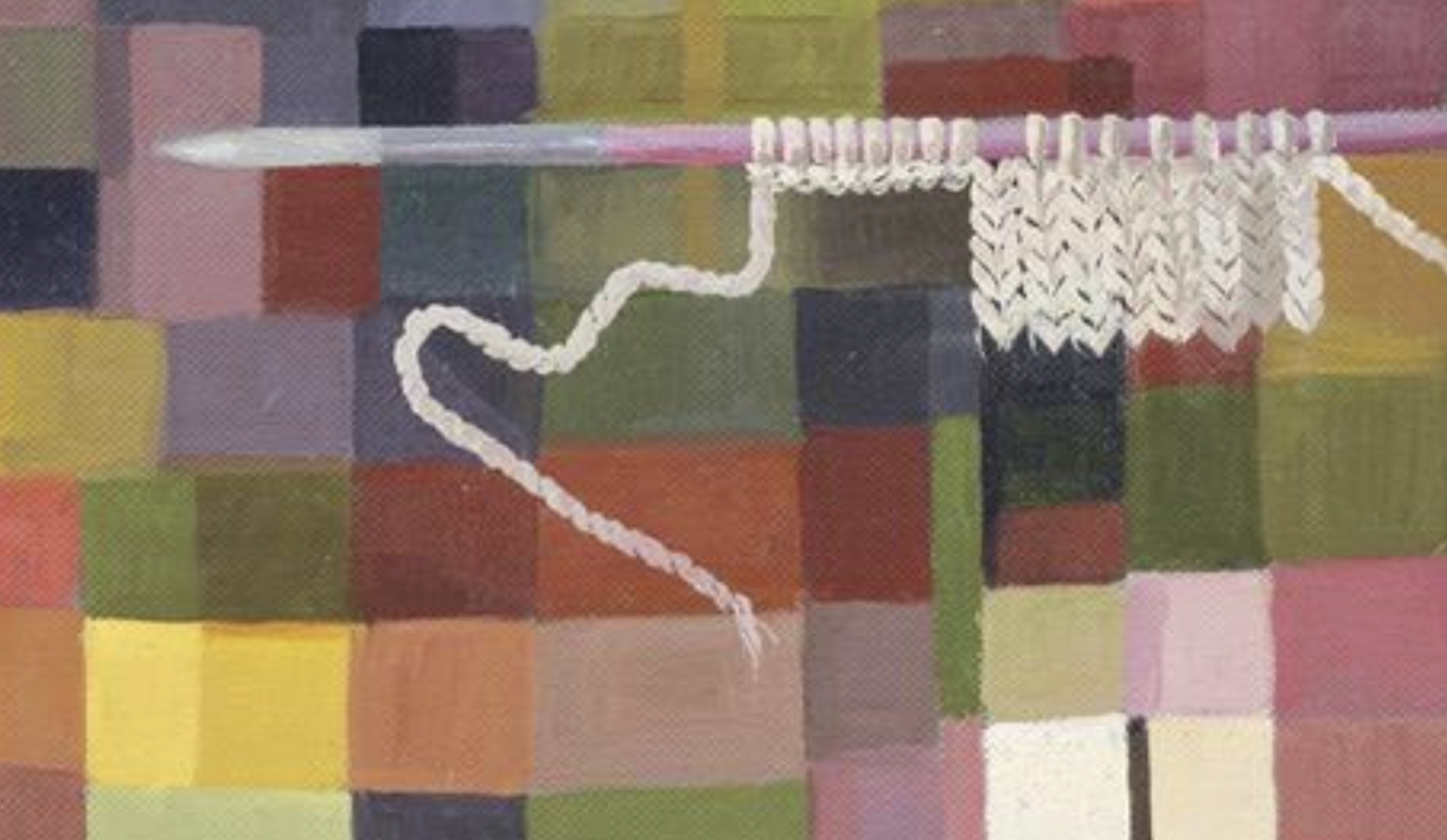
Domitilla Dardi's new book "Cucire Universi" (published by Einaudi) presents a counter-history of design, focusing on techniques traditionally dismissed as "feminine" and "minor"—such as sewing, ceramics, cooking, and knitting. The book argues that these practices have been systematically undervalued by official art histories, yet have contributed significantly to technologically advanced research fields. Dardi uses real historical figures like Emily Dickinson to illustrate how women's creative and scientific talents were channeled into these marginalized domains, and she calls for overcoming the dualistic view that separates art from craft.

Long Live the King?

Sam Jacob's essay in ArtReview uses the upcoming Baz Luhrmann film 'EPIC: Elvis Presley in Concert' (2026) as a springboard to explore the cultural and technical implications of digital restoration. The film, a spinoff from Luhrmann's 2022 Elvis biopic, draws on 59 hours of previously unseen footage from Elvis Presley's 1970 and 1972 Las Vegas performances, recovered from Warner's Kansas salt-mine archive. Using Peter Jackson's Park Road Post technology—including Machine Assisted Learning (MAL) for demixing audio and video—the damaged, fragmented material has been digitally scanned, reconstructed, and enhanced to 4k resolution with 12-channel sound, presented in IMAX cinemas.

Without Consciousness, No Creativity

"Ohne Bewusstsein keine Kreativität"

Matthias Hornschuh, a speaker at the German Creative Economy Summit in Hamburg, discusses artificial intelligence and its impact on art and creativity in an interview with Monopol. He argues that AI systems lack intentionality and true creativity, describing them as "probability-based imitation" rather than genuine creative tools. Hornschuh warns against the hype surrounding AI, noting that efficiency gains are often overstated and that users can become trapped in unproductive interactions with these systems.

‘The pictures are evil!’ The great art-quake of 1910

The article reviews David Boyd Haycock's slim new book 'Art-Quake, 1910,' which examines the explosive 1910 exhibition 'Manet and the Post-Impressionists' at London's Grafton Galleries. The show introduced British audiences to revolutionary artists like Cézanne, van Gogh, Gauguin, Matisse, and Picasso, provoking outrage from critics and the public, who called the works 'evil,' 'hysterical,' and a threat to civilization. The book is part of a series from Old Street publishing that also includes titles on the Degenerate Art exhibition and the Cultural Revolution.

Einatmen – Ausatmen

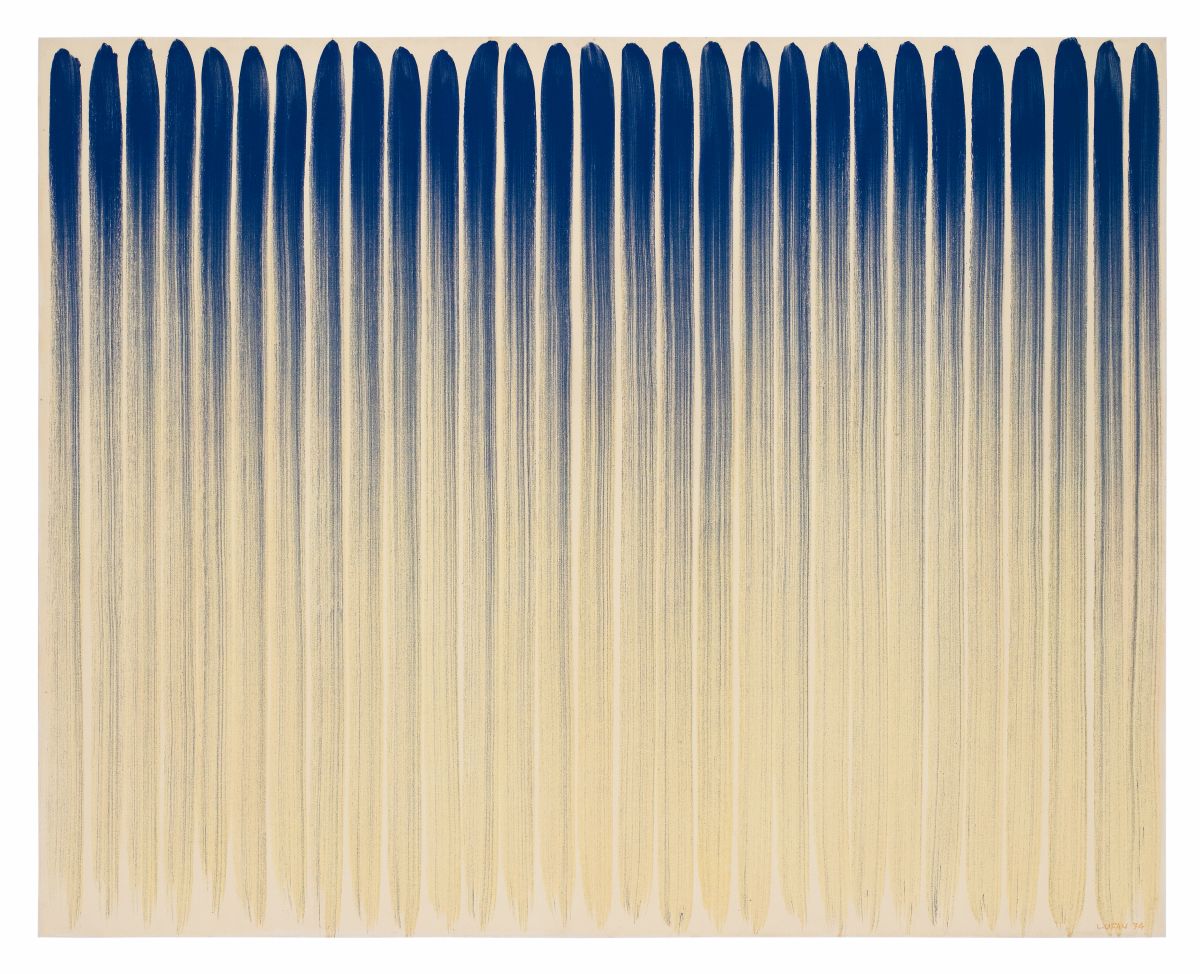
Lee Ufan, the renowned Korean artist known for his meditative single brushstroke paintings, is the subject of a feature article in Monopol. The piece visits his home in Kamakura, Japan, where he lives and works in a simple wooden cube house, reflecting the minimalist philosophy that defines his art. The article explores how Lee finds the entire universe in a single brushstroke, and how the art world is increasingly captivated by his serene, contemplative works.

« Le monde entier semble s’être mis en mouvement, animé par une soif d’expériences culturelles »

The article explores the transformation of cultural travel for artists and art lovers, contrasting the arduous, unknown journeys of historical figures like Eugène Delacroix, Paul Gauguin, and Ella Maillart with today's accessible, curated experiences. It describes how contemporary artists such as Ólafur Elíasson, JR, and Marina Abramović now use travel itself as a medium, creating works that engage with climate change, social issues, and presence. Destinations like the Venice Biennale, AlUla in Saudi Arabia, Naoshima in Japan, and Le Voyage à Nantes are highlighted as hubs where art and travel merge into immersive, sensory experiences.

‘It’s a huge, futuristic space with massive skylights’: Ali Zolghadri’s best phone picture

Ali Zolghadri, a Tehran-born fine art photographer, captured a composite image of the central atrium of the Iran Mall in Tehran—the world's largest shopping mall—which was shortlisted in the creative category of the 2026 Sony World Photography Awards. The photograph, taken four months before the US and Israel launched their war on Iran, depicts the mall's futuristic architecture with sweeping curved lines, metallic surfaces, and massive skylights, and includes a lone passerby to emphasize scale. Zolghadri emphasizes that his process involves manual editing in Photoshop without AI, blending three frames and removing unnecessary elements to construct meaning.

In love with trees, sculptor Lélia Demoisy elevates nature through hybridization

Amoureuse des arbres, la sculptrice Lélia Demoisy sublime la nature par l’hybridation

Lélia Demoisy, a French sculptor born in 1991, creates hybrid works that blend wood with animal elements, such as a yew wood sculpture covered in fox fur or a suspended skeleton made from naturally curved thuya branches. She lives in a small village in the Yvelines region, where she works with wood and metal herself, often sourcing materials locally, and recently participated in the Maif pour le vivant committee as the only artist on the jury.

Writer Thomas Clerc casts a tender fictional gaze on Montmartre's 'daubs'

L’écrivain Thomas Clerc pose, à travers une fiction, un regard tendre sur les « croûtes » de Montmartre

French writer and essayist Thomas Clerc has published a new fiction titled "Croûtes" as the fifteenth volume in the "Fléchette" collection by éditions sun/sun. The book draws inspiration from a single autochrome image taken from the Musée Albert-Kahn's "Archives de la planète" (1909–1931), specifically a one-minute film shot in March 1927 at the Foire aux croûtes in Montmartre, Paris. Clerc's narrative tenderly and humorously explores the life of an amateur painter and the infinite possibilities of so-called "croûtes"—a French slang term for amateurish or kitsch paintings that exist outside institutional recognition.

Beyond the Needle: Chilean Artist Felipe Abel on Chiaroscuro, Symbolism, and the Evolution of Modern Tattooing

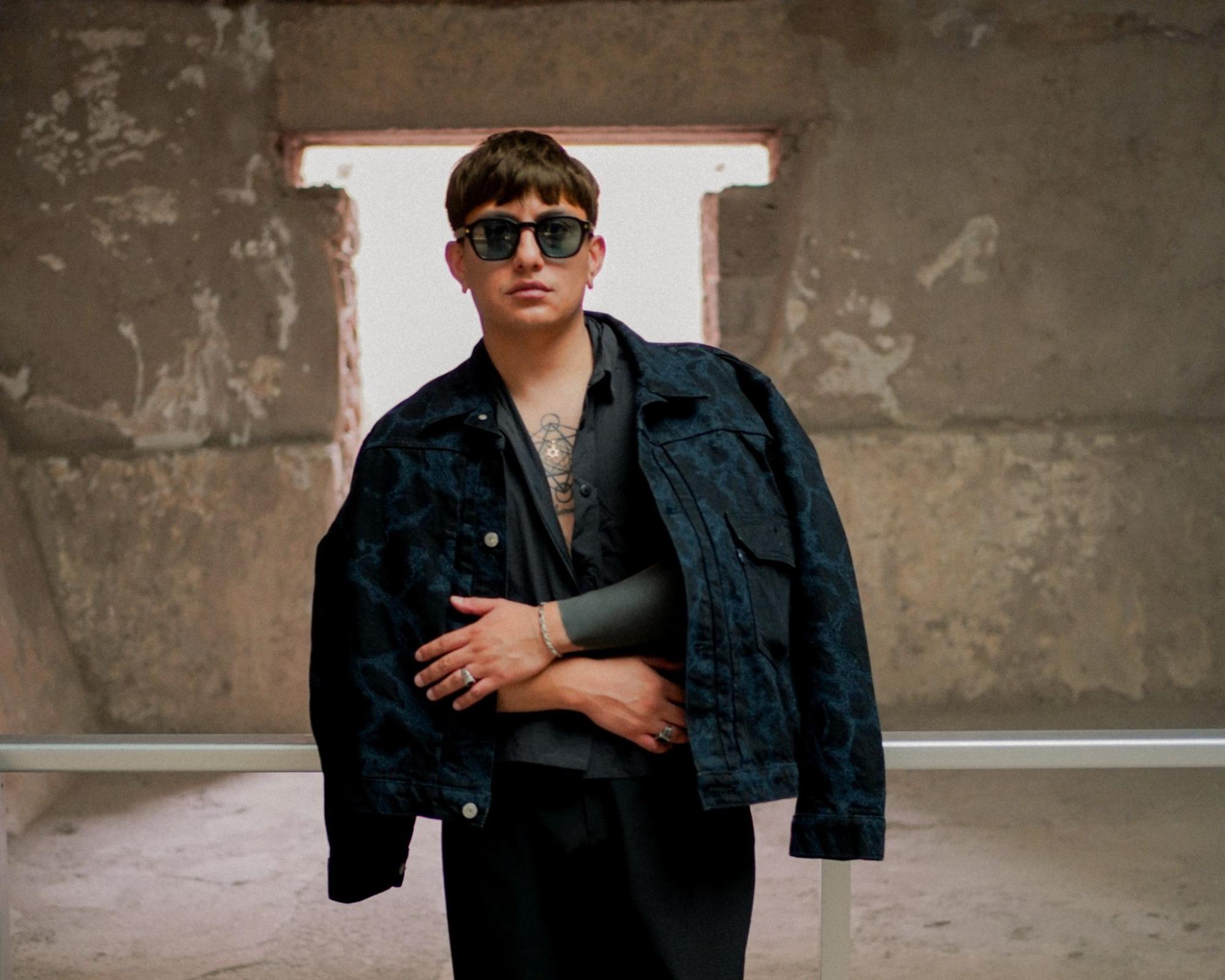
Chilean tattoo artist Felipe Abel (born Felipe Arriagada), who has a background in graphic design and a decade of experience in black-and-grey micro-realism, is preparing to join Noble Art Studio in Brooklyn. He is also developing a new series of oil paintings focused on mythology, theology, and esotericism, expected to debut in a formal exhibition around 2027. Abel, who has held guest spots in over 20 cities across 10 countries including studios like Sasha Tattooing in Paris and The White Whale in Milan, uses chiaroscuro and a recurring floating orb motif in his work, drawing influence from photographer Sebastião Salgado and painter Guillermo Lorca.

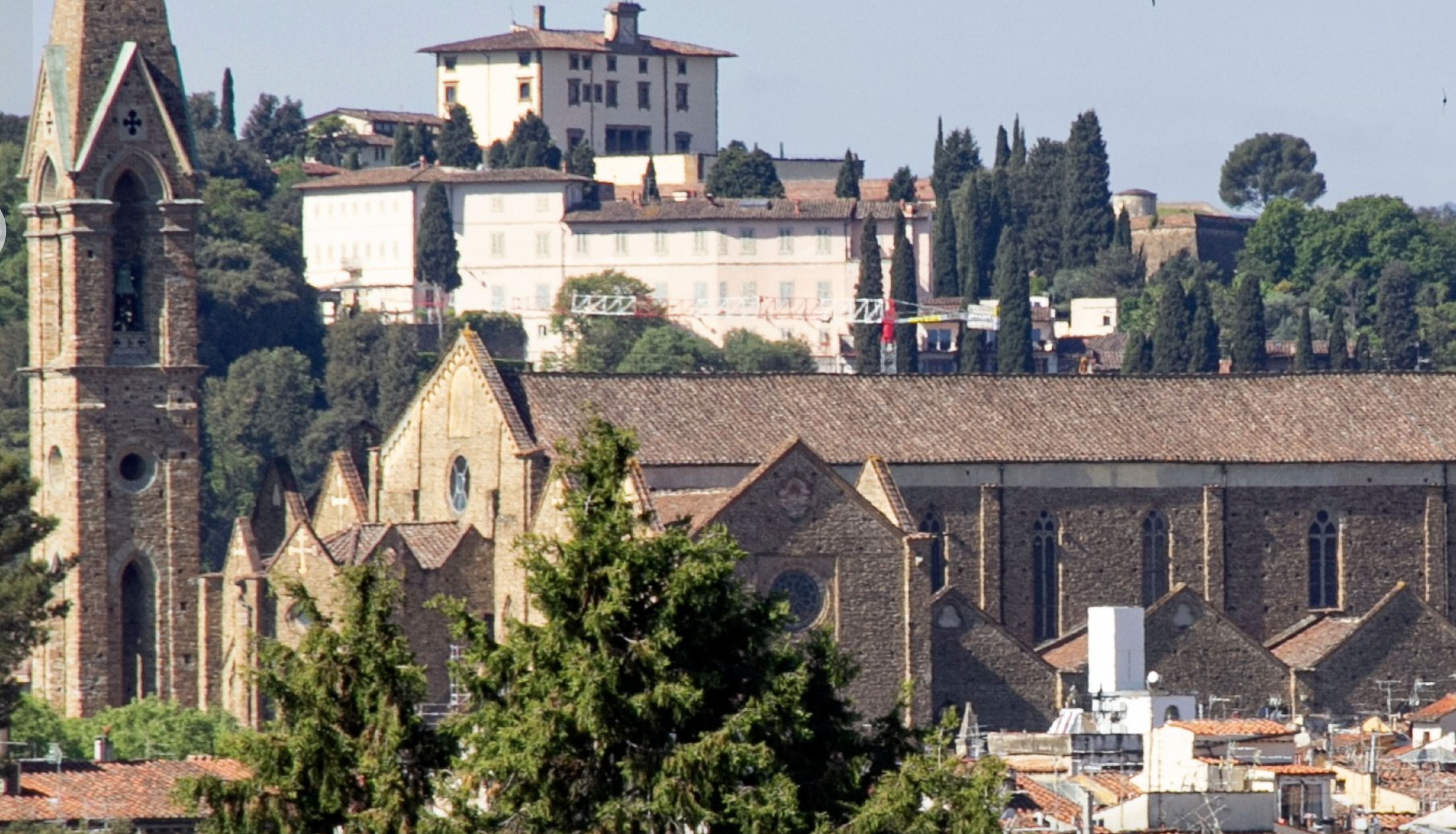
Scandal in Florence's Skyline? After the Black Cube and the White Cylinder, the Prism That Impales Santa Croce Appears

Scandalo nello skyline di Firenze? Dopo il cubo nero e il cilindro bianco spunta il prisma che impalla Santa Croce

A cylindrical antenna installed by the telecom company Iliad in Florence has sparked controversy after it was reported that, from certain angles, it visually overlaps with iconic landmarks such as Brunelleschi's Dome and Giotto's Campanile. The article traces a pattern of periodic scandals in Florence, including a previous uproar over the so-called "Cubo Nero" (a new building replacing a decaying theater), and notes that the antenna has actually been in place since 2023 without earlier outcry. Local artist Giacomo Costa recently photographed another white prismatic antenna in Via Ghibellina, within the UNESCO zone, that obstructs the view of Santa Croce, fueling further debate.

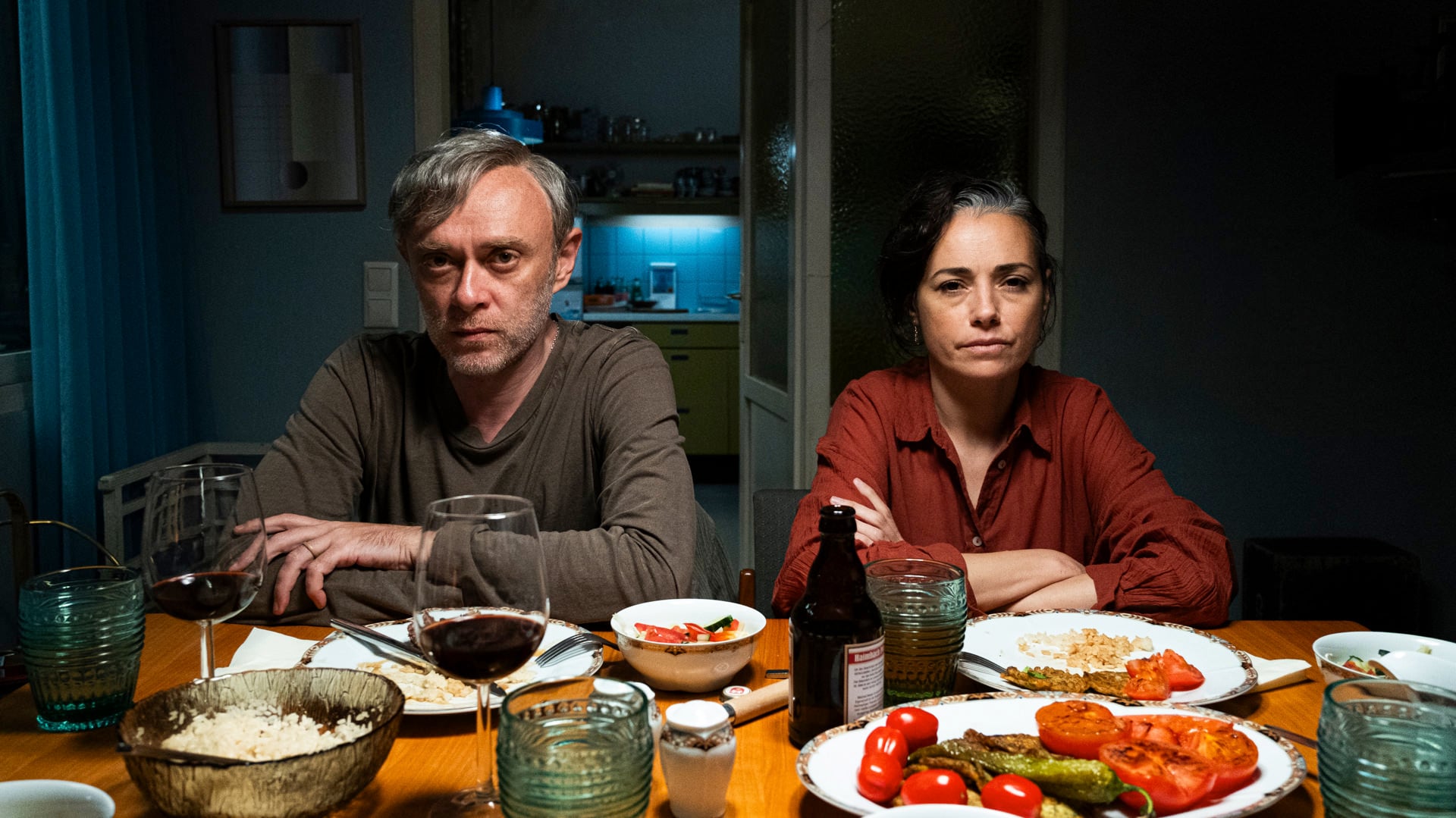
“Yellow Letters”: arte e politica, libertà e censura nel nuovo film di İlker Çatak

Ilker Çatak's fifth film, "Yellow Letters," premieres on April 30, 2026, distributed by Lucky Red. The story follows Derya and Aziz, a Turkish artist couple whose lives unravel after Aziz, a professor at Ankara University, receives a "yellow letter" terminating his employment. The film, inspired by post-2016 coup purges in Turkey, shifts to Berlin and Hamburg, where the director deliberately avoids mimicking Turkish locations, instead using explicit captions like "Berlin as Ankara" to create a Brechtian alienation effect. Çatak explores how arbitrary state repression fractures personal relationships and moral boundaries, drawing on interviews with artists who faced unjust dismissals.

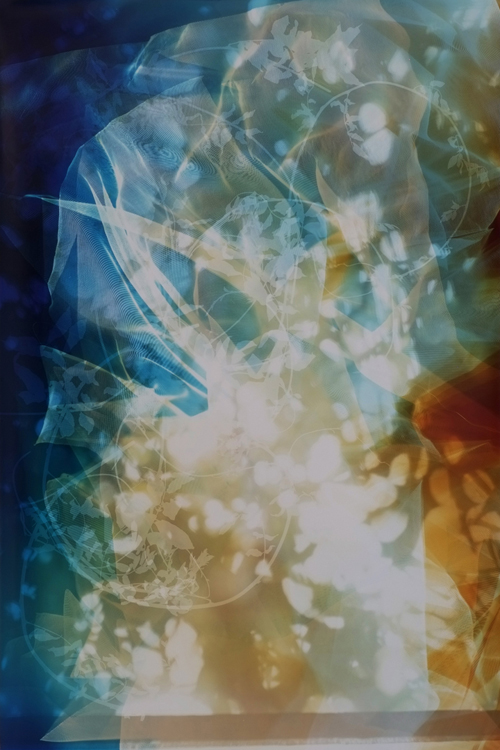
Why Contemporary Photographers Are Rejecting the Camera

Contemporary photographers are increasingly rejecting traditional cameras in favor of alternative, camera-less techniques such as photograms, cyanotypes, and chemigrams. These artists draw inspiration from early scientific experiments with light-sensitive materials, like those of Johann Heinrich Schulze and Thomas Wedgwood, who created temporary images using silver nitrate and sunlight before photography was formally invented.

In the Studio with Jevon Brown

Artist Jevon Brown, a Miamian of Bahamian, Jamaican, and Black Southern descent, discusses his multidisciplinary practice in an interview conducted in his Miami Beach apartment and studio. Brown works across textiles, silkscreen printing, fashion, and photography to explore cultural identity, belonging, queerness, and history. He describes how memories of Miami sunsets, family members like his uncle (a sneakerhead and hat collector), and ancestral references inform his creative process. Key works discussed include the "HAIREtage" series (2025), which uses materials like burlap and raffia to connect contemporary streetwear culture with African and Caribbean spirituality, and his inclusion in the exhibition "Material, Material World" at David Castillo Gallery.

Primitivism to Reinvent Art

Le primitivisme pour réinventer l’art

Philippe Dagen has published the third and final volume of his series on primitivism, covering the period from World War II to the late 1970s. The book traces how Western artists, from Barnett Newman and Jackson Pollock to members of the CoBrA movement and figures like Jean Dubuffet, Lucio Fontana, and Yayoi Kusama, engaged with so-called "primitive" art from Africa, Oceania, and the Americas, often as a means of rejecting or redefining modern civilization. Dagen also examines the intellectual debates surrounding primitivism, including the critiques of colonized peoples who refused the label "primitive," and the shifting attitudes of thinkers like Claude Lévi-Strauss, Michel Leiris, and Aimé Césaire.

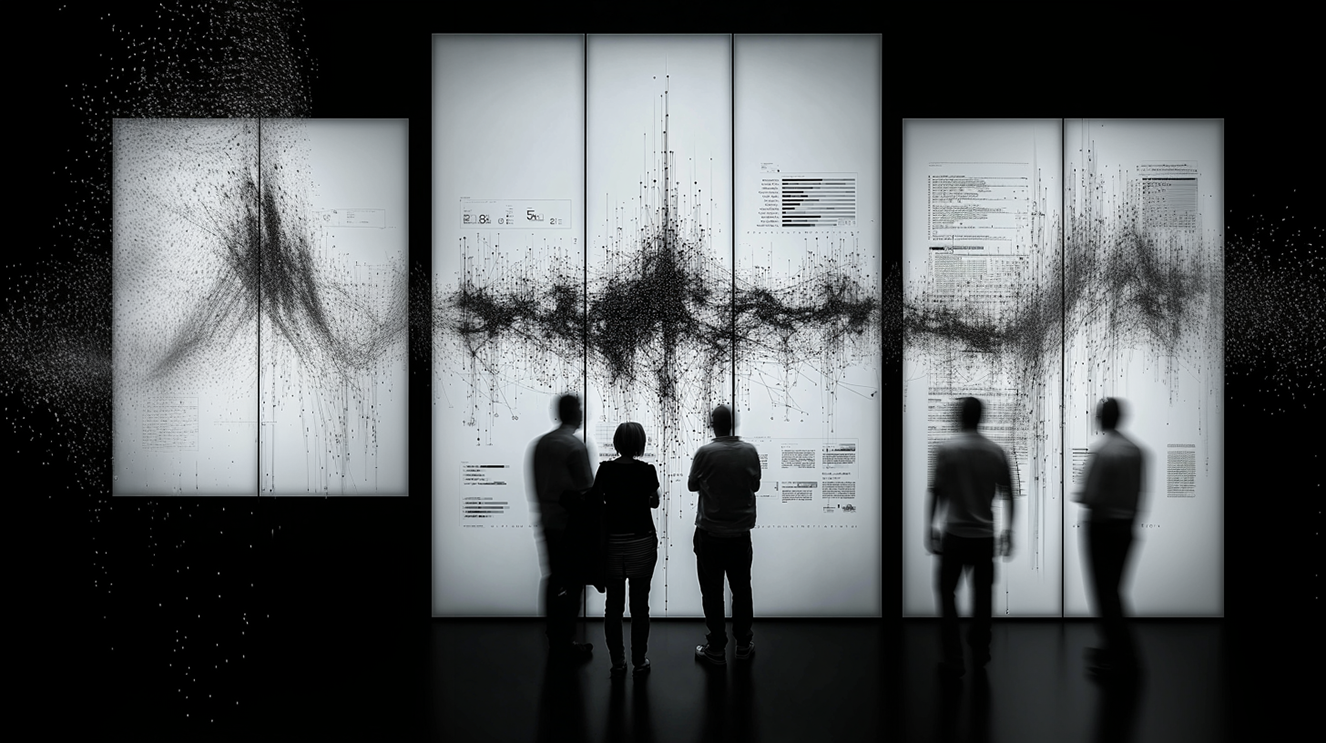
Beyond the prompt: when the medium is generative AI, the artist becomes a systemic director

Oltre il prompt: quando il medium è l’AI generativa l’artista diventa regista sistemico

The article argues that as AI-generated images become more spectacular, the role of the artist is often misunderstood as merely writing prompts. Instead, the author contends that the most significant generative artworks are systems—predetermined rule-based environments where the artist designs the conditions for images to emerge. Works like Hans Haacke's "Condensation Cube" (1963-1965) and Refik Anadol's "Unsupervised" (2022) exemplify this shift from object to process, where the artwork is the behavior or architecture itself.

Nine Artists on the Gardens They’ll Never Forget

Nine artists, including Hiroshi Sugimoto, Irene Neuwirth, and Umberto Pasti, share personal reflections on unforgettable gardens from around the world. Each contributor describes a specific garden that left a lasting impression, ranging from historic estates to wild natural landscapes, highlighting the sensory and emotional impact of these spaces.

GEORGE FEBRES: TRADUCCIÓN, IRONÍA Y LIBERACIÓN. UN ARTISTA ECUATORIANO EN LA DIÁSPORA

George Febres (Guayaquil, 1943 – New Orleans, 1996) was an Ecuadorian artist whose work blended pop art, neo-surrealism, and Southern U.S. culture, shaped by his experience as a migrant and queer individual. The article traces his life from a privileged but unstable childhood in Ecuador to his migration to the United States, where he was drafted during the Vietnam War and eventually settled in New Orleans. Febres used bilingualism and ironic appropriation of tropical imagery to create a hybrid, irreverent body of work that challenges the official historiography of Ecuadorian art.

Comment | The slopification of political art

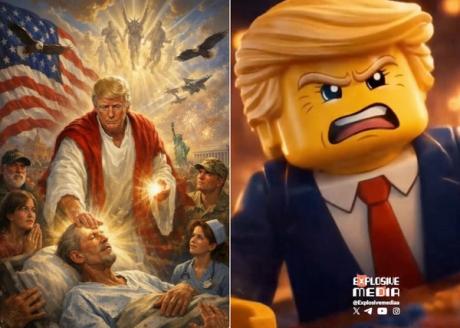
The article critiques the rise of AI-generated political imagery, such as Donald Trump depicted as Jesus and viral Lego videos of the Iranian Revolutionary Guard Corps, arguing that these shallow, generic visuals fail to provide meaningful or lasting cultural commentary on current conflicts. The author contrasts this with the inventive, humorous resistance seen during the 2013 Gezi Park protests in Istanbul, which later influenced a generation of Turkish artists.

The first of May starts a new issue of Pax. Previews of the newsletter on cultural tourism (subscribe)

Il primo maggio parte una nuova uscita di Pax. Le anticipazioni della newsletter sul turismo culturale (abbonatevi)

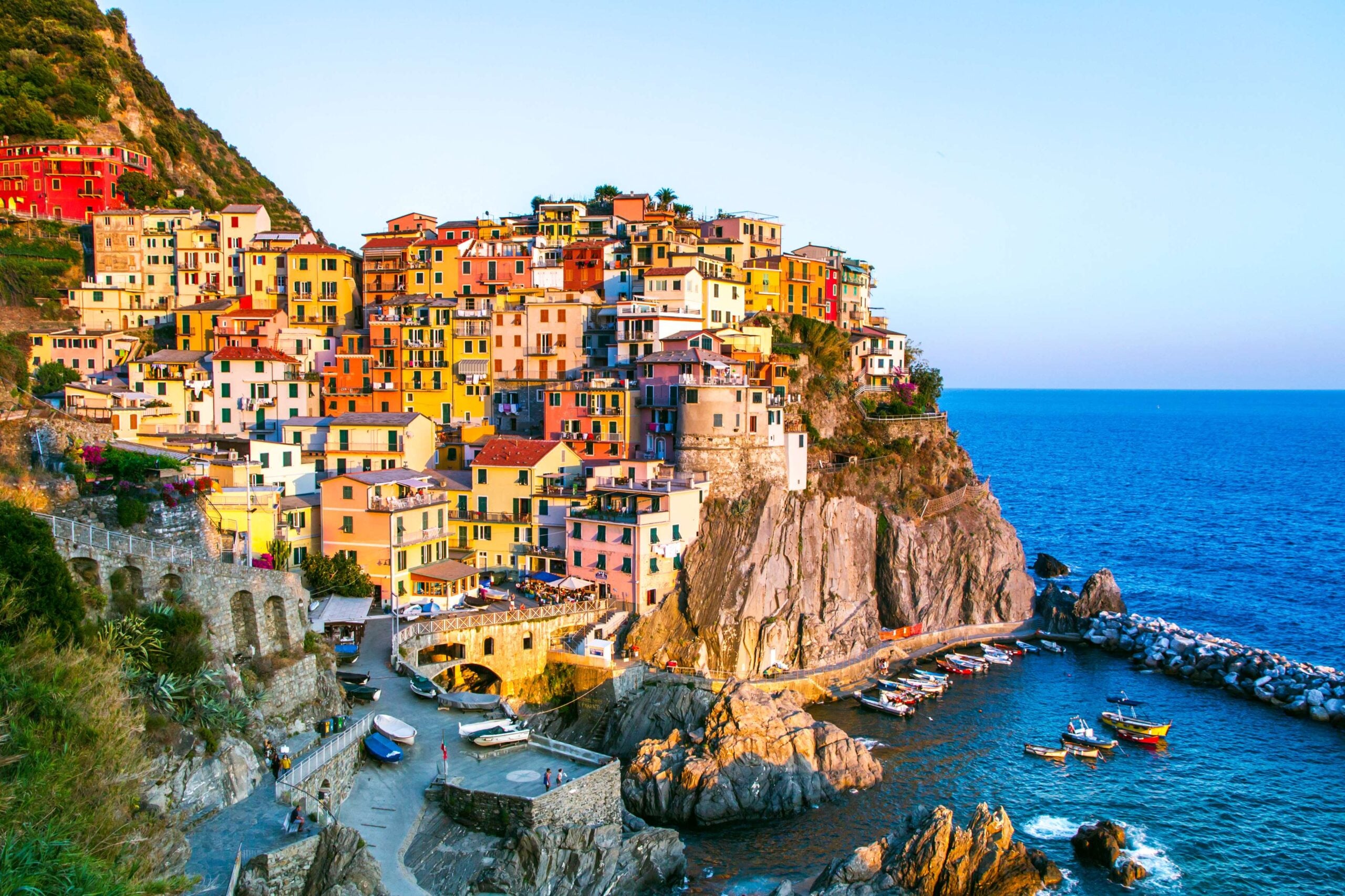
The article previews the upcoming May 1st issue of Pax, a newsletter by Artribune focused on cultural tourism. It highlights a feature on Italy's colorful villages, explaining how bright colors historically aided sailors and fishermen, and how white facades served hygienic purposes. The issue also covers off-the-beaten-path destinations like Bolsena, which recently opened a contemporary art space in Palazzo Cozza Caposavi, and explores slow tourism practices such as barefooting, discussed with its founder Andrea Bianchi. Additional content includes a roundup of cultural initiatives from Berlin to Naples, Budapest's Citadella reopening, and the Sussex forest's Winnie-the-Pooh centenary.

Buzkashi horsemen battling for a headless goat: Todd Antony’s best photograph

Photographer Todd Antony discusses his black-and-white series capturing the Central Asian sport of buzkashi, in which horsemen compete to grab and control a headless goat carcass. He traveled to Tajikistan to document matches involving up to 300 riders, shooting from a pickup truck and later taking portraits of riders on farms. One striking image shows three horses and their riders against a snowy mountain backdrop, with fog rolling in—a moment that inspired him to channel Richard Avedon's style using artificial lighting.

A brush with... Andrew Cranston—podcast

This episode of 'A brush with...' podcast features Scottish painter Andrew Cranston, born in 1969 in Hawick. Cranston discusses how his work draws on personal experiences—childhood memories, family recollections, and recent rituals—filtered through the painting process. His pictures are rich with references to art history, cinema, poetry, and television, and he often paints on the covers of old hardback books. The conversation covers his influences (Pieter Bruegel the Elder, Paul Klee, Pierre Bonnard, Winifred Nicholson, writers Hugh MacDiarmid and Elizabeth Bishop, filmmakers Nicholas Roeg and Dennis Potter), his studio life, and his answer to 'what is art for?' The episode is sponsored by Bloomberg Connects.

Ada: My Mother the Architect review – illuminating profile of brilliant builder balances work and family

Architect-turned-filmmaker Yael Melamede directs a documentary portrait of her mother, Israeli architect Ada Karmi-Melamede, who co-designed the Supreme Court of Israel building in Jerusalem in the early 1990s with her brother Ram Karmi and later created Ben Gurion Airport. The film explores Karmi-Melamede's architectural philosophy of "architecture of the ground and of the sky," her departure from her brother's brutalism, and a painful family split when she left her husband and children in New York after being denied tenure at Columbia University.

Sur Arte Radio et dans une expo, l’enquête d’Adrianna Wallis sur les traces de sa grand-mère peintre spoliée par les nazis

Artist Adrianna Wallis (born 1981) discovers that her paternal grandmother, painter Diane Esmond (1910–1981), was a victim of Nazi looting during World War II. After being contacted by historians Patricia Helletzgruber and Sophie Juliard, Wallis learns that much of Esmond's work was systematically destroyed by the ERR, the Nazi organization responsible for art theft in occupied countries. This revelation sparks a personal investigation that becomes a podcast for Arte Radio titled "Il restera la gravité," blending documentary, autobiographical inquiry, and sound installation. Wallis delves into archives, examining microfilms and lists that detail 46 of Esmond's paintings—each methodically described and declared destroyed, such as "Woman in blue evening dress: annihilated."

7 Artists Discuss the Power and Urgency of Textiles

Louisiana Channel has released a new film titled "7 Artists on Soft Sculptures," featuring artists Sheila Hicks, Nick Cave, Shoplifter, and Kaarina Kaikkonen, among others. The film explores the tactile and emotional power of textiles in contemporary art, with each artist discussing their unique approach—from Hicks's call for softness in a hard world to Cave's use of found objects in identity-masking suits, Shoplifter's vibrant synthetic hair installations, and Kaikkonen's deeply personal incorporation of her late father's clothing.

Harnessing the winds of societal change: how art dealers have been able to shape taste for centuries

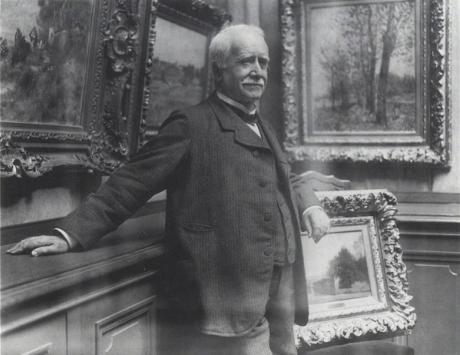
Valentina Castellani, a former Gagosian director, has authored a new book titled *Trading Beauty: Art Market Histories from the Altar to the Gallery* (out 1 May). The book traces how art dealers have historically leveraged societal changes—political, economic, and social—to reshape taste and market structures. Castellani begins in the Middle Ages, when art was made only on commission for patrons like the Catholic church and monarchies, and moves through key shifts such as the Dutch Republic's first open art market in the 17th century, which gave rise to the professional art dealer. She highlights dealers like Paul Durand-Ruel, Joseph Duveen, and Leo Castelli who capitalized on anti-establishment energy, new wealth, and post-war consumer culture to bring avant-garde art to the forefront.

The Death of the Art School

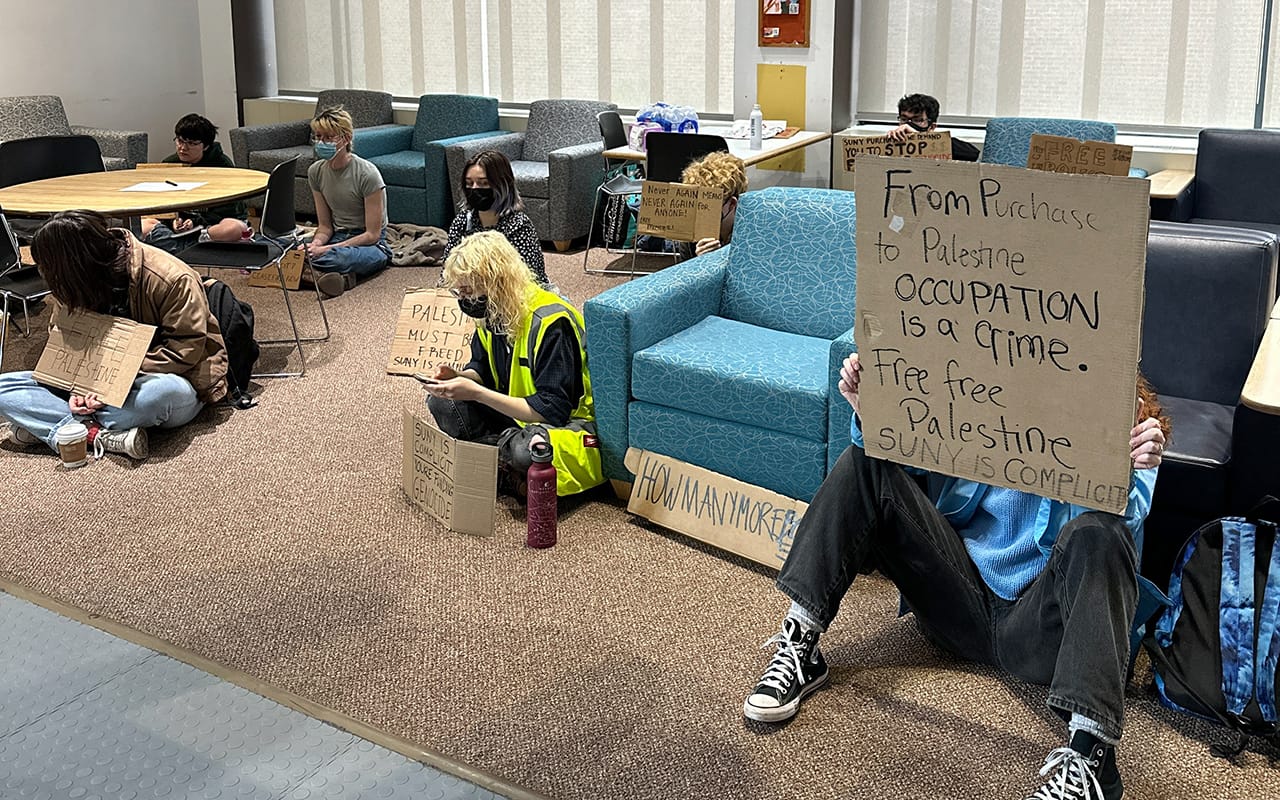
In a faculty meeting at Purchase College in New York, an administrator referred to students as "consumers," prompting the author to reflect on the pervasive corporatization and "administrification" of American higher education. The article argues that this language reflects a broader restructuring of universities as businesses, where students are customers, knowledge is a product, and faculty are service providers. It cites data showing that between 1976 and 2011, non-faculty professional positions grew by 369% while tenure-track faculty grew by only 23%, and at Purchase College, administrator salaries rose over 45% from 2016 to 2024 while assistant professor salaries rose just 14%, with inflation at 31%.

Lee ShinJa's Handwoven Portals

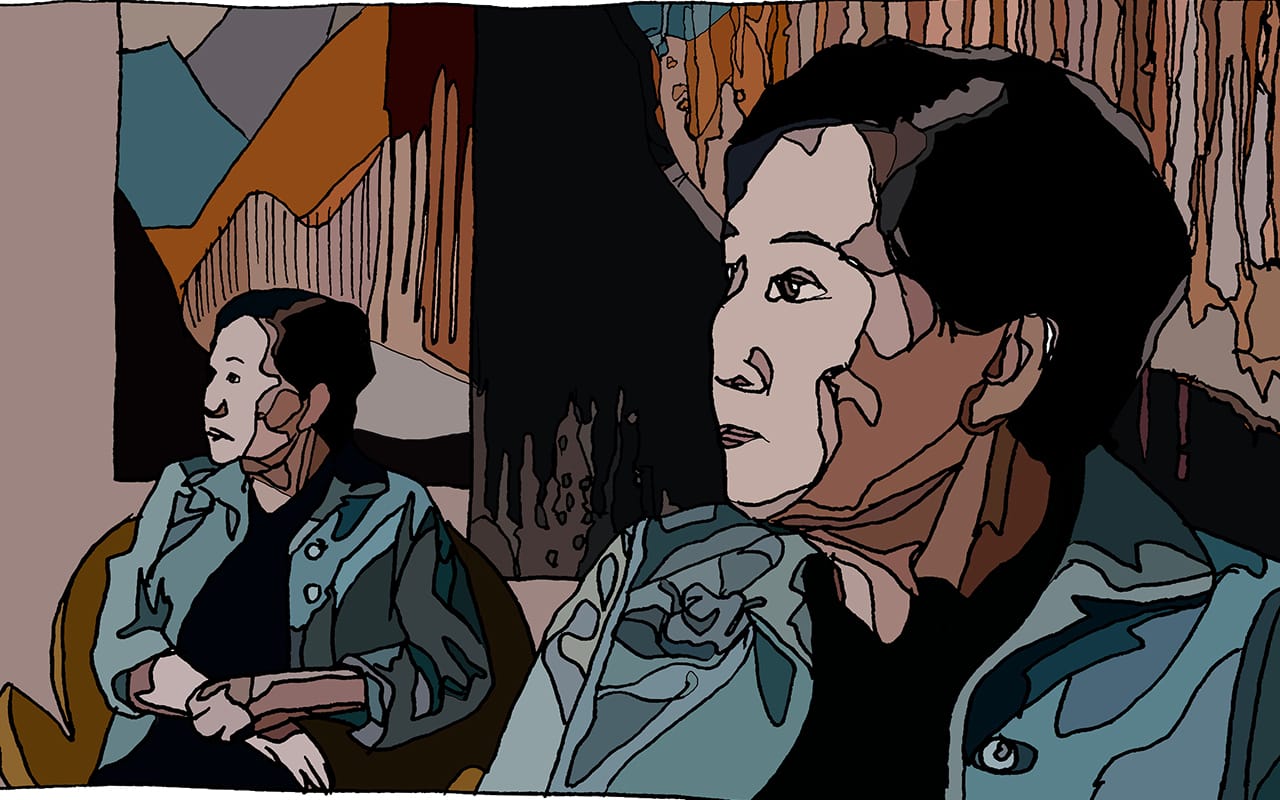
Hyperallergic profiles the work of South Korean textile artist Lee ShinJa, whose handwoven artworks are described as 'portals' that bridge traditional craft and contemporary abstraction. The article highlights her use of traditional Korean weaving techniques to create layered, ethereal pieces that evoke both physical and metaphysical spaces.