filter_list Showing 19 results for "Evidence" close Clear
dashboard All 52 article news 19museum exhibitions 12trending_up market 6article culture 6gavel restitution 3article policy 2person people 2article local 1candle obituary 1
date_range Range Today This Week This Month All
Subscribe

Revealed: the amazing frame once created for Van Gogh’s Sunflowers

A long-lost, custom-designed Art Deco frame for Vincent van Gogh's painting "Three Sunflowers" has been identified through archival research. The frame, which featured a dark lacquer finish, randomly placed gold circles, and angled outer edges, was commissioned by the Parisian couturier and collector Jacques Doucet shortly after he acquired the painting in 1912. Its existence was pieced together from a 1930s interior photograph, a 1967 family snapshot, and a frame sold at Sotheby's in 1989, allowing for a digital reconstruction of the complete artwork.

What Is a "Post-Duchamp" Art World?

Scholar Thierry de Duve discusses the legacy of Marcel Duchamp in conjunction with a new exhibition at the Museum of Modern Art (MoMA) featuring seven of the artist’s “boîtes-en-valise.” These portable miniature museums, created decades before Duchamp’s first formal retrospective, are framed as evidence of his genius in anticipating the institutional logic of the modern museum. The conversation explores how Duchamp’s provocative works, such as the readymade "Fountain," fundamentally altered the trajectory of art history and defined the "post-Duchamp" era.

‘He sent someone to intimidate me’: Christopher Anderson, the photographer who shot Jeffrey Epstein

Photographer Christopher Anderson has revealed the details behind his 2015 encounter with Jeffrey Epstein, whom he photographed for a cancelled New York magazine profile. Anderson describes a series of unsettling interactions, including Epstein's attempts to buy the image rights for $20,000 and the eventual dispatch of a "mafia-esque" intimidator to Anderson's studio to seize a hard drive. The photographer's email exchanges with Epstein’s staff were recently made public as part of the Department of Justice's release of the Epstein files.

Large Roman Villa Uncovered in the U.K. During Wind Farm Survey

Archaeologists conducting surveys for an offshore wind farm project in Norfolk, England, have discovered a significant Roman villa dating back to the 1st through 3rd centuries C.E. The expansive estate, which measures over 100 feet in length, featured a bathhouse, a covered porch, and ancillary buildings for crop processing. Excavations also yielded high-status artifacts including an ornate bronze door handle, a lion-headed furniture foot, and imported pottery, alongside evidence of a Roman road and two lost medieval villages.

Greek TV Auctioneer Arrested for Trafficked Artworks, Paul Klee’s ‘Angelus Novus’ Stuck in Israel: Morning Links for March 24, 2026

Greek television art auctioneer Giorgos Tsagarakis was arrested in Athens on felony charges for trafficking forged and stolen artworks and antiquities. Authorities dismantled his alleged counterfeit network after a social media post served as evidence, seizing hundreds of paintings, many believed to be forgeries, along with artifacts and cash. Collectors had grown suspicious after recognizing their own stolen items on his TV show.

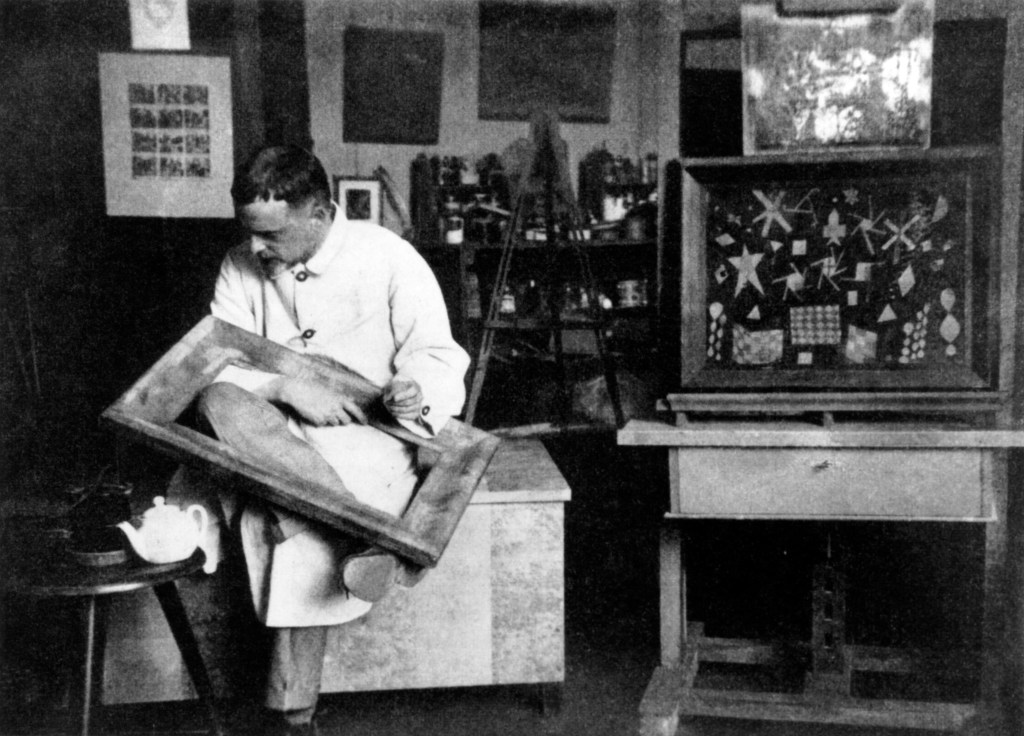
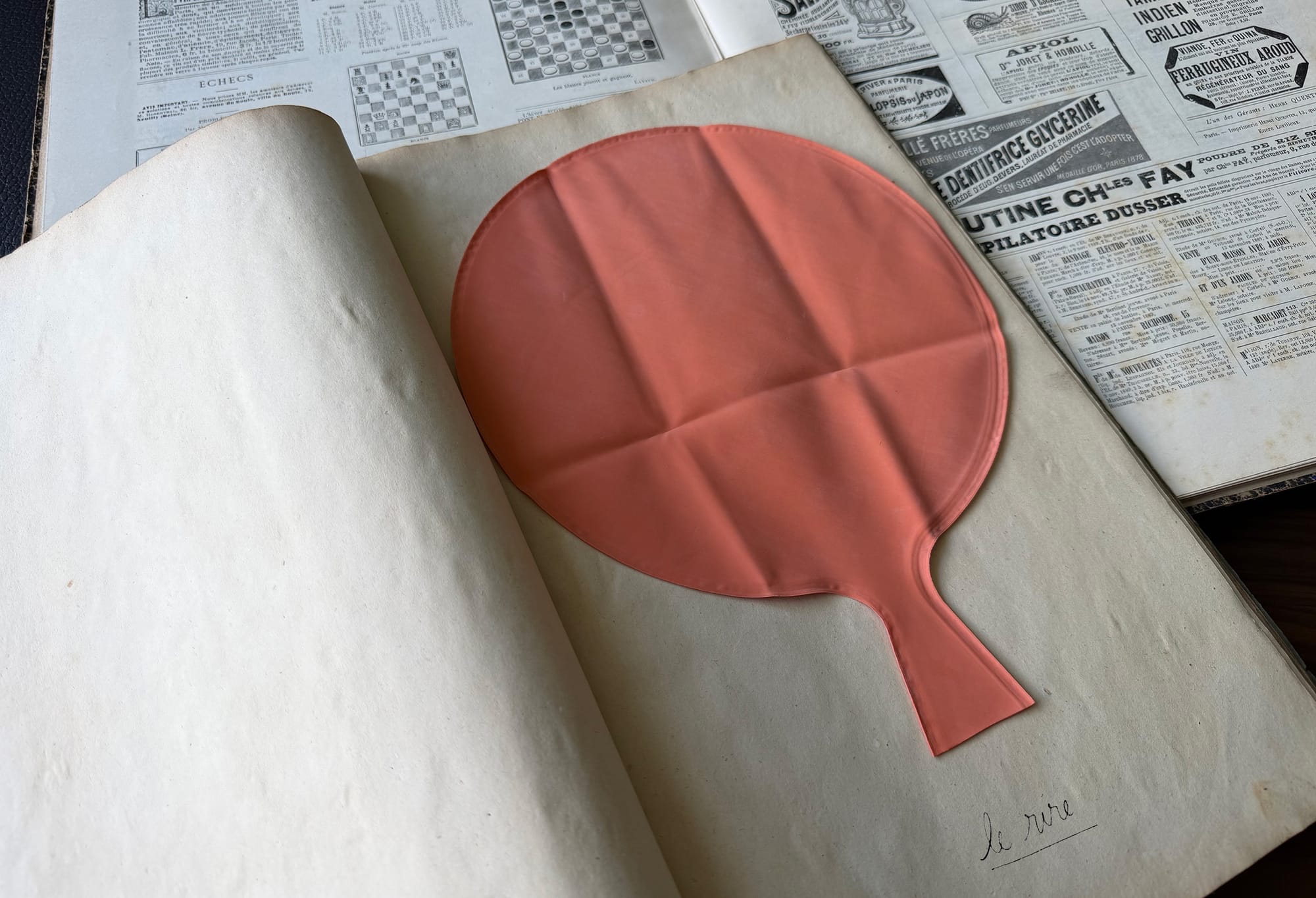
Philadelphia Museum of Art Rebrands Again as "PhArt"

The Philadelphia Museum of Art has announced a rebranding to "PhArt," following the discovery of a long-lost Marcel Duchamp readymade—an early prototype of a whoopee cushion titled "Le rire"—in its archives. The institution is dropping "Museum" from its name to signal a commitment to art that transcends traditional boundaries, and the new branding will be featured prominently on social media.

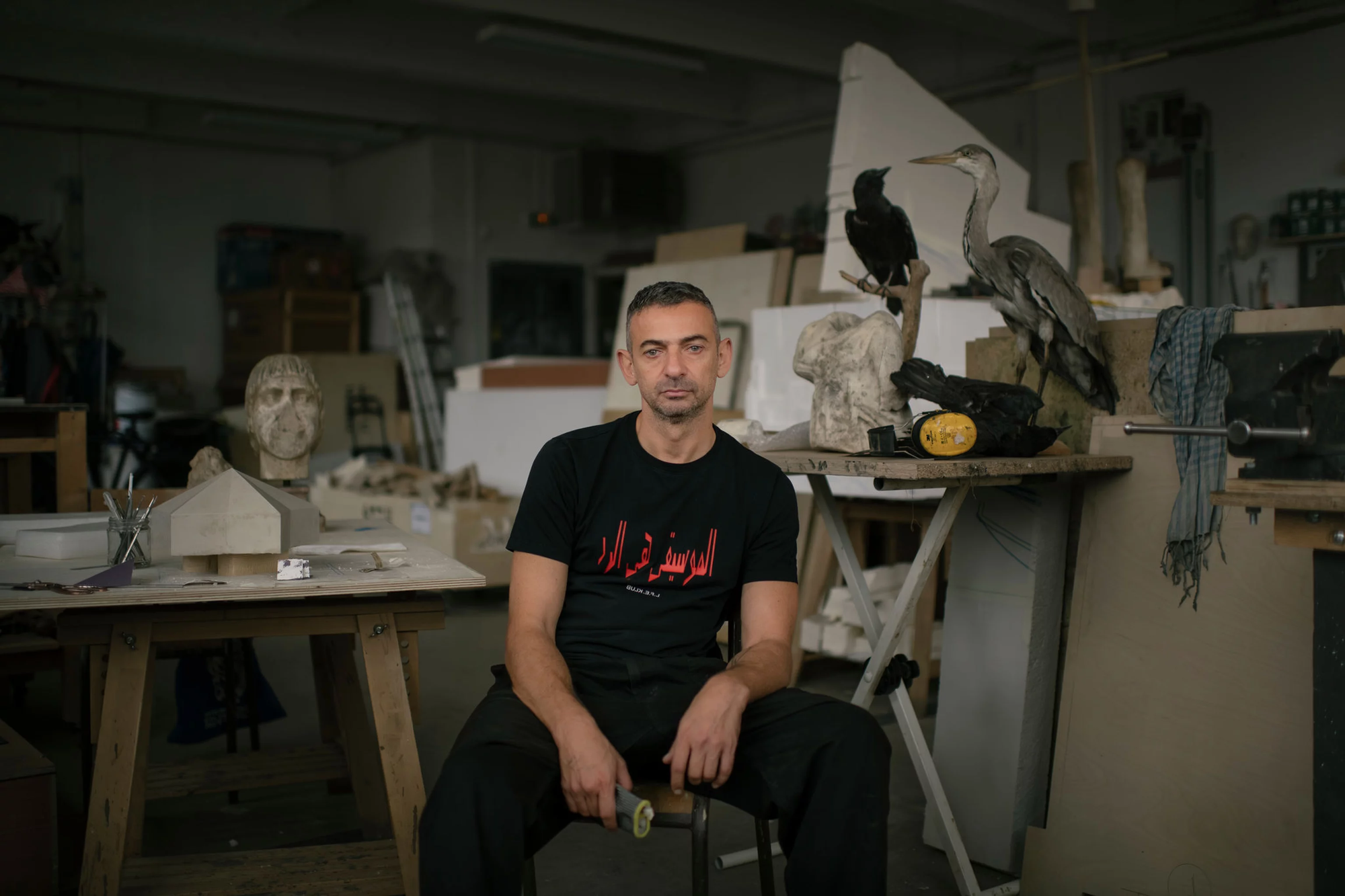
Ali Cherri Files War Crime Case Over Israeli Airstrike on Beirut

French-Lebanese artist Ali Cherri, in collaboration with the International Federation for Human Rights, has filed a civil complaint in a French court regarding a 2024 Israeli airstrike in Beirut. The strike, which occurred in the Noueiri neighborhood just hours before a ceasefire, destroyed Cherri’s family home and killed seven civilians, including his parents and their domestic helper. The legal action, submitted to a specialized war crimes unit, alleges that the targeting of a civilian residence constitutes a war crime under both French and international law.

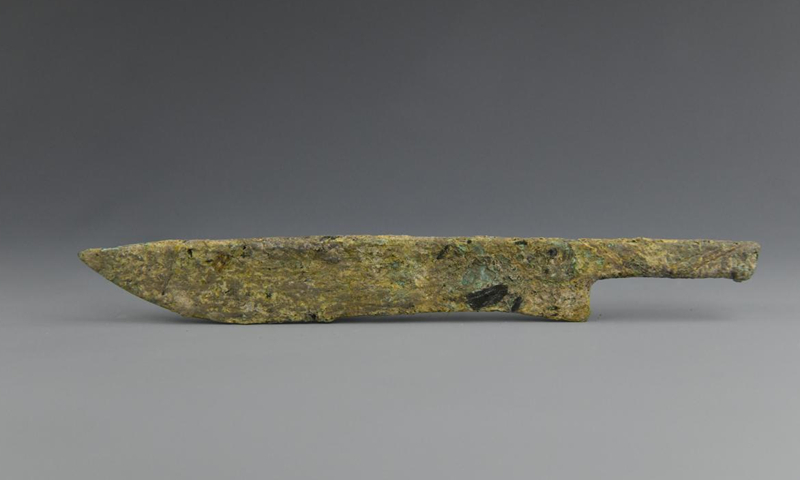
Bronze Age State Metal-Working Center Unearthed Near China’s Yangtse River

Archaeologists at the Shenduntou site near the Yangtze River have unearthed a significant Bronze Age metal-working center dating back to the Zhou dynasty. The excavation, led by Nanjing Normal University, revealed approximately 1,000 artifacts including clay molds, arrowheads, and knives, alongside evidence of furnaces and protective earthen walls. These findings confirm the existence of a high-level workshop dedicated to large-scale bronze production within the ancient Wu kingdom.

Remnants of 3,400-Year-Old Loom in Spain Sheds Light on Bronze Age Textile Production

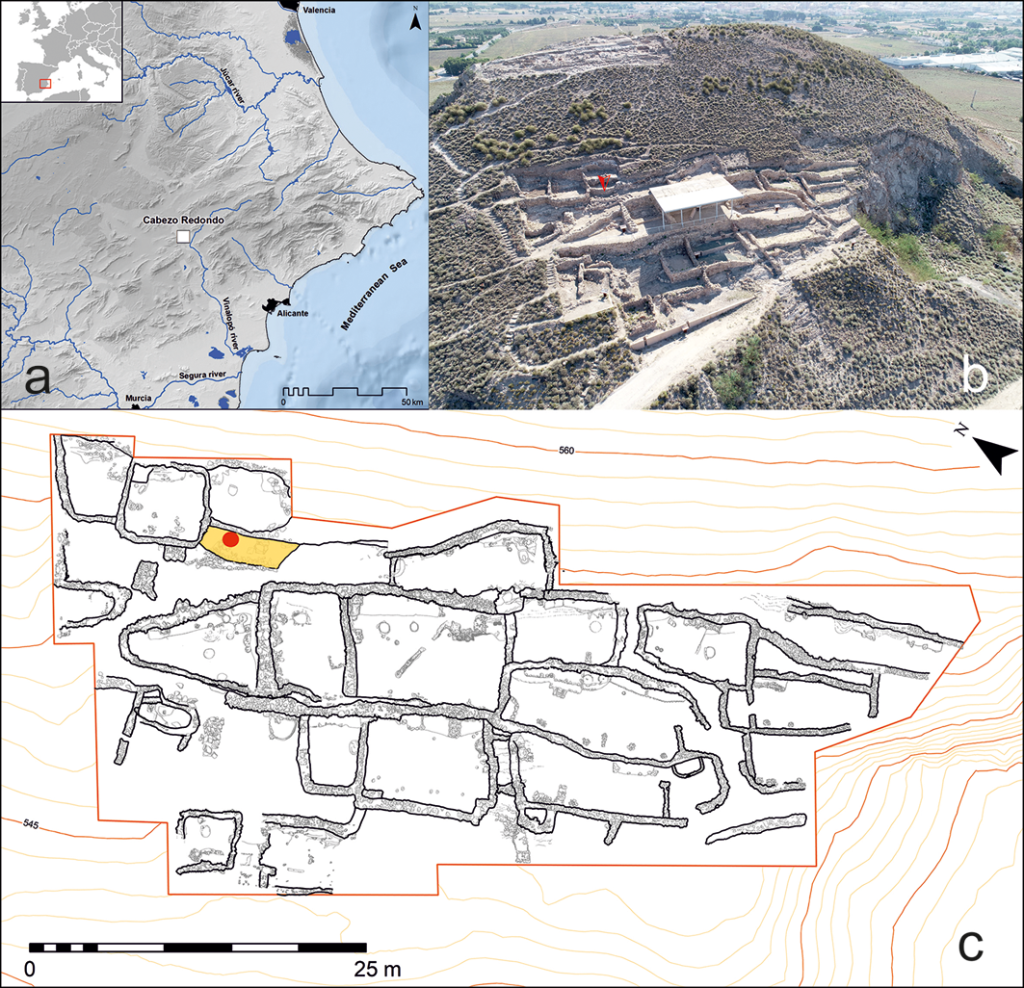
Archaeologists in Spain have published new research on a remarkably preserved 3,450-year-old wooden loom, discovered in 2008 at the Cabezo Redondo site. The loom survived because a fire destroyed the surrounding Bronze Age village and a roof collapsed on it, charring and protecting the wood from decay. This rare find includes over 200 lightweight loom weights, suggesting the community was engaged in intensive production of delicate wool textiles.

Guillermo Del Toro Scored a Different Prize at the Oscars: A Rare Frankenstein Painting

Guillermo del Toro received a rare painting of Frankenstein's Monster by the late British artist Josh Kirby as a gift from collaborators during Oscars festivities, despite his film not winning Best Picture. The painting, which depicts Boris Karloff's iconic portrayal, was previously owned by famed horror collector Forrest J. Ackerman and was sourced through a gallery specializing in pop culture art.

Archaeologists Uncover a 2,000-Year-Old Hillfort in Estonia

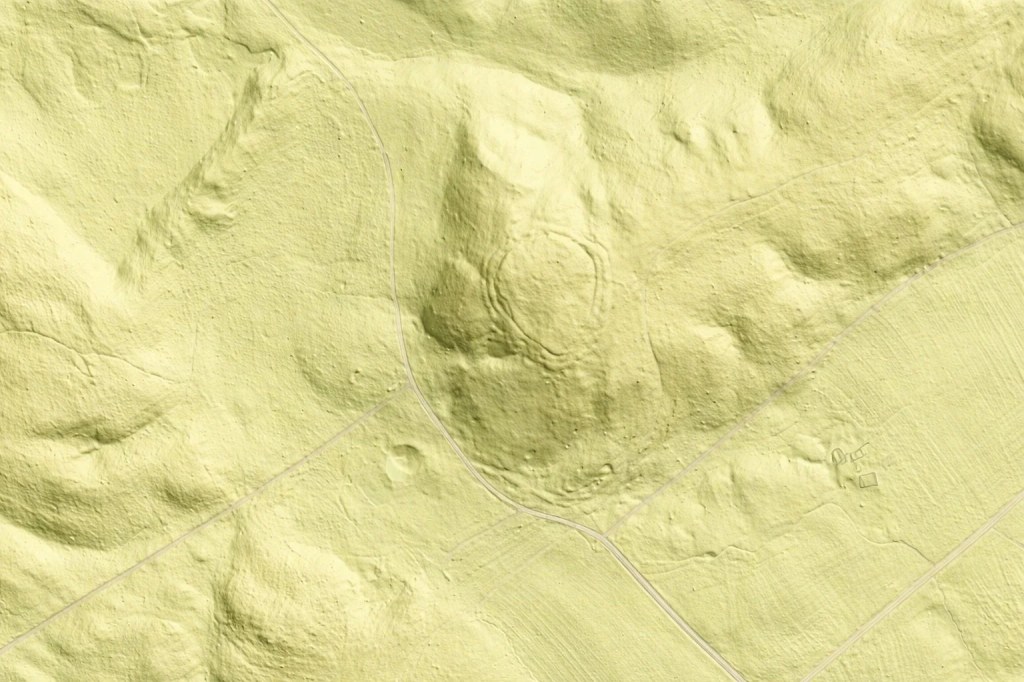
Archaeologists from the University of Tartu have discovered a 2,000-year-old Iron Age hillfort at Köstrimägi in Tartu County, Estonia. Using high-resolution terrain mapping, the team identified a 16,000-square-foot fortification featuring an unusual stepped rampart system that dates back to between 41 BCE and 9 CE. Despite its size, the site yielded few artifacts beyond pottery fragments and charcoal, suggesting a very brief period of occupation before it was destroyed by fire.

Newly Translated 2,000-Year-Old Graffiti Proves Presence of Indian Visitors to Egypt’s Valley of the Kings

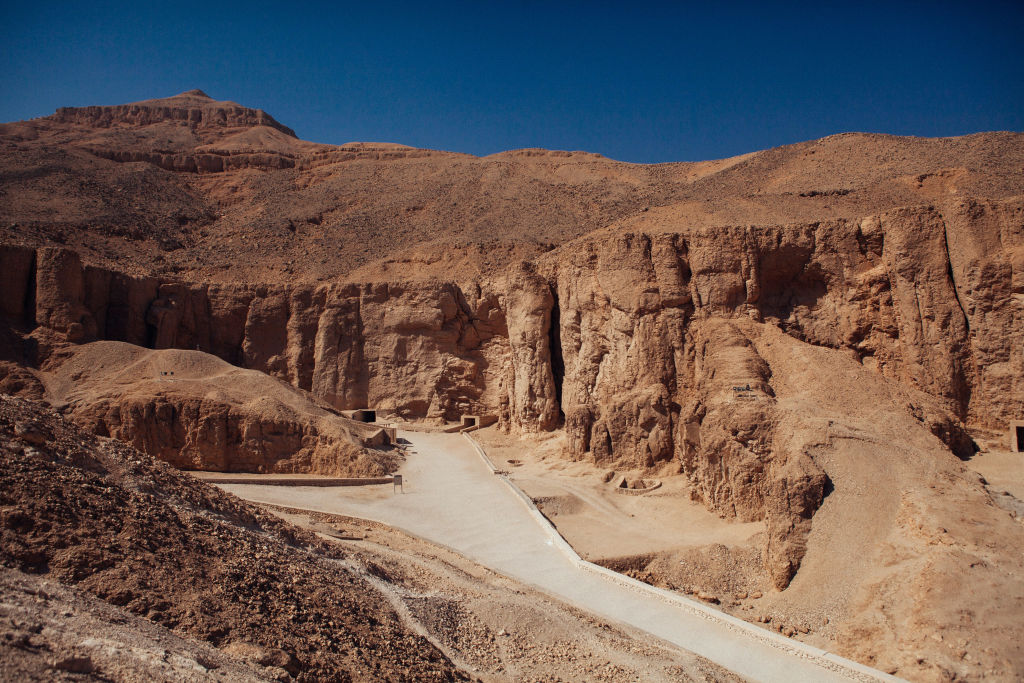
Archaeologists have translated 2,000-year-old graffiti in Old Tamil, Sanskrit, and Kharosti script found on the walls of six tombs in Egypt's Valley of the Kings. The inscriptions, dating from the 1st to 3rd centuries CE, include one individual, Cikai Korran, who wrote his name eight times across five tombs, effectively 'tagging' the ancient site.

Archaeologists Discover 19th-Century Shipwreck in Copenhagen Harbor

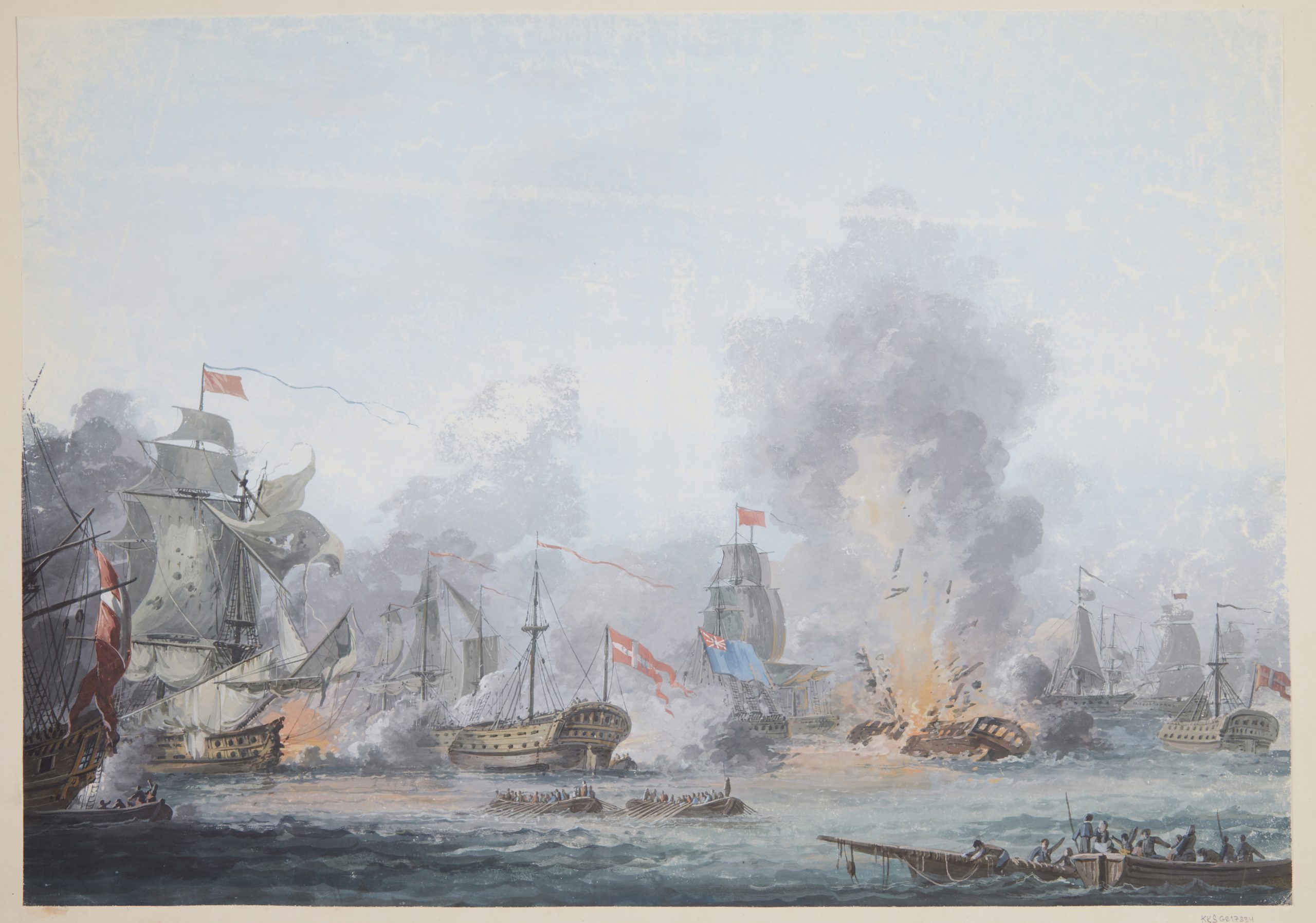
Marine archaeologists from Denmark's Viking Ship Museum have discovered the wreck of the 18th-century Danish warship Dannebroge in Copenhagen harbor. The ship was destroyed during the Battle of Copenhagen in 1801, when the British fleet under Admiral Horatio Nelson attacked to dismantle the League of Armed Neutrality. Divers have recovered cannons, uniform fragments, bottles, and sailors' remains from the site.

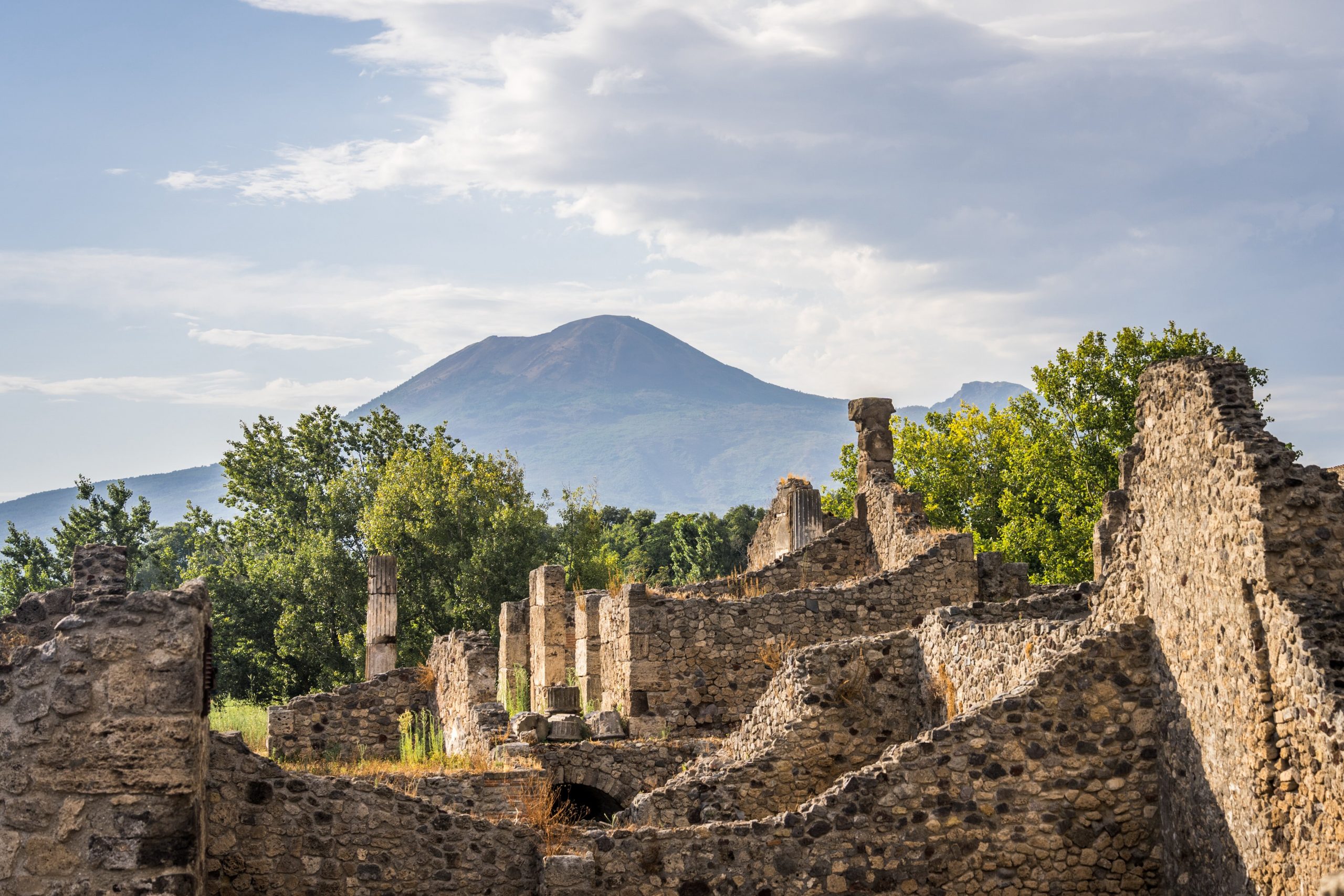
What Did Pompeii Smell Like? A New Study Analyzes Its Ancient Incense

A team of international researchers has published the first scientific analysis of ritual incense residues from Pompeii. By examining ash from two ancient censers—one from an inn and another from a domestic shrine—they identified charred plants like oak and laurel, as well as evidence of imported frankincense from India.

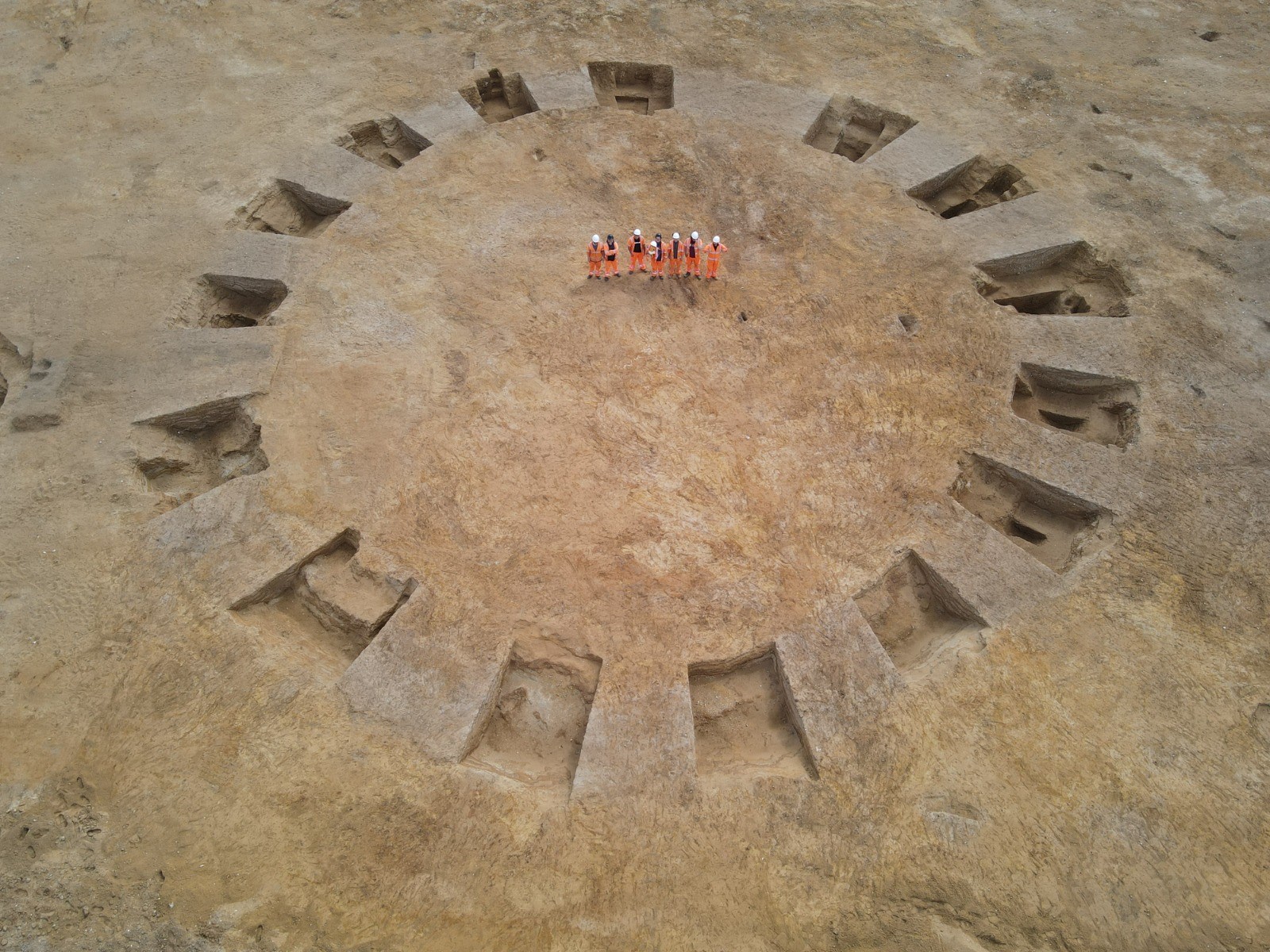
Ruins of a ‘Unique‘ Temple Complex Discovered in Northern Sinai

An Egyptian archaeological mission has unearthed a unique temple complex at Tell el-Farama, the site of the ancient city of Pelusium in northern Sinai. The discovery features a massive circular water basin, approximately 100 feet in diameter, surrounded by drainage channels and a central plinth likely intended for a statue. Initially mistaken for a civic building when first excavated in 2019, further study has revealed the site to be a sacred water installation used for religious rituals between the 2nd century BC and the 6th century AD.

Non-European artists are sorely under-represented in Paris galleries; Spanish minister officially rejects Guernica loan request by Basque government

non european artists are sorely under represented in paris galleries spanish minister officially rejects guernica loan request by basque government morning links for april 8 2026 1234780465

A new study by curator Louise Thurin and 193 Gallery founder César Lévy reveals significant demographic imbalances in Paris's commercial art scene. While female representation has tripled over the last decade to nearly 35%, artists born outside of Europe and North America remain marginalized, accounting for less than 15% of gallery rosters combined. Additionally, Spain’s Culture Minister Ernest Urtasun has officially denied a request to loan Pablo Picasso’s 'Guernica' to the Guggenheim Museum Bilbao, citing the masterpiece's extreme fragility and the need to follow conservation expert advice.

Hardwiring Change Survey 2026

hardwiring change survey 2026 2749648

Artnet and the Association for Women in the Arts (AWITA) have launched the second edition of their global research initiative, the Hardwiring Change survey. This project aims to collect comprehensive data from thousands of arts professionals regarding pay gaps, leadership representation, career mobility, and workplace conditions. The 2026 iteration introduces a new focus on how emerging technologies, specifically artificial intelligence, are impacting gender equity and professional advancement within the industry.

roman ingots found ceredigion wales 2751825

Metal detectorists Nick Yallope and Peter Nicolas discovered two rare Roman lead ingots, or 'pigs,' in the community of Llangynfelyn, West Wales. Dated precisely to 87 C.E. during the reign of Emperor Domitian, the artifacts were found buried approximately 1.5 feet underground. Following a geophysical survey by the archaeology trust Heneb, the finds were officially declared treasure under the U.K.’s Treasure Act, marking a significant addition to the region's archaeological record.

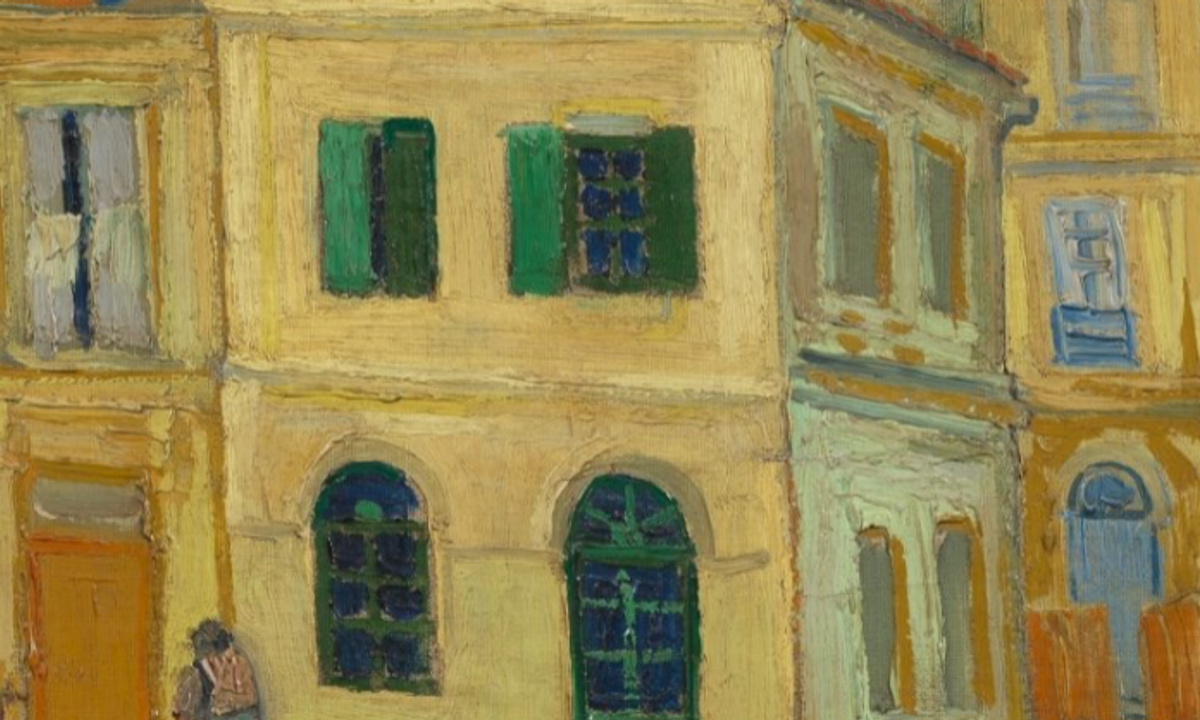
Did Van Gogh’s Yellow House turn blue after his death?

New historical evidence suggests that Vincent van Gogh’s iconic 'Yellow House' in Arles underwent a dramatic color change before its destruction. While Van Gogh famously painted and cherished the building for its yellow facade in 1888, two recently highlighted paintings from the late 1930s by artists Willy Guggenheim (Varlin) and George Tomaziu depict the structure with a blue exterior. This discovery, brought to light by Ukrainian artist Yuri Pikul, indicates the building had been repainted while serving as a café-bar called the Civette Arlésienne.