filter_list Showing 30 results for "Fragment" close Clear
dashboard All 267 museum exhibitions 147article news 30trending_up market 22rate_review review 15article local 13article culture 12gavel restitution 12candle obituary 7person people 6article policy 3
date_range Range Today This Week This Month All
Subscribe

100 Masterpieces to See at the Art Institute of Chicago

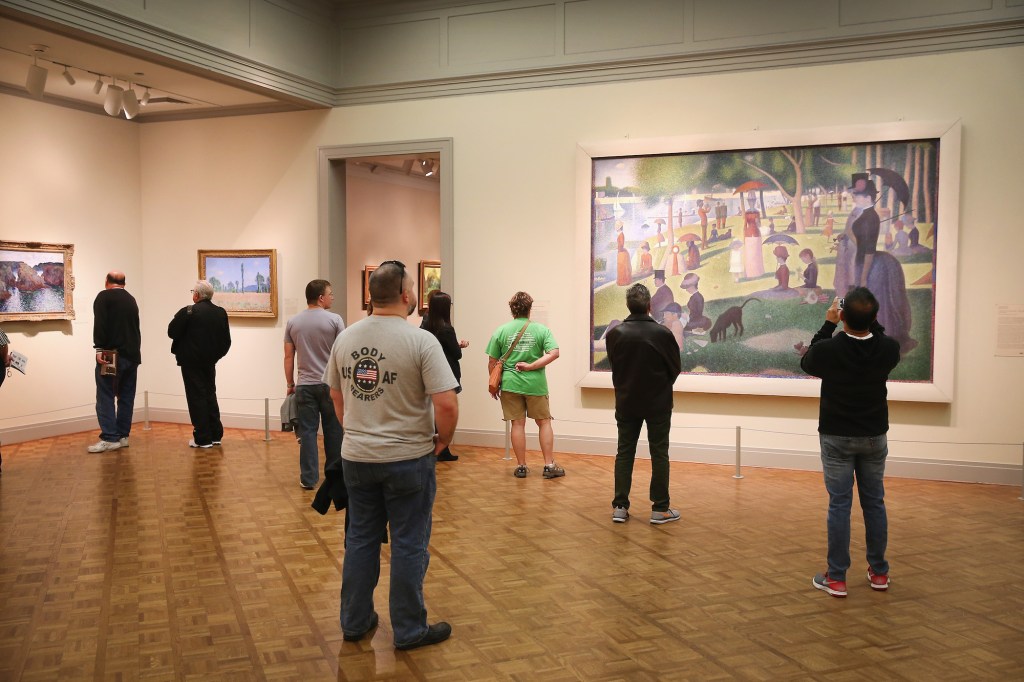
The Art Institute of Chicago has released a curated guide to 100 essential masterpieces within its massive one-million-square-foot campus. The selection spans global art history, ranging from ancient Egyptian mummies and Greek statues to iconic American sculptures like Edward Kemeys’s bronze lions and Narcissa Niblack Thorne’s intricate miniature rooms. The list is designed to help visitors navigate the museum's vast collection by grouping works by their physical location within the galleries.
Julie Mehretu Captures Our Contemporary Chaos in Shimmering Abstract Paintings

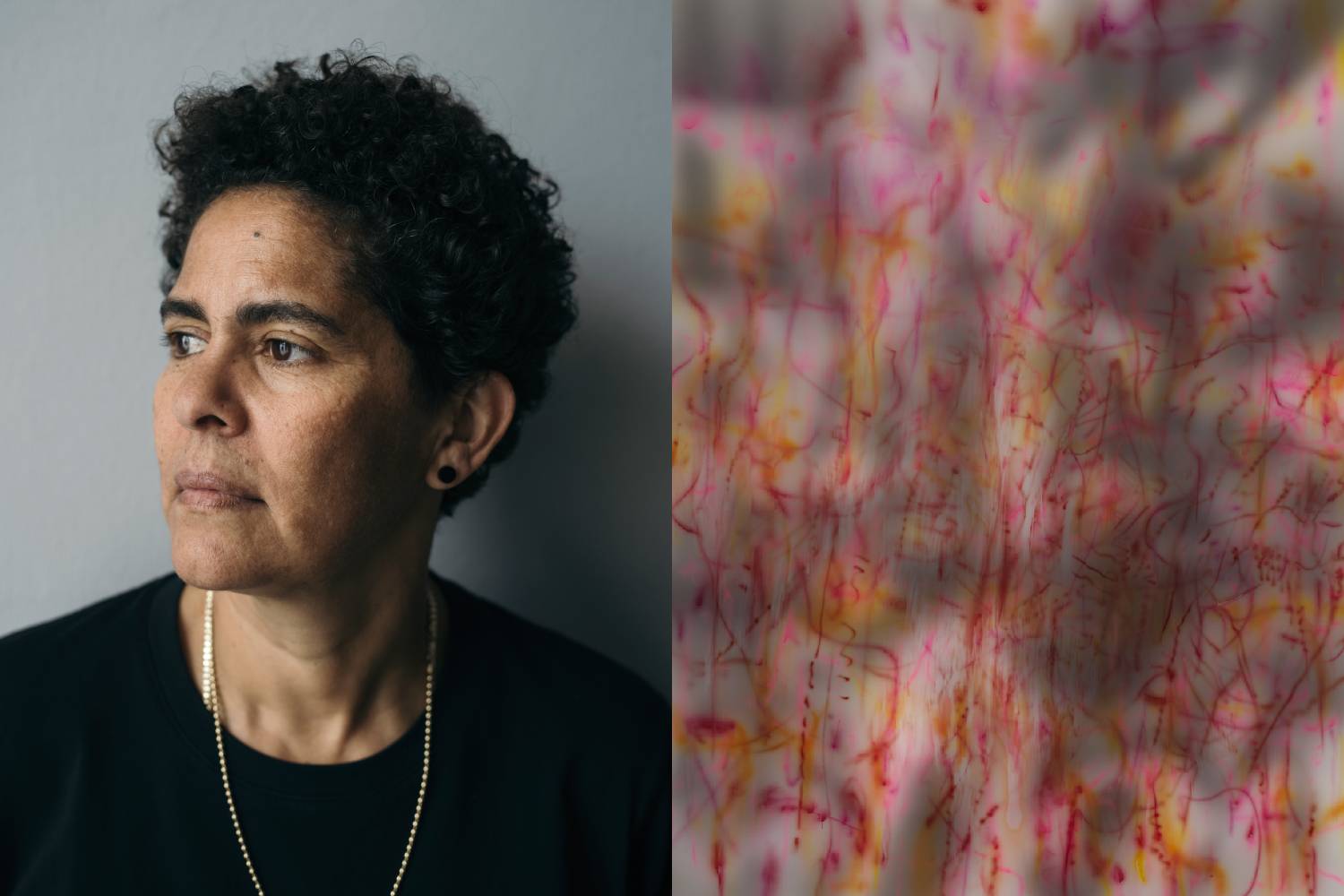
Julie Mehretu has established herself as a preeminent voice in contemporary abstraction by creating dense, multilayered canvases that synthesize architectural drawings, maps, and media imagery. Her work is characterized by a meticulous accumulation of marks that transform sociopolitical data and historical events into ethereal, gestural compositions. By layering information until it reaches a point of abstraction, she explores how individual and collective identities are shaped by the built environment and global shifts.

vatican museums sistine chapel closed conclave new pope 1234740027

The Vatican Museums, including the Sistine Chapel, have closed to the public as Vatican City prepares for a conclave to elect a new pope following the death of Pope Francis on April 28. The reopening date is uncertain, as conclaves have historically lasted from days to weeks, though modern elections for Pope Francis and Pope Benedict XVI closed the city for less than a week. The Museums house a vast collection of Renaissance and Baroque art, as well as modern works by artists like Paul Gauguin, Salvador Dalí, and Pablo Picasso, and attracted 6.8 million visitors in 2024.

Bernini's 17th Century Elephant Statue Damaged in Rome Again

berninis 17th century elephant statue damaged in rome again 2747158

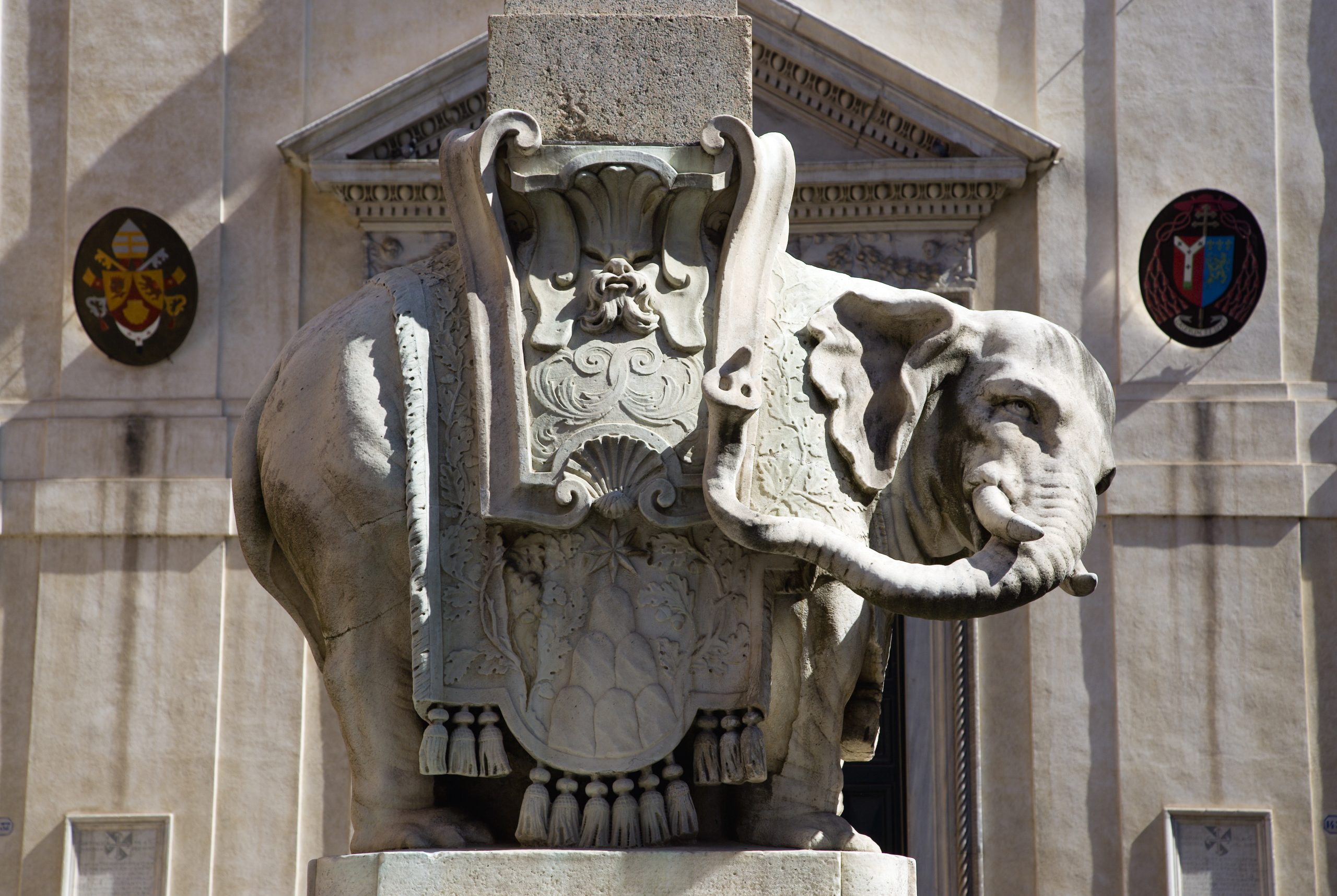
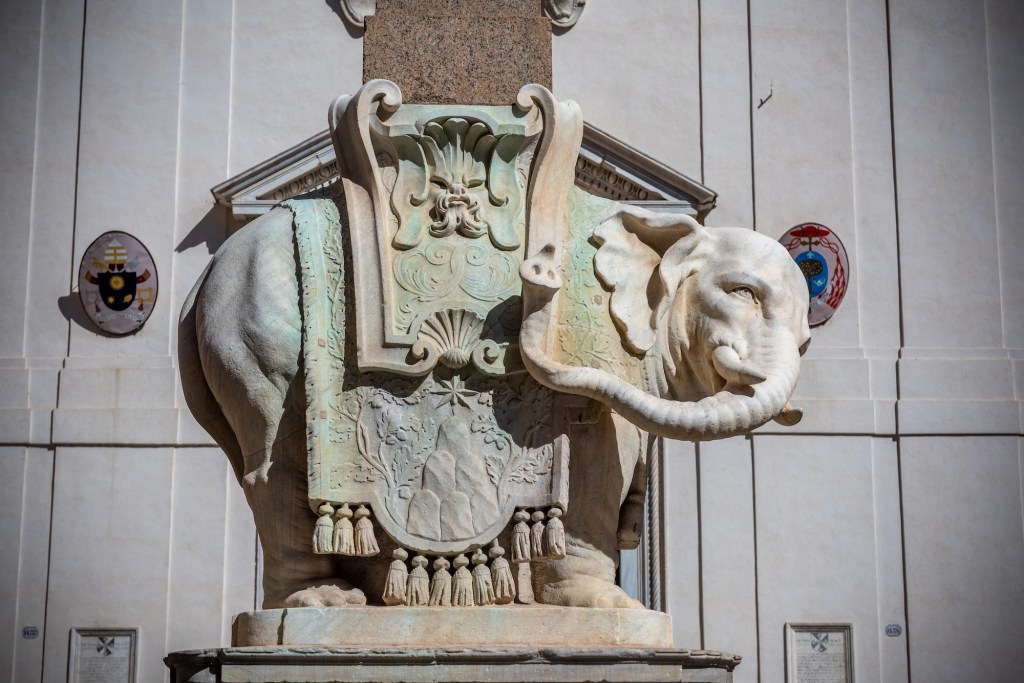
A marble fragment from the tusk of Gian Lorenzo Bernini’s 17th-century 'Elephant and Obelisk' monument was found broken off in Rome’s Piazza della Minerva. Local authorities and the Capitoline Superintendency recovered the four-inch piece, which is believed to be part of a 1977 restoration rather than the original 1667 marble. Police are currently reviewing security footage to determine if the damage resulted from intentional vandalism or natural structural wear.

Candidates Announced for the 2026 Cannes Film Festival (Again No Italians, Just Like at the Biennale)

Annunciati i candidati al Festival di Cannes 2026 (pure qui niente italiani, come alla Biennale)

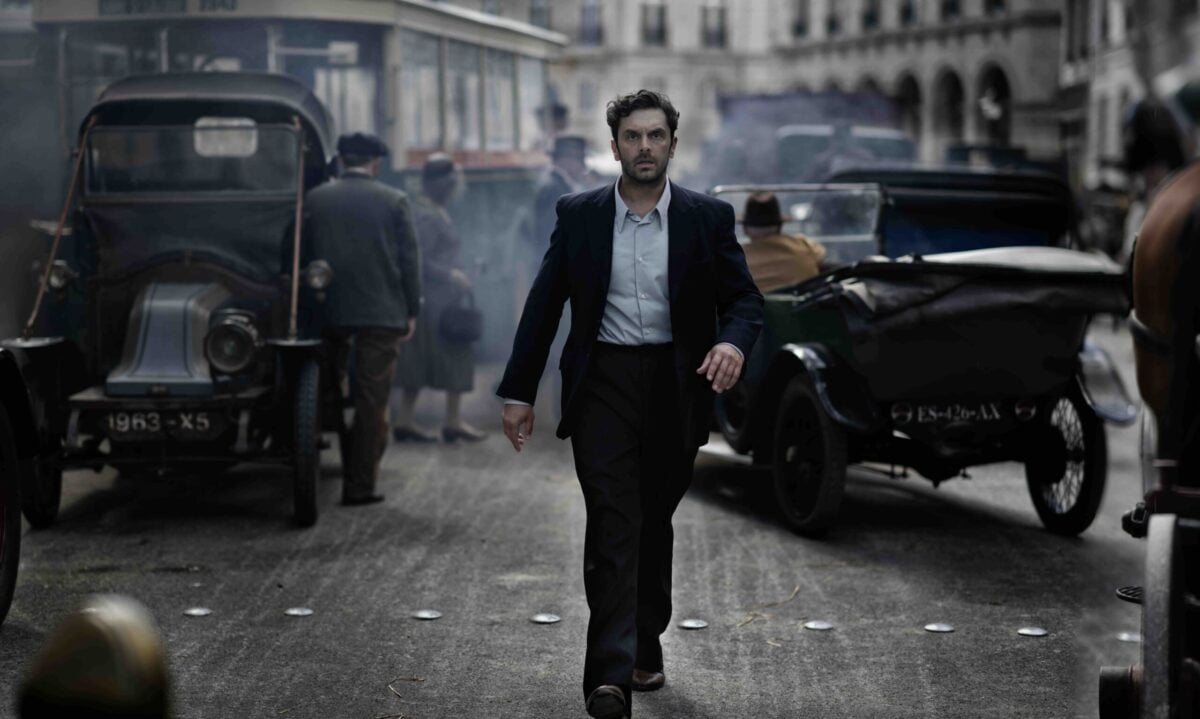
The 79th edition of the Cannes Film Festival has unveiled its official selection for 2026, scheduled to run from May 12 to 23. Led by President Iris Knobloch and General Delegate Thierry Frémaux, the festival will open with Pierre Salvadori’s 'La Vénus électrique,' a romantic comedy set in 1928 Paris centered on a painter who loses his inspiration. The competition lineup features a global array of heavyweights, including new works by Pedro Almodóvar, Ryusuke Hamaguchi, Hirokazu Kore-eda, and Asghar Farhadi.

villa de poppea frescoes 2733430

Several vivid frescoes have been uncovered during the ongoing excavation of Villa di Poppea, an ancient Roman villa in Oplontis near Naples that was buried by the eruption of Vesuvius in 79 A.D. The newly revealed decorations include an intact peacock fresco and fragments of a mask linked to the comedic character Pappus from the Atellan Farce. The discoveries were made in a room now called the Hall of the Peacock, part of the villa's western section, which is being excavated as part of a conservation project. Other finds include four new rooms, tree root casts showing an ornamental garden layout, and two richly decorated cubicula currently undergoing restoration.

palace of westminster dig 6000 years history 2720582

Archaeological excavations at the Palace of Westminster in London have uncovered Neolithic flint tools and flakes dating back over 6,000 years, predating the earliest mounds at Stonehenge. The digs, led by the Museum of London Archaeology and overseen by the Houses of Parliament Restoration and Renewal Delivery Authority (R&R), also revealed the remains of Lesser Hall, a 12th-century royal dining space, along with Roman altar fragments, medieval tiles, and 19th-century artifacts. The excavations, running through 2026, are part of a £13 billion restoration project addressing the Palace's deteriorating condition.

hatshepsut statues destroyed research 2660641

New research challenges the long-held belief that Pharaoh Thutmose III destroyed statues of his predecessor Hatshepsut out of vengeful rage after her death in 1458 B.C.E. Jun Yi Wong, a research fellow at the Metropolitan Museum of Art, examined hundreds of statue fragments from Hatshepsut's mortuary temple at Deir el-Bahri in Luxor. His study, published in Antiquity on June 24, reveals that the statues were broken according to a ritual practice called deactivation—snapped at the neck, waist, and knees—while faces were left intact. Wong found that the fragments were not immediately buried but later reused by everyday Egyptians as building materials, suggesting pragmatic reuse rather than targeted erasure.

etruscan sarcophagus spouses restoration rome 2651594

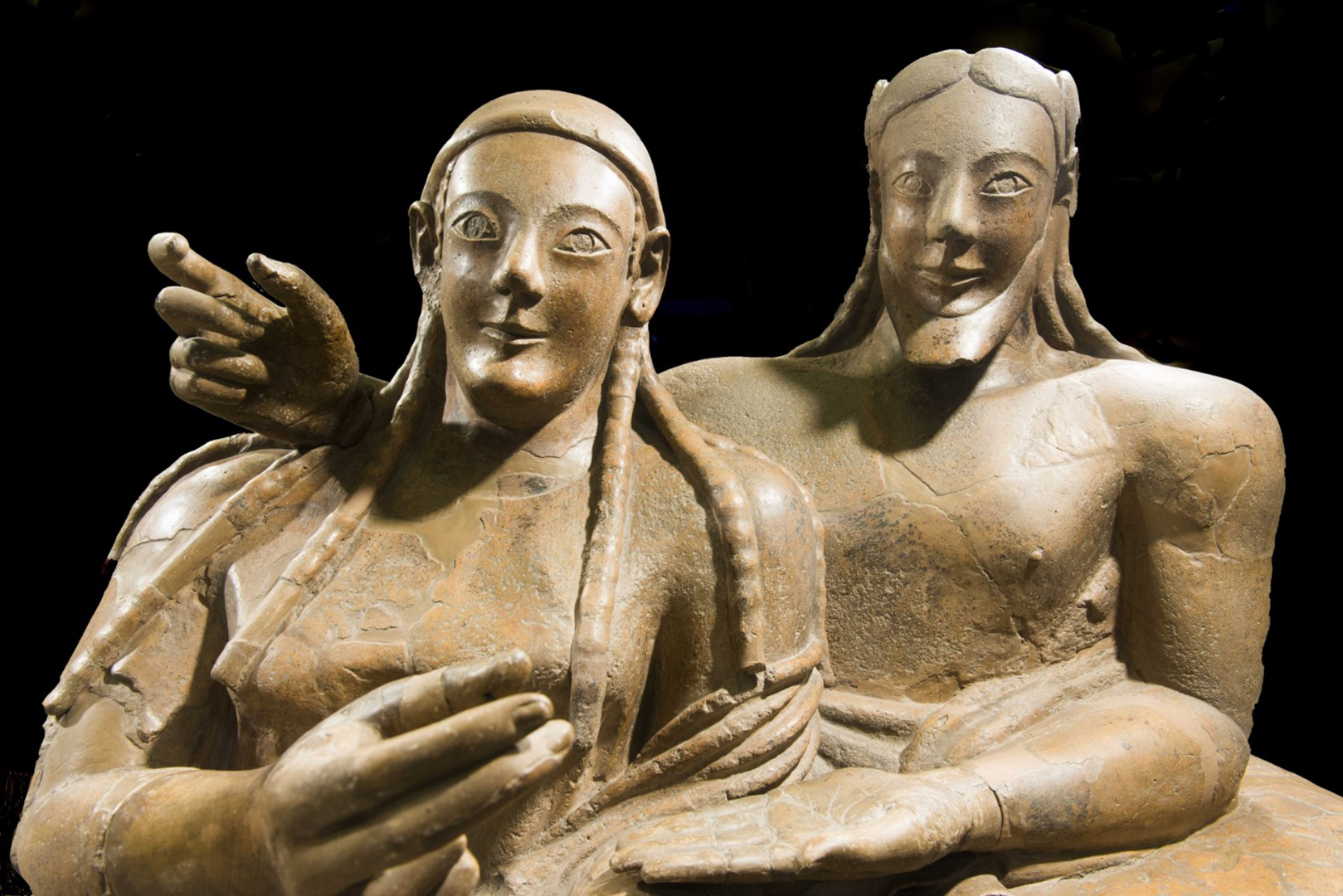
The National Etruscan Museum in Rome is undertaking a public restoration of the Sarcophagus of the Spouses, a 6th-century B.C.E. Etruscan terracotta tomb that was discovered in Cerveteri in 1881 and reassembled from 400 fragments by the museum's founder, Felice Barnabei. The open restoration will begin with the couple's legs, using digital technologies, and aims to highlight the work of art professionals while creating a long-term conservation plan for the masterpiece.

sutton hoo bromeswell bucket not bucket 2648124

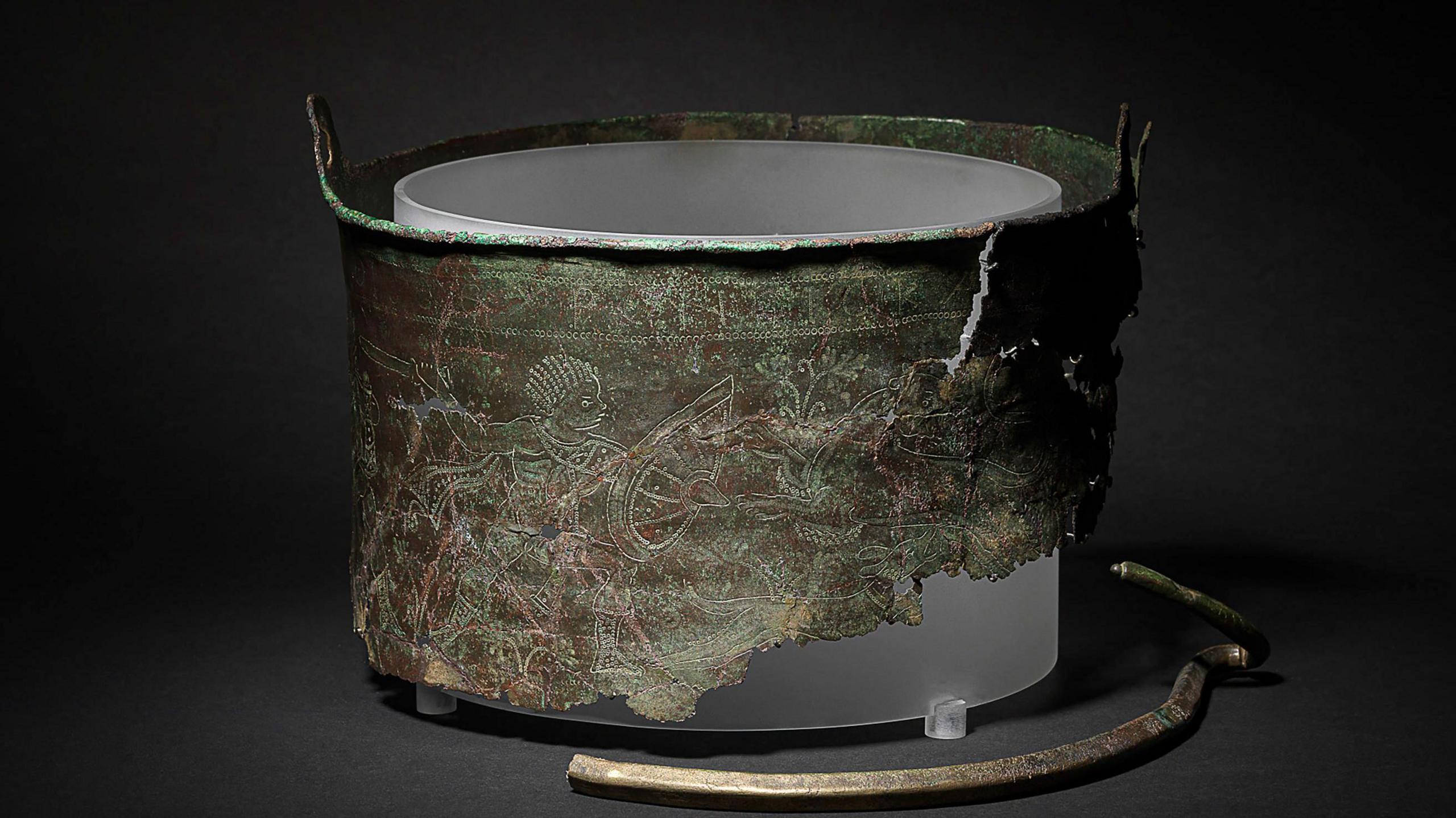
Archaeologists have discovered the base of the Bromeswell Bucket, a Byzantine-era vessel from Sutton Hoo in Suffolk, U.K., revealing that it was used as a cremation urn. The bucket, first found in fragments in 1986, 2012, and 2023, features a hunting scene and a Greek inscription. Excavations by the TV program Time Team, the National Trust, FAS Heritage, and volunteers uncovered the base, which contained cremated human and animal remains, including a skull and talus, as well as bones from an animal larger than a pig. The remains were likely stored in a bag, confirming the bucket's funerary purpose.

great baddow iron age coin hoard chelmsford museum 2646858

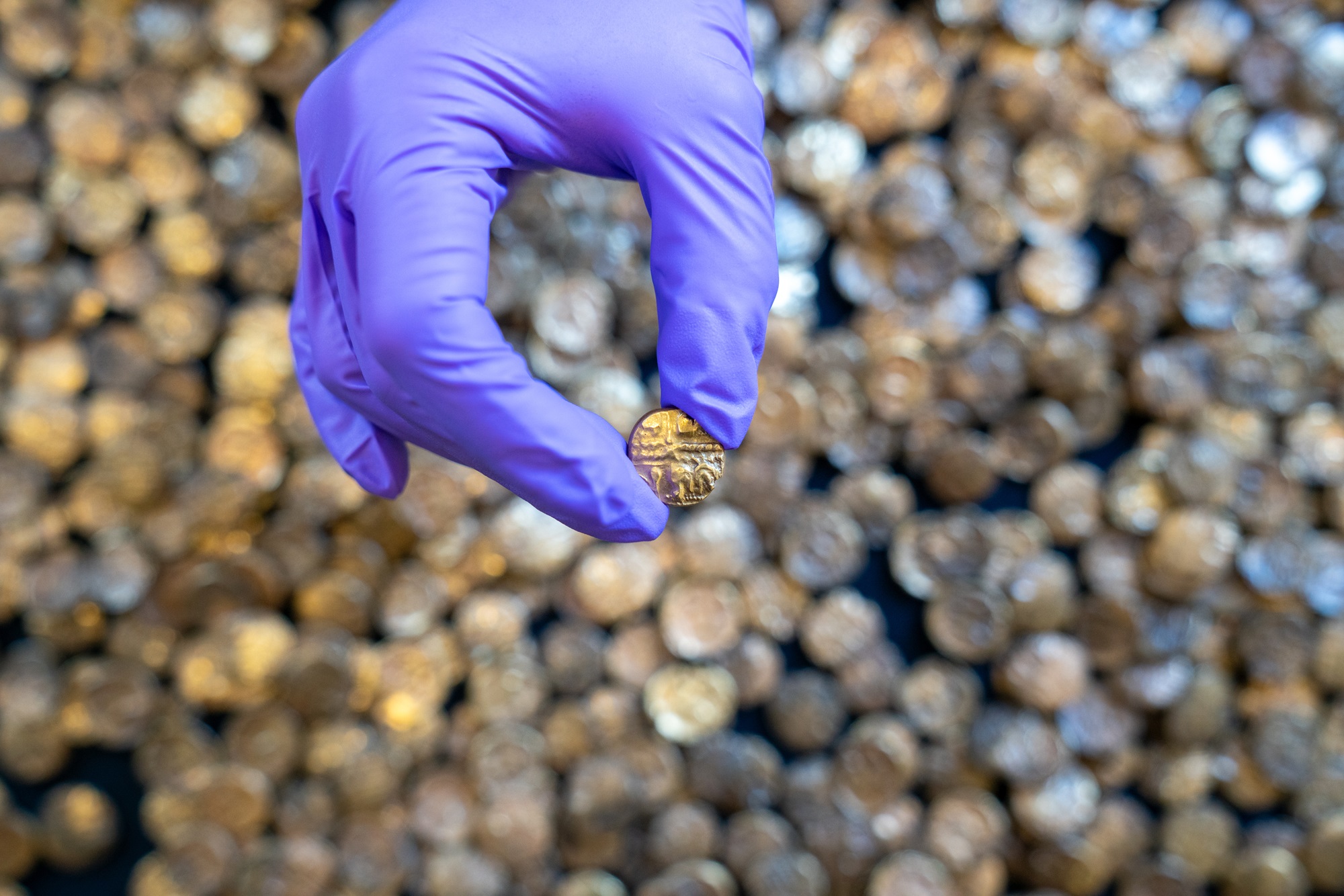
The Great Baddow Hoard, the largest recorded collection of ancient gold coins in the U.K., has been acquired by the Museum of Chelmsford five years after its discovery. Unearthed by metal detectorist Shane Wood on private land in Great Baddow, Essex, the hoard comprises 933 gold coins and fragments dating to 60–20 B.C.E. The museum secured the £300,050 ($400,590) trove with major funding from the National Lottery Heritage Fund and smaller contributions from other organizations. Wood was convicted in 2021 for failing to declare the treasure under the Treasure Act 1996, and the reward was paid to the landowner instead.

amenhotep iii colossi of memnon restoration 2729898

Egypt’s Ministry of Tourism and Antiquities unveiled the newly restored Colossi of Memnon, two monumental quartzite statues of Pharaoh Amenhotep III, at the entrance of his 86-acre Luxor tomb site. The restoration, led by German-Armenian archaeologist Hourig Sourouzian and involving Waseda University, the German Archaeological Institute in Cairo, Johannes Gutenberg University Mainz, and the World Monuments Fund, began in 2006 after decades of damage from earthquakes, floods, and looting. The team cleaned, 3D-scanned, and reassembled the statues using original fragments and new additions, also uncovering nearly 300 other sculptures and fragments. The Colossi now stand 45 feet tall, with the pharaoh depicted in royal regalia alongside smaller figures of his wives.

Museum diplomacy in action at ICOM UK 2026: museums in a changing world

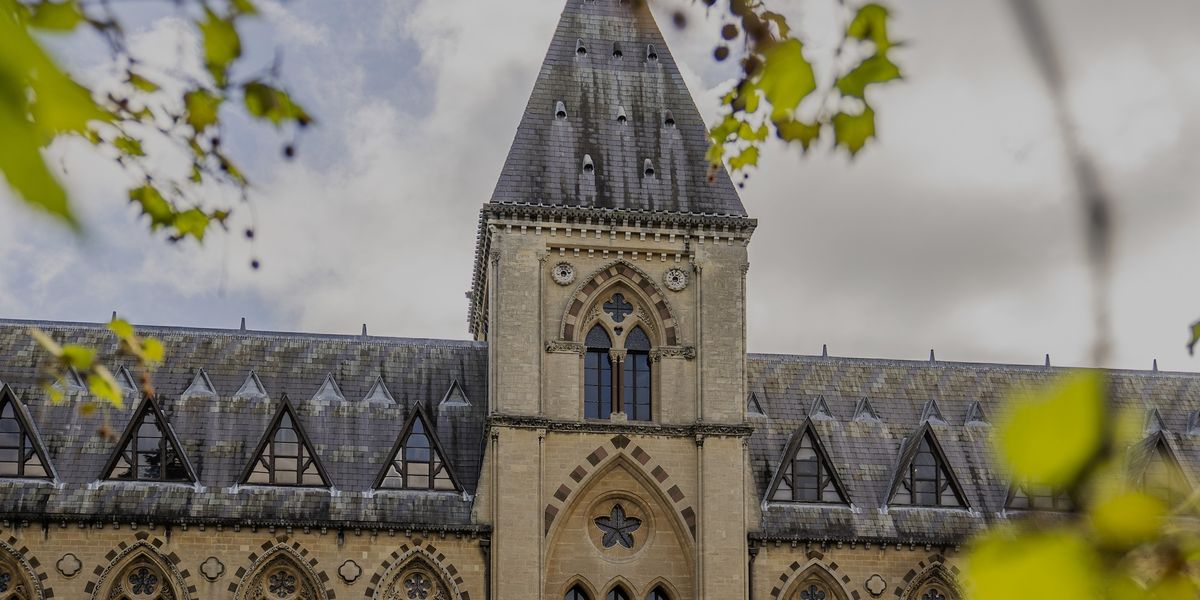
ICOM UK hosted its 2026 annual conference in Oxford, bringing together delegates from over 20 countries to explore the theme of 'Museum Diplomacy.' Keynote speaker Dr. Sascha Priewe of the Aga Khan Museum and ICOM Canada framed the current geopolitical moment as a 'GZERO World,' where no country is willing or able to lead globally, and discussed how sanctions, export controls, and shifting alliances are straining international museum collaborations. Sessions featured case studies from the Science Museum Group and International Arts & Artists, emphasizing that trust and networks, not grand gestures, are essential for enduring partnerships.

bernini sculpture elephant rome damaged vandalism 1234773943

A fragment of the tusk from Gian Lorenzo Bernini’s 17th-century elephant sculpture in Rome’s Piazza della Minerva was discovered broken off and lying on the ground. Local authorities and police are currently reviewing security footage to determine if the damage to the marble work was caused by intentional vandalism or recent heavy rainfall.

puzzle roman fresco london 2658842

Archaeologists from the Museum of London Archaeology (MOLA) have uncovered one of the largest collections of painted Roman wall plaster ever found in London at a development site in Southwark. The fragments, which shattered into thousands of pieces, were discovered in a pit and took three months to reassemble by senior building material specialist Han Li, who described it as assembling "the world's most difficult jigsaw puzzle." The plaster includes rare evidence of a painter's signature, unusual Greek alphabet graffiti, and a crying face graffito, along with vibrant yellow panel designs featuring birds, fruit, flowers, and lyres.

archimedes palimpsest manuscript rediscovered 1234777245

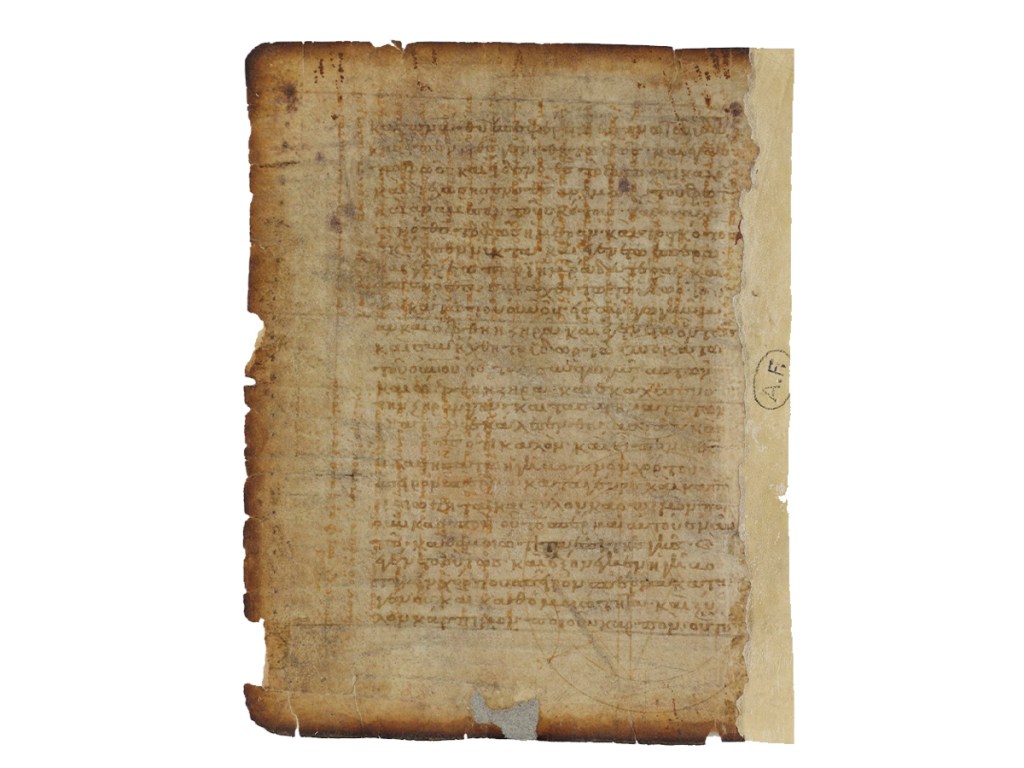
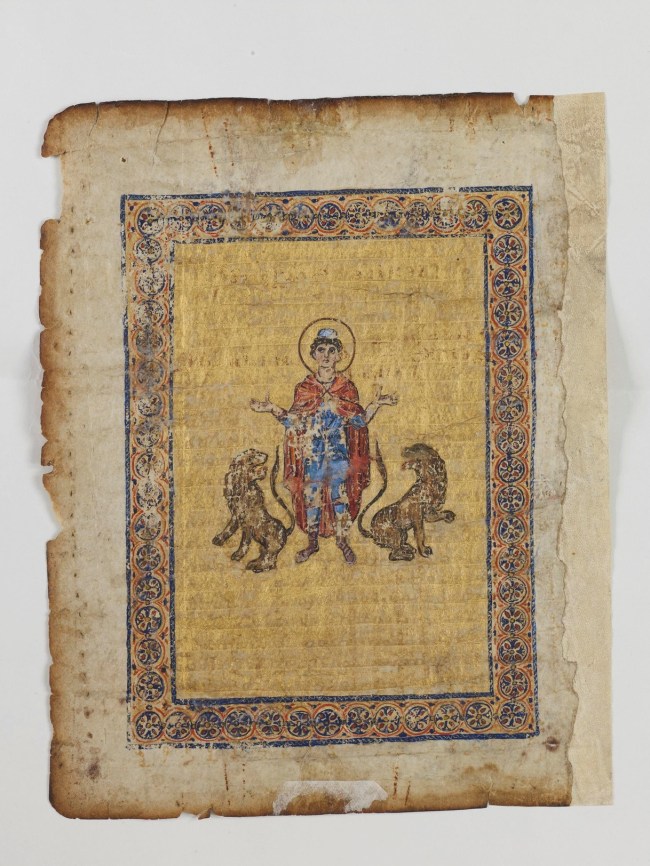
A missing page from the Archimedes Palimpsest, the oldest surviving copy of the Greek mathematician’s writings, has been rediscovered at the Museum of Fine Arts in Blois, France. The 10th-century parchment, which had been missing for 120 years, contains portions of the treatise 'On the Sphere and the Cylinder' hidden beneath 20th-century illumination. The page was identified by a researcher from the French National Center for Scientific Research (CNRS) after being unaccounted for since 1906.

unknown roman matron identified chersonesos taurica crimea 1234753069

Researchers have identified a marble statue head unearthed in 2003 in Chersonesos Taurica, an ancient Roman colony in Crimea, as depicting a Roman matron named Laodice. The discovery, published in the journal Nature, was made by scientists at Poland's Adam Mickiewicz University, who matched the head to an inscribed pedestal found in the archives of the Archaeological Museum in Odessa, Ukraine. Laodice was the wife of city councilman Titus Flavius Parthenokles and was honored with the statue around 140 CE, when the city was granted eleutheria (self-governing status). The statue, carved from Parian marble and originally over six feet tall, is one of only five marble sculpture fragments found at the site in 200 years.

Lost Page From Archimedes Palimpsest Reappears In French Museum

A researcher has identified a long-lost page from the Archimedes Palimpsest, a 10th-century manuscript containing copies of the Greek mathematician's treatises. The page, held at the Musée des Beaux-Arts in Blois, France, was matched to a leaf documented in 1906 photographs and contains diagrams from "On the Sphere and the Cylinder" on one side and a later-added religious illustration on the other.

Long-Lost Skeleton of D’Artagnan, the Fourth Musketeer, Discovered in Dutch Church

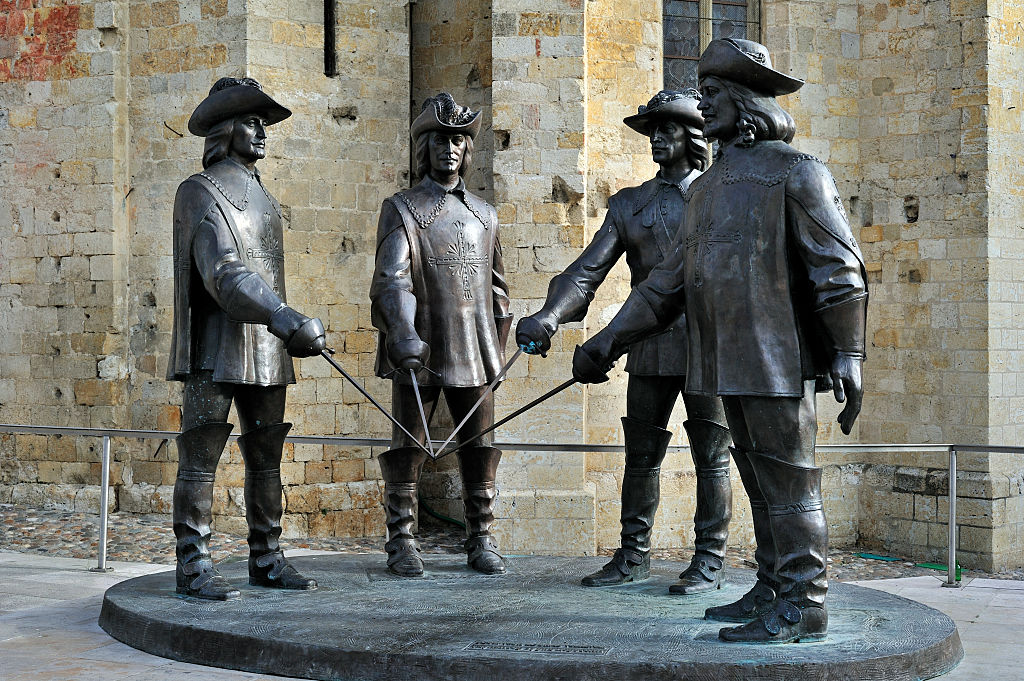
Archaeologists have discovered skeletal remains beneath the floor of St. Peter and Paul Church in Maastricht, Netherlands, which are believed to be those of the 17th-century French soldier Charles de Batz de Castelmore, the historical figure who inspired the literary character D'Artagnan. The discovery was made during repair work, and artifacts found nearby—including a French coin and musket ball fragments—align with the historical record of D'Artagnan's death during the 1673 siege of Maastricht.

Seven-Foot-Tall Monument to Ramses II Discovered in Eastern Nile Delta Region

Archaeologists in Egypt have discovered the upper half of a 7-foot-tall statue of Ramses II at the site of Tell El-Faraoun in the eastern Nile Delta. Weighing over 5 tons, the fragment is believed to have originally been carved for a temple in the ancient capital of Per-Ramesses and was later relocated. The find was announced by the Egyptian Ministry of Tourism and Antiquities, with Hisham El-Leithy of the Supreme Council of Antiquities noting its importance for understanding how statues were moved and reused during the New Kingdom.

Archaeologists Uncover a 2,000-Year-Old Hillfort in Estonia

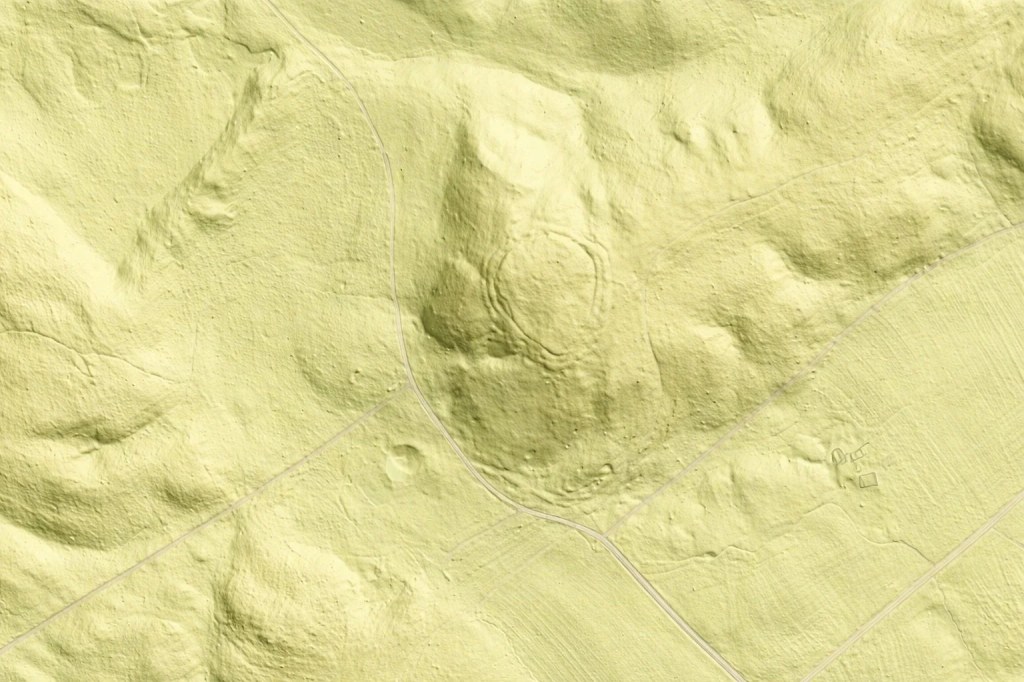
Archaeologists from the University of Tartu have discovered a 2,000-year-old Iron Age hillfort at Köstrimägi in Tartu County, Estonia. Using high-resolution terrain mapping, the team identified a 16,000-square-foot fortification featuring an unusual stepped rampart system that dates back to between 41 BCE and 9 CE. Despite its size, the site yielded few artifacts beyond pottery fragments and charcoal, suggesting a very brief period of occupation before it was destroyed by fire.

a new study conducted the most comprehensive survey of egypts karnak temple revealing unprecedented detail 1234755494

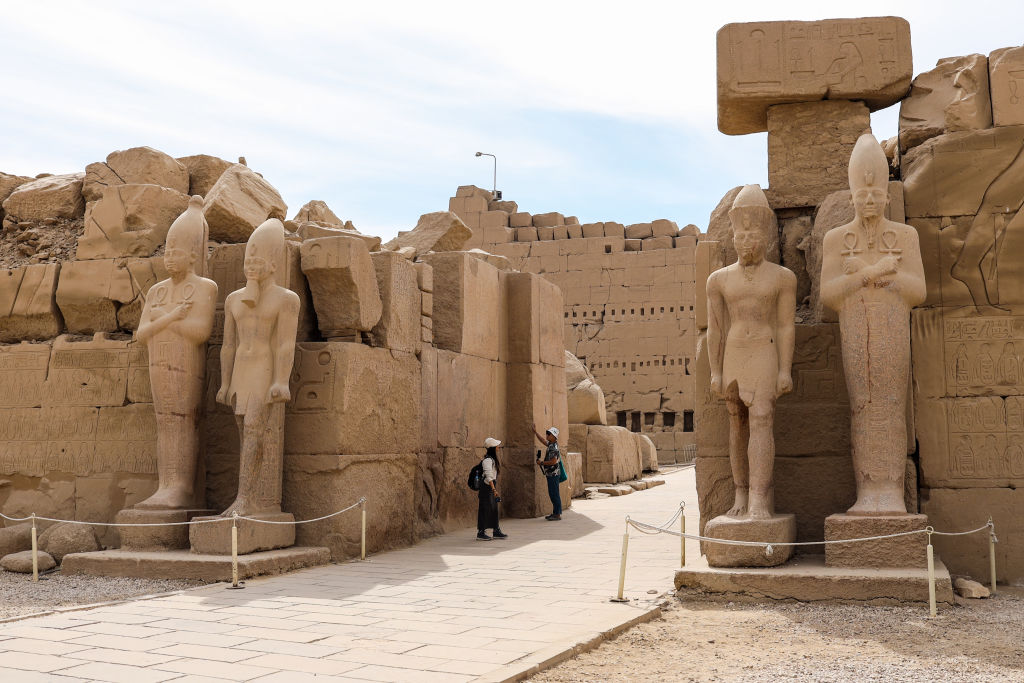
A new study published in the journal Antiquity reveals that Egypt’s Karnak Temple was originally built on a small island, or “fluvial terrace,” surrounded by river channels. The research, led by Ben Pennington of the University of Southampton, is the first comprehensive geoarchaeological survey of the site, analyzing 61 sediment cores and thousands of ceramic fragments. It dates the earliest occupation of Karnak to around 2520 BCE, with ceramics from 2305–1980 BCE, and shows that ancient Egyptians geo-engineered the landscape by dumping desert sand into channels to create new building land.

president zelenskyy gives pope leo ukrainian icon 2647205

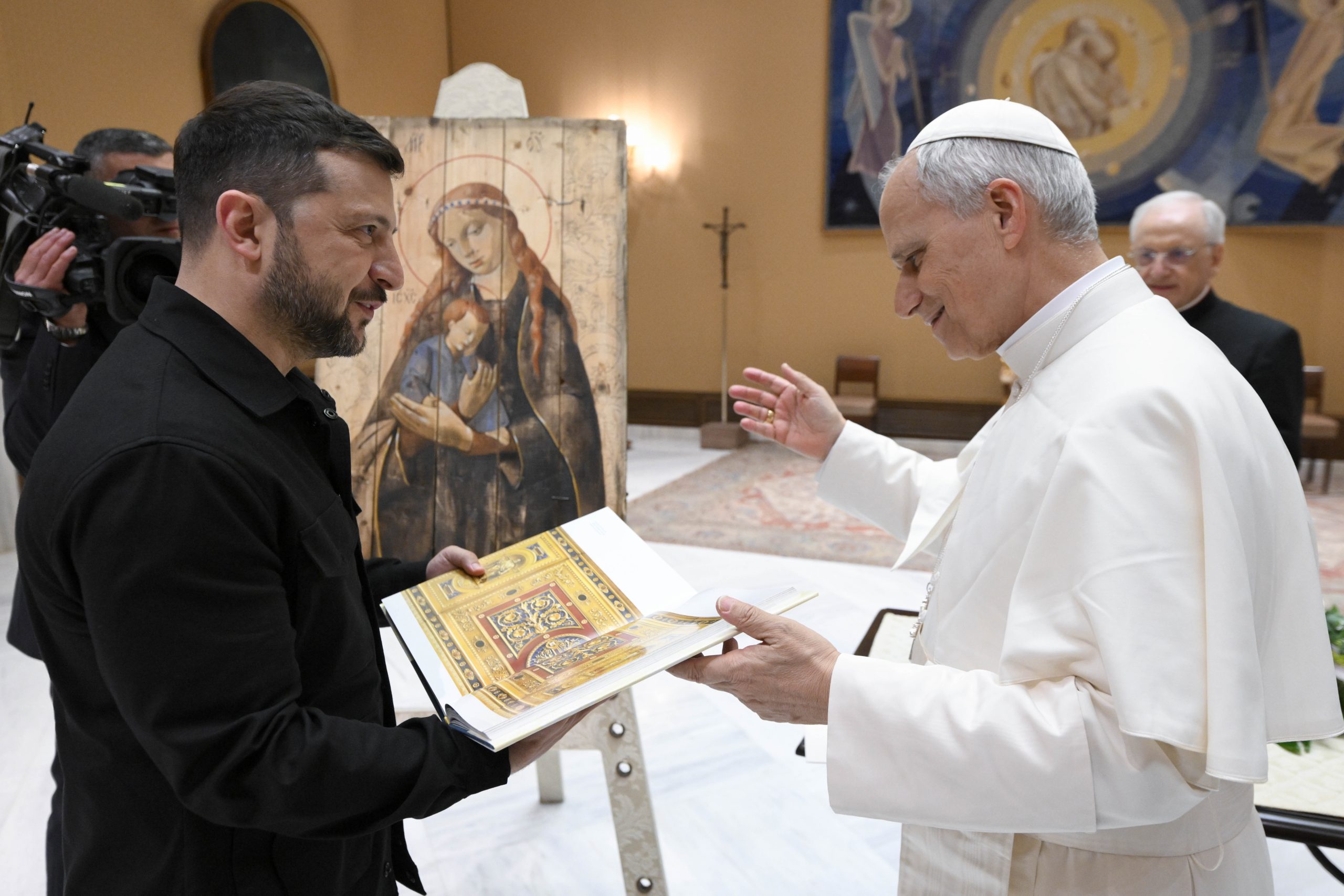
Ukrainian President Volodymyr Zelenskyy presented Pope Leo XIV with a Ukrainian religious icon painted on a fragment of an artillery crate from the front lines in the Kharkiv region, following the Pope's inaugural Mass on May 18, 2025. Zelenskyy described the icon, depicting the Virgin Mary and child, as a symbol of life that must be protected, referencing children affected by Russia's invasion. The meeting in Vatican City also included discussions about peace talks, with the Pope offering to host negotiations between Ukraine and Russia.

Dice Are 6,000 Years Older Than Previously Believed, Study Says

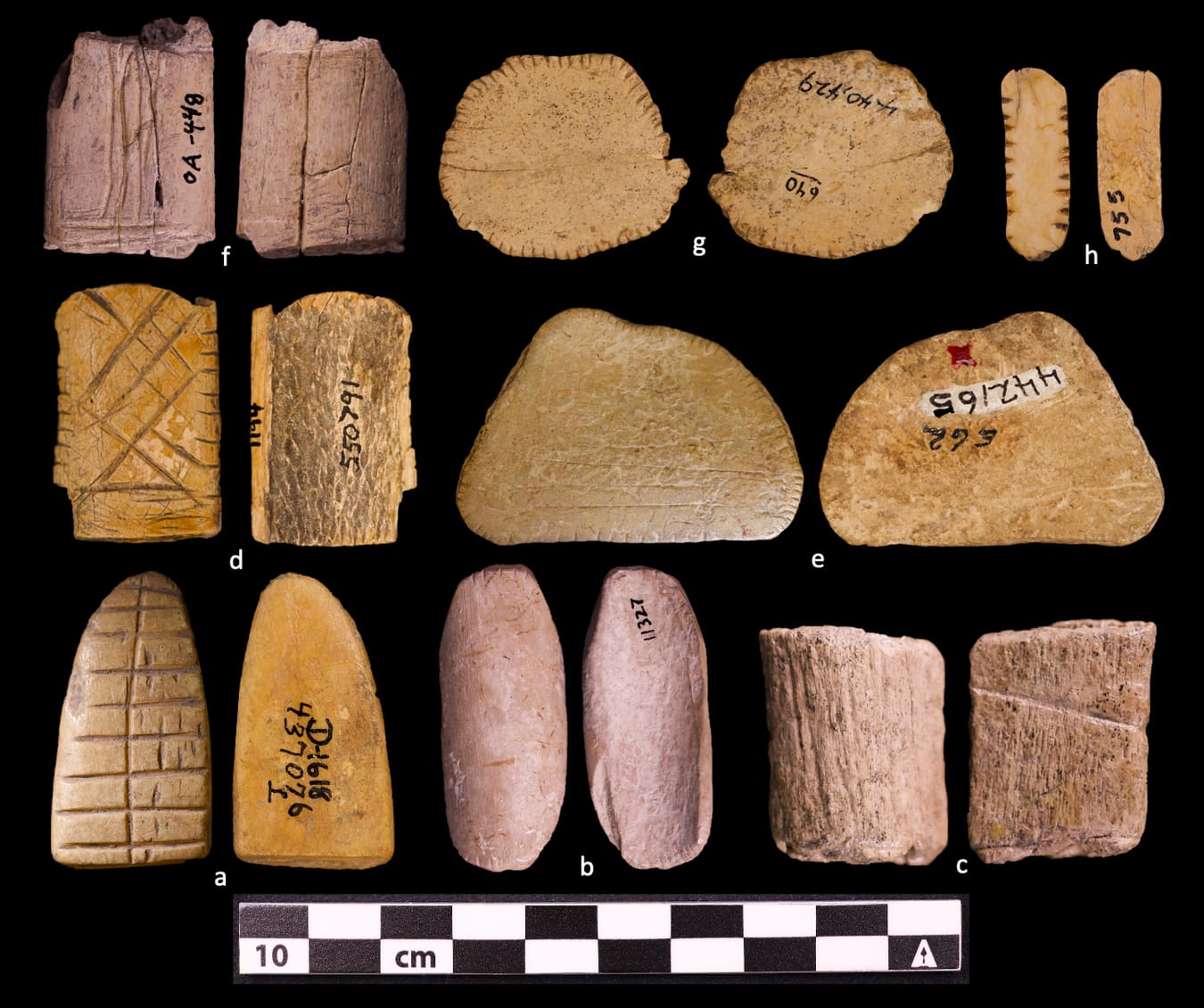
Archaeologist Robert J. Madden has published a groundbreaking study in the journal American Antiquity identifying over 600 prehistoric objects as two-sided dice. These artifacts, found across 57 sites in the American West, date back more than 12,000 years to the Late Pleistocene era. By applying criteria from historic Native American gaming traditions to these bone and wood fragments, Madden argues that dice-based games of chance existed 6,000 years earlier than previously recorded in the archaeological record.

smithsonian slavery exhibit slave ship artifact return 1234777204

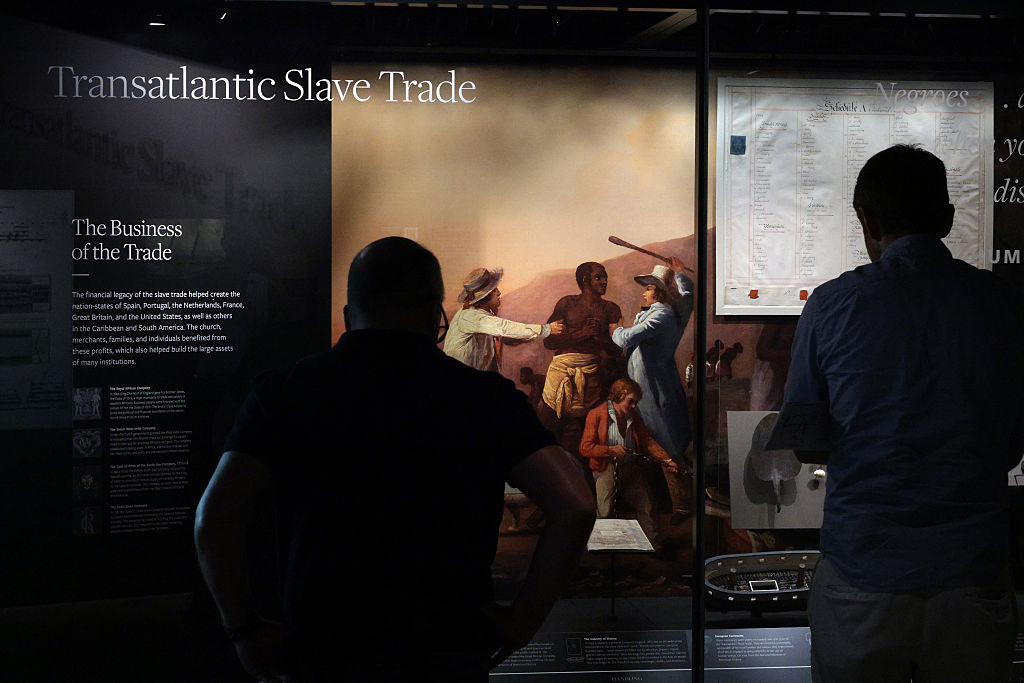
The Smithsonian’s National Museum of African American History and Culture (NMAAHC) will remove a significant timber fragment from the São José-Paquete de Africa slave ship on March 22. The artifact, which has been a centerpiece of the "Slavery and Freedom" exhibition since the museum's 2016 opening, is being returned to the Iziko Museums of South Africa following the expiration of a long-term loan agreement. It will be replaced by a cargo manifest documenting the enslaved individuals forced onto the vessel.

Archaeologists Discover 19th-Century Shipwreck in Copenhagen Harbor

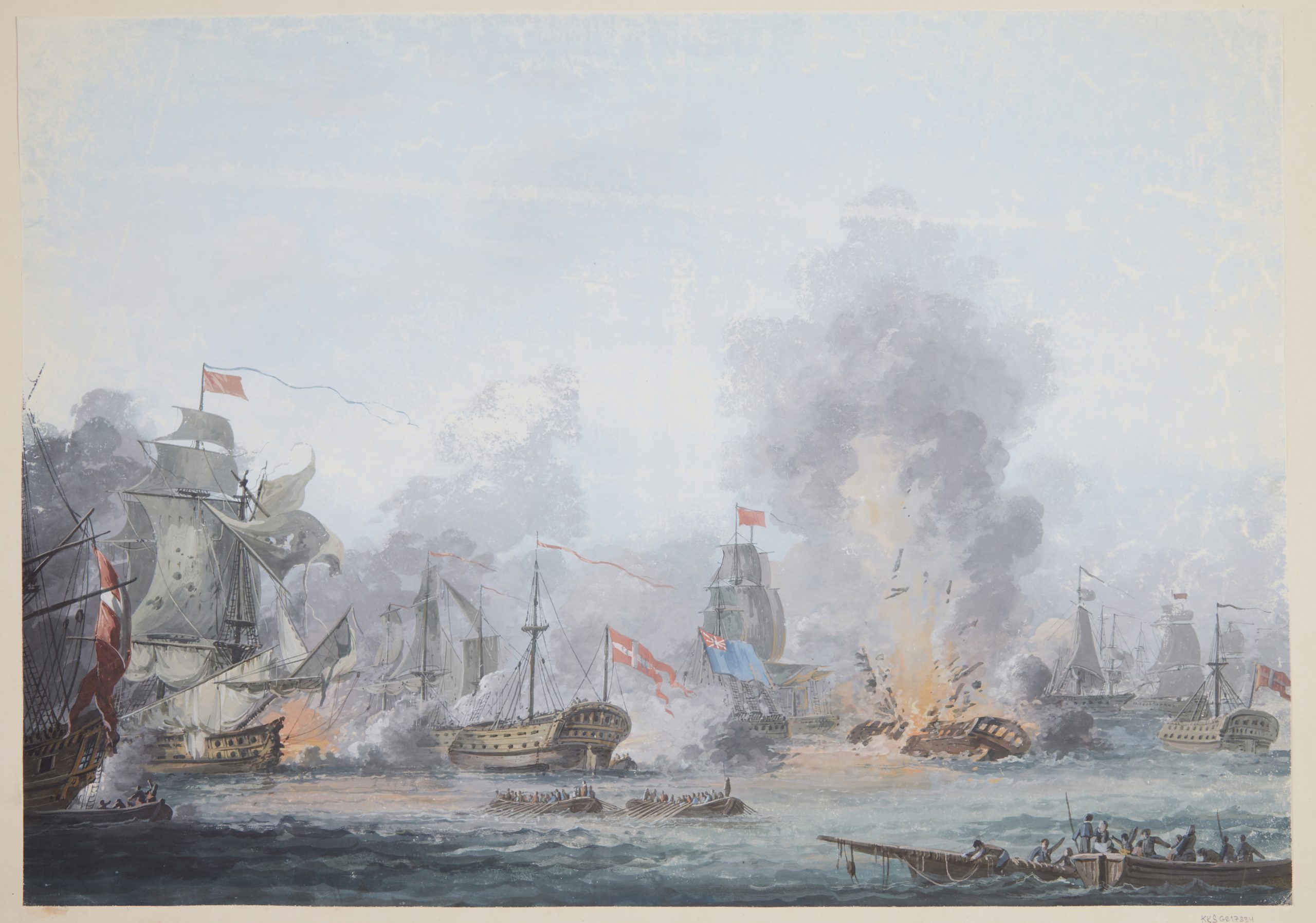
Marine archaeologists from Denmark's Viking Ship Museum have discovered the wreck of the 18th-century Danish warship Dannebroge in Copenhagen harbor. The ship was destroyed during the Battle of Copenhagen in 1801, when the British fleet under Admiral Horatio Nelson attacked to dismantle the League of Armed Neutrality. Divers have recovered cannons, uniform fragments, bottles, and sailors' remains from the site.

3d tech reveals new gladiator graffiti in pompeii 2738381

Researchers using Reflectance Transformation Imaging (RTI) and 3D photogrammetry have uncovered 79 previously invisible graffiti fragments on a 90-foot walled corridor in Pompeii's theater district. Among the discoveries are a dynamic sketch of two gladiators in combat and a love declaration beginning "Erato amat…" (Erato loves…). The work, detailed in Pompeii's e-journal, was conducted by teams from Sorbonne University and the University of Québec at Montréal, who developed a custom 3D-image platform to visualize and digitally annotate the ancient carvings.

remnants enaissance equestrian statue french dig 2662751

Archaeologists from INRAP (the National Institute of Preventive Archaeological Research) have unearthed a Renaissance-era limestone equestrian statue in Toul, northeastern France. The statue, broken into 27 pieces, was found buried under a roadway among the remains of a medieval gate demolished around 1700. The largest fragment measures about three-and-a-half feet, and the intact work would have stood over five feet high. The horse's trunk and head are preserved, along with the rider's hips and upper thighs, but the rider's head and limbs are missing, making identification uncertain. INRAP suggests the rider may have been Henry II, King of France, or more likely John III of Lorraine, Cardinal of Lorraine and Bishop of Toul, and that Italian artists may have been involved in its creation.

ancient buddhist artifacts found in thailand 2644247

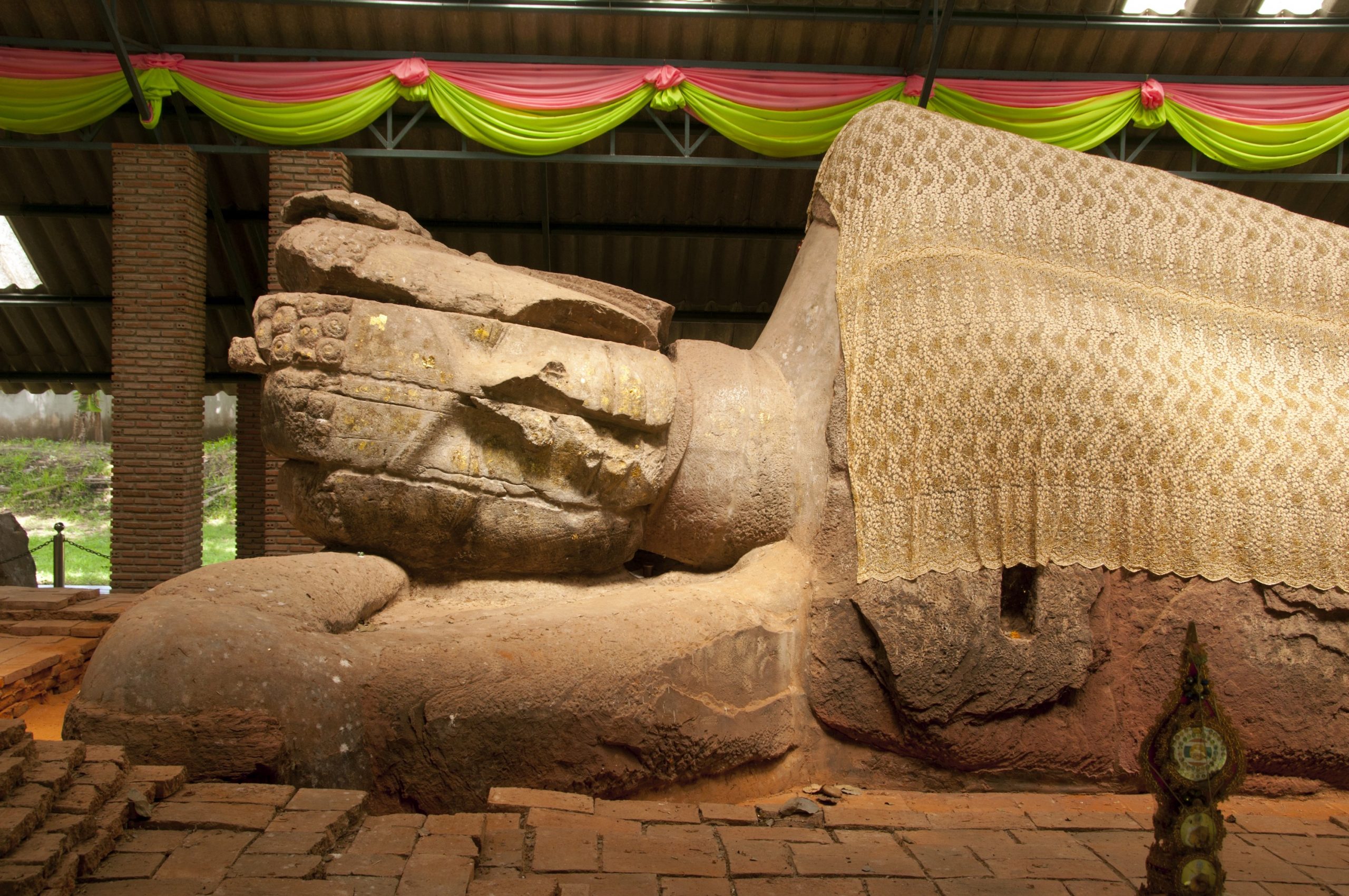
Workers installing a drainage system beneath Wat Dhammachak Semaram, a Buddhist temple in northeastern Thailand, discovered a cache of ancient relics buried just over a meter deep. The find includes 33 bronze, silver, and gold items such as rings, earrings, and two repoussé plaques—one gold depicting a seated Buddha in the teaching gesture, and one tin showing a standing Buddha with attendants. Archaeologists from Thailand’s fine arts department conducted a second phase of excavation, uncovering the plaques and a soil deposit embedded with metal sheets behind the temple’s famous 40-foot reclining Buddha.

Excerpt from the Iliad in a mummy's abdomen and gold tongues: rare discoveries made in Egypt

Extrait de l’Iliade dans l’abdomen d’une momie et langues en or : de rares découvertes effectuées en Égypte

Archaeologists working at the necropolis of Oxyrhynchus in Egypt have made a series of rare discoveries, the most significant being a fragment of papyrus from Homer's Iliad found inside the abdominal cavity of a Roman-era mummy. This marks the first time a Greek literary text has been found incorporated into the ancient Egyptian embalming process, suggesting a unique hybridization of funerary practices.