filter_list Showing 5 results for "Kazakhstan" close Clear
search
dashboard All 17 museum exhibitions 11article news 5article culture 1
date_range Range Today This Week This Month All
Subscribe

the asia pivot recap 2025

Artnet News's 'The Asia Pivot' reflects on its 2025 coverage, highlighting the expansion of Asia's art scene beyond traditional East Asian markets into emerging regions such as the Gulf, South Asia, and Central Asia. Key developments include the debut of the Bukhara Biennial in Uzbekistan, the opening of the Almaty Museum of Arts in Kazakhstan, and the flourishing art scene in Thailand with new private museums like Dib Bangkok. The report also covers major markets like China, Japan, and South Korea, noting the impact of geopolitical dynamics and market shifts.
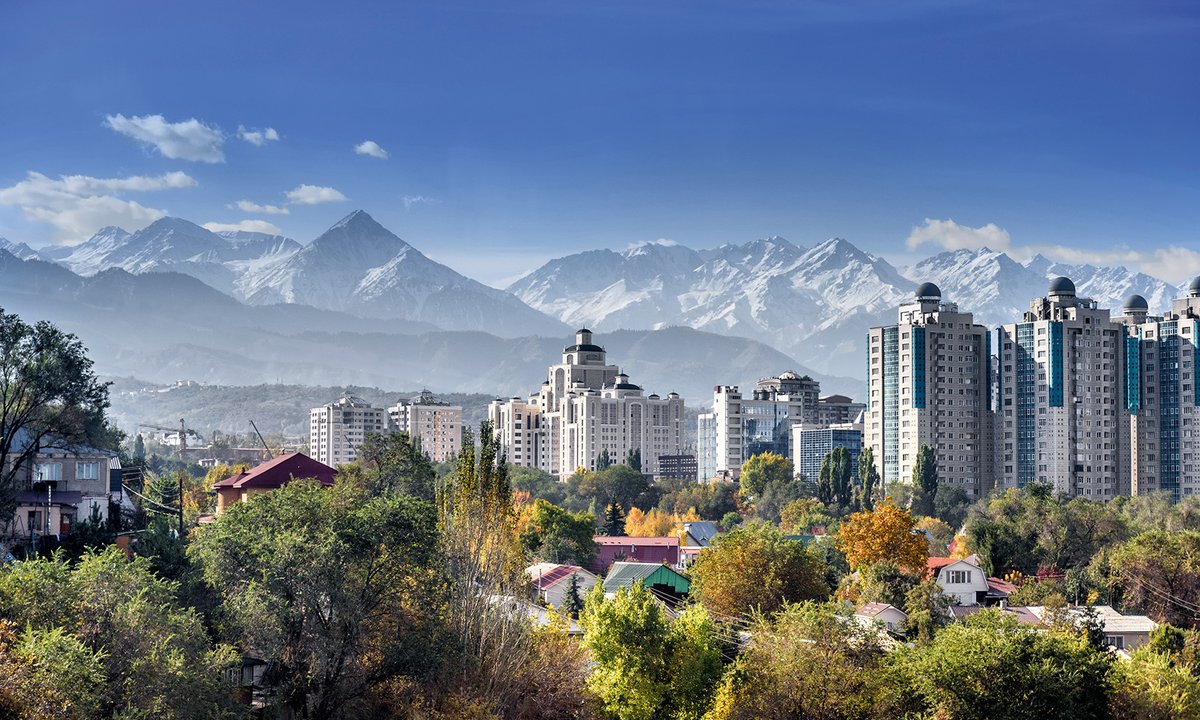

As Kazakhstan cautiously strengthens ties with western Europe, new art venues herald a change of direction

Two wealthy Kazakh entrepreneurs, Kairat Boranbayev and Nurlan Smagulov, are opening private art institutions in Almaty this year: the Tselinny Center of Contemporary Culture and the Almaty Museum of Arts. The Tselinny Center, designed by British architect Asif Khan, will open in September in a repurposed Soviet-era cinema, while the Almaty Museum of Arts, a 10,000 sq. m building by Chapman Taylor, aims to open the same month. These developments come as Kazakhstan cautiously strengthens ties with western Europe to reduce dependence on Russia, following the 2022 invasion of Ukraine, and positions itself as an energy supplier to Europe and a logistical hub for China's Belt and Road Initiative.

Open Letter in Support of the Artist Asel Kadyrkhanova

An open letter initiated by members of the Kazakhstani and international art community protests the removal of artist Asel Kadyrkhanova's work *Machine* (2013) from the Kazakhstan pavilion at the 2026 Venice Biennale. The mixed-media installation, which addresses Stalinist repression through a vintage typewriter, arrest warrants, and red threads, was dismantled on May 5, 2026, reportedly by order of Kazakhstan's Ministry of Culture and Information, just before the pavilion's opening. The artist and curator were allegedly pressured to alter the work beforehand, and the ministry initially cited restrictions from the Italian side, but the Italian Ministry of Defense denied involvement.

Kazakhstan's creative industry accelerates. A new foundation supporting the art scene emerges

L’industria creativa del Kazakhstan accelera. Spunta una nuova fondazione che sostiene la scena artistica

A new private foundation called TOVA Foundation, based in Geneva, has been established to promote contemporary art from Central Asia, specifically focusing on Kazakhstan's art scene. The foundation debuted at the Venice Biennale with an exhibition titled "Trading Treasures" featuring Kazakh artists Saule Suleimenova and Sayan Baigaliyev at Casa dei Tre Oci. The initiative is backed by Togzhan Wertheimer, a Kazakh-born entrepreneur and philanthropist connected to the fashion industry through her husband David Wertheimer, and includes a board with figures like Tatiana de Pahlen and art consultant Jean-Olivier Despres. The foundation's curator is Vladislav Sludskiy, who previously worked at Ethan Cohen Gallery and co-founded the ARTBAT FEST and Eurasian Cultural Alliance.

Biennale’s Kazakh Pavilion Roiled by Controversy after Artwork Fails to Make It on View

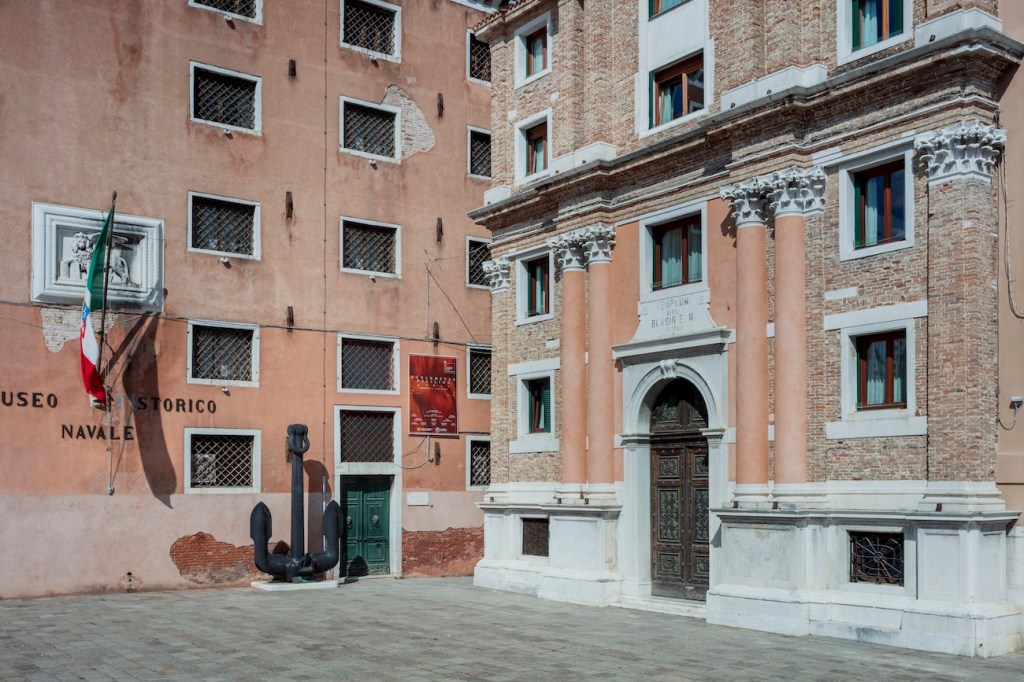
Controversy has erupted at the Kazakhstan pavilion of the Venice Biennale after artist Äsel Kadyrhanova's multimedia installation *Machine* (2013), which addresses Stalin-era repression in Kazakhstan, was dismantled before the exhibition opened. An open letter published on e-flux, signed by prominent Kazakhstani art community members, alleges the work was removed on May 5 on orders from the nation's Ministry of Culture or pavilion organizers. The pavilion's curator, Syrlybek Bekbota, claims he personally made the decision to dismantle the work after negotiations with the artist failed, citing contractual restrictions from the venue, the Museo Storico Navale di Venezia, which prohibits "political, ideological," or "propagandistic" content. The venue's management company, D'Uva, denies any role in the removal, while the project's co-commissioner, Danagul Tolepbay, disputes the accuracy of the open letter's claims.