filter_list Showing 17 results for "The Intern" close Clear
dashboard All 41 article news 17museum exhibitions 16article policy 3article culture 2person people 2article local 1
date_range Range Today This Week This Month All
Subscribe

May You Live in Less Interesting Times

The international jury for the Venice Biennale has collectively resigned just before the press preview, following their announcement that countries accused of crimes against humanity—specifically Israel and Russia—would be excluded from award consideration. The jurors did not provide an explicit reason for their resignation. Meanwhile, Russia's return to the 61st Venice Biennale will involve workarounds to comply with international sanctions, including restricted pavilion access. The article also highlights a widely-read essay by Hakan Topal on the financialization and 'administrification' of American art schools and academia.

The Only Guide to This Year’s Venice Biennale You Will Ever Need

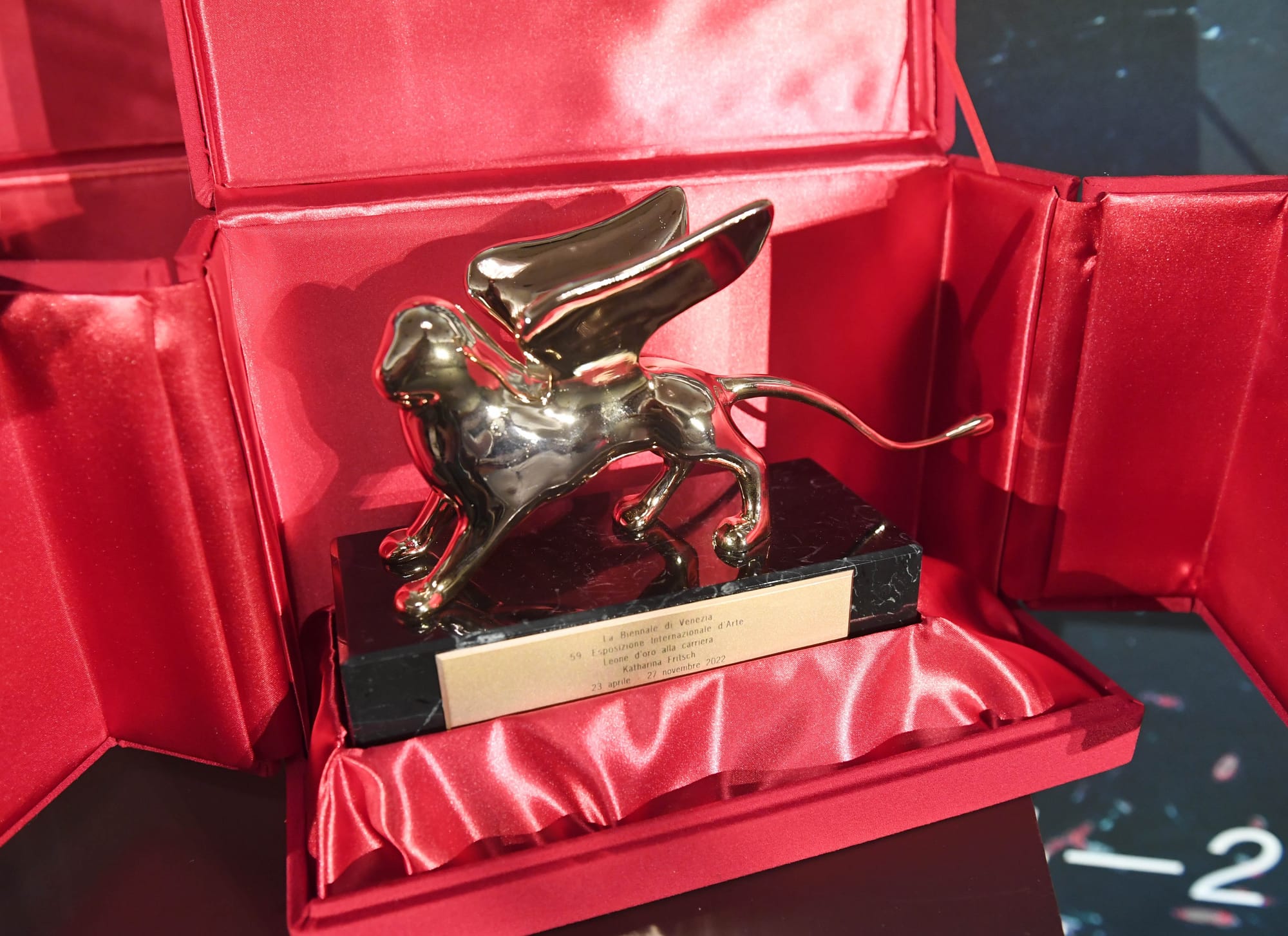
The 61st Venice Biennale opens amid significant turmoil. The entire jury of the International Art Exhibition resigned after a statement about withholding prizes from countries with leaders charged with crimes against humanity by the ICC, leading to the cancellation of the Golden Lion awards in favor of 'Visitors' Lions' to be given at the exhibition's end. The event has been further marred by the sudden death of artistic director Koyo Kouoh from liver cancer in early 2025, and the death of artist Henrike Naumann, who was set to debut work in the German pavilion. Additionally, the selection process for the American pavilion artist, Mexico-based sculptor Alma Allen, sparked controversy after a delayed grant application process.

Israeli Pavilion artist issued legal warnings before Biennale jury resignation

Belu-Simion Fainaru, the artist representing Israel at the 2026 Venice Biennale, issued legal warnings to the Biennale, the Italian Ministry of Culture, and the Italian Prime Minister’s office after the Golden Lion jury announced it would not consider pavilions from countries whose leaders are charged with crimes against humanity by the International Criminal Court, including Israel and Russia. Fainaru’s legal threats cited alleged antisemitism and nationality-based discrimination. Shortly after, the Biennale jury resigned, prompting organizers to postpone the awards ceremony to the closing day and replace the Golden and Silver Lions with two 'Visitors’ Lions' voted on by attendees, with all national participations eligible.

Anish Kapoor Condemns Inclusion of US in Venice Biennale

Anish Kapoor has publicly condemned the inclusion of the United States in the upcoming 61st Venice Biennale, calling for its exclusion due to what he describes as the country's 'abhorrent politics of hate and its incessant warmongering.' In an interview with The Guardian, Kapoor praised the five-person jury that resigned en masse after refusing to consider Israel and Russia for the event's top prize, both nations having been accused by the International Criminal Court of crimes against humanity. Kapoor's remarks come amid the ongoing US war with Iran under the Trump administration, and he previously threatened to sue the Trump administration over a photo taken at his Cloud Gate sculpture in Chicago.

Iran Withdraws From 2026 Venice Biennale

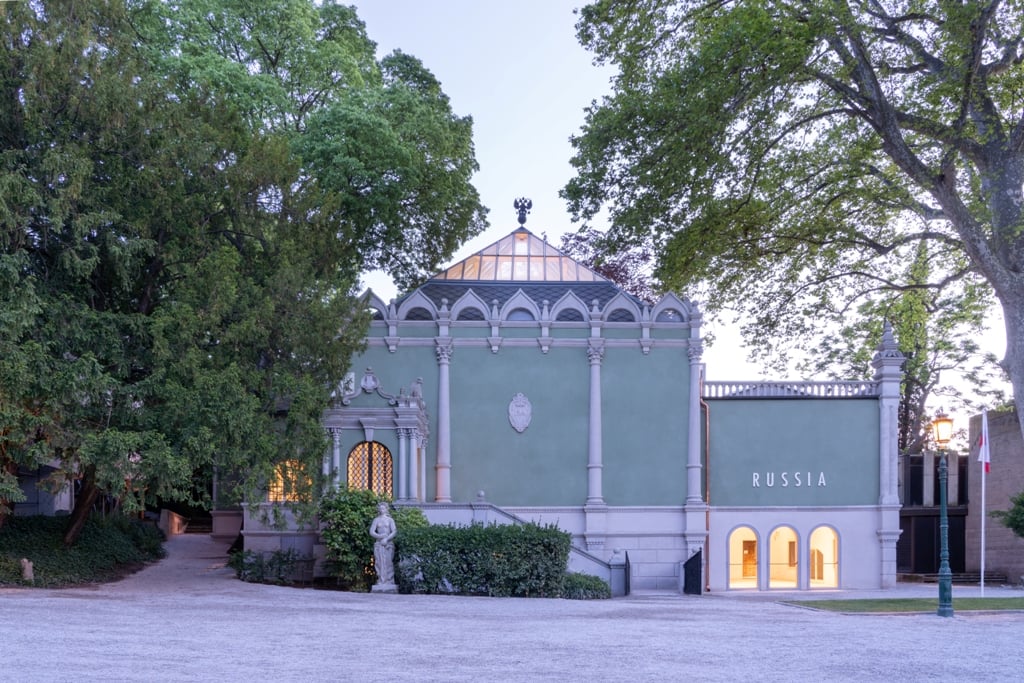
Iran has withdrawn from the 2026 Venice Biennale, the world's most important art event, organizers announced on May 4. No official reason was given, but the withdrawal comes amid an uncertain ceasefire in Iran's war with the United States and Israel. The Biennale confirmed the decision in a statement, noting that 100 countries will still participate, including newcomers Tanzania and Seychelles. This follows South Africa's withdrawal over a legal dispute concerning a Gaza-focused artwork, and the closure of the Russian Pavilion to the public after the EU withdrew €2 million in funding over Russia's involvement.

Lithuanian, Latvian, and Estonian Pavilions Stage Pro-Ukraine Procession During Venice Biennale

On May 6, 2026, the Lithuanian, Latvian, and Estonian pavilions at the Venice Biennale organized a procession in solidarity with Ukraine, walking approximately one and a half miles from the Lithuanian Pavilion in the Fucina del Futuro to the Estonian pavilion. The action honored Ukrainian cultural workers creating under war conditions and those who have died. It is one of several political protests at the contentious 2026 Biennale, including demonstrations by Pussy Riot and FEMEN at the Russian pavilion, a "Solidarity Drone Chorus" opposing Israel's inclusion, and a planned 24-hour strike by the Art Not Genocide Alliance.

Gabrielle Goliath Discusses Her Canceled South African Pavilion as She Shows New Work in a Venice Church

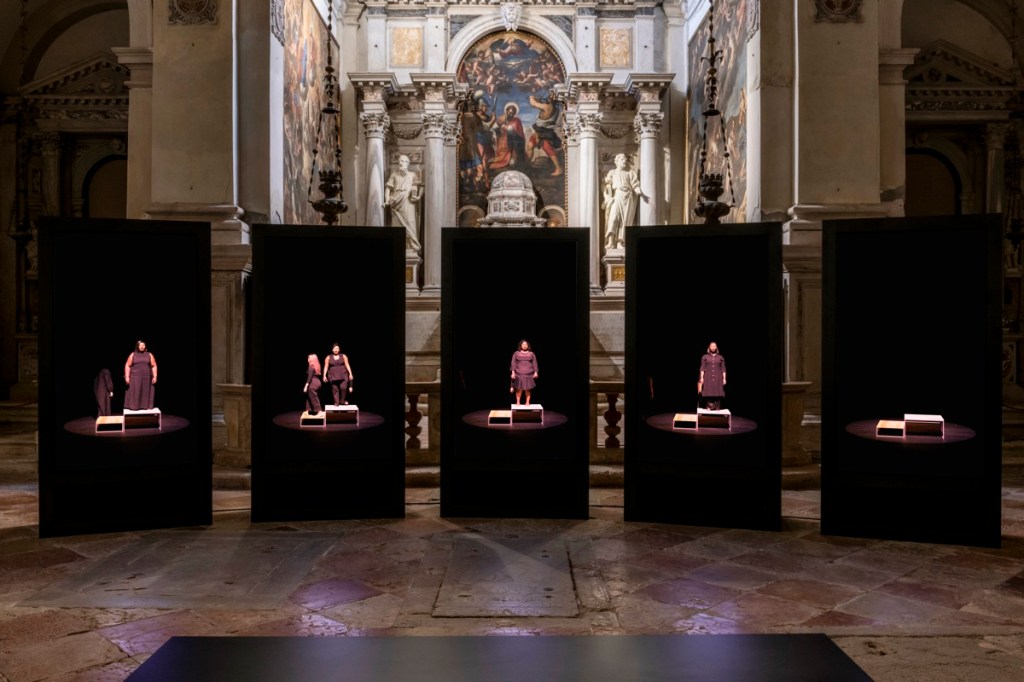
South African artist Gabrielle Goliath’s planned pavilion for the South Africa Pavilion at the Venice Biennale was canceled by culture minister Gayton McKenzie, who deemed it “highly divisive.” Despite the cancellation, Goliath has installed her work, a multi-screen iteration of her ongoing performance series *Elegy*, at the Chiesa di Sant’Antonin, half a mile from the Giardini. The new piece mourns victims of atrocities including South African femicide, the Herero and Nama genocide, and the death of Gazan poet Hiba Abu Nada, killed by an Israeli airstrike. Goliath stated that McKenzie explicitly demanded removal of the Palestinian content while deeming the other subjects acceptable.

Venice Biennale Swamped in Protests Ahead of Planned Strike

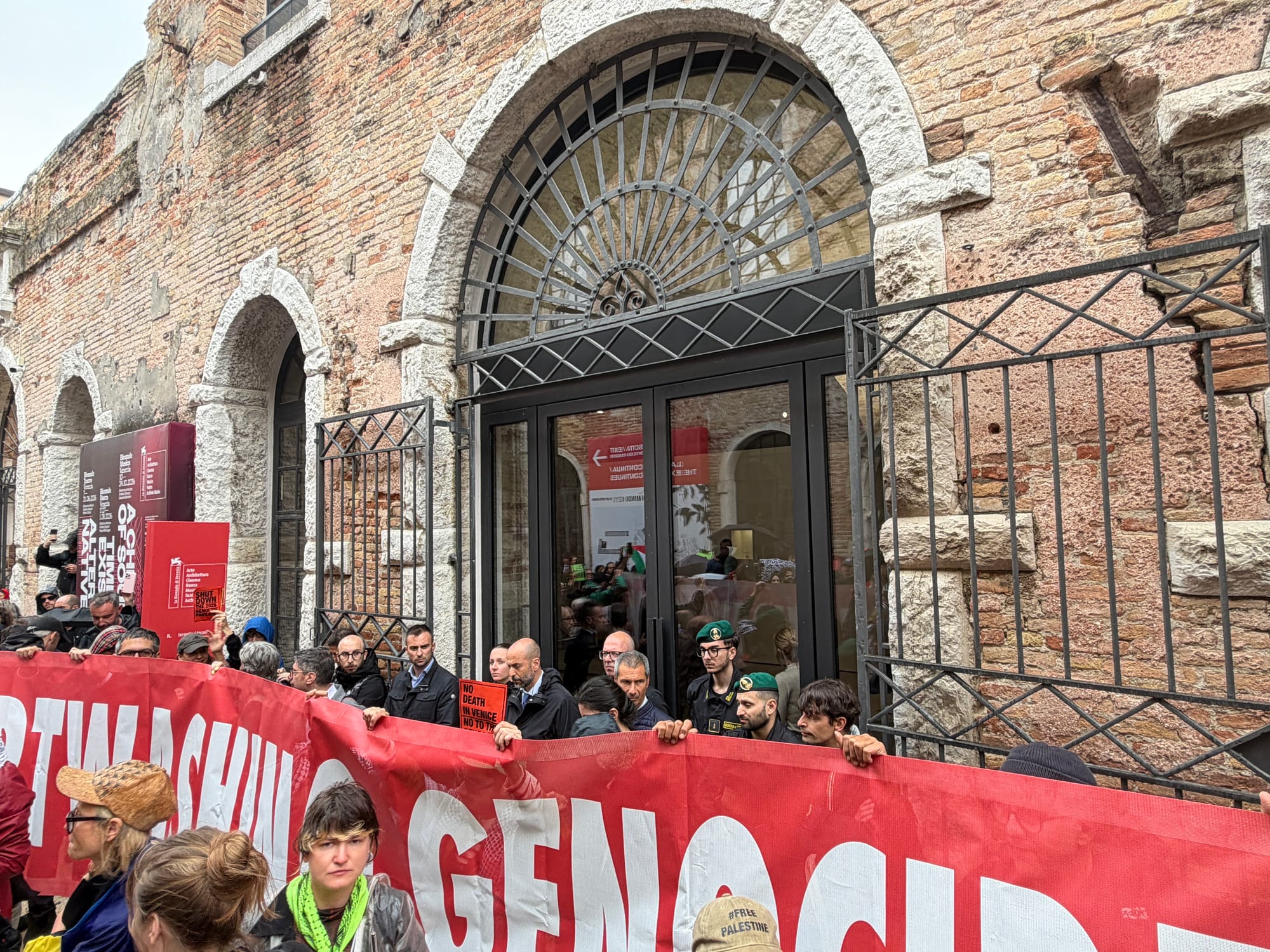
The Art Not Genocide Alliance (ANGA) has announced a 24-hour strike for Friday, May 8, coinciding with previews of the 2026 Venice Biennale, alongside a protest rally organized by local group Biennalocene and Italian trade unions. Earlier this week, sixty artists staged a sonic protest at the Giardini entrance to draw attention to the plight of those affected by genocide and war in Palestine and elsewhere. The Latvian pavilion has also encouraged attendees to wear a design by artist Krišs Salmanis reading “Death in Venice – Russia go home!” Meanwhile, dissident artists Pussy Riot stormed the Russian pavilion waving Ukrainian flags, and the entire 2026 Biennale jury resigned after the decision to exclude countries whose leaders are charged with crimes against humanity by the International Criminal Court from competing for top prizes.

From Minor Keys to Uproar: The Crisis of the Venice Biennale

DE LAS MINOR KEYS AL ESTRUENDO: LA CRISIS DE LA BIENAL DE VENECIA

The 61st Venice Biennale is engulfed in a structural crisis, marked by geopolitical tensions over the inclusion of Russia (amid its invasion of Ukraine) and Israel (amid the Gaza genocide). The Biennale Foundation, led by Pietrangelo Buttafuoco, defended their participation on legalistic grounds, sparking outrage from over 200 artists, curators, and cultural workers who demanded Israel's exclusion, aligning with Art Not Genocide Alliance (ANGA). The international jury, chaired by Solange Farkas and including Zoe Butt, Elvira Dyangani Ose, Marta Kuzma, and Giovanna Zapperi, resigned collectively on April 30 after deciding not to award prizes to countries whose leaders face International Criminal Court arrest warrants. This led to the cancellation of the traditional Golden and Silver Lions, replaced by audience-voted "Visitor Lions," with awards deferred until November. The European Commission suspended a €2 million subsidy over Russia's participation, and Italian Culture Minister Alessandro Giuli notably skipped the May 9 opening.

Israel’s Artist Reportedly Pressured Venice Biennale Before Jury’s Resignation

Artist Belu-Simion Fainaru, Israel’s representative at the Venice Biennale, reportedly pressured the exhibition’s organizers before the five-person jury abruptly resigned last week. The jury, tasked with selecting Golden Lion winners, had stated it would not consider nations charged with crimes against humanity by the International Criminal Court—applying to Israel and Russia. According to Italian news agency Adnkronos, Fainaru alleged “racial discrimination” and “antisemitism,” threatened to take his claims to the European Court of Human Rights, and the Biennale warned jury members they could be held personally liable for damages. Hyperallergic confirmed the threats of legal action, and a Biennale spokesperson acknowledged the reports were true.

Iran Abruptly Drops Out of Venice Biennale as US and Israel’s War Continues

Iran has abruptly withdrawn from the 61st Venice Biennale, scheduled for May 9–November 22, 2026, reducing the number of participating nations from 101 to 100. The Biennale confirmed the withdrawal in a statement but did not provide a reason; Iran is now the only country listed without any artist representatives, though Aydin Mahdizadeh Tehrani remains listed as the pavilion's commissioner. The announcement comes as the Biennale opens to press amid ongoing controversy over the participation of Israel and Russia, whose pavilions have drawn protests from artists and politicians.

Israel’s Artist Said to Have Threatened Legal Action Before Venice Biennale Jury Resignation

Belu-Simion Fainaru, the artist representing Israel at the 2024 Venice Biennale, allegedly threatened legal action against Biennale officials, accusing them of “racial discrimination” and “antisemitism” after the international prize jury announced it would exclude countries whose leaders are charged with crimes against humanity—effectively barring Israel and Russia from awards. The jury, handpicked by late artistic director Koyo Kouoh, resigned en masse on April 30, citing their earlier statement of intent. Fainaru had previously opposed calls to exclude Israel over its military actions in Gaza, arguing for dialogue over boycotts.

Israeli Pavilion Artist Made Legal Threats Before Venice Biennale Jury Resigned

New reports reveal that Israeli Pavilion artist Belu-Simion Fainaru issued legal threats against the Venice Biennale, alleging antisemitism and discrimination after the awards jury decided to exclude Israel and Russia from consideration due to human rights charges. The jury, which included Elvira Dyangani Ose, Zoe Butt, Marta Kuzma, Giovanna Zapperi, and Solange Farkas, initially stated on April 22 it would not consider nations whose leaders are charged with crimes against humanity by the International Criminal Court. Fainaru filed legal warnings with the Biennale, the Italian Ministry of Culture, and the Prime Minister's office. The jury abruptly resigned eight days later, leading the Biennale to scrap the Golden Lion awards and institute "Visitor Lions" decided by public vote. Reports indicate the Biennale's legal department warned jurors could be personally liable for damages, and Italian Culture Minister Alessandro Giuli promised to promote Fainaru's work.

Venice Biennale Scraps “Golden Lion” Awards as Turmoil Continues

The 61st Venice Biennale has scrapped its traditional Golden Lion awards, replacing them with public-voted “Visitor Lions” after the entire award jury resigned on April 30. The jury had previously announced its intention to exclude countries whose leaders are charged with crimes against humanity by the International Criminal Court, effectively targeting Russia and Israel. The Biennale Foundation, however, stated that all official national pavilions—including Russia and Israel—will be eligible for the new Visitor Lions, citing principles of inclusion and equal treatment. The awards ceremony has been moved from May 9 to November 22, the final day of the Biennale, to allow ticket holders to vote throughout the event.

How the Venice Biennale imploded over Israel

The 61st Venice Biennale, scheduled to open on May 9, has been thrown into turmoil after its International Jury announced that national pavilions and artists representing countries whose leaders are charged with crimes against humanity by the International Criminal Court will not be eligible for prizes. This excludes Israel, represented by sculptor Belu-Simion Fainaru, and Russia from competing for the Golden Lion. The decision follows an open letter signed by hundreds of artists and curators demanding Israel's exclusion over the war in Gaza, and comes amid ongoing geopolitical tensions, including Russia's absence from previous editions after its invasion of Ukraine. The Biennale's theme, 'In Minor Keys,' curated by the late Koyo Kouoh, aimed to focus on dignity and listening to marginalized voices, but the prize ban has sparked accusations that identity politics are overshadowing artistic merit.

Ministry of Culture inspectors present report on Biennale: Russia pavilion will remain closed

Gli ispettori del Ministero della Cultura in Biennale presentano relazione: il padiglione Russia resterà chiuso

Italian Ministry of Culture inspectors have submitted a report to the Prime Minister's office regarding Russia's participation in the 2026 Venice Art Biennale. The report concludes that Russia did not receive a formal invitation from the Biennale Foundation to participate, nor did it sign the participation agreement—a situation shared by other countries with permanent pavilions. While Russia submitted a project and appointed a commissioner, its pavilion will remain closed to the public due to EU sanctions, though a private vernissage may proceed. The report finds no serious violations that would cancel Russia's participation, but notes critical issues that warranted more caution. The international jury resigned en masse after announcing it would not consider countries whose leaders are accused of crimes against humanity by the International Criminal Court, including Russia and Israel, and after an Israeli artist threatened a discrimination lawsuit.

Golden Lions of the Biennale voted by the public? 7 reasons why they cannot work

Leoni d’Oro della Biennale votati dal pubblico? 7 motivi per cui non possono funzionare

On April 30, 2026, the International Jury of the Venice Art Biennale resigned en masse. In response, the Biennale Foundation hastily announced a new initiative called the "Visitor Lions" (Leoni dei Visitatori), where paying visitors would vote to award the Golden Lions for best artist and best national participation. The voting system would rely on ticket tracking to verify attendance at the main venues, the Giardini and the Arsenale. However, just a week before the public opening, no further details had been released, raising numerous practical concerns about the mechanism's feasibility.