filter_list Showing 42 results for "The Open" close Clear
search
dashboard All 236 museum exhibitions 119article local 61article news 42person people 4trending_up market 4article culture 2candle obituary 2article policy 1rate_review review 1
date_range Range Today This Week This Month All
Subscribe

Wet Paint Does Frieze Week: The Dinosaur Dealer Downtown, David Zwirner Tribeca, and More Juicy Art-World Gossip

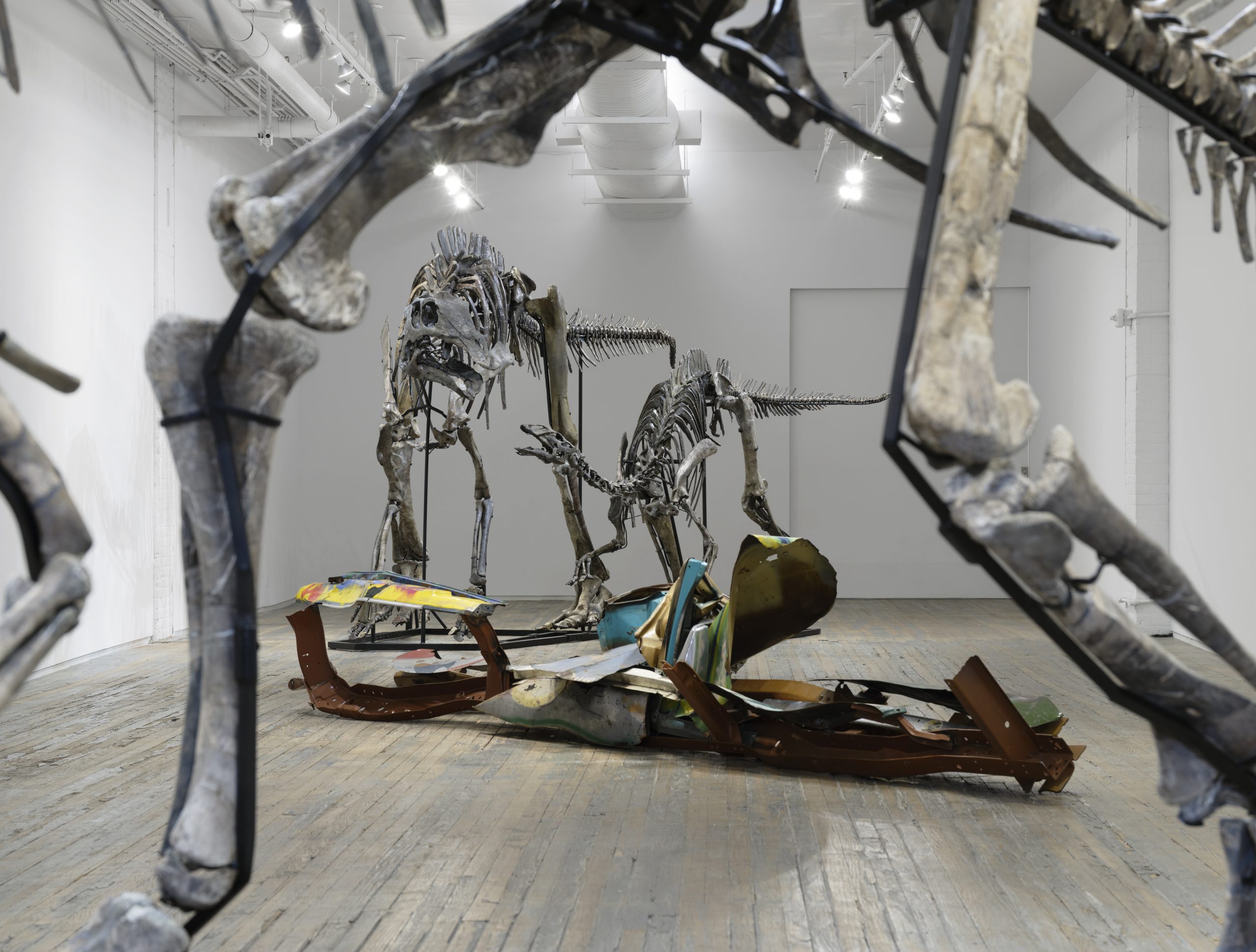
Artnet News' gossip column 'Wet Paint' covers the opening week of Frieze New York, beginning with the group show 'Statics of an Egg' at David Zwirner's newly renamed Tribeca gallery (formerly 52 Walker). Curated by Martin Germann, the exhibition features Japanese artists gathered by Yu Nishimura and Kenji Ide, with Nishimura's painting 'in waiting' highlighted. The column also reports on a private party at the River art-world hangout and a visit to Amanita gallery for 'A Land Before Time: Three Dinosaurs and a Gondola,' which includes a John Chamberlain sculpture. Notable attendees include artists Sasha Gordon, Olivia van Kuiken, Calvin Marcus, and Josh Smith, as well as dealers Marlene Zwirner and Matthew Brown.
Who Went to Venice Last Week? Jenny Saville, Glenn Lowry, Jewel, and Many Other Power Players

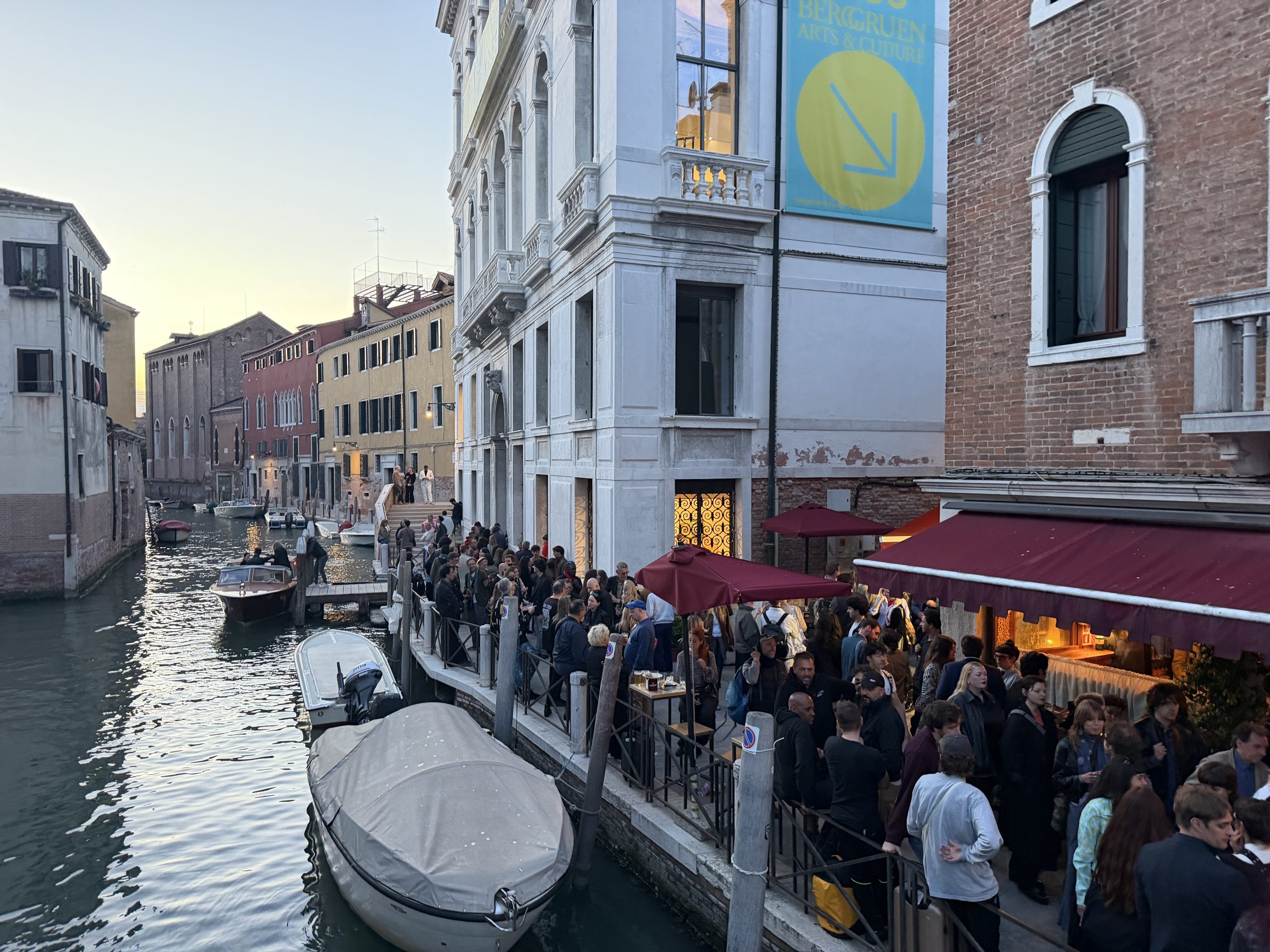
Artnet News reporter Katya Kazakina recounts her experience at the opening week of the 61st Venice Biennale, describing a whirlwind of art, parties, and chance encounters. Notable figures spotted include former MoMA director Glenn Lowry, singer-songwriter Jewel (who debuted her visual art show "Matriclysm: An Archaeology of Connections Lost"), and Japanese Nintendo heir and collector Banjo Yamauchi. High-profile events included Thaddaeus Ropac gallery's reception for Georg Baselitz's final paintings (priced up to $1.5 million) and François Pinault's annual party at Fondazione Giorgio Cini, attended by Selma Hayek, Lorna Simpson, and JR. The article also highlights the social dynamics of the biennale, where dealers, curators, and collectors network across historic palazzos and hotels.

‘Harlem has always been evolving’: inside the Studio Museum’s $160m new home

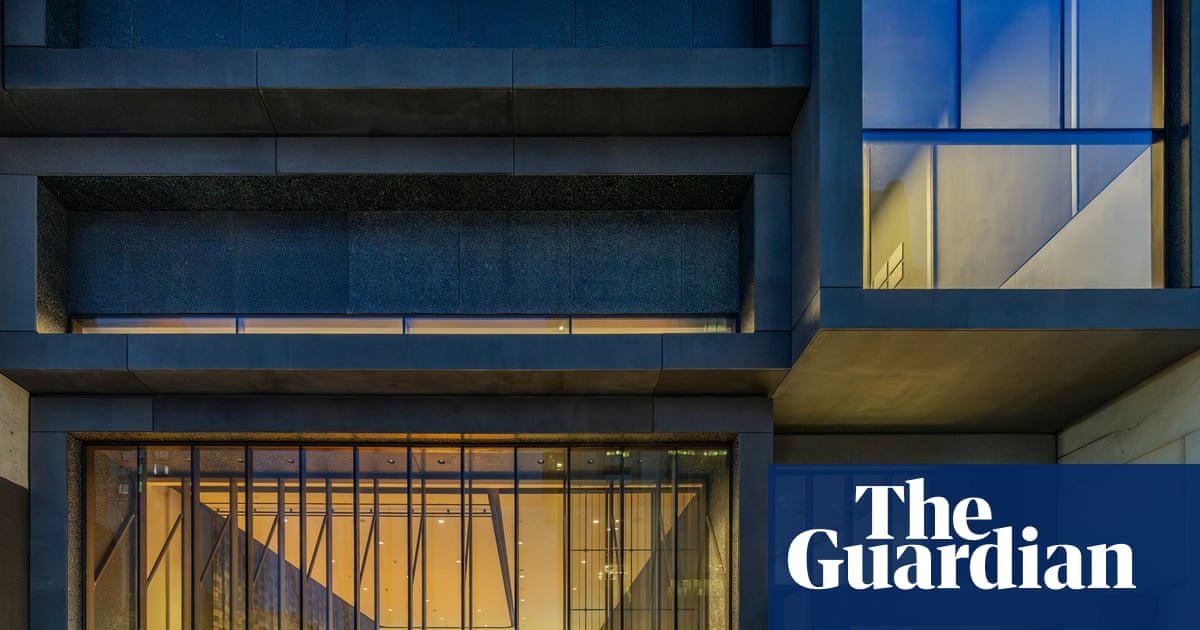
The Studio Museum in Harlem is set to inaugurate its new $160 million, purpose-built home on Manhattan’s 125th Street. Designed by Adjaye Associates in collaboration with Cooper Robertson, the 82,000-square-foot facility nearly doubles the museum's previous exhibition space and replaces a repurposed 1914 bank building that lacked essential infrastructure like loading docks and large elevators. This milestone marks the first time in the institution's history that it will operate out of a structure specifically designed to support its mission of championing artists of African descent.

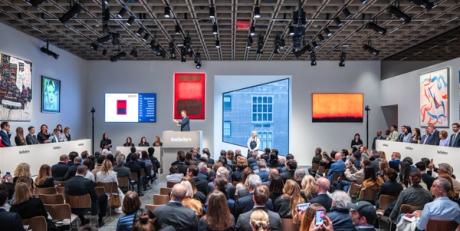
New York auctions, James McNeill Whistler at Tate Britain, Edvard Munch—podcast

This episode of The Art Newspaper's podcast 'The Week in Art' covers three major stories: the spring auction results in New York, which saw record prices for works by Jackson Pollock, Constantin Brancusi, and Mark Rothko; the opening of the largest James McNeill Whistler exhibition in Europe in over 30 years at Tate Britain in London, which will later travel to the Van Gogh Museum and The Mesdag Collection in the Netherlands; and a feature on Edvard Munch's 1922 frieze from the Freia Chocolate Factory, currently on loan to the Munch museum in Oslo for the exhibition 'Edvard Munch and the Chocolate Factory.'

As Her Venice Biennale Opens, Koyo Kouoh Foundation Launches in Memory of Late Curator

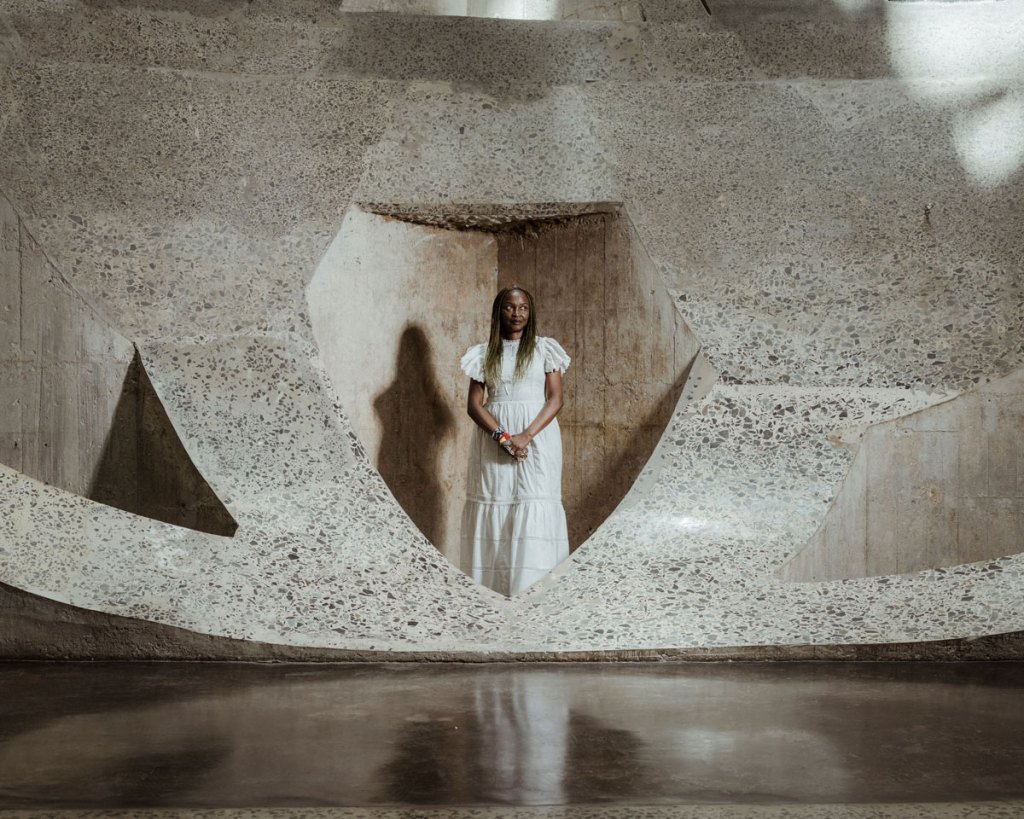
The Koyo Kouoh Foundation has launched in Basel, Switzerland, coinciding with the opening of the 2026 Venice Biennale, which features the late curator Koyo Kouoh's main exhibition "In Minor Keys." The foundation aims to continue Kouoh's work supporting contemporary African cultural production globally, including plans for the Koyo Kouoh Prize and a permanent home for the Koyo Kouoh Collection. It is led by her partner, saxophonist Philippe Mall, and includes board members such as artist Alfredo Jaar, curator Adrienne Edwards, and former Kunstmuseum Basel director Josef Helfenstein.

No Need to Shed a Tear for the Jury

"Man muss der Jury keine Träne nachweinen"

The entire jury of the Venice Biennale resigned shortly before the opening, prompting criticism of Biennale President Pietrangelo Buttafuoco. Italian Culture Minister Alessandro Giuli accused Buttafuoco of pursuing a misguided "pacificist fantasy" by readmitting Russia to the six-month exhibition, calling it failed "side foreign policy." Commentators in German media, including Niklas Maak (FAZ) and Marcus Woeller (Die Welt), see the resignation as a symptom of a crisis in the art world, with the jury having acted as a "political tribunal" by pre-judging artists based on nationality, particularly regarding Israel. The Biennale leadership defended inclusion, but the standoff has caused significant "image damage." Separately, Dirk Knipphals (wochentaz) delivers a scathing review of Wolfram Weimer's first year as cultural policy commissioner, accusing him of empty rhetoric and failing to counter right-wing cultural politics. Juliane von Mittelstaedt (Der Spiegel) reports on Saudi Arabia's use of a spectacular new art museum in Riyadh as a stability narrative amid regional conflict.

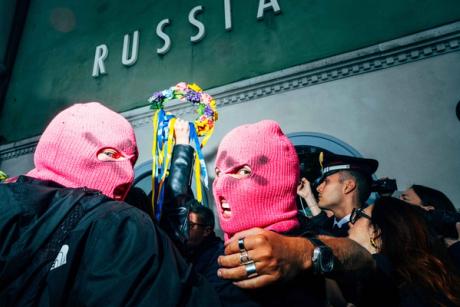
Pussy Riot Storms Russia Pavilion at Venice Biennale

Pussy Riot staged a dramatic protest at the Russia Pavilion during the Venice Biennale, releasing pink smoke and waving Ukrainian flags while chanting slogans like 'Blood is Russia’s art.' Around 50 protesters, including members of Femen, occupied the area. Pussy Riot founder Nadya Tolokonnikova called for the pavilion to be closed and given to oppressed peoples, challenging Biennale president Pietrangelo Buttafuoco to meet her. The protest lasted about 20 minutes, with performers climbing the pavilion and exposing political slogans on their chests.

IA et musées

This issue of Le Journal des Arts covers several major art news stories: the opening of the Venice Biennale amid a tense climate, the final adoption of a French law on the restitution of cultural property looted during colonization, the new V&A East museum targeting younger audiences, the uneven economic benefits of Monet's legacy in Giverny, and the structuring of the Nabis art market.

1,1 milliard de dollars

The Journal des Arts' issue No. 677, dated May 15, 2026, leads with the opening of the Venice Biennale amid a tense climate. Other top stories include the final adoption of a French law on the restitution of cultural property looted during colonization, the V&A East museum's strategy to attract younger audiences, a report on how Monet's legacy in Giverny does not benefit everyone locally, and an analysis of the structuring market for the Nabis artists.

Le coup d’envoi des ventes de New York

Le Journal des Arts' issue n°677 (May 15, 2026) leads with the opening of the Venice Biennale amid a tense climate. Other top stories include the final adoption of a French law on the restitution of cultural property looted during colonization, the V&A East museum's strategy to attract younger audiences, a report on how Monet's legacy in Giverny does not benefit everyone locally, and an analysis of the structuring market for works by the Nabis artists.

Chanel and Guggenheim Launch Transatlantic Curatorial Fellowship

Chanel and the Solomon R. Guggenheim Foundation have announced a new transatlantic curatorial fellowship, set to launch in 2027. The Chanel Culture Fund Fellowship is a one-year program for MA- and PhD-level scholars, who will begin at the Guggenheim Museum in New York before moving to the Peggy Guggenheim Collection in Venice. The announcement coincides with the start of the Venice Biennale, and the open call for fellows will begin this fall. The fellowship includes a stipend and travel support, and is designed to complement the Peggy Guggenheim Collection's existing International Fellowship.

The Short Circuit of Art in Venice. The Tensions at the Biennale Are Not Just Geopolitics

Il cortocircuito dell’arte a Venezia. Le tensioni alla Biennale non sono solo geopolitica

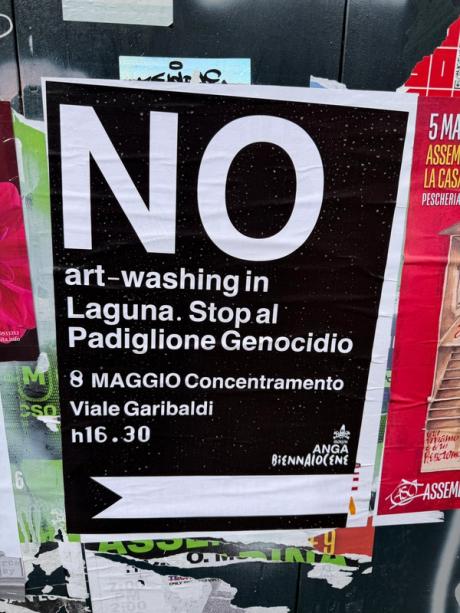
The article analyzes the recent tensions and controversies surrounding the 2026 Venice Biennale, which began with President Pietrangelo Buttafuoco's announcement in March that Russia, Iran, Israel, Ukraine, and Belarus would all be allowed to participate, framing it as a foreign policy gesture. This sparked immediate polarization, leading to two open letters from half the invited artists and curators demanding the exclusion of Russia, Israel, and the United States; the resignation of the jury a week before the opening over a decision to exclude countries under ICC indictment; and a historic strike by workers on May 8 that shut down many pavilions, merging protests against genocide with those against precarious labor conditions.

Working in the Arts: Opportunities from Cascina Lagoscuro, Ministry of Tourism, PhEST, Fundació Joan Miró, C2C Festival

Lavorare nell’arte: opportunità da Cascina Lagoscuro, Ministero del Turismo, PhEST, Fundació Joan Miró, C2C Festival

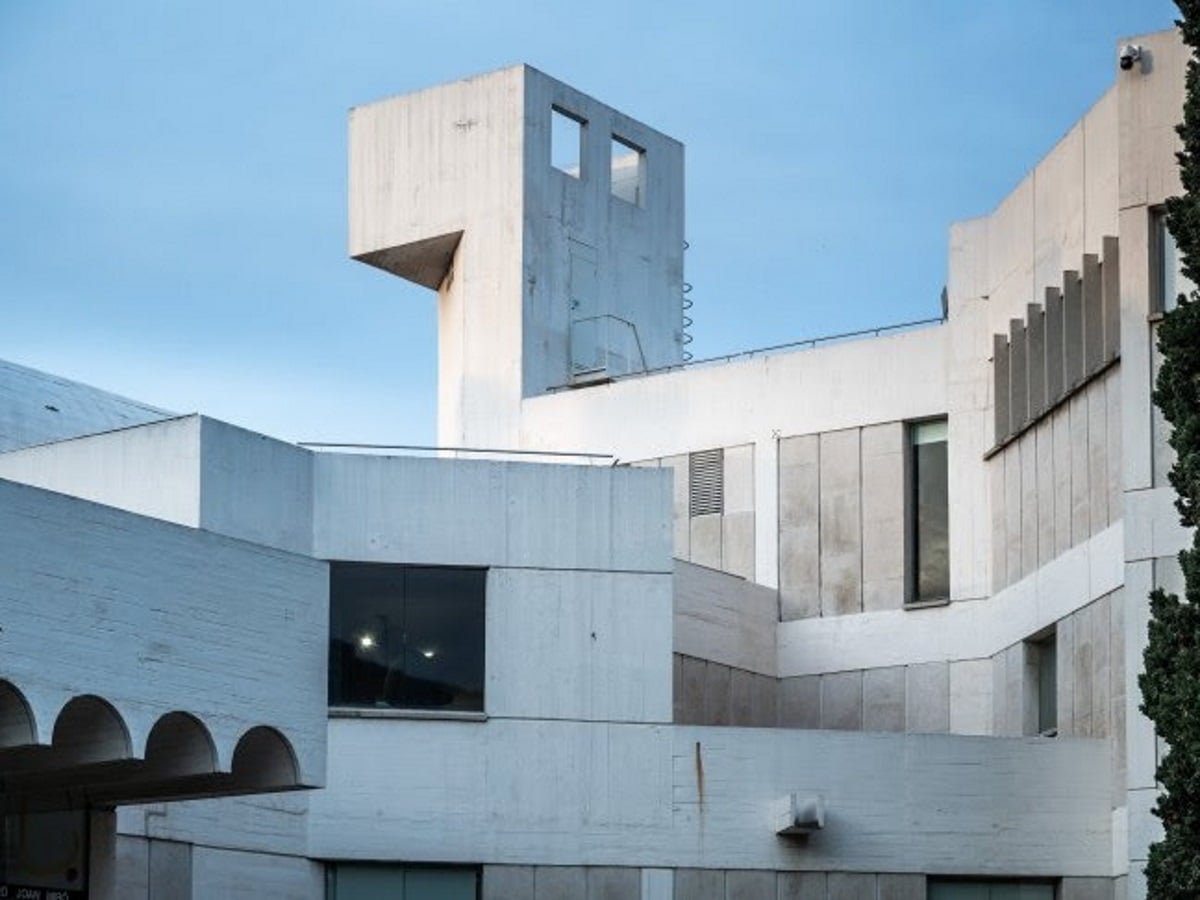
This article from Artribune compiles five current job and opportunity listings in Italy and Europe for creative professionals. The openings include a creative residency at Cascina Lagoscuro (a regenerative farm in northern Italy) for dancers, artists, writers, chefs, designers, educators, artisans, and activists; a national exam for tourist guide certification by Italy's Ministry of Tourism; a pop-up open call for artists and photographers from the PhEST international photography and art festival; a director search at the Fundació Joan Miró in Barcelona; and a curator training program for music curators by C2C Festival.

Le vol du Louvre au cinéma

The Journal des Arts issue n°677, dated May 15, 2026, covers several major art world stories: the opening of the Venice Biennale amid controversy, the final adoption of a French law on the restitution of cultural property looted during colonization, the new V&A East museum targeting younger audiences, the uneven economic impact of Monet tourism in Giverny, and the structuring of the Nabis art market. The issue also includes a feature on the Louvre theft in cinema.

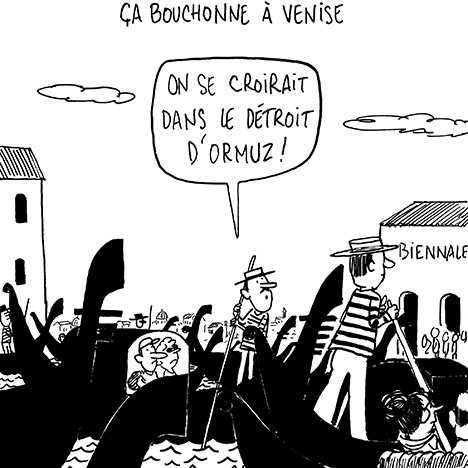
Ça bouchonne à Venise

The latest issue of Le Journal des Arts (No. 677, May 15, 2026) leads with the opening of the Venice Biennale amid a tense climate. Other top stories include the final adoption of a French law on the restitution of cultural property looted during colonization, the V&A East museum's strategy to attract younger audiences, tensions in Giverny over the uneven economic benefits of Monet's legacy, and a market analysis showing the structuring of the Nabis art market.

Major protests take place at Venice Biennale previews

Major protests erupted during the preview days of the Venice Biennale, with multiple demonstrations targeting the Israeli and Russian pavilions. On Wednesday, the Art Not Genocide Alliance (ANGA) held a large protest outside the temporary Israeli pavilion in the Arsenale, attended by over 200 people calling for its closure. Separately, the Solidarity Drone Chorus performed a sound composition by Gazan artist Ahmed Muin, with 60 artists wearing T-shirts bearing names of artists from Gaza. Meanwhile, Pussy Riot and FEMEN protested Russian participation, forcing the Russian pavilion to shut its doors. These actions follow the resignation of the entire Golden Lion jury days before the opening, after they stated they would not consider pavilions from countries whose leaders are charged with crimes against humanity by the ICC—widely seen as a reference to Russia and Israel.

Dark clouds, protests and resignations dampen start of 61st Venice Biennale

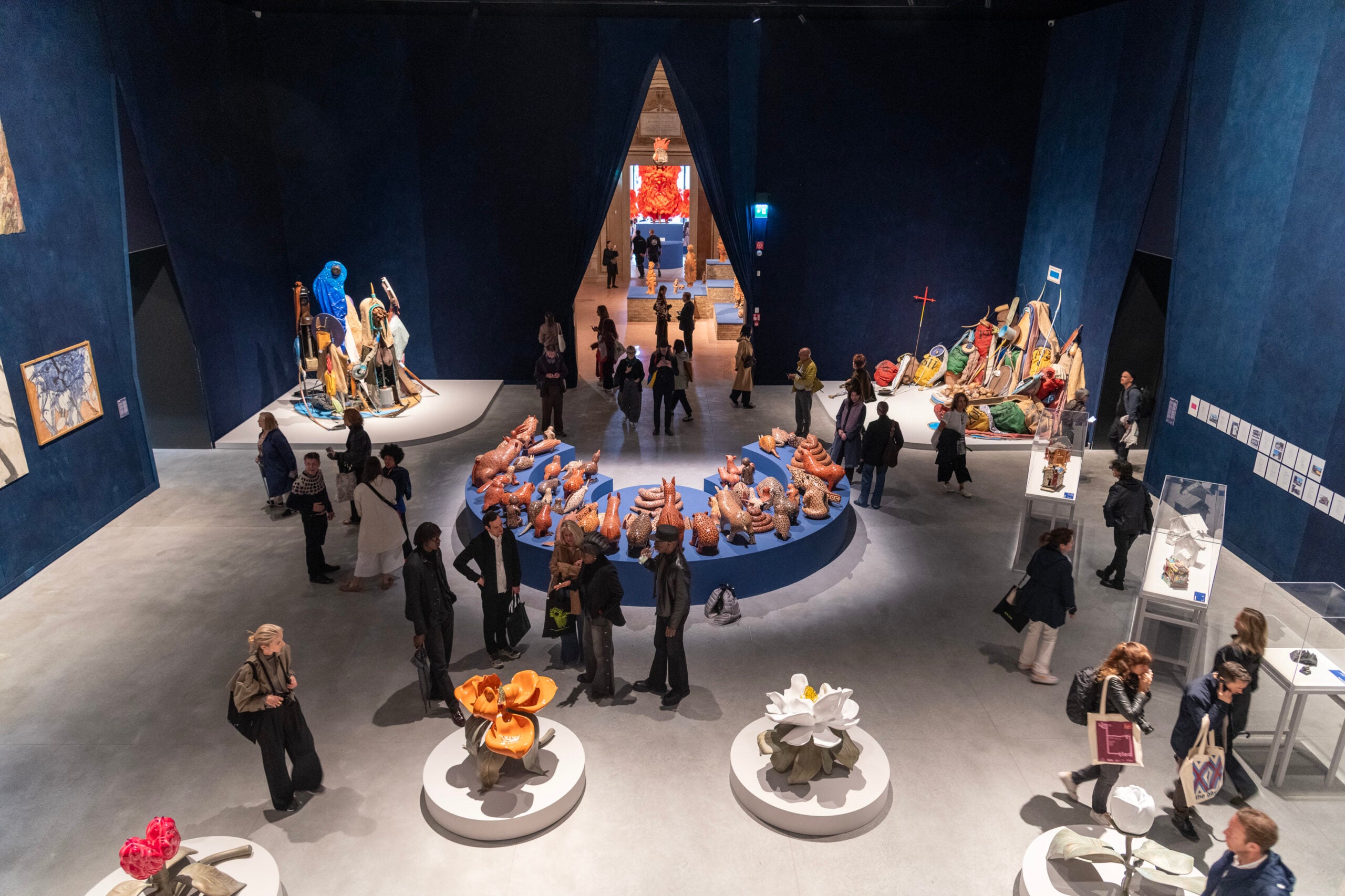
The 61st Venice Biennale opened under grey skies and rain, with political tensions overshadowing the art world's premier event. The Russian pavilion, absent for two editions due to the Ukraine war, reappeared with a party atmosphere, though the Italian ministry of culture confirmed it would not be open to the public. The Ukrainian culture minister called Russia's symbolic presence powerful. The Iranian pavilion withdrew without explanation, and a protest by 60 artists from the In Minor Keys show marched through the Giardini humming in solidarity against Israel's participation. Over 200 artists, including Lubaina Himid and Alfredo Jaar, signed an open letter demanding the Israeli pavilion's cancellation. The event also proceeded without its curator, Koyo Kouoh, who died in May 2025; her curatorial team delivered the exhibition following her plans.

Venice Bound? Here’s All the News You Need to Know About This Year’s Biennale

The 61st Venice Biennale is embroiled in geopolitical controversy over Russia's return to the event in 2026, which has sparked widespread backlash. Nearly 10,000 artists and cultural leaders signed an open letter opposing Russia's participation, and the European Union withdrew €2 million in funding for the 2028 edition. Leaked emails reveal Biennale officials worked with Russian pavilion commissioner Anastasia Karneeva to circumvent EU sanctions, while Italy's culture minister Alessandro Giuli plans to boycott the opening week. Meanwhile, activists continue to push for Israel's removal from the Biennale, though Israel will be accommodated in the Arsenale this year.

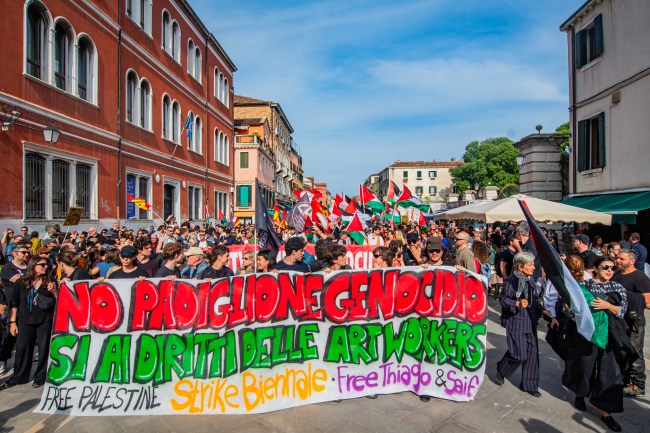
Strike Rocks Venice Biennale Ahead of Public Opening as Pavilions Close

Thousands of protesters marched through Venice to demonstrate against Israel's presence at the Venice Biennale, leading many national pavilions to close in solidarity. Pavilions from Austria, Belgium, Egypt, Japan, the Netherlands, South Korea, and over a dozen other countries shut fully or partially, with some displaying signs reading "We Stand with Palestine." The Israeli pavilion remained closed for its exhibition opening, and armed police clashed with protesters. The main exhibition, curated by Koyo Kouoh, stayed open initially but the Arsenale closed by late afternoon with riot police outside. The 24-hour strike, organized by Art Not Genocide Alliance (ANGA) and Italian activist groups, was described as the largest protest in Biennale history.

THE VENICE BIENNALE IN AN EDITION MARKED BY POLITICAL GAMES

The Venice Biennale's 2024 edition is embroiled in political controversy surrounding its national pavilions, particularly those of Russia, South Africa, and Israel. The Russian pavilion's readmission amid the war in Ukraine drew sharp criticism from the artistic community and led the European Union to withdraw approximately two million euros in funding. The Israeli pavilion, which remained empty in 2024 to protest hostage situations, now features a proposal by sculptor Belu-Simion Fainaru, prompting protests from the Art Not Genocide Alliance and over 200 artists demanding its exclusion. The curatorial team, appointed by the late curator Koyo Kouoh, resigned collectively nine days before the opening, and the Biennale's directorship canceled the opening ceremony, postponing awards to November. Demonstrations led by Art Not Genocide Alliance, Pussy Riot, and FEMEN surrounded the Russian pavilion during the press opening, and a strike by cultural workers is planned for May 8th.

Under pressure, the jury of the 61st Venice Biennale will exclude Russian and Israeli pavilions from the awards

Sous pression, le jury de la 61e Biennale de Venise exclura les pavillons russe et israélien du palmarès

The 61st Venice Biennale, titled "In Minor Keys" and running from May 9 to November 22, 2026, has been embroiled in political controversy after organizers decided to reinstate the Russian pavilion, which had been excluded since Russia's 2022 invasion of Ukraine. Under pressure from the European Commission, which threatened to suspend a €2 million grant, the jury announced it will exclude artists from the Russian and Israeli pavilions from winning prizes, citing that leaders Vladimir Putin and Benjamin Netanyahu face International Criminal Court charges for crimes against humanity. The Russian pavilion will remain closed to the public but open for VIP press previews, while the Israeli pavilion stays open to the public. Italian Culture Minister Alessandro Giuli has refused to attend the opening ceremony in protest.

Dozens of Venice Biennale Artists Stage ‘Drone’ Perfomance in Protest of Israel’s Participation

On the opening day of the Venice Biennale, around 60 artists and dozens of other participants staged a protest titled “Solidarity Drone Chorus” at the Giardini entrance, humming a viral song by Gazan composer Ahmed “Muin” Abu Amsha to sonically occupy the space. The action, organized by artists in the main exhibition over several months, protested Israel’s participation in the Biennale and expressed support for Palestine, with participants wearing T-shirts bearing the names and artworks of Gazan and Palestinian artists, many of whom have been killed. The protest follows an open letter from the Art Not Genocide Alliance demanding Israel’s exclusion.

The Craziest Venice Biennale Ever: One Week Before Opening, the Jury Resigns (The Public Will Decide the Lions!)

La Biennale di Venezia più pazza di sempre: a una settimana dall’apertura si dimette la giuria (I Leoni li deciderà il pubblico!)

The entire international jury of the 61st Venice Biennale has resigned en masse just one week before the opening. The jury, chaired by Solange Oliveira Farkas and including Zoe Butt, Elvira Dyangani Ose, Marta Kuzma, and Giovanna Zapperi, had publicly announced they would not consider countries whose leaders are accused of crimes against humanity by the International Criminal Court—effectively excluding Russia and Israel from the Golden Lion competition. This decision came amid ongoing tensions between Italian Culture Minister Alessandro Giuli and Biennale President Pietrangelo Buttafuoco over Russia's participation, as well as controversy surrounding Israel's presence. After a meeting with Buttafuoco, the jury resigned, leaving the Biennale without a key body to award its top prizes.

Cultural workers at Venice Biennale to strike over Israel’s participation

Cultural workers and participants at the Venice Biennale plan to strike on 8 May during the opening week of the 61st edition, protesting Israel’s participation in the event. The strike, organized by the Art Not Genocide Alliance (ANGA) and supported by Italian trade unions, includes a rally near the Arsenale site. ANGA previously sent a letter signed by over 230 artists and curators demanding the cancellation of the Israeli pavilion, citing opposition to "genocide normalisation in culture" and precarious labor conditions. Israel is represented this year by sculptor Belu-Simion Fainaru, who opposes cultural boycotts.

Italian culture minister will not attend opening of Venice Biennale

Italian culture minister Alessandro Giuli has announced he will not attend the opening of the Venice Biennale next week, protesting Russia's involvement in the exhibition. Russia, which has a permanent pavilion in the Giardini, has been absent from the Biennale since 2022 but is returning this year, sparking widespread criticism. The European Union recently cut its €2 million grant to the Biennale following Russia's return, and Golden and Silver Lion jurors have stated they will not consider pavilions from countries whose leaders are charged with crimes against humanity by the International Criminal Court, effectively excluding Russia.

Biennale’s Kazakh Pavilion Roiled by Controversy after Artwork Fails to Make It on View

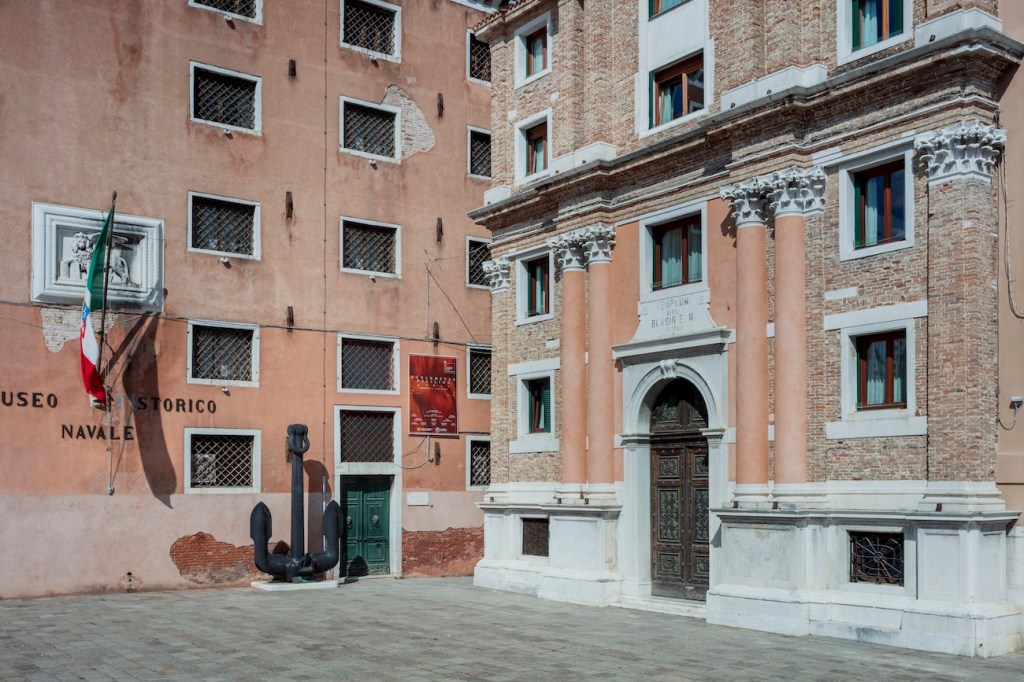
Controversy has erupted at the Kazakhstan pavilion of the Venice Biennale after artist Äsel Kadyrhanova's multimedia installation *Machine* (2013), which addresses Stalin-era repression in Kazakhstan, was dismantled before the exhibition opened. An open letter published on e-flux, signed by prominent Kazakhstani art community members, alleges the work was removed on May 5 on orders from the nation's Ministry of Culture or pavilion organizers. The pavilion's curator, Syrlybek Bekbota, claims he personally made the decision to dismantle the work after negotiations with the artist failed, citing contractual restrictions from the venue, the Museo Storico Navale di Venezia, which prohibits "political, ideological," or "propagandistic" content. The venue's management company, D'Uva, denies any role in the removal, while the project's co-commissioner, Danagul Tolepbay, disputes the accuracy of the open letter's claims.

Russia's Venice Pavilion to Close to the Public in Compliance With Sanctions

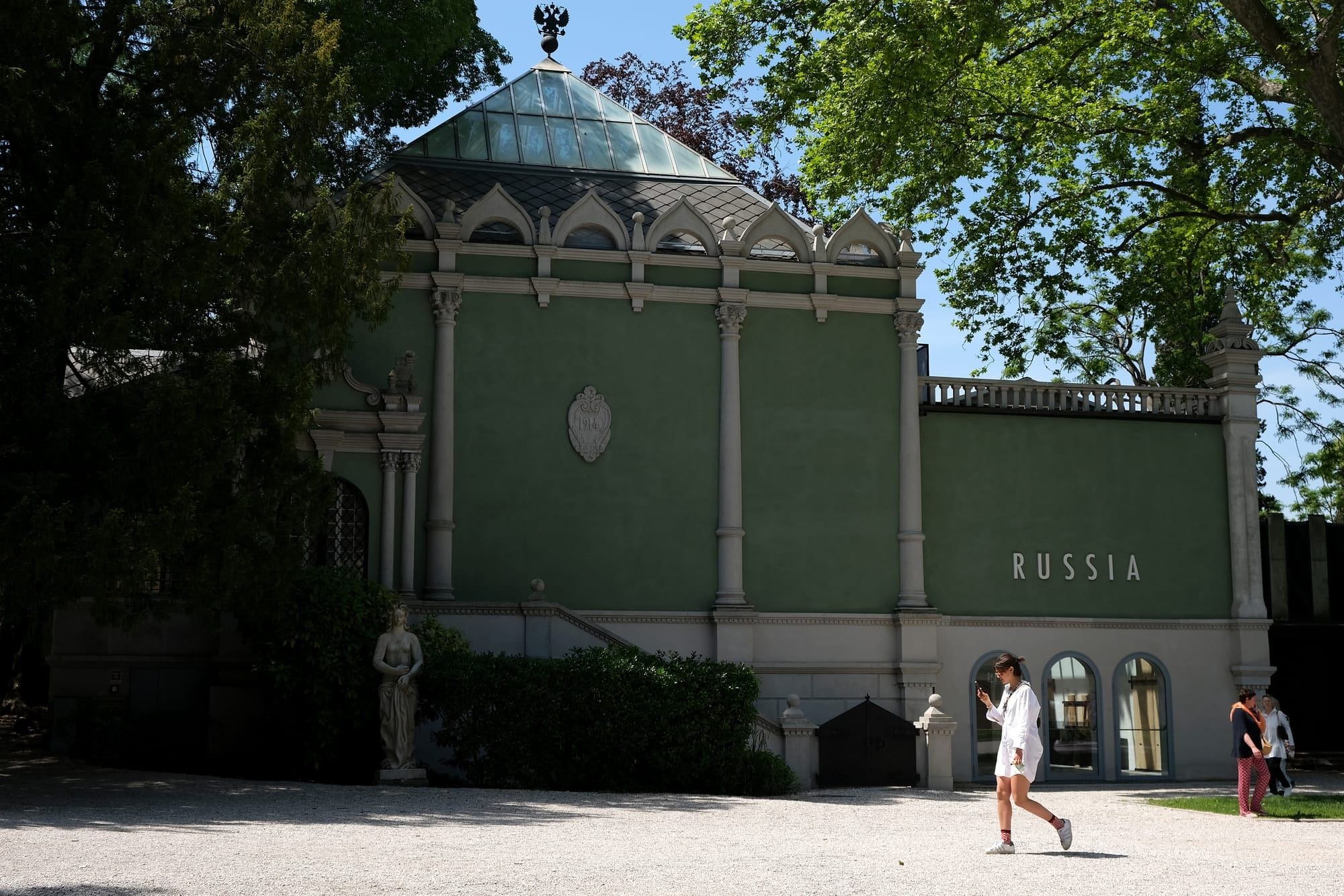
Russia will return to the 61st Venice Biennale with its national pavilion, but the exhibition will only be physically open to the press and select guests during the vernissage dates of May 5–8. From May 9 onward, the pavilion will remain closed to the public, with multimedia documentation of performances displayed on screens at the windows. The arrangement follows leaked emails among Biennale Foundation President Pietrangelo Buttafuoco, General Director Andrea Del Mercato, and Russian Pavilion Commissioner Anastasia Karneeva, revealing efforts to comply with EU sanctions while still allowing Russia's participation after two consecutive absences since its invasion of Ukraine.

Jury for Venice Biennale's art prize resigns after refusing to recognise Israeli, Russian artists

The international jury of the 61st Venice Biennale art exhibition resigned just over a week before the May 9 prize ceremony, after announcing they would not consider artists from countries whose leaders face International Criminal Court charges—an apparent reference to Russia and Israel. The jury included president Solange Farkas, Zoe Butt, Elvira Dyangani Ose, Marta Kuzma, and Giovanna Zapperi. In response, the Biennale established two Visitors’ Lions to be awarded by ticket-holder vote, postponed the awards to November 22, and reaffirmed that all national participations remain eligible, effectively reinstating Russian and Israeli artists.

Sécurité dans les musées

This issue of Le Journal des Arts (No. 676, May 2, 2026) covers a range of visual art news: the Whitney Biennial's perceived neutrality, the increasing complexity of art taxation in 2025, an interview with Bourges mayor Yann Galut about scaling back the Bourges 2028 project, the opening of a contemporary gallery at Angers Cathedral, the abandonment of the Frigos artist site in Paris, and a profile of auctioneer Hubert L'Huillier.

Biennale, rules announced for Visitor's Lion. But dozens of artists withdraw

The Venice Biennale has announced the voting rules for the new Visitors' Lion awards, which replace the traditional Golden Lions after the original jury resigned before the opening. On the same day the popular voting opened, dozens of artists from the central exhibition 'In Minor Keys' and several National Pavilions announced their withdrawal from the competition in solidarity with the resigned jury, releasing a statement via e-flux on May 9, 2026. The voting system requires visitors to have attended both the Giardini and Arsenale venues, with anonymous voting open until November 22, 2026.