filter_list Showing 101 results for "archaeology" close Clear
search
dashboard All 198 article news 101museum exhibitions 52article policy 11gavel restitution 10article local 9article culture 8person people 3trending_up market 2rate_review review 1candle obituary 1
date_range Range Today This Week This Month All
Subscribe

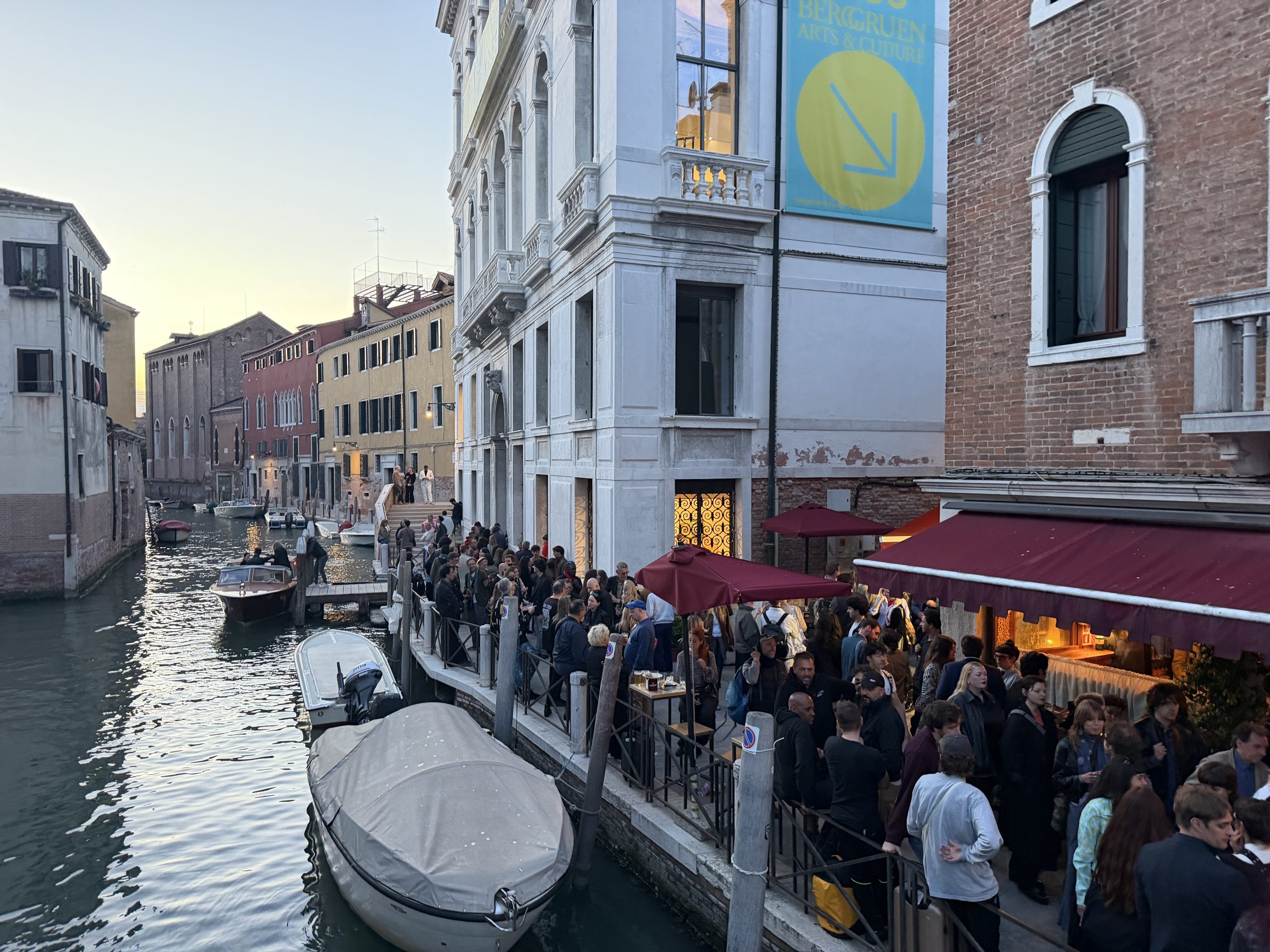
Who Went to Venice Last Week? Jenny Saville, Glenn Lowry, Jewel, and Many Other Power Players

Artnet News reporter Katya Kazakina recounts her experience at the opening week of the 61st Venice Biennale, describing a whirlwind of art, parties, and chance encounters. Notable figures spotted include former MoMA director Glenn Lowry, singer-songwriter Jewel (who debuted her visual art show "Matriclysm: An Archaeology of Connections Lost"), and Japanese Nintendo heir and collector Banjo Yamauchi. High-profile events included Thaddaeus Ropac gallery's reception for Georg Baselitz's final paintings (priced up to $1.5 million) and François Pinault's annual party at Fondazione Giorgio Cini, attended by Selma Hayek, Lorna Simpson, and JR. The article also highlights the social dynamics of the biennale, where dealers, curators, and collectors network across historic palazzos and hotels.

Despite Uncertainty, Gulf Art World Projects Normalcy

Galleries and museums in Gulf states like the UAE, Qatar, and Saudi Arabia are reopening and projecting normalcy despite the ongoing US-Israel war on Iran, which has entered its fourth week. Major events like Art Dubai have been postponed, and institutions like the Sharjah Art Foundation have delayed gatherings, but many cultural venues are operating with adjusted formats or by appointment.

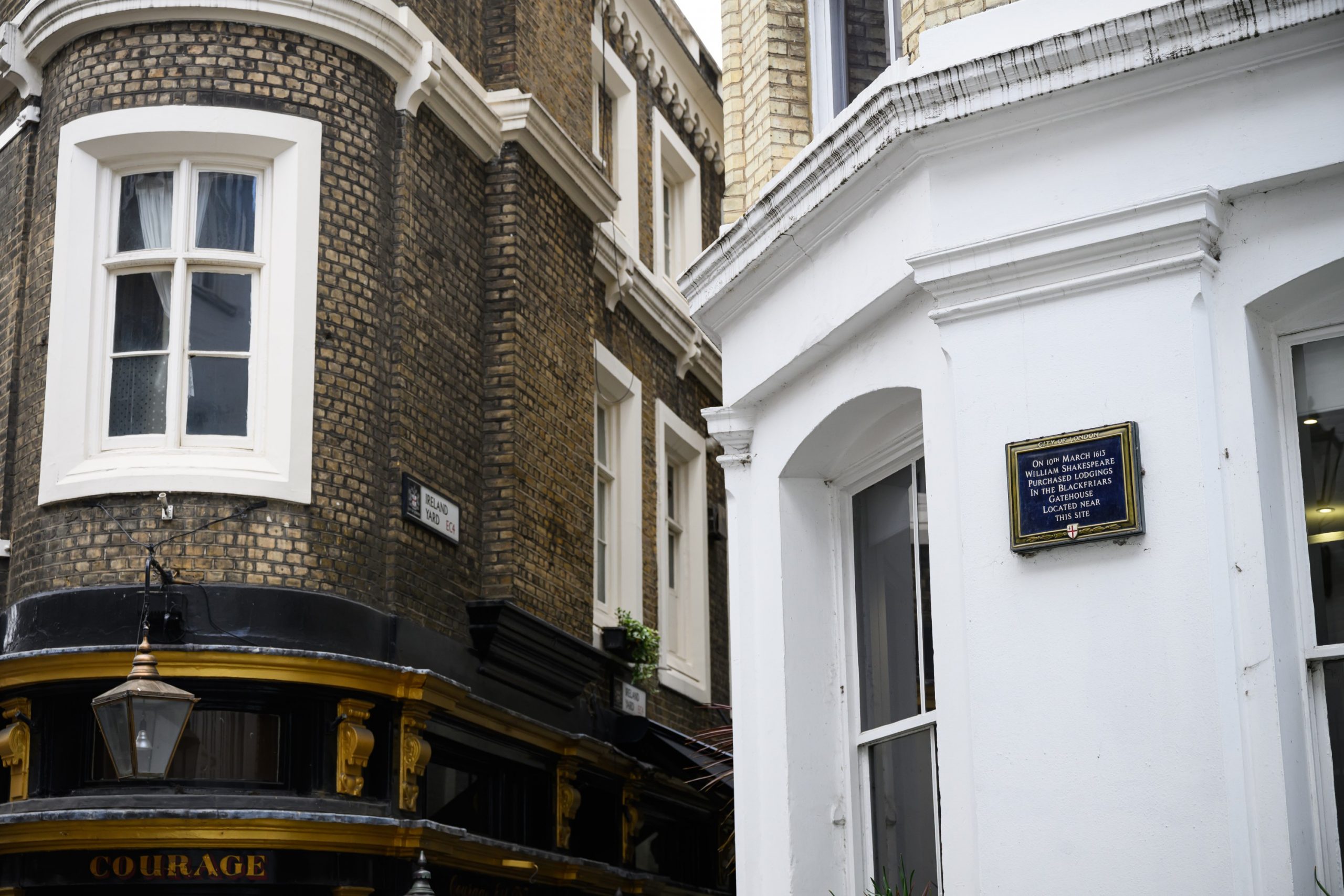
Shakespeare’s London Home Finally Located After Centuries of Mystery

Scholar Lucy Munro of King’s College London has identified the precise location of William Shakespeare’s only owned London home in the Blackfriars neighborhood. By analyzing a 1668 property map created after the Great Fire of London, Munro pinpointed the site—now occupied by Ireland Yard and St. Andrew’s Hill—which was previously known only through vague historical references to the Blackfriars Gatehouse.

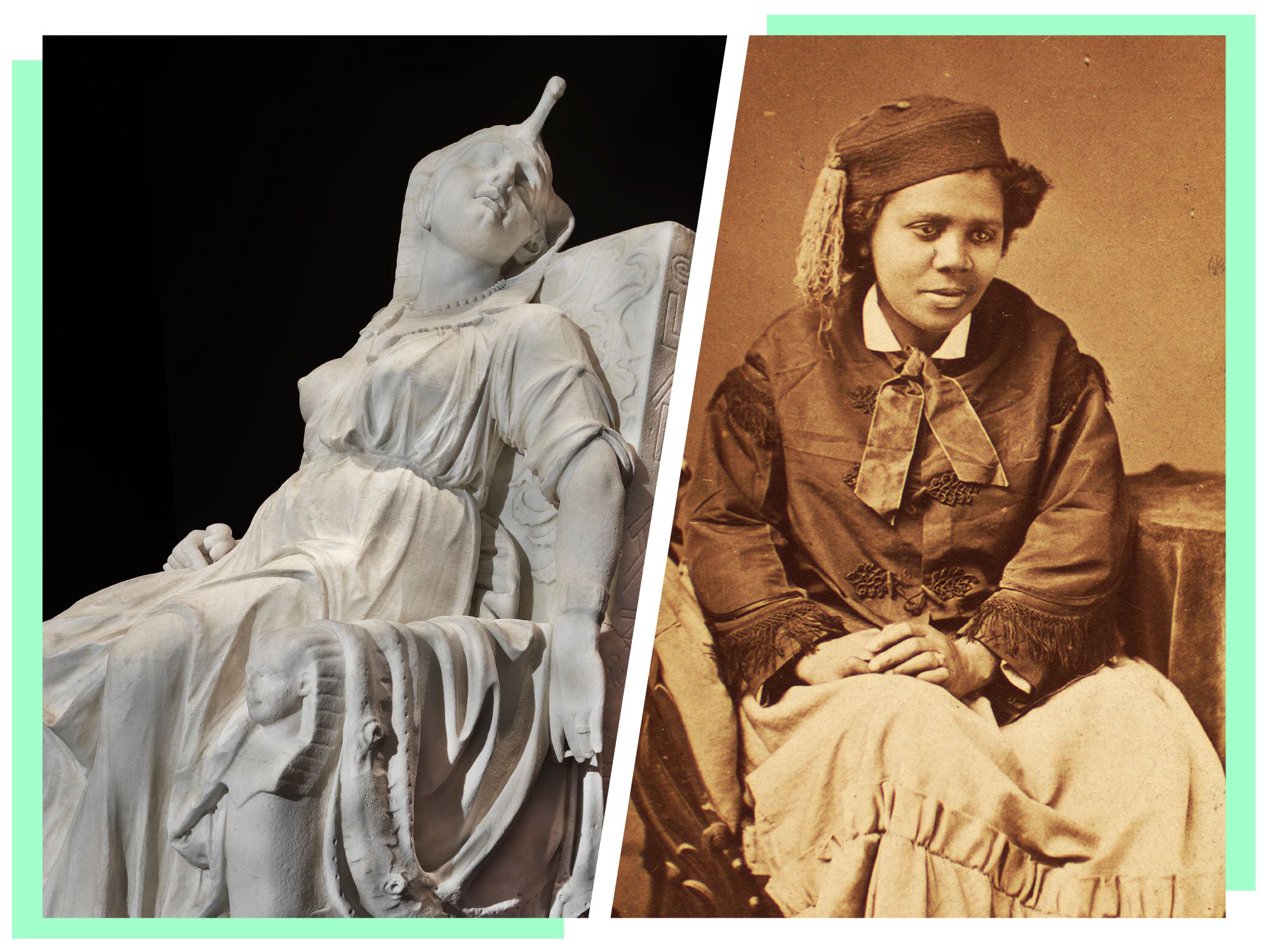
the hunt edmonia lewis death of cleopatra statue

Edmonia Lewis’s monumental marble sculpture, 'The Death of Cleopatra', debuted to massive acclaim at the 1876 Centennial Exhibition in Philadelphia before vanishing into a bizarre century-long obscurity. After failing to sell, the two-ton masterpiece transitioned from Chicago saloons to a racetrack—where it served as a grave marker for a horse—and eventually sat neglected at a shopping mall construction site, exposed to vandalism and the elements.

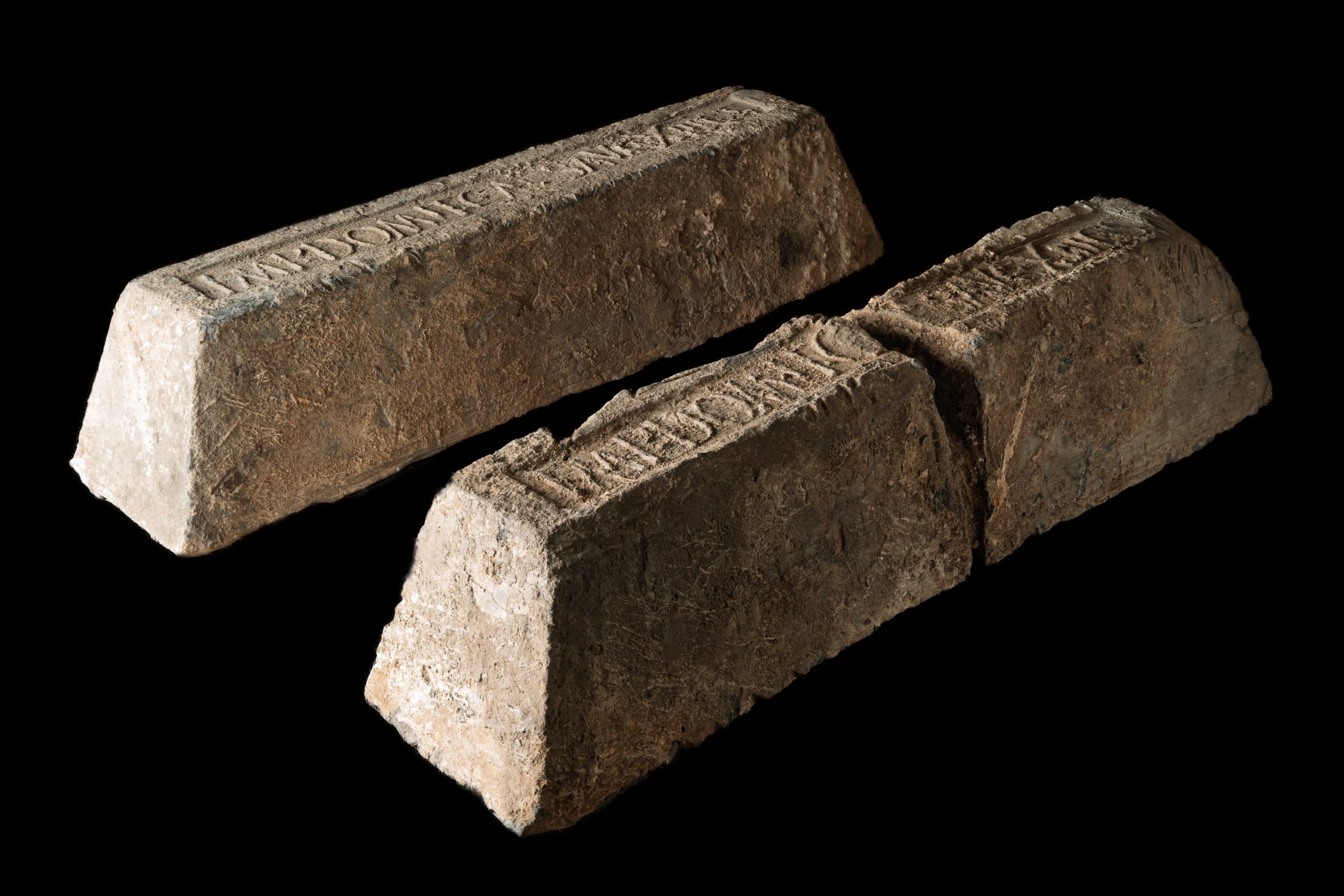
roman ingots found ceredigion wales

Metal detectorists Nick Yallope and Peter Nicolas discovered two rare Roman lead ingots, or 'pigs,' in the community of Llangynfelyn, West Wales. Dated precisely to 87 C.E. during the reign of Emperor Domitian, the artifacts were found buried approximately 1.5 feet underground. Following a geophysical survey by the archaeology trust Heneb, the finds were officially declared treasure under the U.K.’s Treasure Act, marking a significant addition to the region's archaeological record.

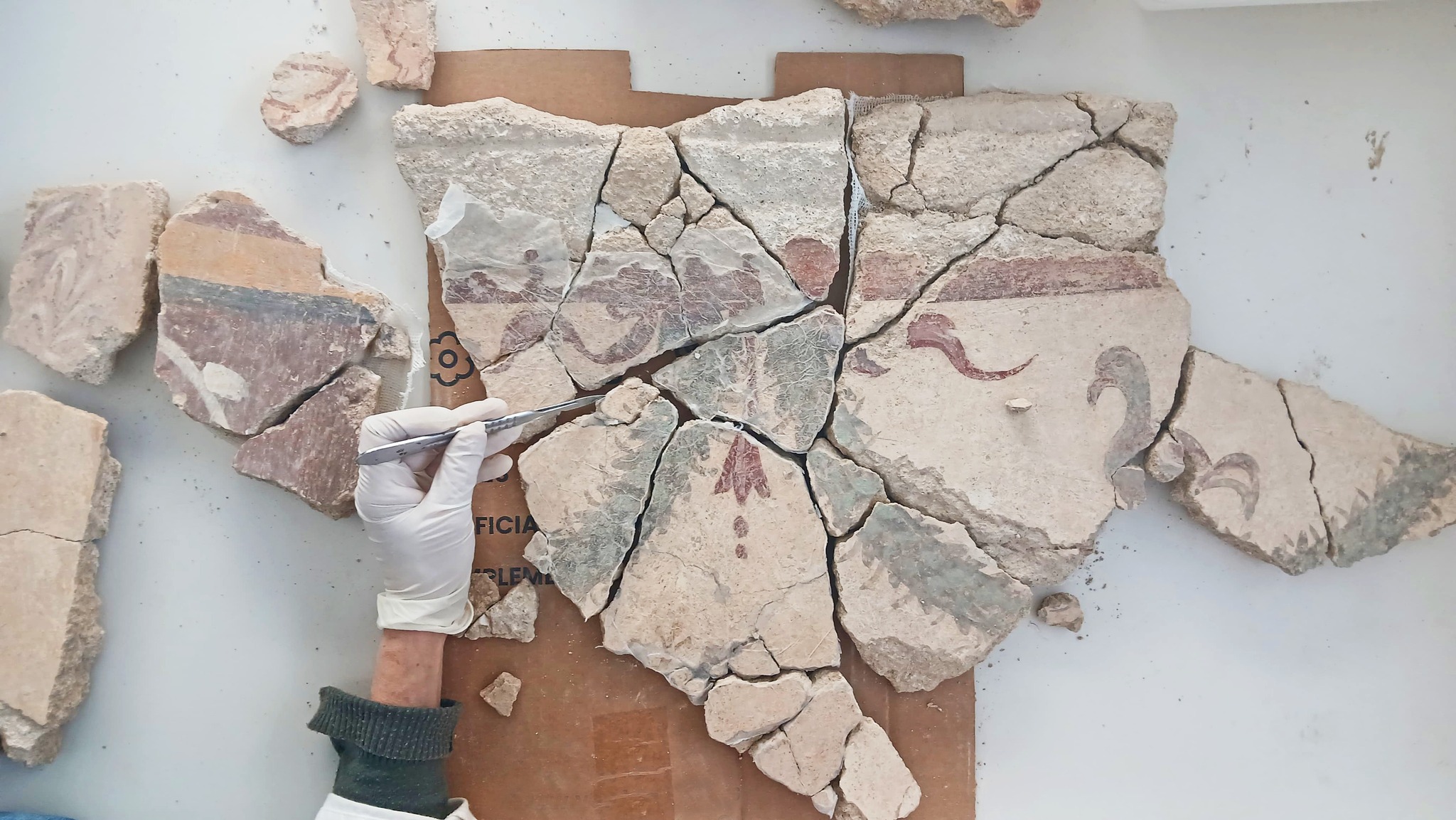
roman villa villajoyosa wall fragments

Archaeologists in Villajoyosa, Spain, have uncovered over 4,000 fragments of painted wall plaster from the Roman villa of Barberes Sud, a palatial complex dating to the reign of Emperor Trajan (98–117 C.E.). The fragments were found in a collapsed room, and the team from the Alebus Historical Heritage Company and the Municipal Archaeology Service has catalogued and photographed each piece to enable digital reconstruction. At the Vilamuseu restoration laboratory, 22 fragments have already been reassembled into a panel featuring floral garlands, birds, and painted moldings.

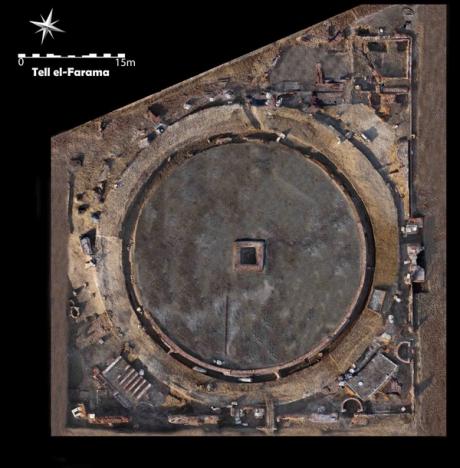
Ruins of ‘unique’, circular water temple discovered in Egypt

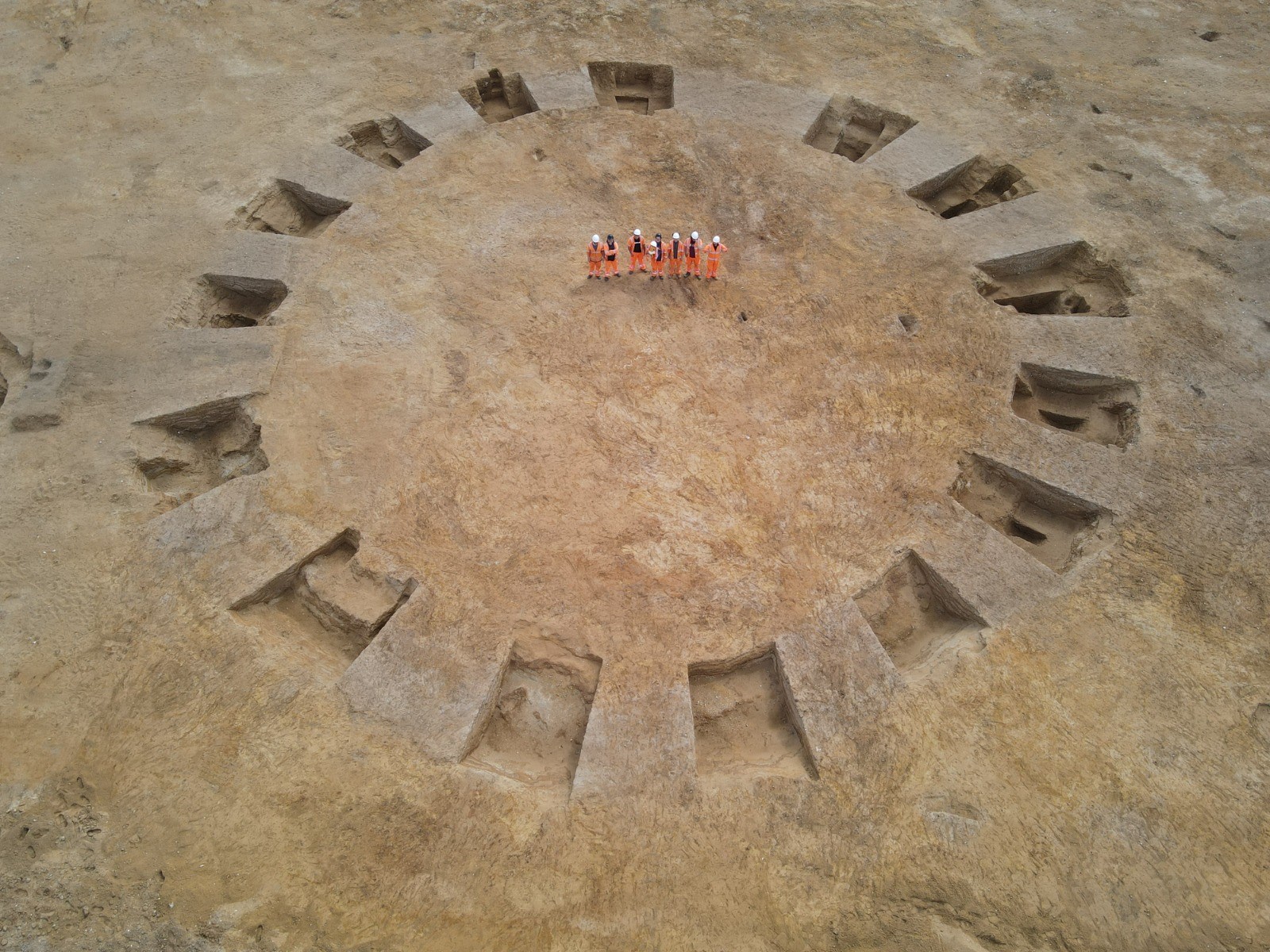
Archaeologists in northern Sinai have unearthed the ruins of a unique circular water temple at the site of ancient Pelusium, dating back to the second century. Initially mistaken for a political senate building, the structure features a 35-meter wide basin and brick walls characteristic of Roman construction, suggesting it was used for religious rituals linked to the local fertility god Pelusius.

Prehistoric Stone Altar with Human Remains Discovered in Central Mexico

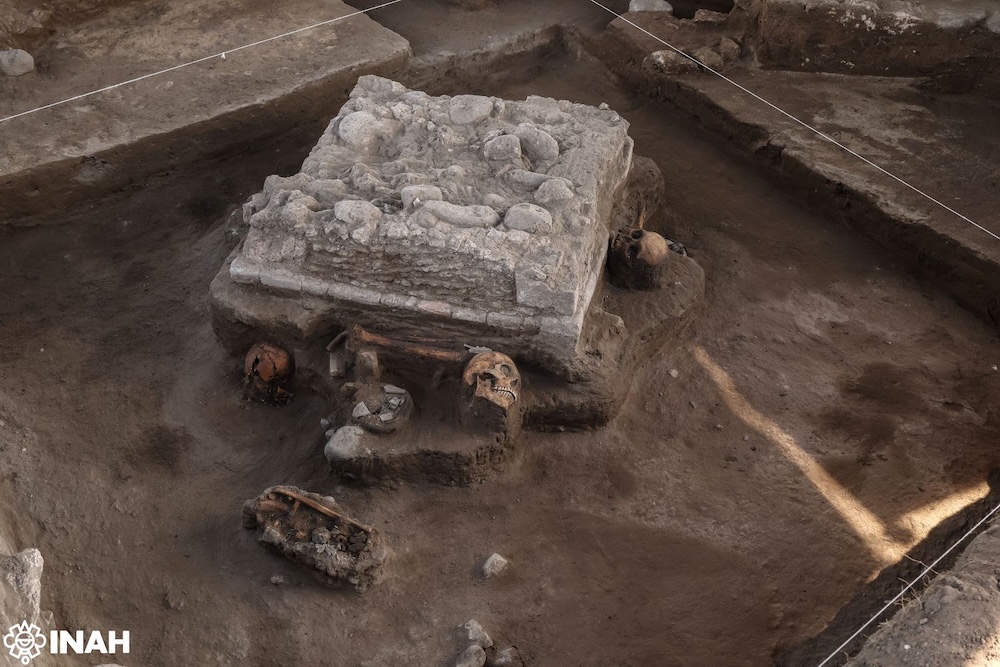
Archaeologists conducting salvage work for a new passenger train line between Querétaro and Mexico City have unearthed a 1,000-year-old Toltec stone altar. Located within the Tula Archaeological Monument Zone in Hidalgo, the three-level structure was found alongside four human skulls, long bones, a black ceramic bowl, and obsidian blades. Preliminary assessments by the National Institute of Anthropology and History (INAH) suggest the remains belong to individuals offered as ritual sacrifices.

1,000-year-old Toltec altar with four human skulls found in Mexico

Archaeologists from Mexico’s National Institute of Anthropology and History (INAH) have discovered a 1,000-year-old Toltec altar during salvage work for a new high-speed rail line between Mexico City and Querétaro. The stone structure, known as a momoztli, dates back to AD 900-1150 and was found with four human skulls and leg bones arranged at its base, suggesting ritual or sacrificial use. Located near the ancient site of Tula Chico, the find also included ceramic objects and obsidian artifacts within a compound likely belonging to the local elite.

Large Roman Villa Uncovered in the U.K. During Wind Farm Survey

Archaeologists conducting surveys for an offshore wind farm project in Norfolk, England, have discovered a significant Roman villa dating back to the 1st through 3rd centuries C.E. The expansive estate, which measures over 100 feet in length, featured a bathhouse, a covered porch, and ancillary buildings for crop processing. Excavations also yielded high-status artifacts including an ornate bronze door handle, a lion-headed furniture foot, and imported pottery, alongside evidence of a Roman road and two lost medieval villages.

500-year-old Aztec ritual offering uncovered in Mexico City

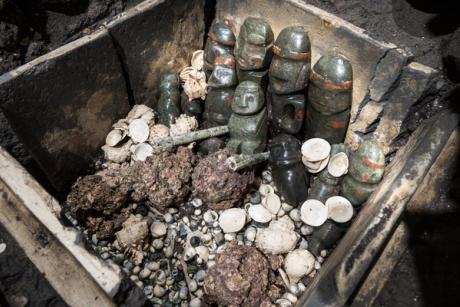
Archaeologists from Mexico's National Institute of Anthropology and History have uncovered a 500-year-old Aztec ritual offering at the Templo Mayor site in Mexico City. The discovery consists of six volcanic stone boxes containing greenstone sculptures, thousands of marine shells, copal spheres, and pendants, all forming a complete ceremonial assemblage from the reign of Emperor Moctezuma I (1440-1469).

record archeological finds metal detecting british public

The British Museum announced that 2024 was a record year for archaeological discoveries made by the public in the UK, with 79,616 finds recorded. Of these, 1,540 were classified as "treasure" under the 1996 Treasure Act, the highest number ever in a single year and the third consecutive record-breaking year. Ninety-four percent of the discoveries were made by metal detectorists. The figures come from the Portable Antiquities Scheme (PAS), a project jointly managed by the British Museum and Amgueddfa Cymru–Museums Wales. Notable finds include a hoard of silver pennies from Harold II's reign, a Roman vehicle fitting with a panther and severed human head, and early medieval gold and silver objects.

bad bunny backlash artifact mexico museum

Bad Bunny, the Puerto Rican musician, touched a Mayan stela on display at the National Museum of Anthropology in Mexico City and posted an image of the act on Instagram. Mexico’s National Institute of Anthropology and History (INAH) publicly reprimanded him, stating that physical contact with archaeological property is prohibited and that security staff had repeatedly warned him. The post has since been deleted.

palace of westminster dig 6000 years history

Archaeological excavations at the Palace of Westminster in London have uncovered Neolithic flint tools and flakes dating back over 6,000 years, predating the earliest mounds at Stonehenge. The digs, led by the Museum of London Archaeology and overseen by the Houses of Parliament Restoration and Renewal Delivery Authority (R&R), also revealed the remains of Lesser Hall, a 12th-century royal dining space, along with Roman altar fragments, medieval tiles, and 19th-century artifacts. The excavations, running through 2026, are part of a £13 billion restoration project addressing the Palace's deteriorating condition.

mowaa archeological project findings benin city nigeria

The Museum of West African Art (MOWAA) in Benin City, Nigeria, will open its MOWAA Institute next week, the first completed building of a planned 15-acre campus that will also include the Rainforest gallery and other facilities by 2028. In advance of the opening, Antiquity magazine published an updated report on the MOWAA Archeological Project (2022–2024), a collaboration among MOWAA, the British Museum, and Nigeria’s National Commission for Museums and Monuments, with Cambridge Archaeological Unit and Wessex Archaeology as delivery partners. The excavations, the first at the royal palace complex since the 1960s, used both digs and ground-penetrating radar, with radiocarbon dating revealing artifacts spanning from before the Benin Kingdom through its collapse and colonial and postcolonial eras.

bust of egyptian goddess satala turkey

Archaeologists excavating the ancient Roman military stronghold of Satala in northeastern Turkey have unearthed a bronze bust of the Egyptian goddess Isis. The eight-inch-tall sculpture, found in a necropolis, dates to the 2nd or 3rd century CE and depicts Isis atop a circular base with calyx-shaped leaves. The discovery was led by Elif Yavuz Çakmur of Karadeniz Technical University and marks the first sculpture found at the site since the Satala Aphrodite was unearthed in 1872.

egyptian tomb reopens two decade renovation

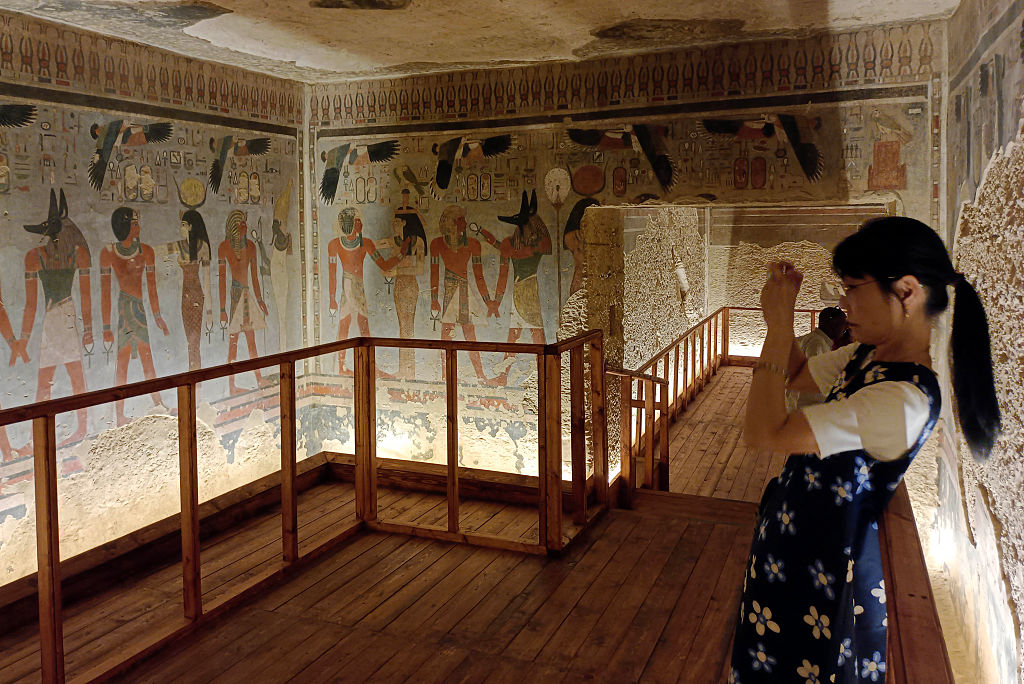
The tomb of Pharaoh Amenhotep III, one of the largest in Egypt's Valley of the Kings, has reopened to the public after a 20-year renovation led by a team from Waseda University in Tokyo. Discovered in 1799 by French engineers and looted in antiquity, the tomb features newly restored wall paintings depicting the pharaoh with ancient Egyptian gods, the structural frame of his sarcophagus, and burial chambers for his two wives. The reopening took place on October 4, 2025.

unknown roman matron identified chersonesos taurica crimea

Researchers have identified a marble statue head unearthed in 2003 in Chersonesos Taurica, an ancient Roman colony in Crimea, as depicting a Roman matron named Laodice. The discovery, published in the journal Nature, was made by scientists at Poland's Adam Mickiewicz University, who matched the head to an inscribed pedestal found in the archives of the Archaeological Museum in Odessa, Ukraine. Laodice was the wife of city councilman Titus Flavius Parthenokles and was honored with the statue around 140 CE, when the city was granted eleutheria (self-governing status). The statue, carved from Parian marble and originally over six feet tall, is one of only five marble sculpture fragments found at the site in 200 years.

ancient ceramics found preserved in shipwreck turkey

Hundreds of ancient ceramics from the Late Hellenistic-Early Roman Period have been discovered perfectly preserved in a shipwreck off the coast of Adrasan, Turkey. The cargo ship, dating back approximately two thousand years, contained plates, trays, and bowls stacked inside one another with raw clay, which protected their original colors and patterns. Turkish Minister of Culture and Tourism Mehmet Nuri Ersoy visited the site and announced the finds as part of the ministry's 'Heritage of the Future' project, which aims to accelerate archaeological excavations.

inside grand egyptian museum

The Grand Egyptian Museum (GEM) in Cairo has delayed its official opening again, now expected in the fourth quarter of 2025, due to regional conflicts including the Israel-Iran war. Originally proposed in 1992 and under construction since 2002, the $1 billion museum has faced repeated setbacks from the Arab Spring, the pandemic, and wars in Gaza and Sudan. When it opens, it will showcase over 100,000 artifacts, making it the largest archaeological museum in the world, with the Tutankhamun galleries as its centerpiece featuring over 5,398 objects from the pharaoh's tomb.

1000 year old sword intact river netherlands

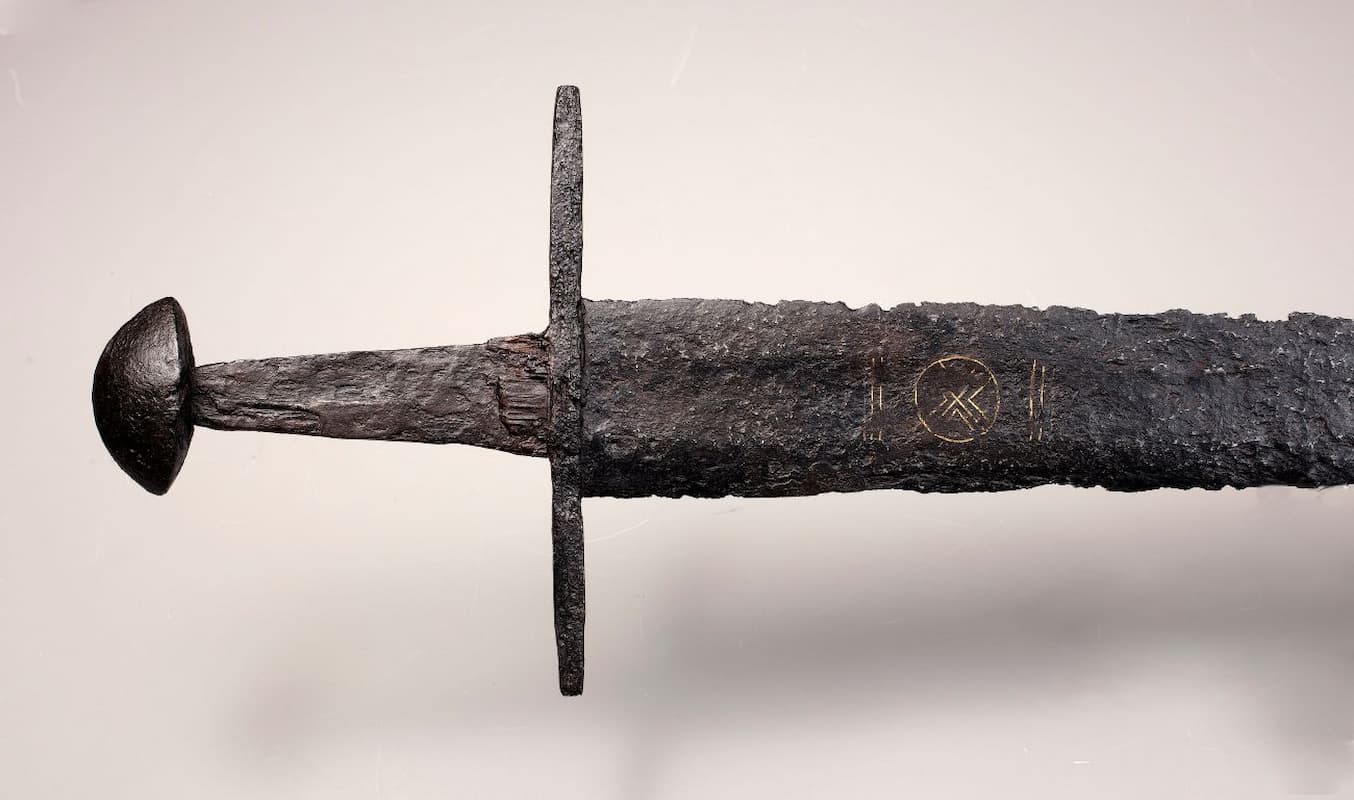
Construction workers discovered a 1,000-year-old sword in the Korte Linschoten River on a private estate in the Netherlands in March. The blade, forged between 1050 and 1150 C.E., features a Brazil-nut-shaped pommel and copper wire inlays of spiritual symbols. After conservation, it was donated to the Rijksmuseum van Oudheden in Leiden, where it is now on free public view through August.

assyrian king ashurbanipal relief nineveh

A team of archaeologists from Heidelberg University has uncovered a monumental stone relief in Nineveh, Iraq, depicting King Ashurbanipal flanked by two major Assyrian gods, Ashur and Ishtar, along with demigods. The 2,600-year-old relief, measuring nearly 20 feet across and 10 feet high, was found buried in a pit at the northern palace, a site first excavated in the 19th century by Austen Henry Layard. The discovery is part of the Heidelberg Nineveh Project, launched in 2018 after the liberation of Mosul from the Islamic State.

sutton hoo bromeswell bucket not bucket

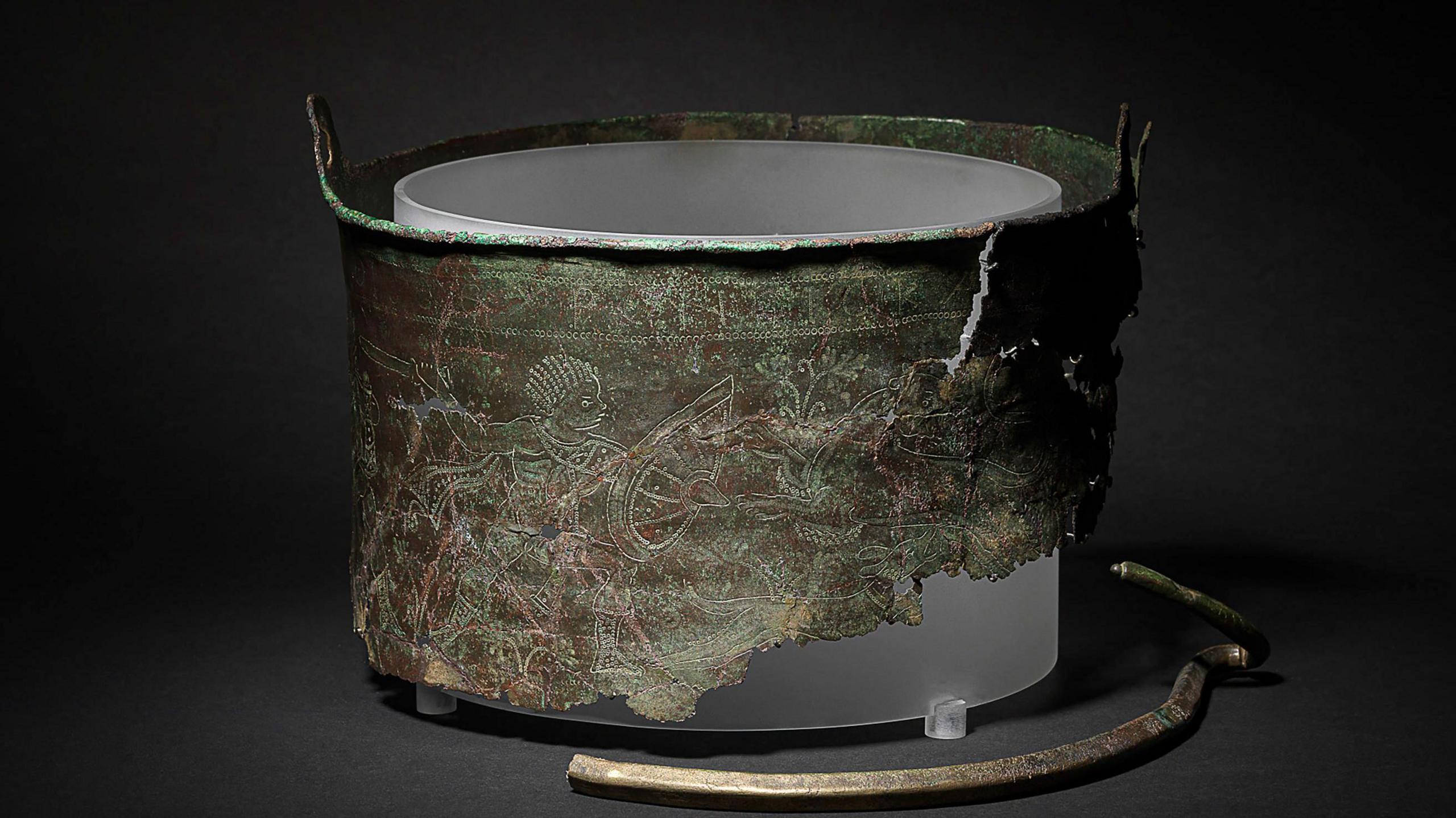
Archaeologists have discovered the base of the Bromeswell Bucket, a Byzantine-era vessel from Sutton Hoo in Suffolk, U.K., revealing that it was used as a cremation urn. The bucket, first found in fragments in 1986, 2012, and 2023, features a hunting scene and a Greek inscription. Excavations by the TV program Time Team, the National Trust, FAS Heritage, and volunteers uncovered the base, which contained cremated human and animal remains, including a skull and talus, as well as bones from an animal larger than a pig. The remains were likely stored in a bag, confirming the bucket's funerary purpose.

monumental relief last assyrian ruler unearthed nineveh

A team of German archaeologists from Heidelberg University has uncovered a monumental stone relief in the throne room of the North Palace of King Ashurbanipal at Nineveh, near Mosul, Iraq. The slab, measuring 5.5 meters long and 3 meters high and weighing 12 tons, depicts the last great Assyrian ruler alongside the deities Ashur and Ishtar, as well as a mythological fish genius. The discovery was announced by Professor Aaron Schmitt, who noted that no other known Assyrian palace reliefs feature major deities, making this find exceptional. The excavation is part of the Heidelberg Nineveh project, ongoing since 2018.

archeologists uncover vitruvius basilica italy

Italian officials announced the discovery of a 2,000-year-old basilica attributed to the ancient Roman architect Vitruvius, uncovered in the town of Fano (ancient Fanum Fortunae) and completed in 19 BCE. The structure, the only known building by Vitruvius, was found using his own descriptions from the treatise *De architectura*, with archaeologists led by Andrea Pessina confirming an "absolute match" after locating columns exactly where predicted. The discovery was hailed by Italy's culture minister Alessandro Giuli as "the Tutankhamun of the 21st century."

mural rialto venice restoration

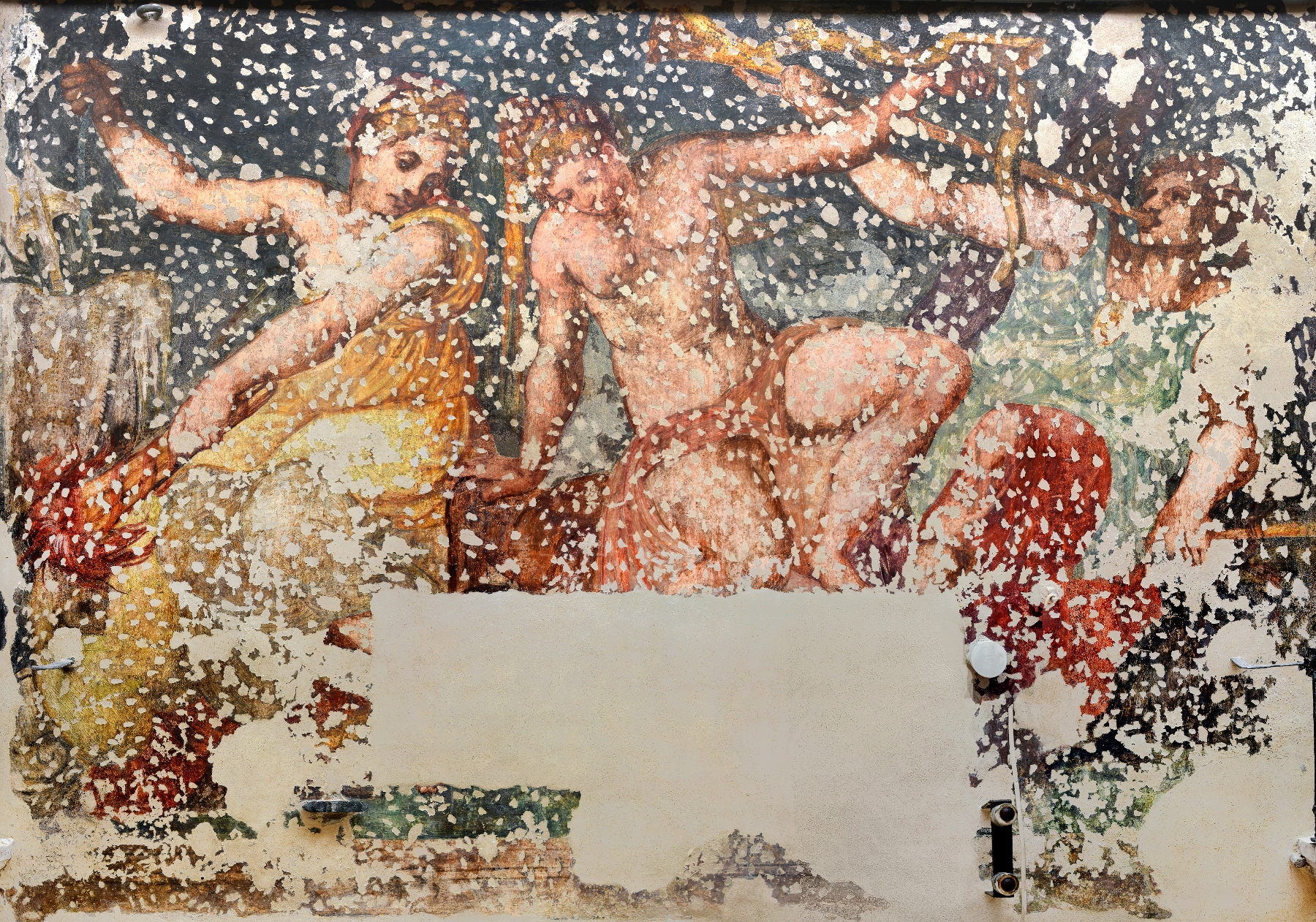
A rare 16th-century mural has been discovered on an apartment building near the Rialto Bridge in Venice, hidden for centuries beneath layers of plaster. The painting, featuring three life-sized allegorical figures by an unknown artist, was uncovered during a routine restoration of the building on Riva del Ferro. After being reported to Venice’s Superintendency for Archaeology, Fine Arts, and Landscape, a major restoration project was undertaken by the private company Seres srl. Conservators cleaned the heavily deteriorated work, removing dirt, calcium oxalates, and a modern convenience store sign, revealing the mural's vivid palette and dynamic composition.

museums in tehran and tel aviv move to safeguard their collections

Iran and Israel have taken urgent steps to protect their cultural heritage amid escalating military hostilities, including air strikes on Tehran and Tel Aviv. Iran's Cultural Heritage Organization transferred museum artifacts to secure storage and closed all museums and heritage sites, with deputy minister Ali Darabi directing custodians to follow crisis protocols. Israeli institutions, including the Israel Museum in Jerusalem and the Tel Aviv Museum of Art, removed artworks from display to underground facilities and closed indefinitely, following Iran's retaliatory strikes on Tel Aviv.

Museum Moves 1 – 7 May 2026

Tate has appointed Daisy Desrosiers as its Britton Family Curator at Large, North America, based in the US, focusing on developing North American art in Tate’s collection through research and acquisitions. Meanwhile, Lycia Lobo, chief operating officer at the Design Museum, has been confirmed as chair of the board of trustees of Chiswick House & Gardens Trust. Several new exhibitions are opening across UK museums, including 'Colour' at the Royal Albert Memorial Museum & Art Gallery in Exeter, 'Aleksandra Kasuba: Shelters for the Senses' at Tate St Ives, 'Wildlife Photographer of the Year' at Brighton Museum & Art Gallery, and 'Helios' by Luke Jerram at National Museum Cardiff. Additionally, the Museum of Archaeology at Palace Green Library has received a £217,844 grant from The National Lottery Heritage Fund for gallery redevelopment.

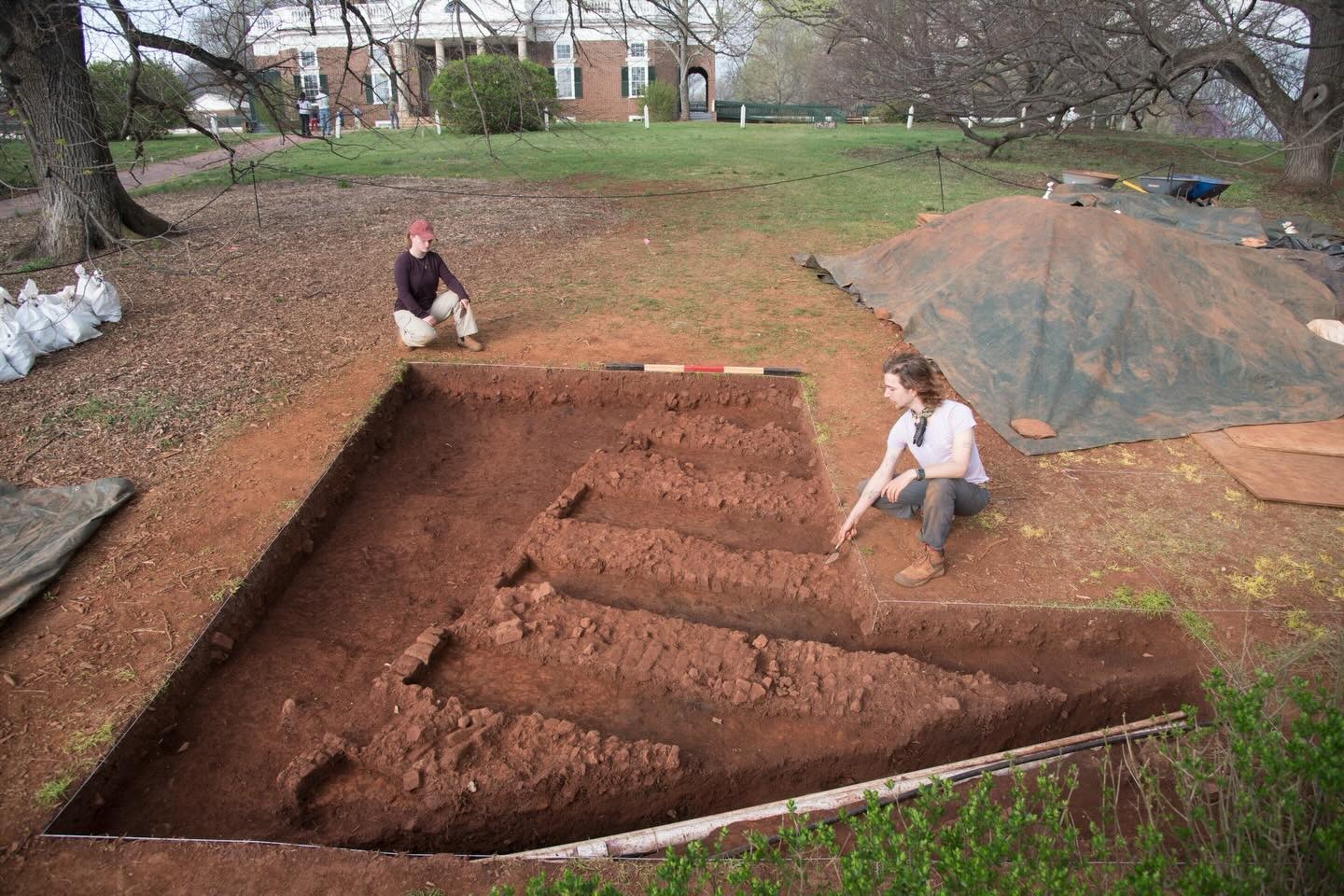
250-Year-Old Kiln Discovered on Thomas Jefferson’s Monticello Estate

Archaeologists at Thomas Jefferson’s Monticello estate have unearthed a 250-year-old kiln used to fire bricks for the plantation’s original construction. Located on the East Lawn just feet from the main house, the site was identified through the discovery of specialized curved bricks, including cyma-shaped and ovolo-molded specimens. These architectural details confirm the kiln dates back to the "Monticello I" period (1768–1782), as these specific water table features were omitted during Jefferson’s later 18th-century renovations.

reindeer hunting facility found in melted ice norway

Melting ice in Norway has revealed a 1,500-year-old reindeer hunting facility, preserved beneath centuries of snow and ice. Archaeologists from the University Museum of Bergen and Vestland County uncovered wooden mass-capture fences, marked antlers, iron spearheads, arrow shafts, wooden spears, a crafted antler brooch, and a mysterious decorated pine oar at the site on the mountain plateau of Aurlandsfjellet. The trap, composed of hundreds of tree branches stacked into two fences, was likely used around the middle of the 6th century at the start of a cold period, when year-round snow and ice made it unusable yet ideal for preservation.