filter_list Showing 8 results for "representation" close Clear
search
dashboard All 68 museum exhibitions 35article culture 9article news 8trending_up market 6candle obituary 3rate_review review 3person people 2article local 1article policy 1
date_range Range Today This Week This Month All
Subscribe

Venice Biennale Controversies Continue, French Parliament Report Finds Flaws in Museum Security, and More: Morning Links for May 13, 2026

Iran has denied withdrawing from the Venice Biennale, with Mahdizadeh Tehrani, general director of visual arts at Iran's Ministry of Culture, stating the country still hopes to participate despite Biennale organizers announcing Iran would not be represented at its pavilion. Meanwhile, the Somalia Pavilion has sparked controversy, with the Somali Arts Foundation alleging it was led by diaspora figures and European collaborators without meaningful consultation of artists based in Somalia, and the queer collective Warbixinta Cidda demanding the removal of an Italian co-curator due to Italy's colonial history. Separately, a French parliamentary inquiry has exposed major security flaws in the country's museums, following the theft of France's crown jewels from the Louvre in October, calling for reforms in security resources and museum leadership appointments.
A Time of Transition

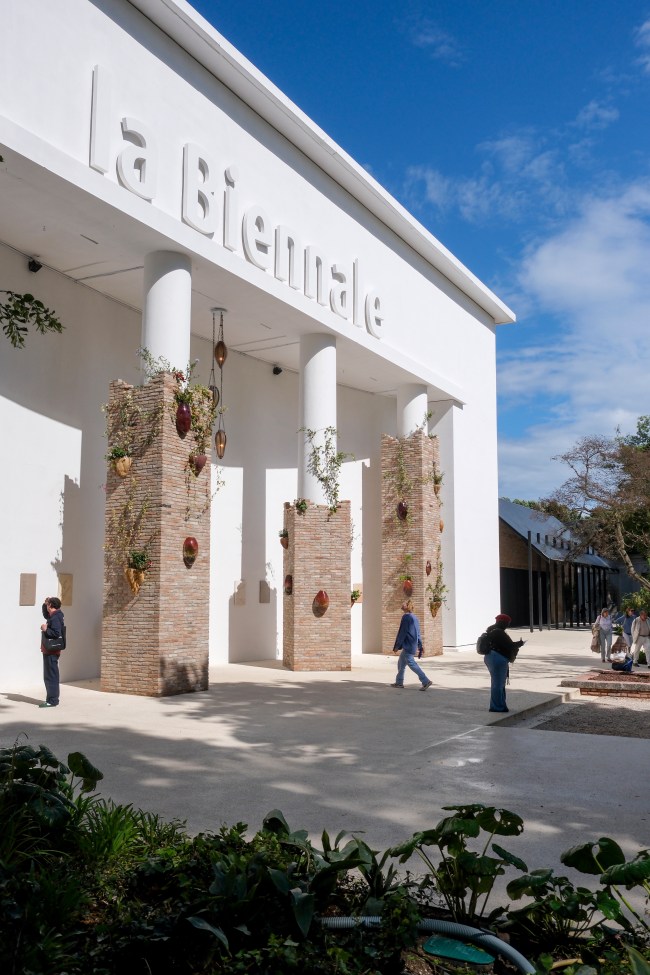
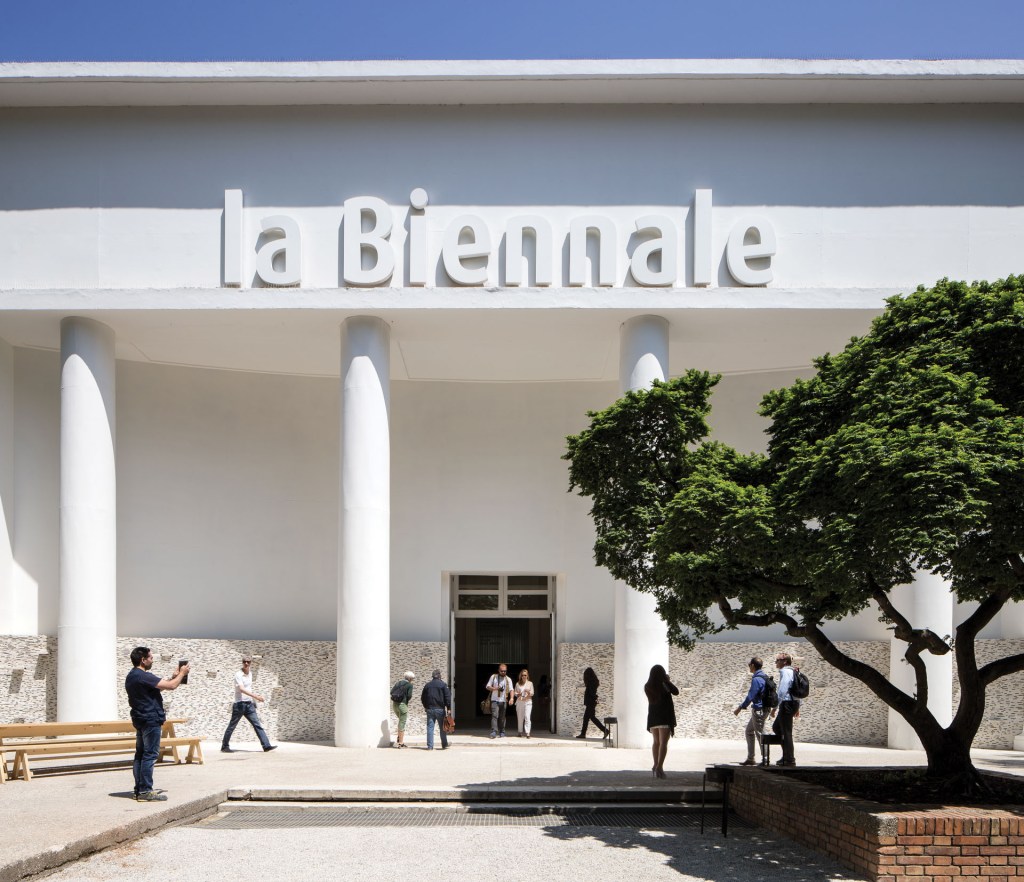
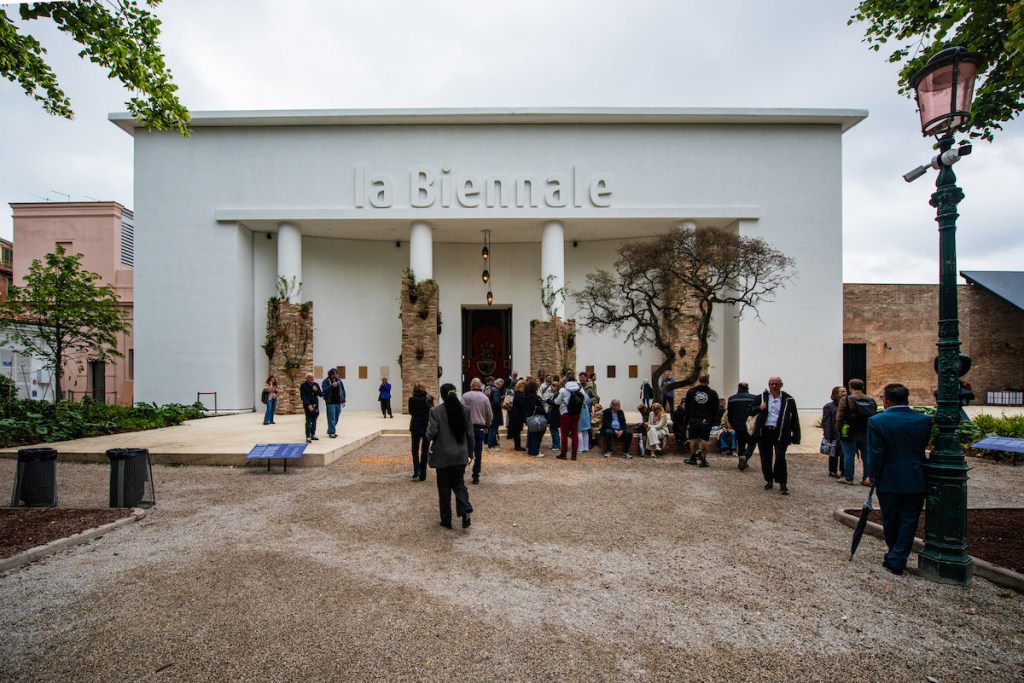
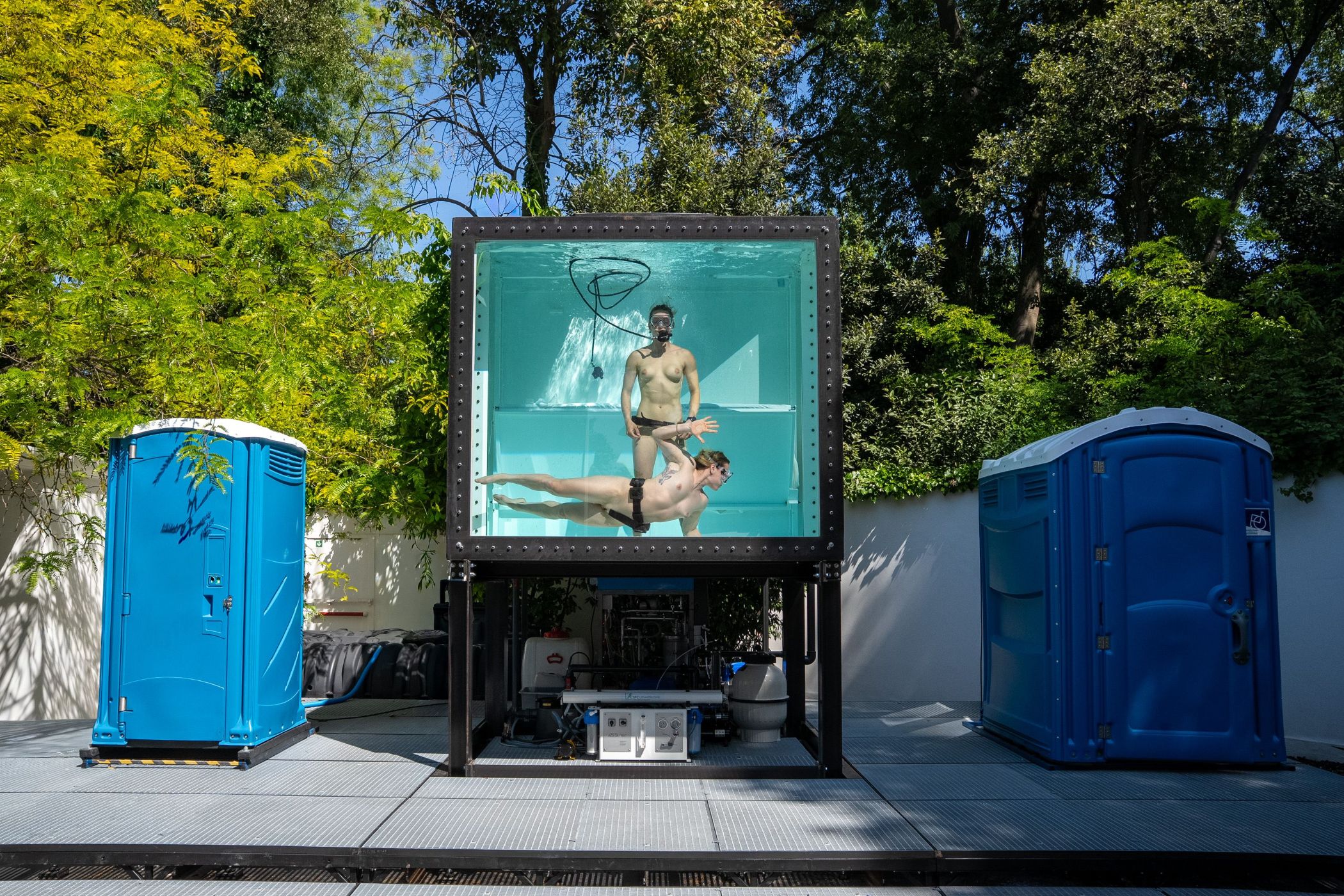
During the preview week of the 61st Venice Biennale, escalating protests targeted the national pavilions of Israel and Russia, with demonstrations by Pussy Riot, ANGA (Art Not Genocide Alliance), and Baltic pavilions. A major protest on May 8 drew over 3,000 people in solidarity with Palestine, and 27 national pavilions—including Austria, the Netherlands, France, and Japan—staged a strike, the first at the Biennale since 1968. The Golden Lion jury resigned after declaring they would not consider countries under ICC investigation (Israel and Russia), and the Biennale administration replaced the prize with a visitors' award, from which half the artists in the main exhibition have withdrawn.

Is This a JMW Turner Self-Portrait? One Scholar Has Doubts

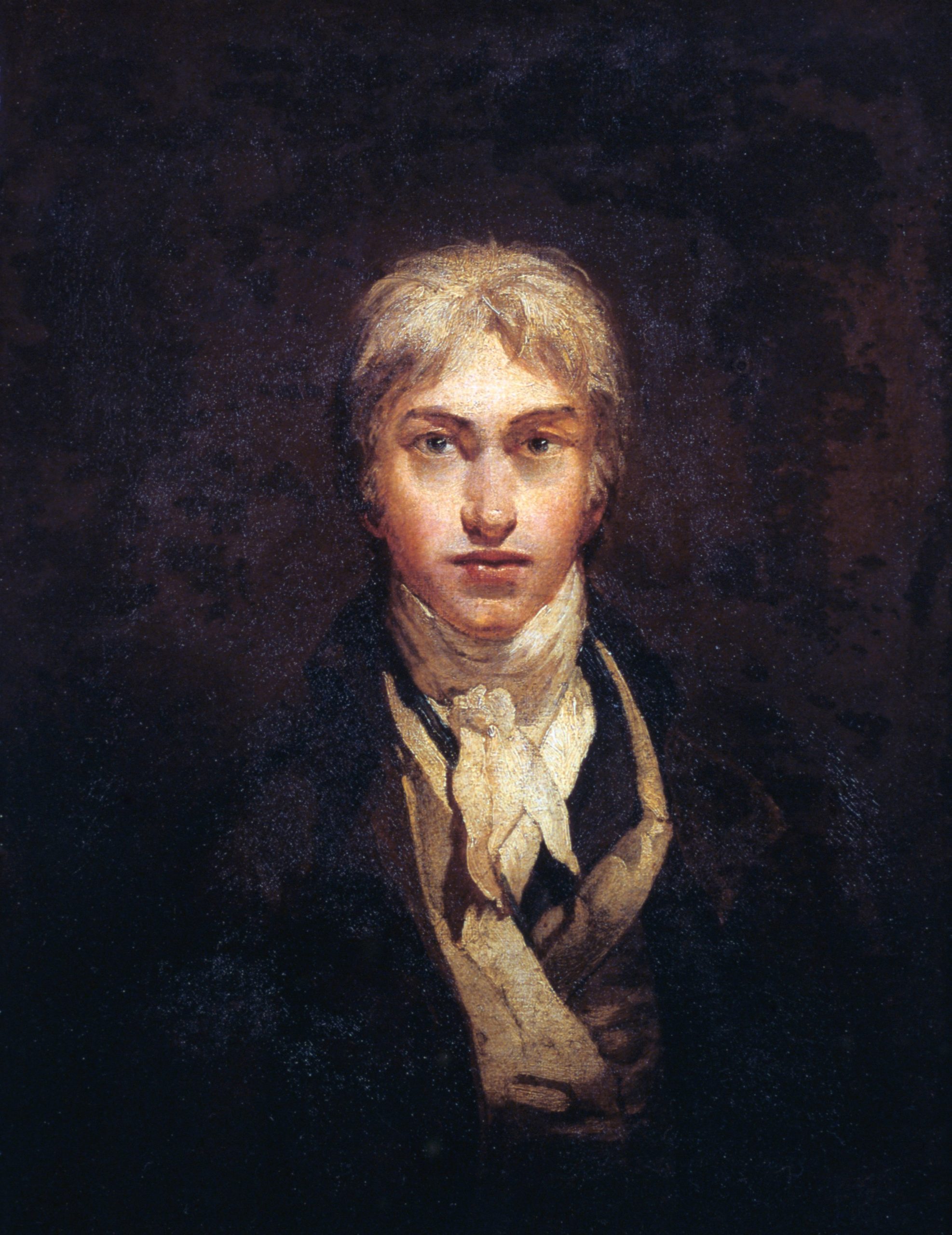
Art historian James Hamilton has published a paper in the JMW Turner Society’s magazine arguing that a famous portrait long believed to be a self-portrait by JMW Turner was actually painted by John Opie, a British portrait artist 14 years Turner’s senior. Hamilton notes that the work is an anomaly in Turner’s oeuvre, which is dominated by landscapes and seascapes, and that its dramatic lighting closely resembles Opie’s style. He suggests Opie may have given the painting to Turner, and that its authorship became misattributed after Turner’s death when his vast bequest of artworks was transferred to the nation and eventually housed at the Tate.

Somali artists and culture workers express concern over Somalia Pavilion in Venice

Somali artists, cultural workers, and organizations have published multiple open letters and statements expressing concern over the Somalia Pavilion at the Venice Biennale. The pavilion, announced in March for the 2026 edition, is titled 'SADDEXLEEY' and features Somali-Swedish artist Ayan Farah, Somali-Danish poet and filmmaker Asmaa Jama, and Somali-British writer Warsan Shire, curated by Stockholm-based Mohamed Mire and Italian project manager Fabio Scrivanti. Critics, including the Somali Arts Foundation and the queer collective Warbixinta Cidda, allege that the pavilion was organized without meaningful consultation of artists and organizations based in Somalia, and object to the appointment of an Italian co-curator given Italy's colonial history in Somalia. An anonymous open letter further alleges intimidation and coercive pressure against critics, and demands Scrivanti's removal, calling for a boycott if demands are not met.

Somali Cultural Organizations Unhappy With Somalia Pavilion at the Venice Biennale

Somali artists and cultural organizations are protesting the Somalia pavilion at the 2024 Venice Biennale, arguing it excludes artists based in Somalia and relies on diaspora figures and an Italian co-curator, which they view as colonial. The Somali Arts Foundation issued a statement condemning the lack of consultation, while the queer arts collective Warbixinta Cidda criticized the appointment of Italian curator Fabio Scrivanti. Somali American poet Ladan Osman boycotted the pavilion, calling it "anti-indigenous."

UK artist defends pro-Palestine drawings after show cancellation

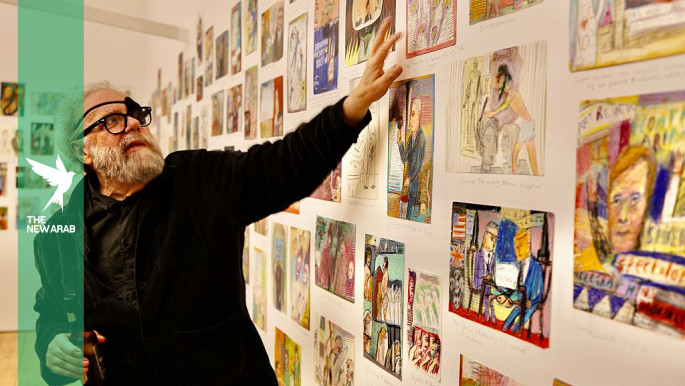
UK artist Matthew Collings has condemned the cancellation of his art exhibition "Drawings Against Genocide" in Margate, England, after UK Lawyers for Israel (UKLFI) accused the show of being antisemitic. The exhibit featured 130 drawings depicting Israeli military, political officials, and business leaders, which Collings describes as artistic metaphors for Zionism, brutality, and violence. Collings insists the work is against genocide, not against Jews, and criticizes the conflation of antisemitism with pro-Palestine activism.

Iran Pushes Back on Venice Biennale Withdrawal Reports: ‘We’re Still Coming’

Iran has pushed back against reports that it withdrew from the 2024 Venice Biennale, with Aydin Mahdizadeh Tehrani, director-general of visual arts at Iran's ministry of culture, stating that the country never withdrew and is still in negotiations to participate. Tehrani told the Iran Students News Agency that Iran submitted a plan for a pavilion and is awaiting a final response, despite unresolved issues including sanctions, high rental costs, and the ongoing war with Israel and the US. Meanwhile, a separate unofficial pavilion called the Hyperstitional Pavilion of Iran, curated by Pouya Jafari and Nazli Jan Parvar, has been announced, featuring works by Iranian artists and organized by Finland-based nonprofit Perpetuum Mobile.

Iran has not withdrawn from 2026 Venice Biennale, pavilion commissioner says

Iran has denied withdrawing from the 2026 Venice Biennale, despite the Biennale's announcement that the country would not participate. Aydin Mahdizadeh Tehrani, director-general of visual arts at Iran's ministry of culture and Islamic guidance and the country's pavilion commissioner, stated that Iran requested more time rather than submitting a withdrawal. He cited the US-Israel war with Iran, political and economic challenges, and a sharp currency devaluation that tripled projected costs as reasons for the delay. Iran proposed a shorter two-to-three-month participation, which was rejected, but has since sent a letter insisting on opening its pavilion even after the opening. The foreign ministry has intervened to support Iran's participation, and a final response from the Biennale is expected soon.