filter_list Showing 9 results for "Chain" close Clear
search
dashboard All 128 museum exhibitions 58article news 23article local 12trending_up market 11candle obituary 9article culture 5person people 5gavel restitution 2rate_review review 2article policy 1
date_range Range Today This Week This Month All
Subscribe

Georg Baselitz, German artist who turned figurative painting on its head, has died, aged 88

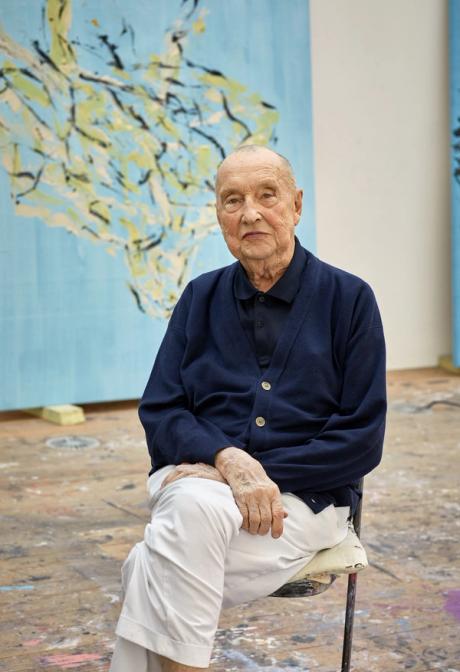
Georg Baselitz, the influential German painter and sculptor, died on 30 April at age 88. Born Hans-Georg Kern in 1938 in Deutschbaselitz, he grew up amid the ruins of Nazi Germany and later adopted his surname from his birthplace. Expelled from the East Berlin Academy for "sociopolitical immaturity," he moved to West Berlin, where he rejected both gestural abstraction and Expressionism. His first solo exhibition in 1963 was shut down for obscenity. In 1969 he pioneered his signature inverted paintings, turning subjects upside down to sever image from representation. He also created large carved sculptures using axes and chainsaws. His later series, from 2014 onward, are considered his most astonishing work, culminating in a sustained focus on his wife, artist Elke Kretzschmar.


melvin edwards sculptor dead 1234779467

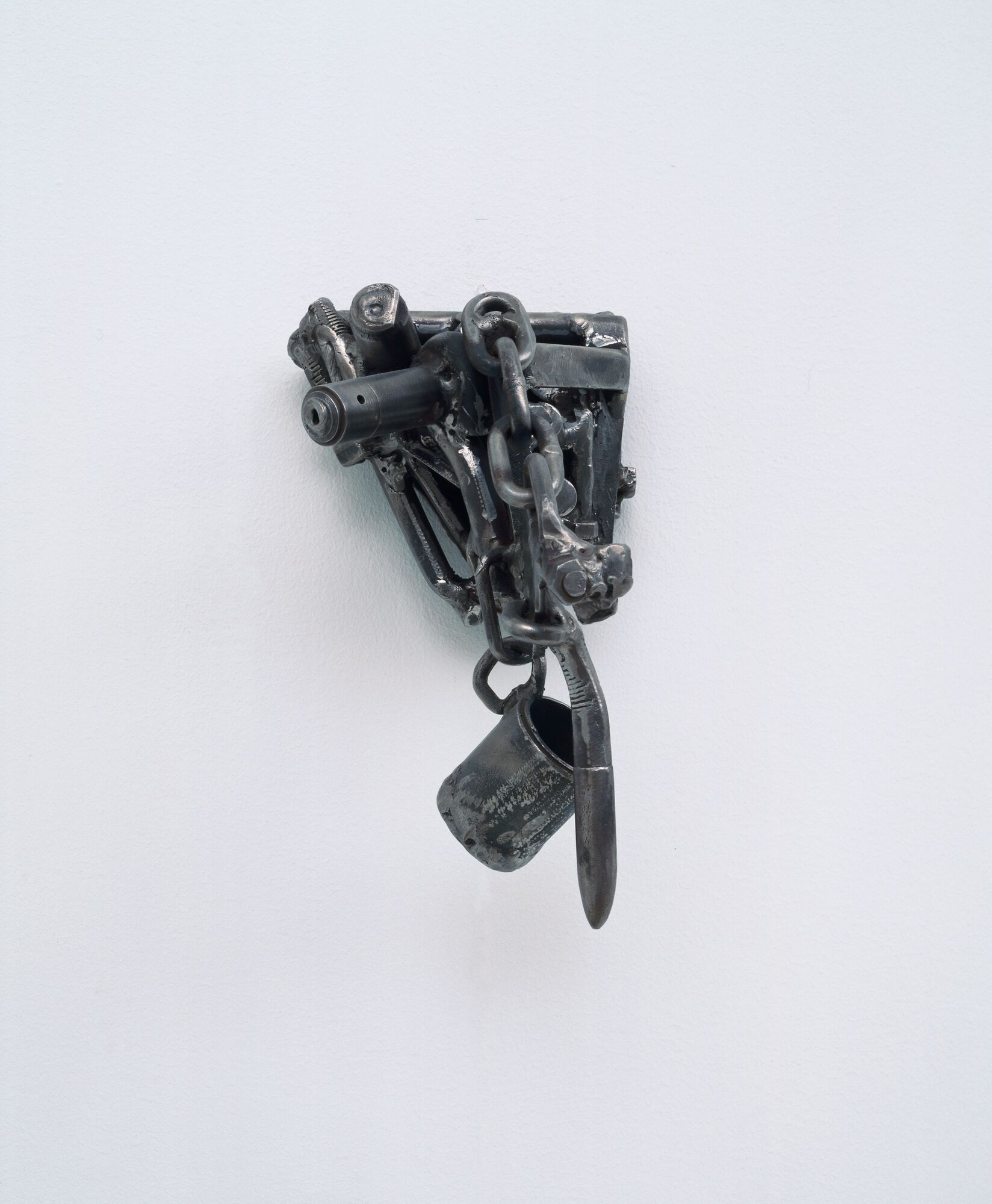
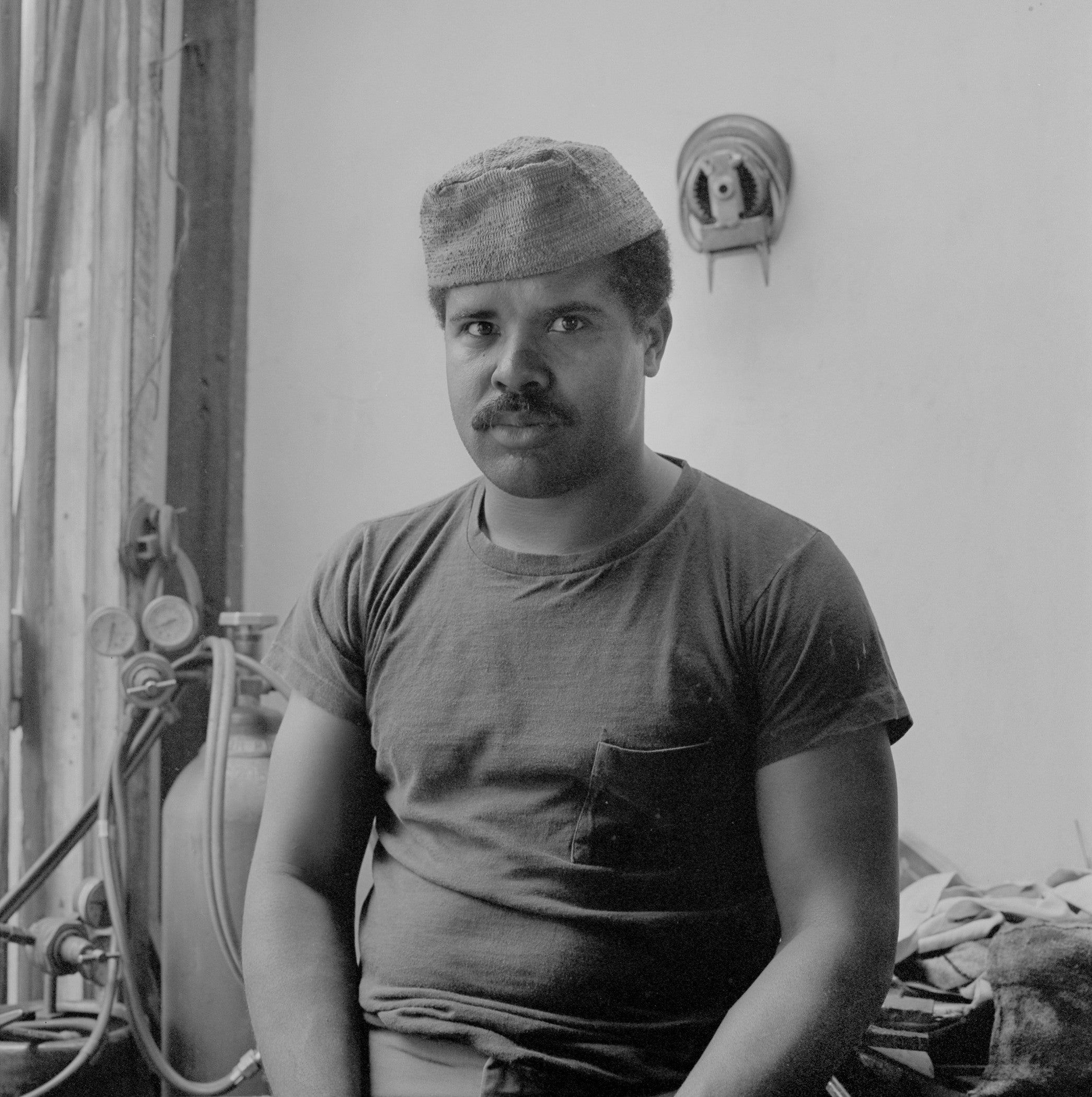
Melvin Edwards, the pioneering sculptor known for his powerful steel assemblages and "Lynch Fragments" series, has died at the age of 88 in Baltimore. Edwards was a trailblazer who reframed Minimalism by infusing it with political and cultural weight, becoming the first Black sculptor to have a solo exhibition at the Whitney Museum in 1970. His work utilized industrial materials like chains and barbed wire to address histories of enslavement, anti-Black violence, and global conflict while maintaining a sophisticated abstract language.

German artist Georg Baselitz dies aged 88

German artist Georg Baselitz has died at age 88, as confirmed by the Thaddaeus Ropac gallery. Known for his expressive paintings and sculptures, Baselitz rose to prominence in the 1960s after a scandal over sexually symbolic works led to a high-profile court case. He pioneered painting canvases upside down from 1969 onward, a technique he used to grapple with German history and collective guilt. His work spanned six decades and included notable sculptures, such as a wooden figure at the 1980 Venice Biennale that appeared to perform a Nazi salute, which he later clarified was inspired by an African artifact. Baselitz achieved international acclaim in the 1980s and became one of Germany's highest-priced living artists, alongside Gerhard Richter.

Georg Baselitz (1938-2026)

Georg Baselitz, born Hans-Georg Kern in 1938, has died at age 88. The German painter and sculptor, who changed his name in 1961, built a career on aesthetic dissent. Expelled from art school in East Berlin, he first gained notoriety with a 1963 exhibition at Galerie Werner and Katz in Berlin, where two works were seized for obscenity. His signature gesture—inverting his images, beginning with "Der Wald auf dem Kopf" in 1969—became his most recognizable trademark, shifting focus from subject to the act of painting itself. Baselitz also produced significant sculptures, often carved with a chainsaw and axe, and his work was the subject of major retrospectives at the Centre Pompidou (2021-2022) and the Musée d'Art Moderne de Paris (2011-2012).

Georg Baselitz, grande figure de l’art allemand, est mort à l’âge de 88 ans : retour sur sa vie et son œuvre

Georg Baselitz, one of Germany's most significant post-war artists, has died at age 88. Born Hans-Georg Kern in 1938, he grew up in Nazi-era Saxony and later rejected his father's ideology, fleeing to West Berlin in 1957. Known for his provocative, expressionist works and signature upside-down paintings, Baselitz challenged artistic conventions with brutalist techniques—attacking wood with chainsaws and axes—and created scandalous pieces like "Die große Nacht im Eimer" (1962–1963), which was banned from exhibition. His career included major retrospectives at the Musée d'Art Moderne de la Ville de Paris (2011) and Centre Pompidou (2021), and commissions for the Reichstag.

Remembering Frank Gehry, legendary architect of Guggenheim Museum Bilbao

Frank Gehry, the legendary architect who transformed the global architectural landscape with his deconstructivist style, has died in Santa Monica on 5 December. The article traces his career from his early days remodeling his own Santa Monica home—a controversial project that used corrugated metal, plywood, and chain-link fencing—to his rise as a Pritzker Prize winner and the creator of the iconic Guggenheim Museum Bilbao (1997). Gehry, born Ephraim Goldberg in Toronto in 1929, studied at the University of Southern California and Harvard before founding Frank O. Gehry & Associates in 1962, and spent over six decades championing buildings that embraced emotion and movement over cold minimalism.

Remembering Melvin Edwards (1937–2026)

The art world mourns the passing of Melvin Edwards, a pioneering American sculptor who died on March 30, 2026. Known for his mastery of steel, iron, and barbed wire, Edwards rose to prominence in the 1960s with works that balanced formal abstraction with the heavy symbolism of chains and industrial materials. His career was marked by significant milestones, including being the first African American sculptor to have a solo exhibition at the Whitney Museum in 1970 and his long-standing presence in the permanent collection of the Museum of Modern Art.

In Memoriam: Melvin Edwards (1937–2026)

Renowned sculptor Melvin Edwards, a pioneer of the Black Art Movement who transformed welded steel into powerful explorations of African American identity, has passed away at the age of 88. Edwards was best known for his "Lynch Fragments," a series of over 300 compact, wall-mounted assemblages that utilized industrial materials like chains, meathooks, and barbed wire to evoke the history of racial violence and the struggle for civil rights. His career spanned over six decades, beginning with a breakout solo show at the Santa Barbara Museum of Art in 1965 and a landmark exhibition at the Whitney Museum of American Art in 1970.

Shigeo Toya, artist who looked to nature with his wood sculptures, 1947–2026

Shigeo Toya, the Japanese artist renowned for his chainsaw-hewn wood sculptures, has died at age 79. Born in 1947 in a small village in Nagano Prefecture, Toya began his signature Woods series in 1984, carving rough textures into tall lumber and arranging the pieces like a forest. His series Twenty Eight Deaths featured stacked wooden blocks with cavities and burn marks. Toya represented Japan at the Venice Biennale in 1988 and later exhibited at the Asia Pacific Triennial (1993) and Gwangju Biennale (2000). A major survey of his work was held at the Nagano Prefectural Art Museum and The Museum of Modern Art, Saitama, in 2022–23.