filter_list Showing 6 results for "LG" close Clear
search
dashboard All 383 museum exhibitions 231article news 39article local 31article culture 26trending_up market 24rate_review review 12person people 9candle obituary 6article policy 2article gallery 1gavel restitution 1article event 1
date_range Range Today This Week This Month All
Subscribe

The art world remembers Valie Export, Austrian pioneer of feminist performance art

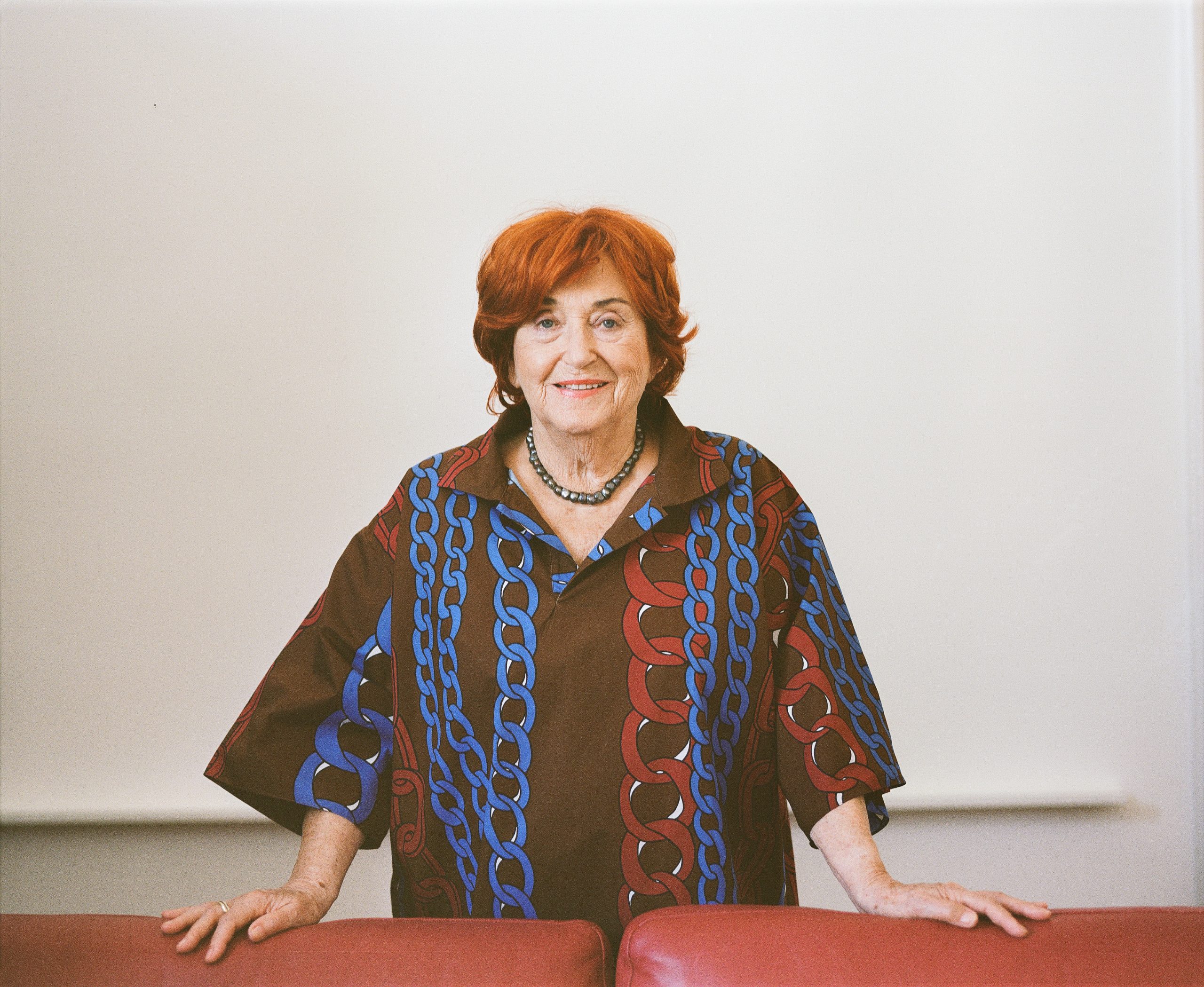
VALIE EXPORT, the Austrian pioneer of feminist performance art, died on 14 May, three days before her 86th birthday. Her death was confirmed by her representative, Thaddaeus Ropac. Born Waltraud Lehner in Linz in 1940, she developed a radical artistic language centered on the female body, known for works such as *Tap and Touch Cinema* (1968–1971) and *Body Configurations* (1972–1976). Tributes have poured in from artists, writers, and institutions, including the Neue Nationalgalerie in Berlin and the Belvedere Museum in Vienna, where director Stella Rollig noted their ongoing collaboration on the exhibition *Feminist Futures Forever*.
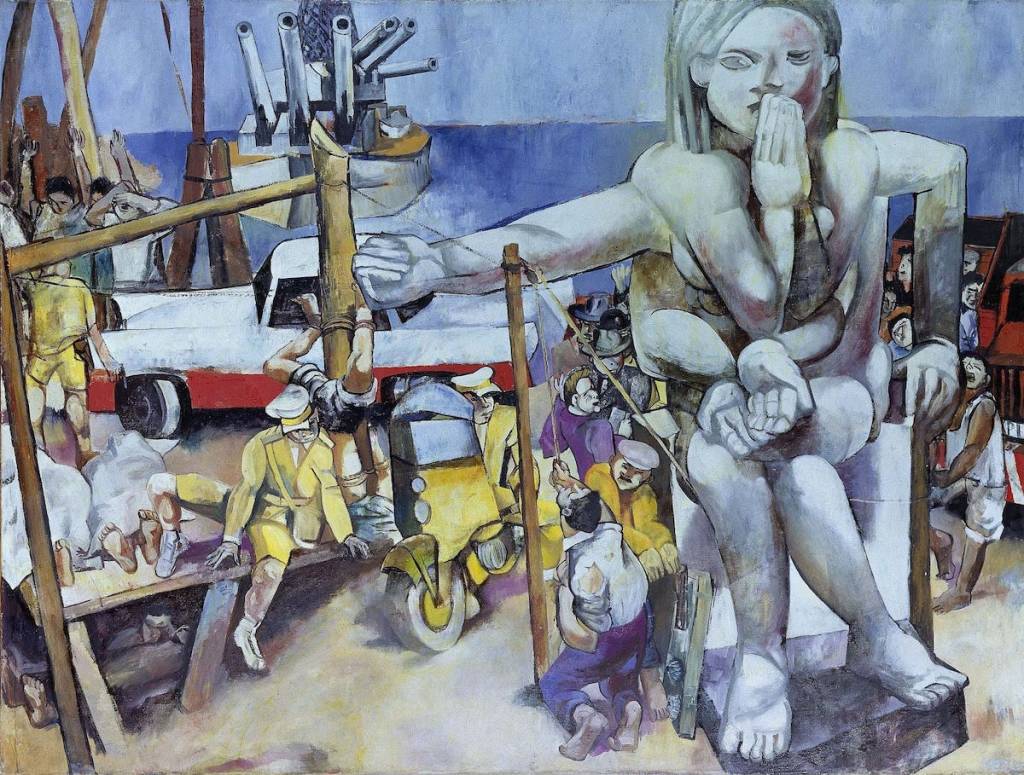
The Great Lone Wolf of Art

Der große Einzelgänger der Kunst

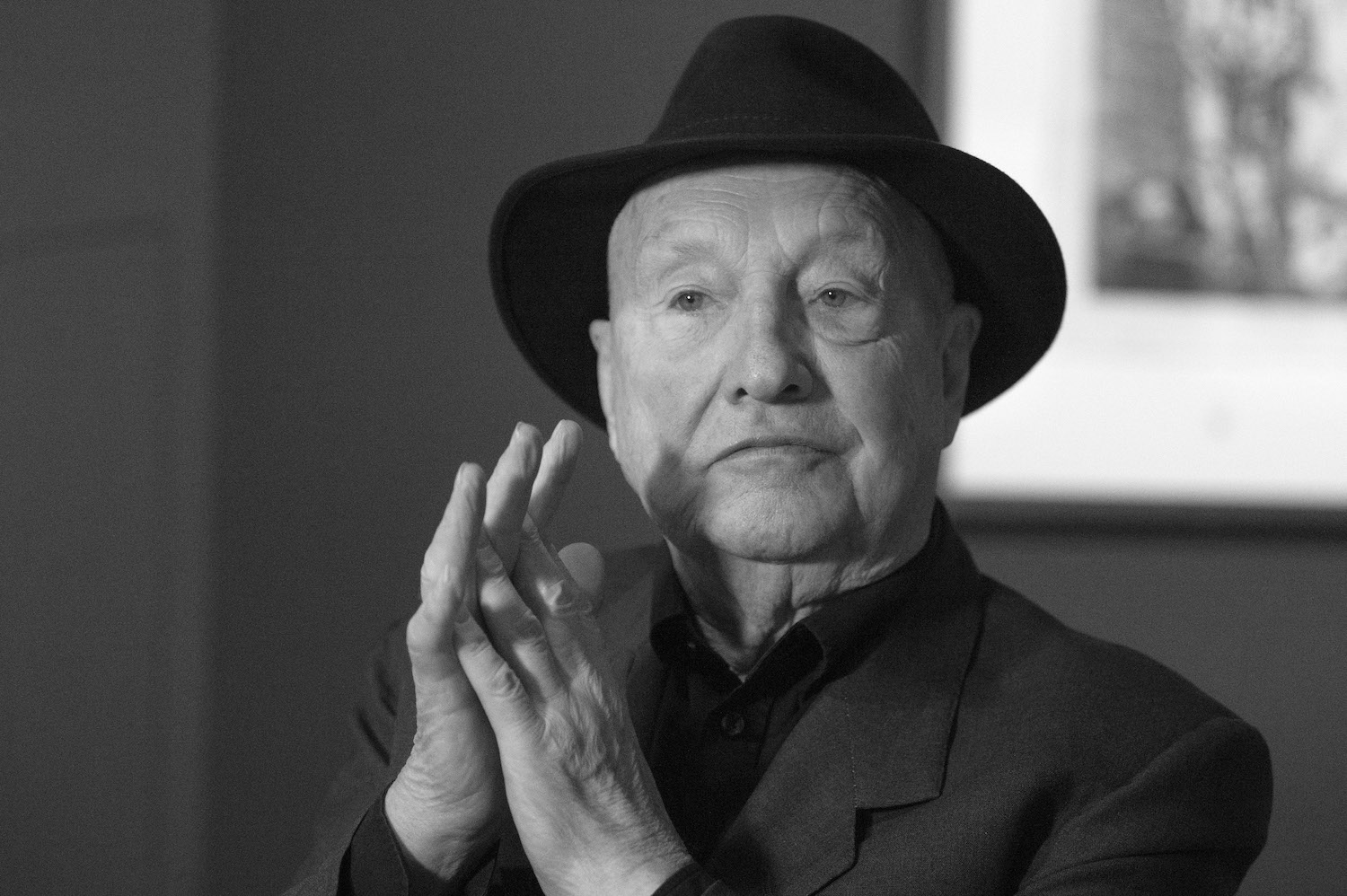
Georg Baselitz, the German painter known for his radical, figurative works and iconic upside-down motifs, has died at age 88. Born Hans-Georg Kern in 1938 in Deutschbaselitz, Saxony, he fled East Germany for West Berlin in 1957 after being expelled from art school for "socio-political immaturity." Baselitz rose to international fame with his expressive, fractured depictions of the human figure, famously inverting his compositions starting with "Der Wald auf dem Kopf" (1969). He also worked as a stage and costume designer for operas by Harrison Birtwistle, György Ligeti, and Richard Wagner.

Harald Metzkes, Postwar German Painter of ‘World Theater,’ Dies at 97

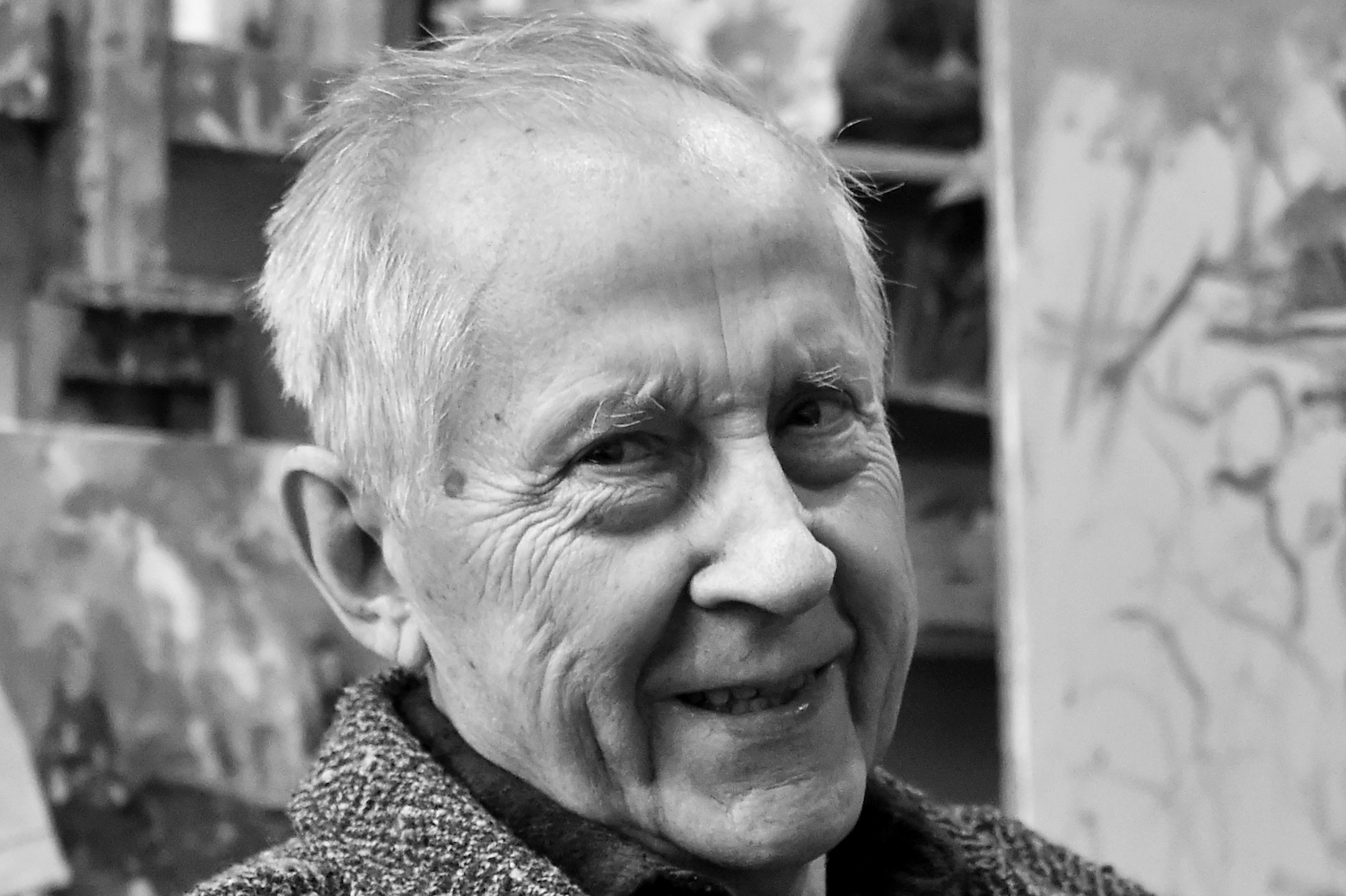
Harald Metzkes, the German painter known for his classically indebted and symbolically rich works created after World War II, died at age 97 in Brandenburg. His death was confirmed by his son, sculptor Robert Metzkes. Metzkes gained prominence in East Germany for rejecting socialist realism, instead developing a distinctive style that combined poetic imagery, references to classical modernism, and deeply symbolic visual worlds. The Neue Nationalgalerie is currently showing his painting "Removal of the Six-Armed Goddess" (1956) in an exhibition titled "Extreme Tension. Art between Politics and Society Collection of the Nationalgalerie 1945–2000."

Valie Export, Avant-Garde Icon and Feminist Trailblazer, Dies at 85

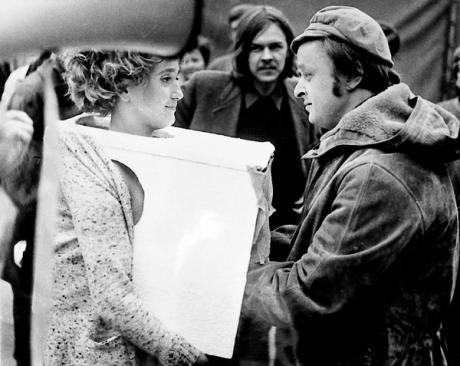
Valie Export, the Austrian avant-garde artist known for her radical feminist performances, films, and sculptures, has died at age 85. Her gallery, Thaddaeus Ropac, announced her death, noting her groundbreaking work in the 1960s and 1970s introduced a new form of embodied feminism to Europe. Export, born Waltraud Lehner in Linz, Austria, changed her name in 1967 and became known for provocative works such as "Aktionshose: Genitalpanik" (1969) and "Tap and Touch Cinema" (1968–1971), which challenged voyeurism and the sexualization of women's bodies. She also co-founded the Austrian Filmmakers Cooperative in 1968 and was commissioned by the Austrian Broadcast Corporation for her film "Facing the Family" (1971).

‘Her crotchless trousers are etched in my brain for ever’: Valie Export remembered by the artists she influenced

Valie Export, the pioneering Austrian feminist artist known for provocative performances like *Tapp-und-Tastkino* (1968) and *Genital Panic* (1969), is remembered by four artists she influenced: Peaches, Florentina Holzinger, Joan Jonas, and Candice Breitz. Each shares personal reflections on Export's radical use of the female body as a political weapon, her confrontational public interventions, and her legacy of civil disobedience against patriarchal structures.

Künstler Harald Metzkes ist tot

German painter Harald Metzkes has died at the age of 97 in Wegendorf, Brandenburg, surrounded by his family. His son, sculptor Robert Metzkes, confirmed the news to the German Press Agency. Metzkes, who grew up in East Germany, was a leading figure of the Berlin School of painting and resisted the official doctrine of socialist realism, instead creating a personal "world theatre" of harlequins, circus scenes, and theatrical figures inspired by Rembrandt, Velázquez, and Paul Cézanne. His best-known work includes "Der Abtransport der sechsarmigen Göttin." After training as a stonemason and studying at the Dresden Academy of Fine Arts, he worked as a freelance artist in Berlin, supporting himself with book illustrations. His work gained international attention when one of his paintings was sent to the Venice Biennale in 1984, and after the fall of the Berlin Wall he built connections with Western collectors.