filter_list Showing 5 results for "dR" close Clear
dashboard All 654 museum exhibitions 370article local 83article culture 63article news 63trending_up market 28rate_review review 14person people 12article policy 11gavel restitution 5candle obituary 5
date_range Range Today This Week This Month All
Subscribe

Nicholas Pope, sculptor whose career came in two acts, 1949–2026

Nicholas Pope, a British sculptor known for his organic, post-minimalist works, has died at age 76. His career unfolded in two distinct acts: an early phase in the 1970s producing roughly-hewn wooden columns like *Oak Tree Column* (1973) and *Drooping Column* (1975), which earned him a spot in the British Pavilion at the 1980 Venice Biennale, followed by a decades-long hiatus after contracting viral encephalitis in Tanzania. He later returned to sculpture with brighter, brasher works in ceramic, glass, and felt, including *The Apostles Speaking in Tongues Lit By Their Own Lamps* (1993–96) and collaborations like *The Conundrum of the Chalices of the Seven Deadly Sins and Seven Virtues* (2015) with James Maskrey.

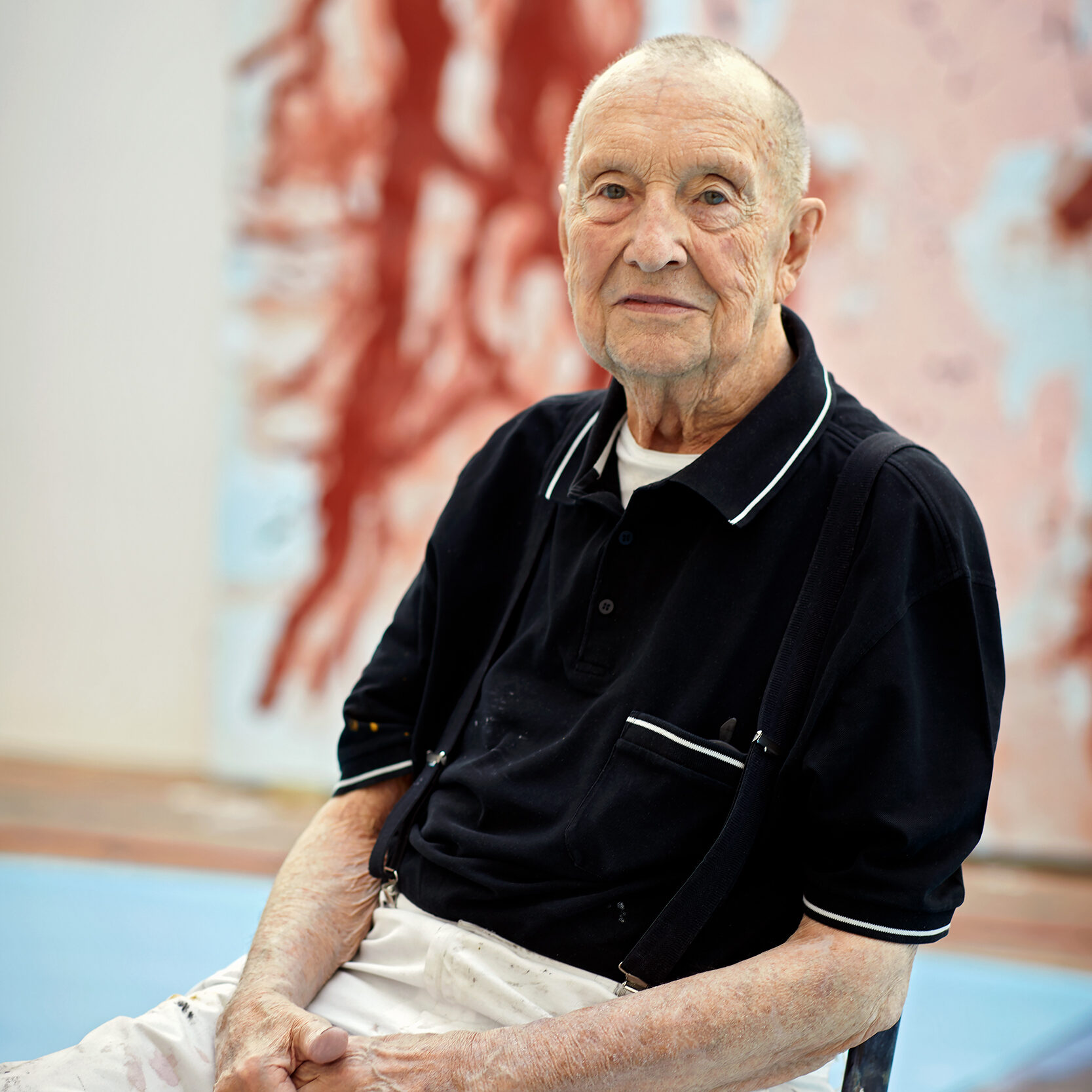
Georg Baselitz, artist who turned painting upside down, 1938–2026

Georg Baselitz, the German painter, sculptor, and printmaker known for turning his canvases upside down, has died at age 88. Born Hans-Georg Kern in Saxony in 1938, he witnessed the bombing of Dresden as a child, an experience that shaped his artistic vision. Expelled from art school in East Berlin, he moved to West Berlin and adopted the name Baselitz. His first solo exhibition in 1963 was deemed obscene and confiscated. In 1969, he created his first upside-down painting, which became his signature. He rose to international prominence as a neo-expressionist in the late 1970s and 80s, represented Germany at the Venice Biennale in 1980, and continued working until his death. A recent series of his paintings will be shown at the Fondazione Giorgio Cini in Venice from May to September 2026.

Georg Baselitz, Lion of German Neo-Expressionism, Dead at 88

Georg Baselitz, the influential German Neo-Expressionist painter, printmaker, and sculptor, died on April 30 at age 88. His death was announced by Thaddaeus Ropac gallery, his longtime representative. Born Hans-Georg Kern in 1938 in Saxony, Baselitz was profoundly shaped by his childhood experience of war and the destruction of Nazi Germany. He was expelled from art school in East Berlin for "socio-political immaturity," moved to West Berlin, and adopted his pseudonym from his hometown. His first solo exhibition in 1963 was raided by police for obscenity, cementing his reputation as a provocateur. Known for his upside-down figures and fierce brushwork, he created series such as "Heroes" and "Fracture" that addressed trauma, violence, and the psychic toll of postwar life.

art georg baselitz artist venice death

Georg Baselitz, the influential German painter known for his inverted, upside-down artworks, has died at age 88 on April 30. The news was announced by his longtime gallery, Thaddaeus Ropac, via an obituary written by Robert Isaf. Baselitz gave his final spoken interview weeks before his death, discussing his upcoming exhibition “Eroi d’Oro [Heroes of Gold]” at the Fondazione Giorgio Cini in Venice, which opened May 6. The show features monumental gold-primed canvases with inverted portraits of himself and his wife Elke, which he described as a summary of his career and a reflection on art history.

‘In every drop of paint he slurped, you see the Holocaust’: the genius and torments of Georg Baselitz

Georg Baselitz, the German painter and sculptor known for his provocative confrontations with Nazi history, has died. Born in 1938, he was one of the last living artists with direct childhood memories of the Third Reich. His early works, such as *Die große Nacht im Eimer* (1961) and his upside-down German eagles, deliberately shocked postwar West Germany by depicting obscene, shameful images of a society trying to forget the Holocaust. He famously exhibited a zombie Hitler woodcarving at the 1980 Venice Biennale alongside Anselm Kiefer, insisting on confronting rather than ignoring the Nazi heritage of the German Pavilion.