filter_list Showing 35 results for "dR" close Clear
dashboard All 607 museum exhibitions 355article local 84article news 52article culture 35trending_up market 26article policy 16rate_review review 14person people 12gavel restitution 7candle obituary 6
date_range Range Today This Week This Month All
Subscribe

There will be mud! Could my child (and buggy) survive a day at a sculpture park?

A parent takes their toddler to Yorkshire Sculpture Park (YSP) in West Yorkshire, UK, during a rainy February day. Despite the mud and drizzle, the child engages with outdoor artworks by Barbara Hepworth, Henry Moore, Bharti Kher, Sol LeWitt, Vanessa da Silva, and Damien Hirst, treating the sculptures as playgrounds and objects of discovery. The park offers free activity packs, a Hidden Forest designed for under-fives, and a family-friendly environment that encourages children to explore art and nature without the constraints of indoor galleries.

The Defining Themes of Today’s Biennial Art

The article analyzes the defining themes and styles of the past four years in the international biennial circuit, based on a survey of 130 biennials. It identifies a core group of artists who appeared most frequently, including Ali Eyal, Apichatpong Weerasethakul, Carolina Caycedo, Kapwani Kiwanga, and Tuan Andrew Nguyen, among others. Many of these artists are also featured in the upcoming 61st Venice Biennale curated by the late Koyo Kouoh. The piece categorizes their work under two broad themes: "Post-Colonial Post-Conceptualism," which involves poetic engagement with colonial history and artifacts, and "Families and Networks," where artists explore personal and political family histories.

7 Books We’re Looking Forward to in May

ARTnews has published a list of seven art books to look forward to in May 2026, covering a wide range of topics from contemporary theory and AI imagery to historical biographies and the Venice Biennale. Featured titles include Dena Yago's collected writings 'That Figures,' Victoria Johnson's biography of Frederic Church 'Glorious Country,' Trevor Paglen's 'How to See Like a Machine,' Nicholas Fox Weber's 'Anni Albers: A Life,' Massimiliano Gioni's 'High Waters: An Oral History of the Venice Biennale,' Rennie McDougall's 'Nonstop Bodies: How Dance Shaped New York City,' and Paul Elie's 'Last Supper: Art, Faith, Sex and Controversy in the 1980s.'

Buzkashi horsemen battling for a headless goat: Todd Antony’s best photograph

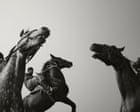
Photographer Todd Antony discusses his black-and-white series capturing the Central Asian sport of buzkashi, in which horsemen compete to grab and control a headless goat carcass. He traveled to Tajikistan to document matches involving up to 300 riders, shooting from a pickup truck and later taking portraits of riders on farms. One striking image shows three horses and their riders against a snowy mountain backdrop, with fog rolling in—a moment that inspired him to channel Richard Avedon's style using artificial lighting.

Isabel Nolan’s Work Challenges Everything We Think We Know About Creativity

Artist Isabel Nolan recently discovered she has aphantasia, a rare neurological condition that prevents her from visualizing mental images. Despite this, Nolan has built a successful career creating abstract sculptures, drawings, and tapestries, and her work is featured in the Irish Pavilion at the Venice Biennale. Her exhibition, "Dreamshook," explores themes of imagination versus reality and draws inspiration from late medieval history and the printer Aldo Manuzio.

Luca De Michelis, chief executive of Marsilio Arte, on his favourite spots in Venice beyond the Biennale

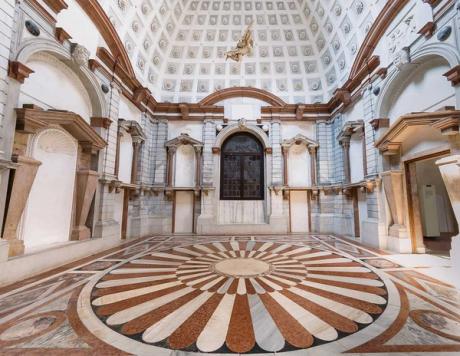
Luca De Michelis, CEO of Marsilio Arte, shares his personal guide to Venice beyond the Biennale, highlighting historic sites, shopping, dining, and cultural venues. His recommendations include Palazzo Grimani, Micheluzzi Glass, the Gardens of the Church of the Redeemer on Giudecca, Antiche Carampane restaurant, the newly opened Dries Van Noten Foundation, San Giorgio Maggiore island, Codroma for spritz, and the upcoming exhibition 'Strange Rules' at Palazzo Diedo’s Berggruen Arts & Culture.

A brush with... Andrew Cranston—podcast

This episode of 'A brush with...' podcast features Scottish painter Andrew Cranston, born in 1969 in Hawick. Cranston discusses how his work draws on personal experiences—childhood memories, family recollections, and recent rituals—filtered through the painting process. His pictures are rich with references to art history, cinema, poetry, and television, and he often paints on the covers of old hardback books. The conversation covers his influences (Pieter Bruegel the Elder, Paul Klee, Pierre Bonnard, Winifred Nicholson, writers Hugh MacDiarmid and Elizabeth Bishop, filmmakers Nicholas Roeg and Dennis Potter), his studio life, and his answer to 'what is art for?' The episode is sponsored by Bloomberg Connects.

Expanded Vocabulary: Revisiting Deborah Kass’ Studio

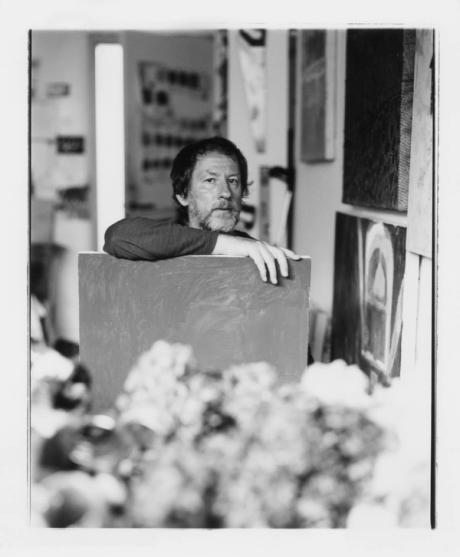
The article recounts the author's visit to Deborah Kass's Brooklyn studio, which she shares with her wife, artist Patricia Cronin. The visit was prompted by logistical issues related to the author's exhibition "Social Minimalism" (2025). During the visit, the author and Kass revisited themes central to Kass's work over three decades: the exclusion of women from art history, Jewish identity, queer voice, lesbian subjectivity, and postwar American art. The conversation also touched on Kass's series including the Warhol Project, Feel Good Paintings, No Kidding, and the large painting/sculpture installation "Everybody" (2019), which was recently featured in a conversation between Kass and Titus Kaphar in Interview magazine.

The Guardian view on the legacy of the Festival of Britain: look to the future | Editorial

The Guardian editorial reflects on the 75th anniversary of the Festival of Britain, launched by King George VI on 3 May 1951 as a "tonic" for a war-weary nation. It highlights the festival's most enduring legacy: the construction of the South Bank, including the Royal Festival Hall, which later became the Southbank Centre—the UK's largest arts complex. This summer, commemorations include poems from London schoolchildren projected onto its walls and a mobile poetry library visiting coastal towns, recreating the journey of the repurposed naval ship Campania. The festival, a triumph for the Labour government, faced critics like Evelyn Waugh and Noël Coward, and much of its physical infrastructure was demolished by the incoming Conservative government, save for the Royal Festival Hall.

Trevor Paglen’s New Book Says AI Is Rewriting What Images Do

Artist Trevor Paglen has published a new book, *How to See Like a Machine: Images After AI*, which argues that generative AI and computer vision are fundamentally changing how images function in culture. Drawing on his decade-long practice, Paglen contends that images are no longer merely representations for human interpretation but have become operational tools—'activations' that trigger automated responses and shape reality. He cites examples such as surveillance cameras at grocery stores, the Samsara navigation system in trucks, and the ImageNet database to illustrate how machine vision systems normalize surveillance in service of capital, a phenomenon he terms 'machine realism.'

Sur Arte Radio et dans une expo, l’enquête d’Adrianna Wallis sur les traces de sa grand-mère peintre spoliée par les nazis

Artist Adrianna Wallis (born 1981) discovers that her paternal grandmother, painter Diane Esmond (1910–1981), was a victim of Nazi looting during World War II. After being contacted by historians Patricia Helletzgruber and Sophie Juliard, Wallis learns that much of Esmond's work was systematically destroyed by the ERR, the Nazi organization responsible for art theft in occupied countries. This revelation sparks a personal investigation that becomes a podcast for Arte Radio titled "Il restera la gravité," blending documentary, autobiographical inquiry, and sound installation. Wallis delves into archives, examining microfilms and lists that detail 46 of Esmond's paintings—each methodically described and declared destroyed, such as "Woman in blue evening dress: annihilated."

Martin Schongauer in 2 Minutes

Martin Schongauer en 2 minutes

Martin Schongauer (c. 1445–1491), the Alsatian painter, draftsman, and engraver, is celebrated as the greatest German copperplate engraver before Albrecht Dürer and one of the first artists to achieve pan-European fame in his lifetime. The article outlines his life and career, from his early training in his father's goldsmith workshop in Colmar to his studies at the University of Leipzig and travels through Flanders, where he absorbed the influence of Rogier van der Weyden and Dirk Bouts. It highlights his 116 copper engravings, signed with the monogram 'M+S', which elevated engraving to a high art and circulated from Spain to Bohemia, inspiring Dürer and the young Michelangelo. Key works discussed include the painting 'La Vierge au buisson de roses' (1473) and the engraving 'La Tentation de saint Antoine' (c. 1470–1475).

GEORGE FEBRES: TRADUCCIÓN, IRONÍA Y LIBERACIÓN. UN ARTISTA ECUATORIANO EN LA DIÁSPORA

George Febres (Guayaquil, 1943 – New Orleans, 1996) was an Ecuadorian artist whose work blended pop art, neo-surrealism, and Southern U.S. culture, shaped by his experience as a migrant and queer individual. The article traces his life from a privileged but unstable childhood in Ecuador to his migration to the United States, where he was drafted during the Vietnam War and eventually settled in New Orleans. Febres used bilingualism and ironic appropriation of tropical imagery to create a hybrid, irreverent body of work that challenges the official historiography of Ecuadorian art.

Comment | The slopification of political art

The article critiques the rise of AI-generated political imagery, such as Donald Trump depicted as Jesus and viral Lego videos of the Iranian Revolutionary Guard Corps, arguing that these shallow, generic visuals fail to provide meaningful or lasting cultural commentary on current conflicts. The author contrasts this with the inventive, humorous resistance seen during the 2013 Gezi Park protests in Istanbul, which later influenced a generation of Turkish artists.

Final book in trilogy asks: What is the future of the art world?

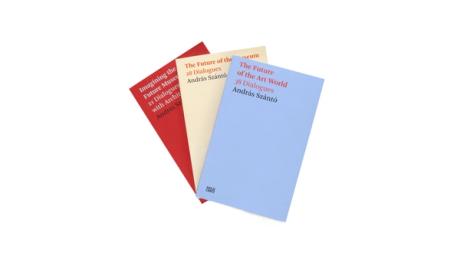
Cultural strategist András Szántó has published the third and final volume of his trilogy on the future of museums, titled *What Is the Future of the Art World?*. The book features dialogues with a wide range of art-world figures—including gallerists José Kuri and Atsuko Ninagawa, collectors Alain Servais and Sylvain Levy, artists William Kentridge and Holly Herndon & Mathew Dryhurst, curator Fatoş Üstek, network scientist Albert-László Barabási, former Art Basel director Marc Spiegler, and Sheikha Al-Mayassa Al Thani—who discuss topics such as the definition of the art world, its rules, and its future trajectory. Szántó notes that there is no consensus on whether the art world is still expanding or entering a phase of slowdown, with different regions moving on divergent paths.

8 Art Films Worth Watching in May

8 Kunstfilme, die sich im Mai lohnen

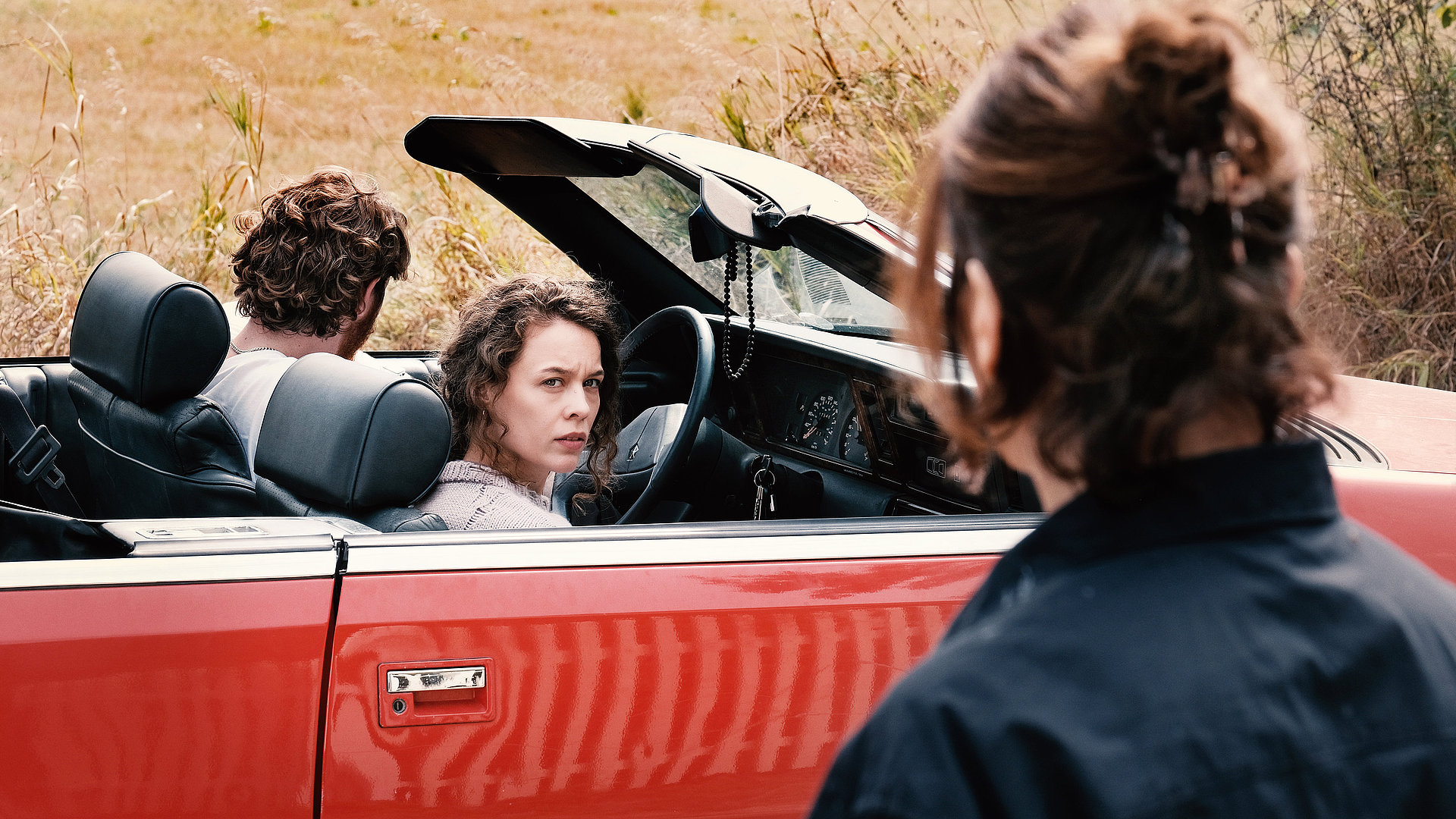
Monopol magazine presents eight art films worth streaming in May, including a documentary featuring 40,000 slides from critic Jerry Saltz capturing the 1990s New York art scene, Shirin Neshat's film "Women Without Men" about women in 1953 Tehran, Christian Petzold's new film "Miroirs No. 3," and a documentary on the Shroud of Turin. The roundup also includes a politically charged drama directed by Yael Bartana and a Dada-metal film, offering a diverse selection of art-related cinema.

Yu-Chi Lyra Kuo Shares a Vision for the Future of Art, Technology, and Creativity

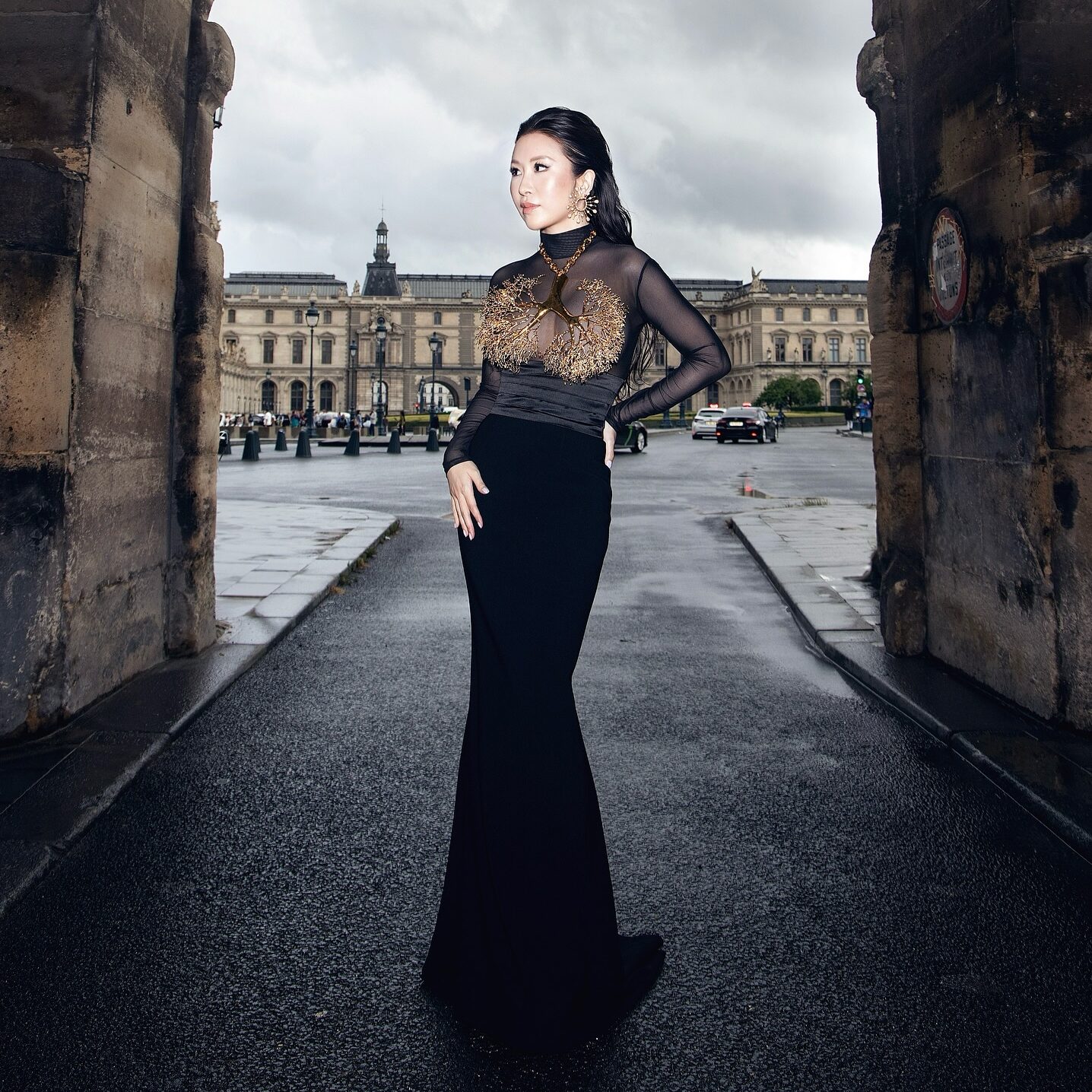
Yu-Chi Lyra Kuo, an entrepreneur, investor, Harvard-educated lawyer, former Princeton academic, and board member of the Shed, shares her vision for integrating frontier technologies like artificial intelligence and robotics into the art world. She argues that these tools can enhance human creativity rather than replace it, drawing on her early experiences with Asian antiquities and her pioneering work in blockchain, including co-founding OpenSea 2.0. The article, based on an interview with CULTURED, traces her journey from collecting a jade gourd as a child to advising tech companies and joining the board of the Shed, a Bloomberg-backed cultural center in Hudson Yards.

“Persona” Crafts a Lineage of Performed Identity

Boston Art Review (BAR) has published an article titled “Persona” Crafts a Lineage of Performed Identity, exploring how contemporary artists use persona and self-performance to trace a lineage of identity construction. The piece examines works by artists who adopt alter egos or theatrical roles to challenge fixed notions of selfhood, drawing connections to historical precedents in art and culture.

Forgers, One-Way Mirrors of the Art Market

Les faussaires, miroirs sans tain du marché de l’art

Anthropologist Monique Jeudy-Ballini has published a new book, "Peintres de l’ombre. Les faussaires à l’œuvre," in which she examines art forgers through an ethnographic lens. Drawing on autobiographical accounts, published interviews, and expert writings—including those of notorious forgers Wolfgang Beltracchi, Eric Hebborn, and Guy Ribes—she explores the motivations and practices of these clandestine figures, arguing that their work involves not only technical skill but also the creation of elaborate narratives and pedigrees for their forgeries. The book is part of the Ethnologiques series edited by Philippe Descola and published by Éditions Mimésis.

Khaled Sabsabi: Splintered Worlds

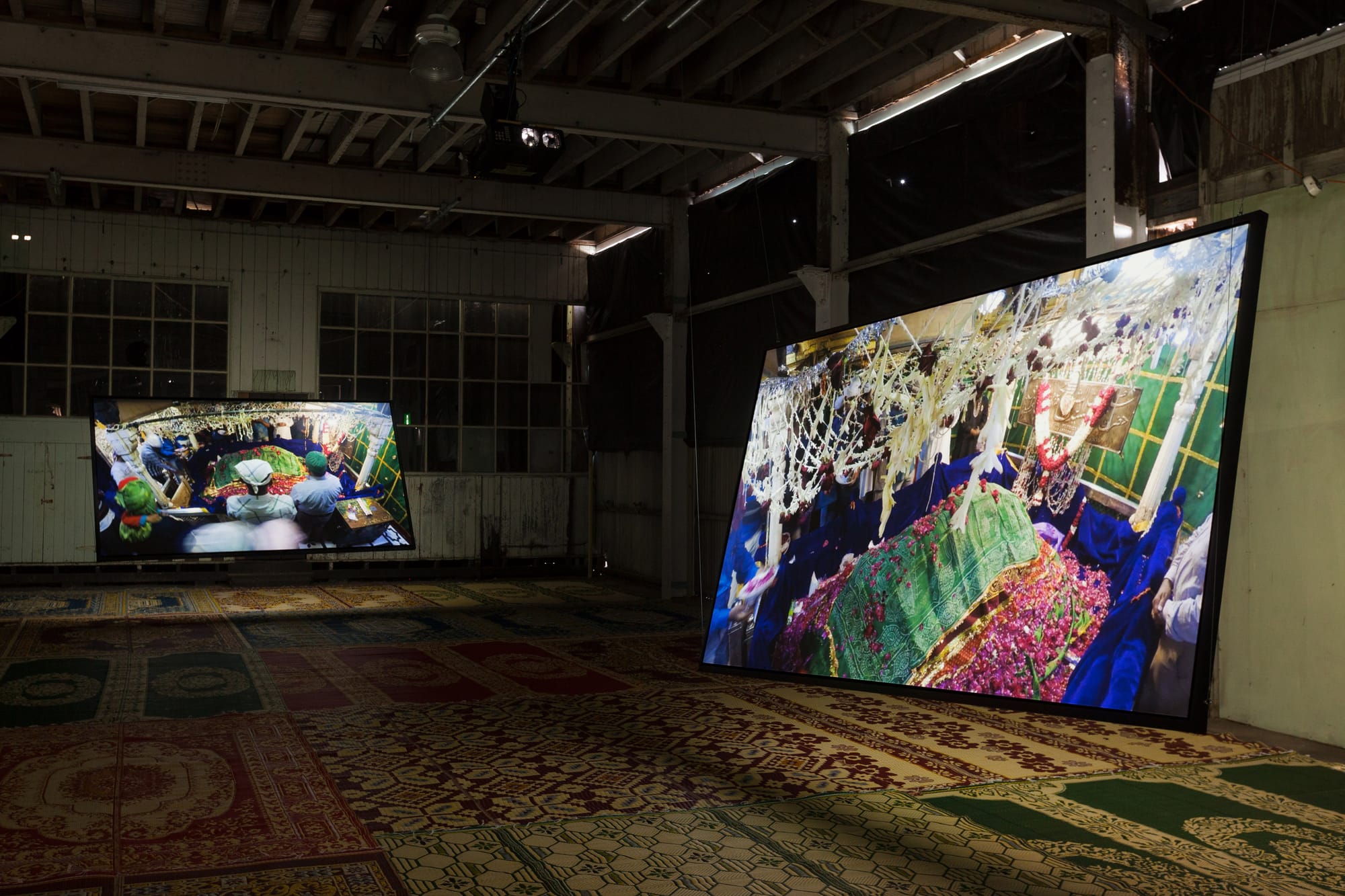
Khaled Sabsabi, a Lebanese Australian artist, explores the intersection of spirituality and perception through video and mixed-media installations rooted in Sufism. His work, such as the 18-minute video *Lefke Morning* (2012–18), captures the Naqshbandi-Haqqani Sufi Order's dawn meditations, using blurred imagery and soundscapes to challenge Islamophobic media tropes and evoke a sense of unity. Sabsabi's practice also draws on hip-hop, which he performed as "Peacefender" in the 1980s, using music to address social issues and support marginalized communities in Western Sydney.

Meet the London Perfumer Building a Collection Around Humor and Instinct

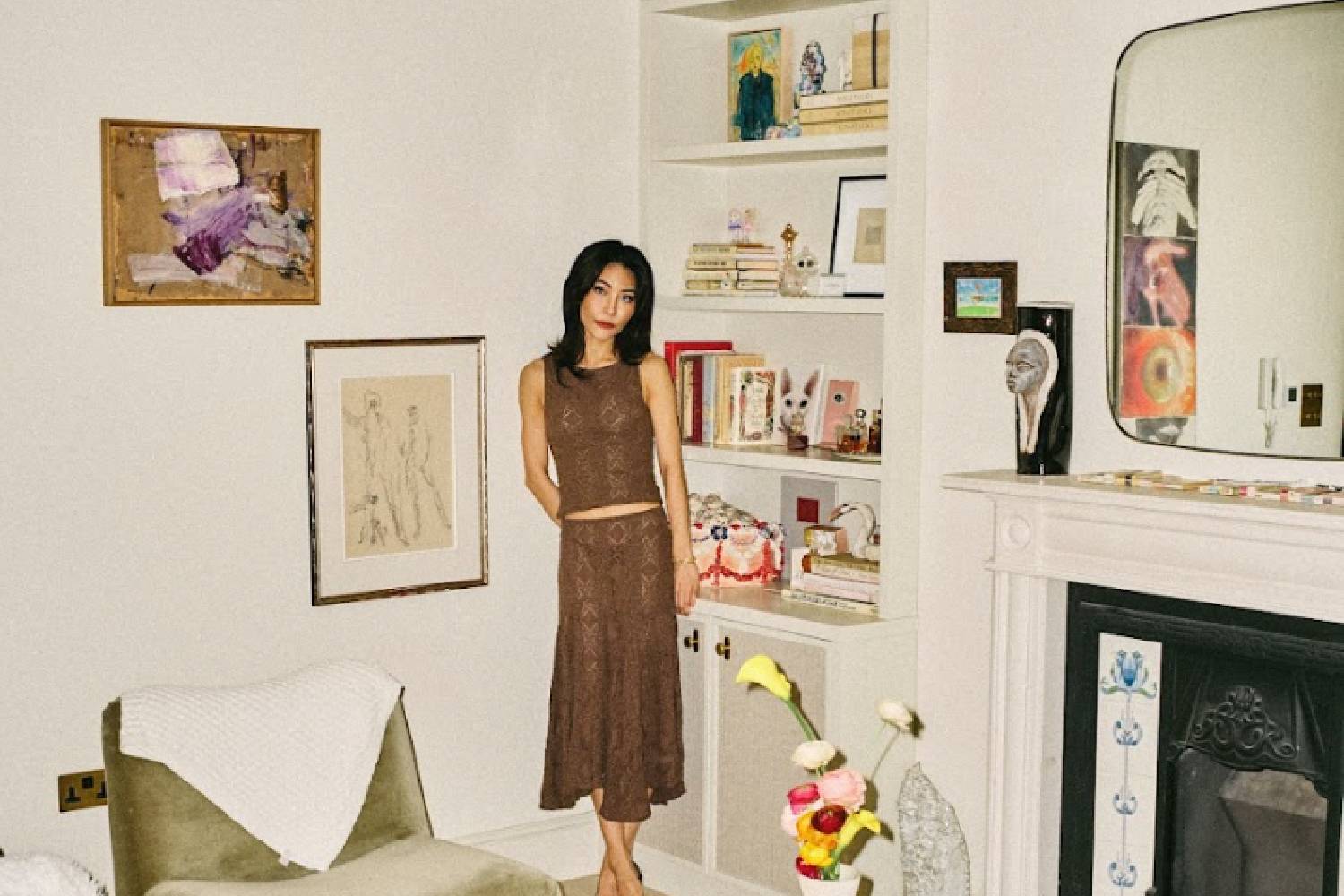
Cherry Cheng, a London-based perfumer, has curated a personal art collection in her Notting Hill flat that reflects her instinctive and humorous approach to collecting. The collection features works by artists such as Beau Gabriel, Miranda Keyes, Sarah Pucci, Juliette Teste, Araki Nobuyoshi, Katrien de Blauwer, Lucile Littot, Leo Costelloe, Sebastian Espejo, and Joline Kwakkenbos, displayed throughout her home like a diary of her tastes.

Met Gala 2026: Everything to Know About the Theme, Co-Chairs, Dress Code and More

The 2026 Met Gala will take place on May 4 at the Metropolitan Museum of Art in New York City, with the theme "Costume Art" and a dress code of "Fashion Is Art." The event honors the spring 2026 exhibition of the same name, which inaugurates the Costume Institute's first permanent galleries, the nearly 12,000-square-foot Condé M. Nast Galleries. Co-chairs include Beyoncé, Nicole Kidman, Venus Williams, and Anna Wintour. The red carpet livestream will be hosted by Ashley Graham, La La Anthony, Cara Delevingne, and Emma Chamberlain on Vogue's digital platforms.

Linocuts by Eduardo Robledo Celebrate Mexican Heritage and Community

Eduardo Robledo, a Mexico City-based artist from Xochimilco, creates detailed linocuts that celebrate Mexican heritage, community, and spiritual motifs. His work features traditional symbols like skulls, skeletons, and Sacred Hearts alongside regional animals and cultural references such as Xochimilco's canal boats. Robledo also engages in social activism through printmaking, viewing it as a democratic medium for spreading messages about causes he supports. His prints are available at Hecho a Mano in Santa Fe, and he co-founded Lugar de Huida, a gallery in Mexico City that highlights Mexican printmakers.

Cassandra Dias Takes an Impressionistic Approach to Painting with Thread

Cassandra Dias, a Southern California-based artist, creates lush embroideries of natural landscapes using thread painting, a technique that mimics the gestural strokes of a paintbrush. Since taking up needle and thread in 2020, she has developed an impressionistic style that captures cliffsides, vineyards, and mountains in richly textured scenes. Her forthcoming book, "Richly Stitched Landscape Embroidery: Mastering Thread Painted Scenes," is set for release in May and is available for pre-order through the Colossal Shop.

Reaching for the stars: enduring symbols of Soviet science – in pictures

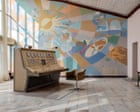
Photographer Eric Lusito documents Soviet-era scientific institutes across former USSR states in his book "Soviet Scientific Institutes," published by FUEL. The photo essay captures decaying facilities and enduring equipment at locations including the Institute of Radio Astronomy in Kharkiv, Ukraine; the Byurakan astrophysical observatory in Armenia; the Andronikashvili Institute of Physics in Tbilisi, Georgia; and the Fesenkov Astrophysical Institute in Kazakhstan, among others.

Ada: My Mother the Architect review – illuminating profile of brilliant builder balances work and family

Architect-turned-filmmaker Yael Melamede directs a documentary portrait of her mother, Israeli architect Ada Karmi-Melamede, who co-designed the Supreme Court of Israel building in Jerusalem in the early 1990s with her brother Ram Karmi and later created Ben Gurion Airport. The film explores Karmi-Melamede's architectural philosophy of "architecture of the ground and of the sky," her departure from her brother's brutalism, and a painful family split when she left her husband and children in New York after being denied tenure at Columbia University.

‘A constant quiet terror’: Getting lost in Irish folklore – in pictures

Maria Lax's photobook *Stray Sod* draws on Irish folklore and archival accounts from the Irish National Archives to explore the phenomenon of the 'stray sod'—enchanted patches of earth said to disorient and lead travelers astray, especially at night. Her images reimagine rural Irish landscapes as sites of sudden confusion, where familiar landmarks vanish and fog or mist descends, evoking a sense of 'constant quiet terror'.

Michelangelo and Rodin: Finding the Living Spirit in Stone

The New York Times article examines the artistic kinship between Michelangelo and Auguste Rodin, focusing on how both sculptors sought to animate stone with a sense of living spirit and emotional intensity. It explores their shared techniques, such as leaving surfaces unfinished to suggest movement and inner life, and highlights key works including Michelangelo's "Slaves" and Rodin's "The Gates of Hell."

The Death of the Art School

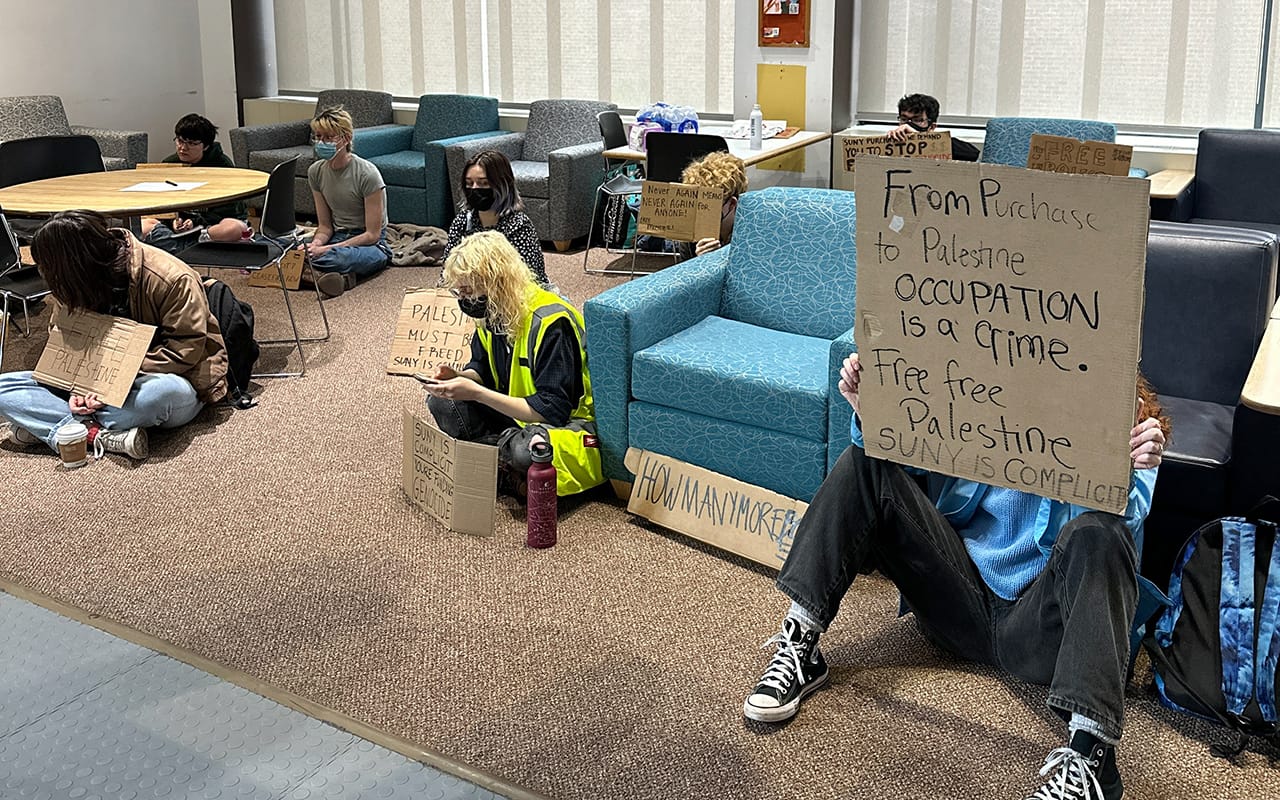
In a faculty meeting at Purchase College in New York, an administrator referred to students as "consumers," prompting the author to reflect on the pervasive corporatization and "administrification" of American higher education. The article argues that this language reflects a broader restructuring of universities as businesses, where students are customers, knowledge is a product, and faculty are service providers. It cites data showing that between 1976 and 2011, non-faculty professional positions grew by 369% while tenure-track faculty grew by only 23%, and at Purchase College, administrator salaries rose over 45% from 2016 to 2024 while assistant professor salaries rose just 14%, with inflation at 31%.

How the GDR apron became Italian luxury

Wie die DDR-Schürze zum Italo-Luxus wurde

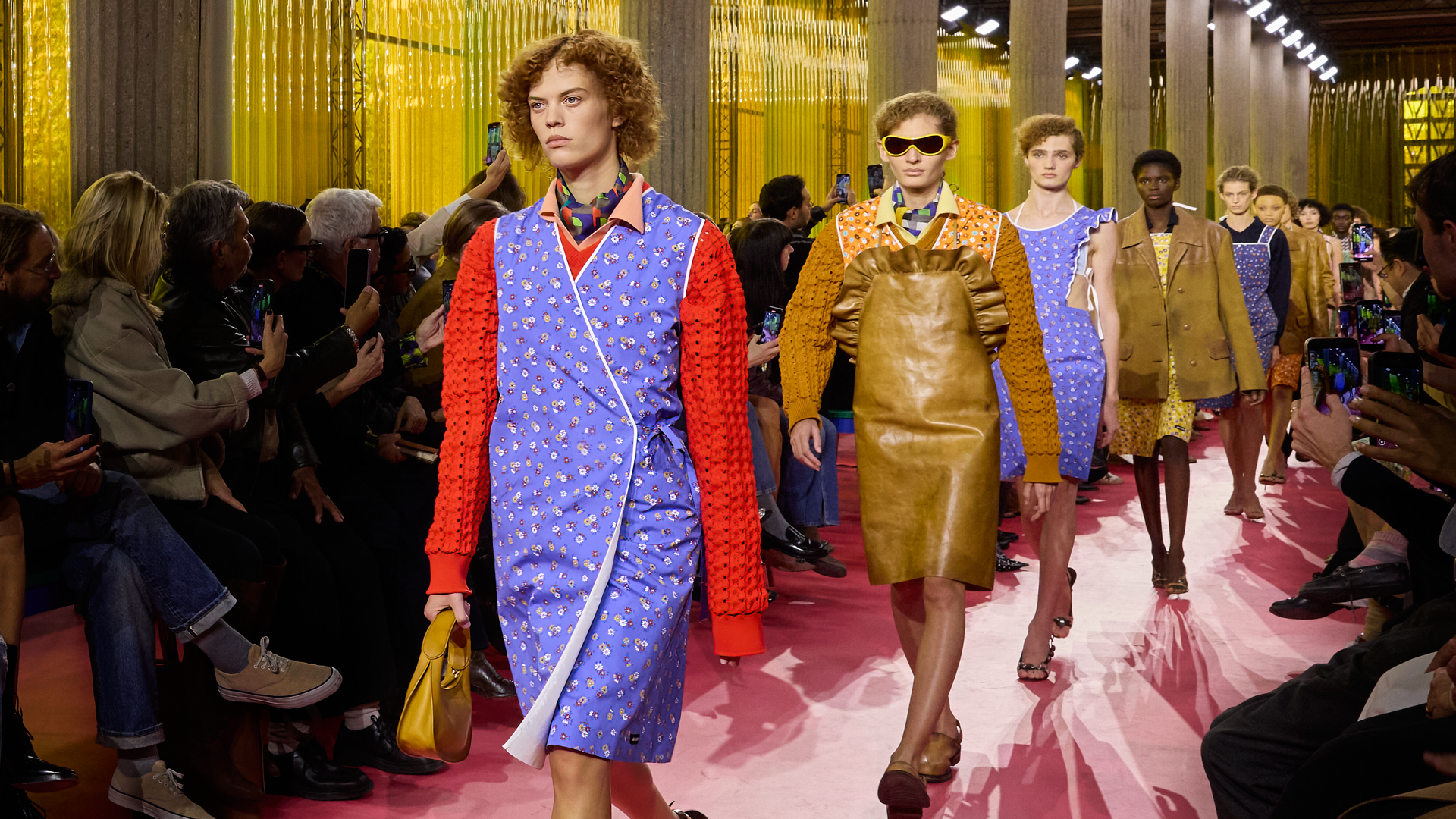
Italian luxury label Miu Miu has released dresses for summer 2026 that resemble 1980s East German kitchen aprons, with prices reaching up to €12,000 for crystal-embroidered versions. The collection debuted on the Paris runway in October, where actress Sandra Hüller opened the show in robust workwear, evoking factory workers from the former GDR. Designer Miuccia Prada, a former member of the Italian Communist Party, drew inspiration from Helga Paris's 1984 photo series "Frauen bei der Arbeit" (Women at Work), which documented female laborers in East Berlin's VEB Treffmodelle textile factory.