filter_list Showing 30 results for "C" close Clear
search
dashboard All 1040 museum exhibitions 563article local 172article culture 73article news 67trending_up market 56person people 33article policy 30rate_review review 27candle obituary 11gavel restitution 7article architecture 1
date_range Range Today This Week This Month All
Subscribe

Fee or free? How entry charges affect museums in the US

The article examines the financial impact of eliminating or reducing admission fees at US museums, using Baltimore's Walters Art Museum and Baltimore Museum of Art as case studies. While the Walters saw a 45% attendance increase and a tripling of minority participation after going free in 2006, the surge did not generate enough ancillary revenue from merchandise, food, or memberships to offset lost ticket income. Over time, attendance at both institutions declined—by 18.6% at the Walters and 12.7% at the BMA—according to a 2021 survey. Experts like former Met president Daniel Weiss and economist John Silvia argue that free admission often fails to meaningfully boost visitation and can strain museum finances.
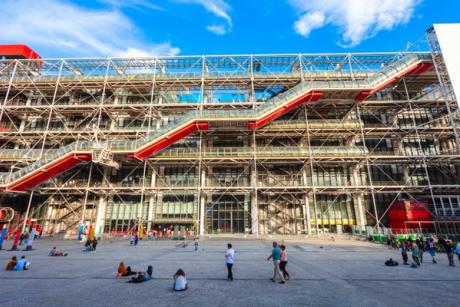
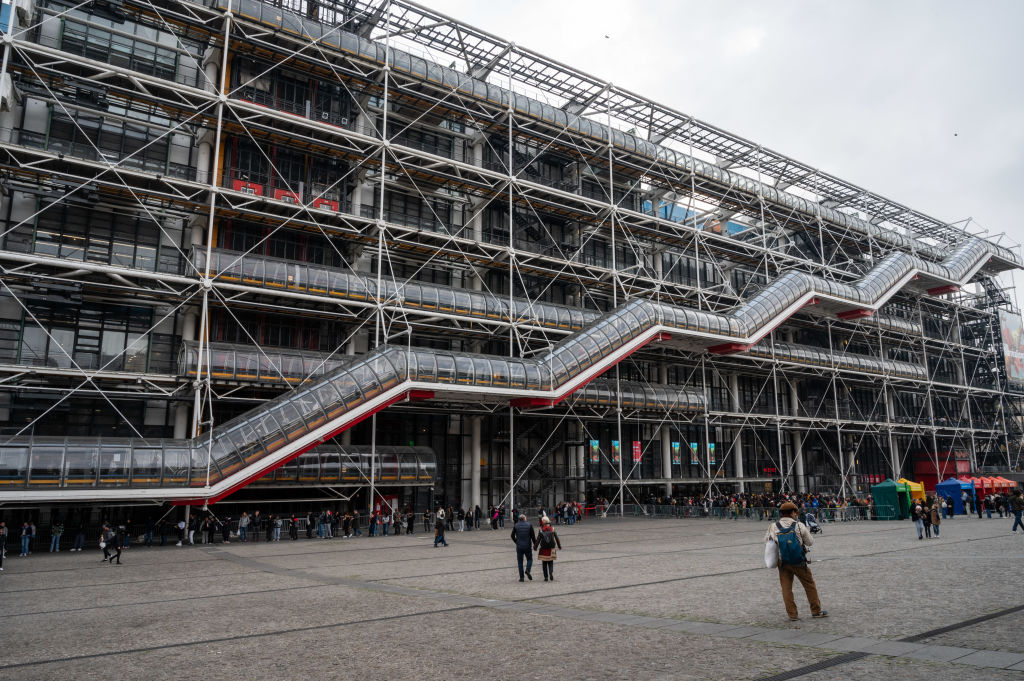
Chanel gives Centre Pompidou financial boost with new five-year partnership

Chanel has announced a new five-year partnership with the Centre Pompidou in Paris, providing a confidential financial boost to the institution during its closure for major renovations until 2030. The partnership builds on previous collaborations, including the 2023 Assemble program and a 2025 initiative to expand the museum's collection of Chinese contemporary artists by over 30% by 2028, with works already acquired from artists like Chen Wei and Cui Jie.

Chanel Renews Financial Support of Centre Pompidou During Long-Term Renovation

Chanel has renewed its financial partnership with Paris's Centre Pompidou, extending their collaboration through another five-year agreement. The luxury fashion house will continue supporting the museum's operations, acquisitions, and exhibitions, despite the Pompidou being closed until 2030 for a major renovation costing over $500 million. Chanel previously sponsored the museum's acquisition of 21 artworks by 15 contemporary Chinese artists in 2024 and supported the related exhibition “目 China: A New Generation of Artists.” The renewed investment aims to bolster access, scholarship, and preservation of public knowledge.

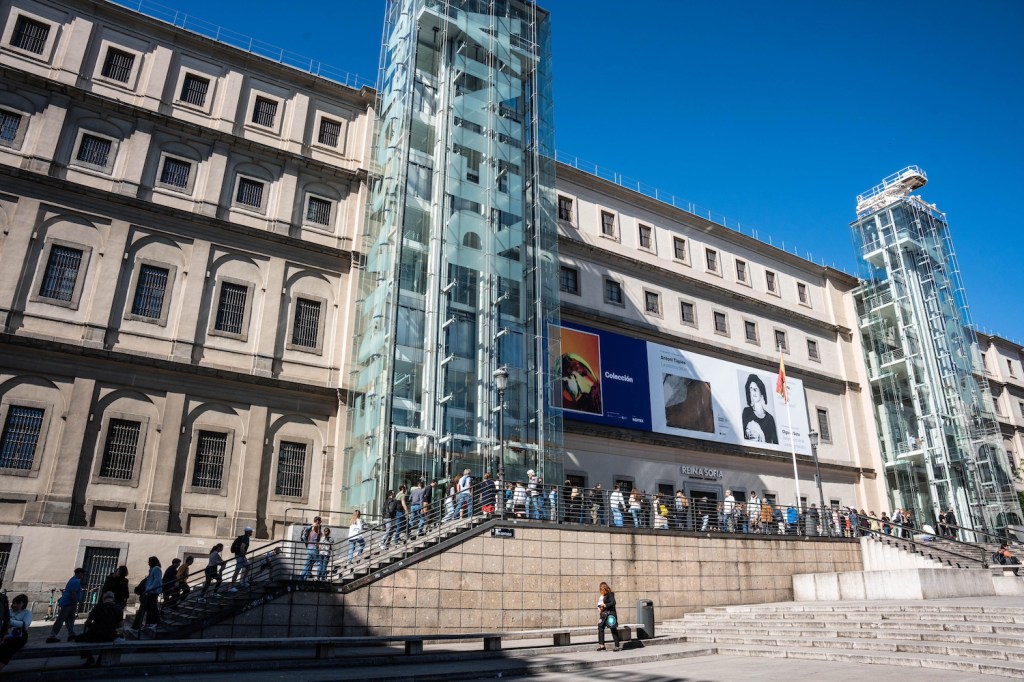
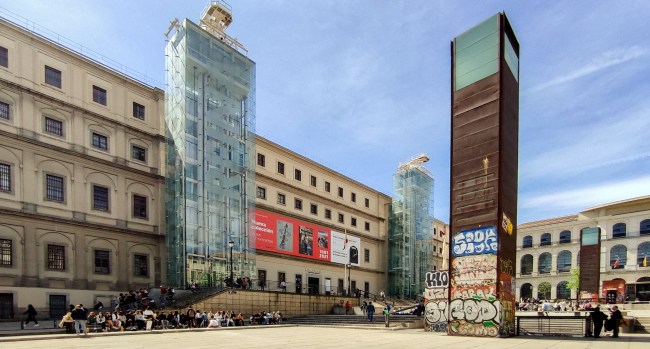
Spain Threatens to Oust Reina Sofía Director Over Missing Artworks and Finances

Spain’s government has escalated pressure on the Museo Nacional Centro de Arte Reina Sofía, demanding a complete inventory of its 25,000-plus artworks by December 31, 2026. A parliamentary oversight committee passed a resolution backed by the conservative Popular Party and far-right, warning that failure to comply could lead to the removal of museum director Manuel Segade. The resolution calls for a full audit of holdings, including loans and missing pieces, and updated financial valuations. The museum faces years of criticism from Spain’s Court of Auditors over weak internal controls and tracking issues, including a 2021 donation that can no longer be fully accounted for.

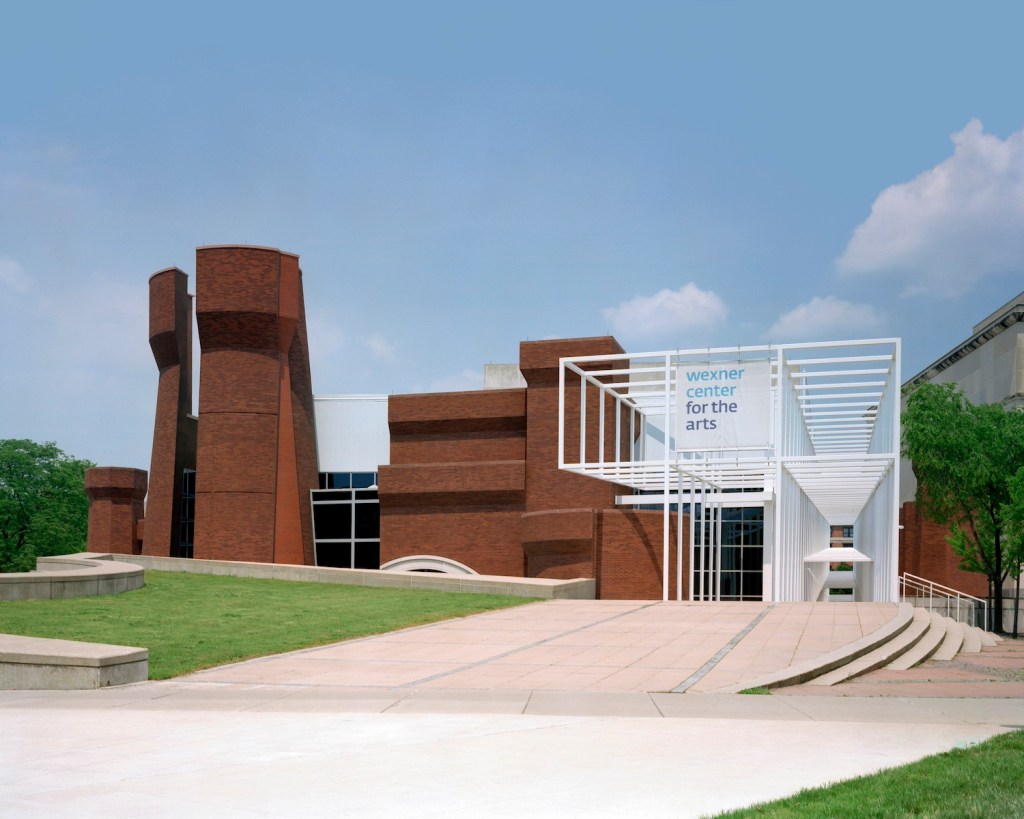
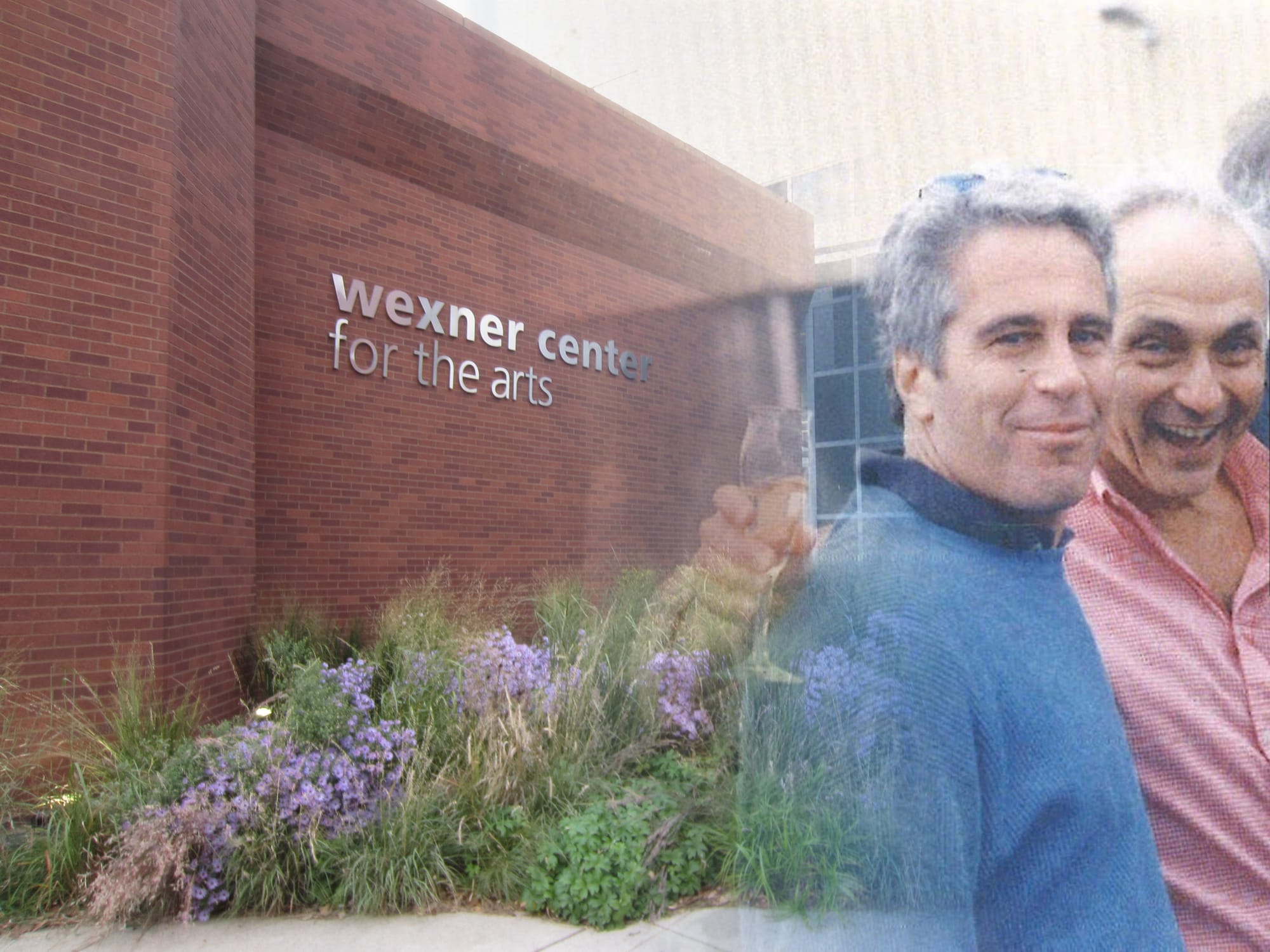
Citing Epstein Ties, Wexner Union Demands Leslie Wexner’s Name be Dropped from Art Center

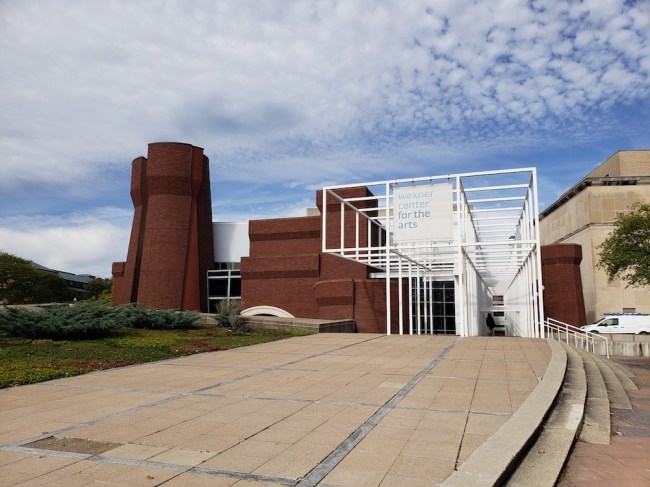
Members of the Wexner Center for the Arts union, Wexner Workers United, have formally demanded that Ohio State University remove Leslie Wexner's name from the art center. In a letter posted on Instagram, the union cites Wexner's documented ties to convicted sex offender Jeffrey Epstein, noting his name appears over 1,300 times in Department of Justice files. The union argues that the connection meets the university's criteria for renaming, and that staff face daily harassment while artists refuse to collaborate due to the Epstein association.

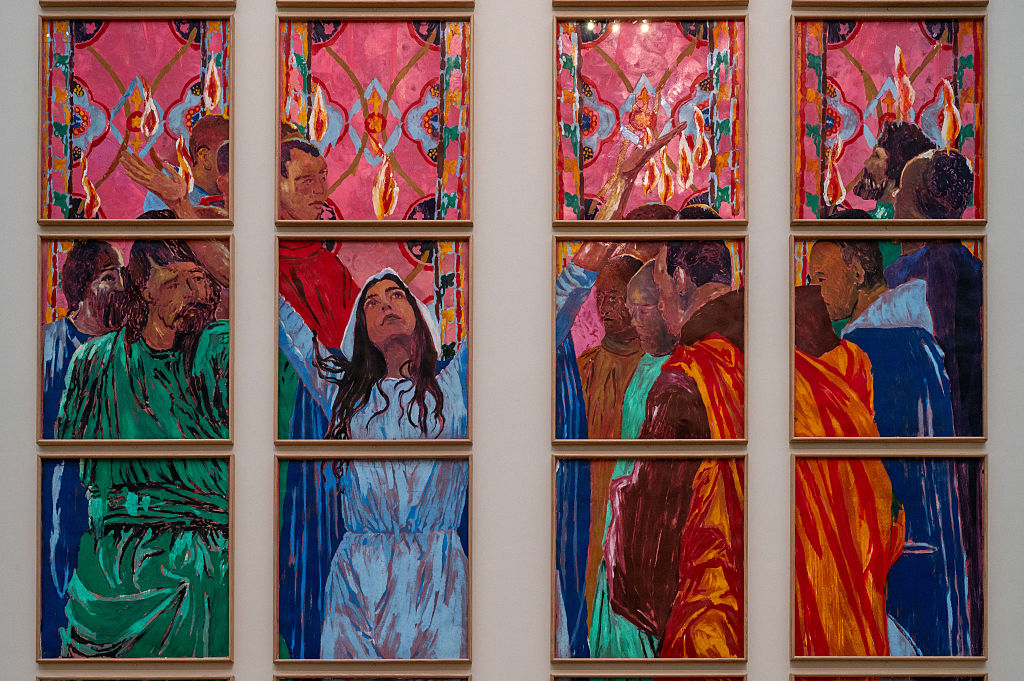
Paris Judge Rejects Bid to Suspend the Replacement of Notre-Dame’s Windows

A Paris judge has rejected a bid to suspend the removal of six 19th-century stained-glass windows by Eugène Viollet-le-Duc from Notre-Dame Cathedral, clearing the way for their replacement with contemporary works commissioned by the French government. The Paris Administrative Court ruled that the project does not constitute an irreversible alteration because the new windows, designed by artist Claire Tabouret and produced by glassmakers Simon-Marq, could be removed in the future, and the original windows will be preserved. The judge did not rule on the legality of the project, which had previously been vetoed by the National Commission of Patrimony and Architecture, leaving the door open for further legal challenges.

Spanish Government Threatens to Fire Director of Museo Reina Sofía

Manuel Segade, director of the Museo Nacional Centro de Arte Reina Sofía in Spain, has been threatened with removal by lawmakers if he does not complete a full inventory of the museum’s over 25,000 artworks by December 31, 2025. The pressure comes from Spain’s Court of Auditors, which has criticized the museum’s cataloguing methods for years, and is backed by the far-right and the conservative Popular Party. Segade, appointed in 2023, has been overseeing a multi-year renovation and has increased the representation of women artists to 35%, though only 15% of the collection’s 26,000 pieces are by women. The museum recently refused to lend Picasso’s *Guernica* to the Guggenheim Bilbao, and a pro-Israel group filed a complaint over a Palestinian flag display and a seminar series.

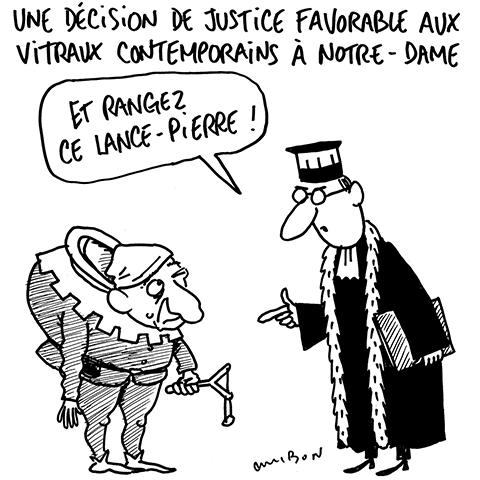
A favorable court decision for contemporary stained glass at Notre-Dame

Une décision de justice favorable aux vitraux contemporains à Notre-Dame

A French court has ruled in favor of keeping contemporary stained-glass windows installed at Notre-Dame Cathedral, rejecting a legal challenge from traditionalists who sought their removal. The decision upholds the controversial replacement of 19th-century grisaille windows designed by Eugène Viollet-le-Duc with modern works by artist Pierre Soulages and others, as part of the cathedral's post-fire restoration.

La Tour Eiffel aux enchères

The French Senate has definitively adopted a law on the restitution of cultural property looted during the colonial period, marking a major legislative step in France's approach to colonial-era artifacts. The law establishes a legal framework for returning objects held in French public collections to their countries of origin, potentially affecting thousands of items in museums across the country.

Museums in England largely oppose proposal to charge admission for foreign tourists

The UK government is exploring a proposal to charge admission fees for foreign tourists at national museums in England, sparking widespread opposition from cultural institutions. The idea was raised in a review of Arts Council England by Labour peer Margaret Hodge, who suggested digital ID checks could enable such a system, though she noted it would bring in less than £10 million and may not be worth the hassle. Museums like the Royal Armouries have condemned the plan as undermining universal access and projecting a lack of generosity, while the Cultural Policy Unit warns it would be logistically complex and ideologically problematic given the colonial origins of many collections.

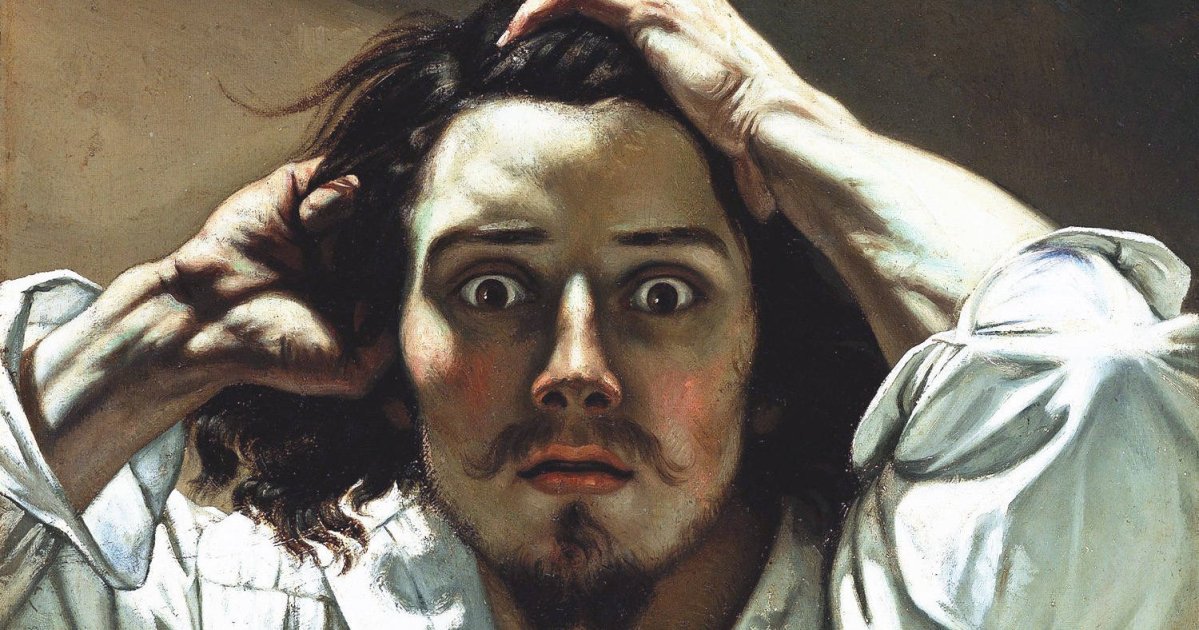
Pourquoi ce secret autour du Désespéré de Gustave Courbet ?

Gustave Courbet's painting *Le Désespéré* (1843-1845), owned by Qatar Museums Authority, was loaned to the Musée d'Orsay in Paris. The French art publication La Tribune de l'Art requested the loan agreement under transparency laws, but the museum refused, citing a confidentiality clause. The publication then appealed to the Commission d'Accès aux Documents Administratifs (CADA), which has not responded for five months. Separately, the heritage association Sites & Monuments made a similar request to the Ministry of Culture and received a negative response from CADA in March 2026, citing a Conseil d'État ruling that disclosure could harm France's foreign policy.

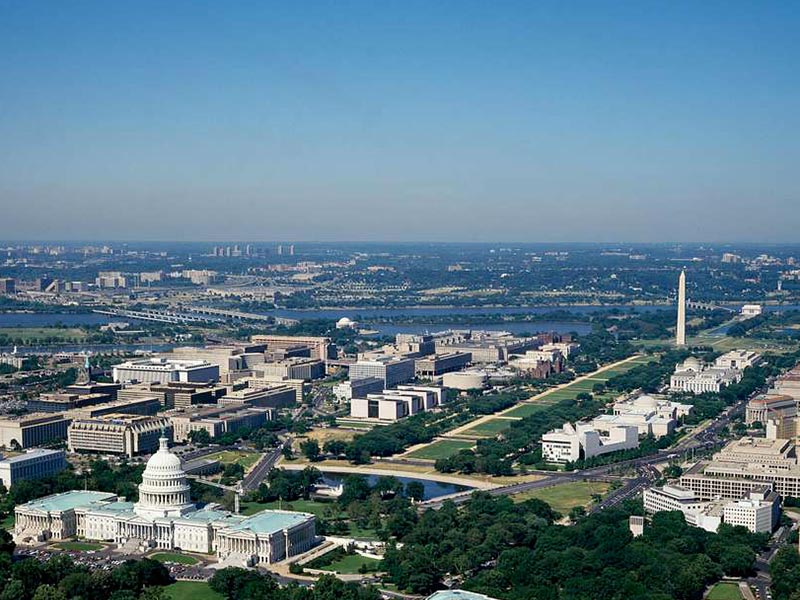
Federal Bill Creating Smithsonian Women’s Museum Scuttled Over Demand That It Honor Only “Biological” Females

Legislation to advance the construction of the Smithsonian American Women’s History Museum in Washington, DC, failed in the House on May 21 after Democrats rejected amendments added by Republicans. The bill, introduced by Republican Representative Nicole Malliotakis, was defeated 216-204, with six Republicans joining Democrats in opposition. Key changes included language specifying the museum would honor only “biological women” and explicitly barring the depiction of any “biological male as a female,” which critics said would exclude transgender women. Other provisions would have given President Donald Trump unilateral authority to choose an alternative site for the museum, originally planned for the National Mall, and granted approval power over design and construction to commissions controlled by Trump appointees.

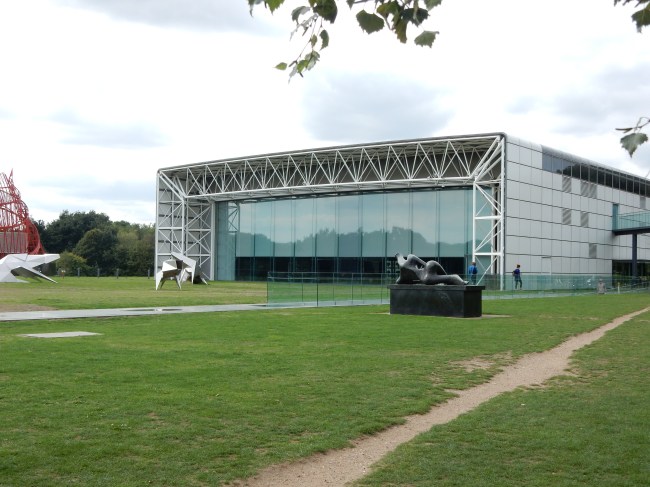
Sainsbury Centre Receives £91.2 Million Donation for Refurbishments

The Sainsbury Centre in Norwich, England, has received a £91.2 million donation from politician and philanthropist Lord David Sainsbury, one of the largest gifts ever made to a UK museum. The funds will support a major refurbishment of the Grade II* listed building, originally designed by Norman Foster, including the conversion of the south cafe terrace into a sustainable space and the installation of photovoltaic panels. The museum was founded in 1973 through a donation from Lord Sainsbury’s parents, Sir Robert and Lady Lisa Sainsbury, who also commissioned Foster to design the gallery.

One of England’s greatest art galleries is set for a £90 million transformation

The Sainsbury Centre in Norwich, one of England's greatest art galleries, has received a £91.2 million donation from the Gatsby Charitable Foundation, created by David Sainsbury. The funds will finance a major refurbishment of the Grade II-listed building, originally designed by Norman Foster in 1978, including structural repairs, energy efficiency upgrades, and enhanced visitor amenities. The centre houses a renowned collection featuring works by Picasso, Degas, Bacon, Moore, and Lalique.

Workers Push to Rename Wexner Center for the Arts Over Epstein Ties

Unionized staff at Ohio State University's Wexner Center for the Arts, organized as Wex Workers United, have officially called for the renaming of the arts center and other campus buildings named after billionaire benefactor Les Wexner. The union argues that Wexner's name, due to his decades-long association with convicted sex offender Jeffrey Epstein—who had power of attorney over Wexner's fortune—harms artists and community members. The call follows similar demands from the Ohio Nurses Association regarding the Wexner Medical Center and ongoing student protests, including an April 10 action where students covered Wexner's name on the art center's façade with a black tarp. OSU spokesperson Chris Booker noted that over 500 renaming requests have been filed under the university's official review procedure, while OSU President Ted Carter has emphasized that name changes require fact-finding and cannot be based on supposition.

The AfD Rehearses the Seizure of Power

Die AfD probt die Machtergreifung

The article reports that in the German state of Saxony-Anhalt, the far-right party AfD could achieve an absolute majority in the upcoming September election—a first in postwar German history. The state government has preemptively introduced a cultural funding law to protect the arts. The AfD's platform includes a "new patriotic cultural policy" under the slogan "#deutschdenken," which explicitly targets the Bauhaus and modernist art as symbols of an "identity disorder" they promise to "heal."

"Geschichtspolitisch fatal und realitätsblind"

A German media roundup reports on a planned restructuring of the Stiftung Flucht, Vertreibung, Versöhnung (Foundation Flight, Expulsion, Reconciliation), which would shift its focus toward German expellees and reduce the influence of the Federal Government Commissioner for Culture and the Media. The reform, criticized by FAZ commentator Andreas Kilb as a fundamental cultural-political intervention, would detach the foundation from the German Historical Museum and give greater weight to the Federation of Expellees in its board. Separately, the roundup covers a review of a legal study on artistic freedom sparked by the antisemitism debate around Documenta Fifteen, and a speech by Culture Minister Wolfram Weimer warning of democratic backsliding and rising antisemitism.

In Washington, the Women's Museum will not see the light of day

À Washington, le Musée des femmes ne verra pas le jour

The U.S. House of Representatives has rejected a bill to establish the Smithsonian American Women's History Museum on the National Mall in Washington, D.C., after a bipartisan consensus collapsed. The original bill, introduced by Republican Representative Nicole Malliotakis in February 2025, had over 230 co-sponsors and aimed to allocate a site opposite the National Museum of African American History and Culture. However, an amendment by Representative Mary Miller redefined the museum's mission as dedicated to "biological women," explicitly excluding transgender women, and removed references to diversity. The committee approved the amendment along party lines (7-4), leading to the bill's failure to secure the necessary votes.

‘Lost forever, all because of this new tax’: fears for UK church heritage as VAT relief ends

The UK government has ended the Listed Places of Worship Grant Scheme, a 25-year program that allowed churches to reclaim VAT on repair and maintenance work. Heritage experts warn that this policy change, which effectively adds a 20% surcharge to conservation projects, is causing delays, reassessments, and cancellations of restoration work. Immediate casualties include the Peel Tower at St Cuthbert’s Church in Cumbria and Phoebe Anna Traquair’s 1905 murals at St Peter’s Church in Nottinghamshire, both of which face funding shortfalls due to the new tax burden.

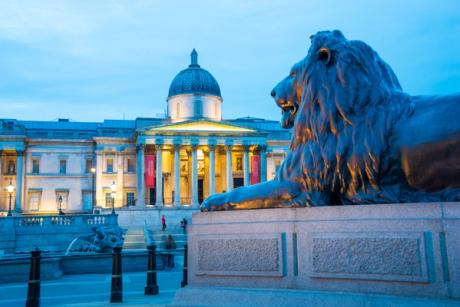
Comment | The flaws in the plan to charge entry to British museums

The UK Treasury is reportedly pushing to end universal free entry to Britain’s 15 national museums, including the British Museum, the National Gallery, and Tate, by charging overseas visitors. The policy, introduced by Labour in 2001, has been hailed as one of the most successful cultural initiatives of modern times, boosting visitor numbers by around 40% over two decades. The article argues that practical obstacles—such as the lack of mandatory ID cards to verify residency, the cost of installing ticketing infrastructure, and the risk of creating a two-tier system between wealthy and poorer museums—make the plan unworkable.

Wexner Center for the Arts Workers Call for Institution to Be Renamed Over Top Funder’s Epstein Ties

Unionized workers at the Wexner Center for the Arts in Columbus, Ohio, have demanded that the institution remove the name of top funder Les Wexner from its moniker, citing his close ties to convicted pedophile Jeffrey Epstein. In a letter to Ohio State University leadership, Wexner Workers United (WWU) argued that Wexner’s name on the building harms the center’s mission and community trust. Wexner, a billionaire retail magnate and art collector, donated $25 million to the center’s construction in the 1980s and has been mentioned over a thousand times in the Epstein Files; Epstein victim Virginia Giuffre named Wexner as among those she was trafficked to, though Wexner denies the allegations.

Giant glacier painting disappears from Argentina’s presidential palace after new law passes loosening protections for these icy regions

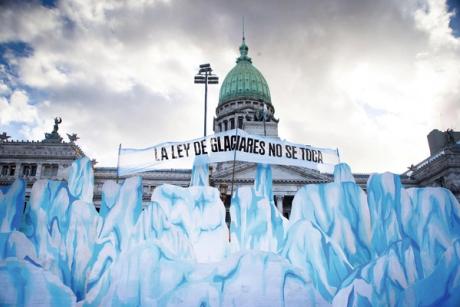
Days before Argentina’s Congress approved an amendment to the glacier law that weakens protections for glacial regions to facilitate mining, President Javier Milei’s government removed a monumental painting of the Perito Moreno Glacier from the Casa Rosada presidential palace. The work, Helmut Ditsch’s photorealist *The Triumph of Nature* (2006), had been on loan and on display since 2012. The government cited “maintenance reasons” and “structural damage,” but the artist says he was not notified and has contacted lawyers. A portrait of Juan Domingo and Evita Perón was also removed the same day, with the same vague explanation.

Israeli organisation threatens legal action against Canadian Museum for Human Rights over Palestine exhibition

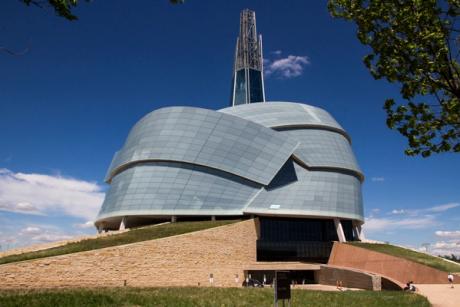
The Israeli organization Shurat Hadin has threatened legal action against the Canadian Museum for Human Rights (CMHR) in Winnipeg over its upcoming exhibition "Palestine Uprooted: Nakba Past and Present," scheduled to open on June 27. The group sent a legal letter to the museum's board and leadership, alleging the exhibition promotes a one-sided narrative that could fuel antisemitism and violate Canadian federal law, and calling for an independent review. The CMHR is reviewing the letter but declined further comment, while supporters like Independent Jewish Voices argue the museum is right to tell the story of the Nakba from the perspective of Palestinian victims.

Au Royaume-Uni les contraintes budgétaires des musées pèsent sur les effectifs

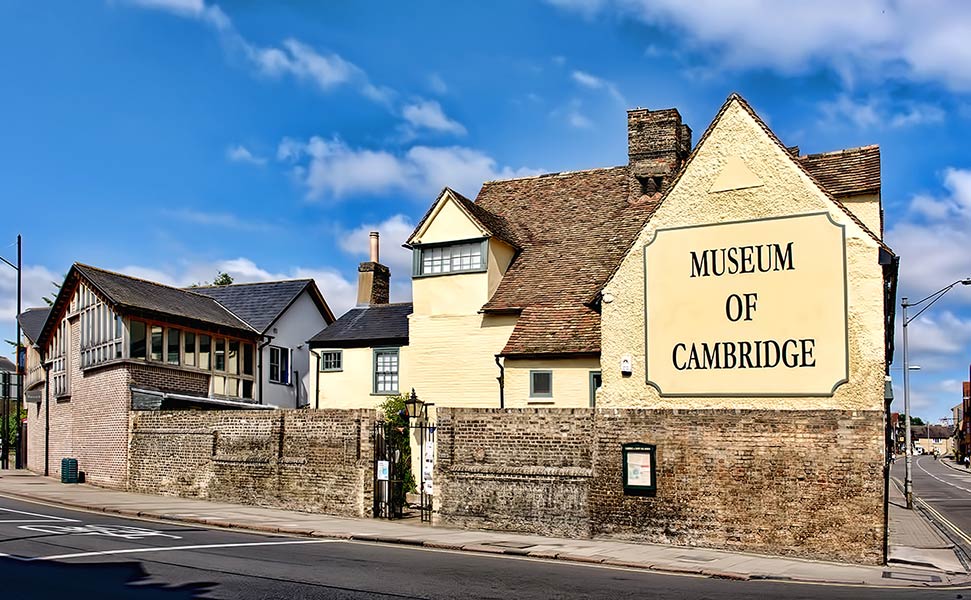
A survey of 329 museum directors in the UK, published in the Art Fund's Museum Directors Research 2026 report, reveals that staff shortages have overtaken building maintenance as the top concern for cultural institutions. Conducted by Wafer Hadley between January and March 2026, the study shows that 85% of directors cite team size and capacity as the main barrier to programming, ahead of budget constraints (67%) and lack of specialized expertise (23%). The National Gallery in London launched a voluntary redundancy plan in February 2026 to address a projected deficit of £8.2 million, while the Museum of Cambridge cut a third of its staff and reduced opening hours. Local authority grants have decreased or ceased for 45% of institutions between 2024-2025 and 2025-2026, and over a third of museums have reduced or plan to reduce opening hours and annual exhibitions.

Management of Mont-Saint-Michel by the Centre des Monuments Nationaux Called into Question

La gestion du Mont-Saint-Michel par le Centre des Monument Nationaux remise en question

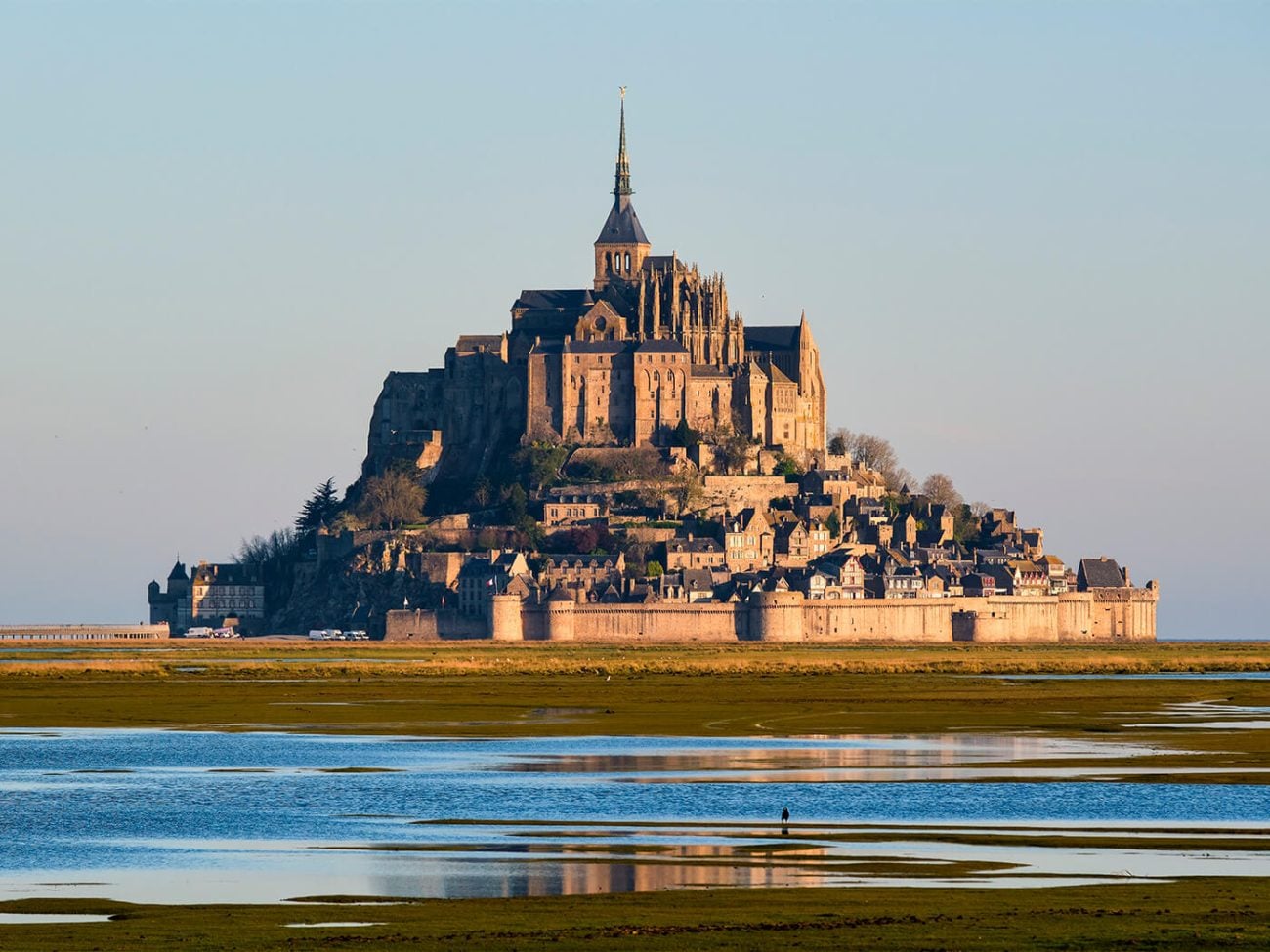
On May 20, the French newspaper La Lettre reported that Prime Minister Sébastien Lecornu has decided to transfer management of the Mont-Saint-Michel abbey from the Centre des monuments nationaux (CMN) to the Établissement public du Mont-Saint-Michel (EPMSM), which currently handles the bay, parking, and shuttles. The CMN, which administers the abbey and 110 other national monuments, has denounced the move as opaque and lacking impact studies or consultation. Unions including CGT-Culture and CFDT-Culture warn that losing the abbey's revenue—1.4 million annual visitors generating over 15% of CMN's income—would jeopardize maintenance of less profitable sites and restoration projects.

Simone Venturini is the new mayor of Venice: here's what he wants to do for culture (and yes, the councilor will return)

Simone Venturini è il nuovo sindaco di Venezia ecco cosa vuole fare per la cultura (e sì, tornerà l’assessore)

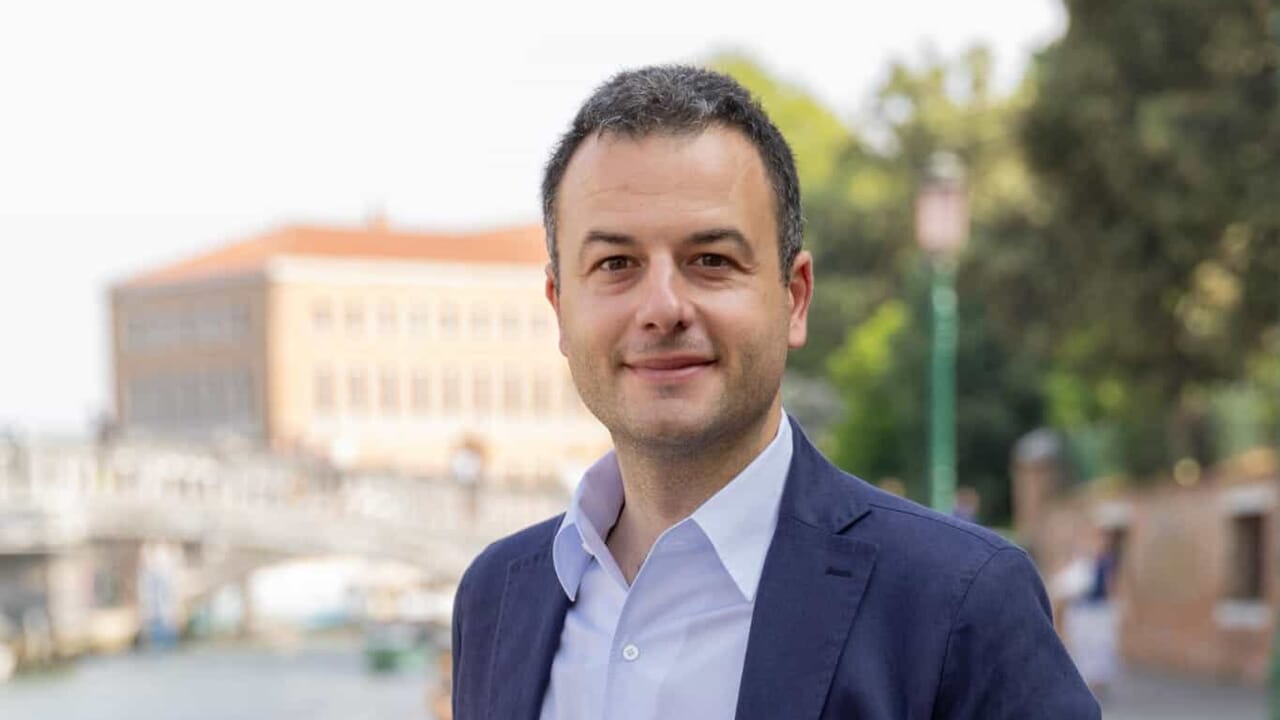
Simone Venturini, a 38-year-old center-right candidate, has been elected mayor of Venice in a surprise first-round victory on May 25, 2026. Born and raised in Marghera, Venturini entered politics at 22 and is seen as the protégé of outgoing mayor Luigi Brugnaro. His campaign emphasized daily belonging and crisis management experience, from the pandemic to overtourism.

The papal residence of Castel Gandolfo had been opened to museum visits by Pope Francis, now Pope Leo closes it again

La residenza papale di Castel Gandolfo era stata aperta a visite museali da Papa Francesco, ora Papa Leone la chiude di nuovo

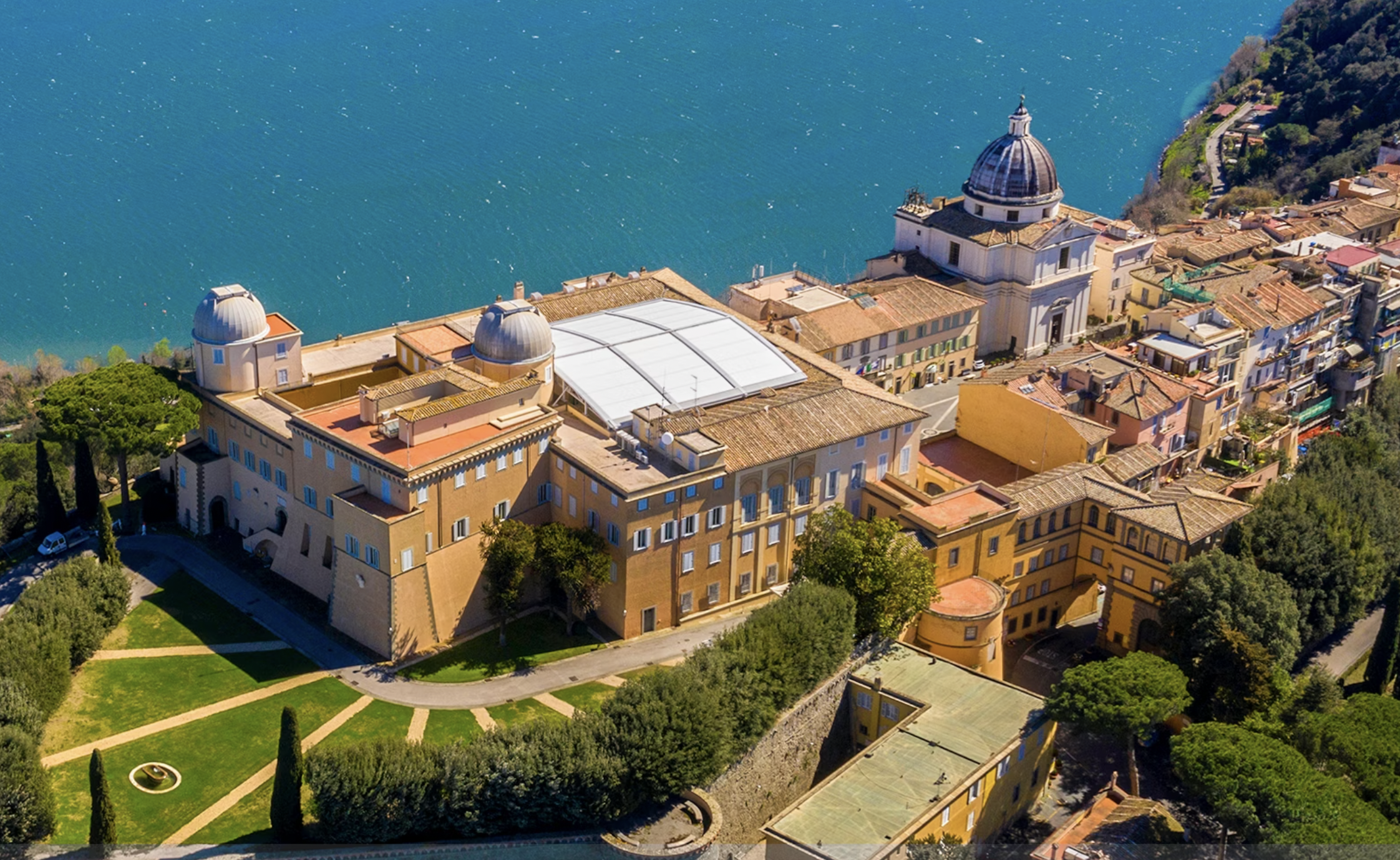
Pope Leo XIV is closing the Apostolic Palace of Castel Gandolfo to the public as of July 2026, ending nearly a decade of museum access initiated by Pope Francis. Online ticket sales stop on June 30, and the palace will revert to its original function as the pope's summer residence. The decision follows preparatory works begun in May 2025 and is partly motivated by security concerns, as the current temporary lodging at Villa Barberini has logistical and access-control issues.

Is Museum Wall Text the Next Political Battleground?

The Smithsonian Institution has altered or removed interpretive wall text that accompanies artworks on display, according to a New York Times report. Critics argue these changes amount to self-censorship, suggesting the institution is bowing to political pressure by softening or eliminating contextual language that could be seen as controversial.

Reasoning beyond accounting: here is the first step for a valuation of cultural heritage

Ragionare oltre la contabilità: ecco il primo step per una valutazione del patrimonio culturale

Angelo Argento recently published an article examining the valuation of cultural heritage in light of ongoing public accounting reforms in Italy. The piece moves beyond iconic landmarks like the Colosseum or Uffizi to focus on smaller, territorial assets such as archives, civic museums, and lesser-known archaeological sites, questioning how and whether a specific economic value can be assigned to them. It explores different international approaches—from market-based valuations in Australia and France to symbolic €1 entries in the U.S.—highlighting the global trend toward quantifying cultural heritage.

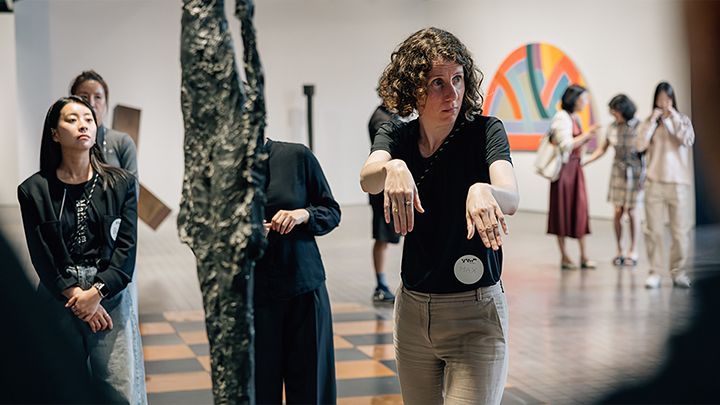
Sign Language to Bring Art Exhibitions Closer... Ministry Invites Applications for Sign Language Video Production Institutions

South Korea's Ministry of Culture, Sports and Tourism is accepting applications from ten institutions—including museums and art galleries—for its "2026 Exhibition Information Sign Language Video Production Support Project." Applications run from May 21 to June 12, with priority given to institutions offering permanent or long-term exhibitions. The ministry will evaluate regional balance, facility accessibility, video utilization potential, and exhibition suitability, and will survey the deaf community's viewing needs. The final list of selected institutions will be announced on June 22.