filter_list Showing 15 results for "2024" close Clear
search
dashboard All 537 museum exhibitions 287article news 68trending_up market 49article culture 33person people 26article local 26rate_review review 24article policy 15candle obituary 6gavel restitution 3
date_range Range Today This Week This Month All
Subscribe

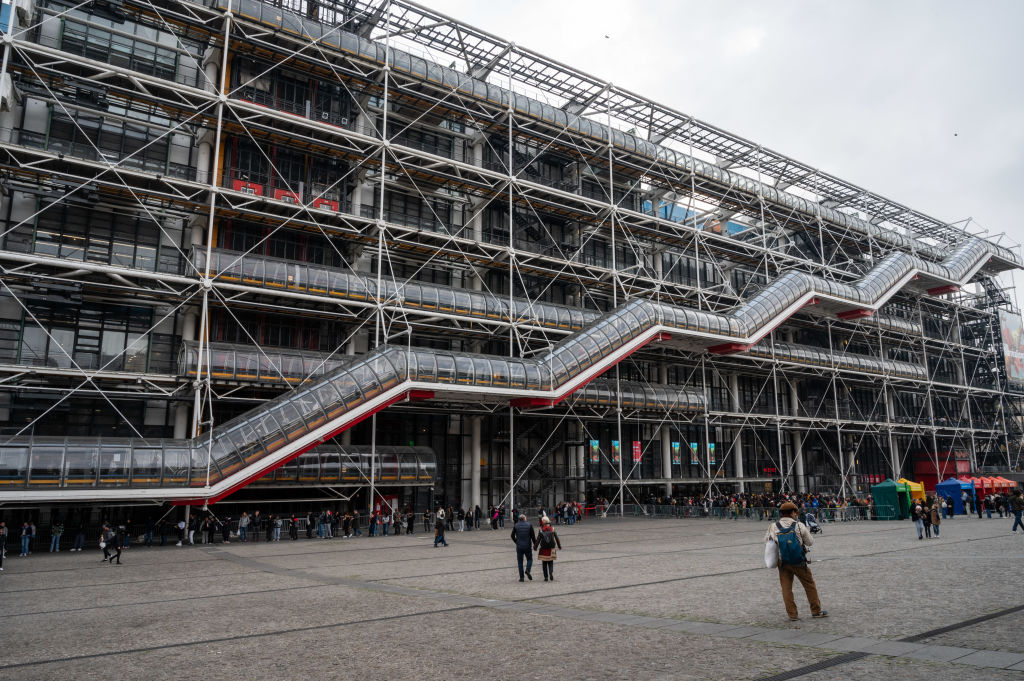
Chanel Renews Financial Support of Centre Pompidou During Long-Term Renovation

Chanel has renewed its financial partnership with Paris's Centre Pompidou, extending their collaboration through another five-year agreement. The luxury fashion house will continue supporting the museum's operations, acquisitions, and exhibitions, despite the Pompidou being closed until 2030 for a major renovation costing over $500 million. Chanel previously sponsored the museum's acquisition of 21 artworks by 15 contemporary Chinese artists in 2024 and supported the related exhibition “目 China: A New Generation of Artists.” The renewed investment aims to bolster access, scholarship, and preservation of public knowledge.
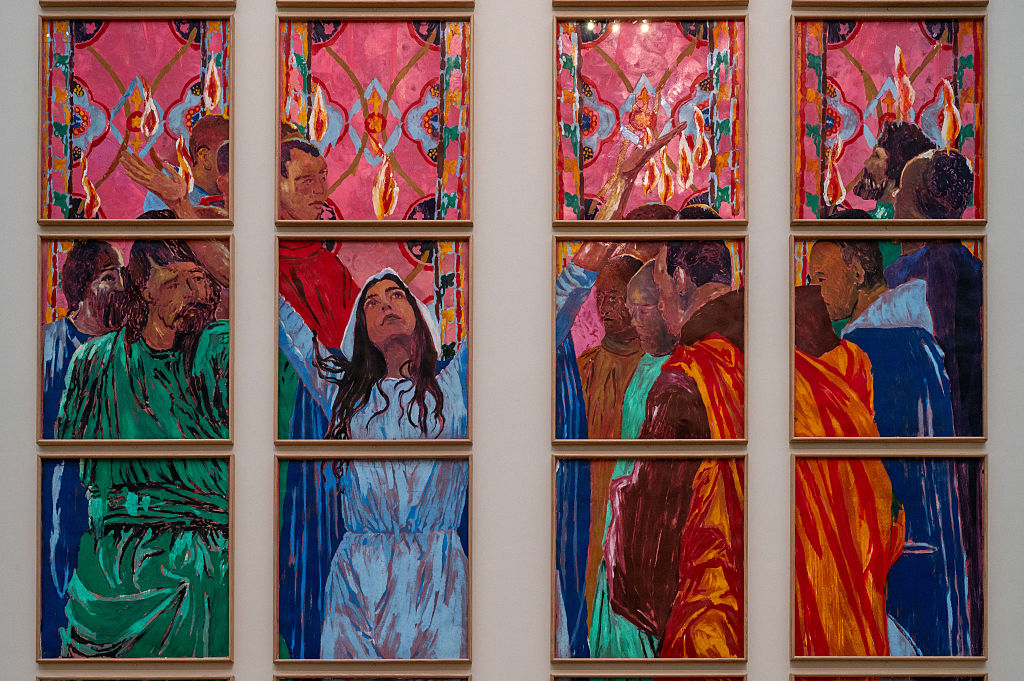
Paris Judge Rejects Bid to Suspend the Replacement of Notre-Dame’s Windows

A Paris judge has rejected a bid to suspend the removal of six 19th-century stained-glass windows by Eugène Viollet-le-Duc from Notre-Dame Cathedral, clearing the way for their replacement with contemporary works commissioned by the French government. The Paris Administrative Court ruled that the project does not constitute an irreversible alteration because the new windows, designed by artist Claire Tabouret and produced by glassmakers Simon-Marq, could be removed in the future, and the original windows will be preserved. The judge did not rule on the legality of the project, which had previously been vetoed by the National Commission of Patrimony and Architecture, leaving the door open for further legal challenges.

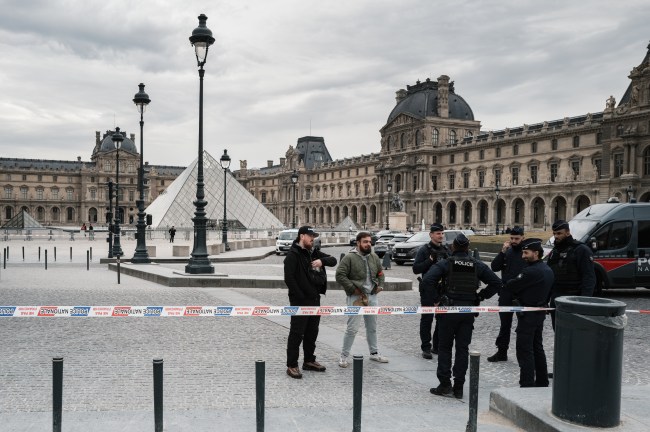
Parliamentary Report Outlines Major Issues In French Museums After The Louvre Heist

A French parliamentary commission released a report on May 13 detailing severe security deficiencies in French museums, following a December 2025 heist at the Louvre where French Crown Jewels worth $100 million were stolen. The report, overseen by MPs Alexis Corbière and Alexandre Portier, draws on over 20 hearings and highlights that only 25% of surveyed museums have a finalized security plan, with the Louvre itself criticized for dilapidated conditions and ignored audit warnings from 2017 and 2019 that predicted the thieves' modus operandi. Former Louvre director Laurence des Cars, who resigned in February, faced criticism for delays in implementing a security master plan.

How the State Supports Provenance Research

Comment l’État soutient la recherche de provenance

The French Ministry of Culture has created two specialized missions to assist museums in researching the provenance of their collections, addressing looted artworks, human remains, colonial acquisitions, and illicit trafficking. The Mission for Research and Restitution of Looted Cultural Property (M2RS), established in 2019, focuses on Nazi-era spoliations (1933-1945) with a budget of €220,000 annually, while the newer Mission "Provenance," launched in 2024 under curator Catherine Chevillot, covers human remains, colonial-era objects, and illicit goods with a €450,000 budget. These missions provide expertise, funding, and coordination with institutions like the Commission for the Restitution of Property and Compensation of Victims of Anti-Semitic Spoliation (CIVS), though most museums still only initiate provenance checks during acquisitions or donations.

Victorien Bornéat : « De l’échec de la démocratisation culturelle est né un sentiment d’exclusion »

Victorien Bornéat has published a manifesto arguing that French cultural democratization policy, rooted in André Malraux's vision of making masterworks accessible to all, has failed. He cites budget cuts by regional presidents Laurent Wauquiez and Christelle Morançais, police raids on bookshops like Violette and Co, and statistical studies showing that working-class audiences still do not spontaneously attend theaters, museums, or opera. Bornéat contends that the policy's emphasis on direct confrontation with canonical works ignored the need for cultural codes and institutional literacy, creating an exclusion that politicians now exploit for electoral gain.

No money, more problems: 85% of US museums in urgent need of building repairs

A recent survey by the US Government Accountability Office (GAO) found that approximately 85% of US museums face a costly backlog of maintenance or building repairs, with 77% having at least one structural issue that puts their collections at risk. Based on a survey of around 300 museums and 17 site visits, the report reveals that institutions across the country struggle to keep buildings updated and safe due to a lack of funding, with challenges especially pronounced in rural and remote locations where shipping materials and finding skilled workers is prohibitively expensive. Many museums are housed in historic homes or sites that are part of their collections, adding further complexity, and smaller museums often lack the budget to address major problems like new roofs or HVAC systems.

Au Royaume-Uni les contraintes budgétaires des musées pèsent sur les effectifs

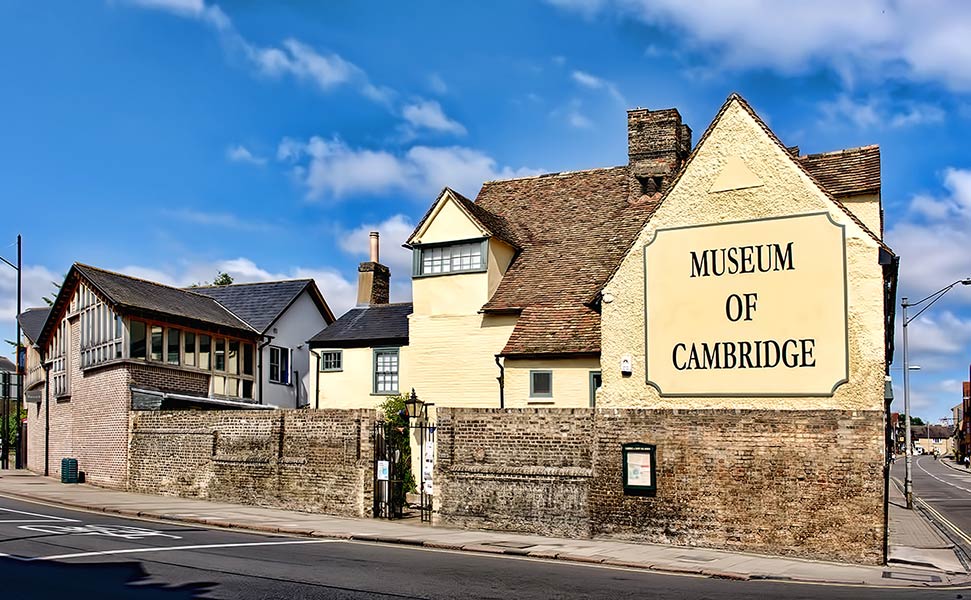
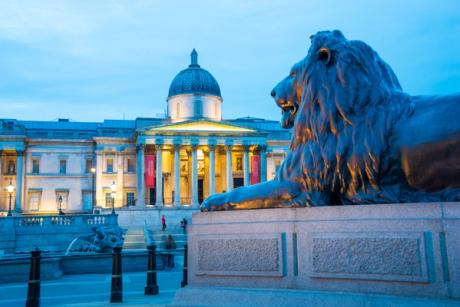
A survey of 329 museum directors in the UK, published in the Art Fund's Museum Directors Research 2026 report, reveals that staff shortages have overtaken building maintenance as the top concern for cultural institutions. Conducted by Wafer Hadley between January and March 2026, the study shows that 85% of directors cite team size and capacity as the main barrier to programming, ahead of budget constraints (67%) and lack of specialized expertise (23%). The National Gallery in London launched a voluntary redundancy plan in February 2026 to address a projected deficit of £8.2 million, while the Museum of Cambridge cut a third of its staff and reduced opening hours. Local authority grants have decreased or ceased for 45% of institutions between 2024-2025 and 2025-2026, and over a third of museums have reduced or plan to reduce opening hours and annual exhibitions.

Why Italy's cultural wealth never really enters public accounts and budgets?

Perché la ricchezza culturale italiana non entra mai davvero nei conti e nei bilanci pubblici?

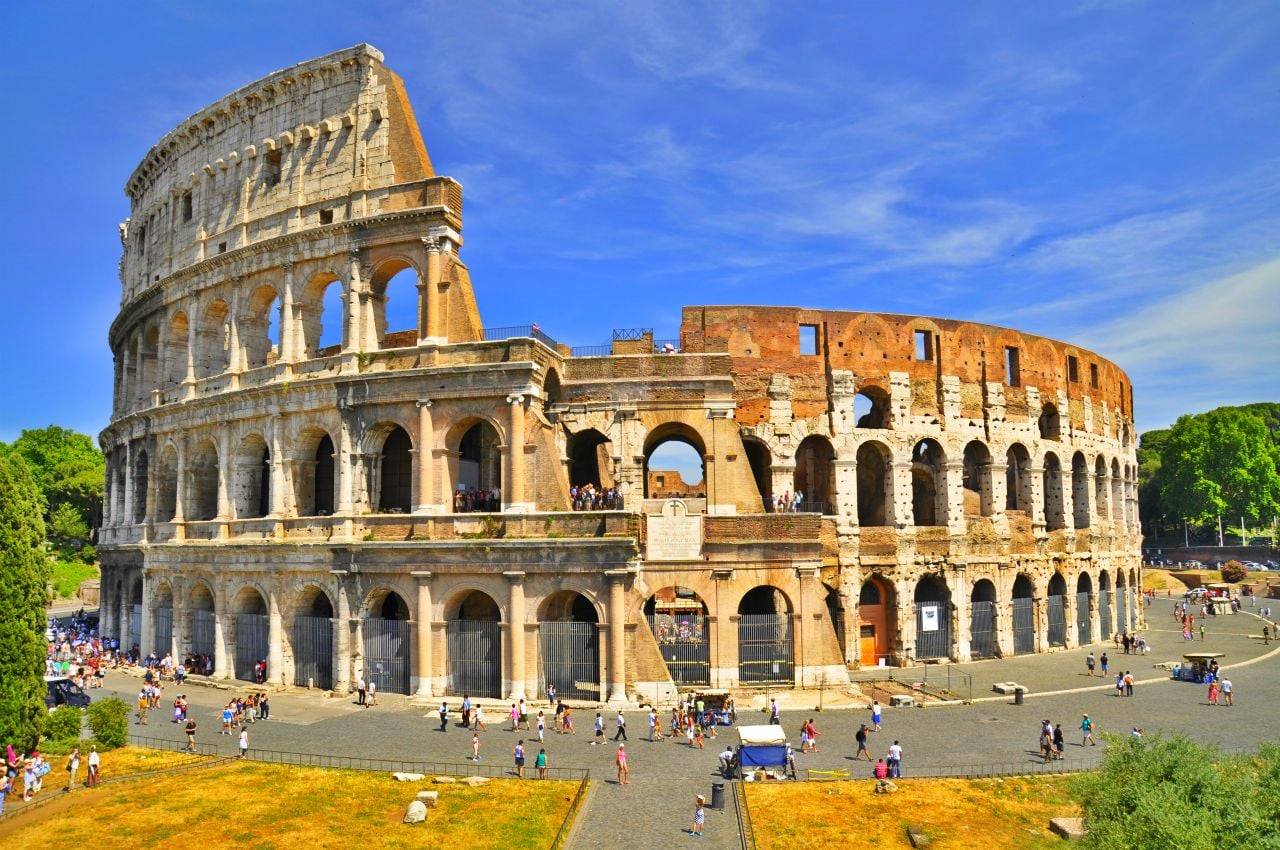
Italy has exceeded the European Commission's structural adjustment path by 0.1 percentage points of GDP, reopening fiscal scrutiny. Amid this debate, the article highlights a deeper issue: Italy's immense cultural heritage is drastically undervalued in public accounts. For example, the Pompeii Archaeological Park is recorded at just €48.9 million, the Colosseum at under €15 million, and the Uffizi at about €2 billion—figures based on outdated 2002 ministerial criteria that bear no relation to actual economic or cultural worth. The State General Accounting Office, with the University of Roma Tre and EU technical assistance, has proposed a new methodology to value cultural assets by discounting their future net financial flows, including direct revenues and indirect tourism-related returns.

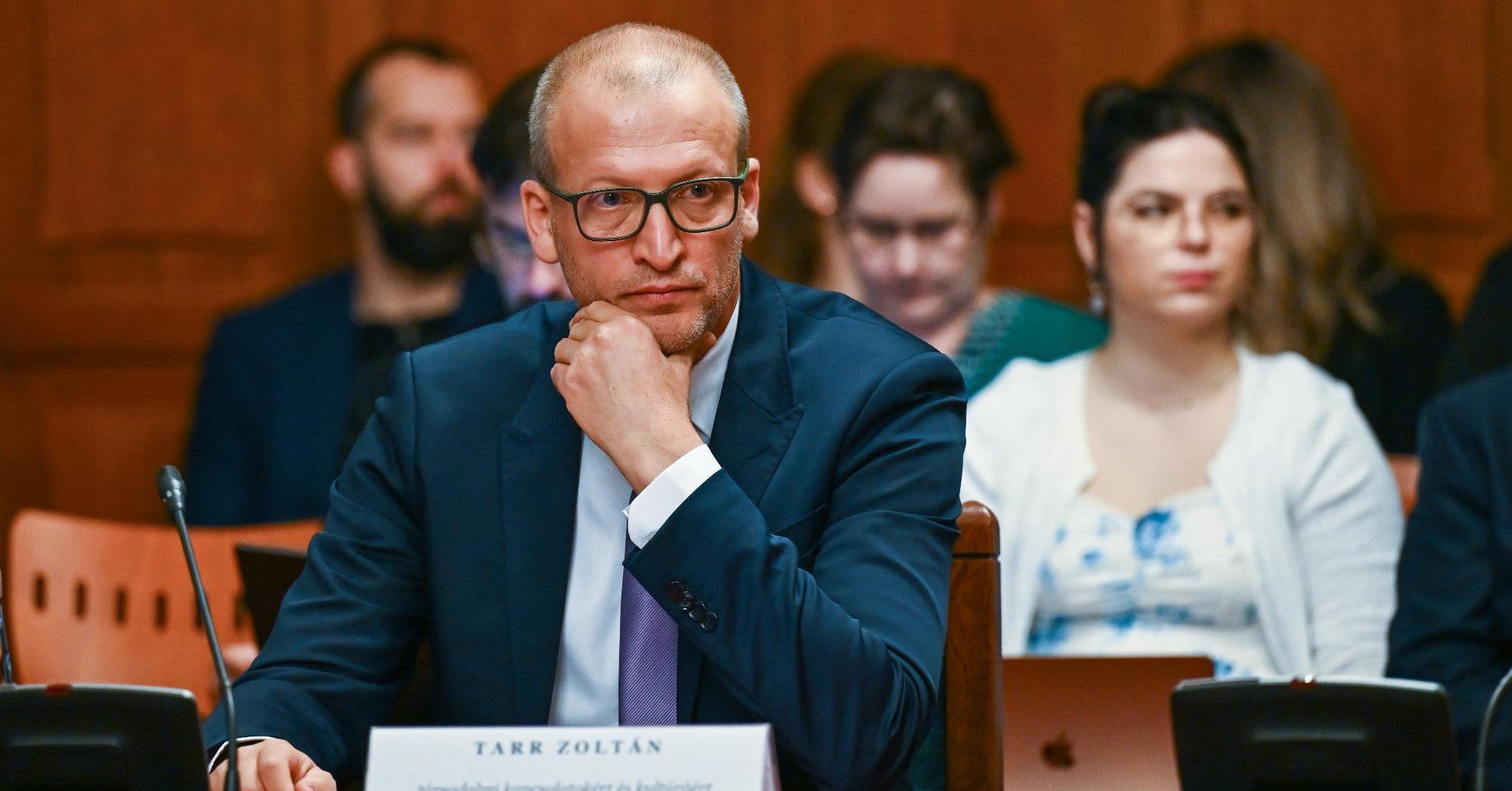
Who is the new Minister of Culture in Hungary in the first post-Orbán government? The profile of Zoltán Tarr

Chi è il nuovo Ministro della Cultura in Ungheria nel primo governo post-Orbán? Il profilo di Zoltán Tarr

Zoltán Tarr è stato nominato Ministro delle Relazioni Sociali e della Cultura nel primo governo post-Orbán in Ungheria, guidato dal nuovo Primo Ministro Peter Magyar. Tarr, 52 anni, ex pastore della Chiesa riformata ungherese ed europarlamentare per il PPE, ha promesso di ripristinare la libertà d'espressione e smantellare il sistema di favoritismi politici nella cultura, dopo 16 anni di governo autoritario di Viktor Orbán.

Future cultural professionals in Africa will be trained by six Italian museums

I futuri professionisti della cultura in Africa saranno formati da sei musei italiani

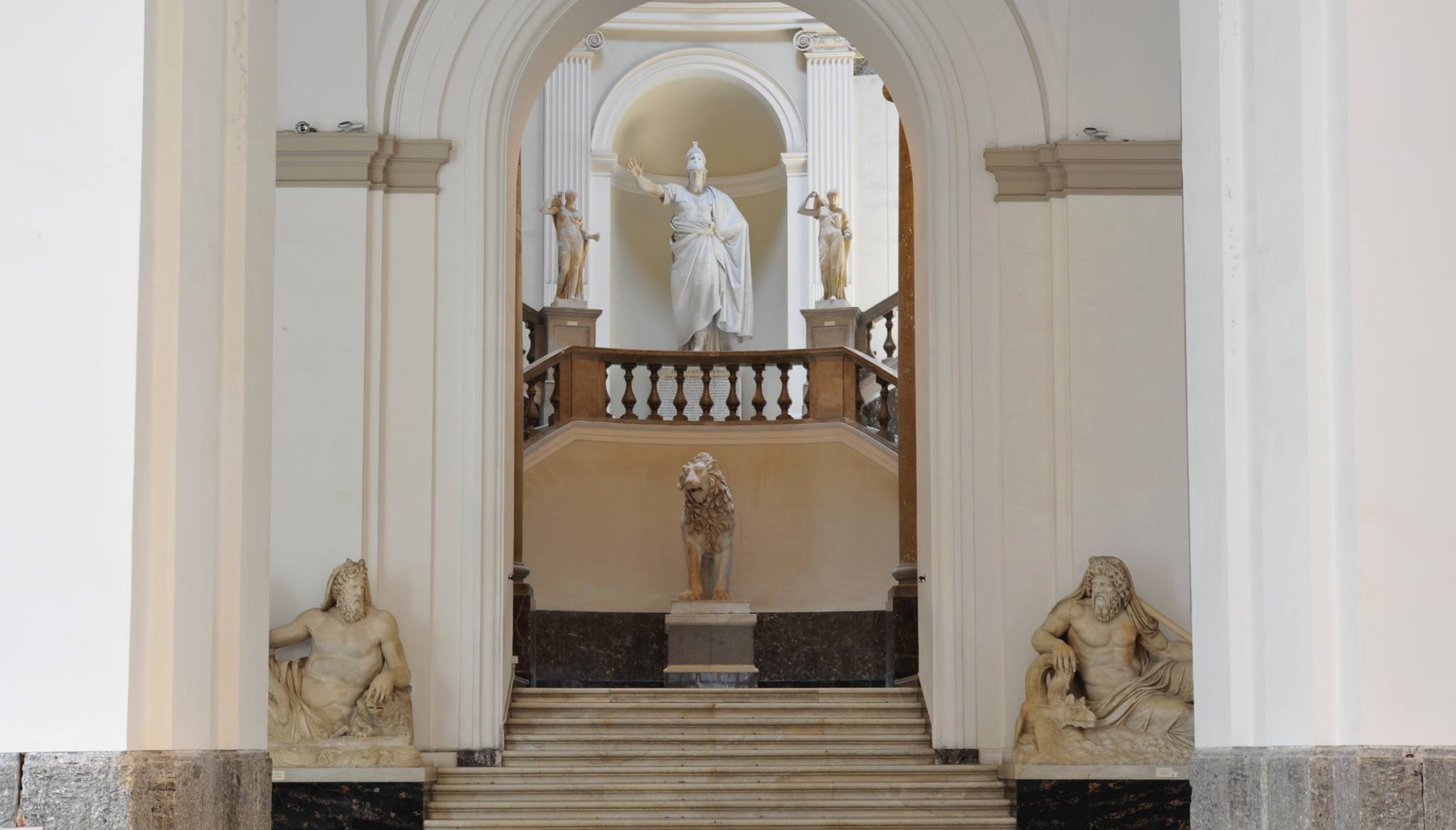
The fourth edition of the International School of Cultural Heritage (Scuola Internazionale del Patrimonio Culturale) is underway, with 23 cultural professionals from 12 African nations participating in a hands-on training program hosted by six Italian museums. After online modules and a week of lectures in Rome, the residential phase runs from April 27 to May 22, 2025, placing participants at the Museo delle Civiltà (MUCIV), the Archaeological Parks of Praeneste and Gabii, the National Archaeological Museum of Taranto (MArTA), the National Archaeological Museum of Naples (MANN), the National Archaeological Museum of Reggio Calabria (MArRC), and the National Archaeological Museum of Agro Falisco and Forte Sangallo in Civita Castellana. The program, titled "Managing Art Collections: from ancient to contemporary," focuses on collection management, conservation, and public programming, linking archaeological heritage with contemporary practices.

Hamburg Culture Prize No Longer Named After Biermann-Ratjen

Hamburger Kulturpreis heißt nicht mehr nach Biermann-Ratjen

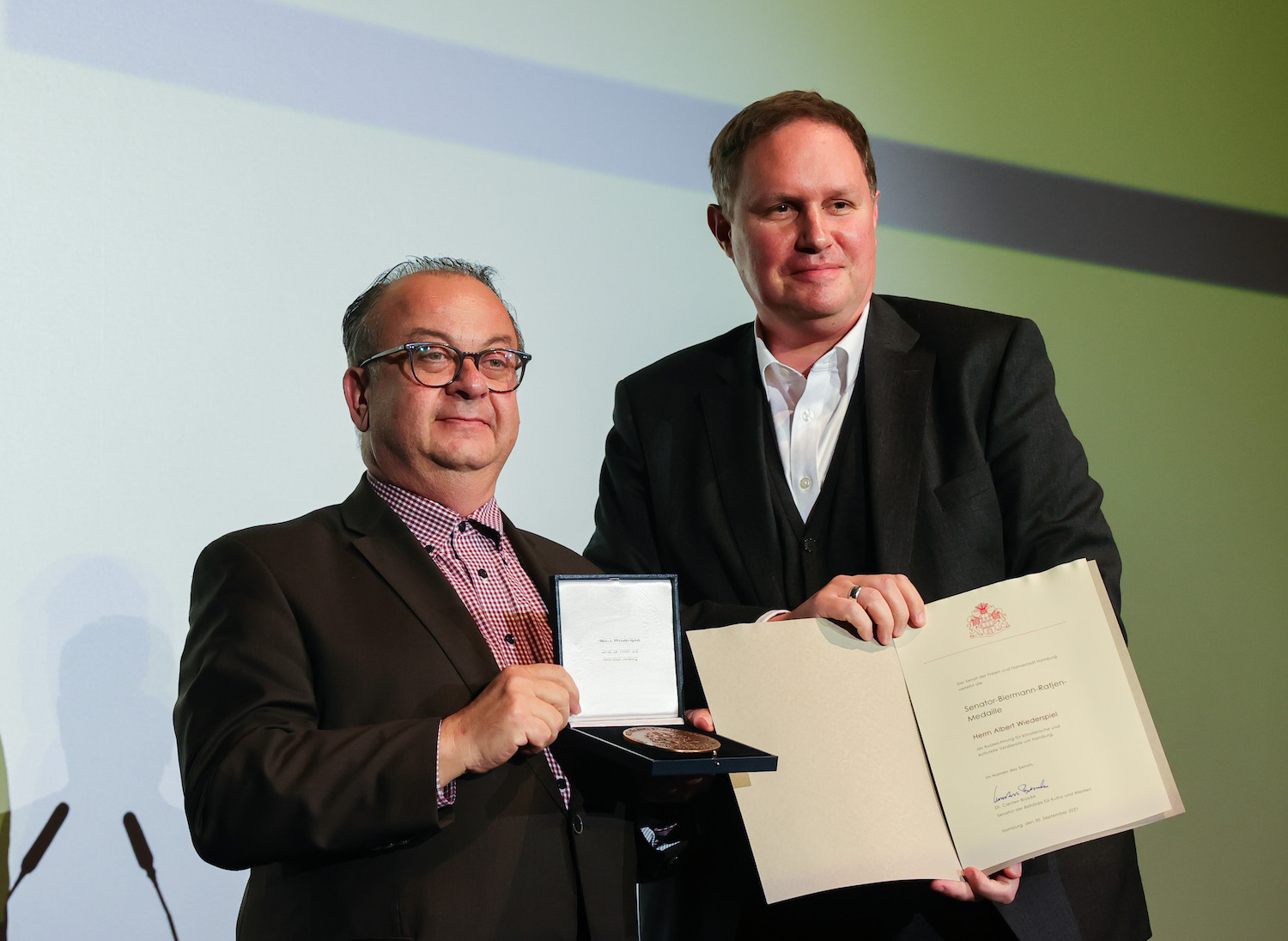
The Hamburg Senate has renamed the Senator-Biermann-Ratjen Medal, a prestigious cultural award, to the "Medaille für Kunst und Kultur in Hamburg" (Medal for Art and Culture in Hamburg). The decision follows a 2024 review of historical records revealing that Hans Harder Biermann-Ratjen (1901–1969), the former culture senator for whom the medal was named, was a member of the Nazi Party (NSDAP). Historian Helmut Stubbe da Luz presented evidence in June 2024 that Biermann-Ratjen had disclosed his NSDAP membership in a 1943 application to the Reich Literature Chamber when seeking to publish a novel.

L’offre de formation se développe

French art training institutions are expanding their curricula to include provenance research, responding to a 2022 government report that identified gaps in conservator education. The Institut national du patrimoine (INP) now offers seminars on Nazi-era spoliation (1933-1945) and has added a five-day provenance research module for external competition students since 2024-2025. Paris-Nanterre University launched a master's-level diploma in 2022 covering legal, historical, and methodological aspects of provenance research. The École du Louvre now offers a specialized master's in "sensitive goods and provenance research" addressing spoliated works, human remains, colonial acquisitions, and illicit trafficking, while also integrating provenance methodology into its general curriculum from master's level one.

The church, the village, the park. FAI's 'Places of the Heart' returns to save ruins

La chiesa, il borgo, il parco. Tornano i Luoghi del Cuore del FAI per salvare i beni in rovina

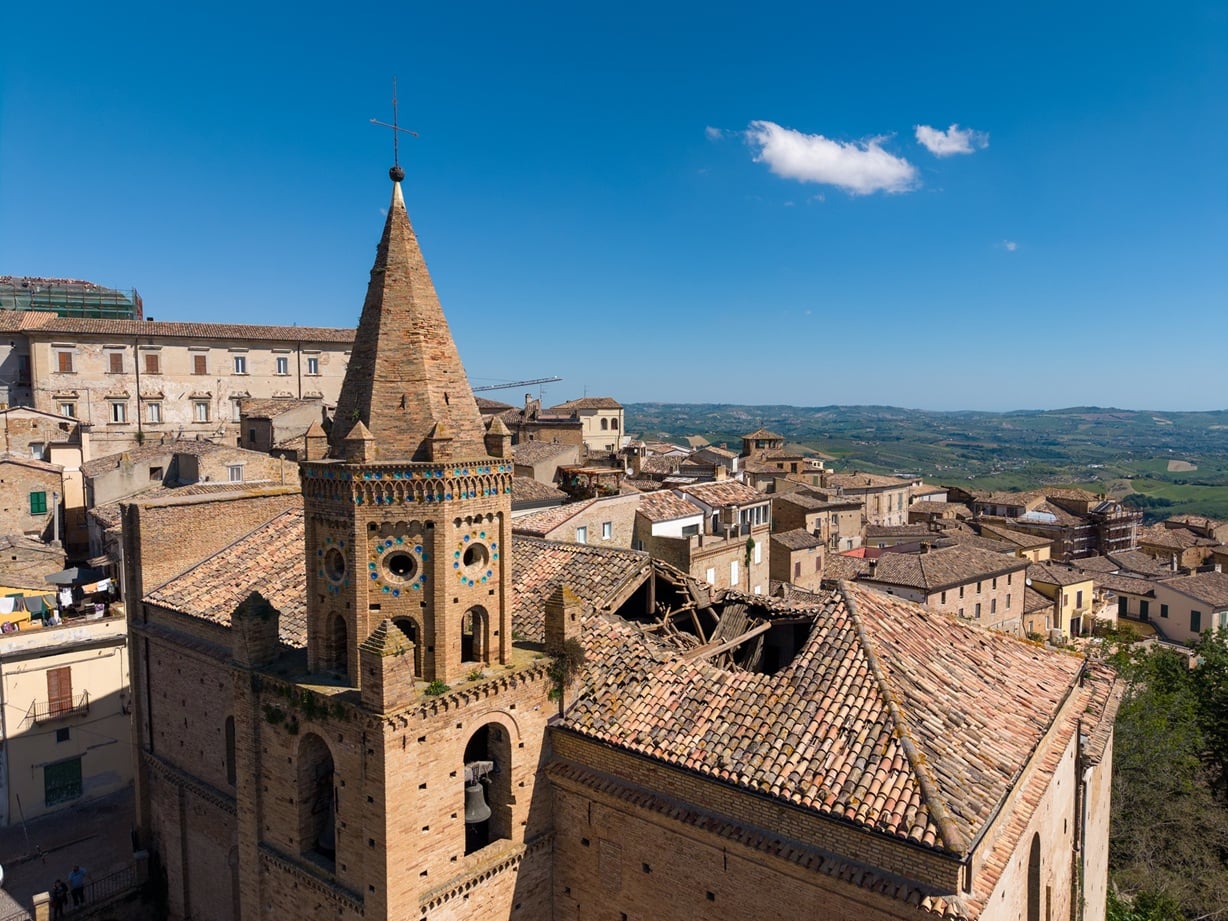
The Fondo per l’Ambiente Italiano (FAI) has launched the 13th edition of its "Luoghi del Cuore" (Places of the Heart) initiative, a biennial census that invites Italians to vote for cultural heritage sites most in need of restoration. Since 2003, the campaign has collected over 13.5 million votes, with the 2024 edition alone receiving more than 2.3 million votes for over 41,000 sites across 6,508 municipalities. The initiative has funded 180 recovery projects, 40% of which involve churches, followed by environmental, architectural, and archaeological assets. Notable successes include the Church of San Pietro dei Samari in Gallipoli, the Oratorio del Sasso in Orasso, and the Complesso di Sant’Angelo Magno in Ascoli Piceno.

Aumenti salariali e welfare per i lavori della cultura. È stato firmato il nuovo Contratto Nazionale di Lavoro. L’intervista

A new national labor contract for Italy's cultural sector has been signed. The Federculture National Labor Contract, finalized on April 30, 2026, includes a 7.5% increase in minimum wages (effective December 1, 2024), doubled welfare contributions for healthcare, and a simplified job classification system. The agreement was reached between Federculture and major unions including FP CGIL, CISL FP, UIL FPL, and UIL PA, with negotiations for the 2025-2027 term set to resume on May 26.

Comment | The flaws in the plan to charge entry to British museums

The UK Treasury is reportedly pushing to end universal free entry to Britain’s 15 national museums, including the British Museum, the National Gallery, and Tate, by charging overseas visitors. The policy, introduced by Labour in 2001, has been hailed as one of the most successful cultural initiatives of modern times, boosting visitor numbers by around 40% over two decades. The article argues that practical obstacles—such as the lack of mandatory ID cards to verify residency, the cost of installing ticketing infrastructure, and the risk of creating a two-tier system between wealthy and poorer museums—make the plan unworkable.