filter_list Showing 7 results for "ARCH" close Clear
dashboard All 258 museum exhibitions 167article local 22article culture 17article news 17article policy 7rate_review review 6trending_up market 6gavel restitution 6candle obituary 5person people 5
date_range Range Today This Week This Month All
Subscribe

How the State Supports Provenance Research

Comment l’État soutient la recherche de provenance

The French Ministry of Culture has created two specialized missions to assist museums in researching the provenance of their collections, addressing looted artworks, human remains, colonial acquisitions, and illicit trafficking. The Mission for Research and Restitution of Looted Cultural Property (M2RS), established in 2019, focuses on Nazi-era spoliations (1933-1945) with a budget of €220,000 annually, while the newer Mission "Provenance," launched in 2024 under curator Catherine Chevillot, covers human remains, colonial-era objects, and illicit goods with a €450,000 budget. These missions provide expertise, funding, and coordination with institutions like the Commission for the Restitution of Property and Compensation of Victims of Anti-Semitic Spoliation (CIVS), though most museums still only initiate provenance checks during acquisitions or donations.
Art can officially be a form of therapy. Interview with Undersecretary of Culture Lucia Borgonzoni, godmother of the project

L’arte può essere ufficialmente una forma di cura. Intervista al Sottosegretario alla Cultura Lucia Borgonzoni madrina del progetto

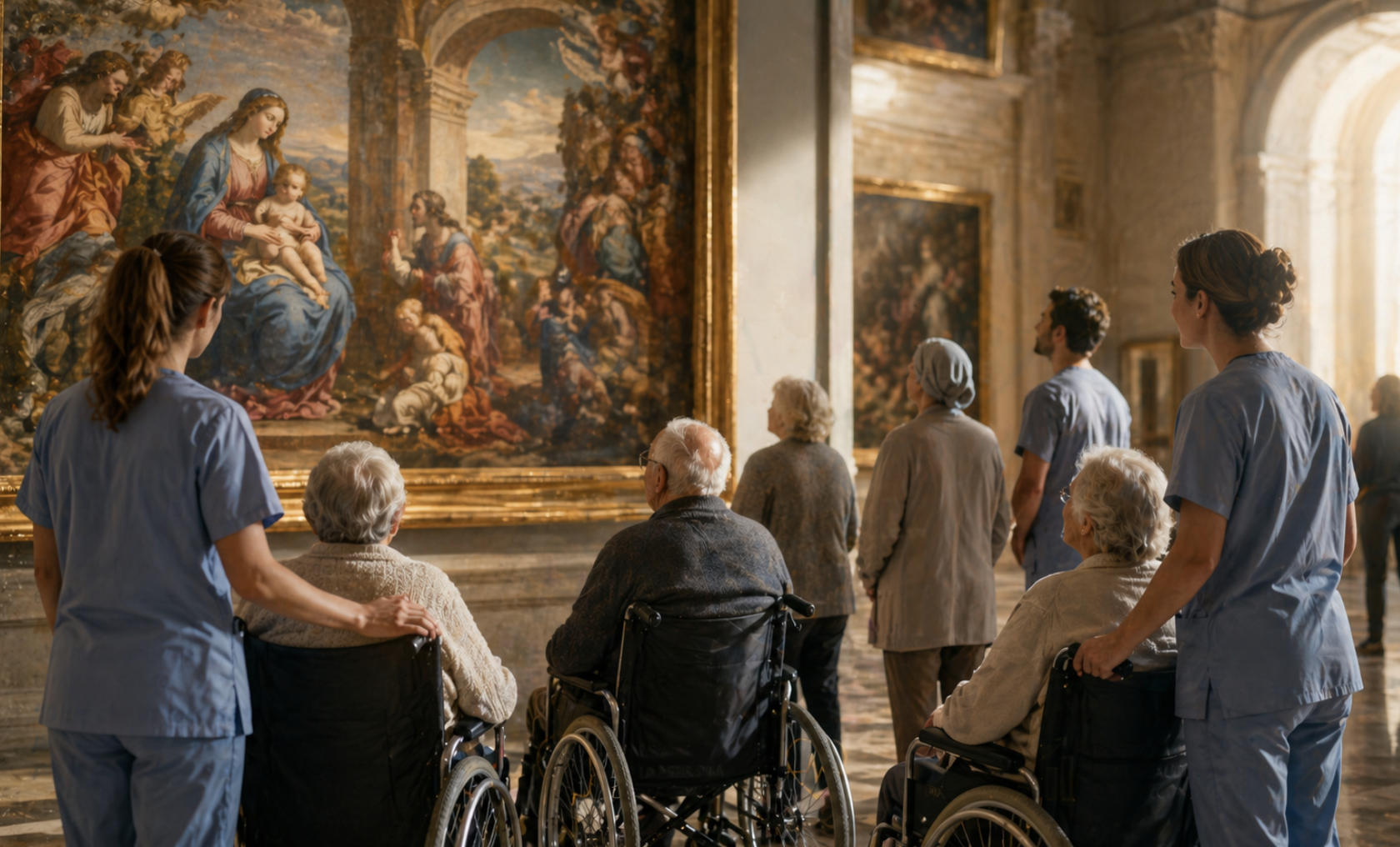
The Italian Ministry of Culture and Ministry of Health have signed a formal protocol recognizing art as a form of therapy and care. The agreement, championed by Undersecretary of State for Culture Lucia Borgonzoni, mandates that museums, libraries, archives, and cultural institutions play a central role in developing therapeutic pathways using art to improve individual and community well-being. Borgonzoni, who has advocated for this initiative for nearly a decade, traces its origin to a 2018 study at the Sanctuary of Vicoforte that measured cortisol levels in visitors before and after viewing frescoes, showing significant stress reduction.

Future cultural professionals in Africa will be trained by six Italian museums

I futuri professionisti della cultura in Africa saranno formati da sei musei italiani

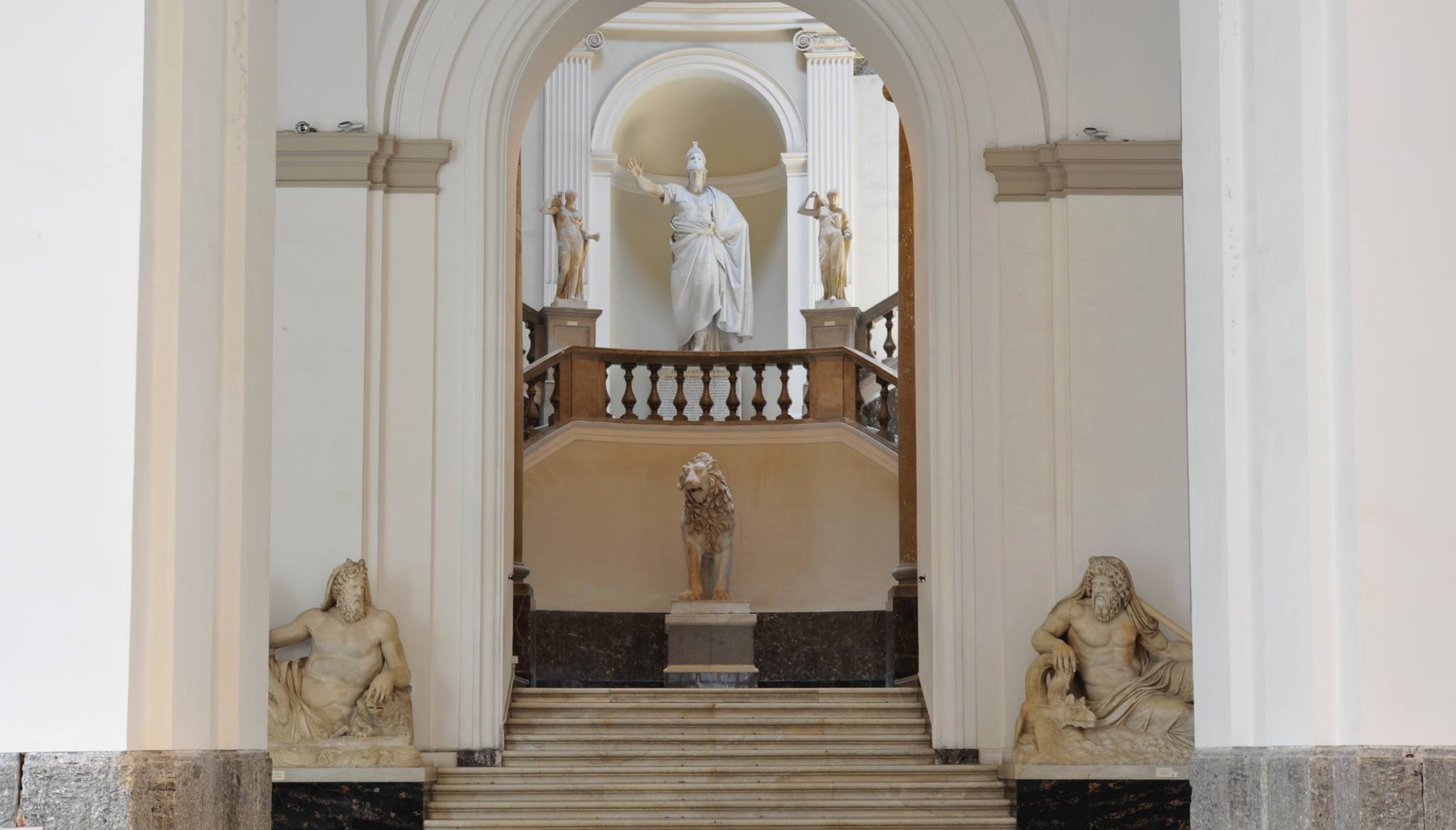
The fourth edition of the International School of Cultural Heritage (Scuola Internazionale del Patrimonio Culturale) is underway, with 23 cultural professionals from 12 African nations participating in a hands-on training program hosted by six Italian museums. After online modules and a week of lectures in Rome, the residential phase runs from April 27 to May 22, 2025, placing participants at the Museo delle Civiltà (MUCIV), the Archaeological Parks of Praeneste and Gabii, the National Archaeological Museum of Taranto (MArTA), the National Archaeological Museum of Naples (MANN), the National Archaeological Museum of Reggio Calabria (MArRC), and the National Archaeological Museum of Agro Falisco and Forte Sangallo in Civita Castellana. The program, titled "Managing Art Collections: from ancient to contemporary," focuses on collection management, conservation, and public programming, linking archaeological heritage with contemporary practices.

Two Visitors’ Lions have been established for the Biennale Arte 2026

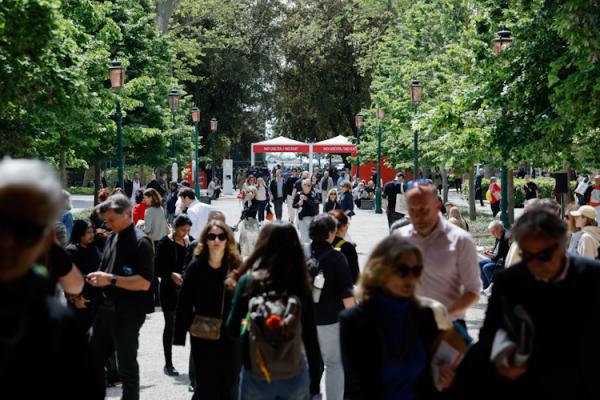
La Biennale di Venezia has announced the establishment of two Visitors' Lions for the 61st International Art Exhibition, following the resignation of the International Jury appointed by curator Koyo Kouoh. The awards ceremony, originally scheduled for May 9, has been moved to November 22, the final public day, echoing a similar shift during the 2021 Architecture Exhibition due to COVID-19. The Visitors' Lions will be voted on by ticket holders who visit both exhibition venues between May 9 and November 22, with one award for the Best Participant in the exhibition "In Minor Keys" by Koyo Kouoh and another for the Best National Participation.

NRW will Verbot für Handel mit Holocaust-Dokumenten

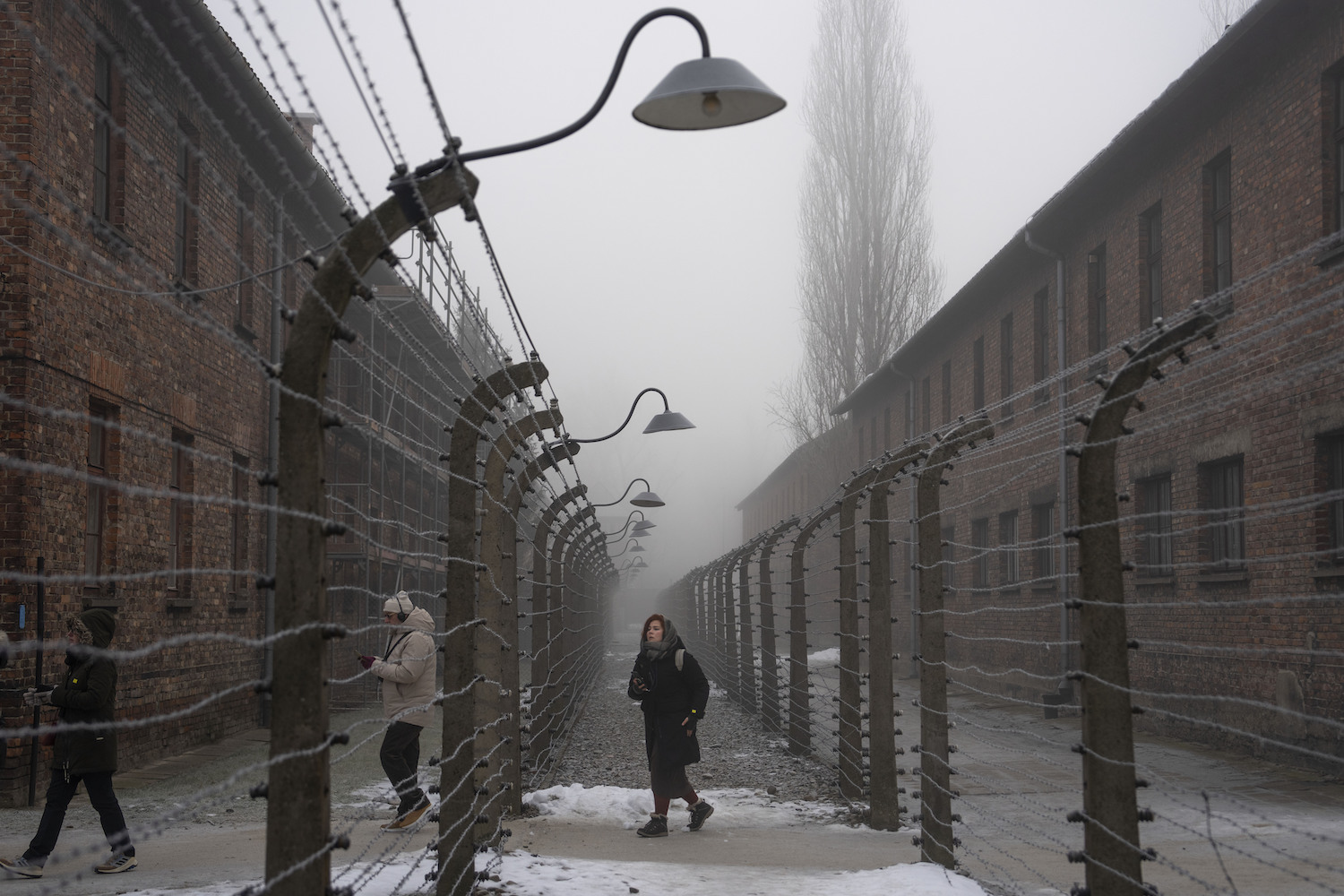
The German state of North Rhine-Westphalia (NRW) is introducing a legislative bill to ban the commercial trade of personal Holocaust documents and artifacts, such as letters from concentration camps, Gestapo cards, and yellow stars. The initiative follows international outrage over a planned auction in Neuss in November 2025, which was halted at the last moment; around 460 objects from that auction were transferred to the Auschwitz-Birkenau Foundation. The bill, to be presented at the Bundesrat session on May 8, aims to prohibit the sale of items directly linked to Nazi victims, while exempting museums, archives, and research institutions.

Pablo Diaz, directeur de Sciences Po Rennes : « L’acte II de l’INSEAC de Guingamp »

Pablo Diaz, director of Sciences Po Rennes, announces that the Institut national supérieur de l'éducation artistique et culturelle (INSEAC) in Guingamp has been transferred from the Conservatoire national des arts et métiers (Cnam) to Sciences Po Rennes as of January 1, 2026. The institute, which opened in 2021 and focuses on training, research, and resources for arts and cultural education, will now operate under public-sector governance with oversight from the French ministries of Culture, Education, and Higher Education. Diaz outlines plans to appoint a dedicated site director in Guingamp and establish a strategic orientation committee chaired by interministerial delegate Emmanuel Ethis, aiming to resolve past management and governance issues.

L’offre de formation se développe

French art training institutions are expanding their curricula to include provenance research, responding to a 2022 government report that identified gaps in conservator education. The Institut national du patrimoine (INP) now offers seminars on Nazi-era spoliation (1933-1945) and has added a five-day provenance research module for external competition students since 2024-2025. Paris-Nanterre University launched a master's-level diploma in 2022 covering legal, historical, and methodological aspects of provenance research. The École du Louvre now offers a specialized master's in "sensitive goods and provenance research" addressing spoliated works, human remains, colonial acquisitions, and illicit trafficking, while also integrating provenance methodology into its general curriculum from master's level one.