filter_list Showing 11 results for "BASE" close Clear
dashboard All 826 museum exhibitions 428article local 88trending_up market 83article news 79article culture 54person people 31candle obituary 23rate_review review 20article policy 11gavel restitution 6article events 2article event 1
date_range Range Today This Week This Month All
Subscribe

Top 200 Collector Mitchell Rales Gifts $116 M. to National Gallery if Art for Lending Program

Top 200 art collector and National Gallery of Art trustee Mitchell Rales has donated $116 million to permanently endow the museum's 'Across the Nation' lending program. The initiative loans artworks from the National Gallery's collection to regional museums across the United States, covering all associated costs.

English museums should only charge tourists if digital ID checks in place, UK politician says

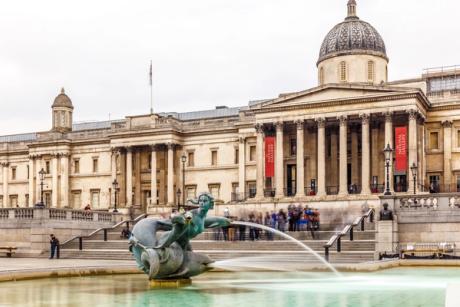
Labour peer Margaret Hodge has detailed her proposal to introduce admission fees for overseas tourists at England’s national museums, stipulating that such a move must be preceded by a universal digital ID system. Speaking to a parliamentary committee, Hodge argued that without digital verification, museum staff might resort to profiling visitors based on appearance, which would undermine community cohesion.

Sylvie Retailleau : « Pendant cinq ans, tout a été remis en jeu »

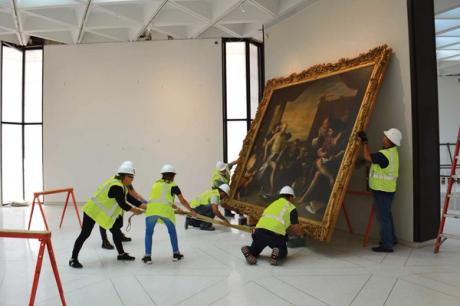
Sylvie Retailleau, former French Minister of Higher Education and current president of Universcience since January 2026, details the tense negotiations between the Grand Palais and the Palais de la découverte. She reveals that the Palais de la découverte nearly disappeared during the Grand Palais renovation, but will reopen in March 2027. Universcience ceded a 1,200 m² gallery to the Grand Palais as a financial contribution (worth about €30 million over ten years) and is lending another 350 m² gallery until June 2030 for Centre Pompidou exhibitions during its renovation. In exchange, Universcience gains full control over the programming of the Palais des enfants.

French Parliament Accuses Louvre of Prioritizing ‘Prestige And Influence’ Over Security Prior to Jewel Heist

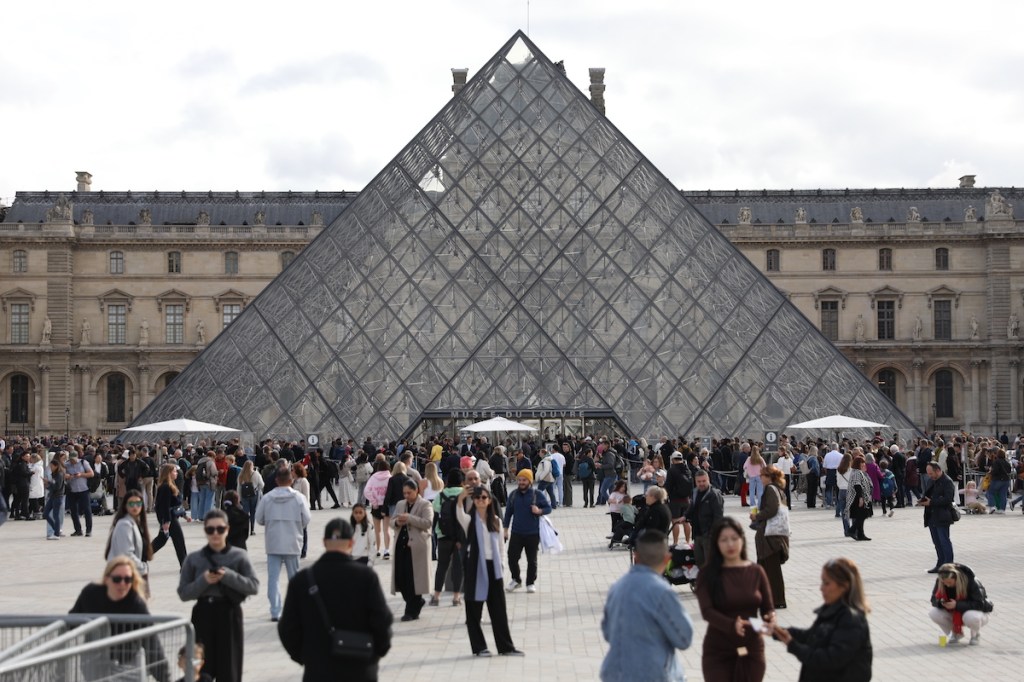
French MPs Alexis Corbière and Alexandre Portier have released a parliamentary report accusing the Louvre of prioritizing "prestige and influence" over security, leading to a brazen jewel heist on October 19, 2025. Thieves entered the museum in broad daylight and stole nine pieces of jewelry worth an estimated $102 million in under eight minutes. The report, based on over 20 hearings with 100 insiders, reveals that security had been "relegated to the background" despite audits in 2017 and 2019, and that a Security Equipment Master Plan from 2019 was not implemented in time by former director Jean-Luc Martinez. The report also casts doubt on President Emmanuel Macron's nearly $1 billion renovation plan for the Louvre, announced nine months before the heist.

Art for art’s sake, but for people’s health too | Letter

Art Fund director Jenny Waldman responds to a philosophical article about art's intrinsic value, arguing that while art should be enjoyed for its own sake, promoting its measurable health benefits can serve as a crucial entry point for new audiences. She cites the organization's National Art Pass adverts and recent research with King's College London, which demonstrated immediate physiological responses to viewing original art, as tools to invite people who might otherwise feel excluded from cultural institutions.

Midea Group scion’s Shunde art museum shifts focus to amplify local voices

The He Art Museum (HEM) in Shunde, China, a private institution founded by the family behind appliance giant Midea Group, is shifting its programming strategy. Under director Shao Shu, the museum is moving away from hosting major international exhibitions to focus on amplifying local and regional artists, particularly from the Greater Bay Area, and exploring themes of Lingnan culture.

DOGE Cuts to National Endowment for the Humanities Were Unconstitutional, Court Rules

A federal judge ruled that the cancellation of over 1,400 grants by the National Endowment for the Humanities, carried out by Elon Musk's Department of Governmental Efficiency (DOGE), was unconstitutional. Judge Colleen McMahon of the Federal District Court in Manhattan ordered DOGE to rescind the cancellations, finding that the cuts violated the First Amendment and the equal protection component of the Fifth Amendment. The lawsuits were filed after the NEH chairman was dismissed and the agency was redirected under President Donald Trump's "America First" cultural campaign, with acting chair Michael McDonald cutting most grants awarded by the previous administration. The cuts, totaling more than $100 million, disrupted research, publications, and humanities programming, and were reportedly flagged using ChatGPT to target grants related to diversity, equity, and inclusion.

No money, more problems: 85% of US museums in urgent need of building repairs

A recent survey by the US Government Accountability Office (GAO) found that approximately 85% of US museums face a costly backlog of maintenance or building repairs, with 77% having at least one structural issue that puts their collections at risk. Based on a survey of around 300 museums and 17 site visits, the report reveals that institutions across the country struggle to keep buildings updated and safe due to a lack of funding, with challenges especially pronounced in rural and remote locations where shipping materials and finding skilled workers is prohibitively expensive. Many museums are housed in historic homes or sites that are part of their collections, adding further complexity, and smaller museums often lack the budget to address major problems like new roofs or HVAC systems.

Why Italy's cultural wealth never really enters public accounts and budgets?

Perché la ricchezza culturale italiana non entra mai davvero nei conti e nei bilanci pubblici?

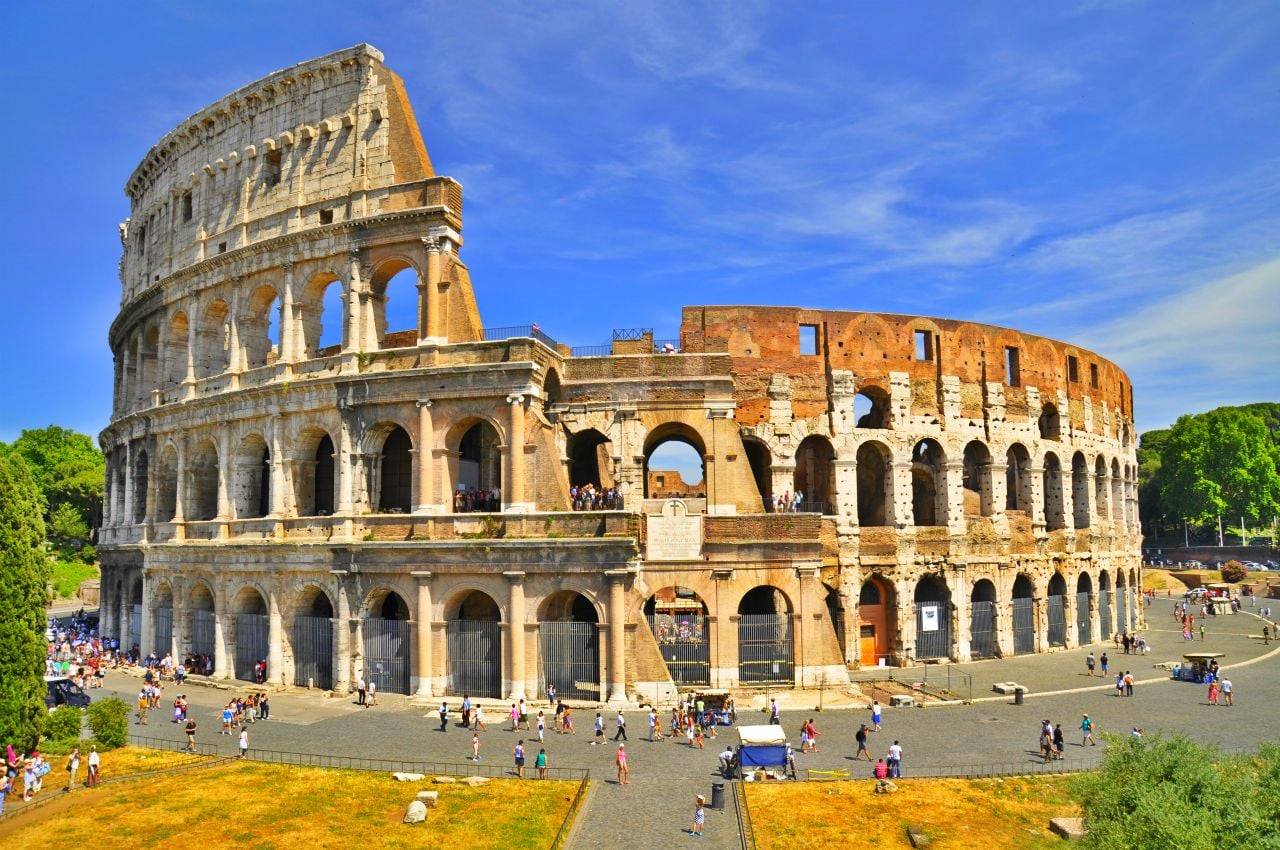
Italy has exceeded the European Commission's structural adjustment path by 0.1 percentage points of GDP, reopening fiscal scrutiny. Amid this debate, the article highlights a deeper issue: Italy's immense cultural heritage is drastically undervalued in public accounts. For example, the Pompeii Archaeological Park is recorded at just €48.9 million, the Colosseum at under €15 million, and the Uffizi at about €2 billion—figures based on outdated 2002 ministerial criteria that bear no relation to actual economic or cultural worth. The State General Accounting Office, with the University of Roma Tre and EU technical assistance, has proposed a new methodology to value cultural assets by discounting their future net financial flows, including direct revenues and indirect tourism-related returns.

Bayeux Tapestry: A Blank Voyage That Tests Nothing

Tapisserie de Bayeux : un voyage à blanc qui ne teste rien

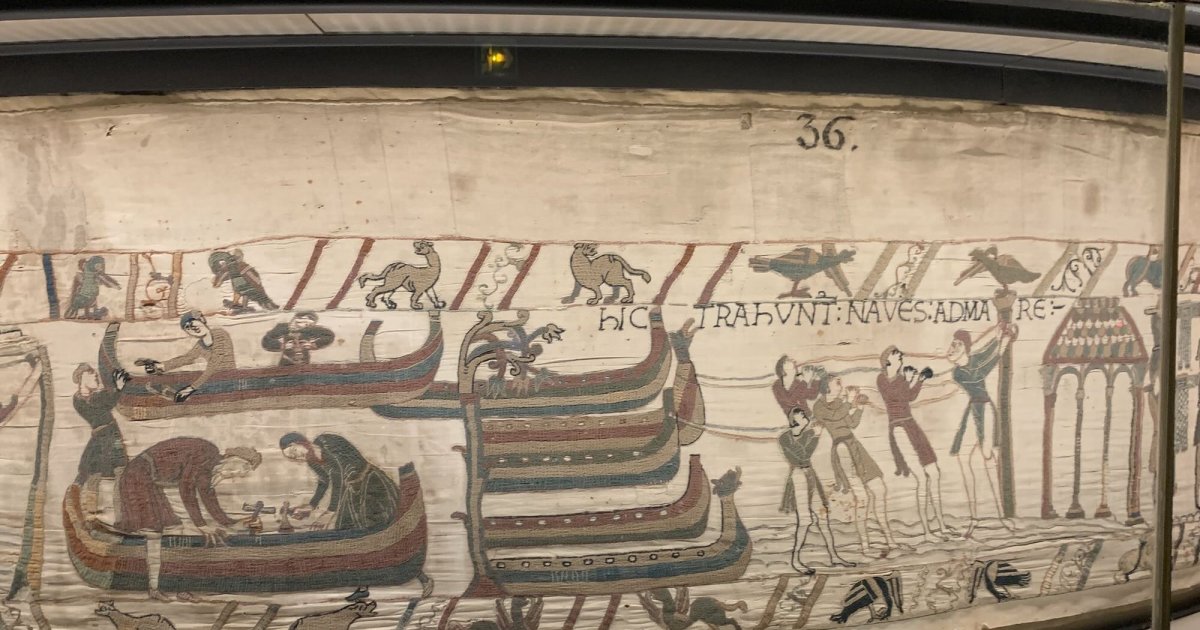
A confidential interim report obtained by La Tribune de l'Art reveals that the "blank voyage" test transport of the Bayeux Tapestry from Bayeux to London in February 2026 failed to measure actual risks to the artwork. The report admits that the vibration threshold used (2 mm/s) is arbitrary and based on paintings, not on a textile of this size and fragility. Because the tapestry has been stored and inaccessible since September 2025, no mechanical tests could be conducted beforehand to determine safe vibration levels, rendering the test meaningless. A second test took place on April 15, 2026, but its report has not yet been finalized; the actual loan is planned for July 2026, with transport via Eurostar.

Cultural Observatories: Dinosaurs or Subjects Capable of Interpreting the Present?

Osservatori culturali. Dinosauri o soggetti in grado di interpretare il presente?

The Cultural Observatory of Canton Ticino has published a study on cultural observatories worldwide, including a map and list of surveyed organizations. The analysis reveals that cultural observatories are not a global phenomenon but are concentrated mainly in Europe and South America, with occasional presence in North America (especially Canada and Hispanic-oriented organizations in the US). Africa, Asia, and Oceania are almost entirely absent from the map. The study also highlights a high rate of inactive observatories: among the top 10 countries by active observatories, only Germany shows an effective activity ratio. Spain has 26 active observatories out of about 45 total, while Italy has 11 active out of over 20 inactive. The research defines observatories as non-profit organizations that combine cultural and statistical expertise to deepen and transfer knowledge about the cultural sector, and classifies as inactive those with no recent activity on web or social channels.