filter_list Showing 7 results for "Benin" close Clear
search
dashboard All 51 gavel restitution 17museum exhibitions 16article news 9article policy 7article culture 2
date_range Range Today This Week This Month All
Subscribe

Museums in England largely oppose proposal to charge admission for foreign tourists

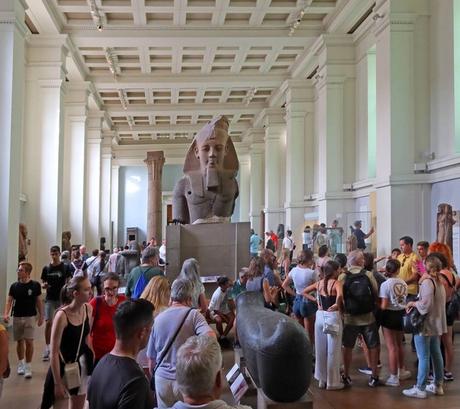
The UK government is exploring a proposal to charge admission fees for foreign tourists at national museums in England, sparking widespread opposition from cultural institutions. The idea was raised in a review of Arts Council England by Labour peer Margaret Hodge, who suggested digital ID checks could enable such a system, though she noted it would bring in less than £10 million and may not be worth the hassle. Museums like the Royal Armouries have condemned the plan as undermining universal access and projecting a lack of generosity, while the Cultural Policy Unit warns it would be logistically complex and ideologically problematic given the colonial origins of many collections.


A New Landmark Survey Aims to Bring Transparency to Museum Collecting Practices

The Penn Cultural Heritage Center (PennCHC) at the University of Pennsylvania's Penn Museum will launch the National Survey of Museum Collecting Practices on May 20, running through August 20. This first-of-its-kind survey, part of the Museums: Missions and Acquisitions Project (M2A Project), will collect data on acquisitions, deaccessions, loans, provenance research, and policies from U.S. nonprofit museums and libraries. Results will be published in 2027, with only generalized insights to maintain anonymity.

Germany Creates New Council to Oversee Returns of Looted Art

The German government has established a new council, the Coordination Council for Returns of Cultural Property and Human Remains from Colonial Contexts, to oversee the restitution of artifacts acquired during the colonial era. The council will include representatives from federal, state, and municipal authorities and is intended to provide a structured, national approach to handling these complex returns.

french senate passes colonial art bill

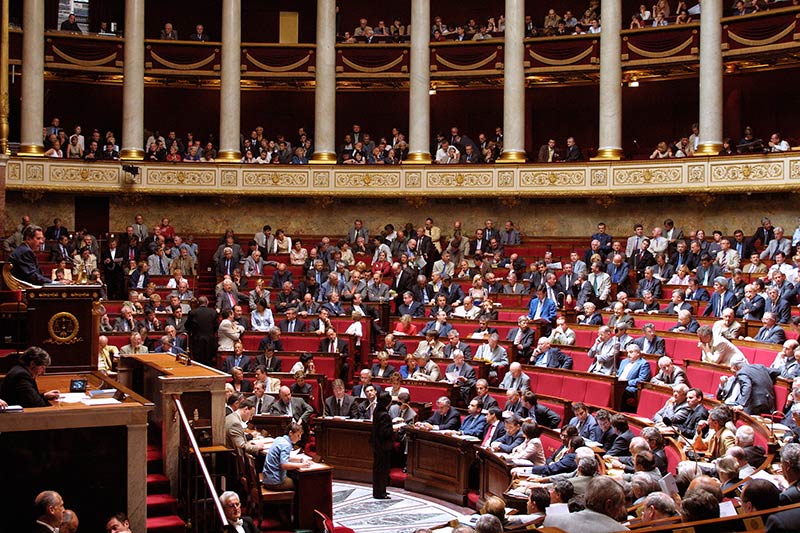
The French Senate has unanimously passed a bill to streamline the process of returning artworks and artifacts looted from former colonies during the colonial era. The legislation, which now moves to the National Assembly for final approval, specifically targets items acquired between 1815 and 1972, aiming to remove legal hurdles that have previously required a separate parliamentary vote for each object's restitution.

La loi sur les restitutions des biens culturels pillés pendant la colonisation définitivement adoptée

The French Parliament has definitively adopted a permanent law on the restitution of cultural property looted during colonization, replacing the previous case-by-case legislative approach. The Senate unanimously approved the final text on May 7, 2026, following agreement in a joint committee on April 30, and the National Assembly had approved it the day before. The law creates a general derogation from the principle of inalienability of public collections, establishing a bilateral scientific committee to examine provenance, with final decisions made by decree of the Council of State. Key amendments from the National Assembly—including binding parliamentary votes on restitution and conditions on conservation and public access—were removed by the joint committee to avoid perceptions of neocolonial tutelage.

La loi-cadre sur les restitutions définitivement adoptée par le Parlement

The French Parliament has definitively adopted a framework law on the restitution of cultural property that was illicitly acquired. The Senate unanimously approved the conclusions of the joint committee on May 7, following the National Assembly's approval on May 6, after an agreement was reached on April 30. The law establishes a general mechanism for returning objects from French public collections without requiring a specific law for each case, covering items acquired through looting, theft, forced sale, or other illicit means before the 1970 UNESCO Convention. It creates a permanent national commission and a bilateral scientific committee to assess claims, with restitution ultimately decided by government decree subject to legal review by the Council of State.

Syria, Ukraine and Gaza among countries to receive heritage funds from Aliph

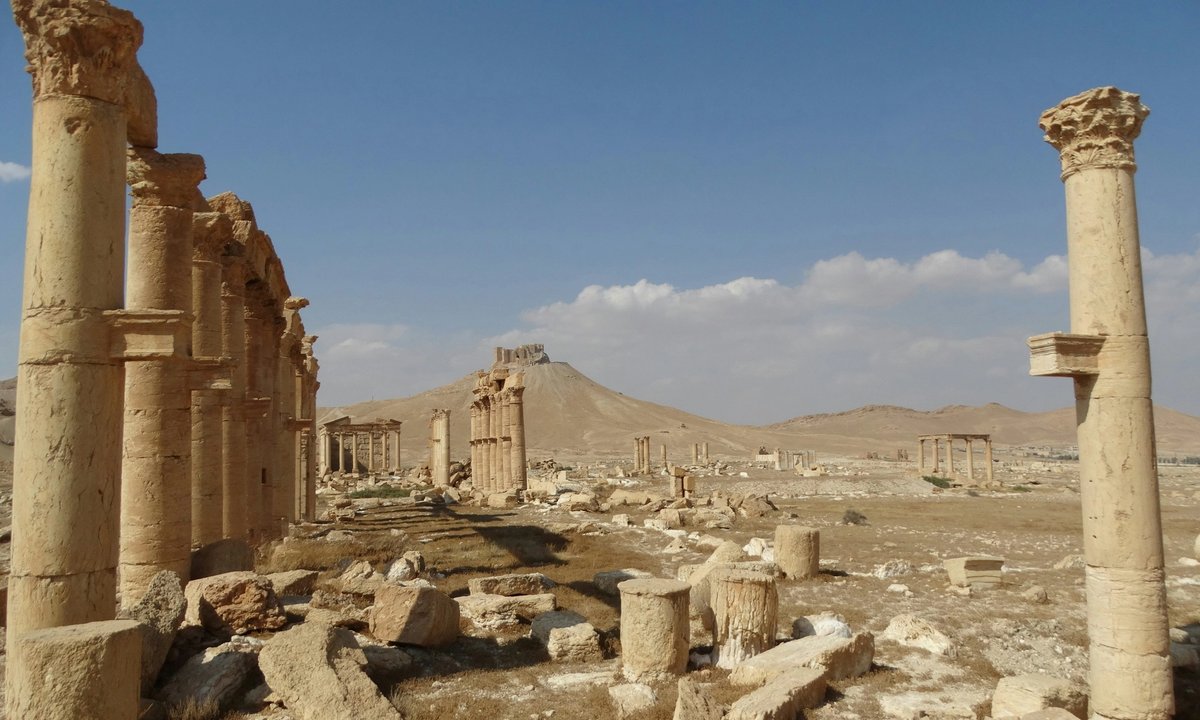
ALIPH, the Geneva-based cultural heritage protection agency, has announced over $16 million in its latest funding round, with support directed to Syria, Gaza, Ukraine, Sudan, and a new focus on climate change impacts on heritage, primarily in Africa. Nearly a third of the funding ($5 million) goes to Syria, where the newly appointed Director General of Antiquities and Museums, Dr. Anas Haj Zeidan, aims to restore sites damaged during the war under former president Bashar al-Assad. ALIPH executive director Valéry Freland reported extensive damage from 14 years of war, the 2023 earthquake, and economic crises, but noted strong local determination to rehabilitate heritage, including Palmyra. The agency also committed $9 million to address climate threats, supporting 28 projects—22 in Africa—focused on earthen architecture, sacred forests, and local knowledge preservation.