
filter_list Showing 3 results for "CHOSEN" close Clear
search
dashboard All 28 museum exhibitions 13article culture 4article news 4article policy 3article local 2trending_up market 1rate_review review 1
date_range Range Today This Week This Month All
Subscribe

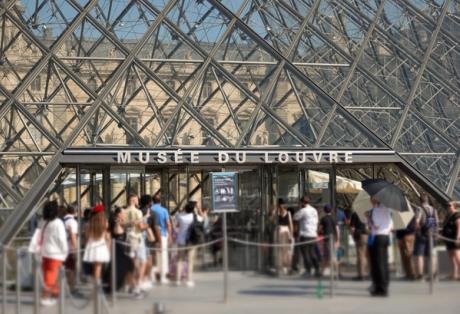
Parliamentary report calls for major changes at French museums in the wake of Louvre heist

A French parliamentary report published on 13 May, following the October 19 heist of the crown jewels at the Louvre, issues a damning assessment of the country's museum security and management. The commission heard around 100 testimonies and examined some 2,000 museums, dedicating a special chapter to the Louvre. It blames former director Laurence des Cars's leadership for a "dysfunctional drift" that prioritized contemporary art interventions and fashion shows over basic infrastructure and collection protection, allowing the heist to occur. The report lists rising threats including riots, burglaries, cyberattacks (which forced the National Museum of Natural History in Paris to cancel an exhibition after a ransomware attack in July 2025), and terrorist plots. It proposes 40 recommendations, including raising budgets by an estimated €20–25 billion over a decade, enhancing staff training, and overhauling museum leadership.

The Savvy Balancing Act of the 'Bern 2026' Regional Sites

Le savant dosage des sites régionaux « Bern 2026 »

The French Heritage Foundation (Fondation du patrimoine) has announced the 2026 list of 18 emblematic regional sites selected for the 'Loto du patrimoine' (Heritage Lottery) funding initiative. The sites, chosen from 650 endangered candidates, include religious buildings like the Chapelle Notre-Dame du Kreisker in Saint-Pol-de-Léon and the Antana-Bé Mosque in Mayotte, forts and castles such as the Royal Castle of Senlis and Fort Boyard, as well as industrial, rural, and residential ensembles like the Beaufonds sugar factory in La Réunion. The selection balances architectural significance, state of decay, project maturity, and potential for revitalization.

The process for awarding the title of Italian Capital of Culture should be rethought. Here's why.

Il processo per assegnare il titolo di Capitale Italiana della Cultura andrebbe ripensato. Ecco perché

An analysis of the selection process for Italy's "Capital of Culture" title reveals a consistent pattern: cities chosen for the prestigious designation are almost exclusively administered by political coalitions aligned with the national government in power at the time of selection. The sole exceptions were Bergamo and Brescia, which were jointly awarded the title via a special parliamentary decree in recognition of their suffering during the pandemic, bypassing the standard procedure. This political alignment has persisted across different legislatures and changes in government.