filter_list Showing 6 results for "Curators" close Clear
dashboard All 90 museum exhibitions 51article news 9person people 7article policy 6article local 6trending_up market 4article culture 3candle obituary 2gavel restitution 1rate_review review 1
date_range Range Today This Week This Month All
Subscribe

Participating Artists and Curators Push Back on Venice Biennale’s Relocation of Israeli Pavilion, Call for Exclusion of Russia, Israel, and US

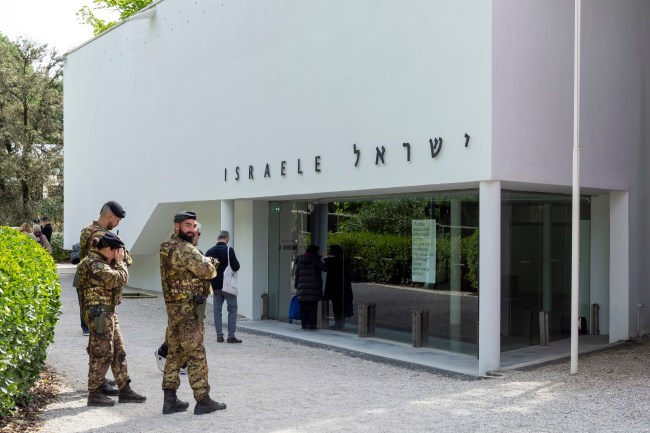
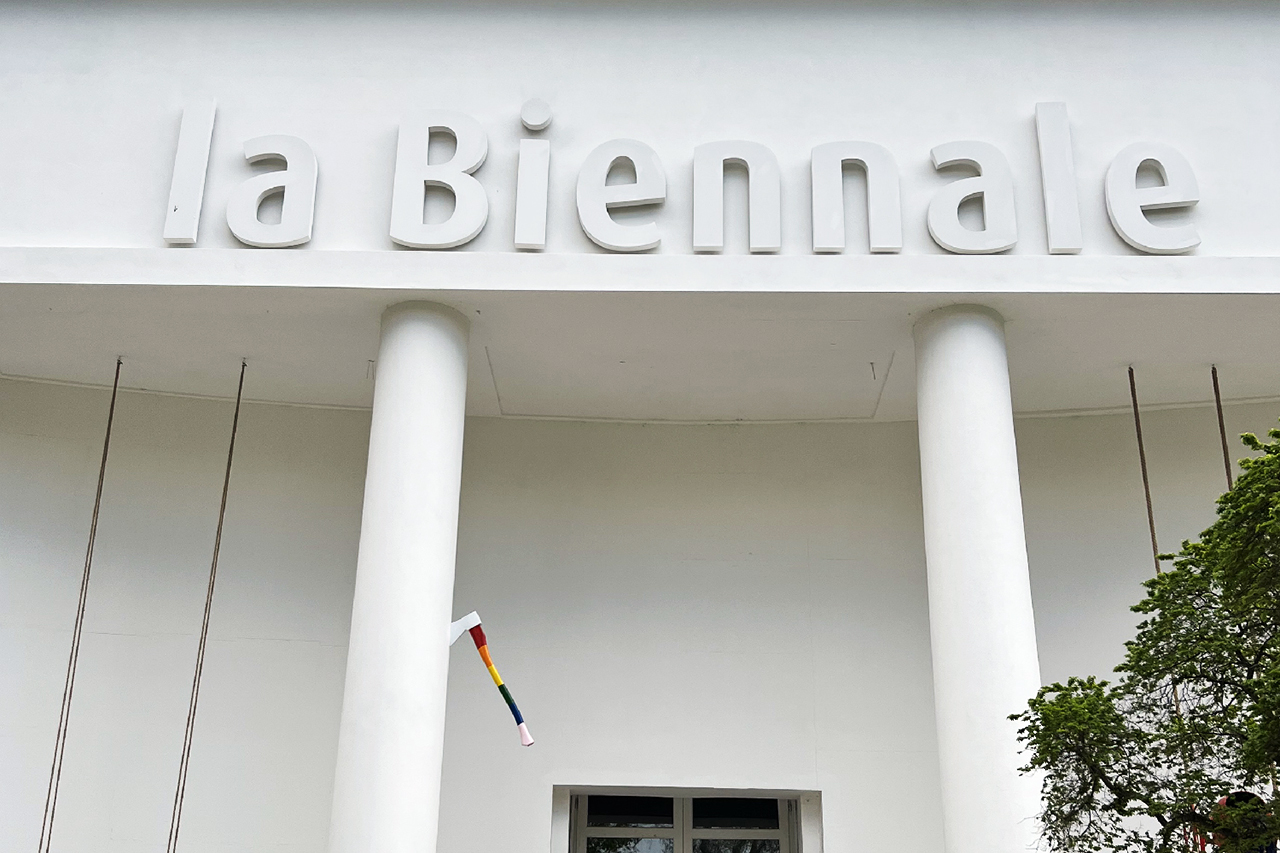
Seventy-three artists and curators participating in the main exhibition of the 2024 Venice Biennale have issued an open letter objecting to the organizers' decision to relocate the Israeli national pavilion to the Arsenale. They argue this move creates an intimidating atmosphere contrary to the late curator Koyo Kouoh's vision of "radical solidarity" and will necessitate a heightened security presence. The signatories, which include key curators tasked with realizing Kouoh's exhibition, also call for the exclusion of Israel, Russia, and the United States from the event, citing their governments' alleged commission of war crimes.

Urgent Request from Participating Artists and Curators of the 61st Venice Biennale

第61回ヴェネツィア・ビエンナーレ参加アーティストおよびキュレーターによる緊急要請

A group of 73 artists and curators participating in the 61st Venice Biennale, including Yoshiko Shimada and Bubu de la Madeleine, have issued an urgent demand to the Biennale's board to revoke Israel's participation. The collective specifically objects to the decision to relocate the Israeli pavilion to the Arsenale, arguing that its presence contradicts the curatorial vision of Artistic Director Koyo Kouoh, which emphasizes the dignity of all life. They contend that the military and police presence required for the pavilion introduces an atmosphere of violence and fear that undermines the exhibition's integrity.

An Urgent Call From Artists and Curators of the 61st International Art Exhibition of La Biennale di Venezia 2026

A group of seventy-four artists and curators participating in the 61st Venice Biennale have issued an urgent letter to the institution's leadership, including director Pietrangelo Buttafuoco. The signatories are protesting the decision to relocate the Israeli Pavilion to the Arsenale, placing it in close proximity to the central exhibition, "In Minor Keys," which was conceived by the late curator Koyo Kouoh. The group argues that this relocation violates Kouoh’s curatorial vision of radical solidarity and introduces a threatening military and police presence into the exhibition space.

An open letter to La Biennale di Venezia calls out inaction in the face of global atrocities

A group of 74 artists and curators invited to the 61st Venice Biennale have issued an open letter to the institution's president, Pietrangelo Buttafuoco. The signatories are protesting the decision to relocate the Israeli Pavilion to the Arsenale, placing it in close proximity to the central exhibition 'In Minor Keys' curated by the late Koyo Kouoh. The letter demands the exclusion of official delegations from countries accused of war crimes—specifically Israel, Russia, and the United States—and accuses the Biennale of complicity through its silence on global atrocities.

Art Fund Launches ‘Empowering Curators’ Program for Global Majority Professionals

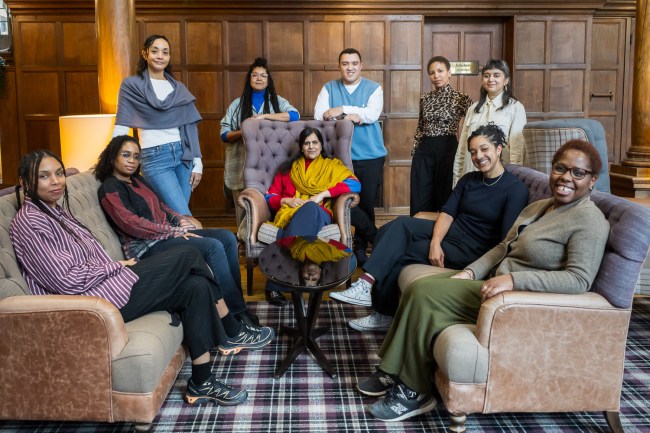
Art Fund, a British charity, launched the Empowering Curators program, a five-year initiative creating twenty multi-year curatorial roles for senior to mid-career professionals from global majority backgrounds. Ten initial fellows have been announced, with placements at major institutions including Tate Liverpool, the Whitworth Art Gallery, and Royal Museums Greenwich, where they will develop exhibitions, installations, and academic programs.

Dismantling Orbán's 16-Year Grip on Hungary's Art World

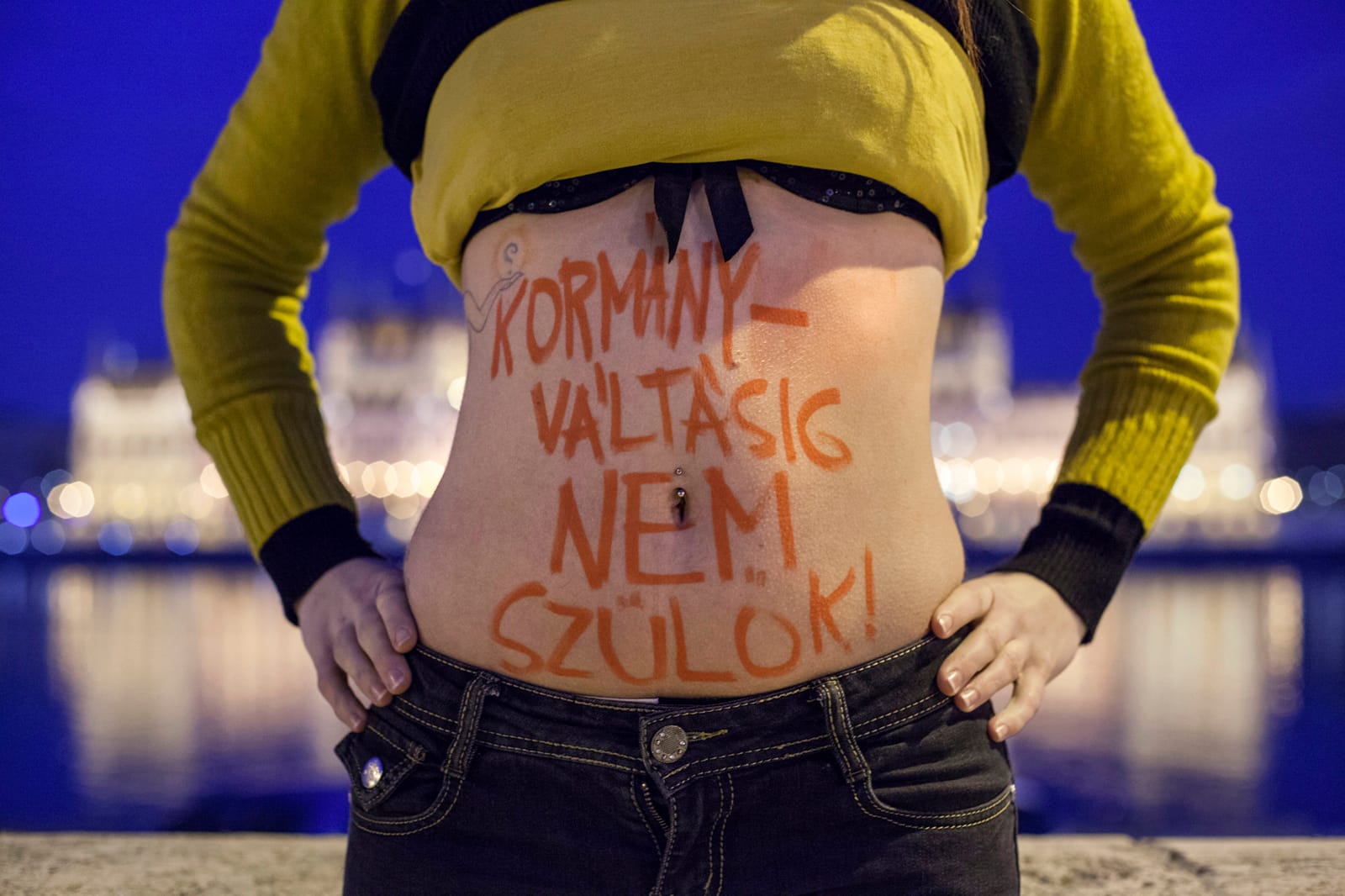
Following the recent electoral defeat of Viktor Orbán’s Fidesz-KDNP coalition by the opposition party Tisza, the Hungarian art world faces a monumental task of institutional restoration. For 16 years, the regime’s 'System of National Cooperation' (NER) systematically co-opted cultural institutions, installing loyalists in leadership roles at major venues like the Kunsthalle and Ludwig Museum to promote an ethno-nationalist agenda. This period was marked by the exodus of independent curators, the occupation of museums by activists, and a fractured ecosystem where state funding was tied to political compliance.