
filter_list Showing 3 results for "Evolution" close Clear
dashboard All 227 museum exhibitions 151article news 18article culture 17article local 13person people 8rate_review review 7trending_up market 5gavel restitution 3article policy 3candle obituary 2
date_range Range Today This Week This Month All

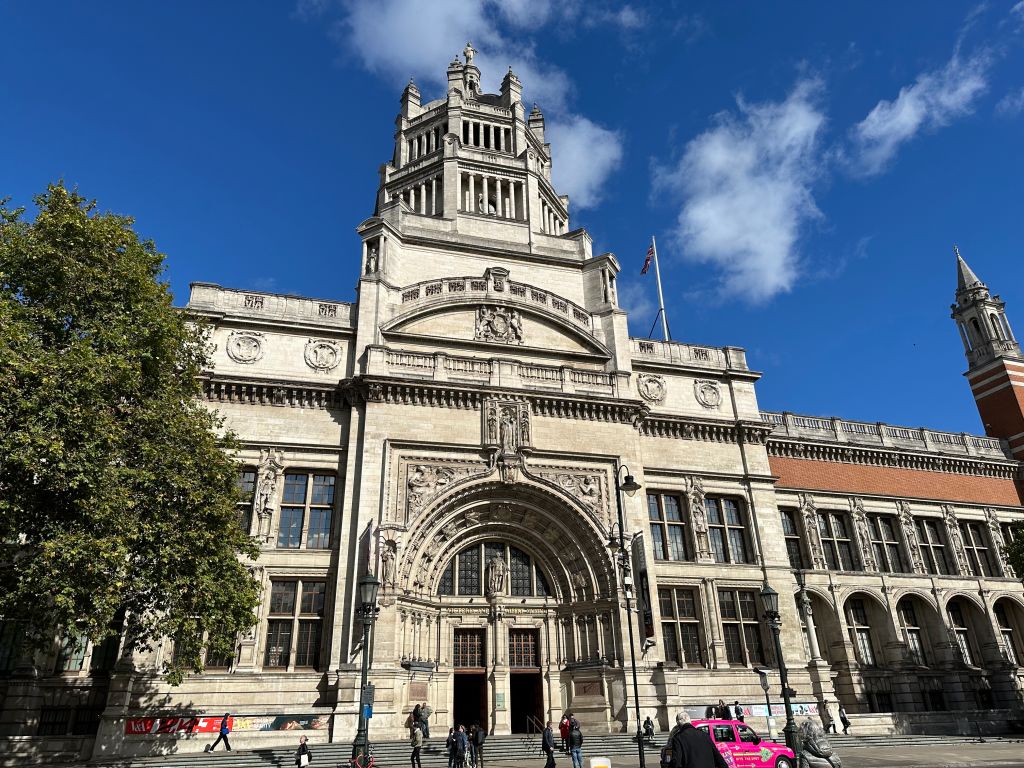
V&A Pulls Catalog Materials Due to Chinese Censorship Laws

The Victoria and Albert Museum (V&A) in London has admitted to removing maps and images from two exhibition catalogs following censorship demands from a Chinese printing firm. Documents revealed that C&C Offset Printing flagged content in the catalogs for the exhibitions "Music Is Black" and "Fabergé: Romance to Revolution" as violating Chinese law. The censored items included a 1930s map of British trade routes and a photograph of Vladimir Lenin, which the printer claimed could not be produced under Beijing’s strict regulations.
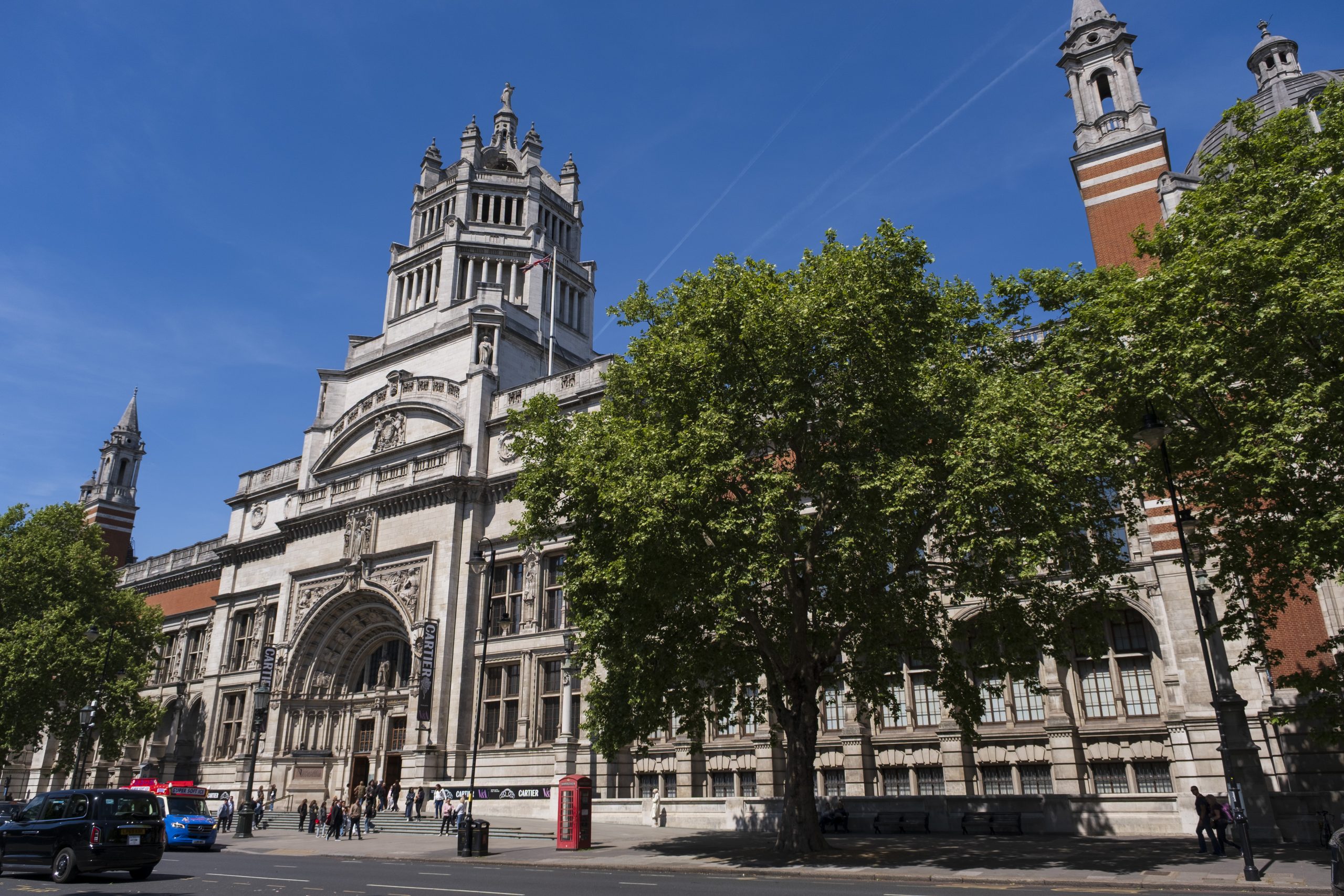
Is Chinese Censorship Reaching Inside Britain’s Museums?

London’s Victoria and Albert Museum (V&A) has come under fire following reports that it altered exhibition catalogues to comply with Chinese government censorship. To reduce production costs, the museum utilized printers in China, which are subject to Beijing’s General Administration of Press and Publication (GAPP) regulations. Consequently, the museum removed historical maps and an image of Vladimir Lenin from publications for the "Music is Black" and "Fabergé: Romance to Revolution" exhibitions after they were flagged by Chinese authorities.

What Future for Art Centers?

Quel avenir pour les centres d’art ?

The article examines the uncertain future of contemporary art centers in France, a category that encompasses vastly different institutions from major venues like the Palais de Tokyo to smaller regional spaces. These non-collecting institutions, dedicated to exhibiting emerging artists and experimentation, face fragility due to heavy reliance on local government funding and difficulty proving their utility to elected officials. Their core mission is further challenged by more robust regional contemporary art funds (Fracs), which have greater resources for similar goals of exhibiting ultra-contemporary art and cultural democratization.