filter_list Showing 7 results for "Fondazione" close Clear
search
dashboard All 333 museum exhibitions 216article news 35article culture 21article local 15trending_up market 14candle obituary 12person people 7article policy 7rate_review review 4gavel restitution 1article events 1
date_range Range Today This Week This Month All
Subscribe

Difficult search for new culture senator in Berlin

Schwierige Suche nach neuem Kultursenator in Berlin

Berlin's culture senator Sarah Wedl-Wilson resigned on Friday after a state audit found that her allocation of anti-Semitism prevention funds was unlawful. The CDU politician is being succeeded by former justice senator and Bundestag member Thomas Heilmann (CDU), who is reportedly the favorite for the post. Heilmann, 61, studied law, ran a successful advertising firm, and served as Berlin's justice senator from 2012 to 2016 before sitting in the Bundestag from 2017 to 2025. Governing Mayor Kai Wegner has not yet made a final decision, but transport senator Ute Bonde publicly endorsed Heilmann, citing his experience with Berlin's administration.

In Venice, the Wagner Museum changes status

À Venise, le Musée Wagner change de statut

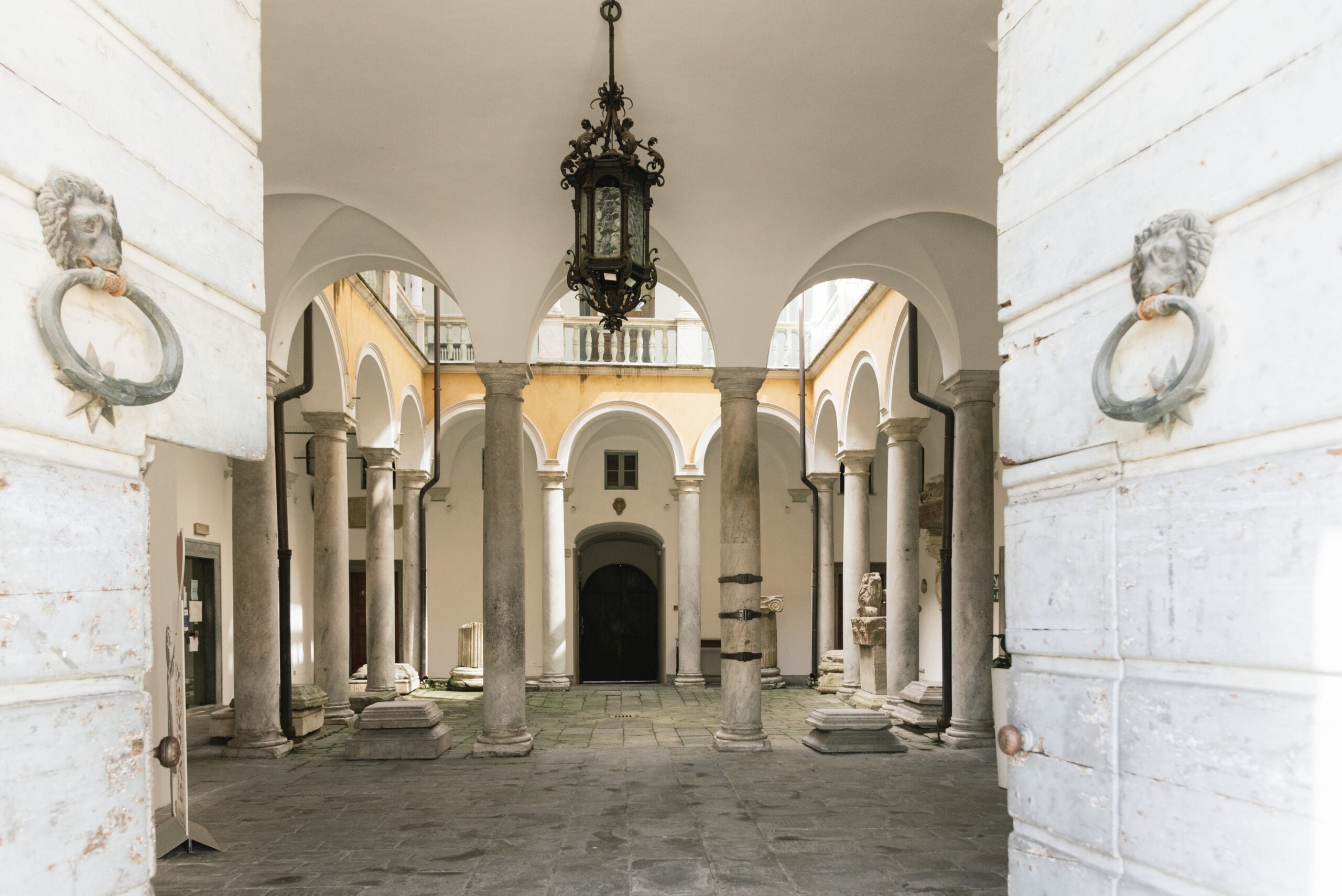
The Wagner Museum in Venice, currently a discreet institution housed within the Casino di Venezia in the Ca' Vendramin Calergi palace on the Grand Canal, is set to join the network of the Fondazione dei Musei Civici di Venezia (MUVE) by 2027. An agreement signed in March 2025, after thirty years of discussions, between MUVE, the Casino, and the Richard Wagner Association will make the museum the fourteenth institution under MUVE's management, alongside the Museo Correr, Ca' Pesaro, and the Museo Fortuny. The museum, established in 1995 in the rooms where Richard Wagner stayed and died in 1883, holds significant collections including the Josef Lienhart and Walter Just collections, making it one of the most important private Wagnerian collections outside Bayreuth, Germany.

EU threatens to pull funding from Venice Biennale over return of Russian pavilion

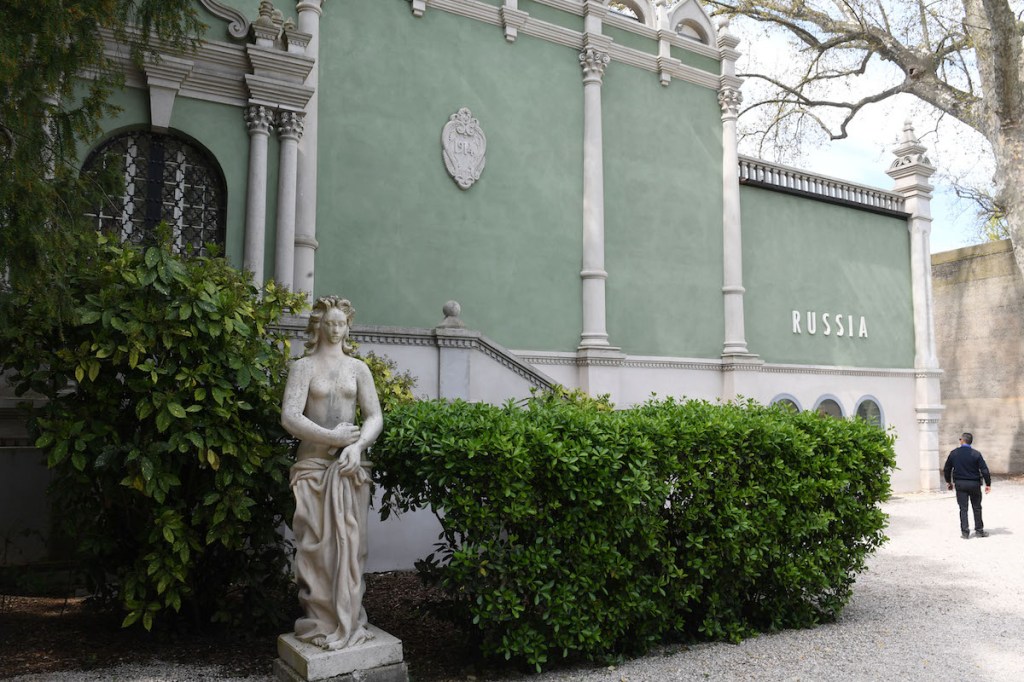
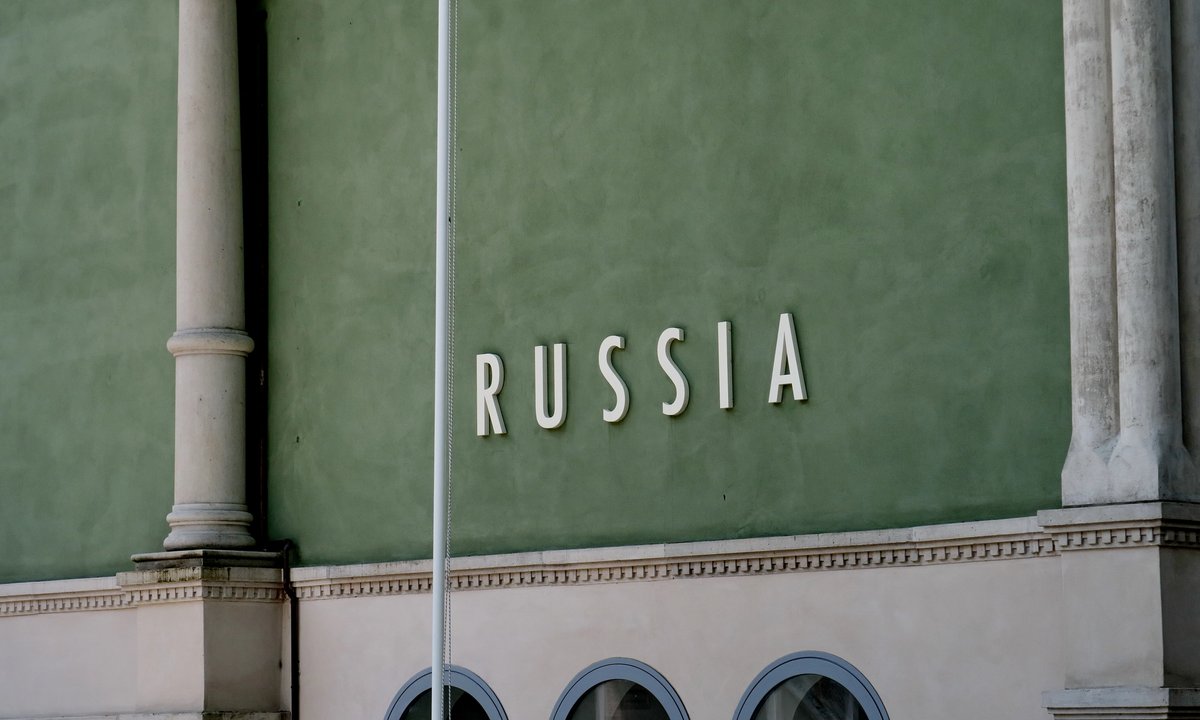
The European Union has threatened to withdraw a €2m grant from the Venice Biennale following the foundation's decision to allow Russia to reopen its national pavilion for the first time since the 2022 invasion of Ukraine. EU commissioners Henna Virkkunen and Glenn Micallef, supported by 22 European culture ministers, argue that the Biennale must not provide a platform for Kremlin propaganda or individuals who justify military aggression. The Russian pavilion's return is reportedly being organized by the Gnesin Russian Academy of Music under the direction of the Russian Ministry of Culture.

Why Italy's cultural wealth never really enters public accounts and budgets?

Perché la ricchezza culturale italiana non entra mai davvero nei conti e nei bilanci pubblici?

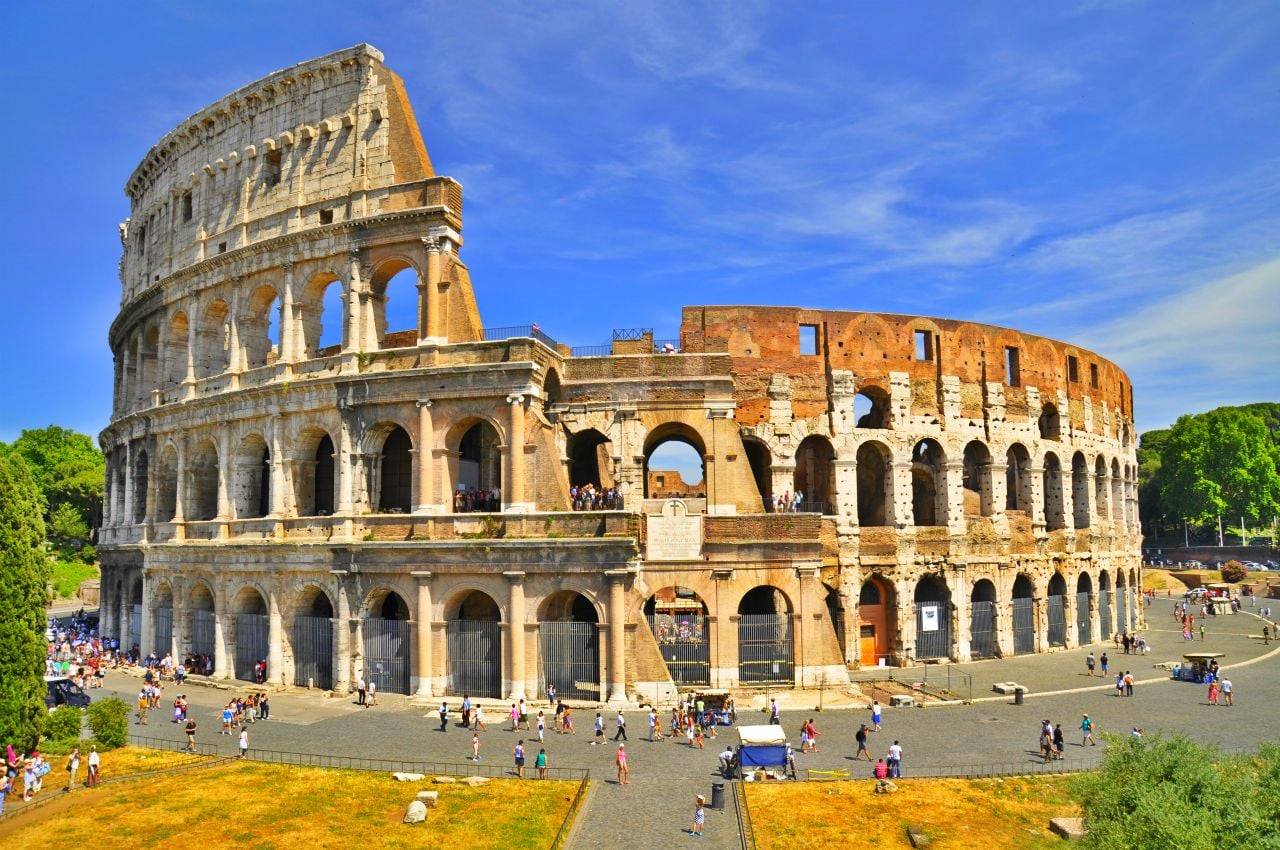
Italy has exceeded the European Commission's structural adjustment path by 0.1 percentage points of GDP, reopening fiscal scrutiny. Amid this debate, the article highlights a deeper issue: Italy's immense cultural heritage is drastically undervalued in public accounts. For example, the Pompeii Archaeological Park is recorded at just €48.9 million, the Colosseum at under €15 million, and the Uffizi at about €2 billion—figures based on outdated 2002 ministerial criteria that bear no relation to actual economic or cultural worth. The State General Accounting Office, with the University of Roma Tre and EU technical assistance, has proposed a new methodology to value cultural assets by discounting their future net financial flows, including direct revenues and indirect tourism-related returns.

venice biennale russian pavilion eu threatens funding

The European Union has threatened to withdraw funding from the Venice Biennale if the organization proceeds with hosting a Russian national pavilion for the 2026 edition. EU commissioners Henna Virkkunen and Glenn Micallef issued a joint statement arguing that providing a platform for Russia is incompatible with the EU's response to the ongoing invasion of Ukraine. While the Biennale Foundation maintains a policy of neutrality, stating it rejects the censorship of any country recognized by Italy, the EU warned that continued participation could result in the suspension or termination of active grants.

The concept of 'Italian Capital of Culture' needs a rethink

Il concetto di “Capitale Italiana della cultura” avrebbe bisogno di un ripensamento

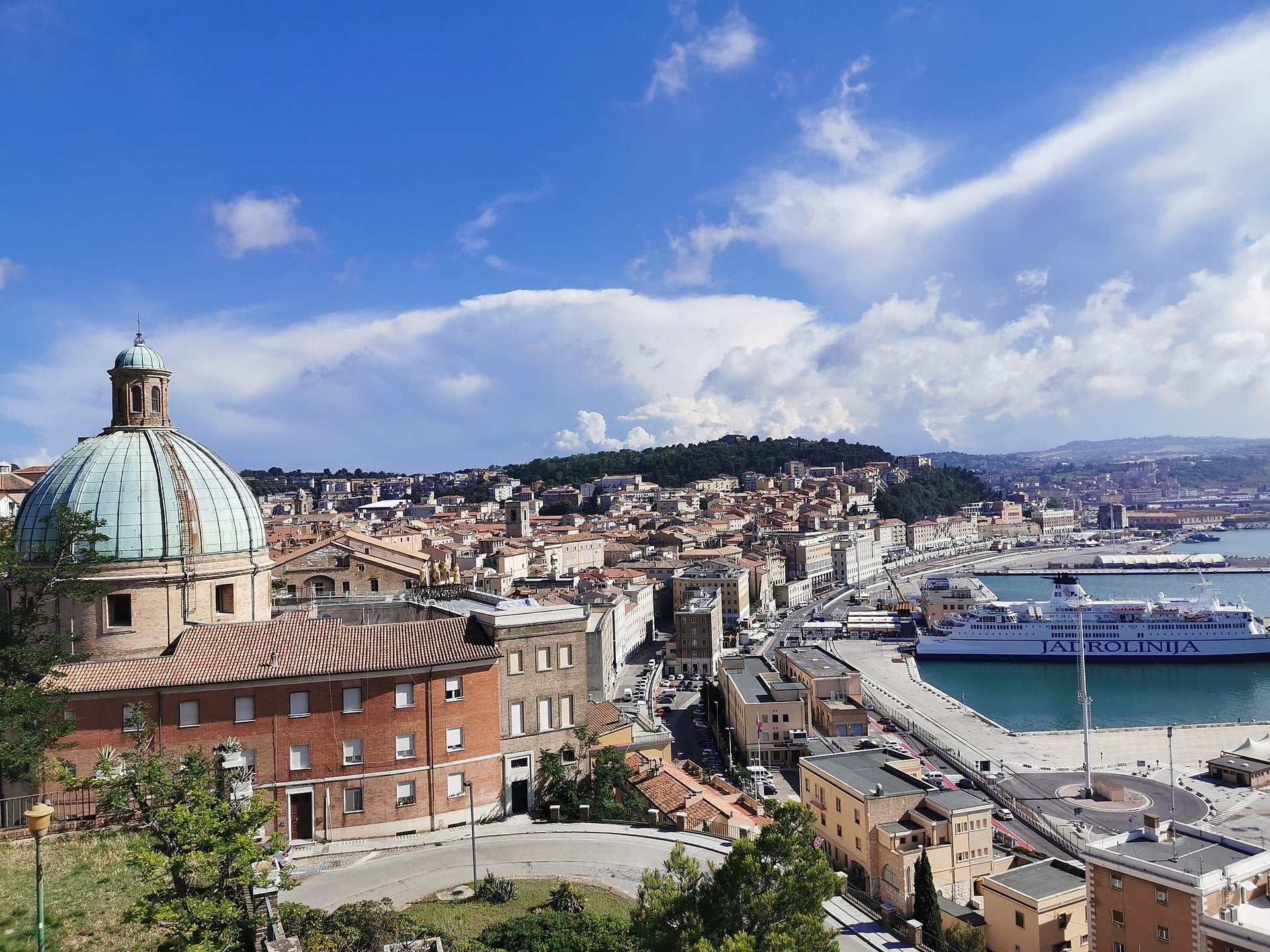
Ancona has been named the Italian Capital of Culture for 2028, a decision that was widely anticipated but has sparked debate regarding the selection process. While Ancona’s proposal was praised for its depth and quality, critics point out that nine out of the ten shortlisted cities are led by center-right mayors, raising concerns about political influence and the independence of the evaluation commission.

Sarzana failed to become Capital of Culture 2028 but relaunches: 'The dossier will be implemented anyway'

Sarzana non è riuscita a diventare Capitale della Cultura 2028 ma rilancia: “Il dossier sarà realizzato ugualmente”

Sarzana, a city in Liguria, Italy, failed to win the title of Italian Capital of Culture for 2028, which was awarded to Ancona. However, instead of shelving its candidacy dossier, the city has decided to implement its strategic cultural plan, titled "L'Impavida," as its official cultural governance program for 2026-2028. The plan treats culture as a permanent infrastructure, integrating urban planning, tourism, welfare, and economic development, and was developed through a decade-long process involving co-design with associations and citizens.