filter_list Showing 7 results for "French" close Clear
dashboard All 63 museum exhibitions 25article news 13article policy 7article local 5trending_up market 4article culture 4gavel restitution 2rate_review review 1candle obituary 1person people 1
date_range Range Today This Week This Month All
Subscribe

Sylvie Retailleau : « Pendant cinq ans, tout a été remis en jeu »

Sylvie Retailleau, former French Minister of Higher Education and current president of Universcience since January 2026, details the tense negotiations between the Grand Palais and the Palais de la découverte. She reveals that the Palais de la découverte nearly disappeared during the Grand Palais renovation, but will reopen in March 2027. Universcience ceded a 1,200 m² gallery to the Grand Palais as a financial contribution (worth about €30 million over ten years) and is lending another 350 m² gallery until June 2030 for Centre Pompidou exhibitions during its renovation. In exchange, Universcience gains full control over the programming of the Palais des enfants.
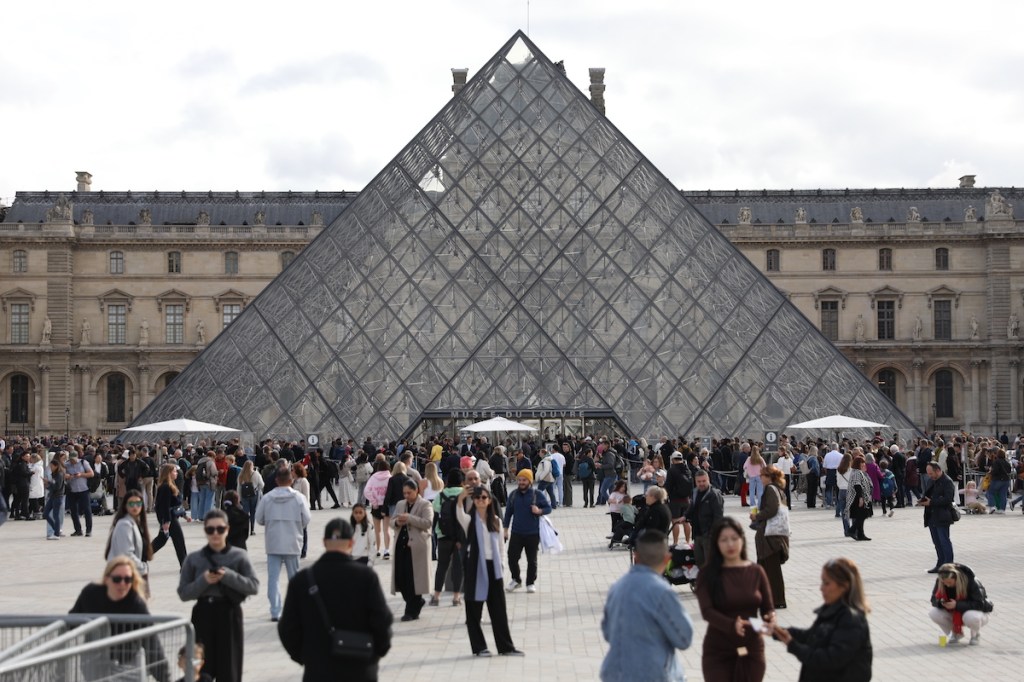
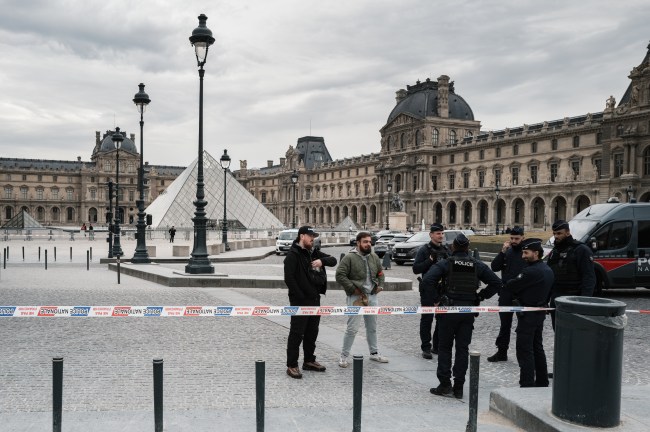
French Parliament Accuses Louvre of Prioritizing ‘Prestige And Influence’ Over Security Prior to Jewel Heist

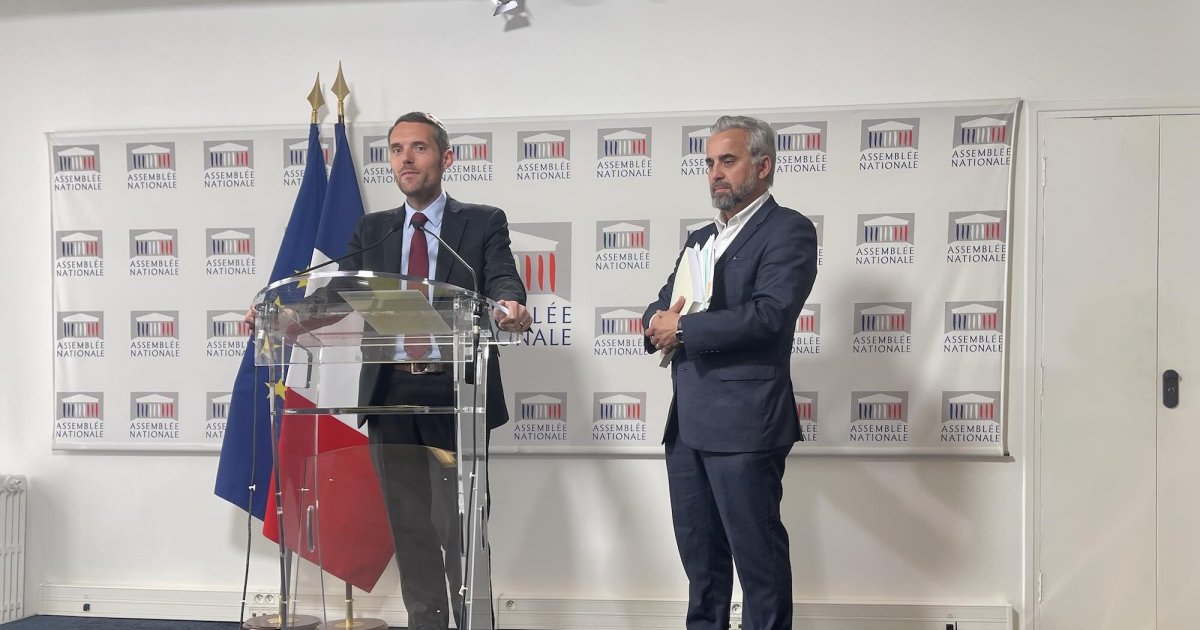
French MPs Alexis Corbière and Alexandre Portier have released a parliamentary report accusing the Louvre of prioritizing "prestige and influence" over security, leading to a brazen jewel heist on October 19, 2025. Thieves entered the museum in broad daylight and stole nine pieces of jewelry worth an estimated $102 million in under eight minutes. The report, based on over 20 hearings with 100 insiders, reveals that security had been "relegated to the background" despite audits in 2017 and 2019, and that a Security Equipment Master Plan from 2019 was not implemented in time by former director Jean-Luc Martinez. The report also casts doubt on President Emmanuel Macron's nearly $1 billion renovation plan for the Louvre, announced nine months before the heist.

Parliamentary Report Outlines Major Issues In French Museums After The Louvre Heist

A French parliamentary commission released a report on May 13 detailing severe security deficiencies in French museums, following a December 2025 heist at the Louvre where French Crown Jewels worth $100 million were stolen. The report, overseen by MPs Alexis Corbière and Alexandre Portier, draws on over 20 hearings and highlights that only 25% of surveyed museums have a finalized security plan, with the Louvre itself criticized for dilapidated conditions and ignored audit warnings from 2017 and 2019 that predicted the thieves' modus operandi. Former Louvre director Laurence des Cars, who resigned in February, faced criticism for delays in implementing a security master plan.

Parliamentary report calls for major changes at French museums in the wake of Louvre heist

A French parliamentary report published on 13 May, following the October 19 heist of the crown jewels at the Louvre, issues a damning assessment of the country's museum security and management. The commission heard around 100 testimonies and examined some 2,000 museums, dedicating a special chapter to the Louvre. It blames former director Laurence des Cars's leadership for a "dysfunctional drift" that prioritized contemporary art interventions and fashion shows over basic infrastructure and collection protection, allowing the heist to occur. The report lists rising threats including riots, burglaries, cyberattacks (which forced the National Museum of Natural History in Paris to cancel an exhibition after a ransomware attack in July 2025), and terrorist plots. It proposes 40 recommendations, including raising budgets by an estimated €20–25 billion over a decade, enhancing staff training, and overhauling museum leadership.

L'excellent rapport de la commission d'enquête sur la sûreté des musées est paru

A French parliamentary commission of inquiry into museum security, initiated by Alexandre Portier (president) and reported by Alexis Corbière, has published its findings. The report, unanimously adopted across party lines, includes forty recommendations and is notably critical of the Louvre's management under director Laurence des Cars, accusing her of neglecting security priorities and causing significant delays in the museum's master plan. The commission validated earlier criticisms by La Tribune de l'Art, describing the Louvre as an "État dans l'État" (state within a state) and estimating that twenty to twenty-seven months were lost due to postponed decisions.

La loi sur les restitutions des biens culturels pillés pendant la colonisation définitivement adoptée

The French Parliament has definitively adopted a permanent law on the restitution of cultural property looted during colonization, replacing the previous case-by-case legislative approach. The Senate unanimously approved the final text on May 7, 2026, following agreement in a joint committee on April 30, and the National Assembly had approved it the day before. The law creates a general derogation from the principle of inalienability of public collections, establishing a bilateral scientific committee to examine provenance, with final decisions made by decree of the Council of State. Key amendments from the National Assembly—including binding parliamentary votes on restitution and conditions on conservation and public access—were removed by the joint committee to avoid perceptions of neocolonial tutelage.

La loi-cadre sur les restitutions définitivement adoptée par le Parlement

The French Parliament has definitively adopted a framework law on the restitution of cultural property that was illicitly acquired. The Senate unanimously approved the conclusions of the joint committee on May 7, following the National Assembly's approval on May 6, after an agreement was reached on April 30. The law establishes a general mechanism for returning objects from French public collections without requiring a specific law for each case, covering items acquired through looting, theft, forced sale, or other illicit means before the 1970 UNESCO Convention. It creates a permanent national commission and a bilateral scientific committee to assess claims, with restitution ultimately decided by government decree subject to legal review by the Council of State.