filter_list Showing 5 results for "Heft" close Clear
search
dashboard All 28 museum exhibitions 9article news 6article policy 5gavel restitution 4candle obituary 2trending_up market 1article culture 1
date_range Range Today This Week This Month All
Subscribe

What will the future Louvre museum look like? The architects of the century's construction site have been chosen

À quoi ressemblera le futur musée du Louvre ? Les architectes du chantier du siècle désignés

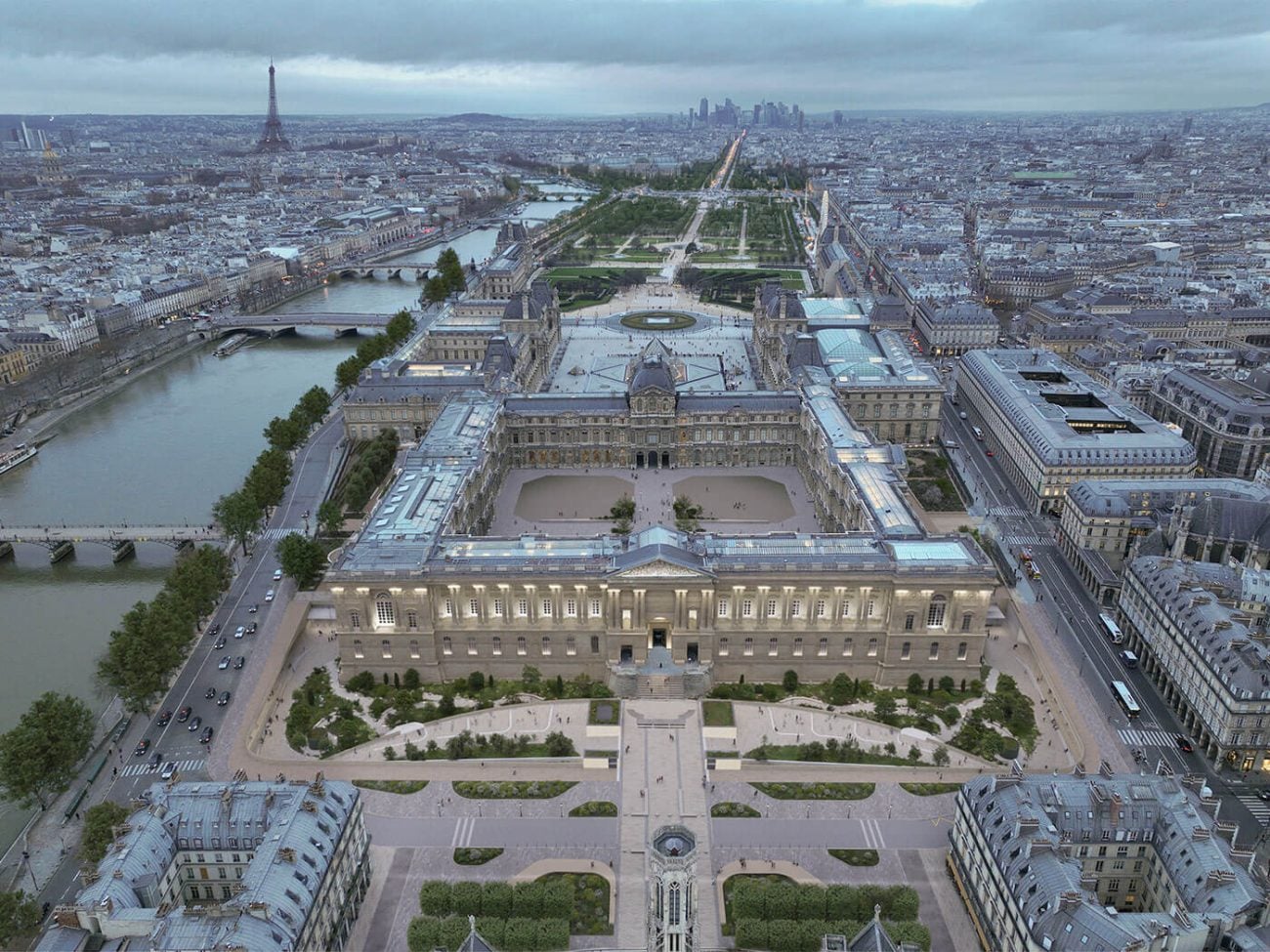
On May 18, the French Ministry of Culture announced the winner of the international competition for the 'Louvre Nouvelle Renaissance' plan, championed by President Emmanuel Macron in January 2025. The winning consortium, led by Studios Architecture Paris and Selldorf Architects with landscape firm Base, will design a major renovation of the Louvre. The project includes a new entrance on the east side near Saint-Germain-l’Auxerrois to relieve congestion at the pyramid, a belvedere overlooking vegetated moats, and a new 3,000-square-meter gallery dedicated to the Mona Lisa. Construction is not expected to begin before 2028.

Architectural Competition for Louvre ‘New Renaissance’ Project Reportedly Set to Relaunch in May

The international architectural competition for the Louvre Museum's $778 million 'New Renaissance' renovation project is set to relaunch in mid-May, according to a report in Le Figaro. The jury will convene on May 13 to assess proposals from five shortlisted firms, ending a period of uncertainty and delays caused by staff unrest, leadership upheaval following a major jewel theft, and the French municipal elections. The project, championed by President Emmanuel Macron, aims to modernize the museum and reduce overcrowding.

Parliamentary Report Outlines Major Issues In French Museums After The Louvre Heist

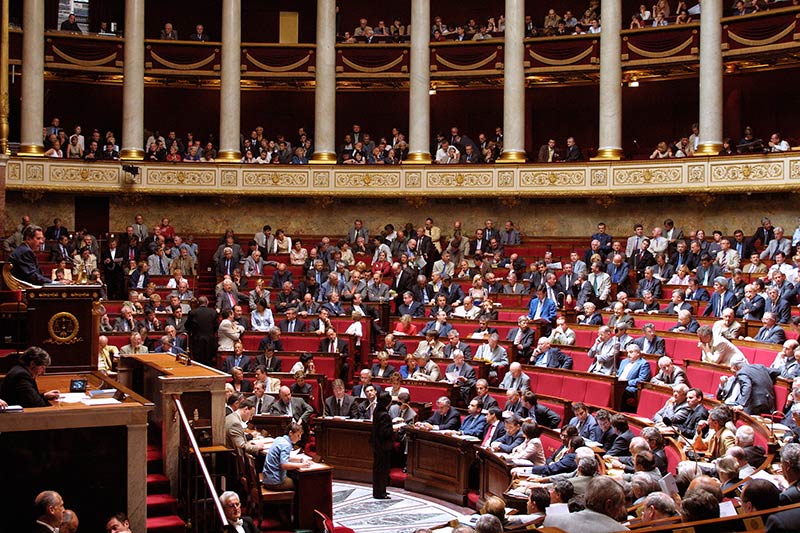
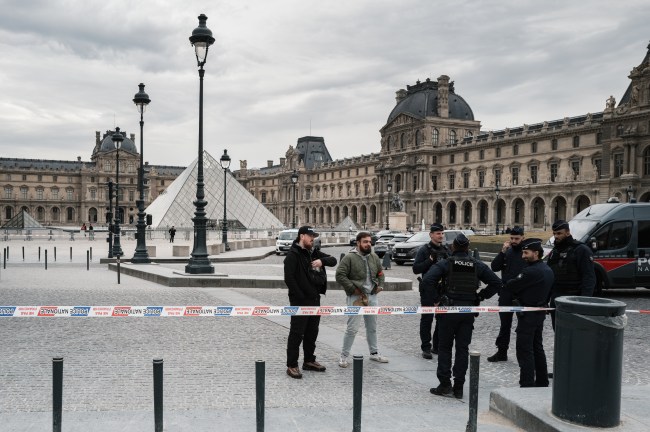
A French parliamentary commission released a report on May 13 detailing severe security deficiencies in French museums, following a December 2025 heist at the Louvre where French Crown Jewels worth $100 million were stolen. The report, overseen by MPs Alexis Corbière and Alexandre Portier, draws on over 20 hearings and highlights that only 25% of surveyed museums have a finalized security plan, with the Louvre itself criticized for dilapidated conditions and ignored audit warnings from 2017 and 2019 that predicted the thieves' modus operandi. Former Louvre director Laurence des Cars, who resigned in February, faced criticism for delays in implementing a security master plan.

La loi-cadre sur les restitutions définitivement adoptée par le Parlement

The French Parliament has definitively adopted a framework law on the restitution of cultural property that was illicitly acquired. The Senate unanimously approved the conclusions of the joint committee on May 7, following the National Assembly's approval on May 6, after an agreement was reached on April 30. The law establishes a general mechanism for returning objects from French public collections without requiring a specific law for each case, covering items acquired through looting, theft, forced sale, or other illicit means before the 1970 UNESCO Convention. It creates a permanent national commission and a bilateral scientific committee to assess claims, with restitution ultimately decided by government decree subject to legal review by the Council of State.

Today’s war, tomorrow’s loot: attempts at stemming the illicit trade in art

The article examines the ongoing challenge of preventing the illicit trade in cultural property looted from conflict zones. It discusses the Hague Convention of 1954 and its protocol, which require signatory countries to prevent theft and pillage during armed conflict and to seize and repatriate unlawful exports. However, the protocol only applies to situations of 'occupation,' leaving a gap for looting that occurs in the chaos of war beyond formal occupation. The article also notes UN Security Council Resolutions that restrict unlawfully removed cultural property from Iraq and Syria, but no similar consensus exists for countries like Afghanistan, Libya, Ukraine, Lebanon, Yemen, Sudan, and Iran. EU Regulation 2019/880 is highlighted as a measure that prohibits introducing goods removed unlawfully from their place of origin into the EU, though its scope has expanded beyond its original anti-terrorist financing purpose.