filter_list Showing 50 results for "ISS" close Clear
dashboard All 576 museum exhibitions 231article news 80article local 66article policy 50article culture 39person people 37trending_up market 31rate_review review 21gavel restitution 18candle obituary 2article event 1
date_range Range Today This Week This Month All
Subscribe

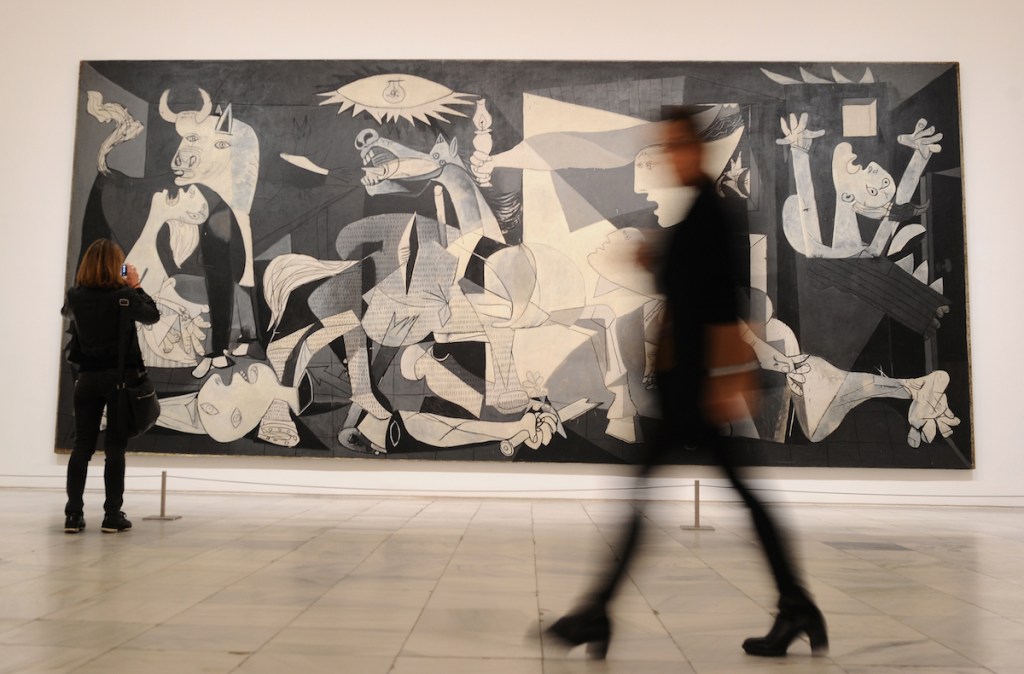
Picasso’s ‘Guernica’ Could Leave Madrid for the First Time in Over 30 Years

The Basque regional government has formally requested a temporary loan of Pablo Picasso's 'Guernica' from Madrid's Museo Reina Sofía to the Guggenheim Museum Bilbao for a period from October 2026 to June 2027. This would mark the painting's first movement since 1992 and is timed to coincide with the 90th anniversary of the bombing of Guernica. The request faces strong opposition from the Reina Sofía, which has released a conservation report stating the monumental canvas is too fragile to travel.
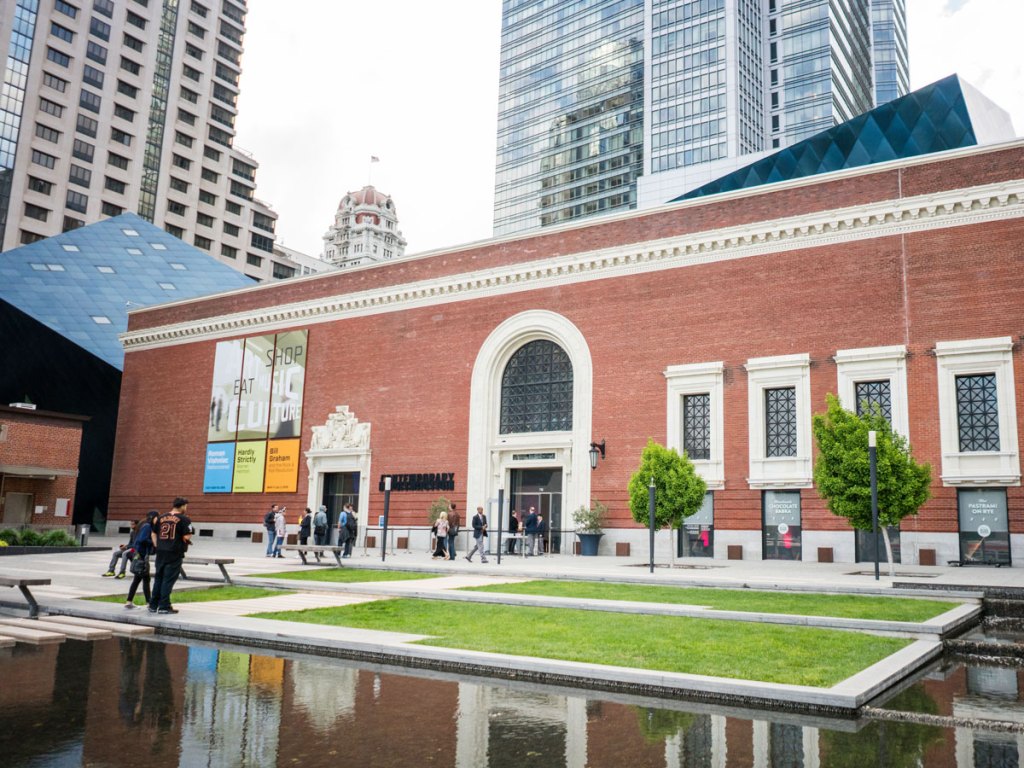

San Francisco’s Contemporary Jewish Museum Plans to Sell Building

The Contemporary Jewish Museum in San Francisco has announced plans to sell its iconic Daniel Libeskind-designed building in the Yerba Buena Gardens neighborhood. The institution has been closed to the public since December 2024, drastically reduced its staff and budget, and aims to use the sale to stabilize its finances, reduce debt, and ensure its long-term survival.

Czech Culture Minister Dismisses Director of Prague’s National Gallery, Generating Scrutiny

Czech Culture Minister Oto Klempíř has dismissed Alicja Knast from her position as director of Prague's National Gallery. The move has generated significant scrutiny, with critics questioning the lack of a formal explanation and the abrupt manner of her removal, which was announced without a joint press conference.

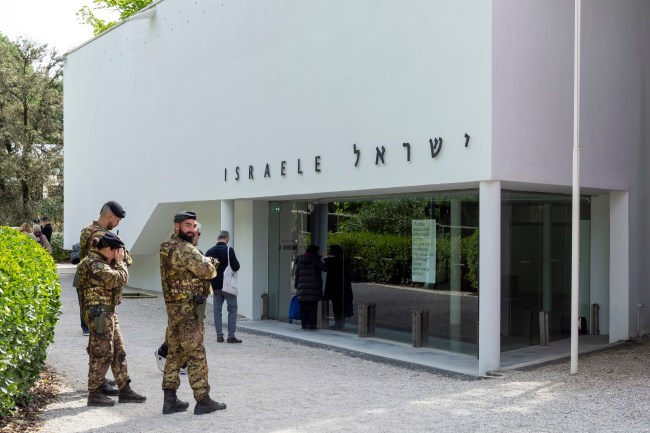
Participating Artists and Curators Push Back on Venice Biennale’s Relocation of Israeli Pavilion, Call for Exclusion of Russia, Israel, and US

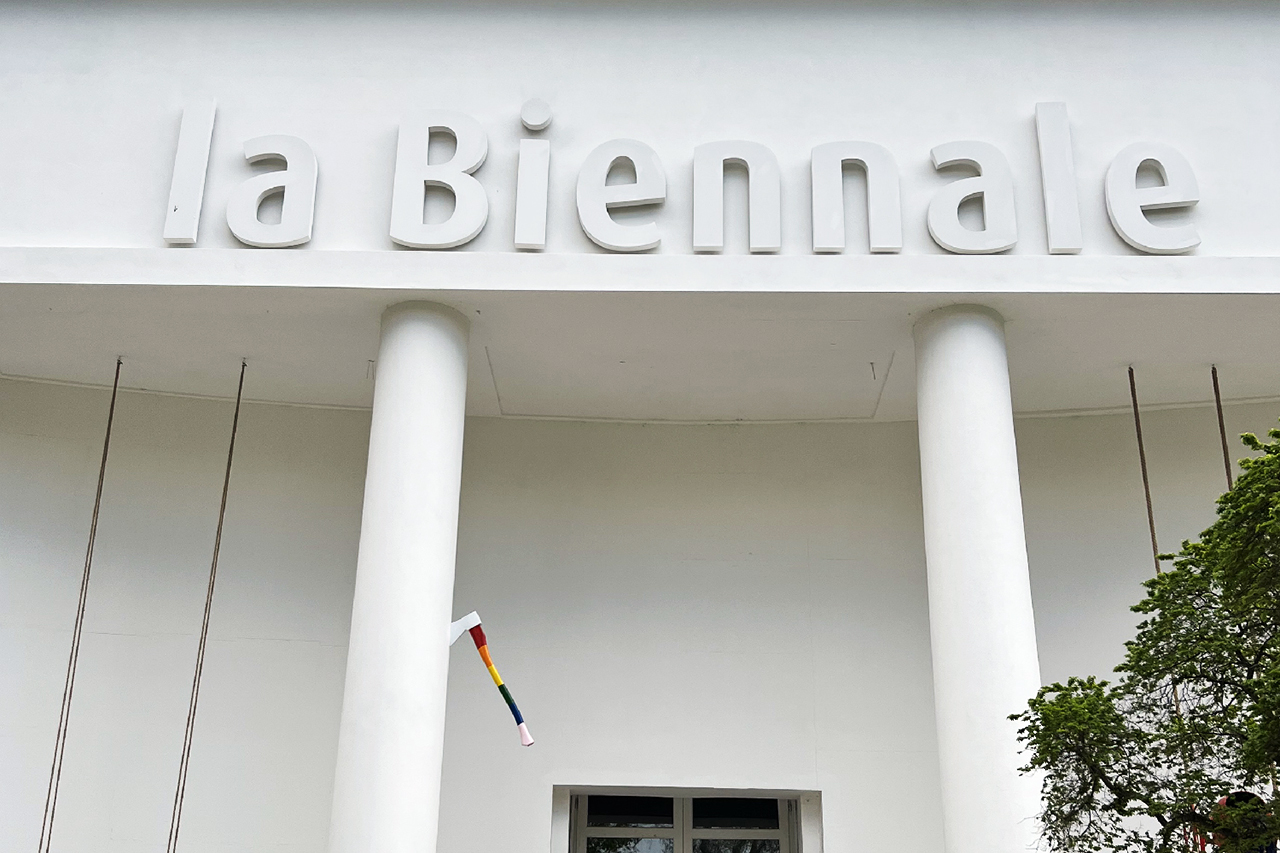
Seventy-three artists and curators participating in the main exhibition of the 2024 Venice Biennale have issued an open letter objecting to the organizers' decision to relocate the Israeli national pavilion to the Arsenale. They argue this move creates an intimidating atmosphere contrary to the late curator Koyo Kouoh's vision of "radical solidarity" and will necessitate a heightened security presence. The signatories, which include key curators tasked with realizing Kouoh's exhibition, also call for the exclusion of Israel, Russia, and the United States from the event, citing their governments' alleged commission of war crimes.

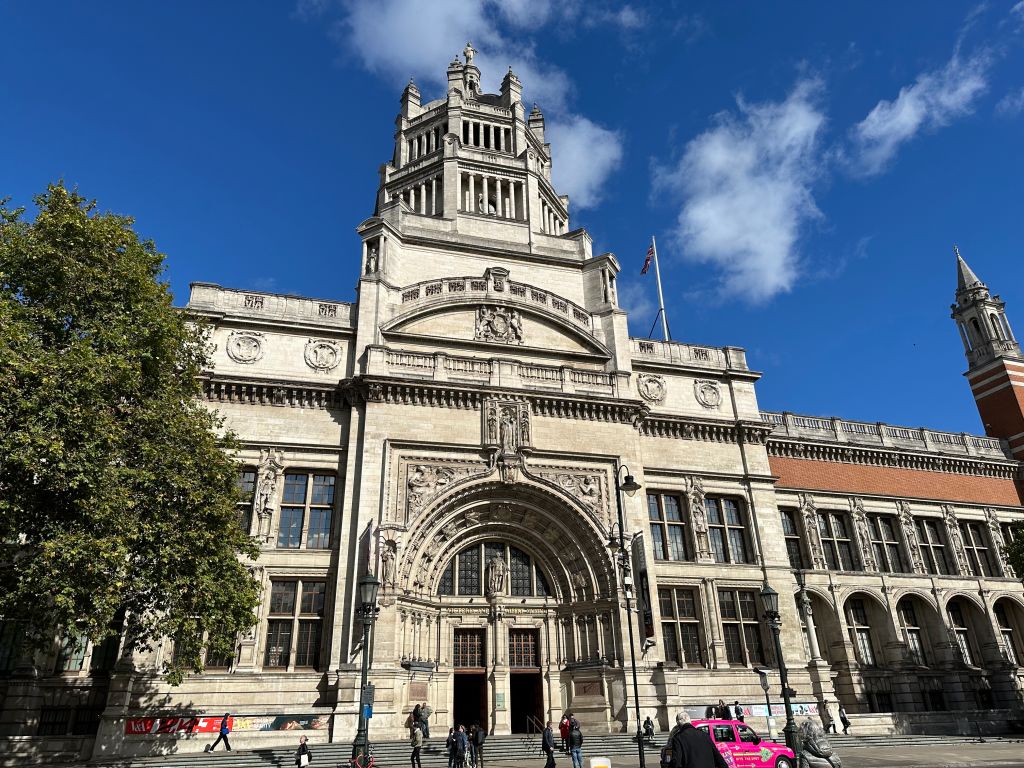
V&A Pulls Catalog Materials Due to Chinese Censorship Laws

The Victoria and Albert Museum (V&A) in London has admitted to removing maps and images from two exhibition catalogs following censorship demands from a Chinese printing firm. Documents revealed that C&C Offset Printing flagged content in the catalogs for the exhibitions "Music Is Black" and "Fabergé: Romance to Revolution" as violating Chinese law. The censored items included a 1930s map of British trade routes and a photograph of Vladimir Lenin, which the printer claimed could not be produced under Beijing’s strict regulations.

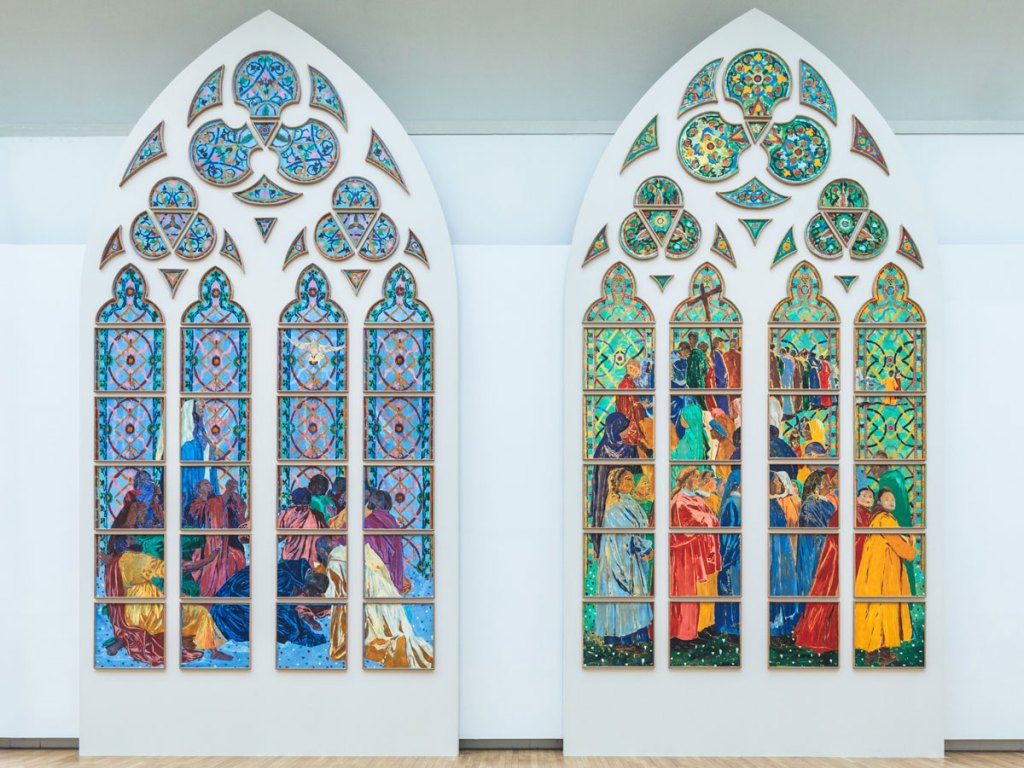
Claire Tabouret’s Stained-Glass Windows for Notre-Dame Divide French Society, with a Legal Threat Looming

French contemporary artist Claire Tabouret has been commissioned to create six new stained-glass windows for the Notre-Dame de Paris cathedral, replacing six existing 19th-century grisaille windows designed by architect Eugène-Emmanuel Viollet-le-Duc. The project, announced by President Emmanuel Macron and the Archbishop of Paris as a "contemporary gesture" following the 2019 fire, has sparked a major public and institutional controversy, with a petition against it gathering over 335,000 signatures.

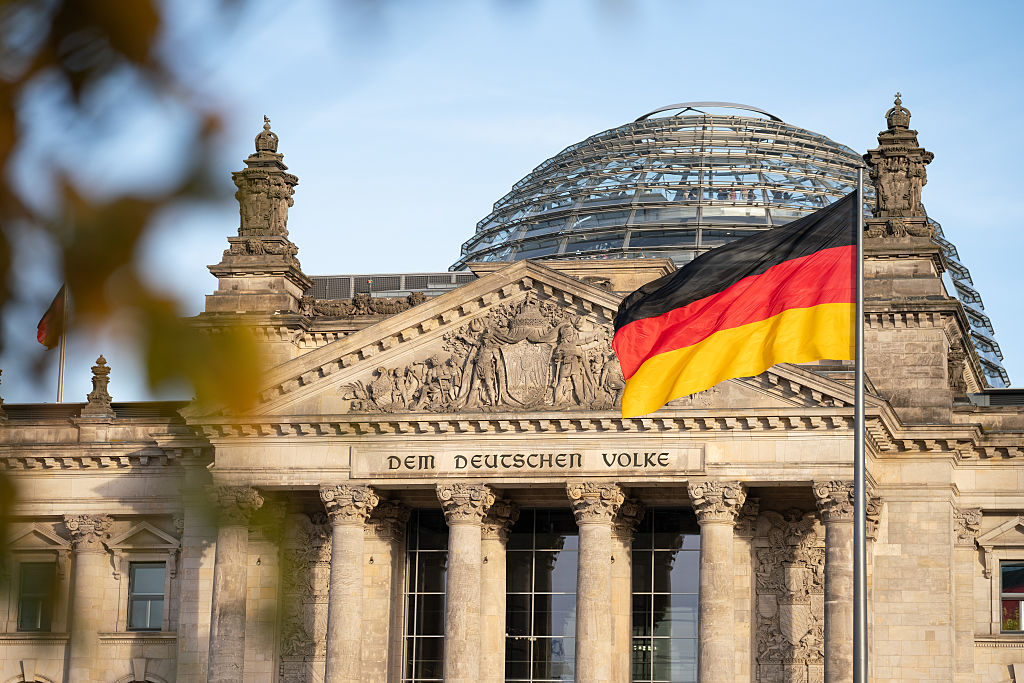
Prominent German Art Foundation Accuses Top Culture Official of ‘Attempted Intimidation’

Jurors from the Kunstfonds Foundation, a major German contemporary art funding body, have accused Minister of State for Culture Wolfram Weimer of attempted intimidation and political interference. The conflict erupted after Weimer requested the names of the independent jury members, a move the foundation views as a threat to artistic freedom. This follows a separate controversy where Weimer reportedly consulted domestic intelligence to exclude bookstores with left-wing leanings from a national award.

An Old Man Whose Egoscentrism Knows No Bounds

"Ein alter Mann, dessen Ich-Sucht keine Grenzen kennt"

More than 30 current and former jury members of the Stiftung Kunstfonds have issued a formal protest against German Culture Minister Wolfram Weimer, accusing his office of political interference and intimidation. The controversy stems from reports that the ministry requested lists of all jury members across various art institutions and bypassed jury decisions to exclude specific recipients from awards based on intelligence service reports.

Settlement allows Institute of Museum and Library Services to continue operations

The American Library Association (ALA) and the American Federation of State, County and Municipal Employees (AFSCME) have reached a settlement with the Trump administration to restore the Institute of Museum and Library Services (IMLS). The agreement follows a year-long legal battle sparked by an executive order that placed the agency's entire staff on administrative leave and attempted to dismantle the federal body. The settlement ensures the IMLS can resume awarding grants, conducting research, and operating programs while reversing previous staff terminations and grant cancellations.

Why Do the Women Have to Be Naked?

"Warum müssen die Frauen nackt sein?"

A series of cultural controversies highlight growing tensions between artistic freedom and political pressure. In Germany, cultural minister Wolfram Weimer faces criticism for opaque funding decisions and alleged interference in jury processes, with critics arguing this undermines artistic freedom and free speech. Simultaneously, the European Media Art Festival in Osnabrück defends filmmaker Basma al-Sharif against accusations of antisemitism, illustrating how cultural funding can become a test of political ideology.

Urgent Request from Participating Artists and Curators of the 61st Venice Biennale

第61回ヴェネツィア・ビエンナーレ参加アーティストおよびキュレーターによる緊急要請

A group of 73 artists and curators participating in the 61st Venice Biennale, including Yoshiko Shimada and Bubu de la Madeleine, have issued an urgent demand to the Biennale's board to revoke Israel's participation. The collective specifically objects to the decision to relocate the Israeli pavilion to the Arsenale, arguing that its presence contradicts the curatorial vision of Artistic Director Koyo Kouoh, which emphasizes the dignity of all life. They contend that the military and police presence required for the pavilion introduces an atmosphere of violence and fear that undermines the exhibition's integrity.

More than 200 cultural figures sign statement criticising international response to destruction of Iran’s heritage

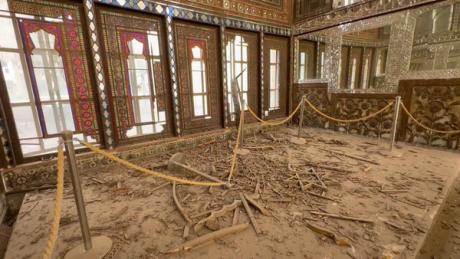
More than 200 international scholars and cultural heritage professionals have signed a joint statement condemning the United States and Israel for inflicting "irreversible damage" on Iran’s cultural heritage. The group, which includes academics from leading global institutions, alleges that recent military strikes have damaged over 130 UNESCO-registered monuments and museums, including the Senate Palace in Tehran and sites in Isfahan. They argue these actions violate the 1954 Hague Convention and criticize international bodies like UNESCO for failing to issue a sufficiently forceful response.

DHS Appropriates Japanese Artist’s Work in Racist X Post

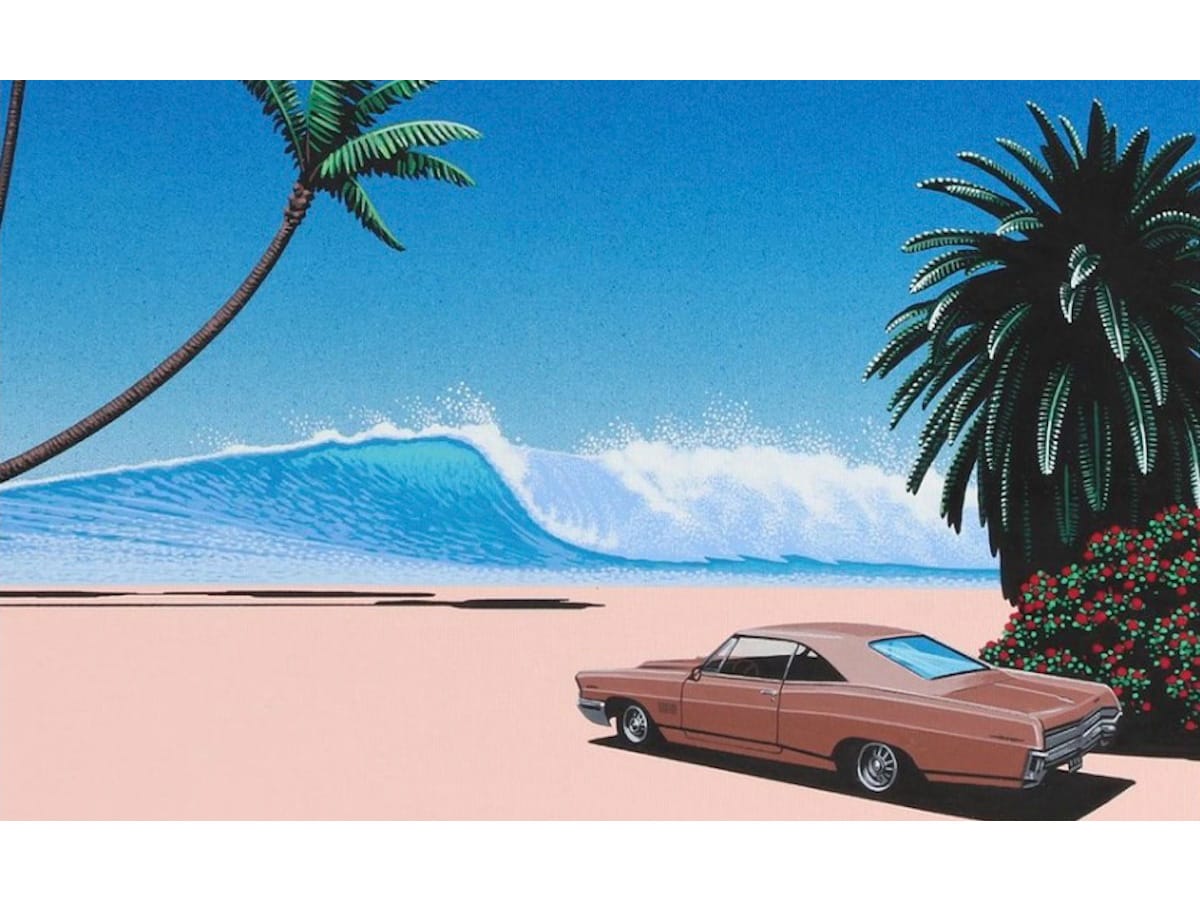
The U.S. Department of Homeland Security (DHS) used a painting by Japanese artist Hiroshi Nagai in a social media post without his permission. The agency cropped his 2017 untitled beach scene and overlaid it with the text "America After 100 Million Deportations," accompanied by a caption about national peace. Nagai, 78, expressed being "at a loss" and disappointed that a government agency would use his work to promote a political message he does not endorse.

Gilles Bloch: "The Museum needs 1.1 billion euros"

Gilles Bloch : « Le Muséum a besoin de 1,1 milliard d’euros »

Gilles Bloch, president of the Muséum national d’histoire naturelle in Paris, has issued an urgent call for €1.1 billion in funding to address the critical state of the institution's infrastructure. Ahead of its 400th anniversary in 2026, a diagnostic report reveals that 74% of the museum's 120 buildings are in poor condition, with several galleries currently closed to the public or suffering from inadequate climate control. The requested funds would cover €500 million in emergency repairs to stabilize decaying structures and a further €600 million for long-term modernization and energy efficiency upgrades.

An Urgent Call From Artists and Curators of the 61st International Art Exhibition of La Biennale di Venezia 2026

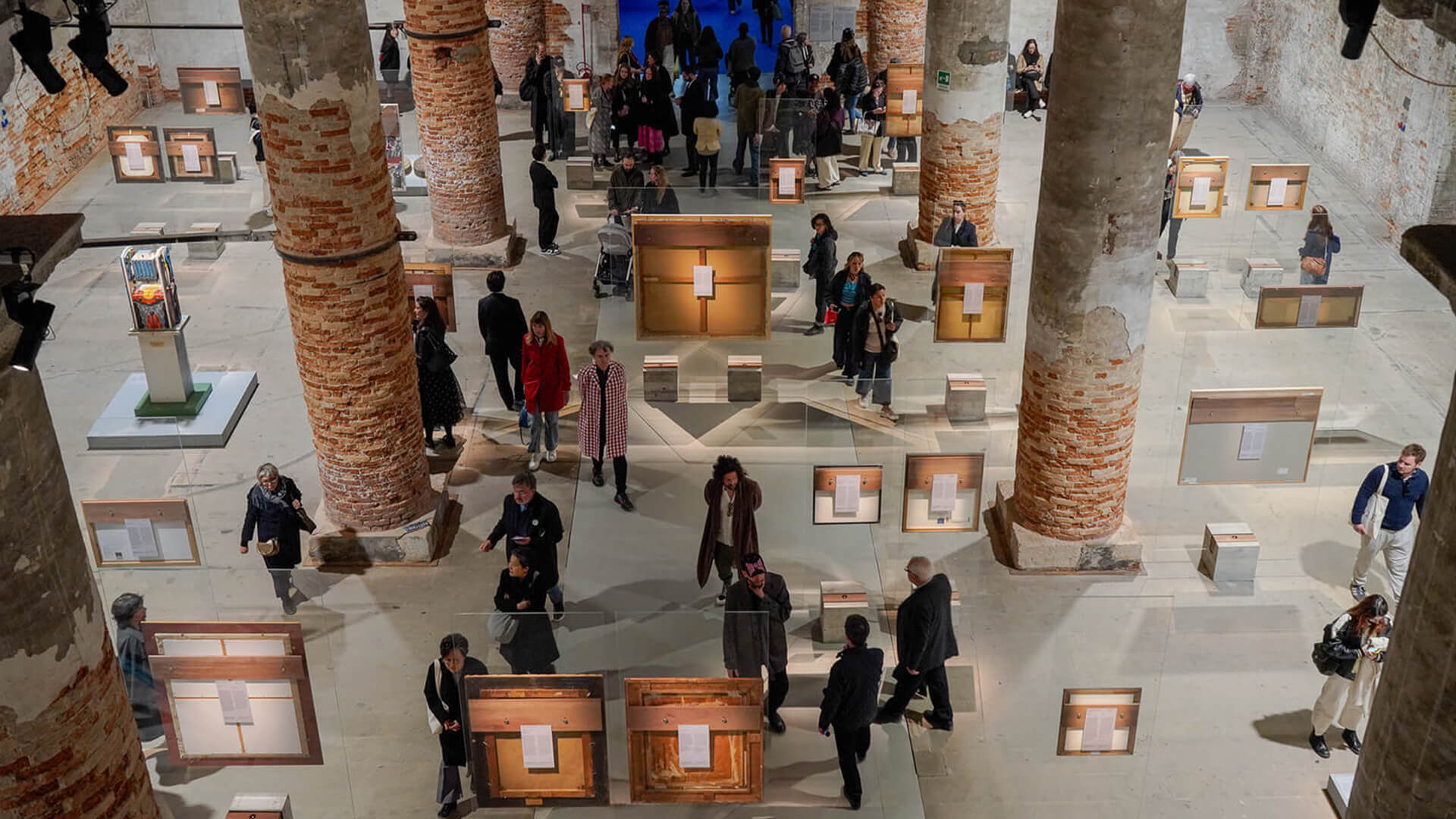
A group of seventy-four artists and curators participating in the 61st Venice Biennale have issued an urgent letter to the institution's leadership, including director Pietrangelo Buttafuoco. The signatories are protesting the decision to relocate the Israeli Pavilion to the Arsenale, placing it in close proximity to the central exhibition, "In Minor Keys," which was conceived by the late curator Koyo Kouoh. The group argues that this relocation violates Kouoh’s curatorial vision of radical solidarity and introduces a threatening military and police presence into the exhibition space.

Smithsonian’s governing body quietly losing members

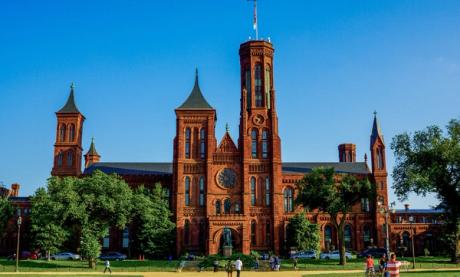
The Smithsonian Institution's Board of Regents is shrinking, with two members' terms expiring in March and no replacements announced. A third regent's term expires next week, with three more set to end in the autumn, and there are no concrete plans to fill these vacancies. The delay stems from a requirement for both Congress and the President to approve new members.

An open letter to La Biennale di Venezia calls out inaction in the face of global atrocities

A group of 74 artists and curators invited to the 61st Venice Biennale have issued an open letter to the institution's president, Pietrangelo Buttafuoco. The signatories are protesting the decision to relocate the Israeli Pavilion to the Arsenale, placing it in close proximity to the central exhibition 'In Minor Keys' curated by the late Koyo Kouoh. The letter demands the exclusion of official delegations from countries accused of war crimes—specifically Israel, Russia, and the United States—and accuses the Biennale of complicity through its silence on global atrocities.

Institute of Museum and Library Services Allowed to Operate: Settlement

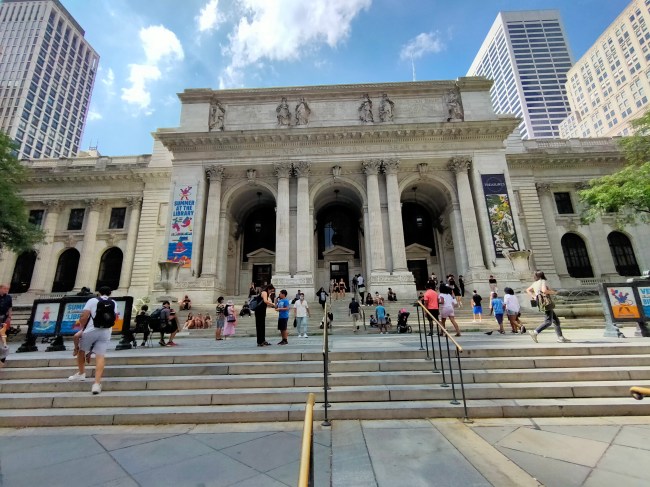
The Institute of Museum and Library Services (IMLS) has reached a legal settlement allowing it to resume full operations after being targeted for dismantling by a presidential executive order. The agreement, facilitated by a lawsuit from the American Federation of State, County and Municipal Employees, reverses planned mass layoffs and the termination of federal grants that support thousands of institutions across the United States.

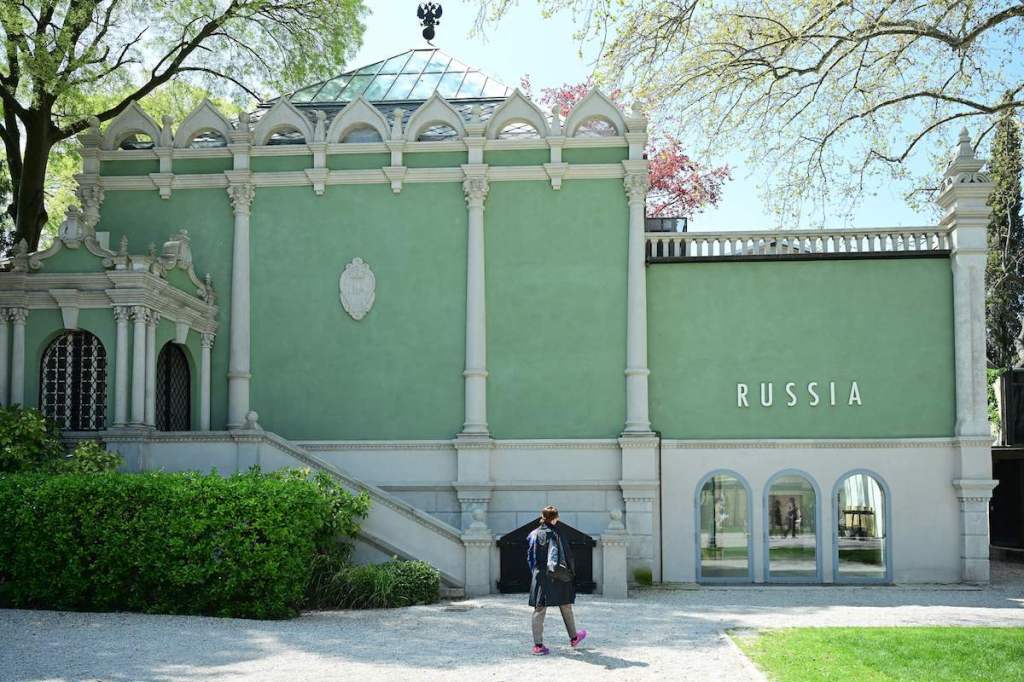
Finland Pulls Back Venice Biennale Presence Over Return of Russian Pavilion

Finland’s political leadership has announced it will boycott the Venice Biennale if the Russian Pavilion proceeds with its planned exhibition. While Finnish public officials will still attend to support their own national artists, the Ministry of Education and Culture stated that Russia should be excluded as long as the war in Ukraine continues. This move follows an open letter from 22 European nations and a warning from the European Commission regarding potential sanctions violations.

European Commission Tells Venice Biennale to ‘Clear Its Name’ Regarding Russian Pavilion or Risk Losing $2.3 M. Grant for 2028

The European Commission has issued a 30-day ultimatum to the Venice Biennale, threatening to withdraw a €2 million ($2.3 million) grant for the 2028 edition unless the organization addresses concerns regarding the Russian Pavilion's inclusion in 2026. The Commission alleges that hosting a government-funded delegation violates EU sanctions and provides a cultural platform for Russian state interests amidst the ongoing war in Ukraine. The Biennale's president, Pietrangelo Buttafuoco, must respond by May 11, just two days after the exhibition's public opening.

Ukraine Sanctions Russian Culture Figures Linked to Country’s Participation in Venice Biennale

Ukrainian President Volodymyr Zelenskyy has issued a decree imposing sanctions on five Russian cultural figures involved in the Russian Pavilion for the 2026 Venice Biennale. The sanctioned individuals include pavilion commissioner Anastasia Karneeva, former culture minister Mikhail Shvydkoy, and three performers from the Intrada Ensemble. Ukrainian officials argue that these figures use international art platforms to legitimize Russian aggression and spread state propaganda, specifically citing past activities in occupied territories like Crimea and Donetsk.

‘The extremely happy part of the crowd’: Hungarian arts figures hope for change after 16 years of Orbán rule

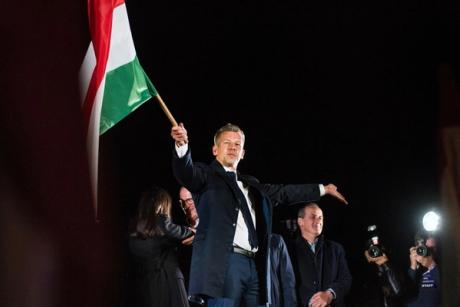
The 16-year tenure of Viktor Orbán has come to an end following a landslide victory for Péter Magyar’s Tisza Party in the 2026 Hungarian parliamentary election. The shift in power has sparked widespread celebration among Hungary’s progressive art community, which has long felt stifled by Orbán’s nationalist and socially conservative agenda. Figures from major Budapest galleries and the contemporary art scene report a profound sense of relief, signaling a potential departure from the "illiberal democracy" that dominated the country for nearly two decades.

The Politics of Russia’s Return to the Venice Biennale

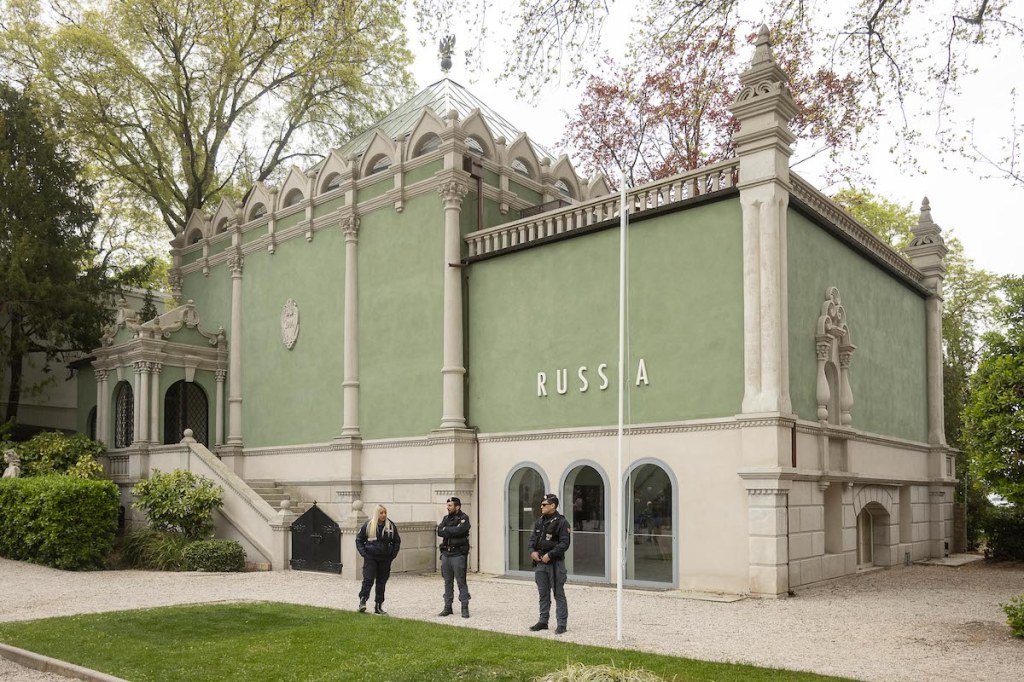
Russia has announced its intention to return to the Venice Biennale in 2026, marking its first participation since the full-scale invasion of Ukraine in 2022. The proposed pavilion, titled "The Tree is Rooted in the Sky," plans to feature 38 participants from Russia and several Global South nations. The announcement has sparked intense backlash from the European Commission and culture ministers across 22 countries, who argue that Russia’s presence undermines democratic values and serves as a tool for "dark cultural diplomacy."

European Commission Tells Venice Biennale to Ditch Russian Pavilion

The European Commission has formally accused the Venice Biennale of violating EU sanctions against Russia by planning to reopen the Russian Pavilion for the 2026 edition. In a letter to the Biennale's president, the Commission argues that hosting a government-funded national pavilion constitutes accepting indirect support from the Russian state during its ongoing war in Ukraine. The organization has threatened to withhold a $2.3 million grant intended for the 2028 edition unless the Biennale addresses these concerns by May 11.

Cultural Institutions Warn Against AfD's Cultural Policy Plans

Kulturinstitutionen warnen vor AfD-Plänen zur Kulturpolitik

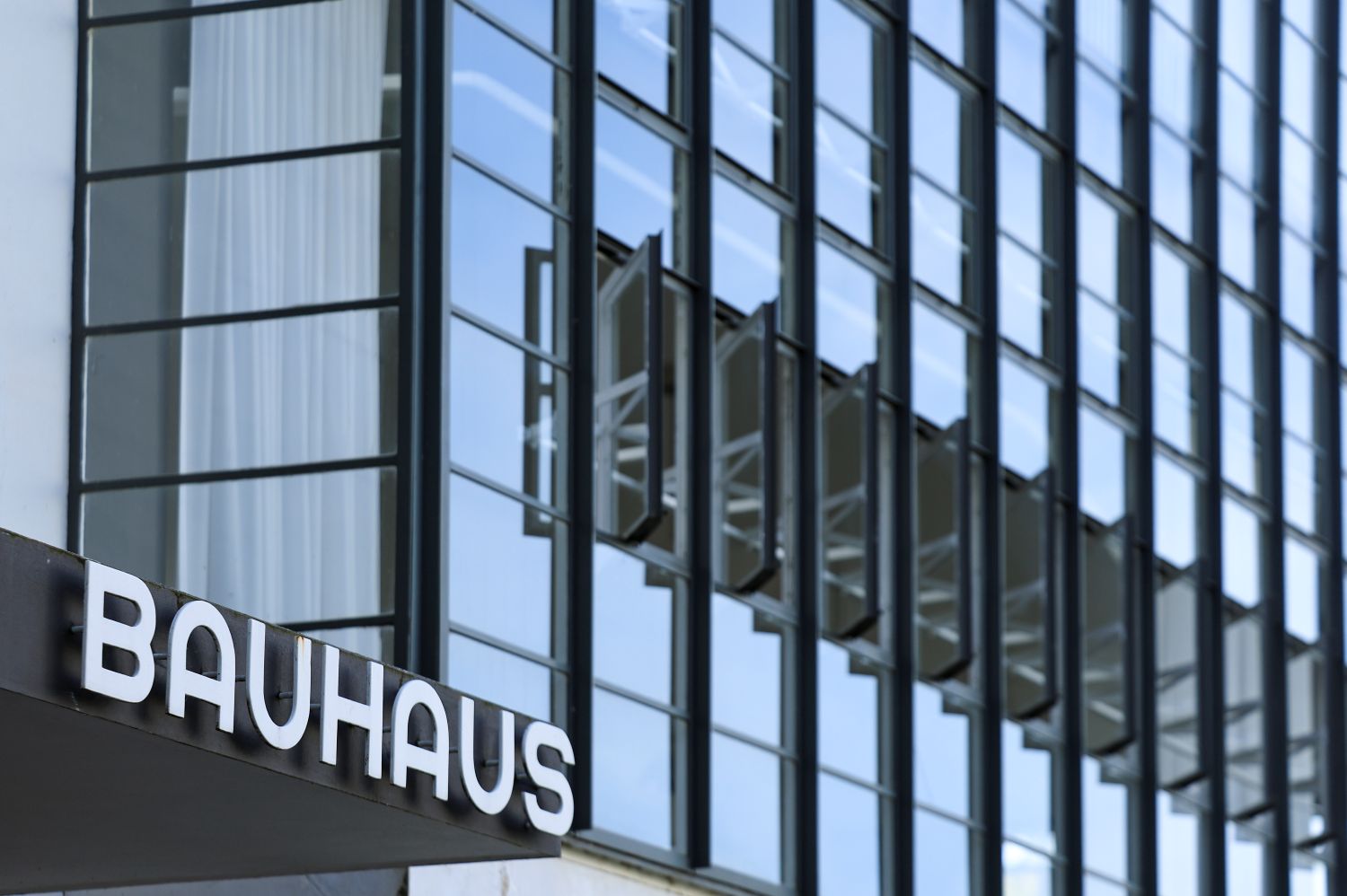
Nearly 30 cultural institutions in Saxony-Anhalt, including the Bauhaus Dessau Foundation and the Saxony-Anhalt Museum Association, have issued a joint warning against the AfD party's new government program. The political platform proposes a "patriotic cultural policy" that would prioritize funding for art contributing to "German identity" while criticizing the state's focus on modernism and the Bauhaus as a "sign of identity disorder." The institutions argue these plans threaten artistic freedom, pluralism, and the democratic culture of remembrance regarding Germany's Nazi past.

English museums should only charge tourists if digital ID checks in place, UK politician says

Labour peer Margaret Hodge has detailed her proposal to introduce admission fees for overseas tourists at England’s national museums, stipulating that such a move must be preceded by a universal digital ID system. Speaking to a parliamentary committee, Hodge argued that without digital verification, museum staff might resort to profiling visitors based on appearance, which would undermine community cohesion.

Arts and heritage organisations largely exempted from new UK regulations on memberships

The UK government has exempted charitable and heritage organizations from new consumer regulations that would have allowed members to cancel and receive refunds within a two-week cooling-off period. The Digital Markets, Competition and Consumers Act (DMCCA), set to take effect next year, will not apply to membership schemes of qualifying cultural and heritage charities.

Vilcek Foundation to Award $200,000 in Grants to Nonprofits Uplifting Immigrant Contributions

The Vilcek Foundation is accepting applications for its 2026 grant cycle, offering up to $20,000 per grant to nonprofit organizations that highlight immigrant contributions in the arts, sciences, and culture. The total funding pool is $200,000, with a deadline of April 30, 2026. This initiative marks the second year of this specific grant program, expanding the foundation's long-standing mission as it celebrates its 25th anniversary.

Outsourcing Museum Reception: A Booming Model

Externaliser l’accueil dans les musées, un modèle en plein essor

French museums are increasingly outsourcing front-of-house services, including ticketing, reception, and crowd management, to specialized private firms. This trend, which gained momentum with the opening of the Musée du quai Branly in 2006, allows public institutions to focus internal resources on core missions like conservation and curation while utilizing flexible, external labor for high-traffic operations. The market for these cultural services in France is projected to reach approximately €50 million by 2025.

What Future for Art Centers?

Quel avenir pour les centres d’art ?

The article examines the uncertain future of contemporary art centers in France, a category that encompasses vastly different institutions from major venues like the Palais de Tokyo to smaller regional spaces. These non-collecting institutions, dedicated to exhibiting emerging artists and experimentation, face fragility due to heavy reliance on local government funding and difficulty proving their utility to elected officials. Their core mission is further challenged by more robust regional contemporary art funds (Fracs), which have greater resources for similar goals of exhibiting ultra-contemporary art and cultural democratization.