filter_list Showing 7 results for "Iran" close Clear
dashboard All 94 article news 29museum exhibitions 22trending_up market 17article culture 7article policy 7person people 7gavel restitution 2article events 1article event 1article local 1
date_range Range Today This Week This Month All
Subscribe

Why Do the Women Have to Be Naked?

"Warum müssen die Frauen nackt sein?"

A series of cultural controversies highlight growing tensions between artistic freedom and political pressure. In Germany, cultural minister Wolfram Weimer faces criticism for opaque funding decisions and alleged interference in jury processes, with critics arguing this undermines artistic freedom and free speech. Simultaneously, the European Media Art Festival in Osnabrück defends filmmaker Basma al-Sharif against accusations of antisemitism, illustrating how cultural funding can become a test of political ideology.
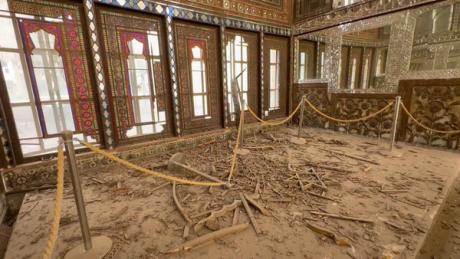
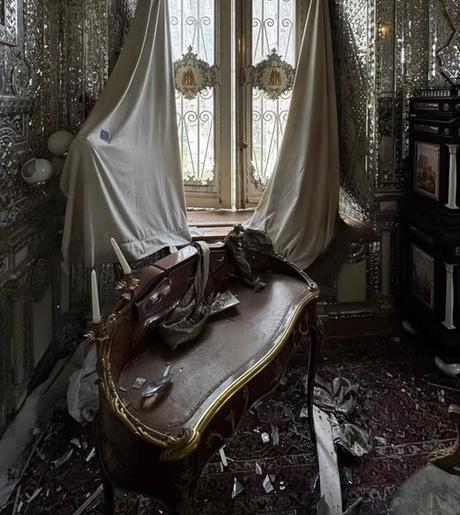
More than 200 cultural figures sign statement criticising international response to destruction of Iran’s heritage

More than 200 international scholars and cultural heritage professionals have signed a joint statement condemning the United States and Israel for inflicting "irreversible damage" on Iran’s cultural heritage. The group, which includes academics from leading global institutions, alleges that recent military strikes have damaged over 130 UNESCO-registered monuments and museums, including the Senate Palace in Tehran and sites in Isfahan. They argue these actions violate the 1954 Hague Convention and criticize international bodies like UNESCO for failing to issue a sufficiently forceful response.

Details on French museum works in Abu Dhabi

Des précisions sur les œuvres des musées français à Abu Dhabi

French museums and cultural institutions, including the Louvre, Versailles, the Centre Pompidou (Beaubourg), and the Musée d'Orsay, are refusing to disclose which specific artworks from their collections are currently on loan and on display at the Louvre Abu Dhabi. This lack of transparency occurs despite heightened regional security risks, including the threat of Iranian strikes. The French Ministry of Culture claims it is in close contact with UAE authorities to ensure the protection of the loaned works.

‘We are trying to preserve the memory of our people’: archaeologists create map tracking damage to Iran heritage sites

Iranian archaeologists Sepideh Maziar and Mehrnoush Soroush have launched an interactive online map to document and geolocate cultural heritage sites in Iran damaged by military strikes. The map, hosted by the University of Chicago's CAMEL Lab, currently lists 69 verified sites, including the historic Sa'dabad Palace complex in Tehran, and is updated as new information becomes available.

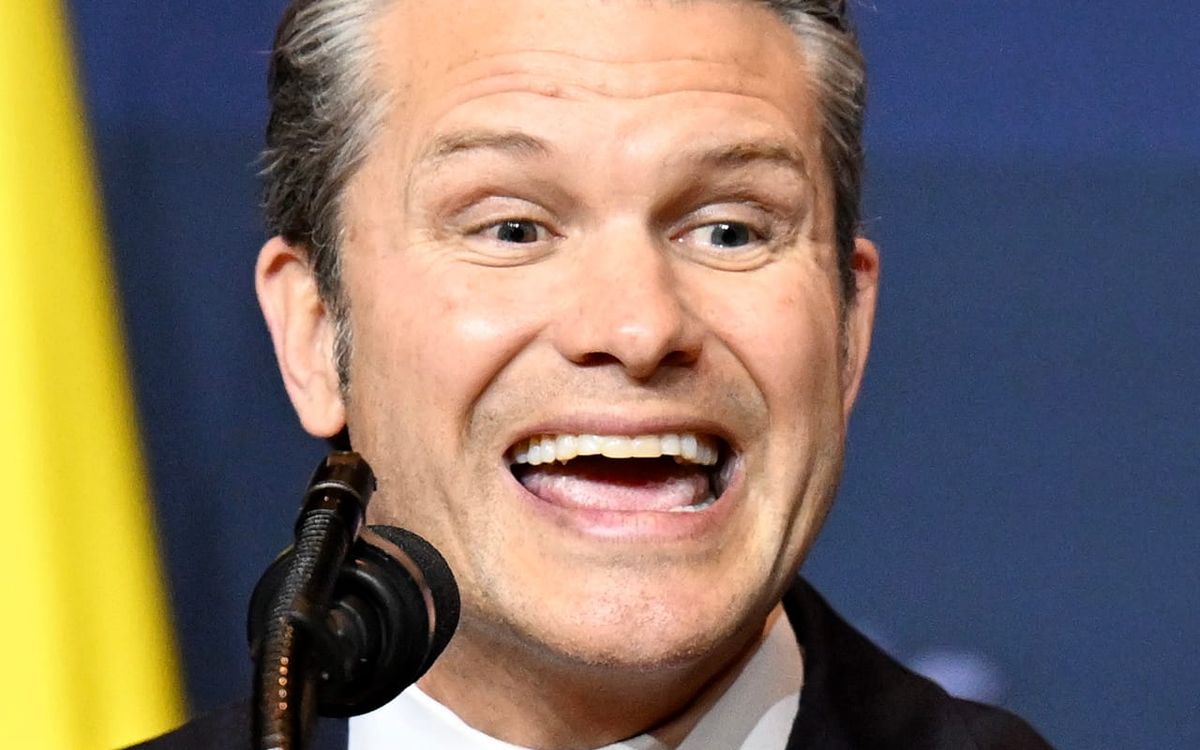
Pete Hegseth Goes to War With Press Photographers

Pete Hegseth Goes to War With Press Photographers

Defense Secretary Pete Hegseth has banned press photographers from Pentagon briefings on the U.S.-Israeli military conflict with Iran. The reported reason for the ban is Hegseth's displeasure over "unflattering" photographs taken during a recent press address, with the Pentagon stating it will now release official photos online instead.

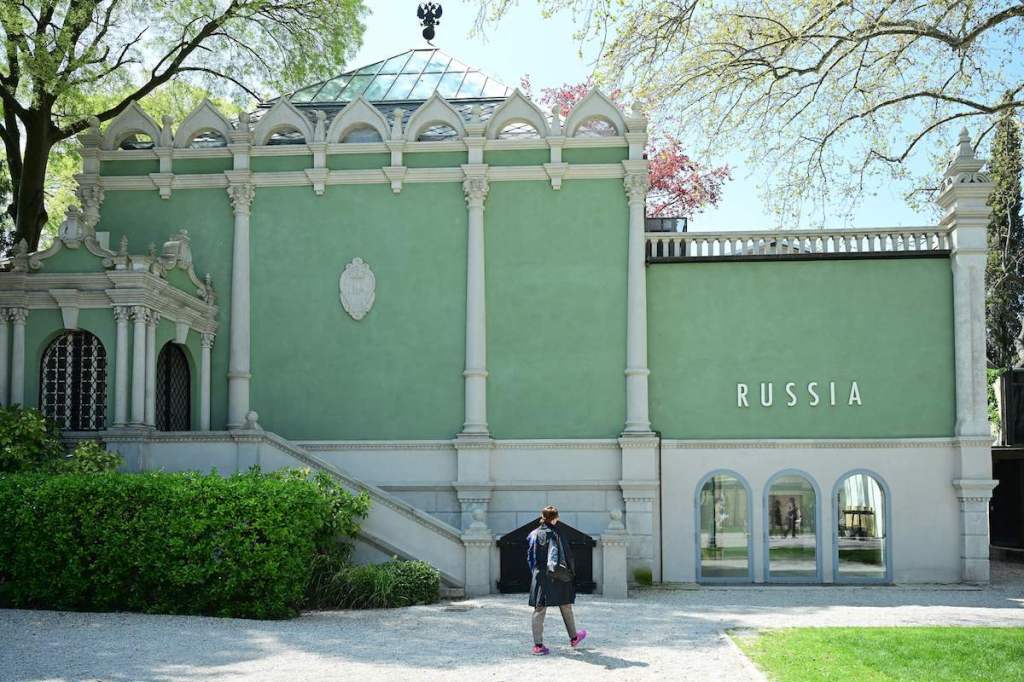
venice biennale neutrality national pavilions russia israel 1234777235

The Venice Biennale is facing intense international backlash following its decision to allow Russia to return for the 2026 edition after a hiatus caused by the invasion of Ukraine. High-ranking politicians from 22 European nations, along with thousands of artists and curators, have signed open letters condemning the move as a platform for state-directed cultural diplomacy and war-crime whitewashing. The Biennale has defended its stance by claiming a policy of non-censorship, asserting that it accepts any nation recognized by the Italian government.

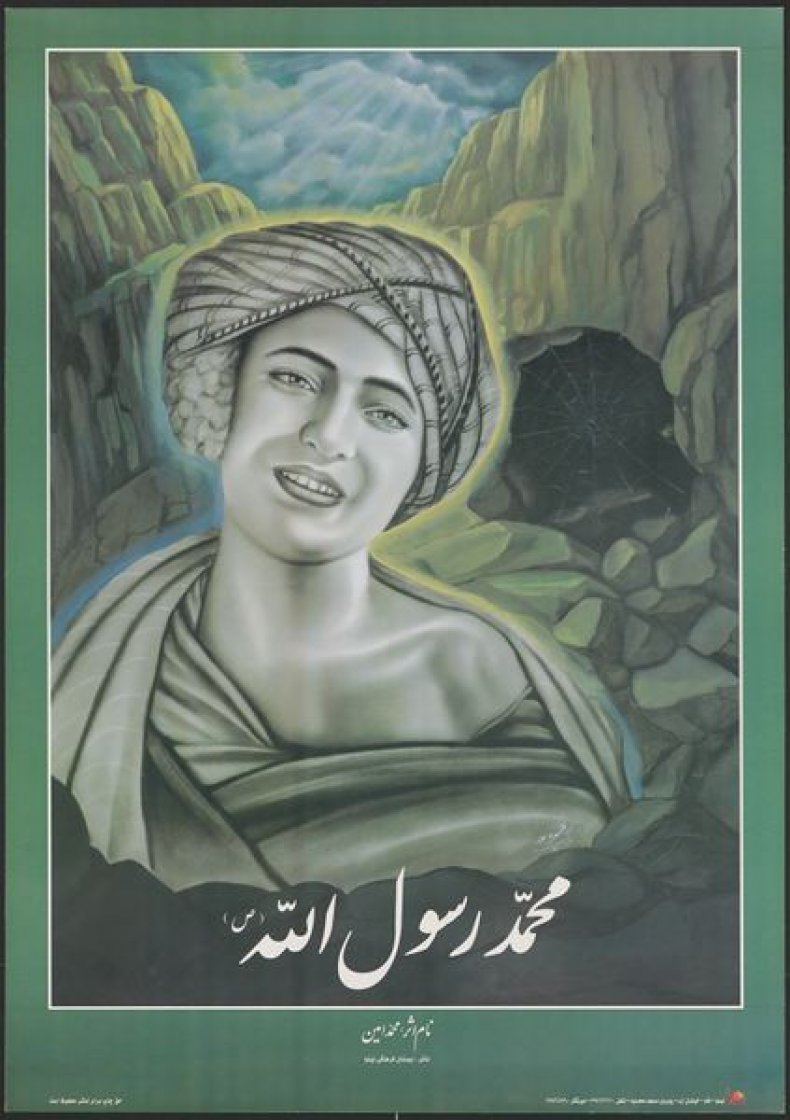
security threats force londons va to remove prophet muhammad artwork 232724

The Victoria & Albert Museum in London removed an image of an artwork depicting the Prophet Muhammad from its website due to security concerns following the Charlie Hebdo terrorist attack. The artwork, a poster made by an Iranian artist around 1990, remains in the museum's collection and is available to scholars by appointment. The decision has drawn criticism from experts who view it as self-censorship that could undermine the study of Islamic art.