filter_list Showing 6 results for "LANDMARK" close Clear
search
dashboard All 37 museum exhibitions 17article policy 6article local 6article news 5trending_up market 1article culture 1gavel restitution 1
date_range Range Today This Week This Month All
Subscribe

Chanel Renews Financial Support of Centre Pompidou During Long-Term Renovation

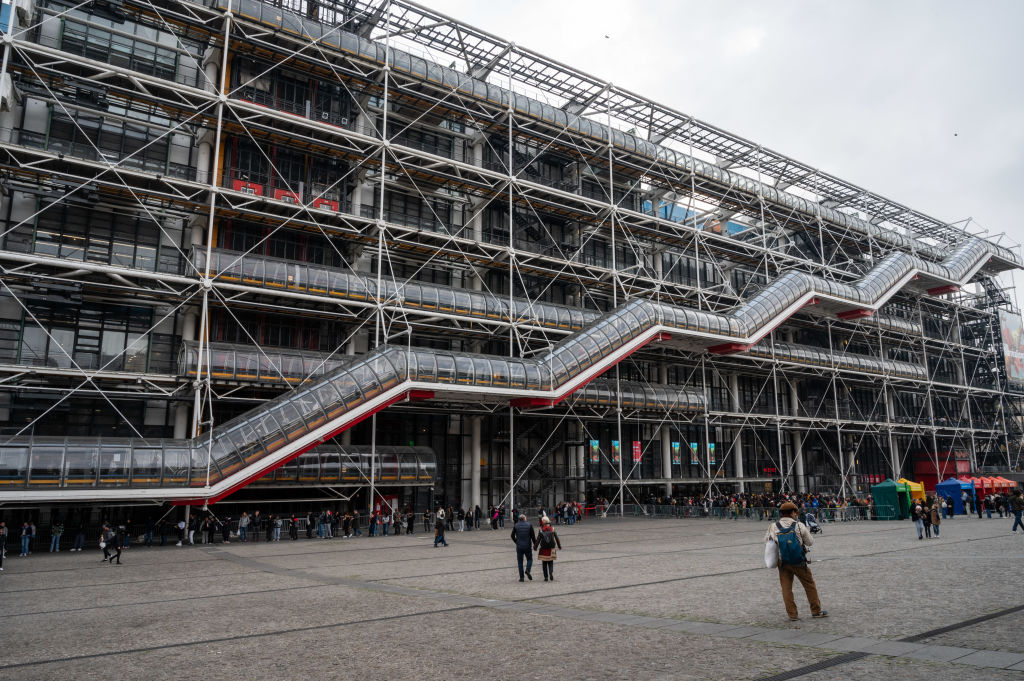
Chanel has renewed its financial partnership with Paris's Centre Pompidou, extending their collaboration through another five-year agreement. The luxury fashion house will continue supporting the museum's operations, acquisitions, and exhibitions, despite the Pompidou being closed until 2030 for a major renovation costing over $500 million. Chanel previously sponsored the museum's acquisition of 21 artworks by 15 contemporary Chinese artists in 2024 and supported the related exhibition “目 China: A New Generation of Artists.” The renewed investment aims to bolster access, scholarship, and preservation of public knowledge.
Paris Judge Rejects Bid to Suspend the Replacement of Notre-Dame’s Windows

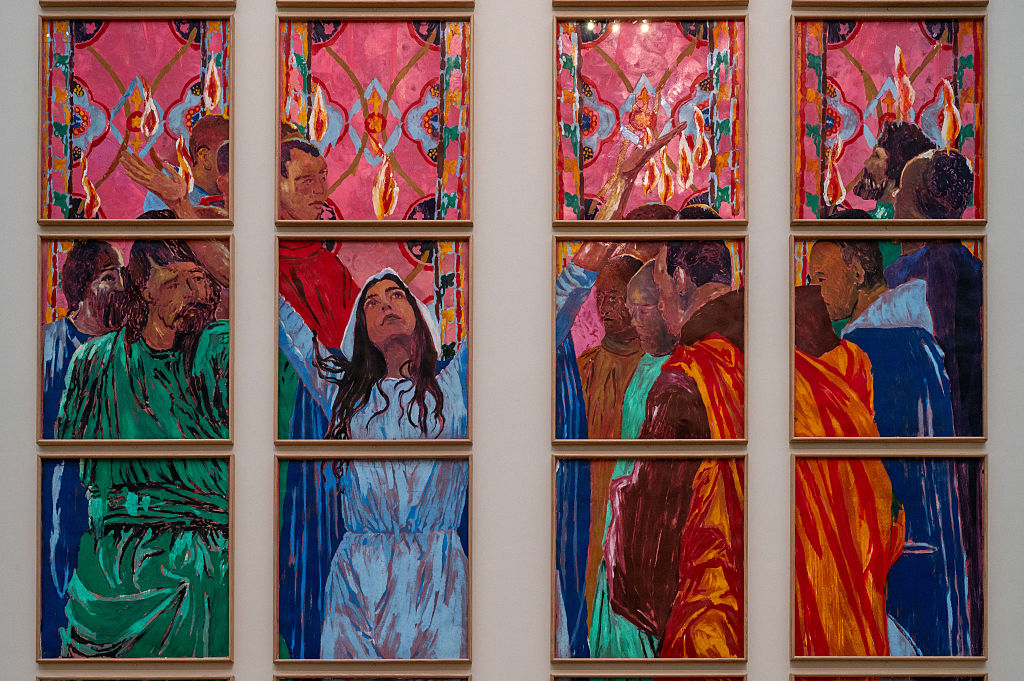
A Paris judge has rejected a bid to suspend the removal of six 19th-century stained-glass windows by Eugène Viollet-le-Duc from Notre-Dame Cathedral, clearing the way for their replacement with contemporary works commissioned by the French government. The Paris Administrative Court ruled that the project does not constitute an irreversible alteration because the new windows, designed by artist Claire Tabouret and produced by glassmakers Simon-Marq, could be removed in the future, and the original windows will be preserved. The judge did not rule on the legality of the project, which had previously been vetoed by the National Commission of Patrimony and Architecture, leaving the door open for further legal challenges.

Sainsbury Centre Receives £91.2 Million Donation for Refurbishments

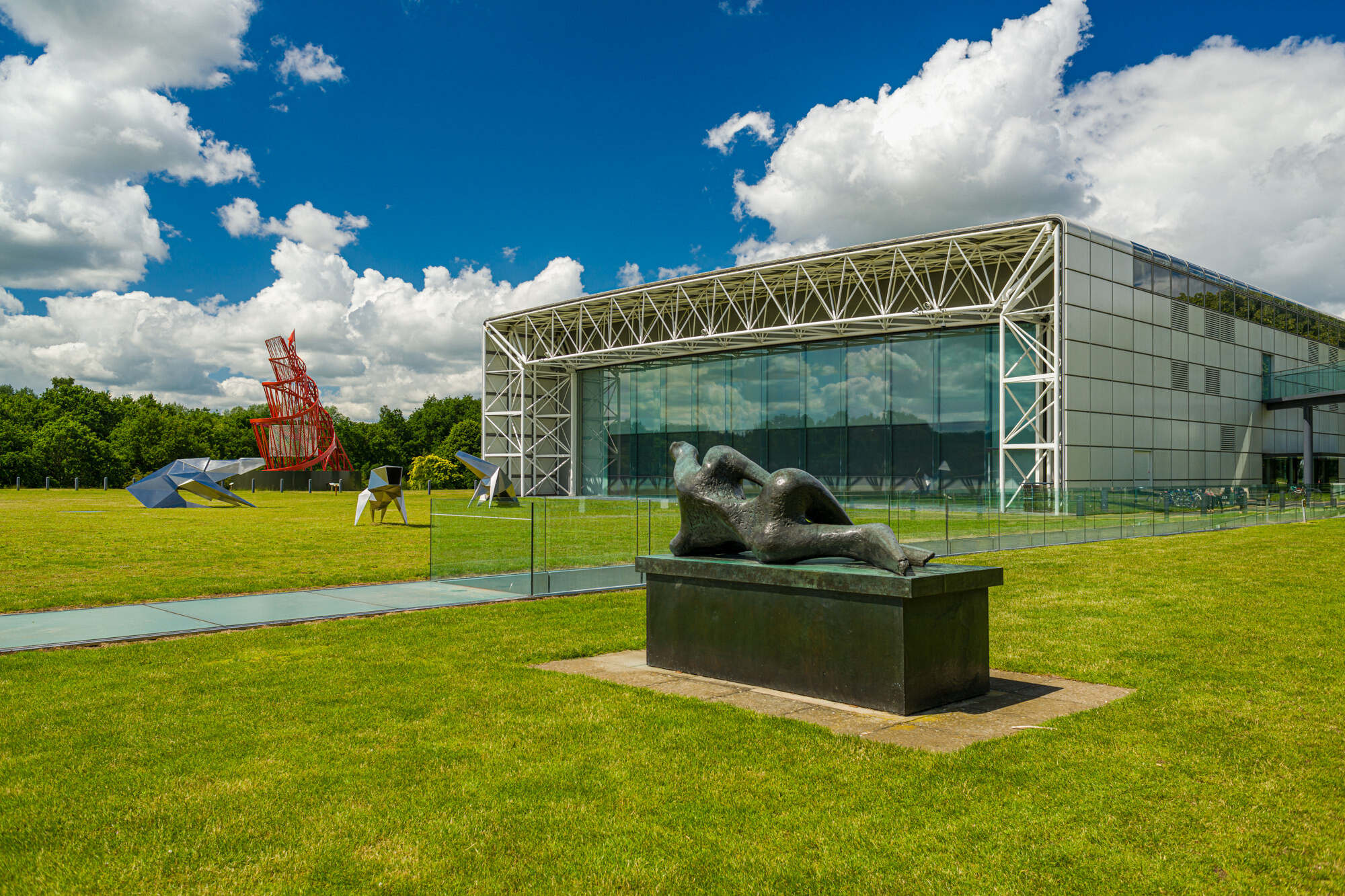
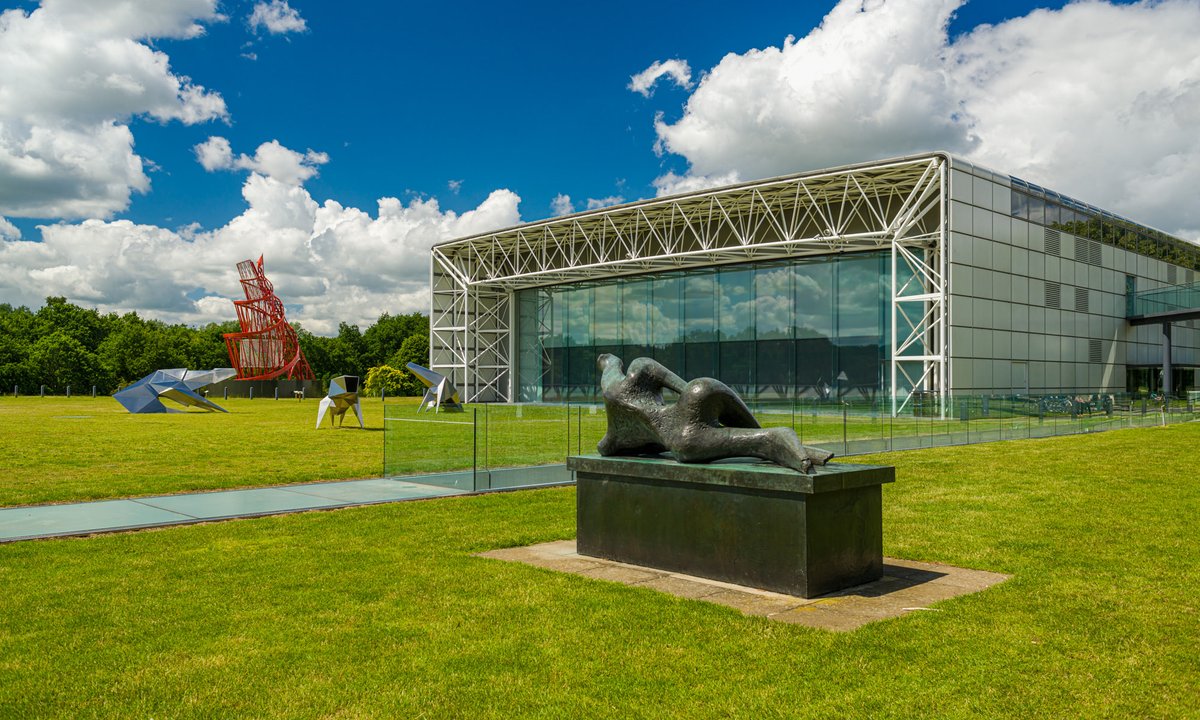
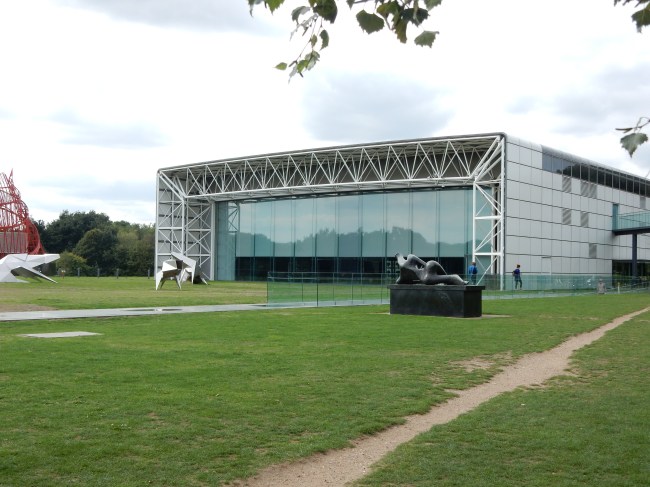
The Sainsbury Centre in Norwich, England, has received a £91.2 million donation from politician and philanthropist Lord David Sainsbury, one of the largest gifts ever made to a UK museum. The funds will support a major refurbishment of the Grade II* listed building, originally designed by Norman Foster, including the conversion of the south cafe terrace into a sustainable space and the installation of photovoltaic panels. The museum was founded in 1973 through a donation from Lord Sainsbury’s parents, Sir Robert and Lady Lisa Sainsbury, who also commissioned Foster to design the gallery.

One of England’s greatest art galleries is set for a £90 million transformation

The Sainsbury Centre in Norwich, one of England's greatest art galleries, has received a £91.2 million donation from the Gatsby Charitable Foundation, created by David Sainsbury. The funds will finance a major refurbishment of the Grade II-listed building, originally designed by Norman Foster in 1978, including structural repairs, energy efficiency upgrades, and enhanced visitor amenities. The centre houses a renowned collection featuring works by Picasso, Degas, Bacon, Moore, and Lalique.

Sainsbury Centre receives one of largest ever UK museum donations

The Sainsbury Centre, an art museum in Norwich, England, has received a £91.2 million donation from British politician and businessman David Sainsbury through his charitable foundation, Gatsby. The funds will be used to renovate the grade II* listed building, originally designed by Norman Foster and completed in 1978. The renovation, led by Foster + Partners, includes improvements to the building envelope, photovoltaic panels, and upgraded visitor facilities, aiming to halve the museum's energy use and support the University of East Anglia's net zero campus goal by 2045.

Reasoning beyond accounting: here is the first step for a valuation of cultural heritage

Ragionare oltre la contabilità: ecco il primo step per una valutazione del patrimonio culturale

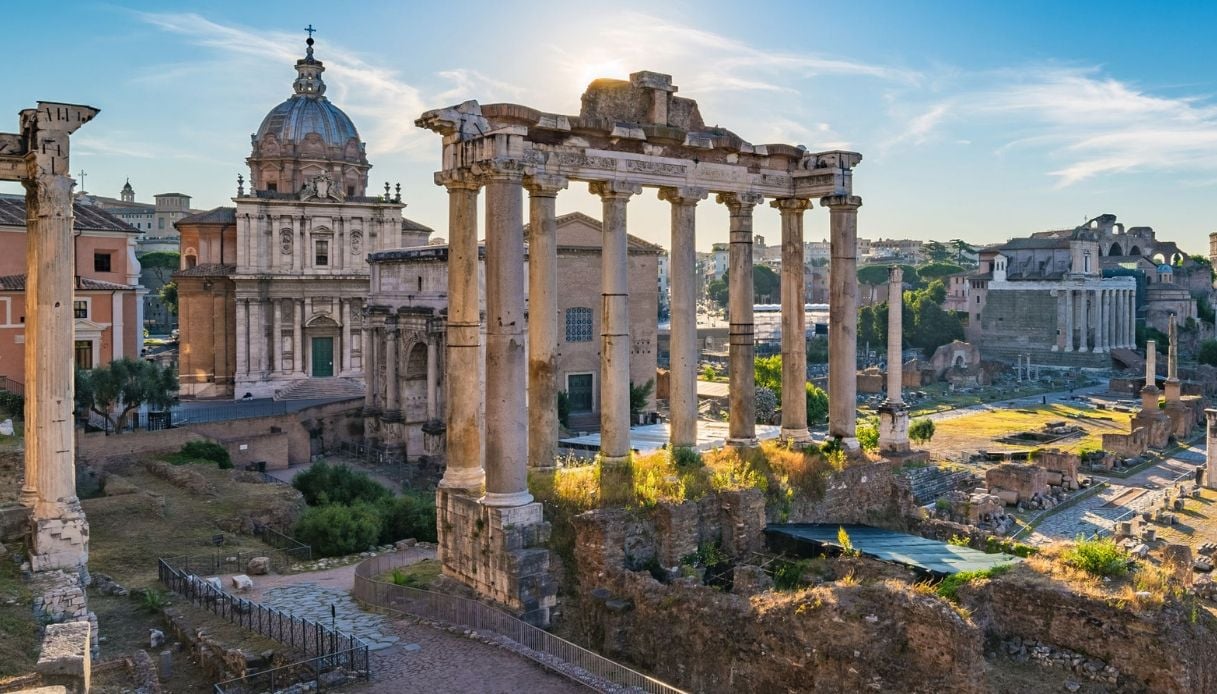
Angelo Argento recently published an article examining the valuation of cultural heritage in light of ongoing public accounting reforms in Italy. The piece moves beyond iconic landmarks like the Colosseum or Uffizi to focus on smaller, territorial assets such as archives, civic museums, and lesser-known archaeological sites, questioning how and whether a specific economic value can be assigned to them. It explores different international approaches—from market-based valuations in Australia and France to symbolic €1 entries in the U.S.—highlighting the global trend toward quantifying cultural heritage.