filter_list Showing 7 results for "Lance" close Clear
search
dashboard All 40 museum exhibitions 21article policy 7trending_up market 2article news 2person people 2article culture 2article local 2candle obituary 1gavel restitution 1
date_range Range Today This Week This Month All
Subscribe

Paris Judge Rejects Bid to Suspend the Replacement of Notre-Dame’s Windows

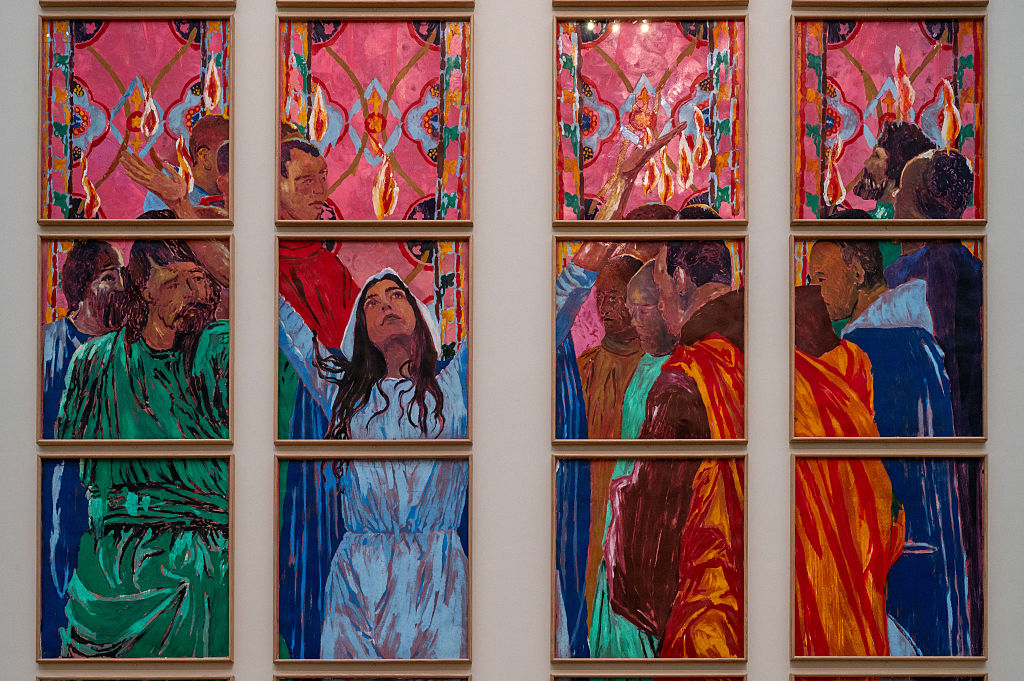
A Paris judge has rejected a bid to suspend the removal of six 19th-century stained-glass windows by Eugène Viollet-le-Duc from Notre-Dame Cathedral, clearing the way for their replacement with contemporary works commissioned by the French government. The Paris Administrative Court ruled that the project does not constitute an irreversible alteration because the new windows, designed by artist Claire Tabouret and produced by glassmakers Simon-Marq, could be removed in the future, and the original windows will be preserved. The judge did not rule on the legality of the project, which had previously been vetoed by the National Commission of Patrimony and Architecture, leaving the door open for further legal challenges.
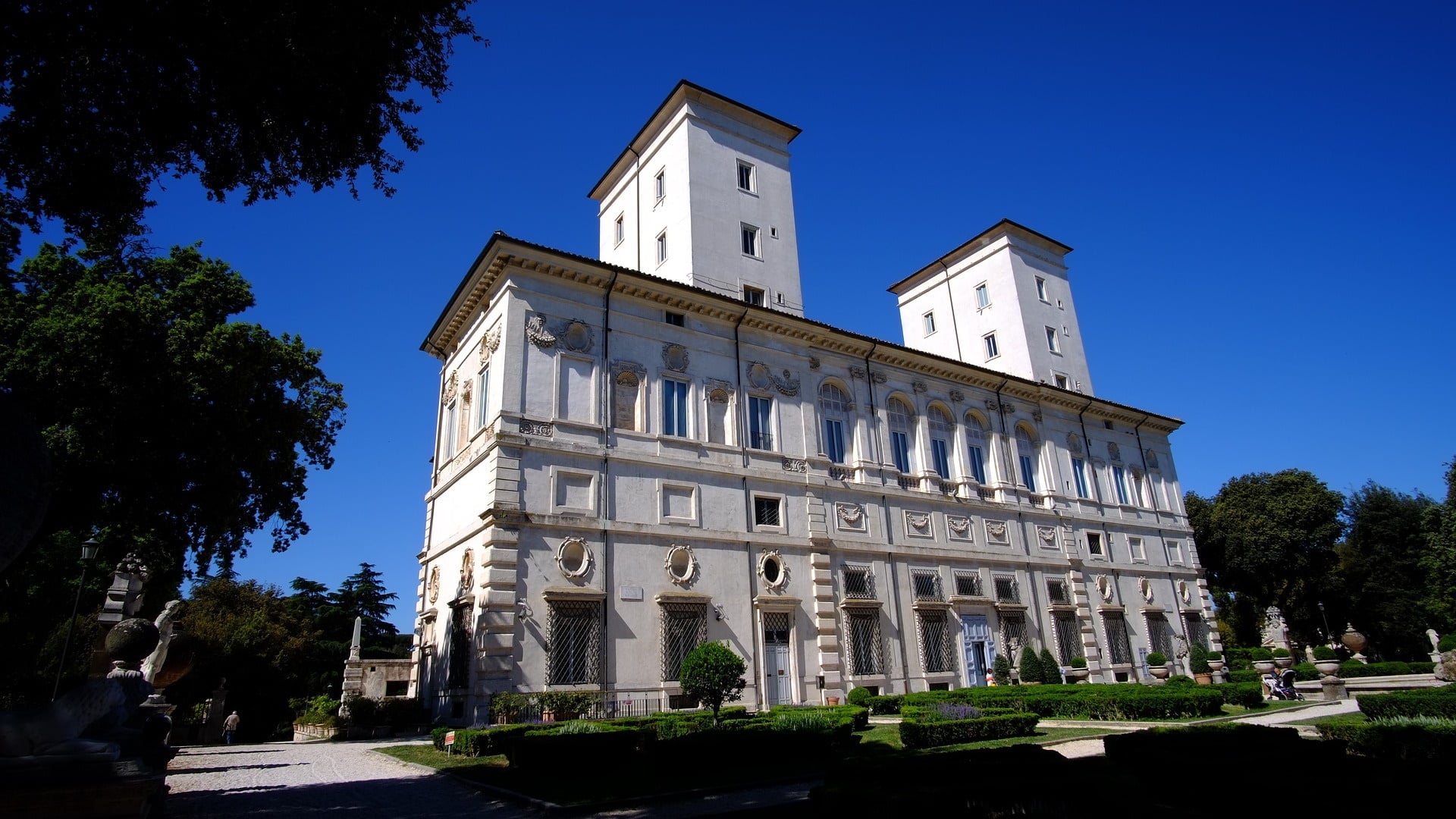

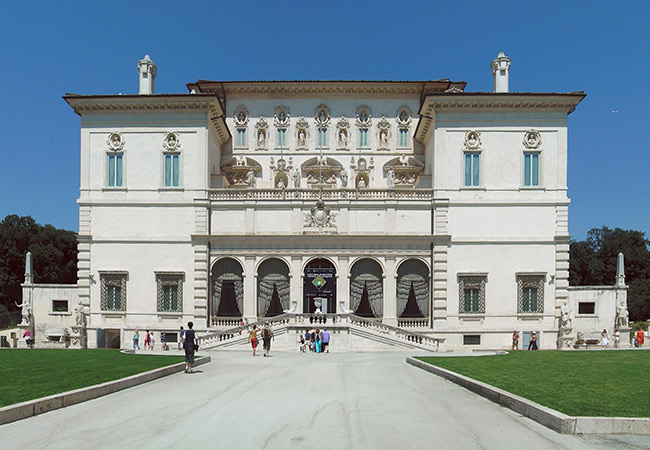
A new wing to solve the problems of the Galleria Borghese in Rome. Beautiful challenge, tedious controversy

Una nuova ala per risolvere i problemi della Galleria Borghese a Roma. Bella sfida, stucchevoli polemiche

The Galleria Borghese in Rome, one of Italy's most extraordinary museums, faces significant accessibility and capacity issues due to its historic 17th-century structure. The museum is difficult for visitors with disabilities, overcrowded, and forces visitors to book far in advance—often waiting over a month for a time slot—while many masterpieces remain in storage. In 2025, the engineering firm Proger offered to sponsor a feasibility study for a new wing, contributing nearly 900,000 euros to fund an international architecture competition and a technical-economic feasibility plan. The study, currently underway, aims to explore whether a new annex can be built within the protected Villa Borghese park to create new entrances, exhibition spaces, and services.

Sylvie Retailleau : « Pendant cinq ans, tout a été remis en jeu »

Sylvie Retailleau, former French Minister of Higher Education and current president of Universcience since January 2026, details the tense negotiations between the Grand Palais and the Palais de la découverte. She reveals that the Palais de la découverte nearly disappeared during the Grand Palais renovation, but will reopen in March 2027. Universcience ceded a 1,200 m² gallery to the Grand Palais as a financial contribution (worth about €30 million over ten years) and is lending another 350 m² gallery until June 2030 for Centre Pompidou exhibitions during its renovation. In exchange, Universcience gains full control over the programming of the Palais des enfants.

Sylvie Retailleau explains how she saved the Palais de la Découverte

Sylvie Retailleau explique comment elle a sauvé le Palais de la Découverte

Sylvie Retailleau, a physicist, former president of Paris-Saclay University, and former Minister of Higher Education, has been president of Universcience since January 2026. In an interview, she explains how the Palais de la Découverte, housed within the Grand Palais, nearly disappeared during the Grand Palais renovation. Intense debates over whether to dedicate the renovated space entirely to classical culture threatened the science museum. Retailleau negotiated a compromise: the Palais de la Découverte ceded one gallery (1,200 m²) to the Grand Palais for about €30 million in revenue over ten years and is lending another gallery (350 m²) until June 2030 for Centre Pompidou exhibitions. In return, Universcience gains full control of the programming for the Palais des Enfants. The Palais de la Découverte is set to reopen in March 2027.

Parliamentary report calls for major changes at French museums in the wake of Louvre heist

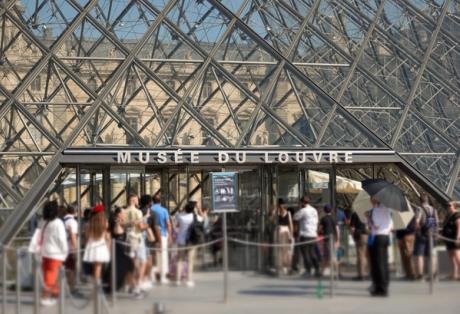
A French parliamentary report published on 13 May, following the October 19 heist of the crown jewels at the Louvre, issues a damning assessment of the country's museum security and management. The commission heard around 100 testimonies and examined some 2,000 museums, dedicating a special chapter to the Louvre. It blames former director Laurence des Cars's leadership for a "dysfunctional drift" that prioritized contemporary art interventions and fashion shows over basic infrastructure and collection protection, allowing the heist to occur. The report lists rising threats including riots, burglaries, cyberattacks (which forced the National Museum of Natural History in Paris to cancel an exhibition after a ransomware attack in July 2025), and terrorist plots. It proposes 40 recommendations, including raising budgets by an estimated €20–25 billion over a decade, enhancing staff training, and overhauling museum leadership.

In Rome, the extension of the Galleria Borghese provokes a revolt

À Rome, l’extension de la Galerie Borghèse provoque une fronde

The Galleria Borghese in Rome has sparked controversy by initiating a feasibility study for a new building attached to its 17th-century villa. Museum director Francesca Cappelletti, in office since 2020, cites the need to increase visitor capacity, improve security, and create spaces for mediation, conferences, and temporary exhibitions. The museum, which saw nearly 630,000 visitors in 2025, operates with strict two-hour time slots capped at 180 people, often sold out in high season. Engineering firm Proger has offered to fund the study for €875,750 in exchange for institutional visibility, and Rome's mayor Roberto Gualtieri has declared the project of public interest.

Why Italy's cultural wealth never really enters public accounts and budgets?

Perché la ricchezza culturale italiana non entra mai davvero nei conti e nei bilanci pubblici?

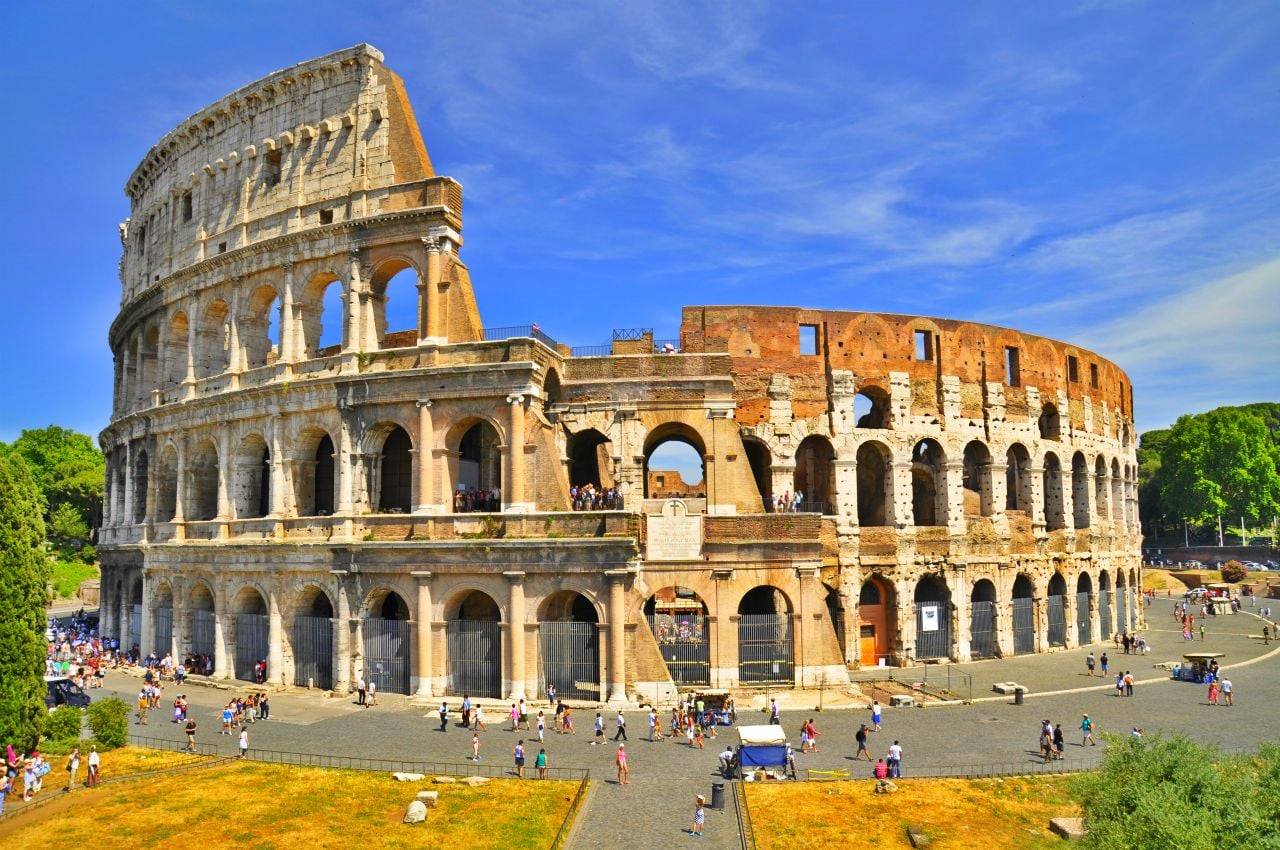
Italy has exceeded the European Commission's structural adjustment path by 0.1 percentage points of GDP, reopening fiscal scrutiny. Amid this debate, the article highlights a deeper issue: Italy's immense cultural heritage is drastically undervalued in public accounts. For example, the Pompeii Archaeological Park is recorded at just €48.9 million, the Colosseum at under €15 million, and the Uffizi at about €2 billion—figures based on outdated 2002 ministerial criteria that bear no relation to actual economic or cultural worth. The State General Accounting Office, with the University of Roma Tre and EU technical assistance, has proposed a new methodology to value cultural assets by discounting their future net financial flows, including direct revenues and indirect tourism-related returns.