filter_list Showing 20 results for "MAK" close Clear
search
dashboard All 1296 museum exhibitions 737article local 241article culture 98article news 70trending_up market 57rate_review review 34article policy 20person people 19candle obituary 18gavel restitution 2
date_range Range Today This Week This Month All
Subscribe

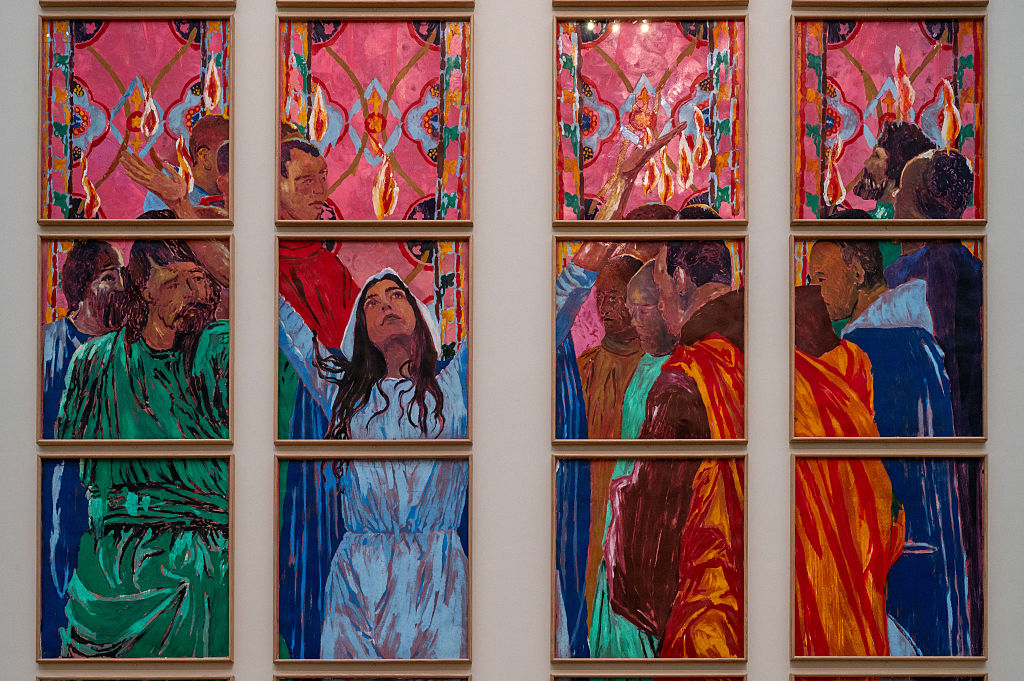
Paris Judge Rejects Bid to Suspend the Replacement of Notre-Dame’s Windows

A Paris judge has rejected a bid to suspend the removal of six 19th-century stained-glass windows by Eugène Viollet-le-Duc from Notre-Dame Cathedral, clearing the way for their replacement with contemporary works commissioned by the French government. The Paris Administrative Court ruled that the project does not constitute an irreversible alteration because the new windows, designed by artist Claire Tabouret and produced by glassmakers Simon-Marq, could be removed in the future, and the original windows will be preserved. The judge did not rule on the legality of the project, which had previously been vetoed by the National Commission of Patrimony and Architecture, leaving the door open for further legal challenges.
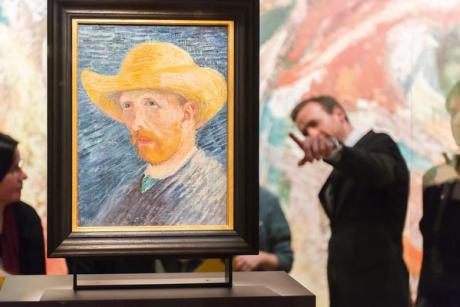
Van Gogh Museum in funding mediation with Dutch government following threats of closure

The Van Gogh Museum in Amsterdam has entered mediation with the Dutch government after initiating legal proceedings to secure additional public funding for a major renovation. The museum, which plans a three-year, €104m renovation starting in 2028, claims it could be forced to close unless its annual subsidy increases by €2.5m. The Dutch government, facing a budget deficit, considers the current €8.5m subsidy sufficient and argues the museum should contribute more itself. Mediation talks are making progress, and legal proceedings have been postponed indefinitely, with both sides aiming to conclude before summer.

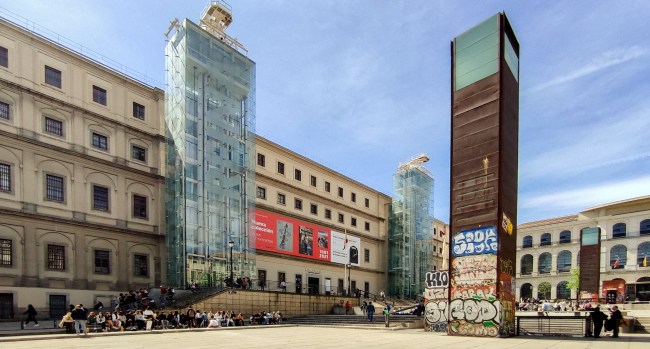
Spanish Government Threatens to Fire Director of Museo Reina Sofía

Manuel Segade, director of the Museo Nacional Centro de Arte Reina Sofía in Spain, has been threatened with removal by lawmakers if he does not complete a full inventory of the museum’s over 25,000 artworks by December 31, 2025. The pressure comes from Spain’s Court of Auditors, which has criticized the museum’s cataloguing methods for years, and is backed by the far-right and the conservative Popular Party. Segade, appointed in 2023, has been overseeing a multi-year renovation and has increased the representation of women artists to 35%, though only 15% of the collection’s 26,000 pieces are by women. The museum recently refused to lend Picasso’s *Guernica* to the Guggenheim Bilbao, and a pro-Israel group filed a complaint over a Palestinian flag display and a seminar series.

Ascendant Philanthropists Make $23 Million Donation to Met

The Metropolitan Museum of Art has received a $23 million donation from newly elected trustee Jennifer Rubio and her husband Stewart Butterfield, made through the Rubio Butterfield Foundation. The principal gift will endow the museum's undergraduate and graduate internship program in perpetuity, which will be renamed after the couple starting September 2026. An additional donation supports the Met's new Tang Wing for modern and contemporary art, set to open in 2030.

Getty’s Black Visual Arts Archives receives additional $1.8m in funding

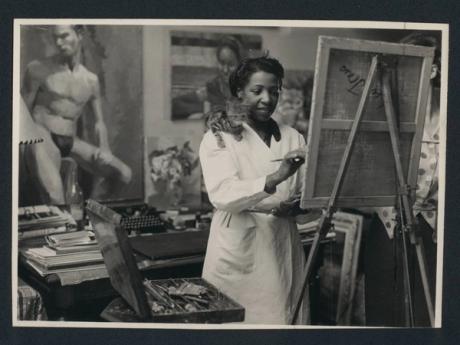
The Getty Foundation has awarded an additional $1.8 million to its Black Visual Arts Archives initiative, bringing total funding to $4.5 million across 20 awards. The program supports institutions in processing, digitizing, preserving, and activating archival collections related to Black artists and arts organizations in the US. Grantees include Afro Charities, the Auburn Avenue Research Library, Berkeley Art Museum and Pacific Film Archive, Charles H. Wright Museum, Morgan State University, the South Side Community Art Center, the University of Chicago’s South Side Home Movie Project, and the David C. Driskell Center. Notable discoveries include footage of the original Wall of Respect mural from the South Side Home Movie Project.

Sylvie Retailleau : « Pendant cinq ans, tout a été remis en jeu »

Sylvie Retailleau, former French Minister of Higher Education and current president of Universcience since January 2026, details the tense negotiations between the Grand Palais and the Palais de la découverte. She reveals that the Palais de la découverte nearly disappeared during the Grand Palais renovation, but will reopen in March 2027. Universcience ceded a 1,200 m² gallery to the Grand Palais as a financial contribution (worth about €30 million over ten years) and is lending another 350 m² gallery until June 2030 for Centre Pompidou exhibitions during its renovation. In exchange, Universcience gains full control over the programming of the Palais des enfants.

"Geschichtspolitisch fatal und realitätsblind"

A German media roundup reports on a planned restructuring of the Stiftung Flucht, Vertreibung, Versöhnung (Foundation Flight, Expulsion, Reconciliation), which would shift its focus toward German expellees and reduce the influence of the Federal Government Commissioner for Culture and the Media. The reform, criticized by FAZ commentator Andreas Kilb as a fundamental cultural-political intervention, would detach the foundation from the German Historical Museum and give greater weight to the Federation of Expellees in its board. Separately, the roundup covers a review of a legal study on artistic freedom sparked by the antisemitism debate around Documenta Fifteen, and a speech by Culture Minister Wolfram Weimer warning of democratic backsliding and rising antisemitism.

Victorien Bornéat : « De l’échec de la démocratisation culturelle est né un sentiment d’exclusion »

Victorien Bornéat has published a manifesto arguing that French cultural democratization policy, rooted in André Malraux's vision of making masterworks accessible to all, has failed. He cites budget cuts by regional presidents Laurent Wauquiez and Christelle Morançais, police raids on bookshops like Violette and Co, and statistical studies showing that working-class audiences still do not spontaneously attend theaters, museums, or opera. Bornéat contends that the policy's emphasis on direct confrontation with canonical works ignored the need for cultural codes and institutional literacy, creating an exclusion that politicians now exploit for electoral gain.

Director of the Hermitage Museum Sanctioned by the European Union

Le directeur du Musée de l'Ermitage sanctionné par l'Union européenne

The European Union has imposed sanctions on Mikhail Piotrovsky, the 81-year-old director of the State Hermitage Museum in Saint Petersburg, as part of its 20th sanctions package against Russia. Piotrovsky was blacklisted for supporting the war in Ukraine and overseeing illegal archaeological excavations in occupied Crimea. The EU cited his use of Kremlin war rhetoric—calling the museum's exhibition policy a "cultural special operation"—and the Hermitage's role in incorporating Ukrainian cultural objects from occupied territories into Russia's state museum fund. Additionally, under his leadership, unauthorized digs were conducted at the ancient Greek site of Myrmekion in Crimea, led by Hermitage archaeologist Alexander Butyagin, who was arrested in Warsaw and later released in a prisoner exchange.

America’s Museums Have a Building Problem

A new report from the Government Accountability Office, analyzed by The Art Newspaper, reveals that roughly 85 percent of American museums are dealing with deferred maintenance or major repair needs, and about 77 percent have at least one structural issue that could endanger their collections. Many of the country's 16,700 museums are small, under-resourced operations housed in aging or historic buildings, with half reporting over $100,000 in deferred maintenance. Basic repairs like roofs or HVAC systems can consume large portions of annual budgets, forcing some institutions to store artworks in makeshift spaces like garages or bathrooms.

Column | The Smithsonian’s most contested exhibition is back on view, mostly intact

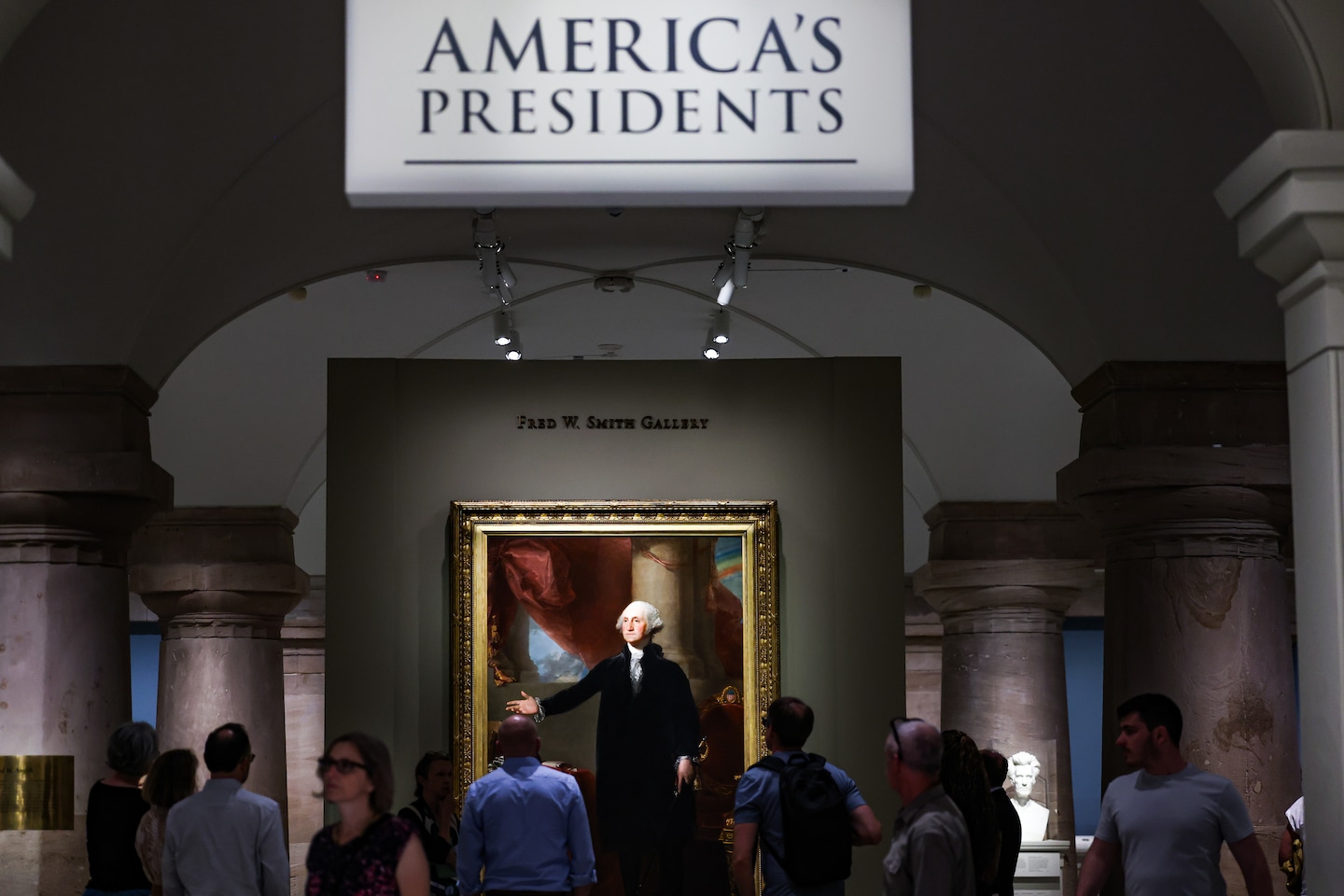
Columnist Philip Kennicott reports that the Smithsonian's most contested exhibition has returned to public view, largely intact, despite ongoing culture war attacks from the Trump administration. Since Donald Trump returned to office in January 2025, the Smithsonian has been a primary target for the administration's campaign against diversity and inclusion initiatives, as well as historical narratives that address slavery, Native American genocide, and the struggles of marginalized communities.

In Venice, the Wagner Museum changes status

À Venise, le Musée Wagner change de statut

The Wagner Museum in Venice, currently a discreet institution housed within the Casino di Venezia in the Ca' Vendramin Calergi palace on the Grand Canal, is set to join the network of the Fondazione dei Musei Civici di Venezia (MUVE) by 2027. An agreement signed in March 2025, after thirty years of discussions, between MUVE, the Casino, and the Richard Wagner Association will make the museum the fourteenth institution under MUVE's management, alongside the Museo Correr, Ca' Pesaro, and the Museo Fortuny. The museum, established in 1995 in the rooms where Richard Wagner stayed and died in 1883, holds significant collections including the Josef Lienhart and Walter Just collections, making it one of the most important private Wagnerian collections outside Bayreuth, Germany.

Five Scottish museum collections awarded national significance status

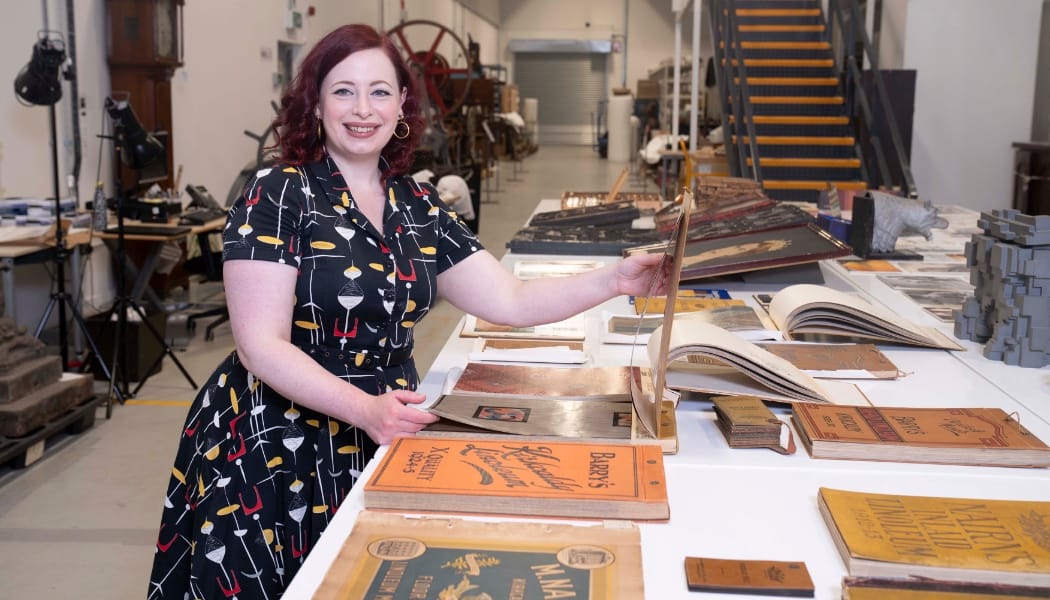
Five museum collections in Scotland have been awarded national significance status on International Museum Day, bringing the total number of recognized collections in Scotland to 56. The newly designated collections are the Linoleum Collection (managed by OnFife), the Photographic Collection (University of St Andrews), the Duncan of Jordanstone College of Art & Design Collection (University of Dundee Museums), the Oakbank Collection (Scottish Crannog Centre), and the Art Collection (University of Stirling). The Recognition Scheme, managed by Museums Galleries Scotland, highlights collections beyond those held in national museums and galleries, spanning from Shetland to Dumfries and Galloway.

Sachsen-Anhalt schützt Kunst und Kultur per neuem Gesetz

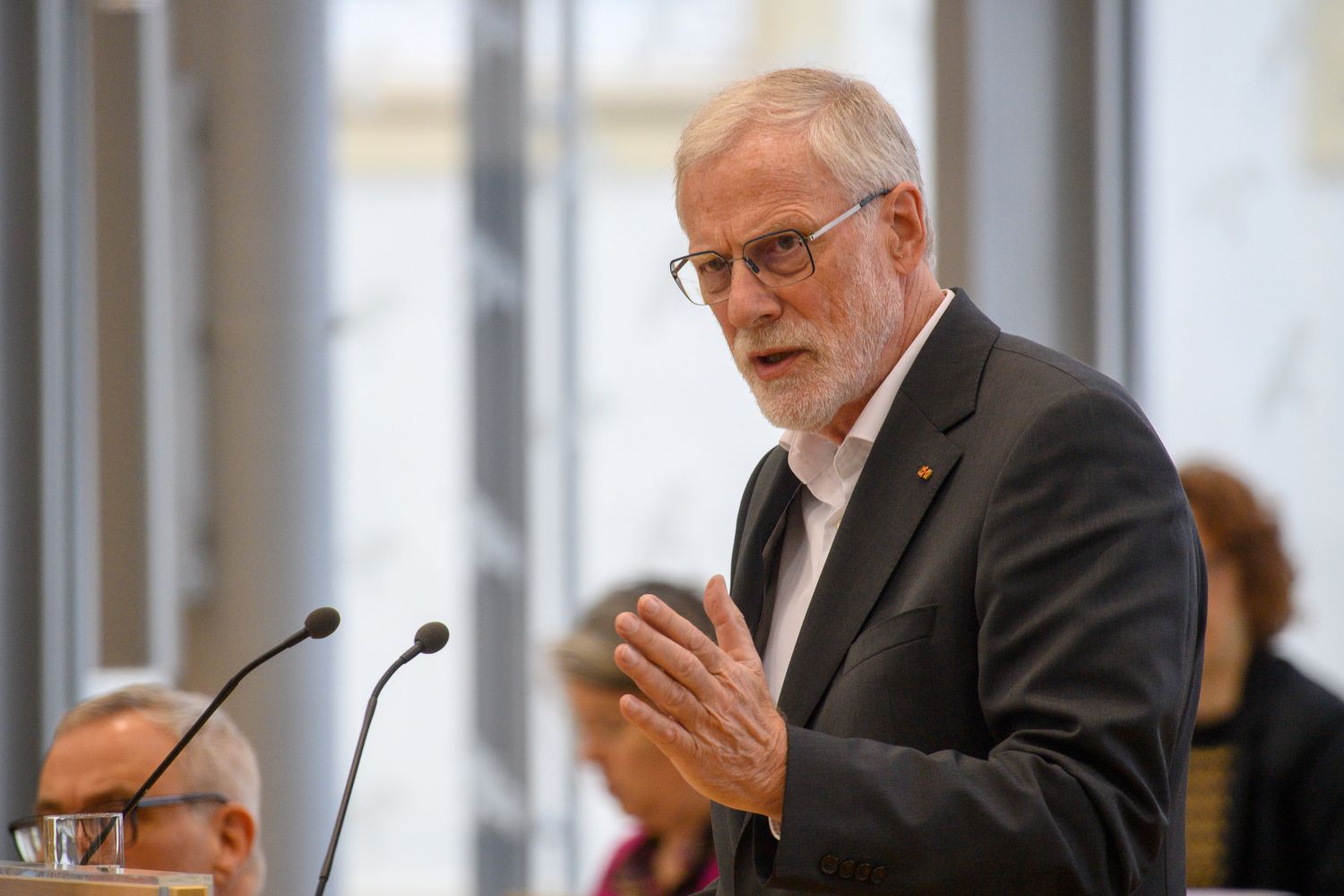
Sachsen-Anhalt has enshrined support for art and culture as a state objective in a new law, passed by the state parliament in Magdeburg with the exception of the AfD faction, which abstained. Culture Minister Rainer Robra (CDU) framed the law as fulfilling a promise from 1989, defining what constitutes art and culture in the state, including their roles in education and as an economic factor, and aiming to make cultural structures resilient against future attacks on artistic freedom.

Today’s war, tomorrow’s loot: attempts at stemming the illicit trade in art

The article examines the ongoing challenge of preventing the illicit trade in cultural property looted from conflict zones. It discusses the Hague Convention of 1954 and its protocol, which require signatory countries to prevent theft and pillage during armed conflict and to seize and repatriate unlawful exports. However, the protocol only applies to situations of 'occupation,' leaving a gap for looting that occurs in the chaos of war beyond formal occupation. The article also notes UN Security Council Resolutions that restrict unlawfully removed cultural property from Iraq and Syria, but no similar consensus exists for countries like Afghanistan, Libya, Ukraine, Lebanon, Yemen, Sudan, and Iran. EU Regulation 2019/880 is highlighted as a measure that prohibits introducing goods removed unlawfully from their place of origin into the EU, though its scope has expanded beyond its original anti-terrorist financing purpose.

The Guest of La Tribune de l'Art No. 29: Alexis Corbière and Alexandre Portier

L'invité de La Tribune de l'Art n° 29 : Alexis Corbière et Alexandre Portier

This podcast episode of L'invité de La Tribune de l'Art features two guests: Alexis Corbière, the rapporteur, and Alexandre Portier, the president of the Commission d'enquête sur la protection du patrimoine national et la sécurisation des musées. Recorded at the Assemblée nationale, the discussion delves into the commission's findings on protecting national heritage and securing museums, following up on a previous article published by La Tribune de l'Art.

Berliner Kulturverwaltung arbeitet an Reformen

Berlin's cultural administration is pressing ahead with reforms to make funding for projects against antisemitism legally secure, following the resignation of Culture Senator Sarah Wedl-Wilson. Cultural State Secretary Cerstin Richter-Kotowski told the culture committee that a working group established under Wedl-Wilson is now implementing recommendations from the state audit office report, which had found serious legal violations and omissions in the allocation of funds for antisemitism prevention projects. Richter-Kotowski emphasized that the administration continues its normal operations despite the leadership change, and she publicly thanked both Wedl-Wilson and the recently dismissed State Secretary Oliver Friederici for their service.

L’offre de formation se développe

French art training institutions are expanding their curricula to include provenance research, responding to a 2022 government report that identified gaps in conservator education. The Institut national du patrimoine (INP) now offers seminars on Nazi-era spoliation (1933-1945) and has added a five-day provenance research module for external competition students since 2024-2025. Paris-Nanterre University launched a master's-level diploma in 2022 covering legal, historical, and methodological aspects of provenance research. The École du Louvre now offers a specialized master's in "sensitive goods and provenance research" addressing spoliated works, human remains, colonial acquisitions, and illicit trafficking, while also integrating provenance methodology into its general curriculum from master's level one.

Cultural Observatories: Dinosaurs or Subjects Capable of Interpreting the Present?

Osservatori culturali. Dinosauri o soggetti in grado di interpretare il presente?

The Cultural Observatory of Canton Ticino has published a study on cultural observatories worldwide, including a map and list of surveyed organizations. The analysis reveals that cultural observatories are not a global phenomenon but are concentrated mainly in Europe and South America, with occasional presence in North America (especially Canada and Hispanic-oriented organizations in the US). Africa, Asia, and Oceania are almost entirely absent from the map. The study also highlights a high rate of inactive observatories: among the top 10 countries by active observatories, only Germany shows an effective activity ratio. Spain has 26 active observatories out of about 45 total, while Italy has 11 active out of over 20 inactive. The research defines observatories as non-profit organizations that combine cultural and statistical expertise to deepen and transfer knowledge about the cultural sector, and classifies as inactive those with no recent activity on web or social channels.

黑龙江省美协召开2026年度工作会议暨七届九次主席团(扩大)会议

The Heilongjiang Provincial Artists Association held its 2026 annual work meeting and the 7th 9th Presidium (Expanded) Meeting on April 29, 2026, via a hybrid online-offline format. Over 100 participants attended, including presidium members, council members, heads of municipal and industry artists associations, and committee members. The meeting conveyed directives from the China Artists Association's study and implementation of the Fourth Plenary Session of the 20th Central Committee of the Communist Party of China, as well as the provincial文联's work arrangements. It summarized 2025 work and outlined key tasks for 2026, emphasizing ideological guidance through Xi Jinping's cultural thought, people-centered creative direction focusing on local themes like black soil culture and borderland heritage, and strengthening of traditional art forms such as Heilongjiang printmaking and watercolor. The meeting also approved new council member additions, first-batch 2026 membership applications, and committee adjustments.