filter_list Showing 19 results for "Mali" close Clear
search
dashboard All 666 museum exhibitions 333article culture 71article news 68trending_up market 62candle obituary 38article local 31person people 19article policy 19rate_review review 16gavel restitution 9
date_range Range Today This Week This Month All
Subscribe

donald judd foundation marfa national historic sites

The Texas Historical Commission announced that buildings repurposed by minimalist artist Donald Judd in Marfa, Texas, have been added to the U.S. National Register of Historic Places. Approved by the National Park Service in May 2025, the designation expands the existing Fort D.A. Russell Historic District to include 15 buildings and a large-scale installation, all altered or created by Judd between 1973 and his death in 1994. The properties are managed by the Chinati Foundation and the Judd Foundation, which operate as separate entities. This is the second Judd-linked historic district in Marfa, following the Central Marfa Historic District’s designation in 2022.

smithsonian teams up with saudi arabias alula project

The Smithsonian’s National Museum of Asian Art (NMAA) has signed a formal partnership agreement with Saudi Arabia’s Royal Commission for AlUla (RCU), formalizing two years of behind-the-scenes collaboration. Signed by NMAA director Chase Robinson and RCU chief executive Abeer Al Akel, the deal covers joint archaeological research, exhibition loans, curatorial exchange, and professional development, with a focus on the ancient site of Dadan, a key stop on the Incense Road. The partnership is part of Saudi Arabia’s Vision 2030 plan to rebrand the kingdom as a global cultural destination.

What If Every City Provided Artists With Free Supplies?

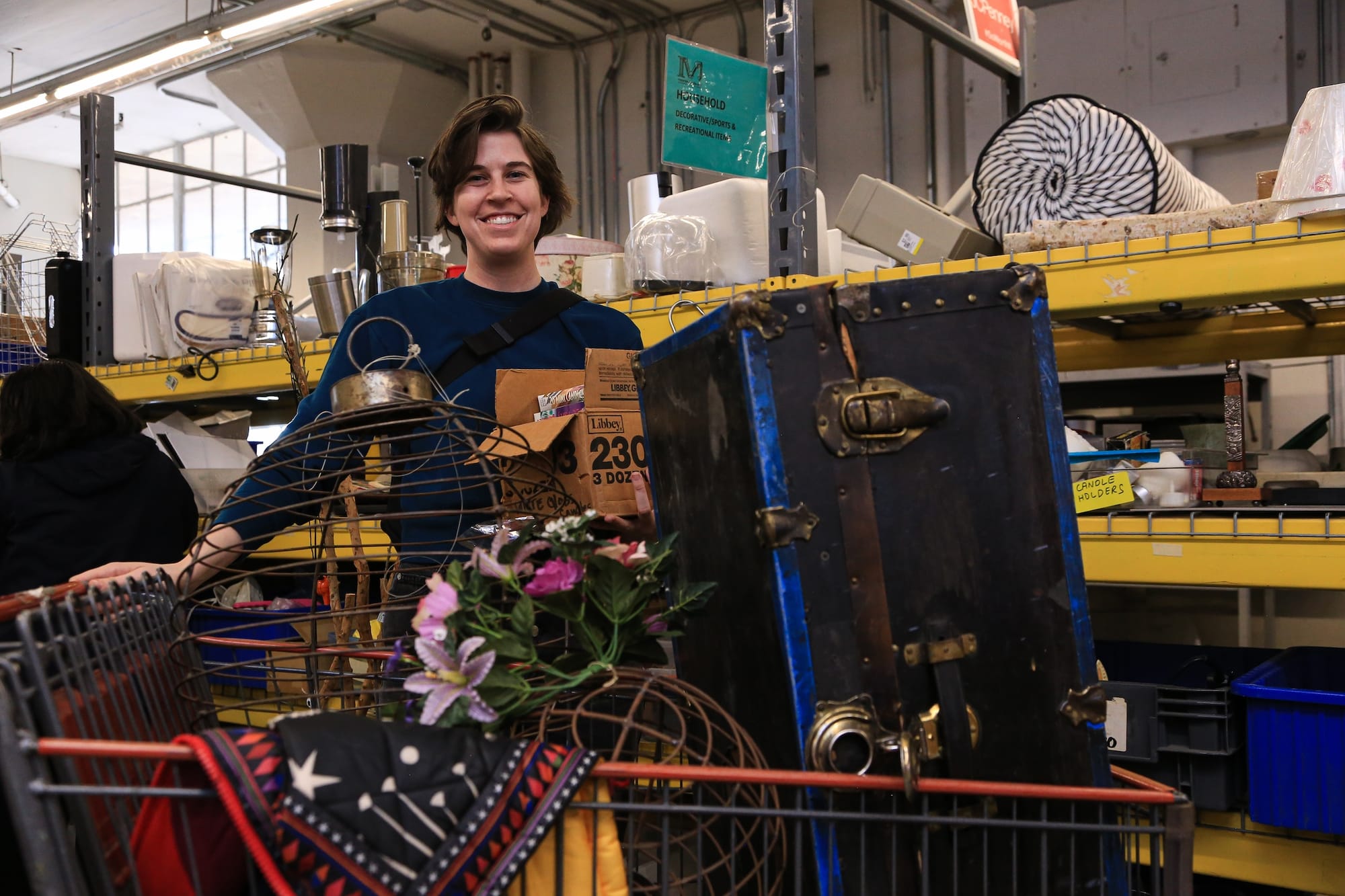
Materials for the Arts (MFTA), a program of the New York City Department of Cultural Affairs, provides free art supplies and tools to over 4,500 organizations, including public schools, nonprofits, and social justice groups. By diverting millions of pounds of materials from landfills—ranging from film production sets to high-end fabrics—the organization has reallocated over $40 million worth of goods to the creative community. The program's leadership is now advocating for an expansion of this model, envisioning dedicated reuse centers in every borough to meet the growing demand for accessible creative resources.

Au Louvre, des directeurs de département entre responsabilités internes et rôle national

Maximilien Durand has been reappointed as head of the Department of Byzantine and Eastern Christian Arts at the Louvre Museum, a role that carries both internal museum responsibilities and national duties on behalf of the French state. Two decrees signed by Culture Minister Catherine Pégard formalize his renewal: one as head of the museum department, and another as head of the corresponding major heritage department, a status held by only nine of the Louvre's departments.

The Politics of Russia’s Return to the Venice Biennale

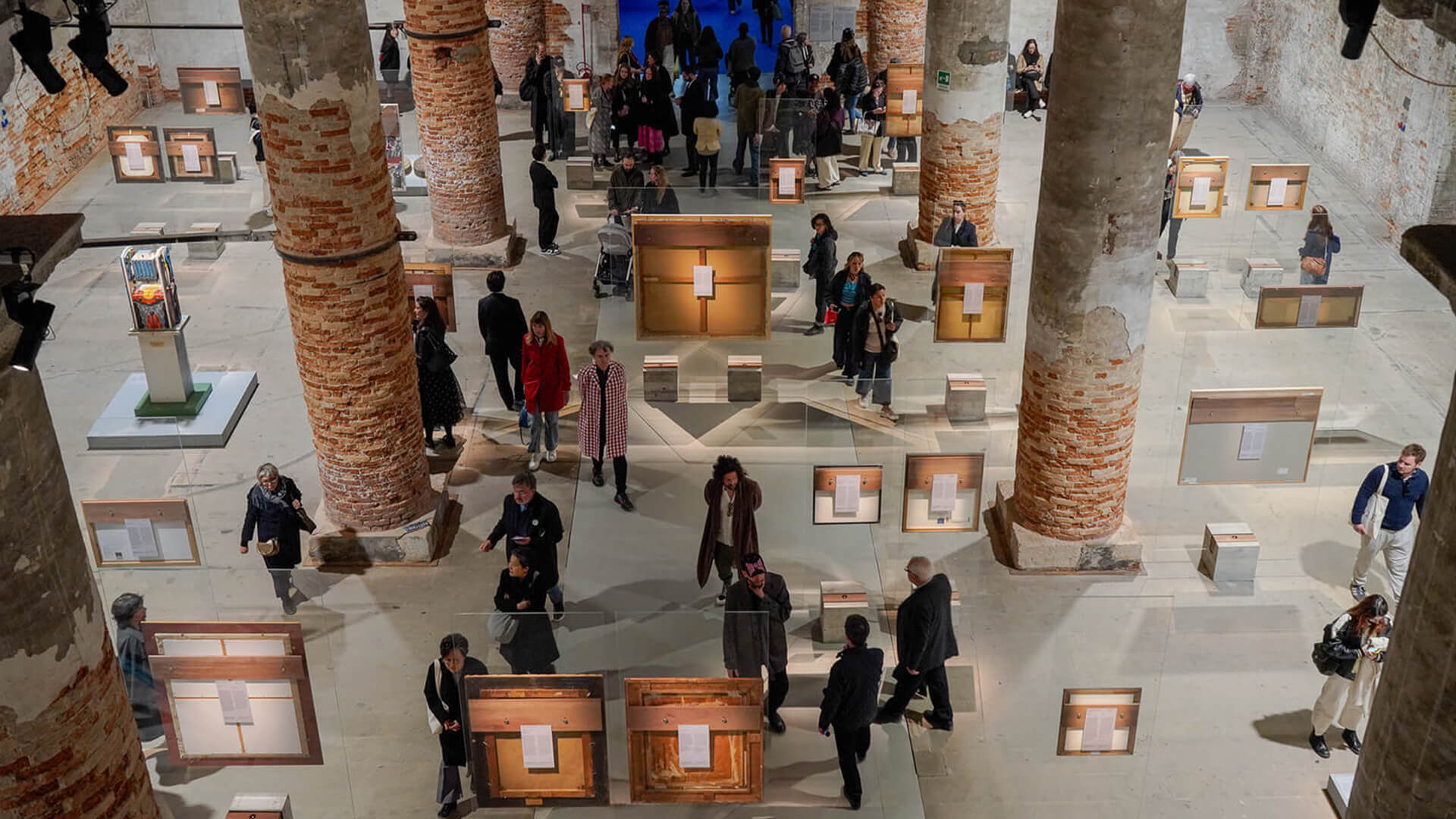
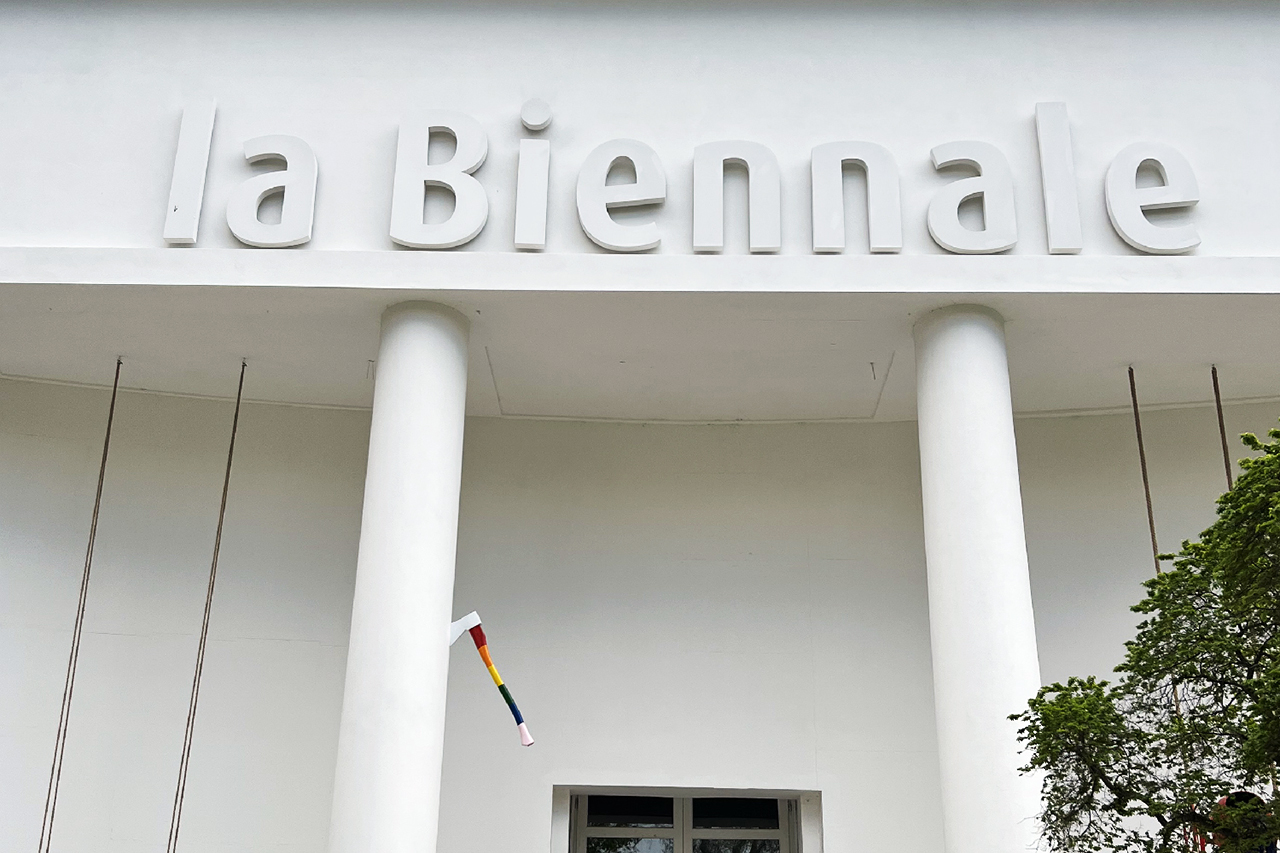
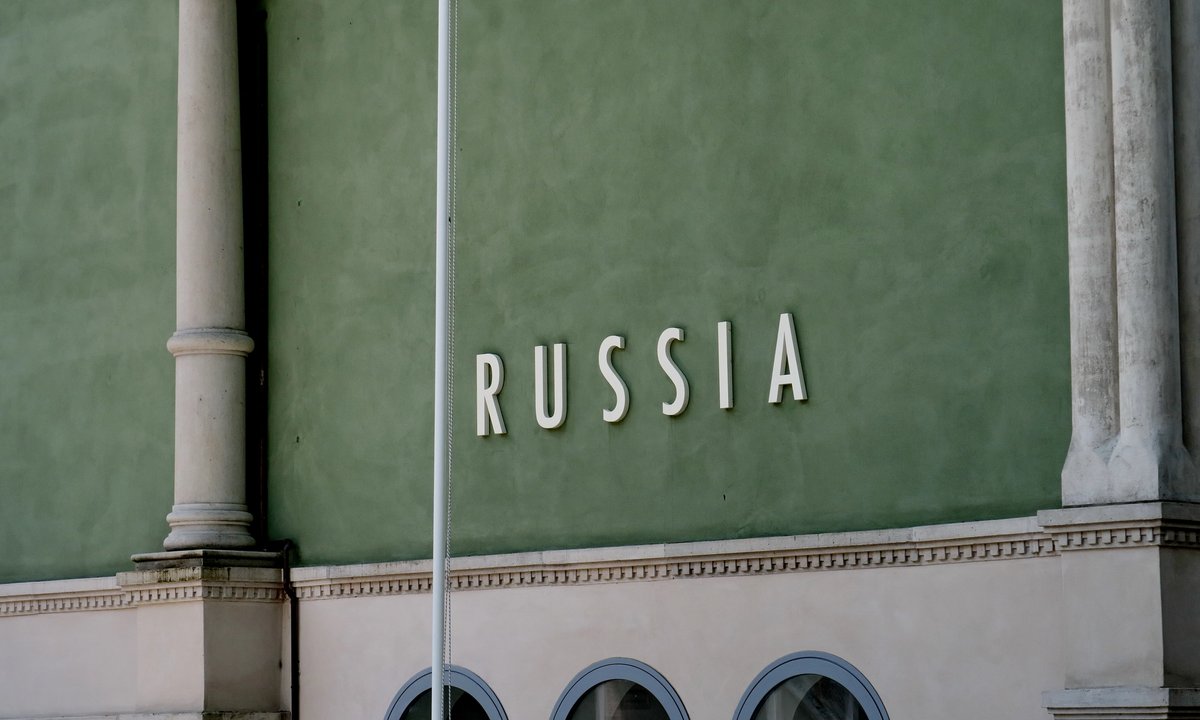
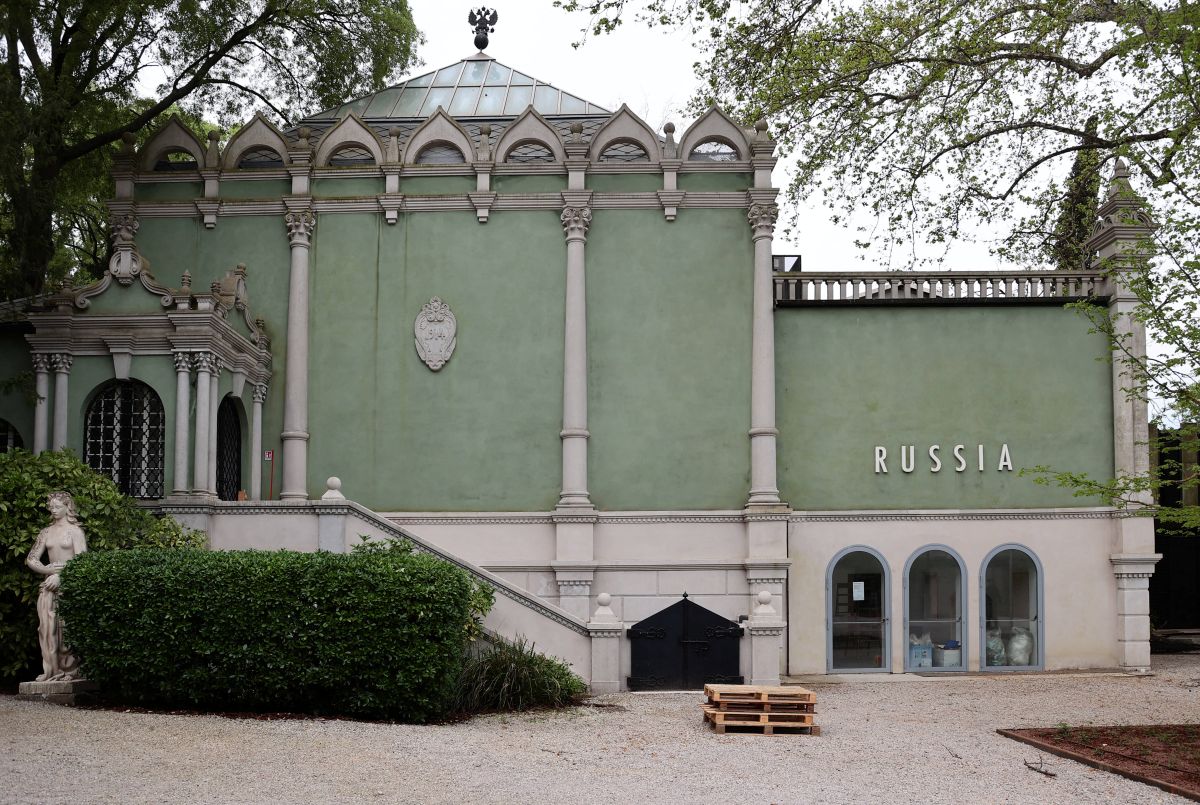
Russia has announced its intention to return to the Venice Biennale in 2026, marking its first participation since the full-scale invasion of Ukraine in 2022. The proposed pavilion, titled "The Tree is Rooted in the Sky," plans to feature 38 participants from Russia and several Global South nations. The announcement has sparked intense backlash from the European Commission and culture ministers across 22 countries, who argue that Russia’s presence undermines democratic values and serves as a tool for "dark cultural diplomacy."

An open letter to La Biennale di Venezia calls out inaction in the face of global atrocities

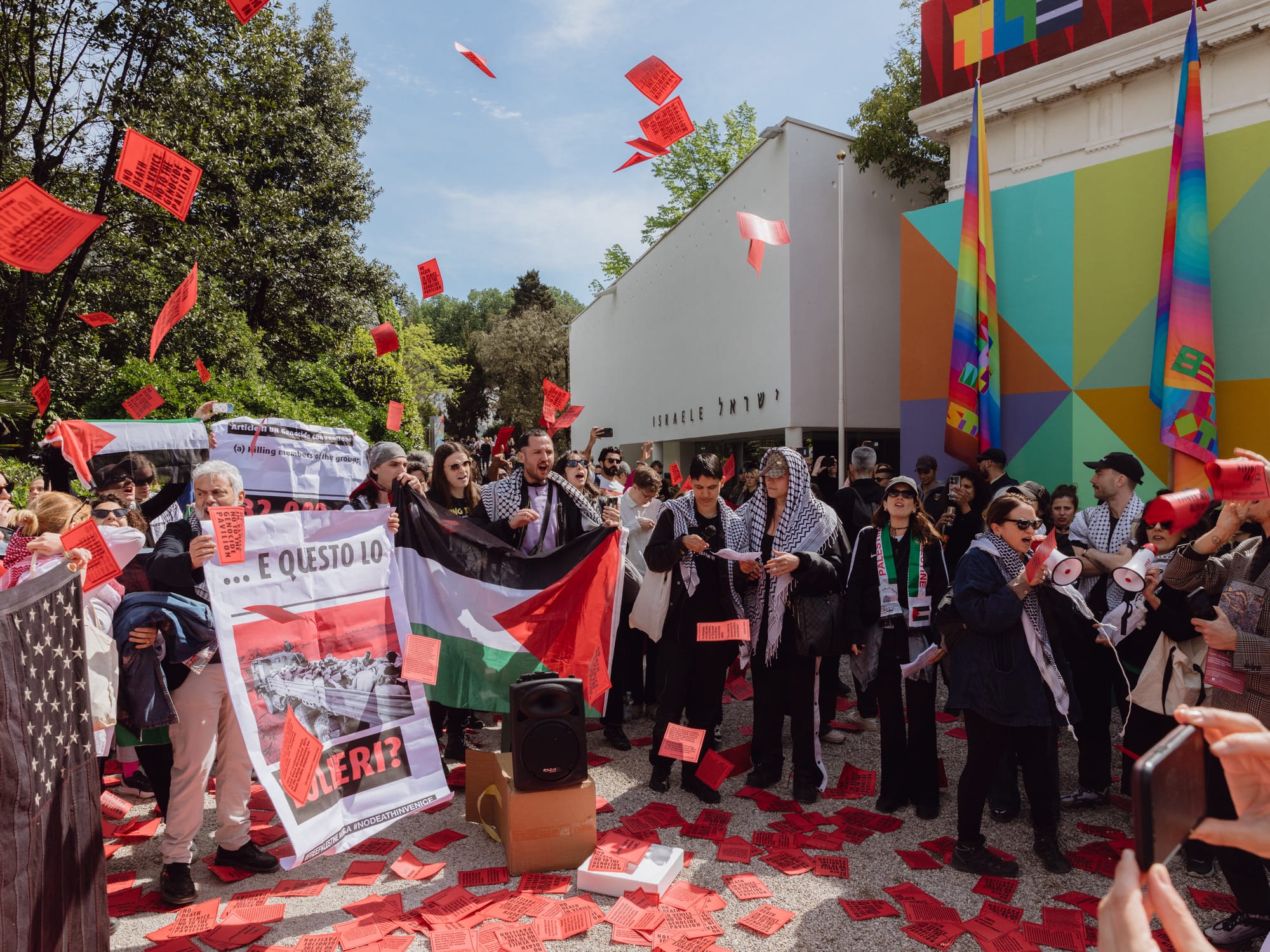
A group of 74 artists and curators invited to the 61st Venice Biennale have issued an open letter to the institution's president, Pietrangelo Buttafuoco. The signatories are protesting the decision to relocate the Israeli Pavilion to the Arsenale, placing it in close proximity to the central exhibition 'In Minor Keys' curated by the late Koyo Kouoh. The letter demands the exclusion of official delegations from countries accused of war crimes—specifically Israel, Russia, and the United States—and accuses the Biennale of complicity through its silence on global atrocities.

Teiger Foundation gives grants totalling $7m to 85 curators

The Teiger Foundation, a US-based nonprofit supporting art curators, has announced its 2025 grantees, awarding a total of $7 million to 85 curators at institutions across the country. This nearly doubles last year’s grants as the foundation transitions to a biennial model, with individual grants ranging from $50,000 to $150,000 for exhibitions, research, touring shows, and three years of programming. Notable projects include a major survey of the late artist L.V. Hull organized by curators Ryan N. Dennis, Annalise Flynn, and Yaphet Smith, and a Theresa Hak Kyung Cha retrospective curated by Victoria Sung and Tausif Noor.

Dozens of Venice Biennale Artists Demand Israel’s Exclusion

A coalition of 182 artists, curators, and art workers participating in the 2026 Venice Biennale, organized under the Art Not Genocide Alliance (ANGA), formally delivered a letter demanding the exclusion of Israel from the exhibition. The signatories, including prominent artists like Yto Barrada, Alfredo Jaar, and Miet Warlop, argue that the Biennale must not normalize Israeli policies towards Palestinians.

Urgent Request from Participating Artists and Curators of the 61st Venice Biennale

第61回ヴェネツィア・ビエンナーレ参加アーティストおよびキュレーターによる緊急要請

A group of 73 artists and curators participating in the 61st Venice Biennale, including Yoshiko Shimada and Bubu de la Madeleine, have issued an urgent demand to the Biennale's board to revoke Israel's participation. The collective specifically objects to the decision to relocate the Israeli pavilion to the Arsenale, arguing that its presence contradicts the curatorial vision of Artistic Director Koyo Kouoh, which emphasizes the dignity of all life. They contend that the military and police presence required for the pavilion introduces an atmosphere of violence and fear that undermines the exhibition's integrity.

art and wellness world health organization

The World Health Organization (WHO), Jameel Arts & Health Lab, and The Lancet have launched a global series of research papers and commissions titled the Lancet Global Series on the Health Benefits of the Arts, aimed at providing scientific evidence for the role of art in promoting physical and mental health. The first article in the series, a photo essay—the first photo essay in The Lancet's 202-year history—features 32 photographs curated by Stephen Stapleton illustrating art integration in clinical and institutional settings, including a clown school at a refugee camp in Turkey and a project by street artist JR at a California prison.

Germany Creates New Council to Oversee Returns of Looted Art

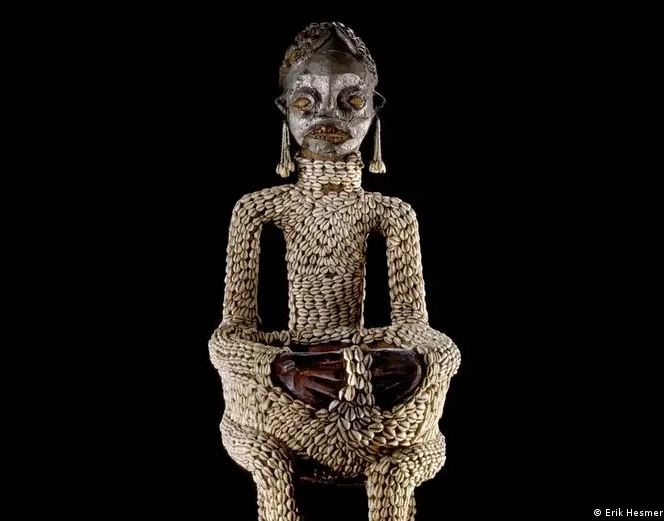
The German government has established a new council, the Coordination Council for Returns of Cultural Property and Human Remains from Colonial Contexts, to oversee the restitution of artifacts acquired during the colonial era. The council will include representatives from federal, state, and municipal authorities and is intended to provide a structured, national approach to handling these complex returns.

french senate passes colonial art bill

The French Senate has unanimously passed a bill to streamline the process of returning artworks and artifacts looted from former colonies during the colonial era. The legislation, which now moves to the National Assembly for final approval, specifically targets items acquired between 1815 and 1972, aiming to remove legal hurdles that have previously required a separate parliamentary vote for each object's restitution.

nazca lines reduced reserve plan

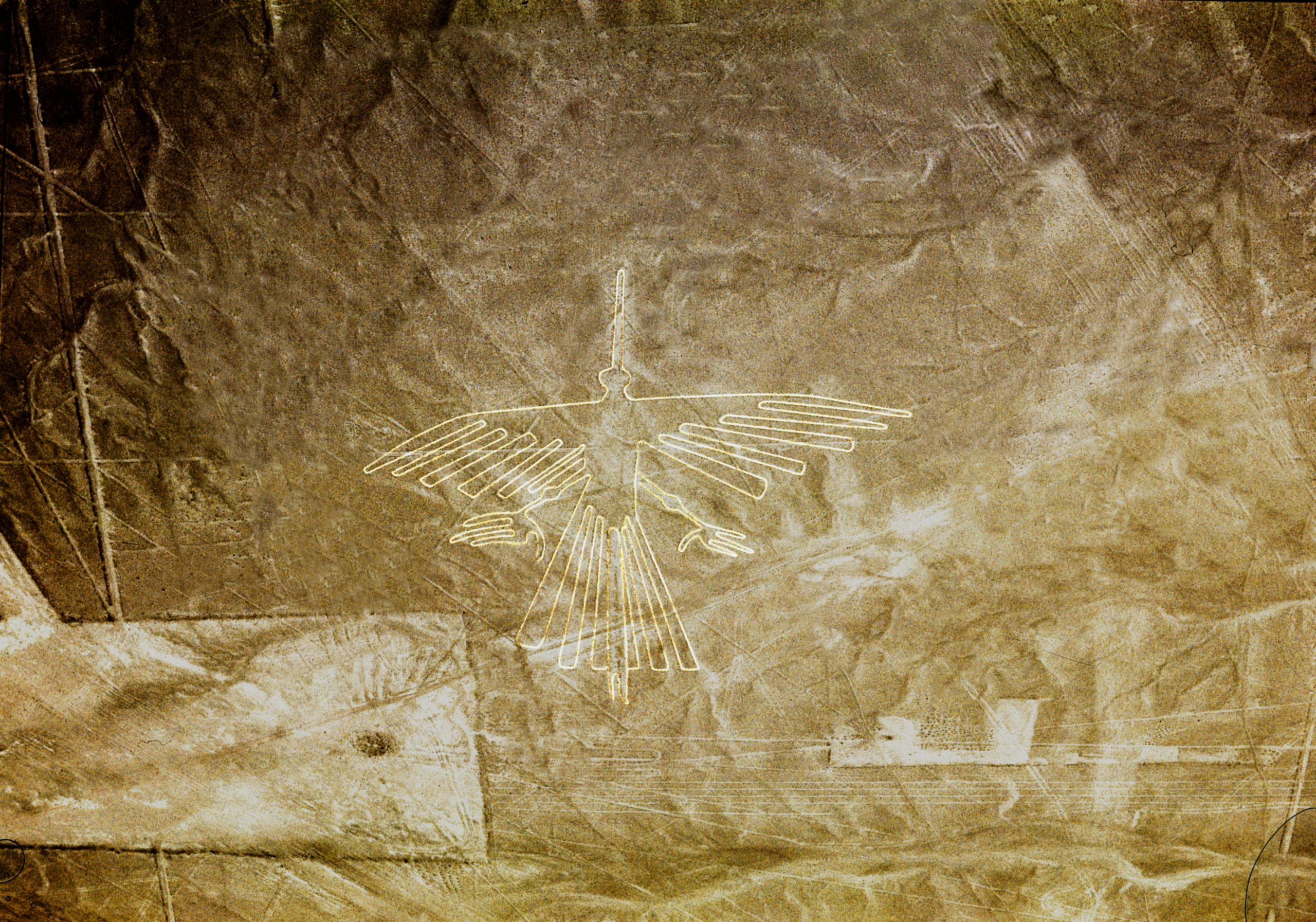
Peru’s Ministry of Culture has announced a plan to shrink the Nazca Lines and Geoglyphs Archaeological Reserve from 2,175 square miles to 1,236 square miles—a reduction of more than 40 percent. The decision, formalized in a May 28 resolution, has drawn sharp criticism from archaeologists, environmentalists, and former officials, who argue it removes protections from areas where informal mining is expanding. Vice Minister Moira Novoa Silva cited economic development and community participation as motivations, but critics say the move violates Peru’s environmental impact assessment law and could damage the UNESCO World Heritage site.

EU threatens to pull funding from Venice Biennale over return of Russian pavilion

The European Union has threatened to withdraw a €2m grant from the Venice Biennale following the foundation's decision to allow Russia to reopen its national pavilion for the first time since the 2022 invasion of Ukraine. EU commissioners Henna Virkkunen and Glenn Micallef, supported by 22 European culture ministers, argue that the Biennale must not provide a platform for Kremlin propaganda or individuals who justify military aggression. The Russian pavilion's return is reportedly being organized by the Gnesin Russian Academy of Music under the direction of the Russian Ministry of Culture.

The Biennale Must Remain Open – Also for Russia

Die Biennale muss offen bleiben – auch für Russland

The article argues against calls to exclude Russia from the Venice Biennale, focusing on the controversy surrounding the Russian pavilion's planned exhibition titled "Der Baum ist im Himmel verwurzelt" (The Tree Is Rooted in Heaven). The pavilion is set to feature musicians from Russia, Argentina, Mali, and Mexico, and its theme revolves around the idea that politics is time-bound. The author contends that while the demand to exclude Russia is understandable given the geopolitical context, it is dangerous because once a biennial begins disinviting states, it undermines the very concept of the international exhibition.

Pepperdine Closes Exhibit Featuring “Overtly Political” Art

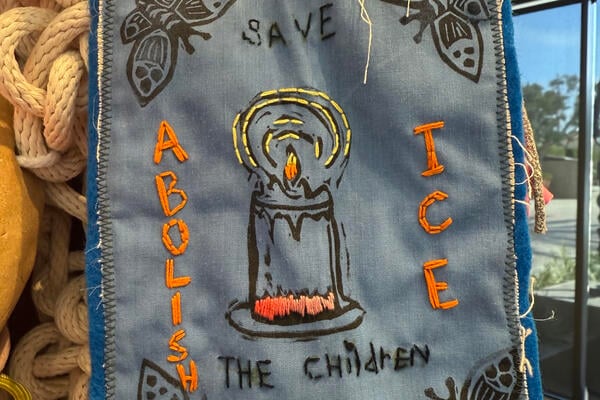
Pepperdine University in Malibu, California, closed the exhibition “Hold My Hand In Yours” at the Frederick R. Weisman Museum of Art on October 6, after artists discovered their works had been removed or altered for being “overtly political.” The show, curated by museum director Andrea Gyorody, explored the imagery of hands in relation to labor and care. One artist found her video turned off at the university’s request, and a sculpture was modified to hide text reading “Save the Children” and “Abolish ICE.” The affected artists requested their pieces be removed, and others withdrew in solidarity. University officials cited a policy to avoid overtly political content consistent with its nonprofit status, and offered apologies while honoring compensation agreements.

Political censorship of art exhibition at California’s Pepperdine University

Pepperdine University, a private Christian institution in Malibu, California, censored and closed an art exhibition titled "Hold My Hand in Yours" at its Frederick R. Weisman Museum of Art. The exhibition, curated by museum director Andrea Gyorody, featured works centered on hands as symbols of labor, identity, care, and connection. On October 1, administrators Lauren Cosentino and Nicole Singer visited the museum, leading to the shutdown of artist Elena Mann's video "Call to Arms 2015-2022," which included references to Donald Trump's policies, the overturning of Roe v. Wade, the Brett Kavanaugh hearings, and the George Floyd protests. Another work, "Con Nuestras Manos Construimos Deidades" by Natalie Godinez and the nonprofit AMBOS, was also censored after officials objected to text reading "Save the Children" and "Abolish ICE."

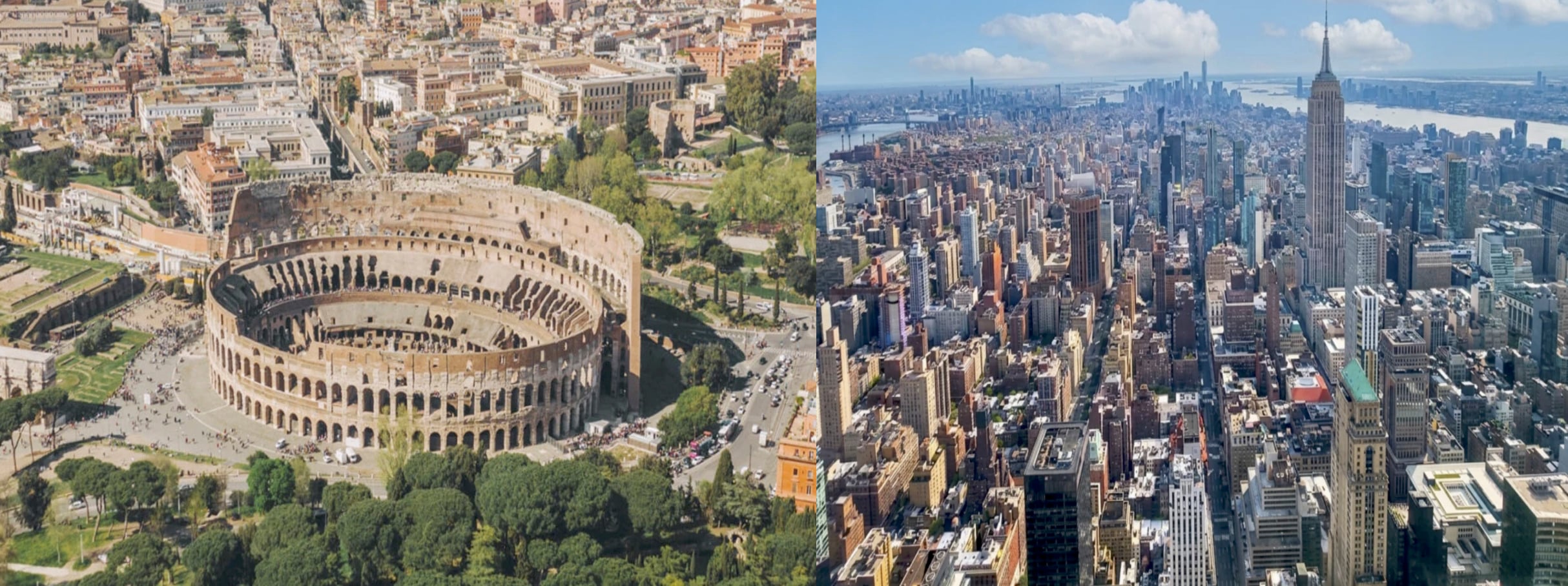
Cultural alliance between Rome and New York. The two cities sign the first agreement between major historic centers

Alleanza culturale tra Roma e New York. Le due città siglano il primo accordo tra grandi centri storici

Rome and New York have signed the first cultural cooperation agreement between their historic centers, Municipio I Roma Centro and Manhattan. The protocol was formalized during the Forum Cultura Roma Centro at the Temple of Vibia Sabina and Hadrian, aiming to establish an international network based on collaboration between cultural institutions and governance models. It includes exchanges, youth programs, artistic initiatives, and public art projects involving museums, archives, libraries, universities, and educational entities.

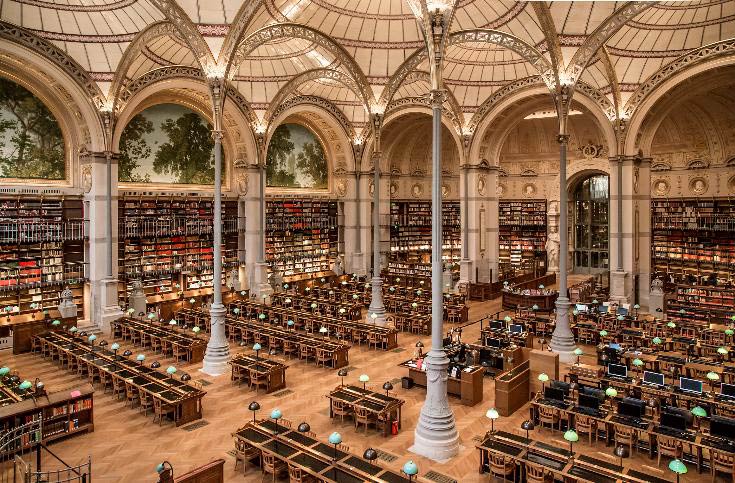
At the INHA, the summer closure of the library revives the debate

À l’INHA, la fermeture estivale de la bibliothèque ravive le sujet

The National Institute for Art History (INHA) in Paris is facing backlash over its decision to implement a permanent two-week summer closure of its library every August. Originally introduced as a temporary measure during the 2024 Olympics and subsequent renovations, the closure is now being formalized by the administration despite a change in leadership. Staff and researchers have launched a petition, arguing that August is a critical period for international scholars and students who rely on the library’s extensive collections.