filter_list Showing 15 results for "Point" close Clear
search
dashboard All 409 museum exhibitions 173article news 62person people 55trending_up market 33article local 31article culture 27article policy 15rate_review review 7candle obituary 2article event 2gavel restitution 2
date_range Range Today This Week This Month All
Subscribe

Difficult search for new culture senator in Berlin

Schwierige Suche nach neuem Kultursenator in Berlin

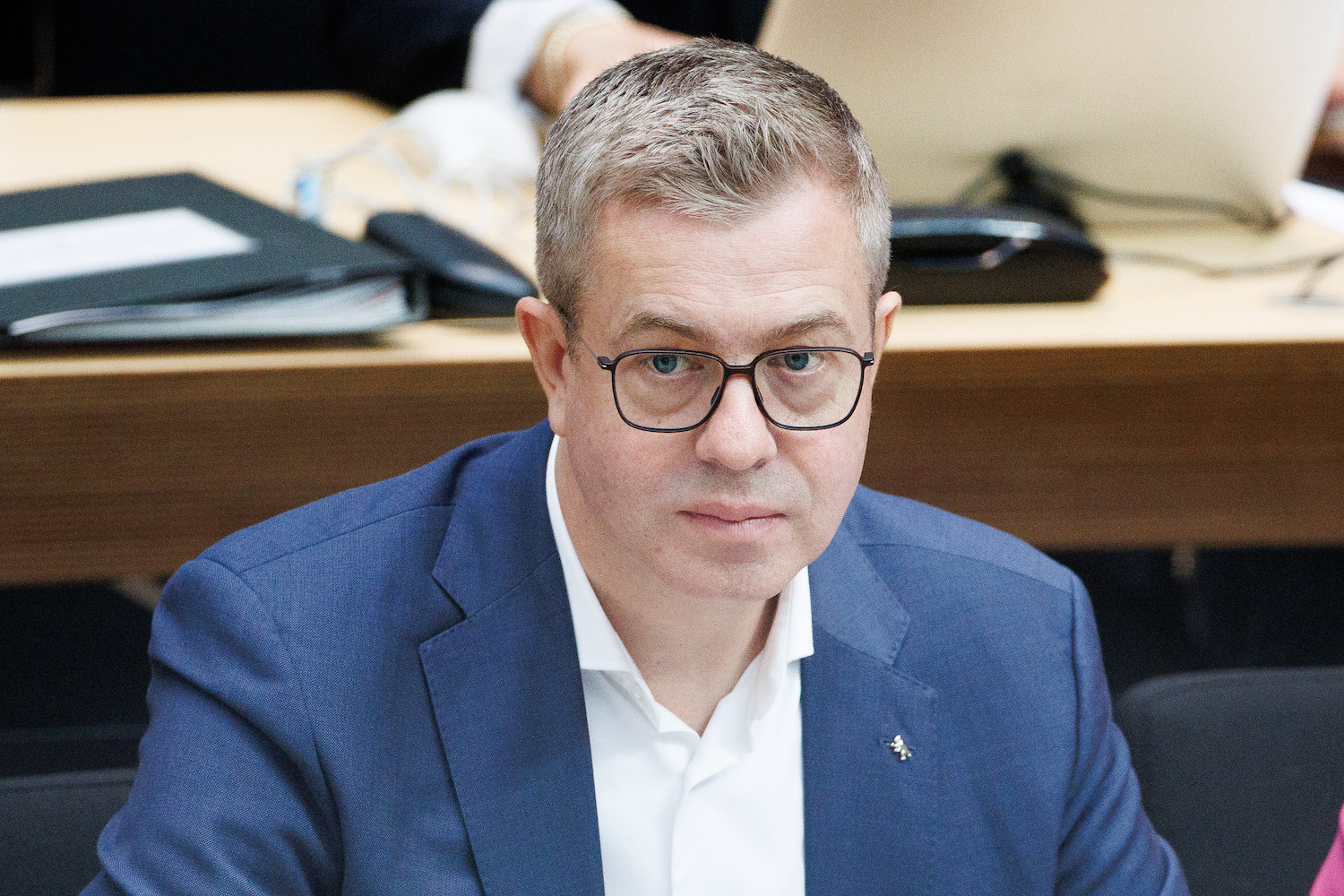
Berlin's culture senator Sarah Wedl-Wilson resigned on Friday after a state audit found that her allocation of anti-Semitism prevention funds was unlawful. The CDU politician is being succeeded by former justice senator and Bundestag member Thomas Heilmann (CDU), who is reportedly the favorite for the post. Heilmann, 61, studied law, ran a successful advertising firm, and served as Berlin's justice senator from 2012 to 2016 before sitting in the Bundestag from 2017 to 2025. Governing Mayor Kai Wegner has not yet made a final decision, but transport senator Ute Bonde publicly endorsed Heilmann, citing his experience with Berlin's administration.
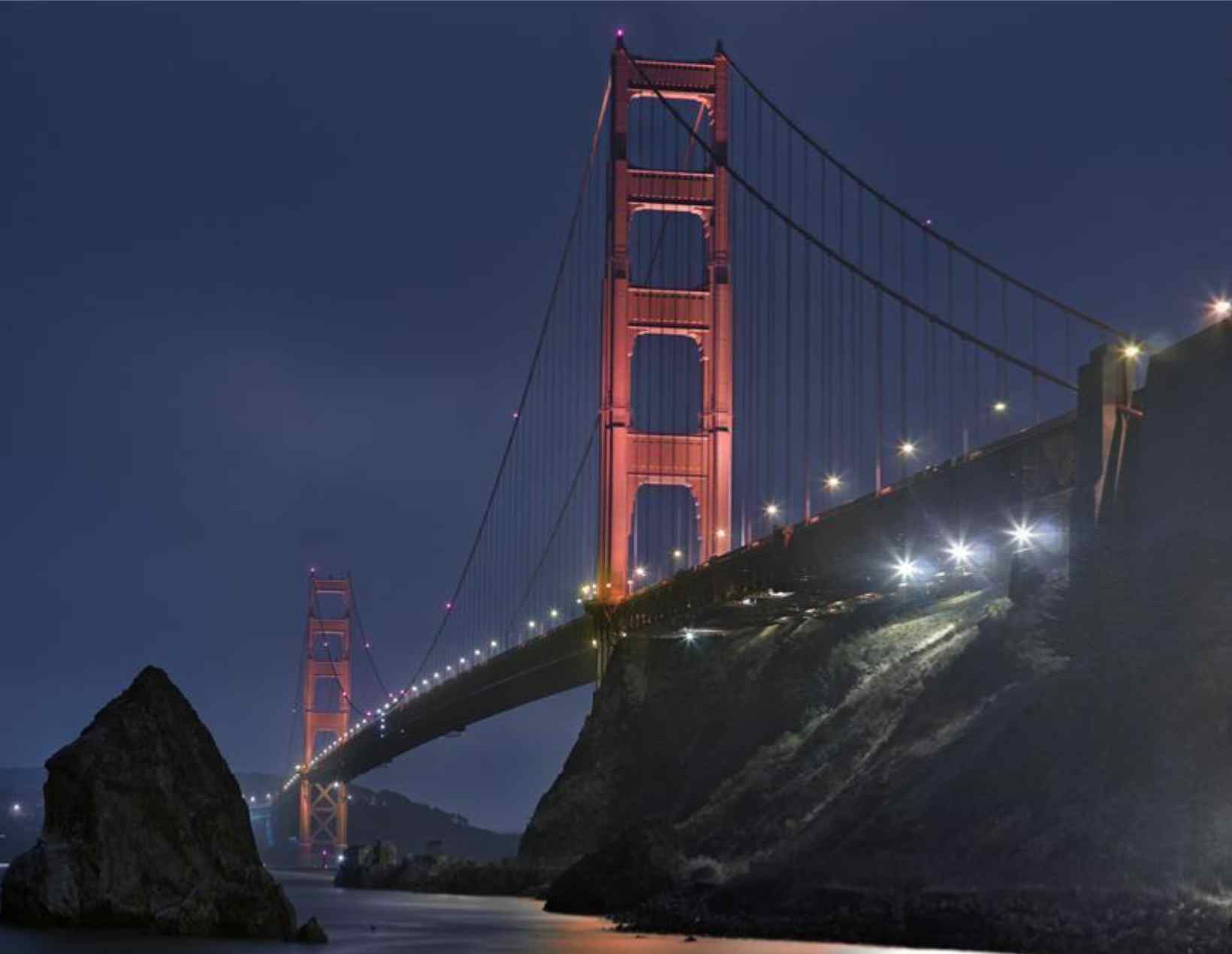
San Francisco announces its first-ever executive director of arts and culture.

Matthew Goudeau has been appointed as San Francisco's first-ever executive director of arts and culture, tasked with safeguarding the arts as a key part of the city's creative economy and identity. The appointment comes amid uncertain federal arts funding, but local arts funding in San Francisco is projected to increase this year under Mayor Daniel Lurie's leadership.

Arts funding gap in the north must be closed | Letters

Two letter writers to The Guardian criticize the UK government's arts funding imbalance, highlighting that London receives disproportionate investment compared to northern England. Christine Baranski points out that £135m was spent on the V&A East in London while the Tate in Liverpool has been closed for over two years and the Albert Docks cultural area appears neglected. Sharon Maher notes that Arts Council spending is roughly £57 per Londoner versus £28 per person in the north, and argues that future national museum outposts should be located in the north.

Au Louvre, des directeurs de département entre responsabilités internes et rôle national

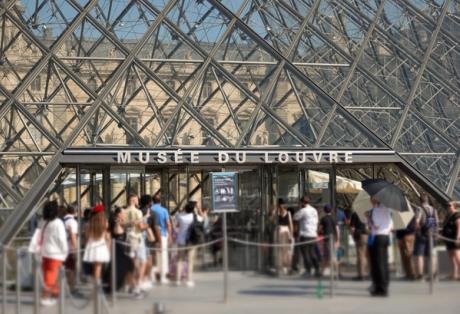
Maximilien Durand has been reappointed as head of the Department of Byzantine and Eastern Christian Arts at the Louvre Museum, a role that carries both internal museum responsibilities and national duties on behalf of the French state. Two decrees signed by Culture Minister Catherine Pégard formalize his renewal: one as head of the museum department, and another as head of the corresponding major heritage department, a status held by only nine of the Louvre's departments.

Parliamentary Report Outlines Major Issues In French Museums After The Louvre Heist

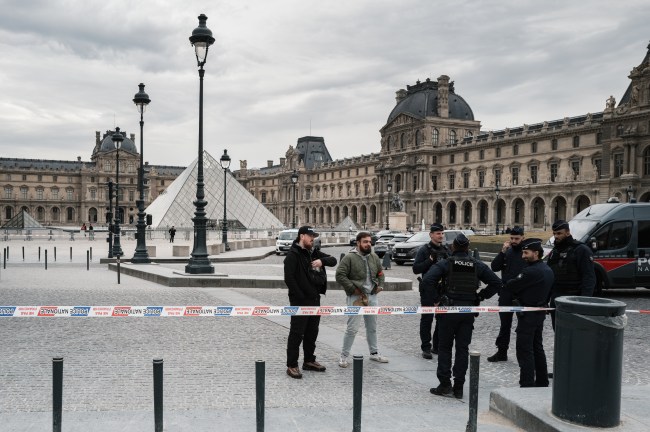
A French parliamentary commission released a report on May 13 detailing severe security deficiencies in French museums, following a December 2025 heist at the Louvre where French Crown Jewels worth $100 million were stolen. The report, overseen by MPs Alexis Corbière and Alexandre Portier, draws on over 20 hearings and highlights that only 25% of surveyed museums have a finalized security plan, with the Louvre itself criticized for dilapidated conditions and ignored audit warnings from 2017 and 2019 that predicted the thieves' modus operandi. Former Louvre director Laurence des Cars, who resigned in February, faced criticism for delays in implementing a security master plan.

Art for art’s sake, but for people’s health too | Letter

Art Fund director Jenny Waldman responds to a philosophical article about art's intrinsic value, arguing that while art should be enjoyed for its own sake, promoting its measurable health benefits can serve as a crucial entry point for new audiences. She cites the organization's National Art Pass adverts and recent research with King's College London, which demonstrated immediate physiological responses to viewing original art, as tools to invite people who might otherwise feel excluded from cultural institutions.

Meloni takes control of Italian museums

Meloni reprend en main les musées italiens

Italy’s culture ministry under Prime Minister Giorgia Meloni has appointed 14 new directors for so-called “second-tier” museums, reinforcing a shift away from the international “super-director” model introduced by the 2014 Franceschini reform. All appointees are Italian except for French director Axel Hémery, who was reappointed at the Pinacoteca di Siena due to his strong performance. The move follows the earlier ousting of foreign directors at top-tier museums, with only two foreign-born directors—Eike Schmidt and Gabriel Zuchtriegel—remaining, both of whom hold Italian citizenship.

Parliamentary report calls for major changes at French museums in the wake of Louvre heist

A French parliamentary report published on 13 May, following the October 19 heist of the crown jewels at the Louvre, issues a damning assessment of the country's museum security and management. The commission heard around 100 testimonies and examined some 2,000 museums, dedicating a special chapter to the Louvre. It blames former director Laurence des Cars's leadership for a "dysfunctional drift" that prioritized contemporary art interventions and fashion shows over basic infrastructure and collection protection, allowing the heist to occur. The report lists rising threats including riots, burglaries, cyberattacks (which forced the National Museum of Natural History in Paris to cancel an exhibition after a ransomware attack in July 2025), and terrorist plots. It proposes 40 recommendations, including raising budgets by an estimated €20–25 billion over a decade, enhancing staff training, and overhauling museum leadership.

Louvre: Emmanuel Macron's Obstinacy

Louvre : l'obstination d'Emmanuel Macron

Emmanuel Macron, less than a year before leaving office, continues to push controversial projects that harm French historical monuments and museums, including the Louvre's Colonnade project. The article criticizes these initiatives as detrimental to cultural heritage, while noting that his only promising project, the Musée de l'Œuvre Notre-Dame, has been shelved. The piece also highlights the appointment of Christophe Leribault as director of the Louvre as a positive step, but argues that Macron's overall record on cultural heritage is damaging.

Why Italy's cultural wealth never really enters public accounts and budgets?

Perché la ricchezza culturale italiana non entra mai davvero nei conti e nei bilanci pubblici?

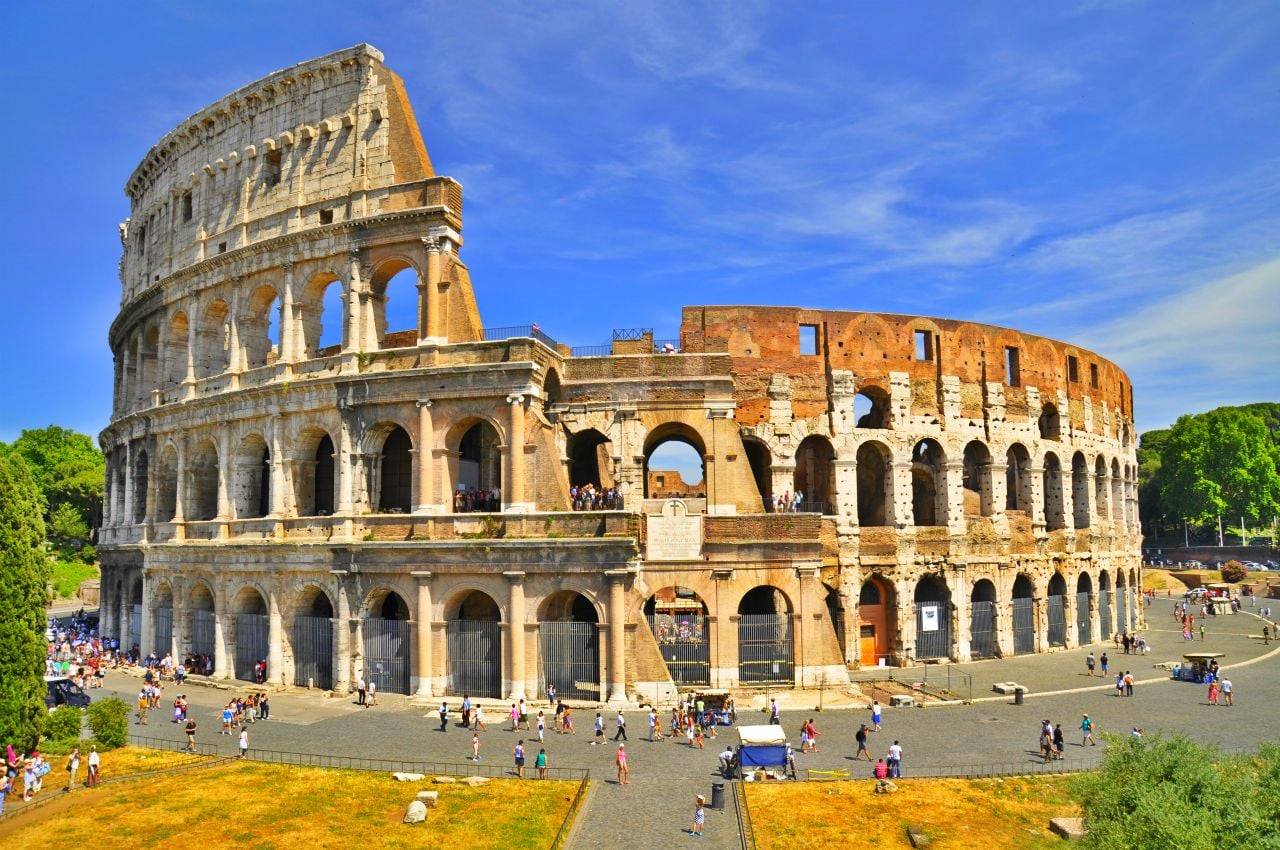
Italy has exceeded the European Commission's structural adjustment path by 0.1 percentage points of GDP, reopening fiscal scrutiny. Amid this debate, the article highlights a deeper issue: Italy's immense cultural heritage is drastically undervalued in public accounts. For example, the Pompeii Archaeological Park is recorded at just €48.9 million, the Colosseum at under €15 million, and the Uffizi at about €2 billion—figures based on outdated 2002 ministerial criteria that bear no relation to actual economic or cultural worth. The State General Accounting Office, with the University of Roma Tre and EU technical assistance, has proposed a new methodology to value cultural assets by discounting their future net financial flows, including direct revenues and indirect tourism-related returns.

Two Visitors’ Lions have been established for the Biennale Arte 2026

La Biennale di Venezia has announced the establishment of two Visitors' Lions for the 61st International Art Exhibition, following the resignation of the International Jury appointed by curator Koyo Kouoh. The awards ceremony, originally scheduled for May 9, has been moved to November 22, the final public day, echoing a similar shift during the 2021 Architecture Exhibition due to COVID-19. The Visitors' Lions will be voted on by ticket holders who visit both exhibition venues between May 9 and November 22, with one award for the Best Participant in the exhibition "In Minor Keys" by Koyo Kouoh and another for the Best National Participation.

Berliner Finanzsenator Evers übernimmt Leitung von Kulturverwaltung

Berlin's finance senator Stefan Evers (CDU) has been appointed to temporarily lead the city's cultural administration, marking the third change in leadership within a year. This follows the resignation of Joe Chialo in May 2025 and the departure of his successor Sarah Wedl-Wilson on the previous Friday, after months of controversy over the approval of funding grants. Evers will hold both finance and culture portfolios until the Berlin state election on September 20, 2025. The decision was made by CDU district chairpersons after initial talks with former justice senator Thomas Heilmann fell through.

In Berlin, a controversy over subsidies sweeps away the culture official

À Berlin, une polémique sur des subventions emporte l’élue à la Culture

Sarah Wedl-Wilson, Berlin's senator for culture, resigned after the Berlin Court of Auditors ruled that €2.6 million in public subsidies for 13 antisemitism-fighting projects were awarded illegally, bypassing regulatory checks and violating budget law. The controversy intensified when a parliamentary inquiry revealed that CDU politicians, including Christian Goiny and Dirk Stettner, pressured her to approve the funds immediately, coordinating with the Israeli embassy, despite warnings from state secretary Oliver Friederici, whom she later dismissed. Stefan Evers, the finance senator, has been appointed interim successor until Berlin's parliamentary elections in September.

Pablo Diaz, directeur de Sciences Po Rennes : « L’acte II de l’INSEAC de Guingamp »

Pablo Diaz, director of Sciences Po Rennes, announces that the Institut national supérieur de l'éducation artistique et culturelle (INSEAC) in Guingamp has been transferred from the Conservatoire national des arts et métiers (Cnam) to Sciences Po Rennes as of January 1, 2026. The institute, which opened in 2021 and focuses on training, research, and resources for arts and cultural education, will now operate under public-sector governance with oversight from the French ministries of Culture, Education, and Higher Education. Diaz outlines plans to appoint a dedicated site director in Guingamp and establish a strategic orientation committee chaired by interministerial delegate Emmanuel Ethis, aiming to resolve past management and governance issues.

Cultural Observatories: Dinosaurs or Subjects Capable of Interpreting the Present?

Osservatori culturali. Dinosauri o soggetti in grado di interpretare il presente?

The Cultural Observatory of Canton Ticino has published a study on cultural observatories worldwide, including a map and list of surveyed organizations. The analysis reveals that cultural observatories are not a global phenomenon but are concentrated mainly in Europe and South America, with occasional presence in North America (especially Canada and Hispanic-oriented organizations in the US). Africa, Asia, and Oceania are almost entirely absent from the map. The study also highlights a high rate of inactive observatories: among the top 10 countries by active observatories, only Germany shows an effective activity ratio. Spain has 26 active observatories out of about 45 total, while Italy has 11 active out of over 20 inactive. The research defines observatories as non-profit organizations that combine cultural and statistical expertise to deepen and transfer knowledge about the cultural sector, and classifies as inactive those with no recent activity on web or social channels.