filter_list Showing 10 results for "Resource" close Clear
search
dashboard All 134 museum exhibitions 45article local 35article news 19article culture 14article policy 10trending_up market 5rate_review review 2person people 2gavel restitution 1candle obituary 1
date_range Range Today This Week This Month All
Subscribe

A New Landmark Survey Aims to Bring Transparency to Museum Collecting Practices

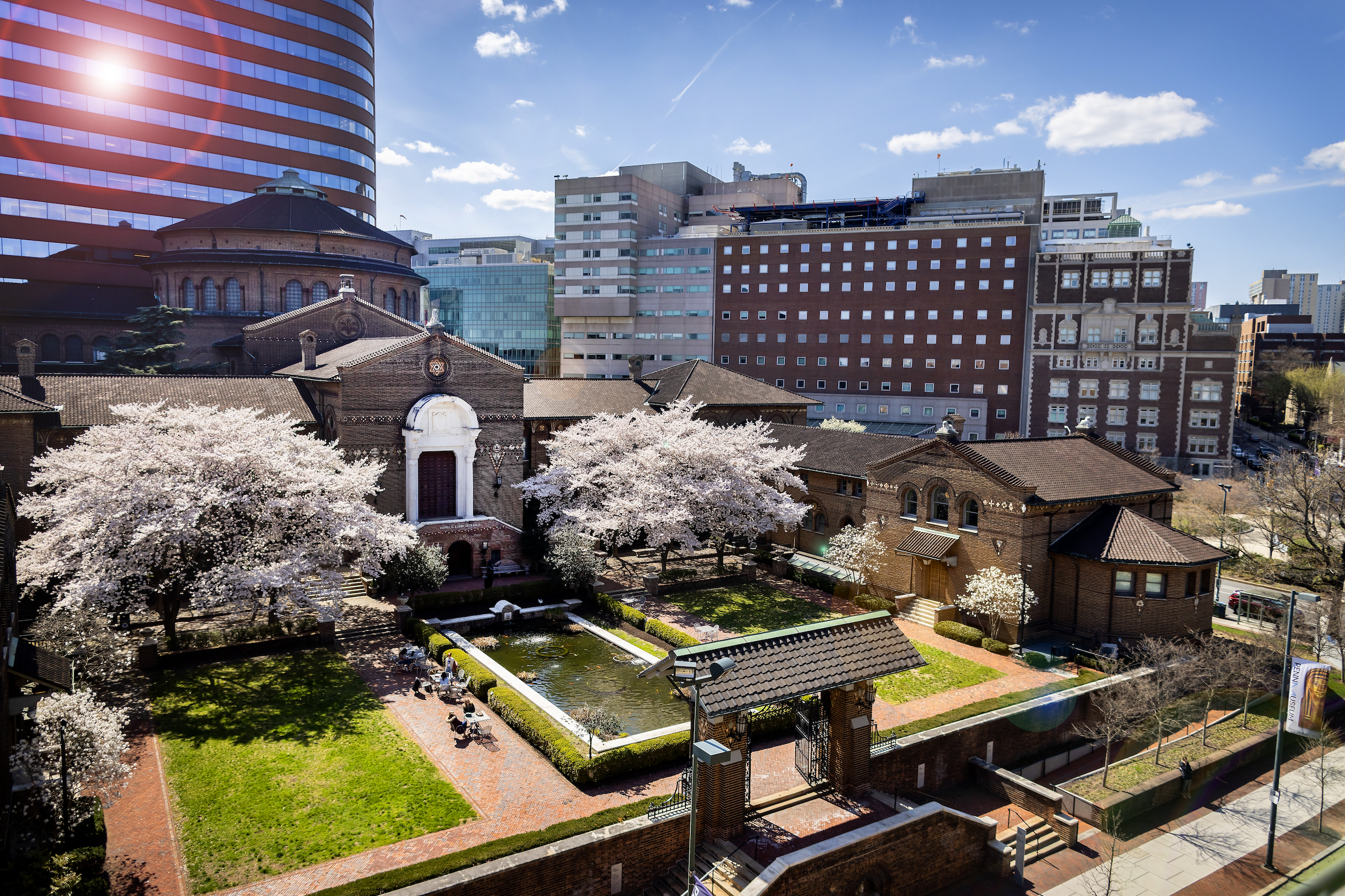
The Penn Cultural Heritage Center (PennCHC) at the University of Pennsylvania's Penn Museum will launch the National Survey of Museum Collecting Practices on May 20, running through August 20. This first-of-its-kind survey, part of the Museums: Missions and Acquisitions Project (M2A Project), will collect data on acquisitions, deaccessions, loans, provenance research, and policies from U.S. nonprofit museums and libraries. Results will be published in 2027, with only generalized insights to maintain anonymity.

The National Gallery of Art Embraces New Role as Lending Library, Thanks to a Big Gift That Sends Artwork to Other Museums

The National Gallery of Art in Washington, D.C., has received a $116 million donation from the Mitchell P. Rales Family Foundation to fund its 'Across the Nation' lending program. The gift, the largest programming-related donation in the museum's history, will support shipping, installation, and other costs associated with sending artworks on two-year loans to smaller regional museums across the United States, from Alaska to Florida.

Free museums in Paris and free monuments in Île-de-France: the top cultural deals

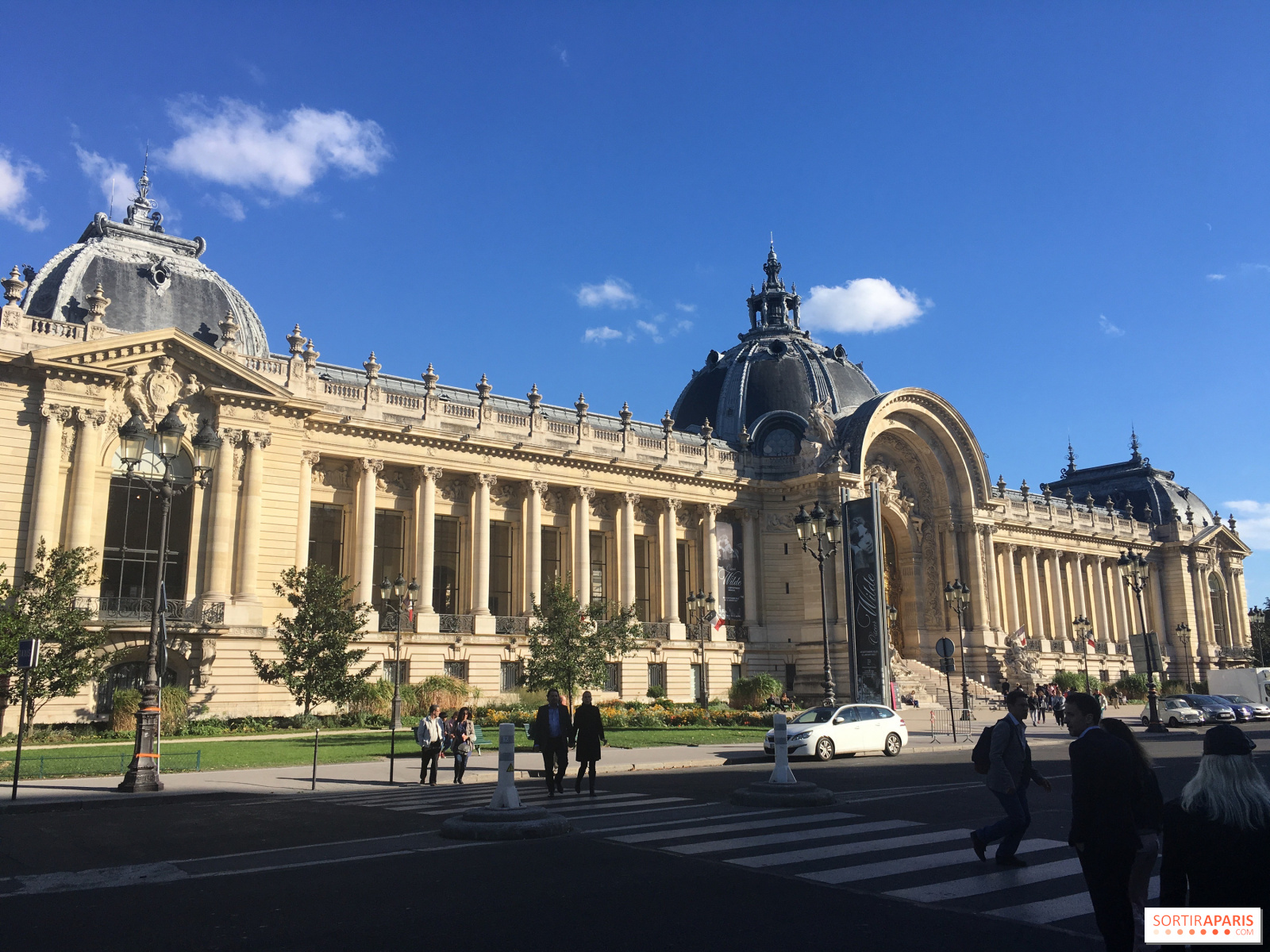
The article is a guide listing museums and monuments in Paris and the Île-de-France region that offer free admission, either permanently or on specific occasions like the first Sunday of each month. It highlights venues such as the Paris Museum of Modern Art (MAM), the Petit Palais, the Musée Bourdelle, and Notre-Dame cathedral, detailing their collections and practical visiting information.

America’s Museums Have a Building Problem

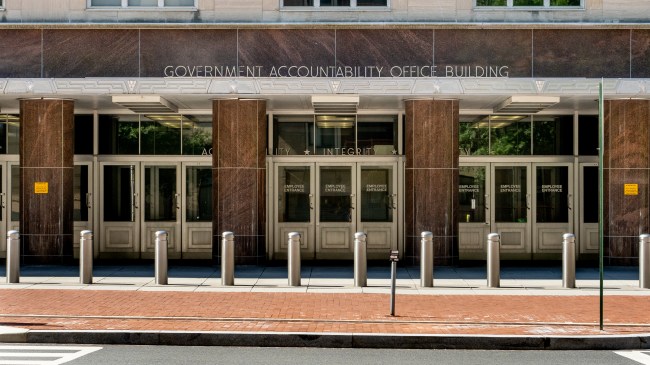
A new report from the Government Accountability Office, analyzed by The Art Newspaper, reveals that roughly 85 percent of American museums are dealing with deferred maintenance or major repair needs, and about 77 percent have at least one structural issue that could endanger their collections. Many of the country's 16,700 museums are small, under-resourced operations housed in aging or historic buildings, with half reporting over $100,000 in deferred maintenance. Basic repairs like roofs or HVAC systems can consume large portions of annual budgets, forcing some institutions to store artworks in makeshift spaces like garages or bathrooms.

85% of All US Museums Need Repairs, Study Finds

A March survey by the US Government Accountability Office (GAO) found that 85% of all US museums need repairs, with 77% having at least one structural issue endangering their collections. Federal funding does not cover construction-related expenses, and 73% of the roughly 11,900 museums surveyed reported building system or facility problems posing health or safety risks. The American Alliance of Museums noted the data aligns with years of reports from museums struggling with aging infrastructure and unpredictable funding.

Today’s war, tomorrow’s loot: attempts at stemming the illicit trade in art

The article examines the ongoing challenge of preventing the illicit trade in cultural property looted from conflict zones. It discusses the Hague Convention of 1954 and its protocol, which require signatory countries to prevent theft and pillage during armed conflict and to seize and repatriate unlawful exports. However, the protocol only applies to situations of 'occupation,' leaving a gap for looting that occurs in the chaos of war beyond formal occupation. The article also notes UN Security Council Resolutions that restrict unlawfully removed cultural property from Iraq and Syria, but no similar consensus exists for countries like Afghanistan, Libya, Ukraine, Lebanon, Yemen, Sudan, and Iran. EU Regulation 2019/880 is highlighted as a measure that prohibits introducing goods removed unlawfully from their place of origin into the EU, though its scope has expanded beyond its original anti-terrorist financing purpose.

Pablo Diaz, directeur de Sciences Po Rennes : « L’acte II de l’INSEAC de Guingamp »

Pablo Diaz, director of Sciences Po Rennes, announces that the Institut national supérieur de l'éducation artistique et culturelle (INSEAC) in Guingamp has been transferred from the Conservatoire national des arts et métiers (Cnam) to Sciences Po Rennes as of January 1, 2026. The institute, which opened in 2021 and focuses on training, research, and resources for arts and cultural education, will now operate under public-sector governance with oversight from the French ministries of Culture, Education, and Higher Education. Diaz outlines plans to appoint a dedicated site director in Guingamp and establish a strategic orientation committee chaired by interministerial delegate Emmanuel Ethis, aiming to resolve past management and governance issues.

The Savvy Balancing Act of the 'Bern 2026' Regional Sites

Le savant dosage des sites régionaux « Bern 2026 »

The French Heritage Foundation (Fondation du patrimoine) has announced the 2026 list of 18 emblematic regional sites selected for the 'Loto du patrimoine' (Heritage Lottery) funding initiative. The sites, chosen from 650 endangered candidates, include religious buildings like the Chapelle Notre-Dame du Kreisker in Saint-Pol-de-Léon and the Antana-Bé Mosque in Mayotte, forts and castles such as the Royal Castle of Senlis and Fort Boyard, as well as industrial, rural, and residential ensembles like the Beaufonds sugar factory in La Réunion. The selection balances architectural significance, state of decay, project maturity, and potential for revitalization.

A new certification has been created to improve the management and valorization of Italian cultural heritage

È nata una nuova certificazione per migliorare gestione e valorizzazione del patrimonio culturale italiano

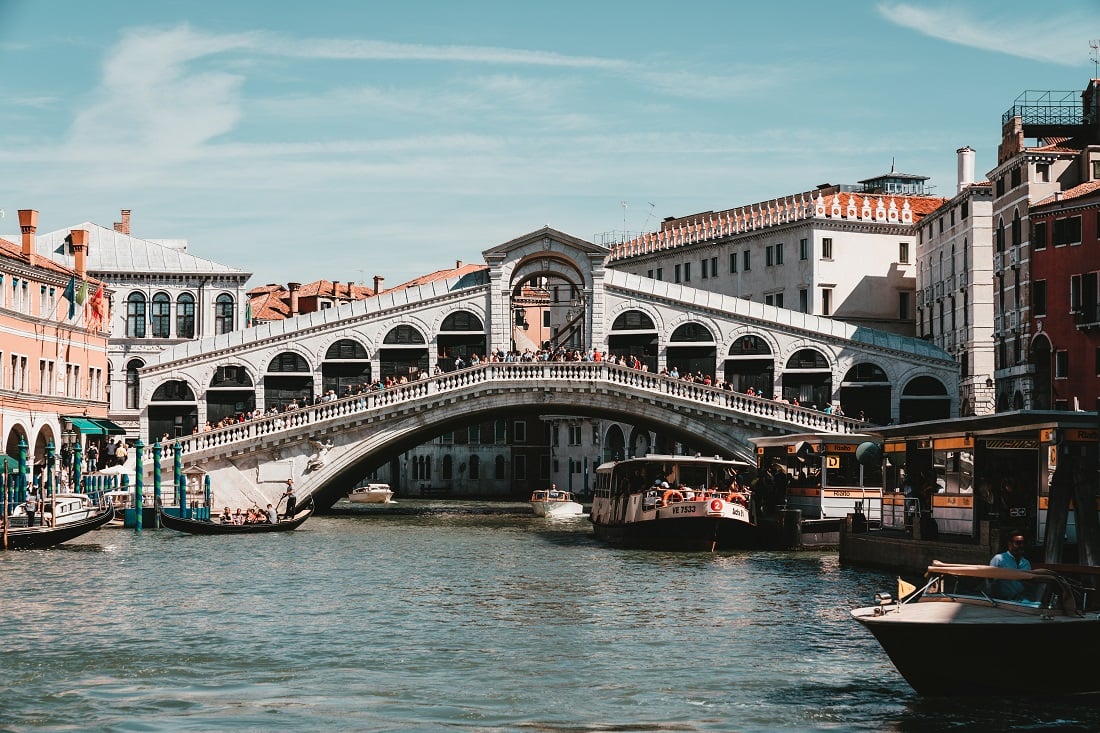
A new certification standard called SGPI01:2024 has been launched in Italy to improve the management and valorization of cultural heritage. Developed by Certiquality and the Stati Generali del Patrimonio Italiano (SGPI), the standard was presented in Florence at Palazzo Guadagni Strozzi Sacrati, with the patronage of the Tuscany Region. It applies to all public and private entities that own or manage cultural and landscape assets, introducing a comprehensive management system that goes beyond legal compliance, focusing on conservation, economic sustainability, accessibility, and safety through independent third-party audits.

The process for awarding the title of Italian Capital of Culture should be rethought. Here's why.

Il processo per assegnare il titolo di Capitale Italiana della Cultura andrebbe ripensato. Ecco perché

An analysis of the selection process for Italy's "Capital of Culture" title reveals a consistent pattern: cities chosen for the prestigious designation are almost exclusively administered by political coalitions aligned with the national government in power at the time of selection. The sole exceptions were Bergamo and Brescia, which were jointly awarded the title via a special parliamentary decree in recognition of their suffering during the pandemic, bypassing the standard procedure. This political alignment has persisted across different legislatures and changes in government.