filter_list Showing 5 results for "Roma" close Clear
search
dashboard All 54 museum exhibitions 32article policy 5article news 4article culture 4article local 4trending_up market 2rate_review review 2person people 1
date_range Range Today This Week This Month All
Subscribe

A new wing to solve the problems of the Galleria Borghese in Rome. Beautiful challenge, tedious controversy

Una nuova ala per risolvere i problemi della Galleria Borghese a Roma. Bella sfida, stucchevoli polemiche

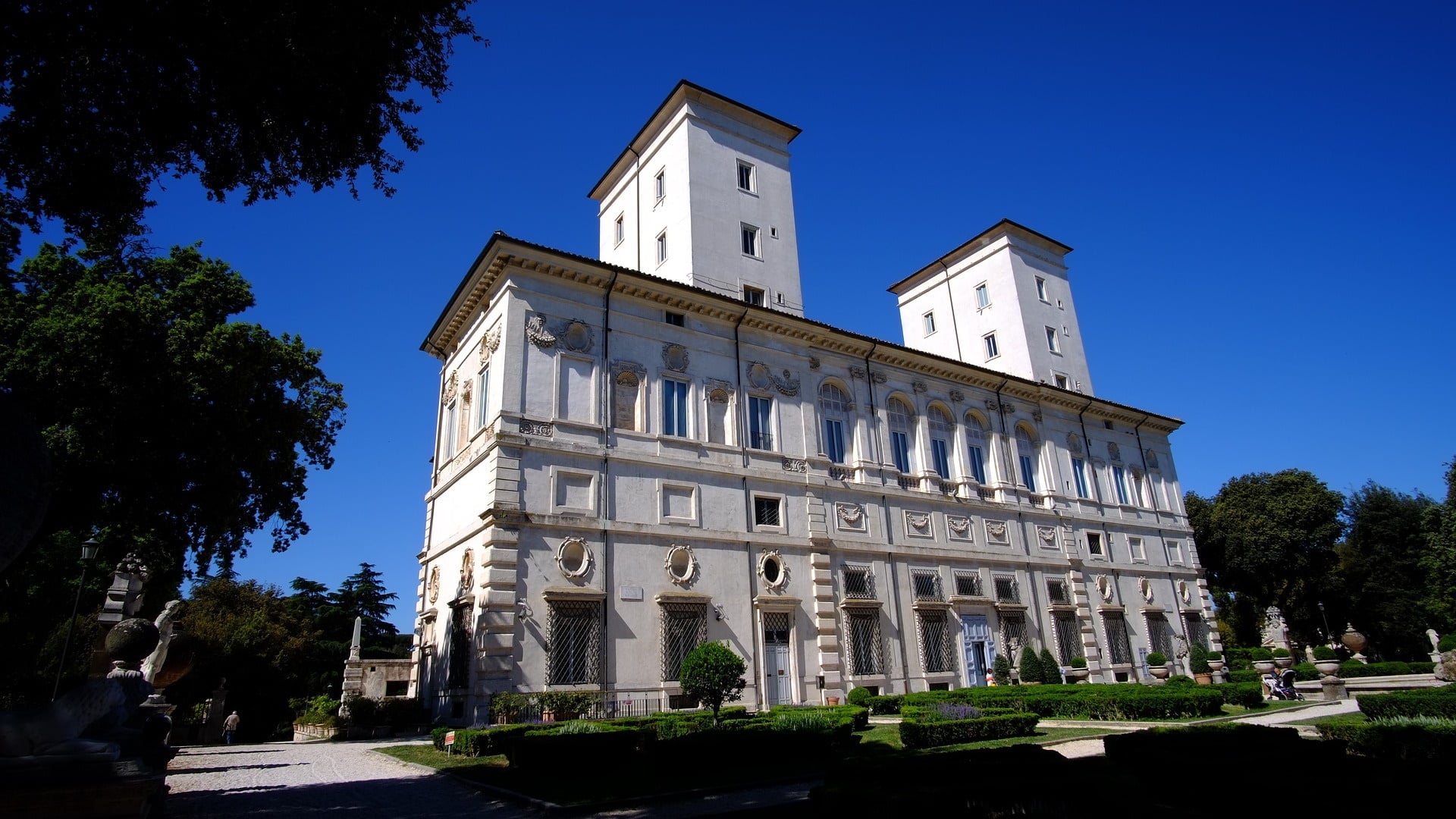
The Galleria Borghese in Rome, one of Italy's most extraordinary museums, faces significant accessibility and capacity issues due to its historic 17th-century structure. The museum is difficult for visitors with disabilities, overcrowded, and forces visitors to book far in advance—often waiting over a month for a time slot—while many masterpieces remain in storage. In 2025, the engineering firm Proger offered to sponsor a feasibility study for a new wing, contributing nearly 900,000 euros to fund an international architecture competition and a technical-economic feasibility plan. The study, currently underway, aims to explore whether a new annex can be built within the protected Villa Borghese park to create new entrances, exhibition spaces, and services.

(BPRW) Getty Awards $1.8M to Increase Access to Black Visual Arts Archives

The Getty Foundation has awarded $1.8 million in grants to eight institutions through its Black Visual Arts Archives initiative, a multi-year program aimed at increasing access to archival collections related to Black artists and arts organizations. The grants will support processing, digitization, and public programming at venues including Afro Charities, Auburn Avenue Research Library, Berkeley Art Museum and Pacific Film Archive, Charles H. Wright Museum, Morgan State University, South Side Community Art Center, the University of Chicago's South Side Home Movie Project, and the David C. Driskell Center. This brings Getty's total funding for the initiative to $4.5 million since 2022, supporting 20 grants nationwide.

Gulag Museum rebrand marks latest phase in Kremlin’s assault on free speech

The Kremlin is systematically erasing the memory of Soviet repression under Joseph Stalin from Russian museums. The Gulag Museum in Moscow, which documented Stalin-era crimes, has been rebranded as a "Museum of Memory" focused on Nazi war crimes, with its entire website replaced and exhibitions packed up. Simultaneously, Russia's supreme court banned Memorial, a human rights organization founded to document Stalin-era atrocities, labeling it an "anti-Russian" extremist group. The Yeltsin Presidential Center in Yekaterinburg has also removed references to Memorial from its walls, and the Sakharov Center in Moscow was disbanded and evicted from its facilities.

In Romagna, debate over the artistic legacy of the Fascist era

In Romagna c’è discussione attorno all’eredità artistica del Ventennio fascista

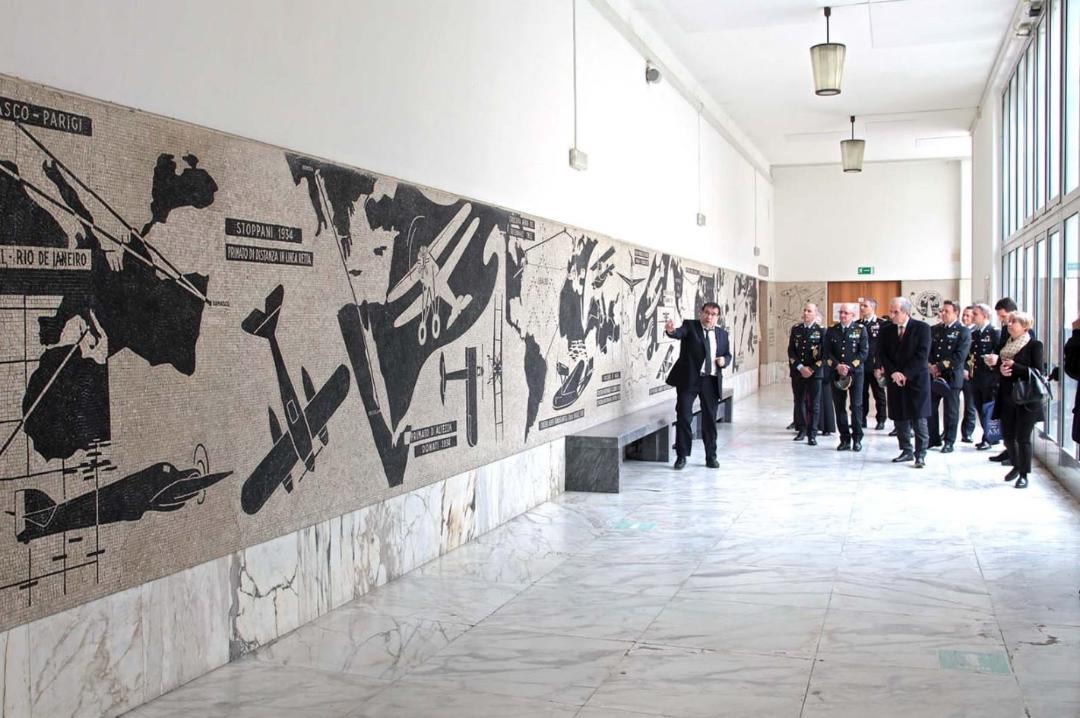
Recent developments in Romagna, Italy, have sparked debate over the artistic legacy of the Fascist era. The 102-meter-long Flight Mosaics at the former Aeronautical College in Forlì are now open to the public, and the Conad-Città di Forlì Auditorium, converted from a former GIL cinema, will inaugurate on May 13, 2026. Regional President De Pascale has announced initial funding to secure the Colonia Varese in Cervia, a Rationalist masterpiece, while long-awaited consolidation work has begun on the Casa del Fascio in Predappio, Benito Mussolini's birthplace. A 2010 plan to turn the Casa del Fascio into a cultural center documenting Fascism has stalled due to political changes and bureaucratic hurdles.

Why Italy's cultural wealth never really enters public accounts and budgets?

Perché la ricchezza culturale italiana non entra mai davvero nei conti e nei bilanci pubblici?

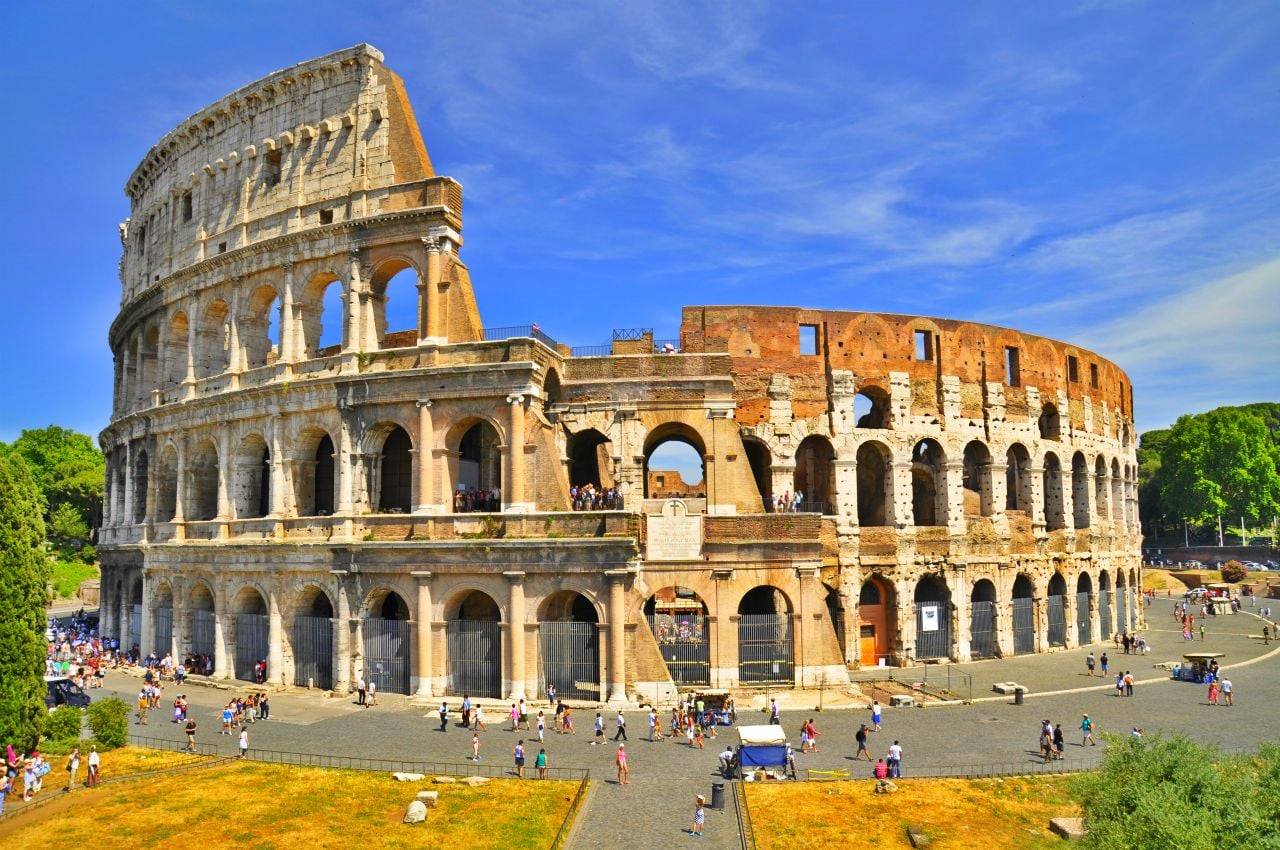
Italy has exceeded the European Commission's structural adjustment path by 0.1 percentage points of GDP, reopening fiscal scrutiny. Amid this debate, the article highlights a deeper issue: Italy's immense cultural heritage is drastically undervalued in public accounts. For example, the Pompeii Archaeological Park is recorded at just €48.9 million, the Colosseum at under €15 million, and the Uffizi at about €2 billion—figures based on outdated 2002 ministerial criteria that bear no relation to actual economic or cultural worth. The State General Accounting Office, with the University of Roma Tre and EU technical assistance, has proposed a new methodology to value cultural assets by discounting their future net financial flows, including direct revenues and indirect tourism-related returns.