filter_list Showing 27 results for "SHIFT" close Clear
search
dashboard All 676 museum exhibitions 352article culture 71article news 65trending_up market 58person people 36article local 32article policy 27rate_review review 22gavel restitution 8candle obituary 2article event 2article gallery 1
date_range Range Today This Week This Month All
Subscribe

Van Gogh Museum in funding mediation with Dutch government following threats of closure

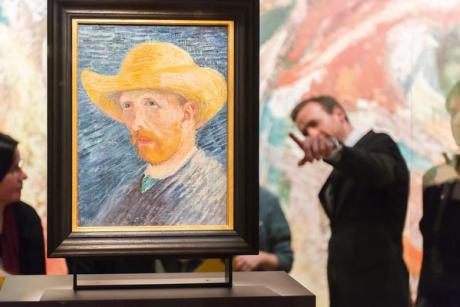
The Van Gogh Museum in Amsterdam has entered mediation with the Dutch government after initiating legal proceedings to secure additional public funding for a major renovation. The museum, which plans a three-year, €104m renovation starting in 2028, claims it could be forced to close unless its annual subsidy increases by €2.5m. The Dutch government, facing a budget deficit, considers the current €8.5m subsidy sufficient and argues the museum should contribute more itself. Mediation talks are making progress, and legal proceedings have been postponed indefinitely, with both sides aiming to conclude before summer.

A Think Tank and a Foundation Team Up On $1 M. in Accelerator Grants for Museum and Performing Arts Leaders—Timothée Chalamet Be Damned

A think tank and a philanthropic foundation have launched a $1 million accelerator grant program for museum and performing arts leaders. The initiative, a partnership between Remuseum (an initiative of Crystal Bridges Museum) and the Doris Duke Foundation, will award up to ten $100,000 grants and provide a year-long residency program to help leaders develop innovative strategies to boost relevance and financial stability.

Getty’s Black Visual Arts Archives receives additional $1.8m in funding

The Getty Foundation has awarded an additional $1.8 million to its Black Visual Arts Archives initiative, bringing total funding to $4.5 million across 20 awards. The program supports institutions in processing, digitizing, preserving, and activating archival collections related to Black artists and arts organizations in the US. Grantees include Afro Charities, the Auburn Avenue Research Library, Berkeley Art Museum and Pacific Film Archive, Charles H. Wright Museum, Morgan State University, the South Side Community Art Center, the University of Chicago’s South Side Home Movie Project, and the David C. Driskell Center. Notable discoveries include footage of the original Wall of Respect mural from the South Side Home Movie Project.

US National Gallery of Art receives $116m gift to continue nationwide lending programme

The National Gallery of Art (NGA) in Washington, DC, has received a landmark $116 million donation from the Mitchell P. Rales Family Foundation to permanently endow its Across the Nation lending programme. Launched in spring 2025, the initiative has already reached around 900,000 visitors at ten partner institutions, including the Anchorage Museum and the Mint Museum, by loaning works from the NGA's collection at no cost—covering transport, installation, insurance, and marketing. The next cycle will run from autumn 2027 to 2029, with new partners to be announced.

Parliamentary Report Outlines Major Issues In French Museums After The Louvre Heist

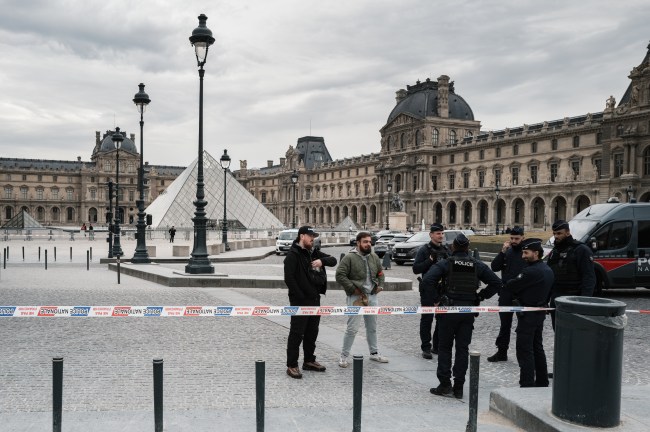
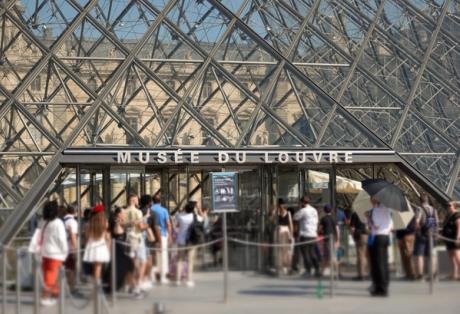
A French parliamentary commission released a report on May 13 detailing severe security deficiencies in French museums, following a December 2025 heist at the Louvre where French Crown Jewels worth $100 million were stolen. The report, overseen by MPs Alexis Corbière and Alexandre Portier, draws on over 20 hearings and highlights that only 25% of surveyed museums have a finalized security plan, with the Louvre itself criticized for dilapidated conditions and ignored audit warnings from 2017 and 2019 that predicted the thieves' modus operandi. Former Louvre director Laurence des Cars, who resigned in February, faced criticism for delays in implementing a security master plan.

Metropolitan Museum receives $23m to endow internship programme

On 30 April, the Metropolitan Museum of Art announced a $23m pledge from the Rubio Butterfield Foundation, led by newly elected trustee Jennifer Rubio and her husband Stewart Butterfield, to permanently endow the museum's internship program. The internships, offered for nearly 30 years with 100 participants annually, have only been paid since 2021. The article also explores broader trends in museum philanthropy, featuring insights from former directors Gary Vikan, Gary Tinterow, and Maxwell Anderson on how donors are often guided to fund endowments for curatorial positions, operations, or awards rather than art acquisitions.

Giuli Buys Everything! The Ministry of Culture Also Wants to Take Over Rome's Teatro delle Vittorie and Venice's Palazzo Labia?

Giuli compra tutto! Il Ministero della Cultura vuole prendersi anche Il Teatro delle Vittorie di Roma e Palazzo Labia a Venezia?

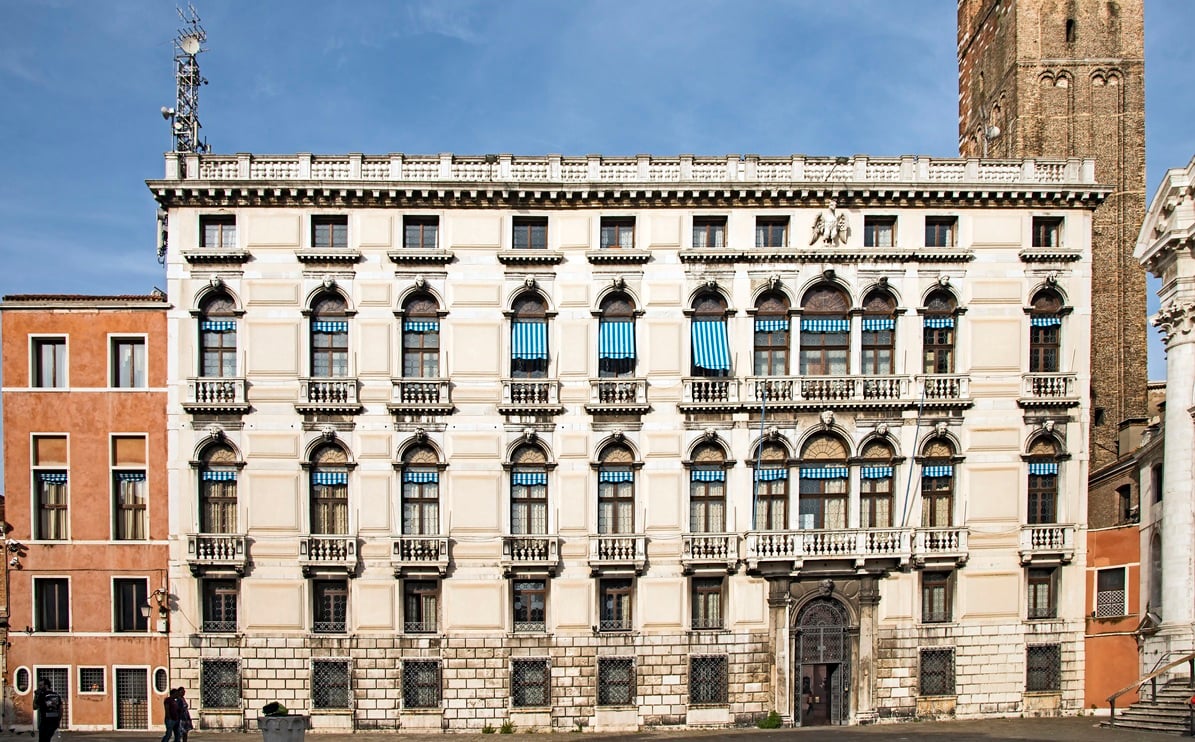
Italian Minister of Culture Alessandro Giuli is pursuing an aggressive acquisition campaign for cultural properties. After high-profile purchases including Antonello da Messina's *Ecce Homo* and Caravaggio's *Portrait of Monsignor Maffeo Barberini* (€30 million), the Ministry has now expressed interest in acquiring Rome's Teatro delle Vittorie and Venice's Palazzo Labia—both part of a real estate portfolio being sold by state broadcaster Rai. The Ministry also recently bought Verona's historic Cinema Astra (with a €7.5 million restoration plan) and Naples' Teatro Sannazzaro after a fire.

"Geschichtspolitisch fatal und realitätsblind"

A German media roundup reports on a planned restructuring of the Stiftung Flucht, Vertreibung, Versöhnung (Foundation Flight, Expulsion, Reconciliation), which would shift its focus toward German expellees and reduce the influence of the Federal Government Commissioner for Culture and the Media. The reform, criticized by FAZ commentator Andreas Kilb as a fundamental cultural-political intervention, would detach the foundation from the German Historical Museum and give greater weight to the Federation of Expellees in its board. Separately, the roundup covers a review of a legal study on artistic freedom sparked by the antisemitism debate around Documenta Fifteen, and a speech by Culture Minister Wolfram Weimer warning of democratic backsliding and rising antisemitism.

Meloni takes control of Italian museums

Meloni reprend en main les musées italiens

Italy’s culture ministry under Prime Minister Giorgia Meloni has appointed 14 new directors for so-called “second-tier” museums, reinforcing a shift away from the international “super-director” model introduced by the 2014 Franceschini reform. All appointees are Italian except for French director Axel Hémery, who was reappointed at the Pinacoteca di Siena due to his strong performance. The move follows the earlier ousting of foreign directors at top-tier museums, with only two foreign-born directors—Eike Schmidt and Gabriel Zuchtriegel—remaining, both of whom hold Italian citizenship.

How the State Supports Provenance Research

Comment l’État soutient la recherche de provenance

The French Ministry of Culture has created two specialized missions to assist museums in researching the provenance of their collections, addressing looted artworks, human remains, colonial acquisitions, and illicit trafficking. The Mission for Research and Restitution of Looted Cultural Property (M2RS), established in 2019, focuses on Nazi-era spoliations (1933-1945) with a budget of €220,000 annually, while the newer Mission "Provenance," launched in 2024 under curator Catherine Chevillot, covers human remains, colonial-era objects, and illicit goods with a €450,000 budget. These missions provide expertise, funding, and coordination with institutions like the Commission for the Restitution of Property and Compensation of Victims of Anti-Semitic Spoliation (CIVS), though most museums still only initiate provenance checks during acquisitions or donations.

Parliamentary report calls for major changes at French museums in the wake of Louvre heist

A French parliamentary report published on 13 May, following the October 19 heist of the crown jewels at the Louvre, issues a damning assessment of the country's museum security and management. The commission heard around 100 testimonies and examined some 2,000 museums, dedicating a special chapter to the Louvre. It blames former director Laurence des Cars's leadership for a "dysfunctional drift" that prioritized contemporary art interventions and fashion shows over basic infrastructure and collection protection, allowing the heist to occur. The report lists rising threats including riots, burglaries, cyberattacks (which forced the National Museum of Natural History in Paris to cancel an exhibition after a ransomware attack in July 2025), and terrorist plots. It proposes 40 recommendations, including raising budgets by an estimated €20–25 billion over a decade, enhancing staff training, and overhauling museum leadership.

America’s Museums Have a Building Problem

A new report from the Government Accountability Office, analyzed by The Art Newspaper, reveals that roughly 85 percent of American museums are dealing with deferred maintenance or major repair needs, and about 77 percent have at least one structural issue that could endanger their collections. Many of the country's 16,700 museums are small, under-resourced operations housed in aging or historic buildings, with half reporting over $100,000 in deferred maintenance. Basic repairs like roofs or HVAC systems can consume large portions of annual budgets, forcing some institutions to store artworks in makeshift spaces like garages or bathrooms.

Comment | Museums are civic institutions. It’s time we acted like it

Lindsay C. Harris, director of the Oakland Museum of California (OMCA), publishes a commentary calling for museums to act as true civic institutions. She outlines concrete internal commitments OMCA has made, including voluntarily recognizing a staff union, adopting a pay equity philosophy with a minimum wage of $30.88 per hour, implementing transparent financial practices, and shifting investments toward socially responsible funds. Externally, she advocates for centering community voices, building social cohesion through inclusive programming, and measuring institutional impact through visitor surveys.

Institutions Across the US to Benefit from Transformative $116 Million Gift to National Gallery

Billionaire collector and National Gallery of Art trustee Mitchell P. Rales has donated $116 million to the museum. The gift, the largest programming endowment in the institution's history, will fund the 'Across the Nation' initiative, which loans works from the National Gallery's permanent collection to small and midsize museums across the United States for two-year periods at no cost to the borrowing institutions.

Art Problems: WTF Is an A-Corp?

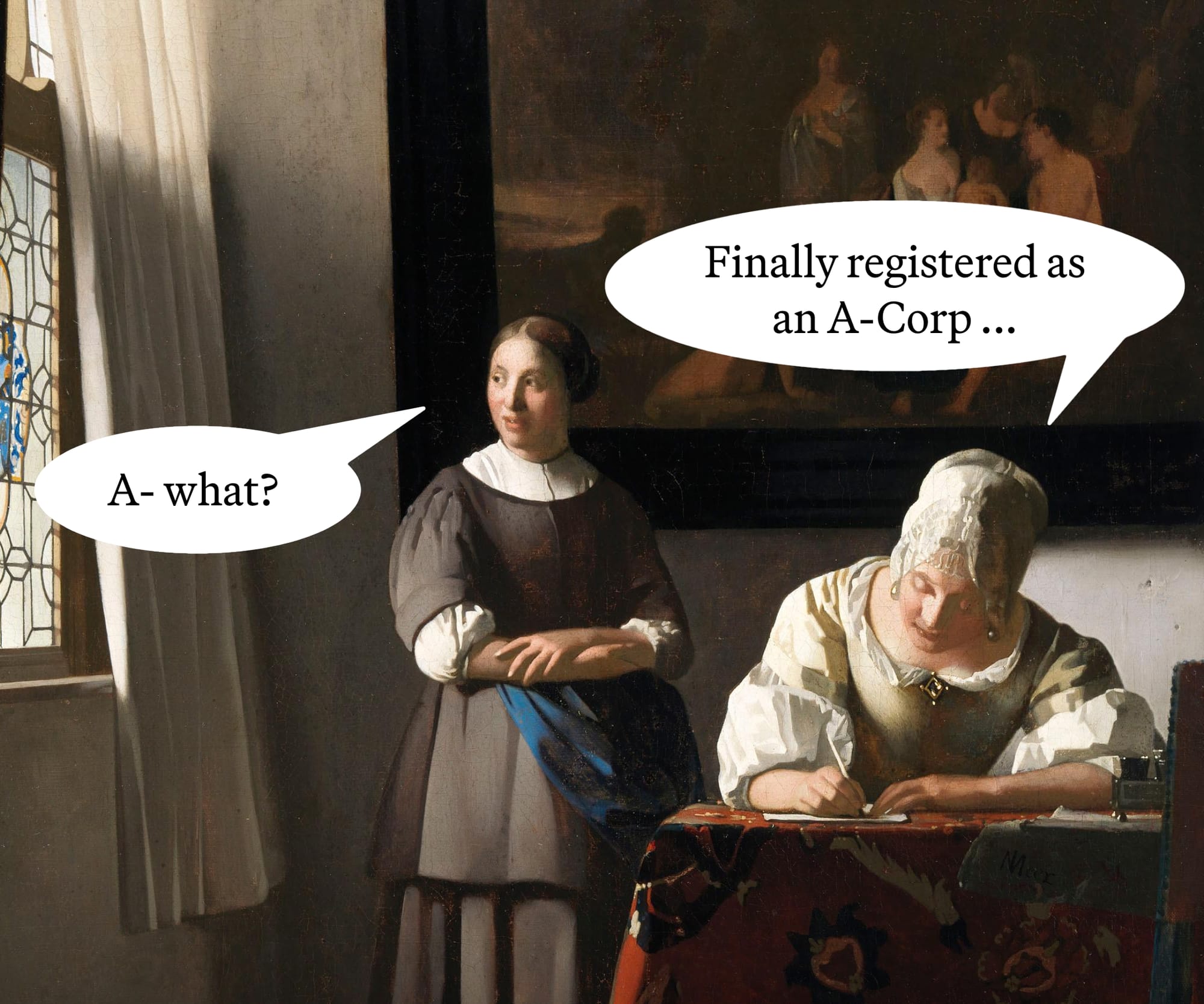
The article explains the concept of an Artist Corporation (A-Corp), a new business structure for artists introduced in a bill before the Colorado state legislature, originally proposed by entrepreneur Yancey Strickler. It allows artists to form a legally recognized business entity without hiring a lawyer, simply by filling out a form, and provides liability protection by separating personal assets from business assets. The bill is expected to reach the governor's desk by mid-May and be enacted within six months, with five or six other states, including New York, expressing interest.

Taiwan Strips National Prize from Sakuliu Pavavaljung After Sexual Assault Conviction

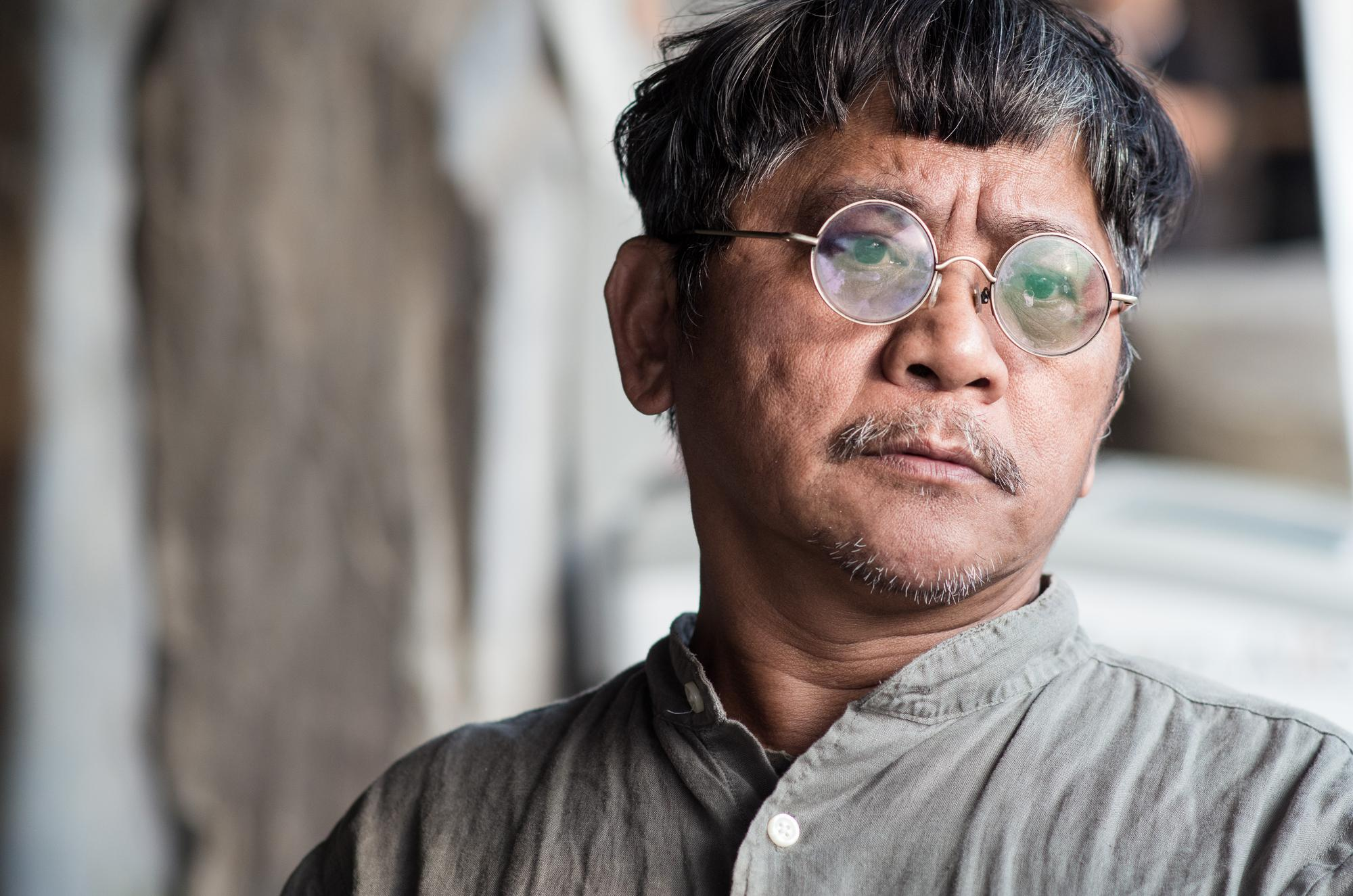
Taiwan’s National Culture and Arts Foundation has revoked the National Award for Arts from Indigenous Paiwan artist Sakuliu Pavavaljung, following his conviction for sexual assault. The Supreme Court upheld a four-and-a-half-year prison sentence for forcible sexual intercourse involving a female student in 2021. Pavavaljung, who received the award in 2018, must return the NTD 1 million prize. The case gained traction after artist Kuo Yu Ping disclosed it on social media in December 2021, leading to additional victims coming forward. His planned exhibition for Taiwan at the 59th Venice Biennale was canceled in 2022.

La loi sur les restitutions des biens culturels pillés pendant la colonisation définitivement adoptée

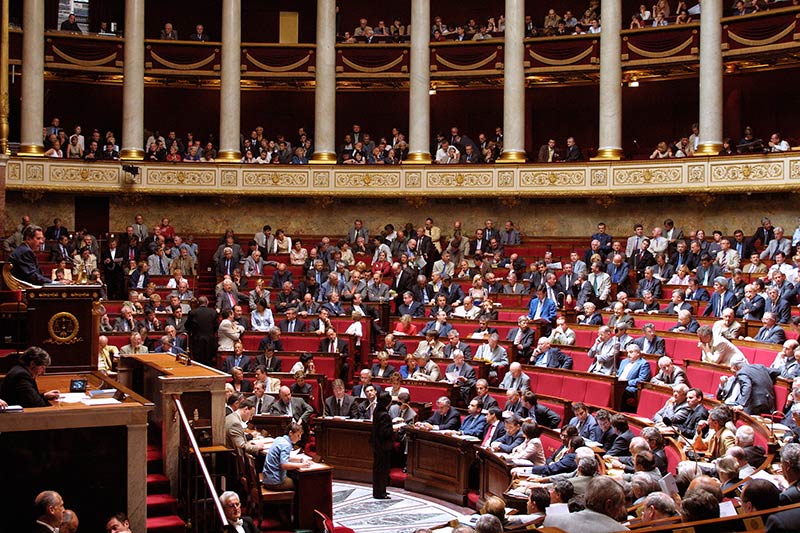
The French Parliament has definitively adopted a permanent law on the restitution of cultural property looted during colonization, replacing the previous case-by-case legislative approach. The Senate unanimously approved the final text on May 7, 2026, following agreement in a joint committee on April 30, and the National Assembly had approved it the day before. The law creates a general derogation from the principle of inalienability of public collections, establishing a bilateral scientific committee to examine provenance, with final decisions made by decree of the Council of State. Key amendments from the National Assembly—including binding parliamentary votes on restitution and conditions on conservation and public access—were removed by the joint committee to avoid perceptions of neocolonial tutelage.

La loi-cadre sur les restitutions définitivement adoptée par le Parlement

The French Parliament has definitively adopted a framework law on the restitution of cultural property that was illicitly acquired. The Senate unanimously approved the conclusions of the joint committee on May 7, following the National Assembly's approval on May 6, after an agreement was reached on April 30. The law establishes a general mechanism for returning objects from French public collections without requiring a specific law for each case, covering items acquired through looting, theft, forced sale, or other illicit means before the 1970 UNESCO Convention. It creates a permanent national commission and a bilateral scientific committee to assess claims, with restitution ultimately decided by government decree subject to legal review by the Council of State.

Why Italy's cultural wealth never really enters public accounts and budgets?

Perché la ricchezza culturale italiana non entra mai davvero nei conti e nei bilanci pubblici?

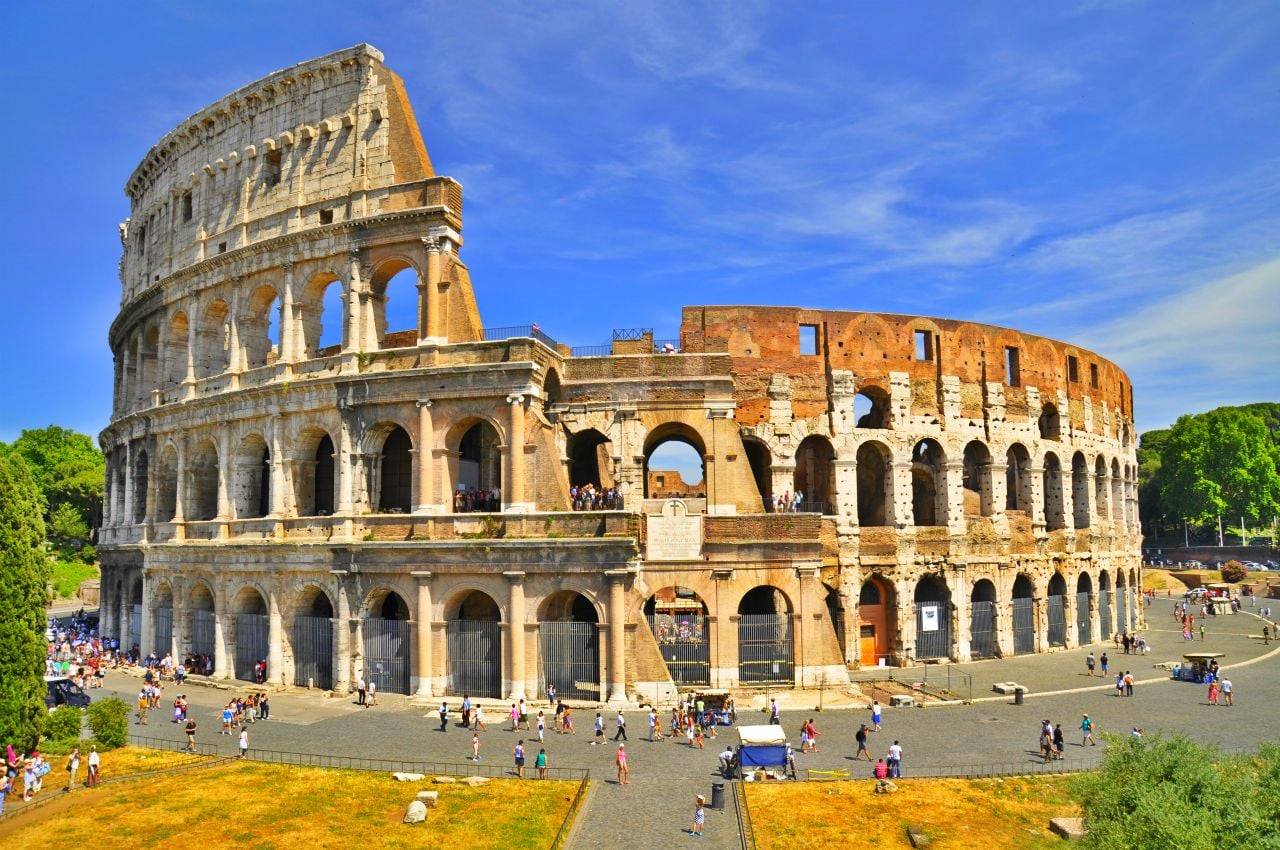
Italy has exceeded the European Commission's structural adjustment path by 0.1 percentage points of GDP, reopening fiscal scrutiny. Amid this debate, the article highlights a deeper issue: Italy's immense cultural heritage is drastically undervalued in public accounts. For example, the Pompeii Archaeological Park is recorded at just €48.9 million, the Colosseum at under €15 million, and the Uffizi at about €2 billion—figures based on outdated 2002 ministerial criteria that bear no relation to actual economic or cultural worth. The State General Accounting Office, with the University of Roma Tre and EU technical assistance, has proposed a new methodology to value cultural assets by discounting their future net financial flows, including direct revenues and indirect tourism-related returns.

Art can officially be a form of therapy. Interview with Undersecretary of Culture Lucia Borgonzoni, godmother of the project

L’arte può essere ufficialmente una forma di cura. Intervista al Sottosegretario alla Cultura Lucia Borgonzoni madrina del progetto

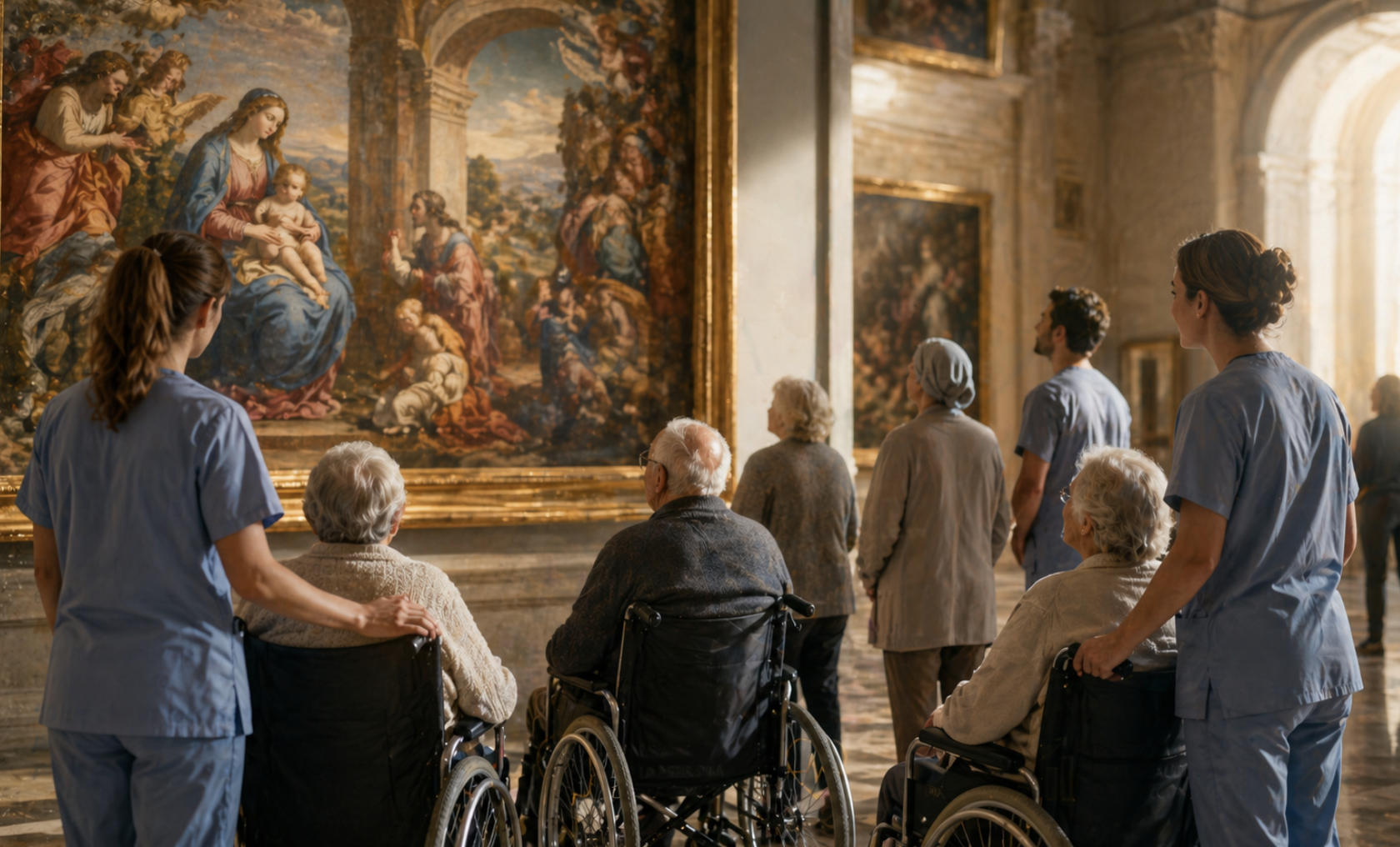
The Italian Ministry of Culture and Ministry of Health have signed a formal protocol recognizing art as a form of therapy and care. The agreement, championed by Undersecretary of State for Culture Lucia Borgonzoni, mandates that museums, libraries, archives, and cultural institutions play a central role in developing therapeutic pathways using art to improve individual and community well-being. Borgonzoni, who has advocated for this initiative for nearly a decade, traces its origin to a 2018 study at the Sanctuary of Vicoforte that measured cortisol levels in visitors before and after viewing frescoes, showing significant stress reduction.

Future cultural professionals in Africa will be trained by six Italian museums

I futuri professionisti della cultura in Africa saranno formati da sei musei italiani

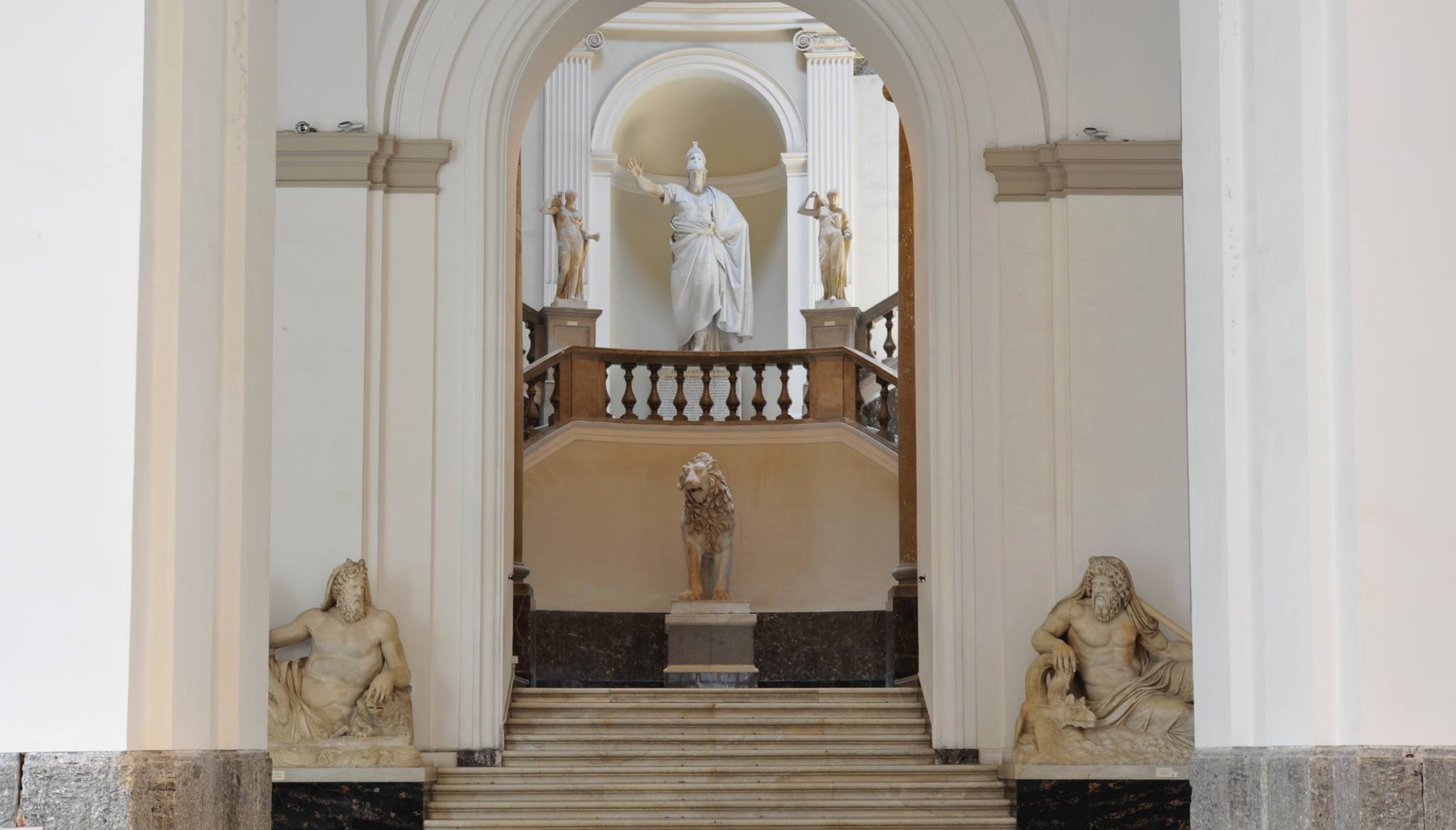
The fourth edition of the International School of Cultural Heritage (Scuola Internazionale del Patrimonio Culturale) is underway, with 23 cultural professionals from 12 African nations participating in a hands-on training program hosted by six Italian museums. After online modules and a week of lectures in Rome, the residential phase runs from April 27 to May 22, 2025, placing participants at the Museo delle Civiltà (MUCIV), the Archaeological Parks of Praeneste and Gabii, the National Archaeological Museum of Taranto (MArTA), the National Archaeological Museum of Naples (MANN), the National Archaeological Museum of Reggio Calabria (MArRC), and the National Archaeological Museum of Agro Falisco and Forte Sangallo in Civita Castellana. The program, titled "Managing Art Collections: from ancient to contemporary," focuses on collection management, conservation, and public programming, linking archaeological heritage with contemporary practices.

Two Visitors’ Lions have been established for the Biennale Arte 2026

La Biennale di Venezia has announced the establishment of two Visitors' Lions for the 61st International Art Exhibition, following the resignation of the International Jury appointed by curator Koyo Kouoh. The awards ceremony, originally scheduled for May 9, has been moved to November 22, the final public day, echoing a similar shift during the 2021 Architecture Exhibition due to COVID-19. The Visitors' Lions will be voted on by ticket holders who visit both exhibition venues between May 9 and November 22, with one award for the Best Participant in the exhibition "In Minor Keys" by Koyo Kouoh and another for the Best National Participation.

Hamburg Culture Prize No Longer Named After Biermann-Ratjen

Hamburger Kulturpreis heißt nicht mehr nach Biermann-Ratjen

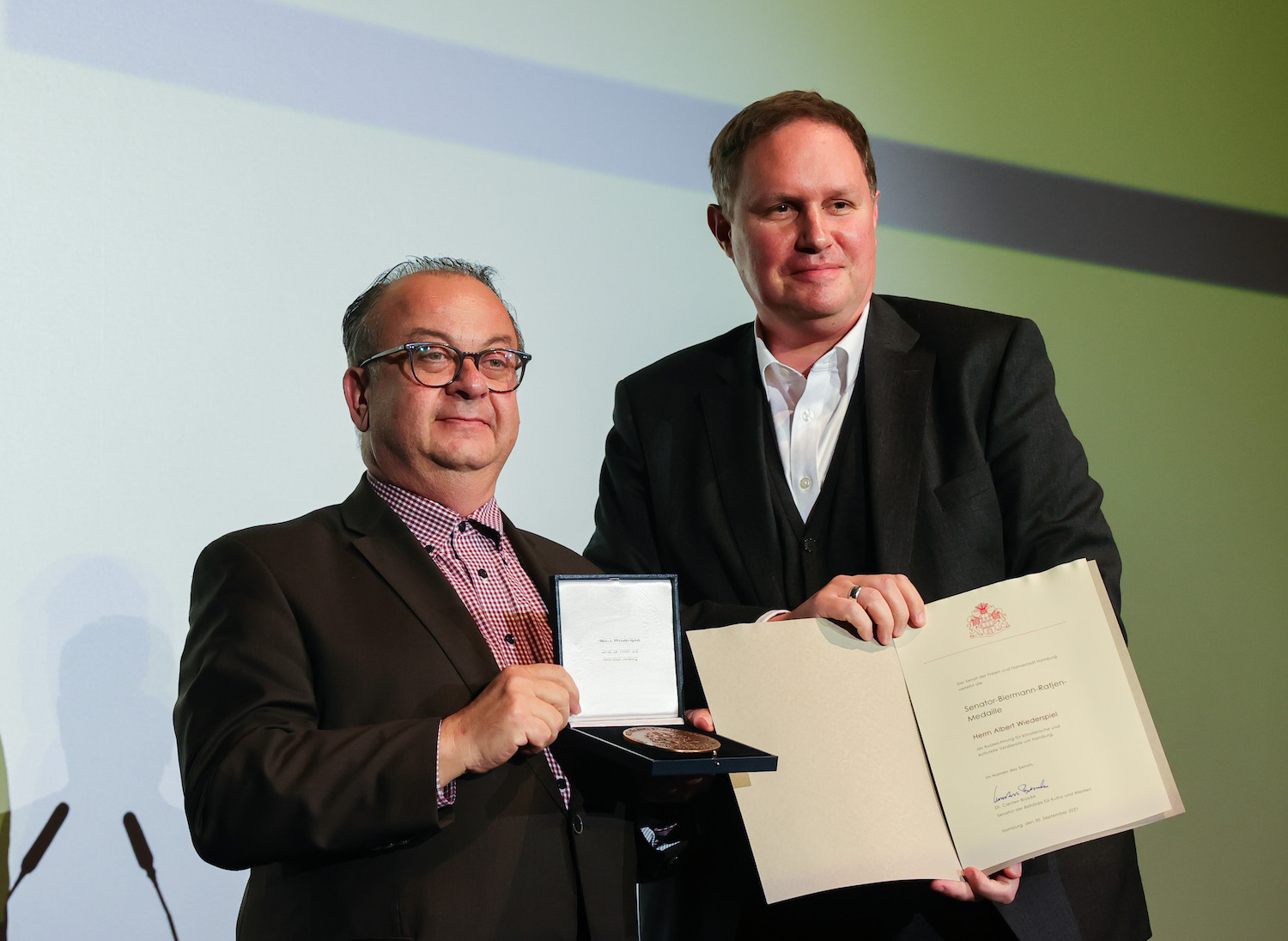
The Hamburg Senate has renamed the Senator-Biermann-Ratjen Medal, a prestigious cultural award, to the "Medaille für Kunst und Kultur in Hamburg" (Medal for Art and Culture in Hamburg). The decision follows a 2024 review of historical records revealing that Hans Harder Biermann-Ratjen (1901–1969), the former culture senator for whom the medal was named, was a member of the Nazi Party (NSDAP). Historian Helmut Stubbe da Luz presented evidence in June 2024 that Biermann-Ratjen had disclosed his NSDAP membership in a 1943 application to the Reich Literature Chamber when seeking to publish a novel.

A U.S. agency that funds culture wins a judicial reprieve

Une agence américaine qui finance la culture gagne un répit judiciaire

A U.S. federal court has blocked the Trump administration's attempt to cut funding for the Institute of Museum and Library Services (IMLS), a key agency supporting museums and libraries nationwide. The lawsuit was brought by the American Library Association (ALA) and the AFSCME union, with support from the legal organization Democracy Forward, arguing that the executive branch cannot unilaterally reduce programs authorized by Congress. The ruling temporarily halts the funding reductions, which were part of broader efforts to slash federal cultural spending during Donald Trump's second term.

L’offre de formation se développe

French art training institutions are expanding their curricula to include provenance research, responding to a 2022 government report that identified gaps in conservator education. The Institut national du patrimoine (INP) now offers seminars on Nazi-era spoliation (1933-1945) and has added a five-day provenance research module for external competition students since 2024-2025. Paris-Nanterre University launched a master's-level diploma in 2022 covering legal, historical, and methodological aspects of provenance research. The École du Louvre now offers a specialized master's in "sensitive goods and provenance research" addressing spoliated works, human remains, colonial acquisitions, and illicit trafficking, while also integrating provenance methodology into its general curriculum from master's level one.

Venice Biennale jury excludes Russia and Israel from artist awards as EU threatens funding cut

The Venice Biennale jury has excluded Russia and Israel from eligibility for artist awards, following the EU's threat to cut funding over geopolitical concerns. The decision bars artists from these countries from being considered for official prizes at the prestigious international art exhibition.

A new certification has been created to improve the management and valorization of Italian cultural heritage

È nata una nuova certificazione per migliorare gestione e valorizzazione del patrimonio culturale italiano

A new certification standard called SGPI01:2024 has been launched in Italy to improve the management and valorization of cultural heritage. Developed by Certiquality and the Stati Generali del Patrimonio Italiano (SGPI), the standard was presented in Florence at Palazzo Guadagni Strozzi Sacrati, with the patronage of the Tuscany Region. It applies to all public and private entities that own or manage cultural and landscape assets, introducing a comprehensive management system that goes beyond legal compliance, focusing on conservation, economic sustainability, accessibility, and safety through independent third-party audits.