filter_list Showing 10 results for "Stephen" close Clear
search
dashboard All 402 museum exhibitions 173trending_up market 62article local 42article news 38article culture 37person people 14candle obituary 11article policy 10rate_review review 10article event 3gavel restitution 2
date_range Range Today This Week This Month All
Subscribe

collectors donate art england taxes degas bill brandt

Arts Council England announced the results of the 2024-25 Cultural Gifts Scheme and Acceptance in Lieu initiatives, through which 32 artworks valued at nearly $80 million entered public collections. Highlights include Edgar Degas's pastel *Danseuses roses* (ca. 1897–1901) donated to the National Gallery, paintings by Max Liebermann and Max Pechstein given to the Ashmolean Museum, a historic desk used by Prime Ministers Benjamin Disraeli and Winston Churchill acquired by the National Trust, and 77 photographs by Bill Brandt donated to Tate. The report covers transfers from April 2024 to March 2025.

A Think Tank and a Foundation Team Up On $1 M. in Accelerator Grants for Museum and Performing Arts Leaders—Timothée Chalamet Be Damned

A think tank and a philanthropic foundation have launched a $1 million accelerator grant program for museum and performing arts leaders. The initiative, a partnership between Remuseum (an initiative of Crystal Bridges Museum) and the Doris Duke Foundation, will award up to ten $100,000 grants and provide a year-long residency program to help leaders develop innovative strategies to boost relevance and financial stability.

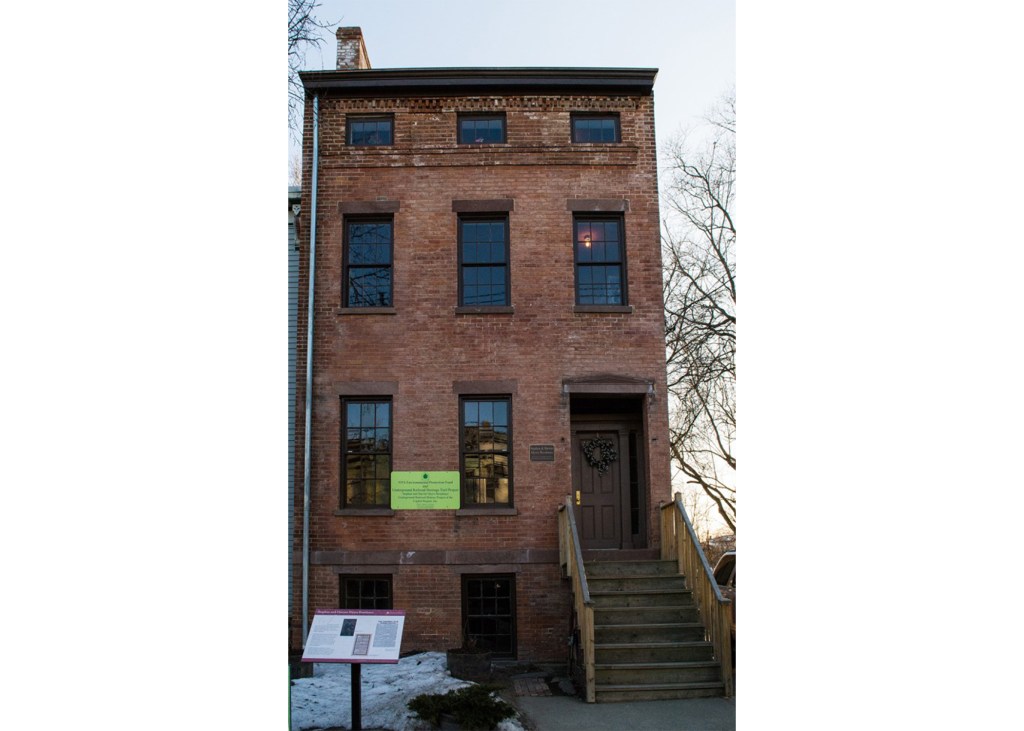
underground railroad museum sues trump administration

The Underground Railroad Education Center (UREC) in Albany, New York, has filed a lawsuit against the National Endowment for the Humanities (NEH) following the cancellation of a $250,000 grant. The legal action, filed in the US District Court for the Northern District of New York, alleges that the funding was revoked based on race and as part of a broader federal effort to dismantle diversity, equity, and inclusion (DEI) initiatives. The center claims this cancellation violates its First and Fifth Amendment rights.

More US artists forced to pay for their own shows as museum and culture budgets shrink

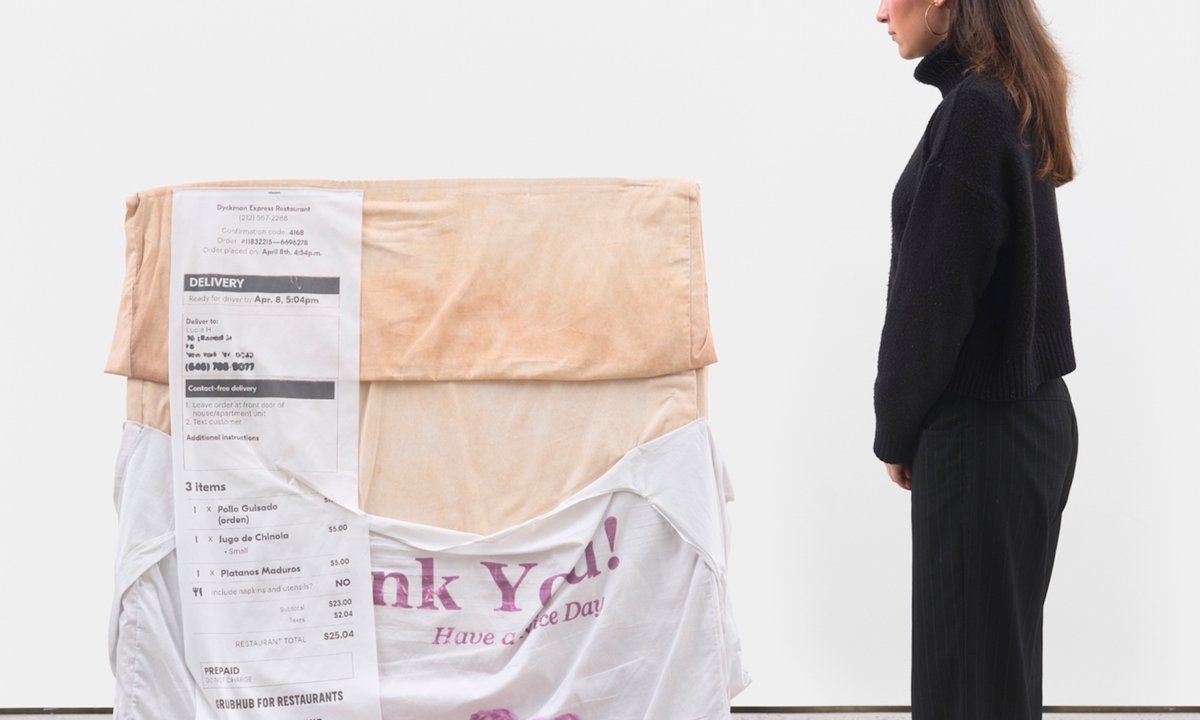
The article reports that U.S. artists like Lucia Hierro are increasingly forced to pay for their own museum exhibitions and public commissions as institutional budgets shrink. Hierro’s ambitious installation centered on a 7.5-foot monobloc chair required $35,000–$40,000 for fabrication alone, far exceeding what the commissioning institution could provide. The project moved forward only after support from her gallerist and a new fund from Miami-based nonprofit Fountainhead Arts, which received 96 applications requesting $1.8 million—14 times its available $125,000 in grants. The article highlights that even artists selected for the Venice Biennale face such funding gaps.

Is This the Breaking Point for Museums?

Museums across the West are facing a severe funding crisis as governments slash public support. In the U.S., President Donald Trump’s deep cuts to the National Endowment for the Arts (NEA), National Endowment for the Humanities (NEH), and the Institute for Museum and Library Services (IMLS) have resulted in hundreds of millions of dollars in lost funding, while stock market volatility and increased endowment taxes further strain budgets. In Europe, Berlin cut €130 million from cultural funding in December 2024, and other countries face similar pressures, forcing museums to confront dwindling subsidies and shifting philanthropy.

art and wellness world health organization

The World Health Organization (WHO), Jameel Arts & Health Lab, and The Lancet have launched a global series of research papers and commissions titled the Lancet Global Series on the Health Benefits of the Arts, aimed at providing scientific evidence for the role of art in promoting physical and mental health. The first article in the series, a photo essay—the first photo essay in The Lancet's 202-year history—features 32 photographs curated by Stephen Stapleton illustrating art integration in clinical and institutional settings, including a clown school at a refugee camp in Turkey and a project by street artist JR at a California prison.

AI Art Copyright Supreme Court Ruling

ai art copyright supreme court ruling

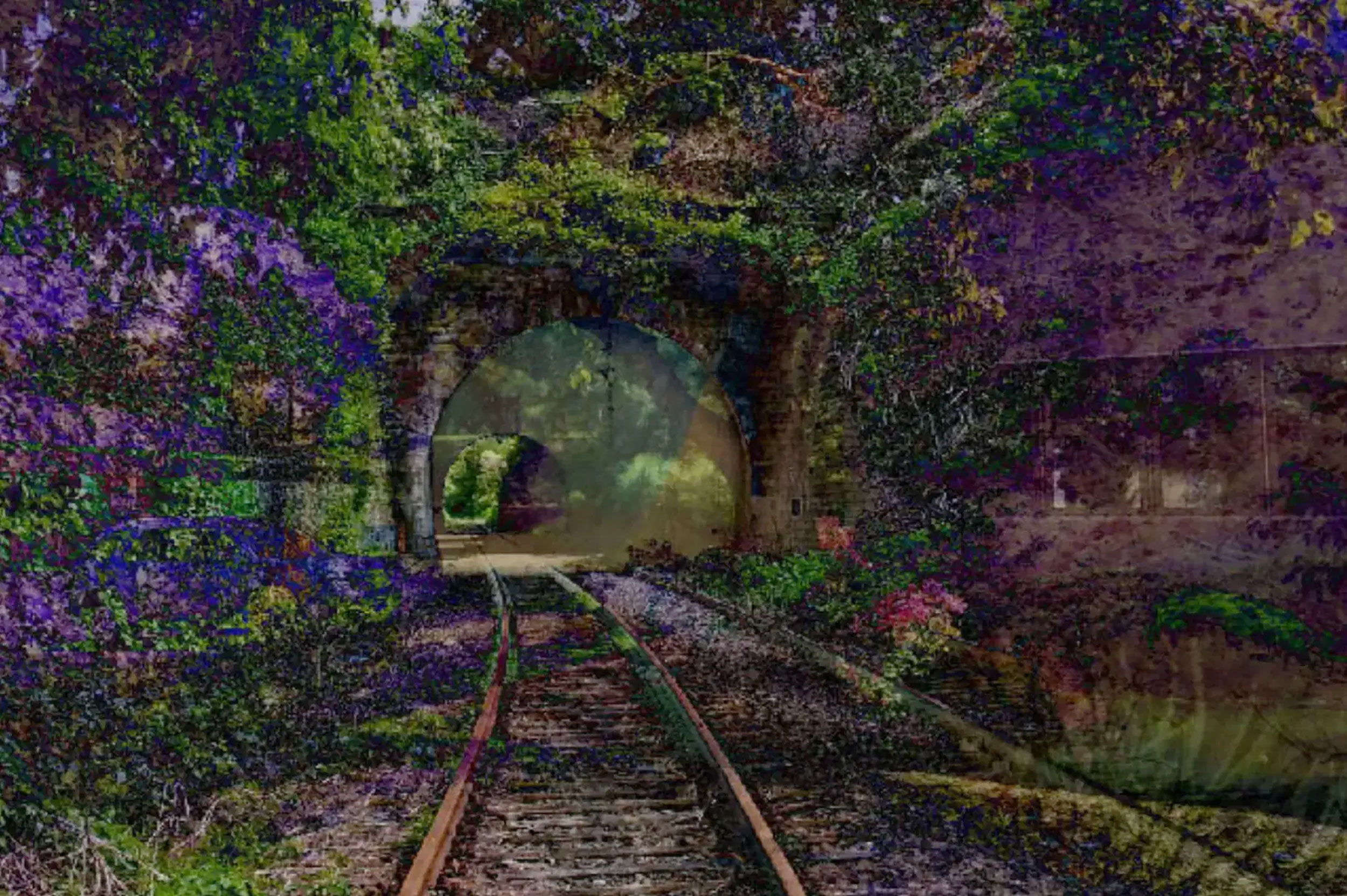
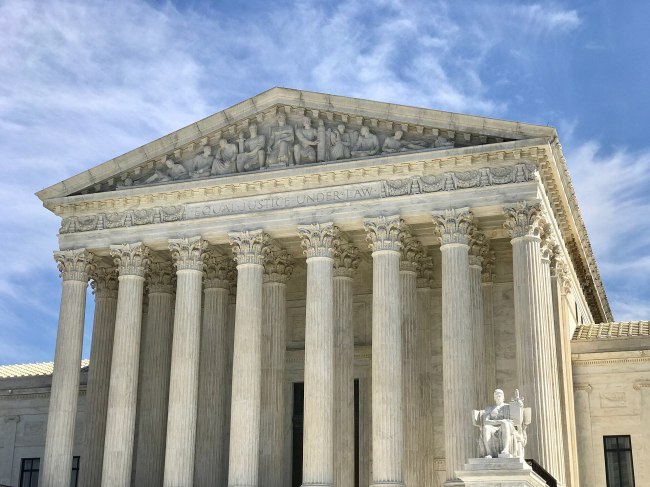
The U.S. Supreme Court has declined to hear an appeal from computer scientist Stephen Thaler, effectively upholding lower court rulings that AI-generated artwork cannot be copyrighted. The case centered on a 2012 digital work titled "A Recent Entrance to Paradise," which Thaler claimed was created autonomously by his AI system, DABUS. By refusing the case, the court leaves in place the U.S. Copyright Office's stance that copyright protection requires "traditional human authorship."

supreme court declines reconsider copyright case ai art

The US Supreme Court has declined to hear a case brought by computer scientist Stephen Thaler, who sought federal copyright protection for artwork created by his AI system, DABUS. This decision upholds lower court rulings that maintain human authorship as a "bedrock requirement" for copyright, effectively ending Thaler's multi-year legal battle to have his AI recognized as an independent creator of the work "A Recent Entrance to Paradise."

US Supreme Court Declines Appeal Hearing For Case On Copyrighting AI Artwork

The US Supreme Court declined to hear an appeal from computer scientist Stephen Thaler, who sought to copyright an artwork generated by his AI system, the Creativity Machine. This decision upholds a lower court ruling that affirmed the US Copyright Office's rejection, which was based on the requirement that a human being must be the author of a creative work for it to be eligible for copyright protection.

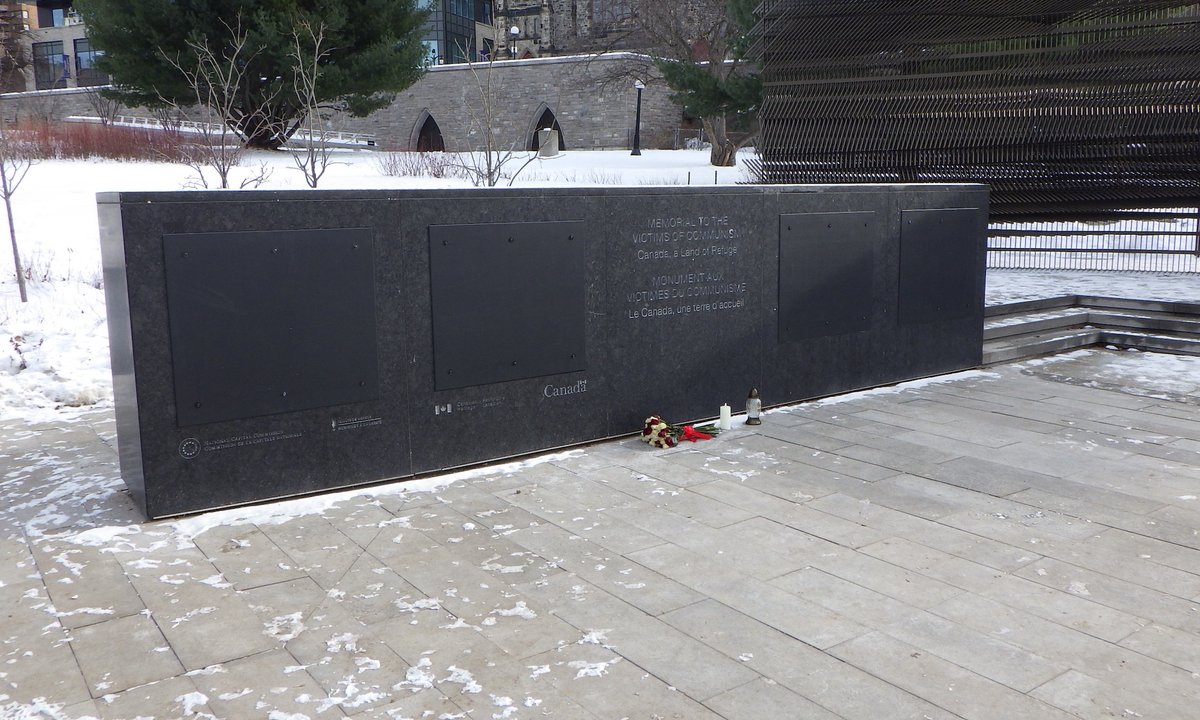
Following controversy, all names will be left off Canadian monument to ‘victims of communism’

Canada's monument to the victims of communism in Ottawa, officially opened a year ago, will no longer include individual names on its Wall of Remembrance after a federal government report revealed that many of the unvetted "victims" had ties to Nazi or fascist groups. Originally designed by architect Paul Raff to feature 553 entries, the Department of Canadian Heritage reversed its decision following alarms raised by Jewish groups and independent media outlets like Ricochet and The Maple, which found that more than half of the 550 names should be removed. The department stated that the wall will now feature only thematic content aligned with Canadian values of democracy and human rights.