filter_list Showing 9 results for "Tems" close Clear
search
dashboard All 240 museum exhibitions 147article local 30article news 17article culture 15trending_up market 10article policy 9gavel restitution 5rate_review review 4candle obituary 2person people 1
date_range Range Today This Week This Month All
Subscribe

La Tour Eiffel aux enchères

The French Senate has definitively adopted a law on the restitution of cultural property looted during the colonial period, marking a major legislative step in France's approach to colonial-era artifacts. The law establishes a legal framework for returning objects held in French public collections to their countries of origin, potentially affecting thousands of items in museums across the country.
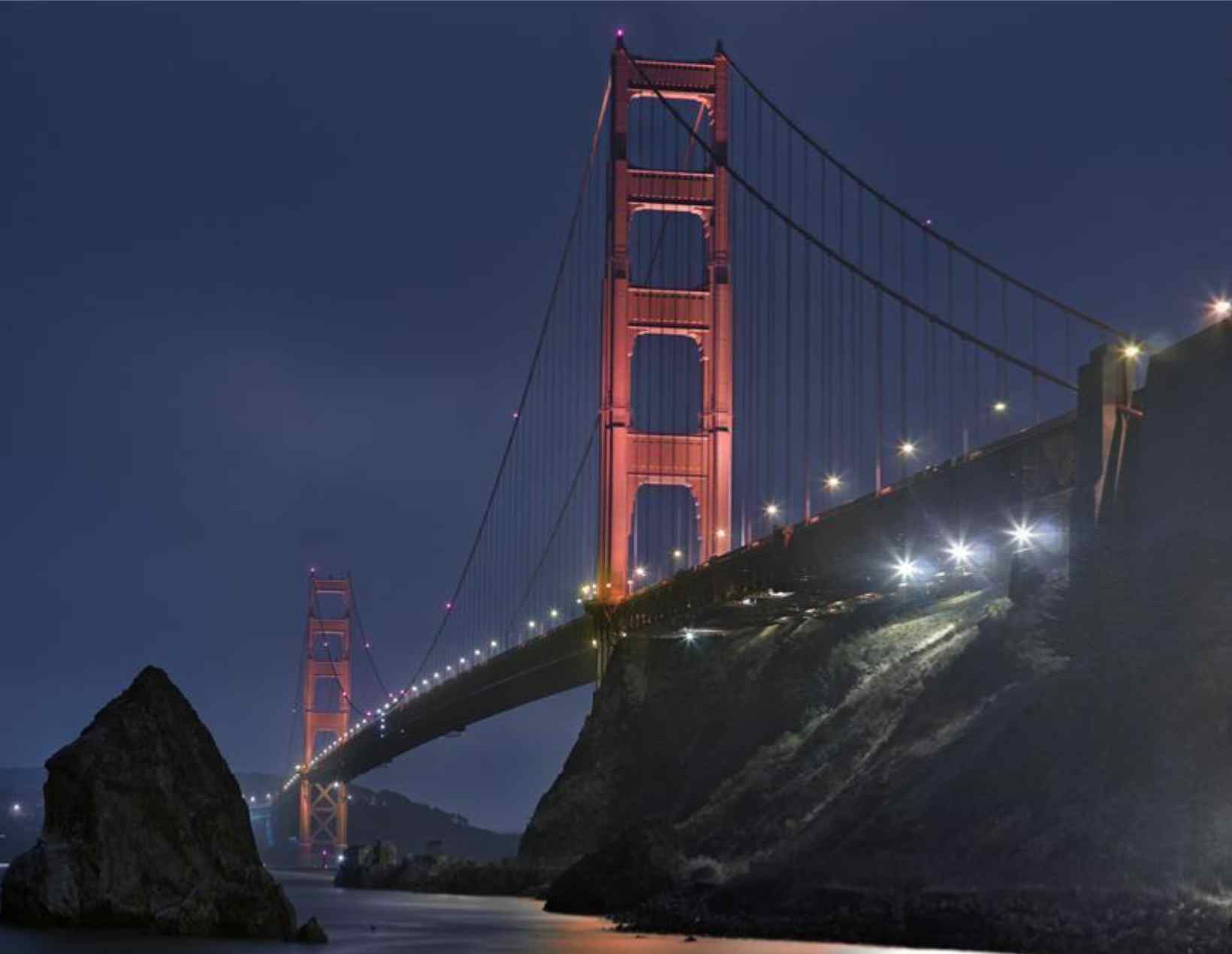
San Francisco announces its first-ever executive director of arts and culture.

Matthew Goudeau has been appointed as San Francisco's first-ever executive director of arts and culture, tasked with safeguarding the arts as a key part of the city's creative economy and identity. The appointment comes amid uncertain federal arts funding, but local arts funding in San Francisco is projected to increase this year under Mayor Daniel Lurie's leadership.

America’s Museums Have a Building Problem

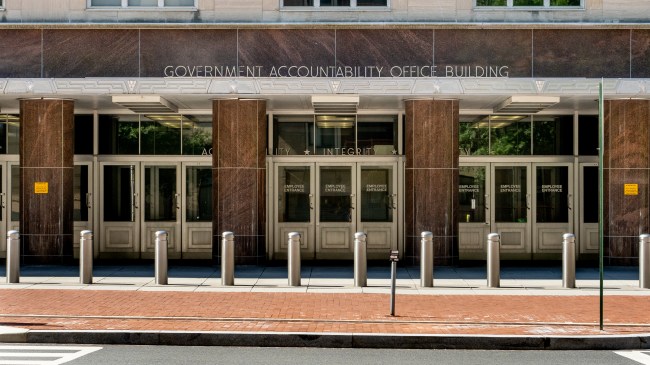
A new report from the Government Accountability Office, analyzed by The Art Newspaper, reveals that roughly 85 percent of American museums are dealing with deferred maintenance or major repair needs, and about 77 percent have at least one structural issue that could endanger their collections. Many of the country's 16,700 museums are small, under-resourced operations housed in aging or historic buildings, with half reporting over $100,000 in deferred maintenance. Basic repairs like roofs or HVAC systems can consume large portions of annual budgets, forcing some institutions to store artworks in makeshift spaces like garages or bathrooms.

No money, more problems: 85% of US museums in urgent need of building repairs

A recent survey by the US Government Accountability Office (GAO) found that approximately 85% of US museums face a costly backlog of maintenance or building repairs, with 77% having at least one structural issue that puts their collections at risk. Based on a survey of around 300 museums and 17 site visits, the report reveals that institutions across the country struggle to keep buildings updated and safe due to a lack of funding, with challenges especially pronounced in rural and remote locations where shipping materials and finding skilled workers is prohibitively expensive. Many museums are housed in historic homes or sites that are part of their collections, adding further complexity, and smaller museums often lack the budget to address major problems like new roofs or HVAC systems.

85% of All US Museums Need Repairs, Study Finds

A March survey by the US Government Accountability Office (GAO) found that 85% of all US museums need repairs, with 77% having at least one structural issue endangering their collections. Federal funding does not cover construction-related expenses, and 73% of the roughly 11,900 museums surveyed reported building system or facility problems posing health or safety risks. The American Alliance of Museums noted the data aligns with years of reports from museums struggling with aging infrastructure and unpredictable funding.

Five Scottish museum collections awarded national significance status

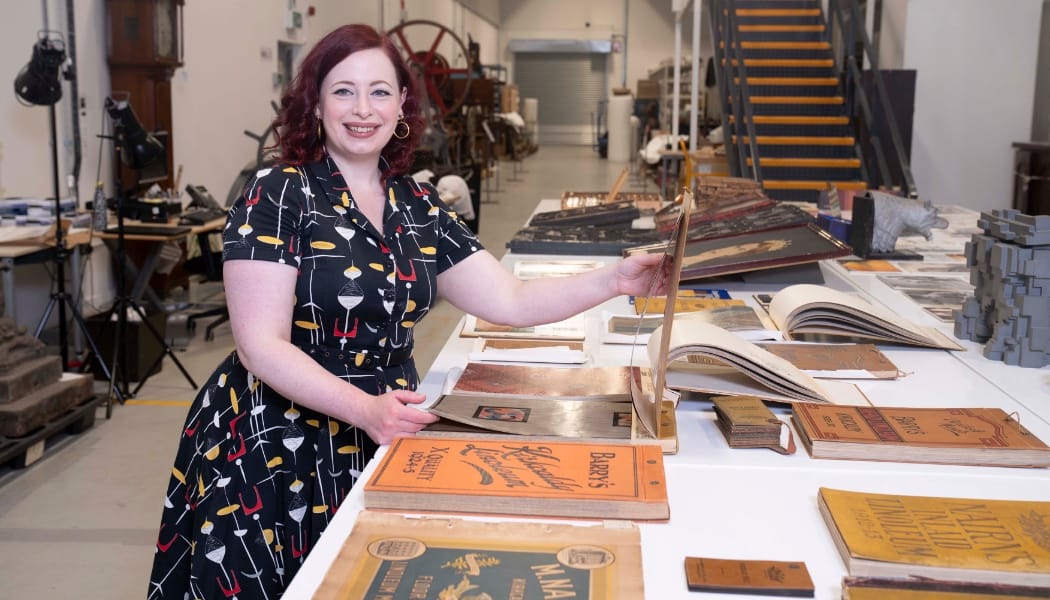
Five museum collections in Scotland have been awarded national significance status on International Museum Day, bringing the total number of recognized collections in Scotland to 56. The newly designated collections are the Linoleum Collection (managed by OnFife), the Photographic Collection (University of St Andrews), the Duncan of Jordanstone College of Art & Design Collection (University of Dundee Museums), the Oakbank Collection (Scottish Crannog Centre), and the Art Collection (University of Stirling). The Recognition Scheme, managed by Museums Galleries Scotland, highlights collections beyond those held in national museums and galleries, spanning from Shetland to Dumfries and Galloway.

La loi-cadre sur les restitutions définitivement adoptée par le Parlement

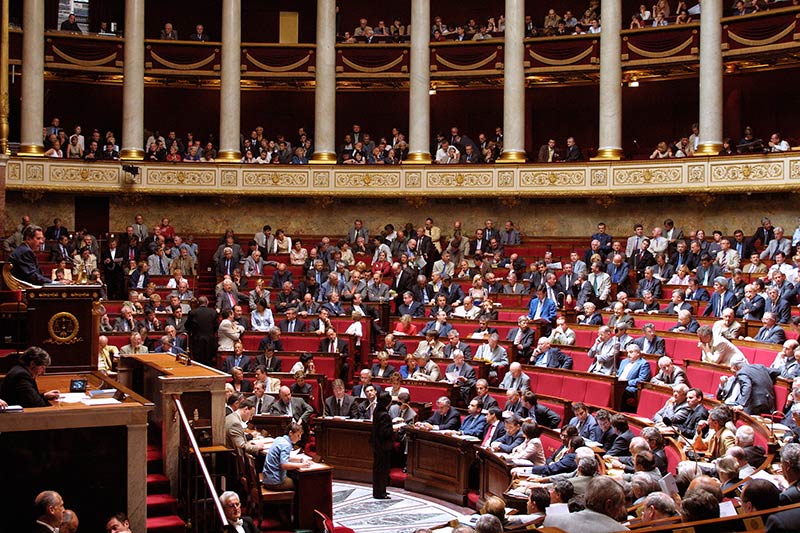
The French Parliament has definitively adopted a framework law on the restitution of cultural property that was illicitly acquired. The Senate unanimously approved the conclusions of the joint committee on May 7, following the National Assembly's approval on May 6, after an agreement was reached on April 30. The law establishes a general mechanism for returning objects from French public collections without requiring a specific law for each case, covering items acquired through looting, theft, forced sale, or other illicit means before the 1970 UNESCO Convention. It creates a permanent national commission and a bilateral scientific committee to assess claims, with restitution ultimately decided by government decree subject to legal review by the Council of State.

Carnegie Museums $500 million campaign will fund projects at all 4 museums

The Carnegie Museums of Pittsburgh have launched a $500 million comprehensive campaign, the largest in their history, to fund capital projects across all four of their institutions: the Carnegie Museum of Art, Carnegie Museum of Natural History, Carnegie Science Center, and The Andy Warhol Museum. The campaign, which has already raised $325 million, will support renovations, new exhibitions, and expanded educational programming, including a major overhaul of the Carnegie Museum of Natural History's dinosaur hall and a new wing for the Carnegie Museum of Art.

NRW will Verbot für Handel mit Holocaust-Dokumenten

The German state of North Rhine-Westphalia (NRW) is introducing a legislative bill to ban the commercial trade of personal Holocaust documents and artifacts, such as letters from concentration camps, Gestapo cards, and yellow stars. The initiative follows international outrage over a planned auction in Neuss in November 2025, which was halted at the last moment; around 460 objects from that auction were transferred to the Auschwitz-Birkenau Foundation. The bill, to be presented at the Bundesrat session on May 8, aims to prohibit the sale of items directly linked to Nazi victims, while exempting museums, archives, and research institutions.