filter_list Showing 34 results for "Tems" close Clear
search
dashboard All 874 museum exhibitions 376article news 123article local 103trending_up market 84article culture 63gavel restitution 48article policy 34person people 20rate_review review 12candle obituary 9article museums & heritage 1article museum 1
date_range Range Today This Week This Month All
Subscribe

warhol foundation fall 2025 grants

The Andy Warhol Foundation for the Visual Arts has announced its Fall 2025 grant recipients, awarding over $4 million to 57 arts organizations across 17 states, Washington, D.C., and two international locations. Grantees range from established institutions like the Contemporary Arts Museum Houston and Independent Curators International to smaller artist-run spaces such as Mini Mart City Park in Seattle and Transformer in Washington, D.C. Twenty organizations are first-time recipients, including Path with Arts in Seattle and Access Gallery in Denver. Exhibition support covers solo shows for artists like Ching Ho Cheng, Gisela Colón, and Leilah Babirye, as well as group exhibitions such as “Telenovelas” at the Americas Society and the Counterpublic 2026 Triennial.
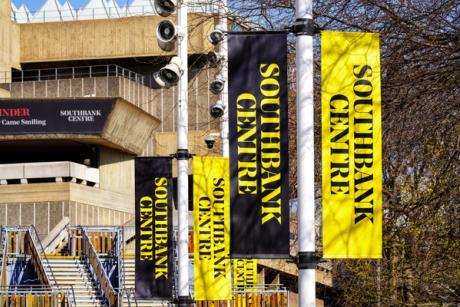
London's Southbank Centre to receive £10m government funding boost

The UK government has announced a £10 million funding boost for London’s Southbank Centre as part of a broader £128 million investment package for 130 cultural venues nationwide. Administered by Arts Council England, the grant is earmarked for urgent infrastructure repairs, including fixing leaking roofs and modernizing rigging systems, coinciding with the center's 75th anniversary. Other major beneficiaries of the Creative Foundations Fund include the Baltic Centre for Contemporary Art and Firstsite gallery.

louvre museum raises ticket prices for non european foreigners

The Louvre Museum board has voted to raise ticket prices by 45% for visitors outside the European Economic Area, effective January 14. The price will increase from €22 ($25) to €32 ($37), affecting tourists from the United States, Britain, and Russia. The move is part of a broader effort to fund infrastructure upgrades and security improvements following a high-profile heist in October in which thieves stole nine pieces of jewelry worth an estimated $102 million from the Apollo Gallery. The museum's director, Laurence des Cars, acknowledged that the institution has "very inadequate" and "outdated" security systems, and a full overhaul is not expected until 2032.

What If Every City Provided Artists With Free Supplies?

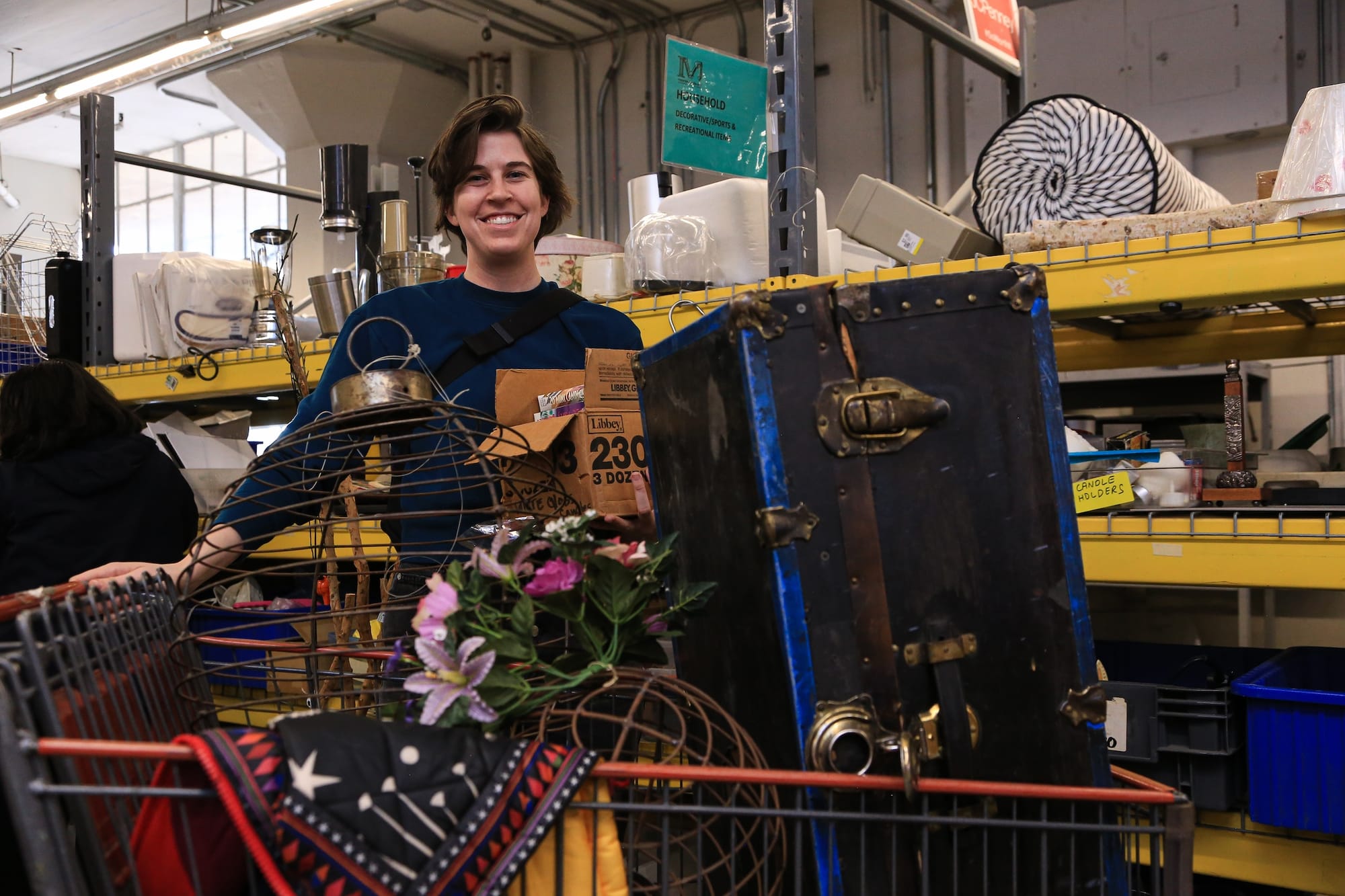
Materials for the Arts (MFTA), a program of the New York City Department of Cultural Affairs, provides free art supplies and tools to over 4,500 organizations, including public schools, nonprofits, and social justice groups. By diverting millions of pounds of materials from landfills—ranging from film production sets to high-end fabrics—the organization has reallocated over $40 million worth of goods to the creative community. The program's leadership is now advocating for an expansion of this model, envisioning dedicated reuse centers in every borough to meet the growing demand for accessible creative resources.

La Tour Eiffel aux enchères

The French Senate has definitively adopted a law on the restitution of cultural property looted during the colonial period, marking a major legislative step in France's approach to colonial-era artifacts. The law establishes a legal framework for returning objects held in French public collections to their countries of origin, potentially affecting thousands of items in museums across the country.

V&A Pulls Catalog Materials Due to Chinese Censorship Laws

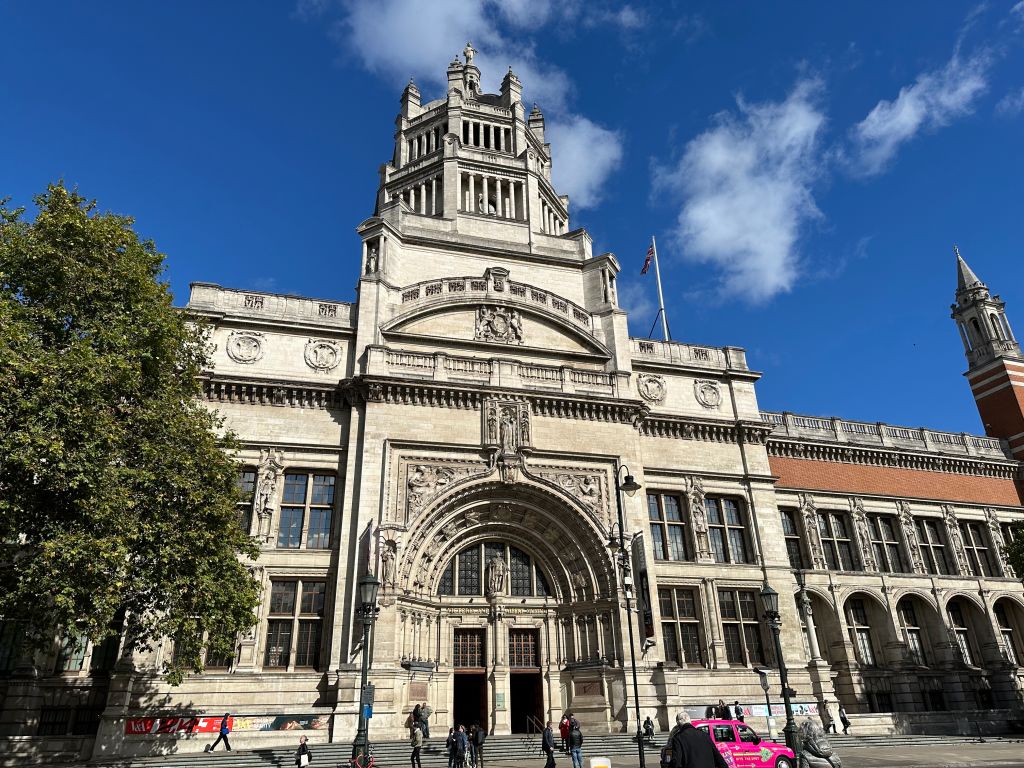
The Victoria and Albert Museum (V&A) in London has admitted to removing maps and images from two exhibition catalogs following censorship demands from a Chinese printing firm. Documents revealed that C&C Offset Printing flagged content in the catalogs for the exhibitions "Music Is Black" and "Fabergé: Romance to Revolution" as violating Chinese law. The censored items included a 1930s map of British trade routes and a photograph of Vladimir Lenin, which the printer claimed could not be produced under Beijing’s strict regulations.

San Francisco announces its first-ever executive director of arts and culture.

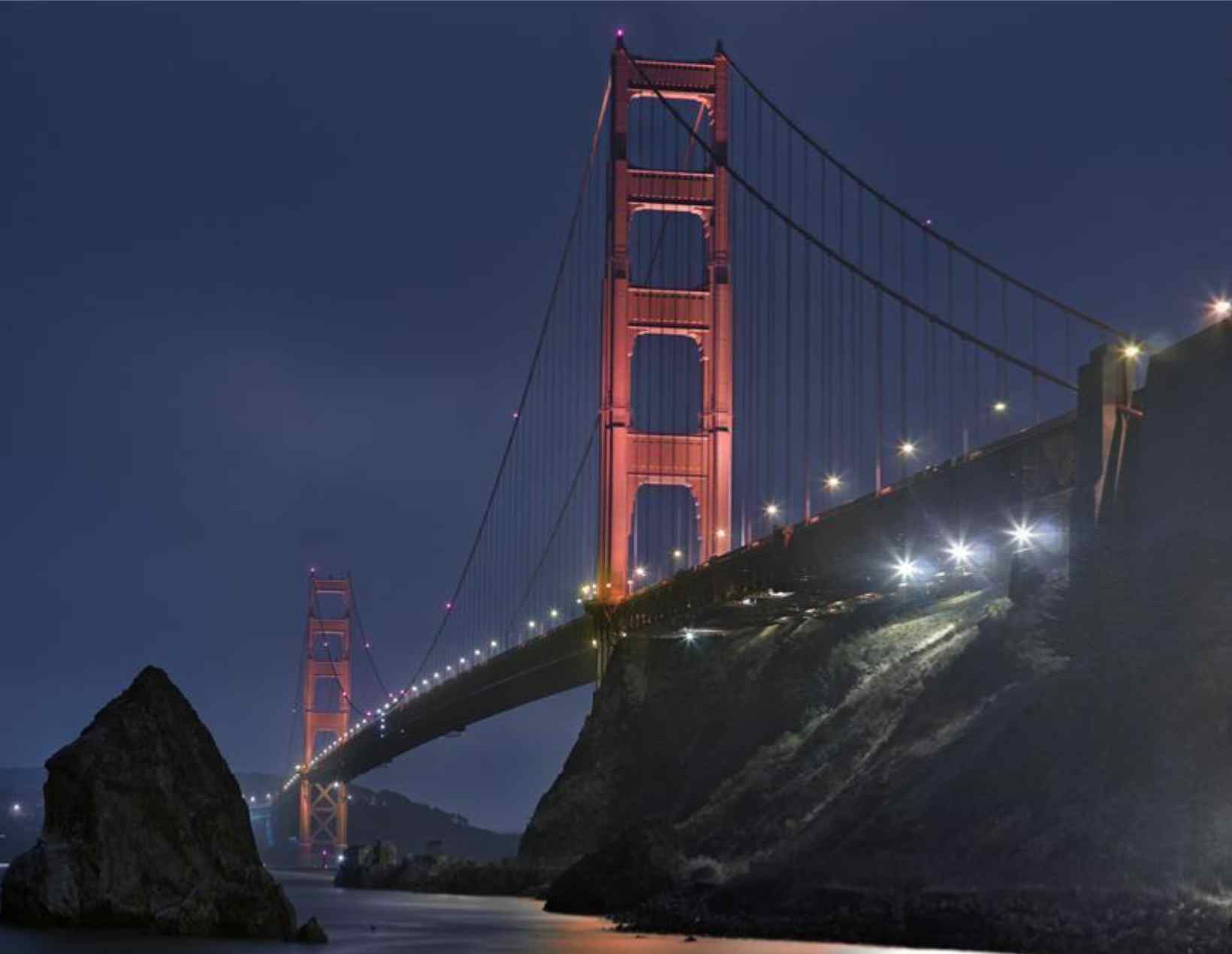
Matthew Goudeau has been appointed as San Francisco's first-ever executive director of arts and culture, tasked with safeguarding the arts as a key part of the city's creative economy and identity. The appointment comes amid uncertain federal arts funding, but local arts funding in San Francisco is projected to increase this year under Mayor Daniel Lurie's leadership.

Minneapolis Artists Respond to ICE, DHS After Killings of Renee Good and Alex Pretti

minneapolis artists against ice dhs renee good alex pretti

Federal immigration enforcement operations in Minneapolis, led by U.S. Customs and Border Protection and ICE under Operation Metro Surge, have resulted in the deaths of two American citizens, poet Renee Good and nurse Alex Pretti, near major art institutions. The violence and subsequent shelter-in-place orders have directly impacted the local arts community, forcing school closures, remote learning, and causing widespread fear.

An Old Man Whose Egoscentrism Knows No Bounds

"Ein alter Mann, dessen Ich-Sucht keine Grenzen kennt"

More than 30 current and former jury members of the Stiftung Kunstfonds have issued a formal protest against German Culture Minister Wolfram Weimer, accusing his office of political interference and intimidation. The controversy stems from reports that the ministry requested lists of all jury members across various art institutions and bypassed jury decisions to exclude specific recipients from awards based on intelligence service reports.

The Story of Art + Water

Author Dave Eggers and artist JD Beltran have launched Art + Water, a new initiative located at Pier 29 in San Francisco designed to bypass the traditional art school model. The program seeks to resurrect the historical artist-apprentice and atelier systems, providing students with practical skills and studio space without the prohibitive costs of modern higher education. By partnering with the Port of San Francisco and the Community Arts Stabilization Trust, the founders aim to revitalize the city's waterfront while offering a sustainable alternative to the current debt-heavy academic landscape.

London’s National Gallery to cut staff as it faces £8.2m deficit

London's National Gallery is implementing significant staff cuts and restructuring its operations to address a projected £8.2 million deficit for the 2026-27 financial year. The institution will first offer a voluntary exit scheme to its nearly 500 staff, with compulsory redundancies possible if savings are insufficient. The financial crisis stems from rising operational costs, stagnant income, and visitor numbers that have not fully recovered to pre-pandemic levels, despite a recent boost from a popular Van Gogh exhibition.

Trump administration puts renewed pressure on Smithsonian to turn over materials for review

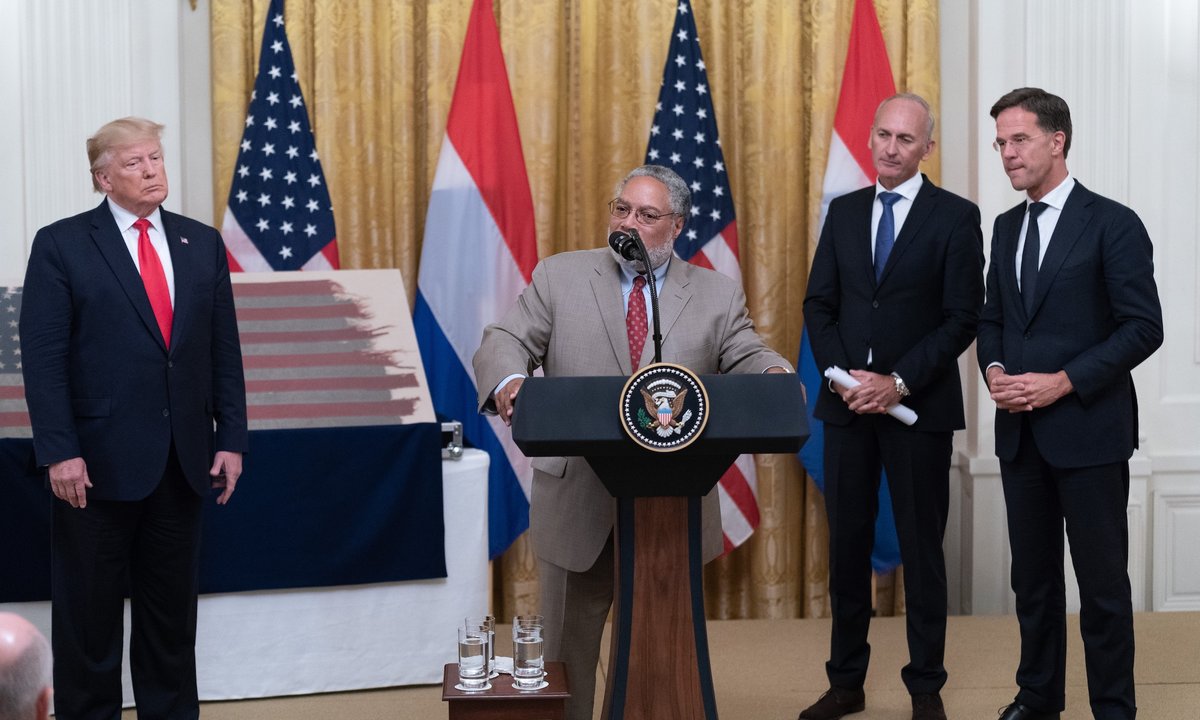
The Trump administration has given the Smithsonian Institution a deadline of January 13 to turn over materials related to a review of programming at eight of its museums, as outlined in a December 18 letter from White House officials Vince Haley and Russell Vought. The review stems from a March 2025 executive order titled "Restoring Truth and Sanity to American History," which accused the Smithsonian of promoting a "divisive, race-centered ideology." Smithsonian Secretary Lonnie Bunch noted that some requested materials are not readily available and will require significant effort to compile, while the American Alliance of Museums and the Association of Art Museum Directors have expressed confidence in the Smithsonian's commitment to professional standards.

Why ‘devastating’ climate control rules for museum collections need a rethink

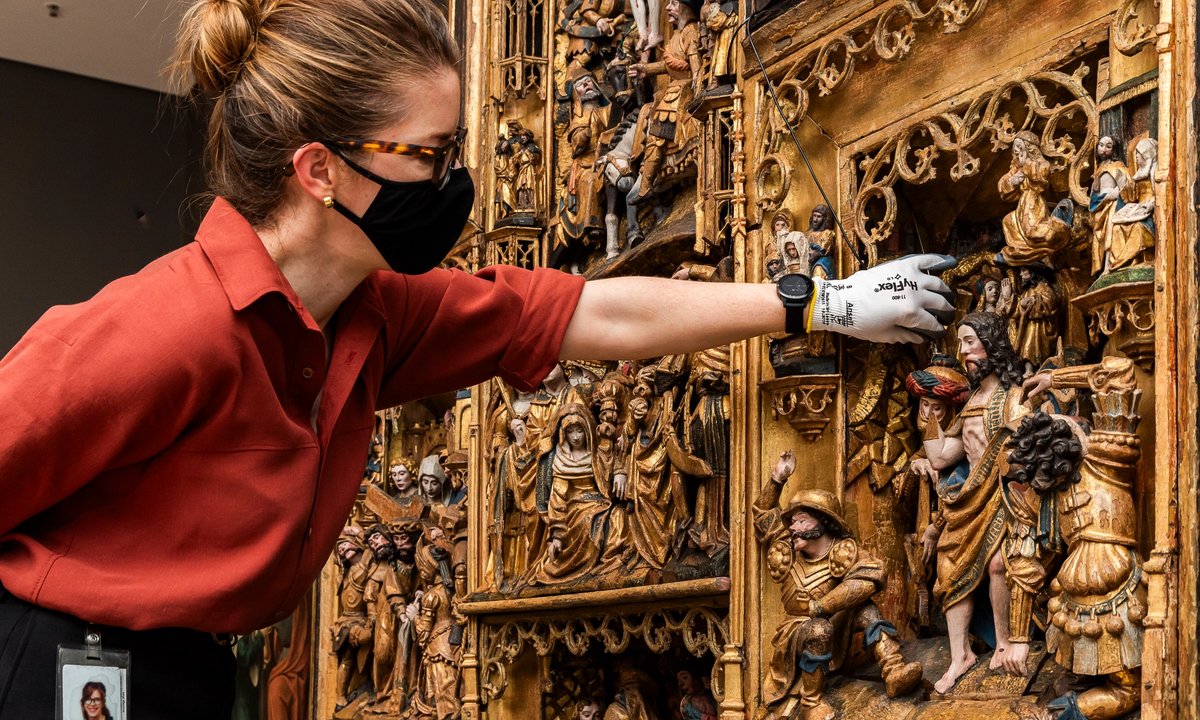
Museums are rethinking decades-old climate control standards that dictate strict temperature and humidity ranges for preserving collections. These guidelines, originally based on 1970s research for paintings in London, have been widely adopted globally despite being designed for temperate climates. Conservator Caitlin Southwick of Ki Culture argues this is a "big misunderstanding," as the standards were never intended for diverse collections like stone in Brazil or tapestries in Italy. Climate control systems now account for 60-70% of a typical museum's energy consumption, creating high costs and carbon footprints.

Smithsonian’s governing body quietly losing members

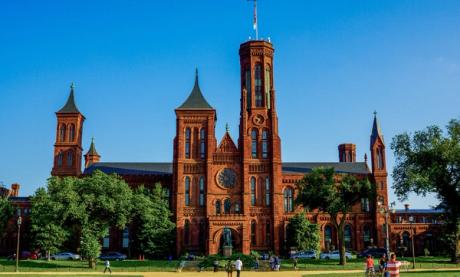
The Smithsonian Institution's Board of Regents is shrinking, with two members' terms expiring in March and no replacements announced. A third regent's term expires next week, with three more set to end in the autumn, and there are no concrete plans to fill these vacancies. The delay stems from a requirement for both Congress and the President to approve new members.

Lawsuit Alleges DOGE Cancelled $349,000 HVAC Grant to Museum after ChatGPT Flagged It As DEI

Lawsuit Alleges DOGE Cancelled $349,000 HVAC Grant to Museum after ChatGPT Flagged It As DEI

The High Point Museum in North Carolina had a $349,000 federal grant to replace its HVAC system canceled after staff at the Department of Government Efficiency (DOGE) used ChatGPT to evaluate the proposal. According to a federal lawsuit, the AI chatbot flagged the climate-control project as related to diversity, equity, and inclusion (DEI) initiatives, leading to its termination, despite the grant's stated purpose of preserving the museum's collection.

America’s Museums Have a Building Problem

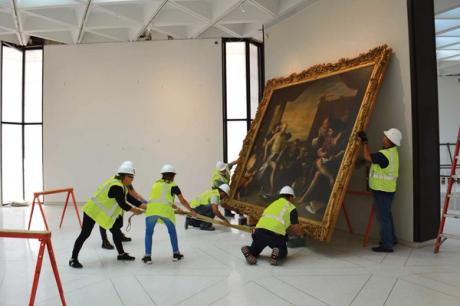
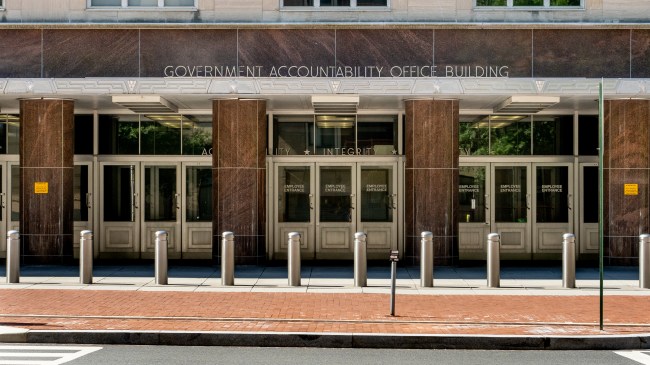
A new report from the Government Accountability Office, analyzed by The Art Newspaper, reveals that roughly 85 percent of American museums are dealing with deferred maintenance or major repair needs, and about 77 percent have at least one structural issue that could endanger their collections. Many of the country's 16,700 museums are small, under-resourced operations housed in aging or historic buildings, with half reporting over $100,000 in deferred maintenance. Basic repairs like roofs or HVAC systems can consume large portions of annual budgets, forcing some institutions to store artworks in makeshift spaces like garages or bathrooms.

No money, more problems: 85% of US museums in urgent need of building repairs

A recent survey by the US Government Accountability Office (GAO) found that approximately 85% of US museums face a costly backlog of maintenance or building repairs, with 77% having at least one structural issue that puts their collections at risk. Based on a survey of around 300 museums and 17 site visits, the report reveals that institutions across the country struggle to keep buildings updated and safe due to a lack of funding, with challenges especially pronounced in rural and remote locations where shipping materials and finding skilled workers is prohibitively expensive. Many museums are housed in historic homes or sites that are part of their collections, adding further complexity, and smaller museums often lack the budget to address major problems like new roofs or HVAC systems.

new european union law antiquities trafficking june 28

A new European Union law, Regulation 2019/880, aimed at preventing the sale of looted antiquities, is set to go into effect on June 28. The law imposes heightened due diligence requirements on anyone importing cultural goods from outside the EU, including fine arts, antiquities, and decorative arts. It categorizes cultural goods into three groups, with the strictest rules for archaeological items over 250 years old, which require an import license and proof of legal export. Non-compliance could lead to seizures or criminal consequences for art dealers, collectors, and professionals. While there is a partial exemption for temporary exhibitions, it primarily benefits museums outside the EU, leaving private collectors without the same protections.

85% of All US Museums Need Repairs, Study Finds

A March survey by the US Government Accountability Office (GAO) found that 85% of all US museums need repairs, with 77% having at least one structural issue endangering their collections. Federal funding does not cover construction-related expenses, and 73% of the roughly 11,900 museums surveyed reported building system or facility problems posing health or safety risks. The American Alliance of Museums noted the data aligns with years of reports from museums struggling with aging infrastructure and unpredictable funding.

unesco launches museum looted cultural objects

UNESCO has launched the world's first virtual museum of stolen cultural objects, featuring thousands of artifacts viewable in 3D. The initiative was announced at UNESCO's World Conference on Cultural Policies and Sustainable Development in Barcelona, designed by architect Francis Kéré in collaboration with Interpol, with funding from Saudi Arabia. The museum is organized by geographic region and includes sections like the "stolen cultural objects gallery" and a "return and restitution room" that highlights recovered items, such as a bronze Buddha statue from China's Ming Dynasty and a Syrian gold pendant looted from the Palmyra Museum.

french senate passes colonial art bill

The French Senate has unanimously passed a bill to streamline the process of returning artworks and artifacts looted from former colonies during the colonial era. The legislation, which now moves to the National Assembly for final approval, specifically targets items acquired between 1815 and 1972, aiming to remove legal hurdles that have previously required a separate parliamentary vote for each object's restitution.

eu import regulations

The European Union's Regulation 2019/880, aimed at combating illicit trafficking and terrorism, will take effect on June 28, imposing stricter import controls on antiquities and artworks over 200 years old and valued above €18,000 ($19,500). The regulation requires importers to provide evidence that an object was lawfully exported from its country of origin, even for items exported decades ago when such documentation was not required. This reverses the presumption of innocence, placing the burden of proof on importers. Dealers and experts express concern that the rules are not based on market realities, as importers must be registered within the E.U., forcing non-E.U. dealers to rely on third-party agents or shippers. The regulation also poses challenges for ancient objects, where borders and export controls may be historically ambiguous.

Government gives East of England culture and arts venues £6.6m

The UK government has announced a £6.6 million investment in arts and culture venues across the East of England to support essential infrastructure upgrades and renovations. Key beneficiaries include Firstsite in Colchester and Snape Maltings in Suffolk, which are receiving significant grants for building repairs and environmental control systems. Other recipients range from the Natural History Museum in Colchester to the Wysing Arts Centre, with funds earmarked for everything from HVAC improvements to restoring Grade II listed structures.

UNT Gives No Reason for Sudden Closure of Victor Quiñonez Show

The University of North Texas abruptly cancelled the solo exhibition "Ni de Aqui, Ni de Allá" by artist Victor Quiñonez in its College of Visual Art & Design Gallery just nine days after its opening. The university covered the gallery windows with brown paper, removed all promotional material from its website and social media, and informed the artist via a misspelled email that it had terminated its loan agreement with Boston University Art Galleries, which originated the show. The artist was not notified in advance and learned of the closure from students.

Five Scottish museum collections awarded national significance status

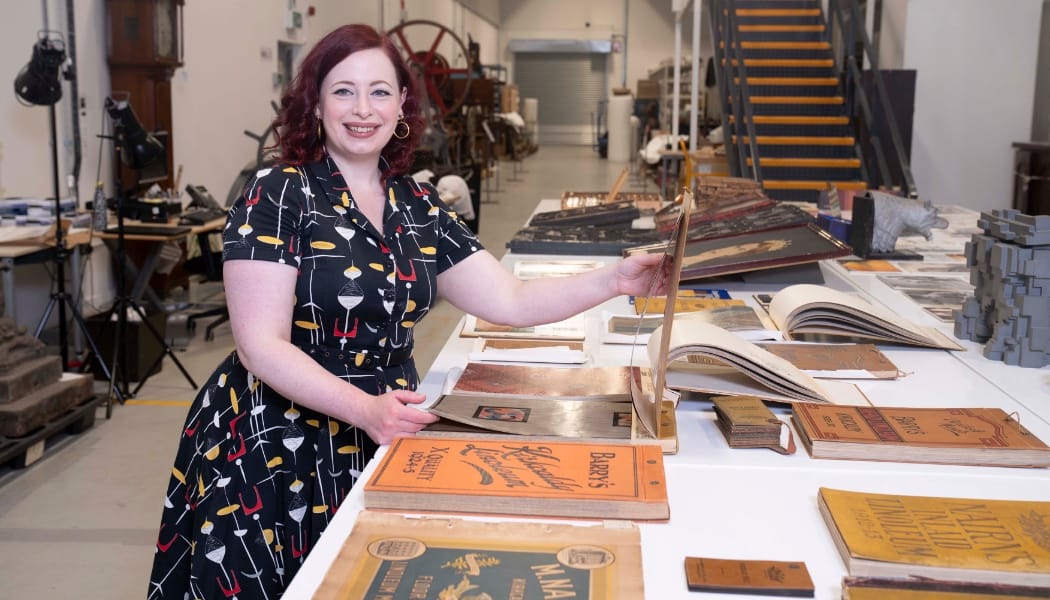
Five museum collections in Scotland have been awarded national significance status on International Museum Day, bringing the total number of recognized collections in Scotland to 56. The newly designated collections are the Linoleum Collection (managed by OnFife), the Photographic Collection (University of St Andrews), the Duncan of Jordanstone College of Art & Design Collection (University of Dundee Museums), the Oakbank Collection (Scottish Crannog Centre), and the Art Collection (University of Stirling). The Recognition Scheme, managed by Museums Galleries Scotland, highlights collections beyond those held in national museums and galleries, spanning from Shetland to Dumfries and Galloway.

uk art dealers fined money laundering

HM Revenue & Customs (HMRC) has published a new round of fines against UK art market participants for anti-money laundering (AML) compliance failures, covering October 2024 to March 2025. Notable penalties include £158,679 levied against London-based DYS44 Art Gallery Limited, whose director is Old Masters dealer Cesare Lampronti, for procedural violations such as lacking risk assessments, policies, staff training, and due diligence. Other fines include Atlas Gallery (£28,500) for failing to report material business changes. Over 80 penalties were issued in this six-month period, compared to 61 in the previous 20 months, signaling a sharp enforcement uptick.

Wereldmuseum Amsterdam ponders space to ‘respectfully’ house human remains

The Wereldmuseum Amsterdam has announced it will no longer publicly exhibit any human remains from its colonial-era collection, which includes around 4,000 body parts such as skulls and a preserved Surinamese newborn. At the opening of the exhibition "Unfinished past: return, keep, or…?", director of content Wayne Modest suggested the museum may create a dedicated space for "ritual practices" where descendants can respectfully engage with ancestral remains until a permanent repatriation solution is found. The exhibition features contemporary artworks, including Pansee Atta's "To Make One Particle," which reproduces each body part as a small wooden token, and draws on a four-year research program called Pressing Matter.

La loi-cadre sur les restitutions définitivement adoptée par le Parlement

The French Parliament has definitively adopted a framework law on the restitution of cultural property that was illicitly acquired. The Senate unanimously approved the conclusions of the joint committee on May 7, following the National Assembly's approval on May 6, after an agreement was reached on April 30. The law establishes a general mechanism for returning objects from French public collections without requiring a specific law for each case, covering items acquired through looting, theft, forced sale, or other illicit means before the 1970 UNESCO Convention. It creates a permanent national commission and a bilateral scientific committee to assess claims, with restitution ultimately decided by government decree subject to legal review by the Council of State.

new regulation around eu import law promises art market shakeup

A new European Union regulation, Regulation (EU) 2019/880, will take effect on June 28, requiring thorough provenance documentation for cultural objects over 200 years old (or 250 for archaeological items) imported into the EU. Importers must provide material evidence proving lawful acquisition from the country of origin, including the object's origin, export date, and chain of ownership, or face potential seizure. The rule builds on a 2019 anti-trafficking law and has sparked concern among EU-based dealers, who warn it could stifle the market for antiquities and non-European art.

Carnegie Museums $500 million campaign will fund projects at all 4 museums

The Carnegie Museums of Pittsburgh have launched a $500 million comprehensive campaign, the largest in their history, to fund capital projects across all four of their institutions: the Carnegie Museum of Art, Carnegie Museum of Natural History, Carnegie Science Center, and The Andy Warhol Museum. The campaign, which has already raised $325 million, will support renovations, new exhibitions, and expanded educational programming, including a major overhaul of the Carnegie Museum of Natural History's dinosaur hall and a new wing for the Carnegie Museum of Art.