
filter_list Showing 4 results for "Traffic" close Clear
search
dashboard All 32 article local 10gavel restitution 7museum exhibitions 5article policy 4trending_up market 3article news 2article culture 1
date_range Range Today This Week This Month All
Subscribe

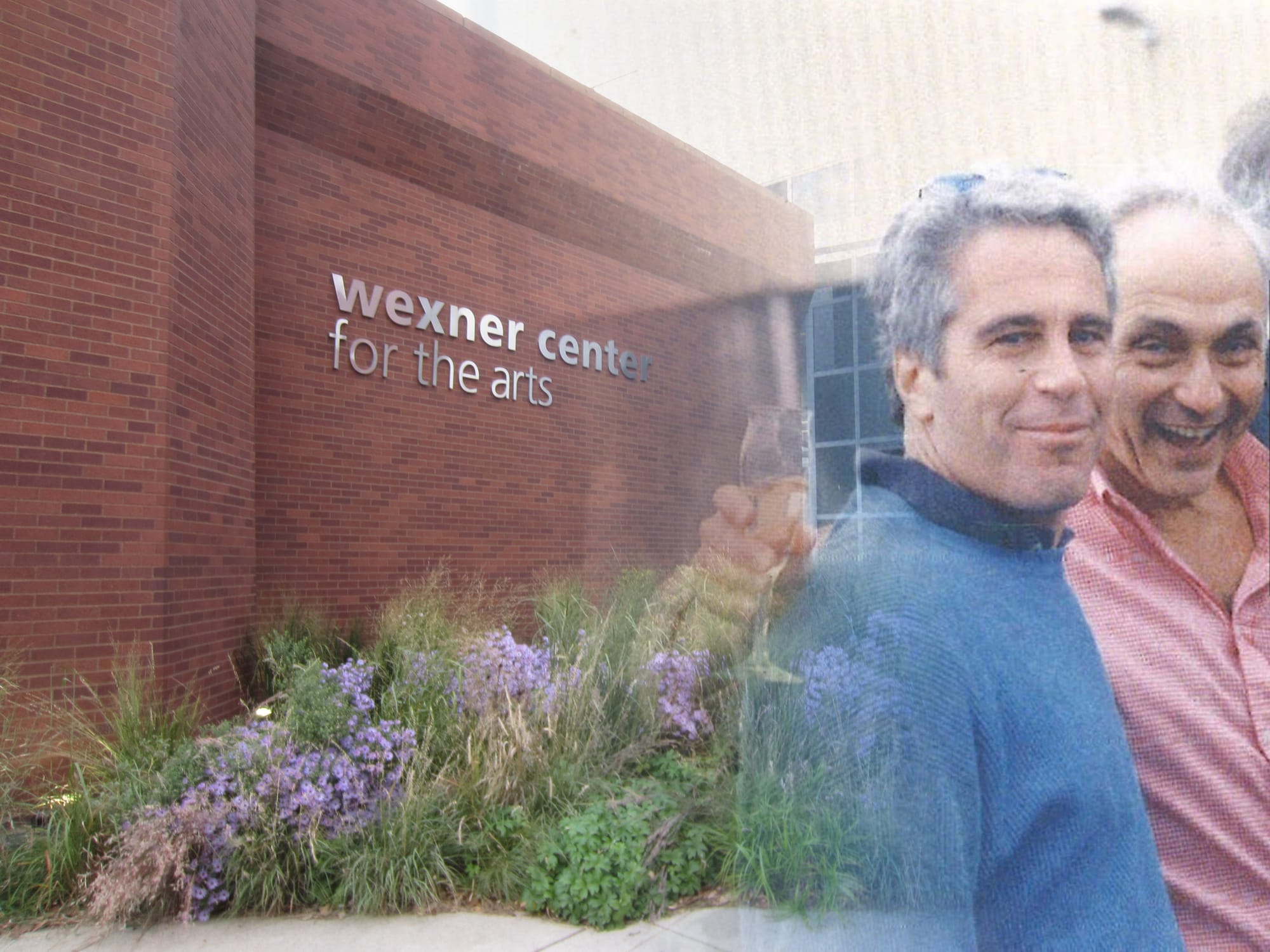
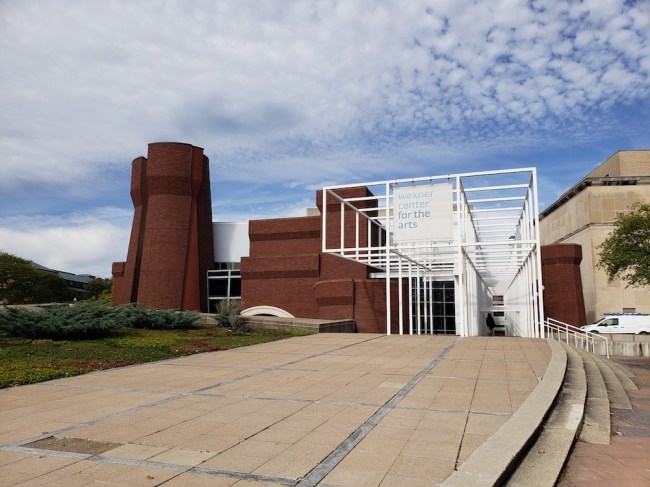
Workers Push to Rename Wexner Center for the Arts Over Epstein Ties

Unionized staff at Ohio State University's Wexner Center for the Arts, organized as Wex Workers United, have officially called for the renaming of the arts center and other campus buildings named after billionaire benefactor Les Wexner. The union argues that Wexner's name, due to his decades-long association with convicted sex offender Jeffrey Epstein—who had power of attorney over Wexner's fortune—harms artists and community members. The call follows similar demands from the Ohio Nurses Association regarding the Wexner Medical Center and ongoing student protests, including an April 10 action where students covered Wexner's name on the art center's façade with a black tarp. OSU spokesperson Chris Booker noted that over 500 renaming requests have been filed under the university's official review procedure, while OSU President Ted Carter has emphasized that name changes require fact-finding and cannot be based on supposition.
How the State Supports Provenance Research

Comment l’État soutient la recherche de provenance

The French Ministry of Culture has created two specialized missions to assist museums in researching the provenance of their collections, addressing looted artworks, human remains, colonial acquisitions, and illicit trafficking. The Mission for Research and Restitution of Looted Cultural Property (M2RS), established in 2019, focuses on Nazi-era spoliations (1933-1945) with a budget of €220,000 annually, while the newer Mission "Provenance," launched in 2024 under curator Catherine Chevillot, covers human remains, colonial-era objects, and illicit goods with a €450,000 budget. These missions provide expertise, funding, and coordination with institutions like the Commission for the Restitution of Property and Compensation of Victims of Anti-Semitic Spoliation (CIVS), though most museums still only initiate provenance checks during acquisitions or donations.

Wexner Center for the Arts Workers Call for Institution to Be Renamed Over Top Funder’s Epstein Ties

Unionized workers at the Wexner Center for the Arts in Columbus, Ohio, have demanded that the institution remove the name of top funder Les Wexner from its moniker, citing his close ties to convicted pedophile Jeffrey Epstein. In a letter to Ohio State University leadership, Wexner Workers United (WWU) argued that Wexner’s name on the building harms the center’s mission and community trust. Wexner, a billionaire retail magnate and art collector, donated $25 million to the center’s construction in the 1980s and has been mentioned over a thousand times in the Epstein Files; Epstein victim Virginia Giuffre named Wexner as among those she was trafficked to, though Wexner denies the allegations.

L’offre de formation se développe

French art training institutions are expanding their curricula to include provenance research, responding to a 2022 government report that identified gaps in conservator education. The Institut national du patrimoine (INP) now offers seminars on Nazi-era spoliation (1933-1945) and has added a five-day provenance research module for external competition students since 2024-2025. Paris-Nanterre University launched a master's-level diploma in 2022 covering legal, historical, and methodological aspects of provenance research. The École du Louvre now offers a specialized master's in "sensitive goods and provenance research" addressing spoliated works, human remains, colonial acquisitions, and illicit trafficking, while also integrating provenance methodology into its general curriculum from master's level one.