filter_list Showing 10 results for "Traffic" close Clear
search
dashboard All 176 article local 50gavel restitution 43museum exhibitions 32article news 21trending_up market 12article policy 10article culture 6person people 2
date_range Range Today This Week This Month All
Subscribe

Greece Creates New Art Crime Unit to Combat Forgery and Trafficking

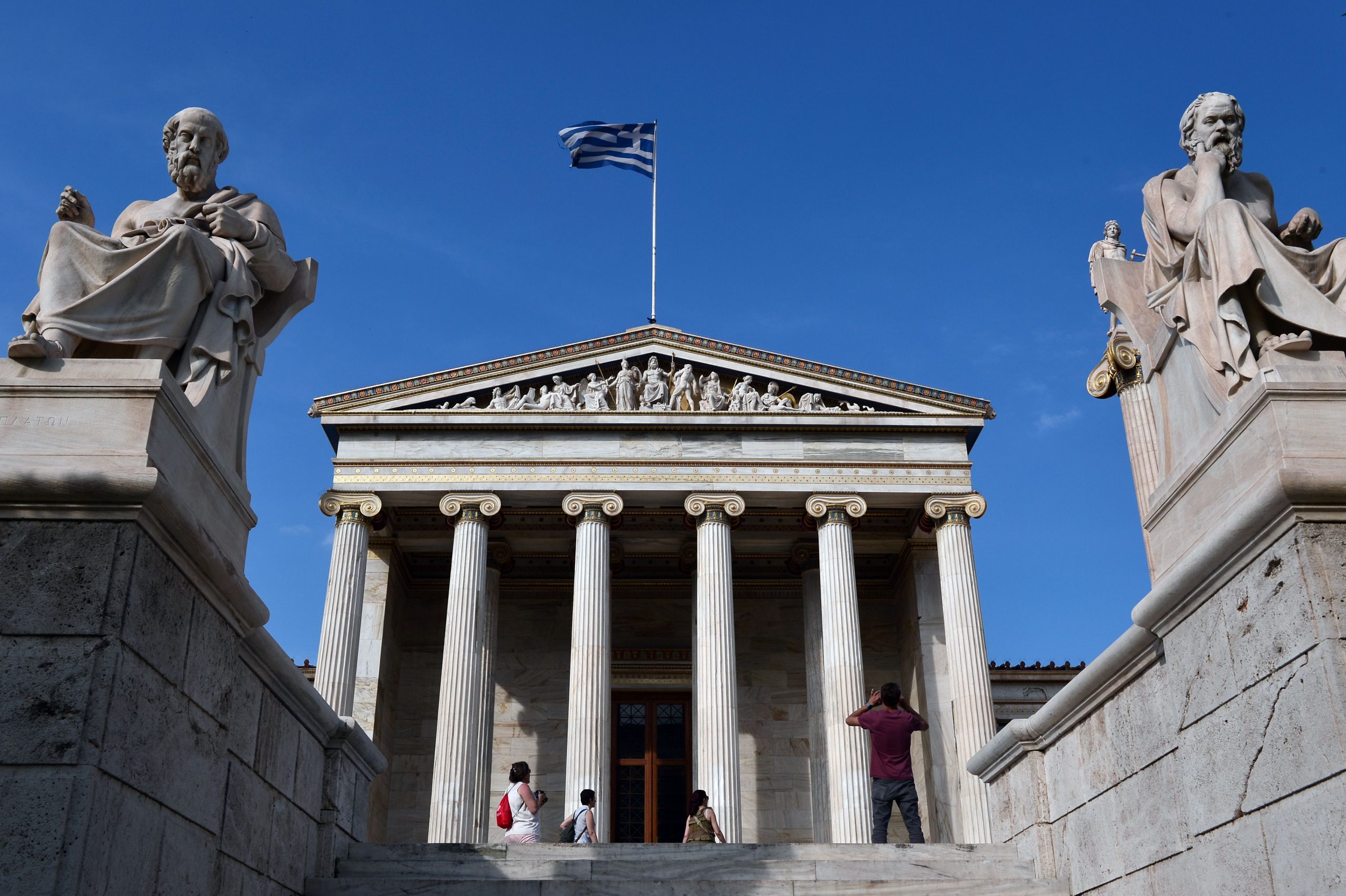
Greece has enacted a comprehensive new law to combat art crime, establishing a specialized unit within the Ministry of Culture to target forgery, antiquities trafficking, and vandalism. The legislation introduces significantly harsher penalties, including fines up to €300,000 and prison sentences of up to 10 years, while expanding the scope of criminal activity to include the mere possession of forged works with intent to distribute.


How the State Supports Provenance Research

Comment l’État soutient la recherche de provenance

The French Ministry of Culture has created two specialized missions to assist museums in researching the provenance of their collections, addressing looted artworks, human remains, colonial acquisitions, and illicit trafficking. The Mission for Research and Restitution of Looted Cultural Property (M2RS), established in 2019, focuses on Nazi-era spoliations (1933-1945) with a budget of €220,000 annually, while the newer Mission "Provenance," launched in 2024 under curator Catherine Chevillot, covers human remains, colonial-era objects, and illicit goods with a €450,000 budget. These missions provide expertise, funding, and coordination with institutions like the Commission for the Restitution of Property and Compensation of Victims of Anti-Semitic Spoliation (CIVS), though most museums still only initiate provenance checks during acquisitions or donations.

Outsourcing Museum Reception: A Booming Model

Externaliser l’accueil dans les musées, un modèle en plein essor

French museums are increasingly outsourcing front-of-house services, including ticketing, reception, and crowd management, to specialized private firms. This trend, which gained momentum with the opening of the Musée du quai Branly in 2006, allows public institutions to focus internal resources on core missions like conservation and curation while utilizing flexible, external labor for high-traffic operations. The market for these cultural services in France is projected to reach approximately €50 million by 2025.

new european union law antiquities trafficking june 28

A new European Union law, Regulation 2019/880, aimed at preventing the sale of looted antiquities, is set to go into effect on June 28. The law imposes heightened due diligence requirements on anyone importing cultural goods from outside the EU, including fine arts, antiquities, and decorative arts. It categorizes cultural goods into three groups, with the strictest rules for archaeological items over 250 years old, which require an import license and proof of legal export. Non-compliance could lead to seizures or criminal consequences for art dealers, collectors, and professionals. While there is a partial exemption for temporary exhibitions, it primarily benefits museums outside the EU, leaving private collectors without the same protections.

unesco launches museum looted cultural objects

UNESCO has launched the world's first virtual museum of stolen cultural objects, featuring thousands of artifacts viewable in 3D. The initiative was announced at UNESCO's World Conference on Cultural Policies and Sustainable Development in Barcelona, designed by architect Francis Kéré in collaboration with Interpol, with funding from Saudi Arabia. The museum is organized by geographic region and includes sections like the "stolen cultural objects gallery" and a "return and restitution room" that highlights recovered items, such as a bronze Buddha statue from China's Ming Dynasty and a Syrian gold pendant looted from the Palmyra Museum.

eu import regulations

The European Union's Regulation 2019/880, aimed at combating illicit trafficking and terrorism, will take effect on June 28, imposing stricter import controls on antiquities and artworks over 200 years old and valued above €18,000 ($19,500). The regulation requires importers to provide evidence that an object was lawfully exported from its country of origin, even for items exported decades ago when such documentation was not required. This reverses the presumption of innocence, placing the burden of proof on importers. Dealers and experts express concern that the rules are not based on market realities, as importers must be registered within the E.U., forcing non-E.U. dealers to rely on third-party agents or shippers. The regulation also poses challenges for ancient objects, where borders and export controls may be historically ambiguous.

Philadelphia Museum of Art to experiment with pay-what-you-wish tickets on Friday nights

The Philadelphia Museum of Art is reinstating a pay-what-you-wish admission policy for Friday nights from April 2026 through Labor Day. This initiative, funded by the William Penn Foundation and board chair Ellen Caplan, coincides with the museum's 150th anniversary and the launch of "Nation of Artists," a massive collaborative exhibition with the Pennsylvania Academy of the Fine Arts featuring over 1,000 works.

new regulation around eu import law promises art market shakeup

A new European Union regulation, Regulation (EU) 2019/880, will take effect on June 28, requiring thorough provenance documentation for cultural objects over 200 years old (or 250 for archaeological items) imported into the EU. Importers must provide material evidence proving lawful acquisition from the country of origin, including the object's origin, export date, and chain of ownership, or face potential seizure. The rule builds on a 2019 anti-trafficking law and has sparked concern among EU-based dealers, who warn it could stifle the market for antiquities and non-European art.

Why the new EU law aimed at stopping antiquities trafficking may hamper museum loans

A new EU regulation (2019/880) taking effect on 28 June aims to prevent trafficking of looted antiquities by requiring importers to provide extensive provenance records and export permits for cultural goods over 200 years old or worth more than €18,000. While the law includes an exemption for temporary exhibitions, implementing rules limit this exemption to loans from museums outside the EU, excluding private collectors. Museum directors and art fair officials warn that the administrative burden may discourage private lenders from participating in temporary exhibitions, potentially reducing the diversity of cultural offerings in the EU.

L’offre de formation se développe

French art training institutions are expanding their curricula to include provenance research, responding to a 2022 government report that identified gaps in conservator education. The Institut national du patrimoine (INP) now offers seminars on Nazi-era spoliation (1933-1945) and has added a five-day provenance research module for external competition students since 2024-2025. Paris-Nanterre University launched a master's-level diploma in 2022 covering legal, historical, and methodological aspects of provenance research. The École du Louvre now offers a specialized master's in "sensitive goods and provenance research" addressing spoliated works, human remains, colonial acquisitions, and illicit trafficking, while also integrating provenance methodology into its general curriculum from master's level one.