filter_list Showing 13 results for "uk museums" close Clear
search
dashboard All 28 article policy 13article culture 4gavel restitution 4article news 3person people 2trending_up market 1museum exhibitions 1
date_range Range Today This Week This Month All
Subscribe

tates turbine hall could be named for a donor

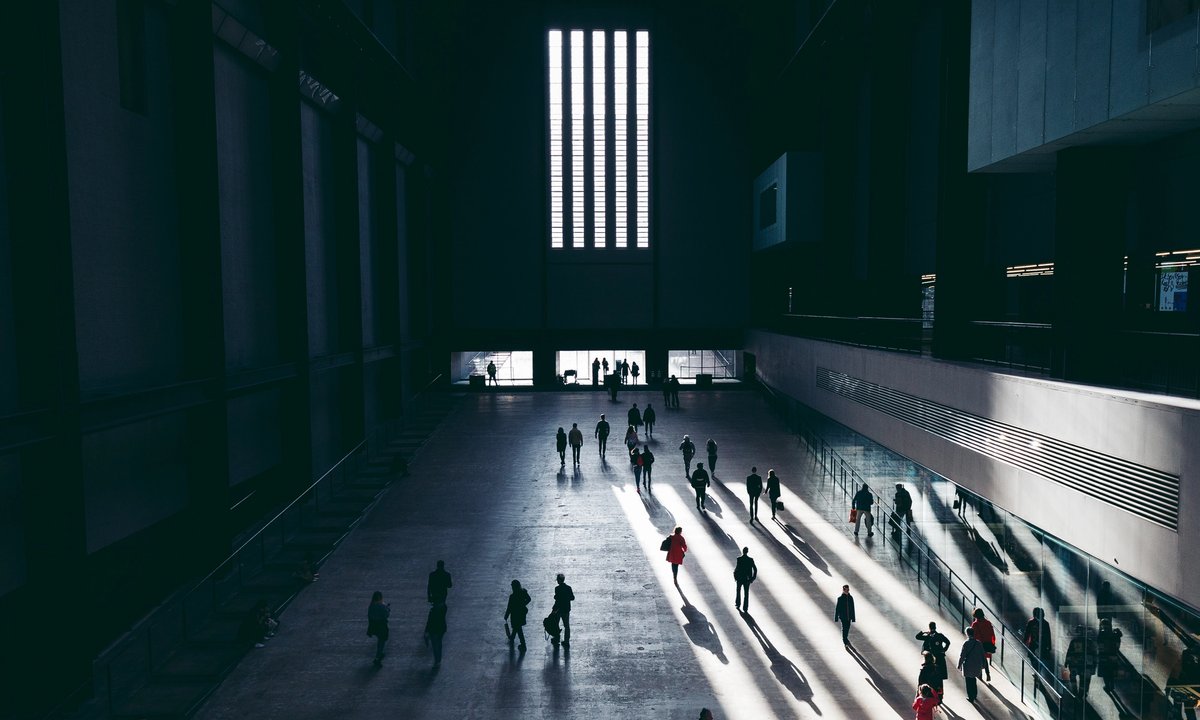
Tate chair of trustees Roland Rudd has suggested that naming rights to the Turbine Hall at Tate Modern could be sold for a minimum of £50 million ($68 million) to support the newly launched Tate Future Fund, which aims to raise £150 million by 2030. Rudd also indicated that naming opportunities might extend to curatorships and director positions, though a Tate spokesperson called the quoted figure "hypothetical" and declined to confirm active sponsorship negotiations.

uk museums defend corporate funding

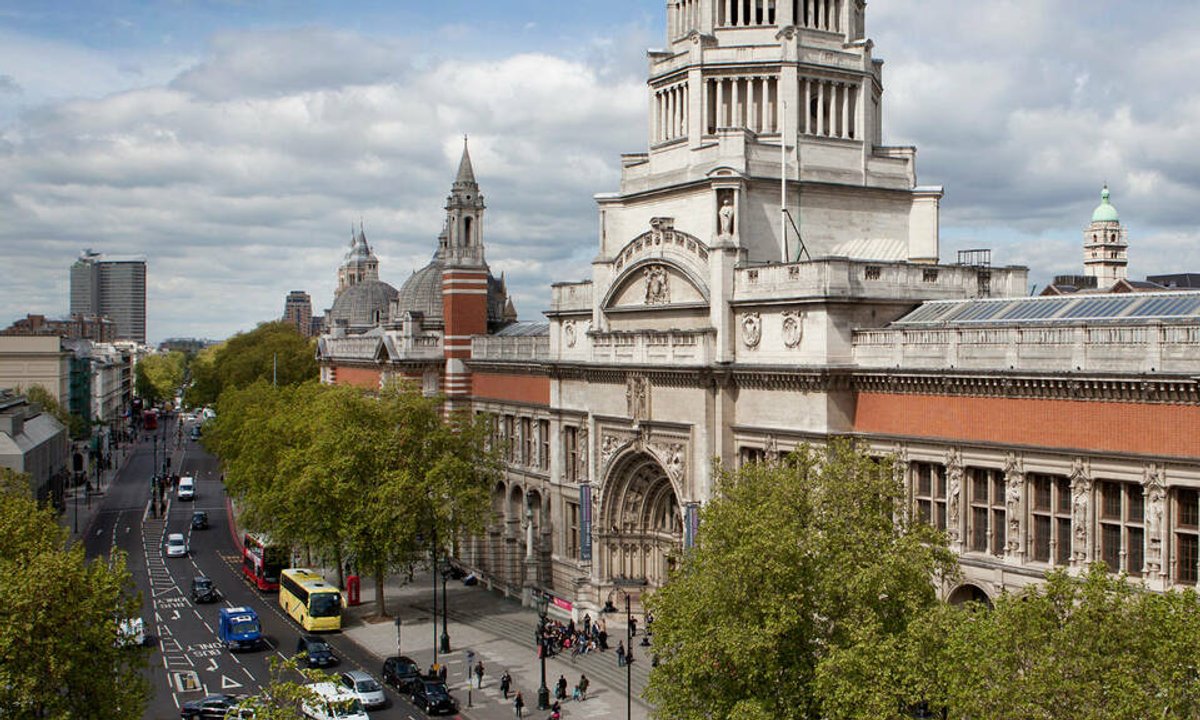
A group of officials overseeing major UK cultural institutions, including the British Museum, the Victoria and Albert Museum, and the National Gallery, have signed a public letter defending corporate sponsorship. Published in the Financial Times, the letter calls for an end to "relentless negativity" around private sector partnerships and is backed by ten organizations, including the Science Museum Group. It follows protests over Baillie Gifford's sponsorship of literary festivals due to its ties to fossil fuels and Israel, which led nine festivals to end partnerships in 2023.

museums association code of ethics fossil fuel sponsorships

The Museums Association (MA) in the United Kingdom has proposed a new code of ethics that, for the first time, explicitly mentions fossil fuel companies. The guidelines recommend that museums transition away from sponsorship by organizations involved in environmental harm, human rights abuses, or other activities misaligned with museum values, and instead seek ethical funding that serves community interests. MA members will vote on ratifying the changes from September 15 until the annual conference on October 7, with the last code updated in 2015.

Weston Loan Programme with Art Fund marks first decade

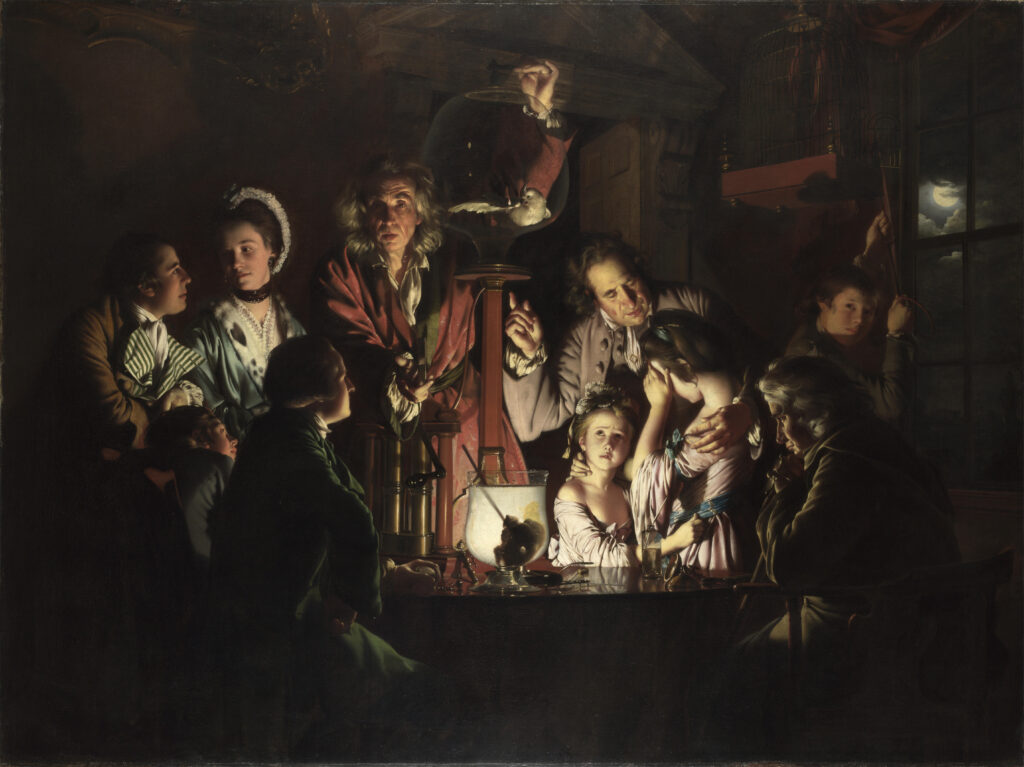
The Weston Loan Programme with Art Fund has announced support for 15 new exhibitions as it celebrates its tenth anniversary. This grant initiative provides regional and smaller UK museums with the necessary funding to cover logistical costs—such as insurance, transport, and security—required to borrow major works from national collections. Notable upcoming projects for 2026 include the return of John Constable’s 'The Hay Wain' to Suffolk and Joseph Wright of Derby’s 'An Experiment on a Bird in the Air Pump' to the artist's hometown for the first time in eight decades.

UK museum directors join prime minister on diplomatic mission to China

A delegation of senior UK museum directors, including Tim Reeve of the Victoria and Albert Museum, Doug Gurr of the Natural History Museum, Keith Merrin of North East Museums, Sara Wajid of Birmingham Museums Trust, and Laura Pye of National Museums Liverpool, accompanied Prime Minister Keir Starmer on a three-day diplomatic and trade mission to China. The trip aimed to strengthen bilateral relations, with the museum leaders highlighting existing partnerships and exploring new opportunities for cultural exchange and commercial collaboration in the Chinese market.

Outgoing Tate Director Argues for Bigger Tax Breaks for Donors

Outgoing Tate director Maria Balshaw has publicly called on UK Chancellor Rachel Reeves to implement larger tax breaks for wealthy philanthropists who donate to museum endowment funds. She argues this would level the playing field with US institutions and provide crucial financial stability for UK museums.

Tate chair floats selling Turbine Hall naming rights for ‘a minimum of £50m’

Tate chair of trustees Roland Rudd has suggested that naming rights for the Turbine Hall at Tate Modern could cost a minimum of £50 million. The proposal, reported by The Telegraph, is tied to the institution's new Tate Future Fund, launched last week with a goal of reaching £150 million by 2030. Rudd stated that endowing curators, directors, or naming the iconic space are all potential options for donors, though a Tate spokesperson emphasized the comments were hypothetical and the fundraising campaign is just beginning.

How UK museums are embracing citizens’ assemblies to help frame their futures

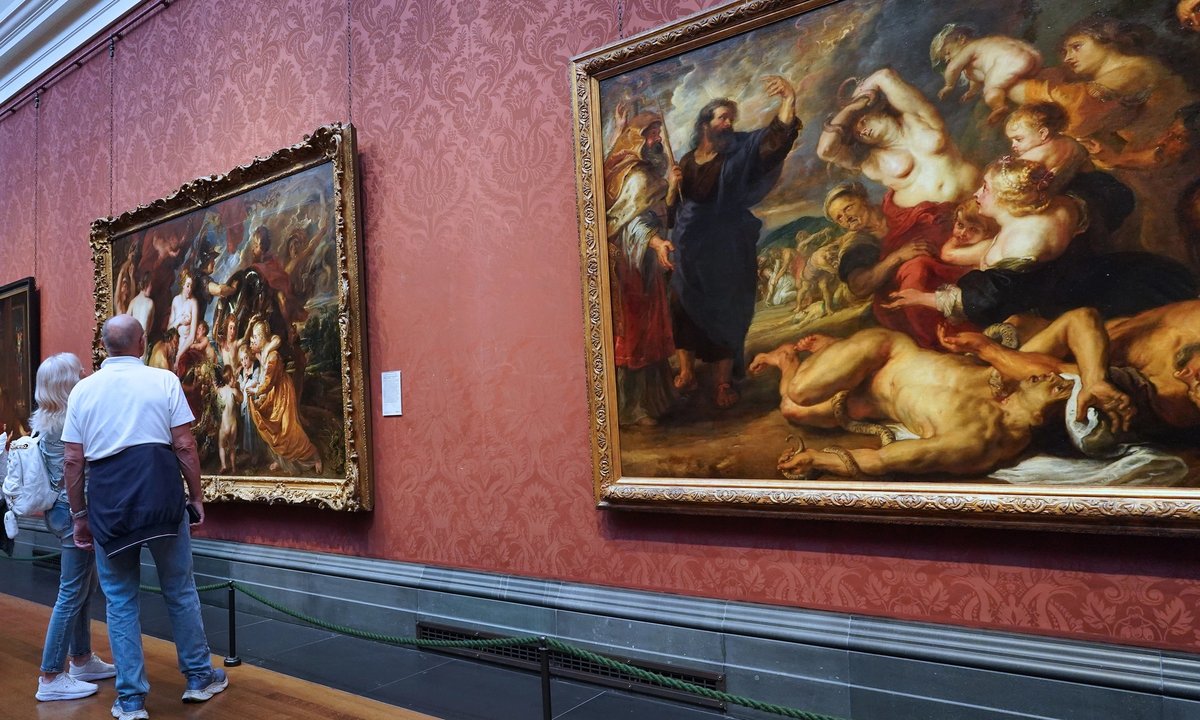
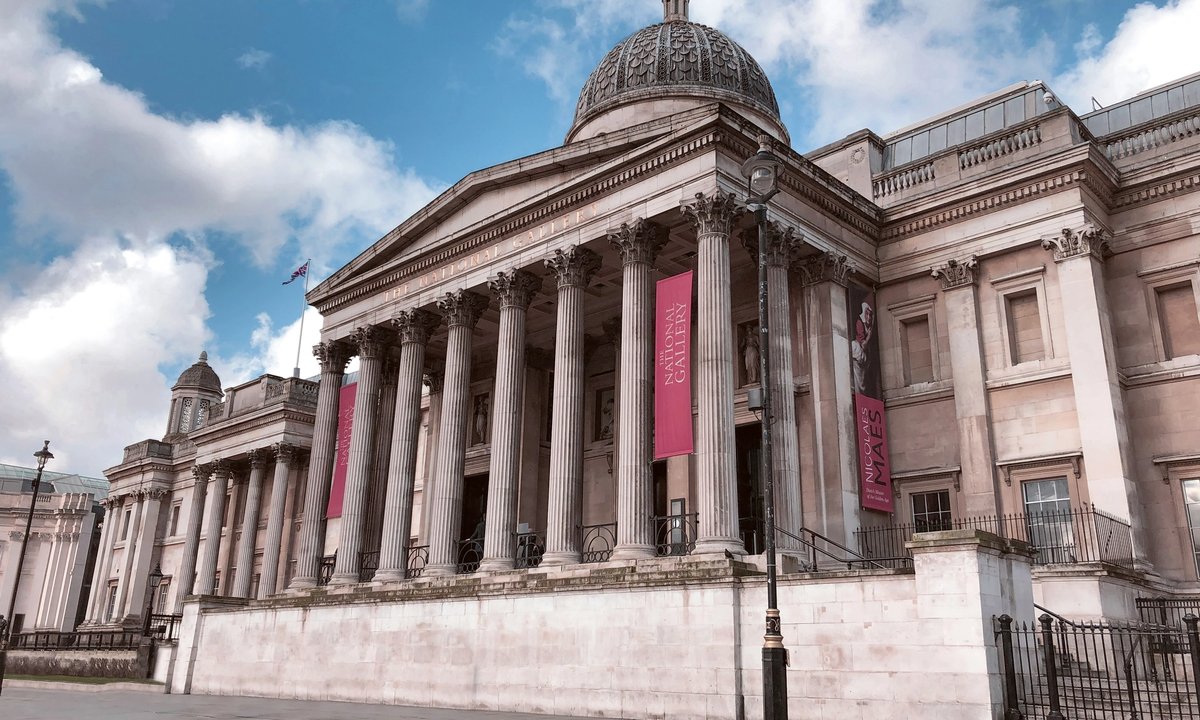
UK museums are increasingly turning to citizens' assemblies to involve the public in shaping institutional policy and direction. The National Gallery in London launched its NG Citizens panel in 2024, following Birmingham Museums Trust's 2024 citizens' jury of 26 local residents. The Imperial War Museum and London's Migration Museum have also announced plans for similar assemblies. The National Gallery's panel, formed through a civic lottery of 15,000 invited households, will meet from November 2025 to March 2026 to develop recommendations on the gallery's purpose, priorities, and public value—though it will not directly select exhibitions or acquisitions.

Au Royaume-Uni les contraintes budgétaires des musées pèsent sur les effectifs

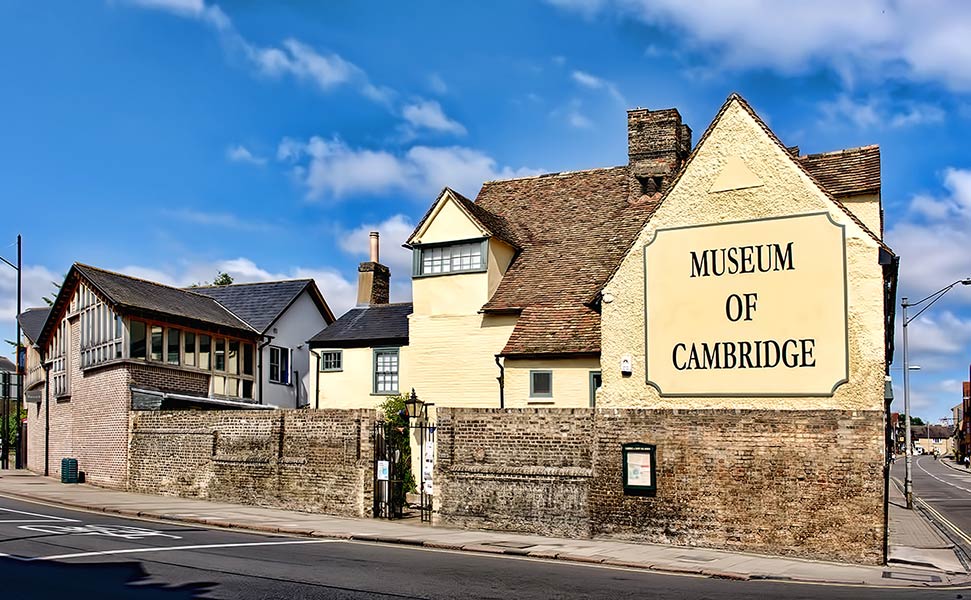
A survey of 329 museum directors in the UK, published in the Art Fund's Museum Directors Research 2026 report, reveals that staff shortages have overtaken building maintenance as the top concern for cultural institutions. Conducted by Wafer Hadley between January and March 2026, the study shows that 85% of directors cite team size and capacity as the main barrier to programming, ahead of budget constraints (67%) and lack of specialized expertise (23%). The National Gallery in London launched a voluntary redundancy plan in February 2026 to address a projected deficit of £8.2 million, while the Museum of Cambridge cut a third of its staff and reduced opening hours. Local authority grants have decreased or ceased for 45% of institutions between 2024-2025 and 2025-2026, and over a third of museums have reduced or plan to reduce opening hours and annual exhibitions.

Should UK museums display mummies? One institution is asking its visitors for their view

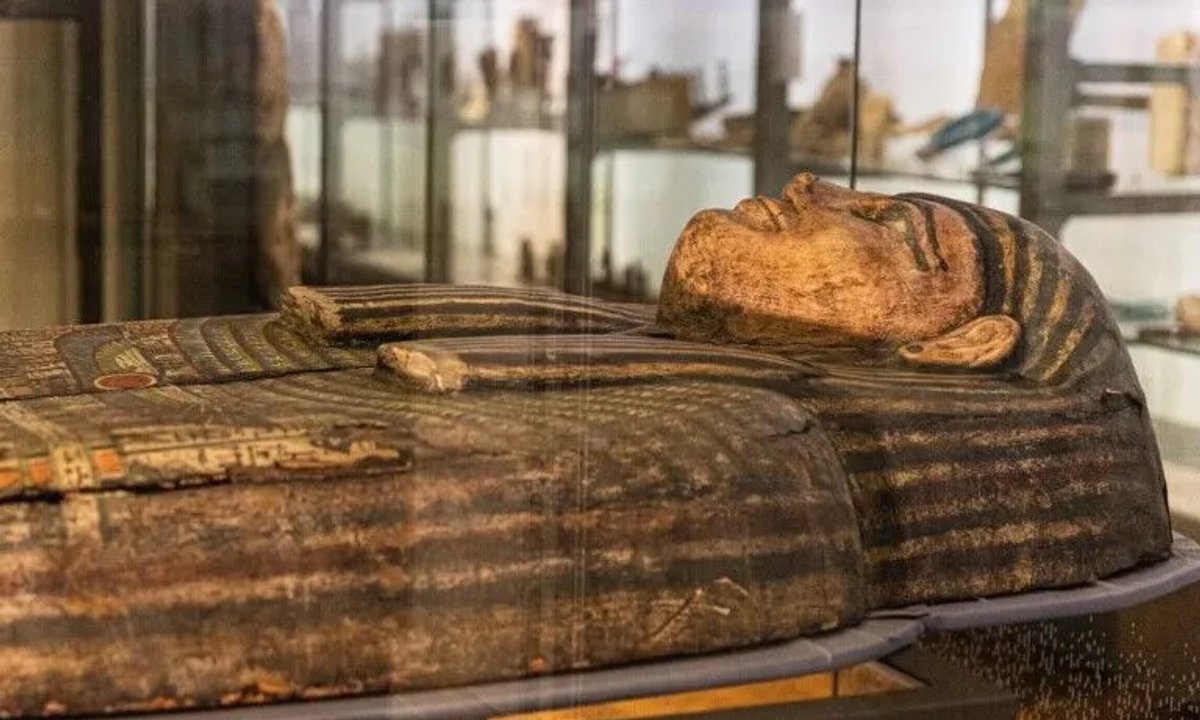
Manchester Museum in the UK is asking visitors whether the mummified remains of Asru, an Egyptian woman who lived around 2,700 years ago, should remain on display. The public consultation, running until the end of August, invites comments online or in a box next to her case. The museum notes that Asru's body was acquired in the early 1800s by the sons of a man who profited from slavery, shipped to Manchester, and unwrapped in 1825.

How UK museums are rallying to support trans communities following supreme court ruling on biological sex

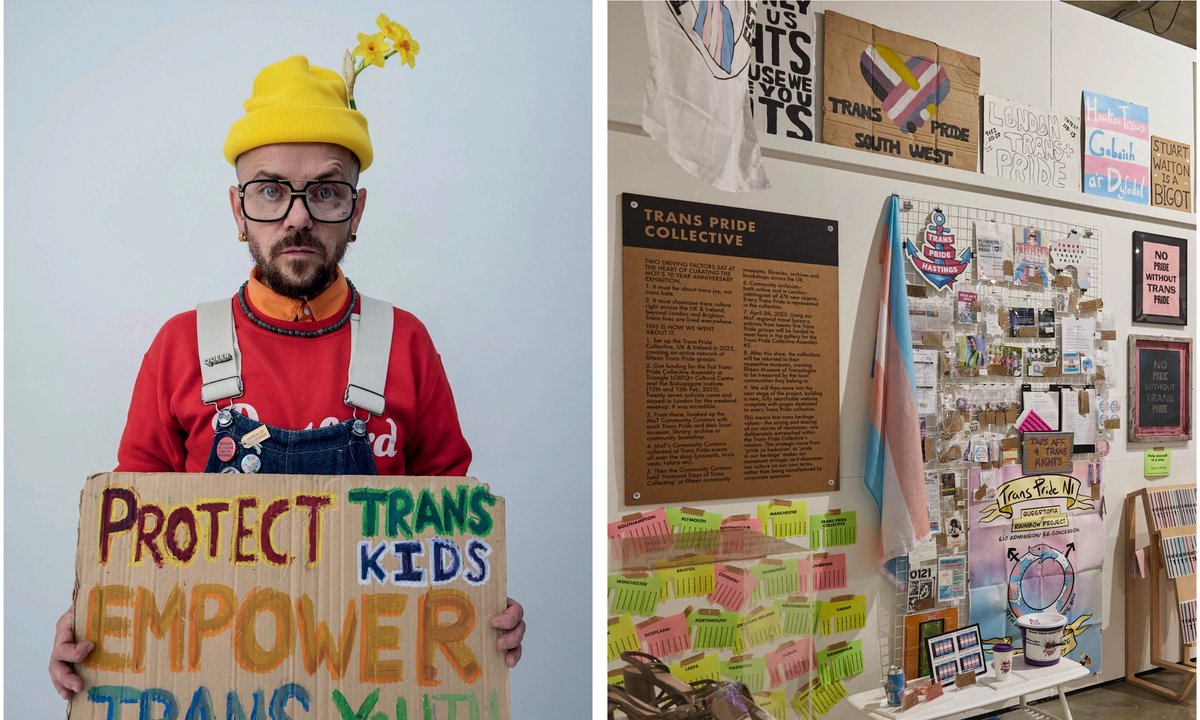
Following the UK Supreme Court's 16 April ruling that the terms "woman" and "sex" in the Equality Act refer only to biological sex, UK museums are publicly reaffirming their support for transgender communities. The Museum of Transology, which houses the world's largest collection of trans, non-binary, and intersex artefacts, had recently marked its tenth anniversary with the exhibition Transcestry at Central Saint Martins' Lethaby Gallery. Smaller institutions like London's Vagina Museum quickly posted statements of solidarity, while larger bodies such as Arts Council England await a revised code of practice from the Equality and Human Rights Commission.

Self-generated income for UK museums ‘can only go so far’ in filling gaps left by funding cuts, report says

A new report from the National Audit Office (NAO) warns that state-funded UK museums are reaching a breaking point as they attempt to offset significant government funding cuts with self-generated income. Analyzing 15 major institutions including the British Museum and Tate, the report reveals that while self-generated revenue rose by 53% since 2021-22, it remains highly volatile and susceptible to external factors like tourism costs and membership churn. Despite a recent £31m funding boost from the DCMS, over half of these institutions report being in a worse financial position than they were three years ago.

Power to the people: London’s National Gallery seeks public panel to help shape its future

London's National Gallery is launching NG Citizens, a citizens' assembly that will advise the museum on its future policy and direction. Starting next month, 15,000 households across the UK will receive invitations, from which 50 participants will be selected via a civic lottery, eventually narrowing to 20 individuals who will serve on the panel for five years. The gallery states the initiative places audiences at the heart of decision-making, aiming to shape programs around the needs of diverse UK communities, though the assembly will not directly choose exhibitions or acquisitions but will produce recommendations on purpose, priorities, and public value.