filter_list Showing 4 results for "Apart" close Clear
search
dashboard All 236 museum exhibitions 94article news 34article culture 27trending_up market 25article local 24person people 13article policy 7candle obituary 5gavel restitution 4rate_review review 3
date_range Range Today This Week This Month All
Subscribe

A Lucas Cranach the Elder Masterpiece Once Hung in Hitler’s Munich Apartment

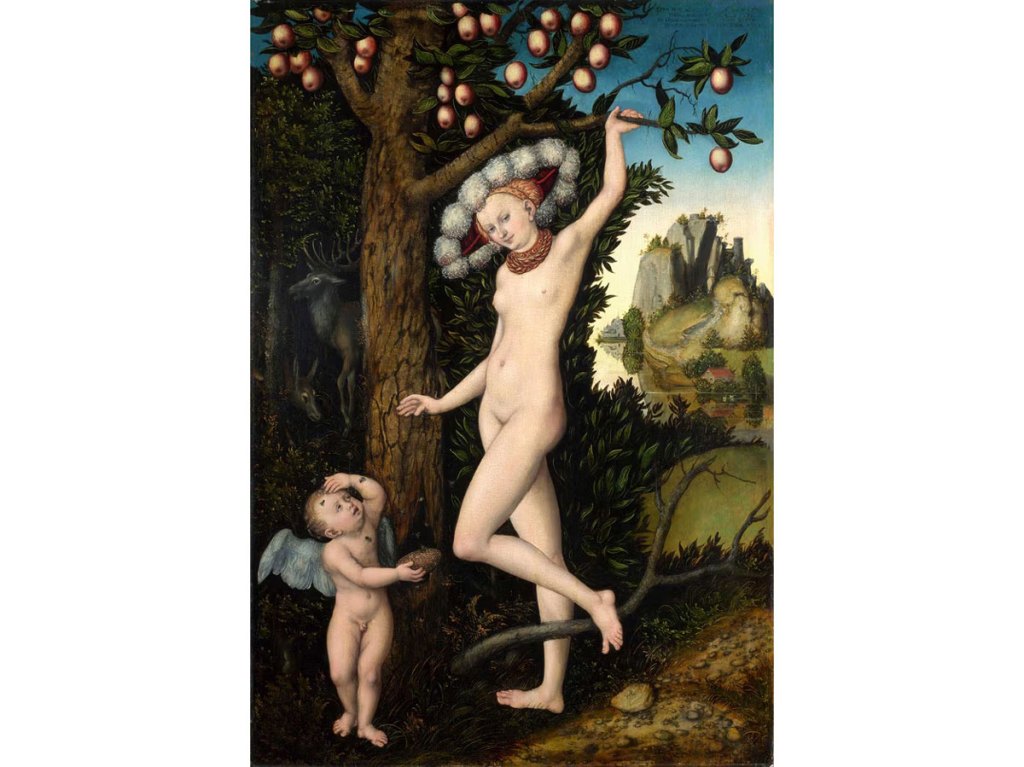
A Lucas Cranach the Elder painting, *Cupid complaining to Venus* (1526–27), once hung in Adolf Hitler's Munich apartment, according to a report by the Art Newspaper. The work was identified in a 1940s photograph published in a 1978 furniture catalog and later in a 2023 article by art historian Birgit Schwarz, who confirmed Hitler's ownership via a 2006 discovery of an album at the Library of Congress. After World War II, American journalist Patricia Lochridge took the painting from a warehouse in Berchtesgaden and smuggled it to the US. The National Gallery in London acquired it in 1963 from A. Silberman Galleries, which falsely claimed it came from the 1909 auction buyer's heir; it had actually been purchased from Lochridge.
Famous Cranach painting spotted in rare photograph of Hitler’s apartment

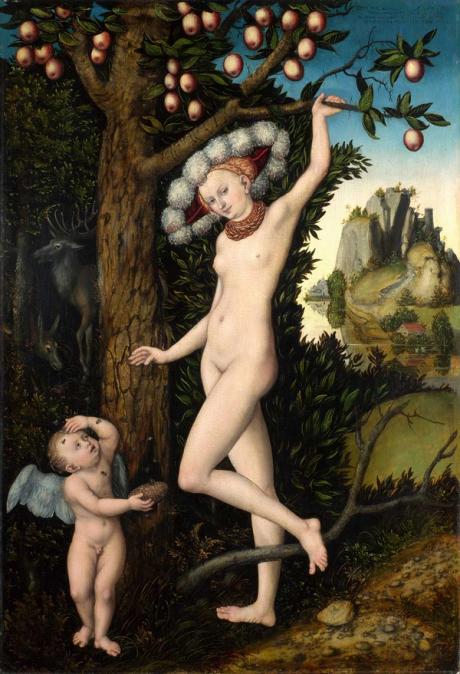
A rare photograph from the early 1940s reveals that Lucas Cranach the Elder's painting *Cupid complaining to Venus* (1526-27), now a masterpiece in the National Gallery, London, once hung in Adolf Hitler's private Munich apartment. The image, previously published in Germany by provenance expert Birgit Schwarz, appears for the first time in an English-language publication. The painting was acquired by the National Gallery in 1963 from E. and A. Silberman Galleries in New York, which provided a false provenance. It had been taken from a warehouse of recovered art in 1945 by American journalist Patricia Lochridge, who smuggled it into the United States.

bayeux tapestry fragment rediscovered in germany

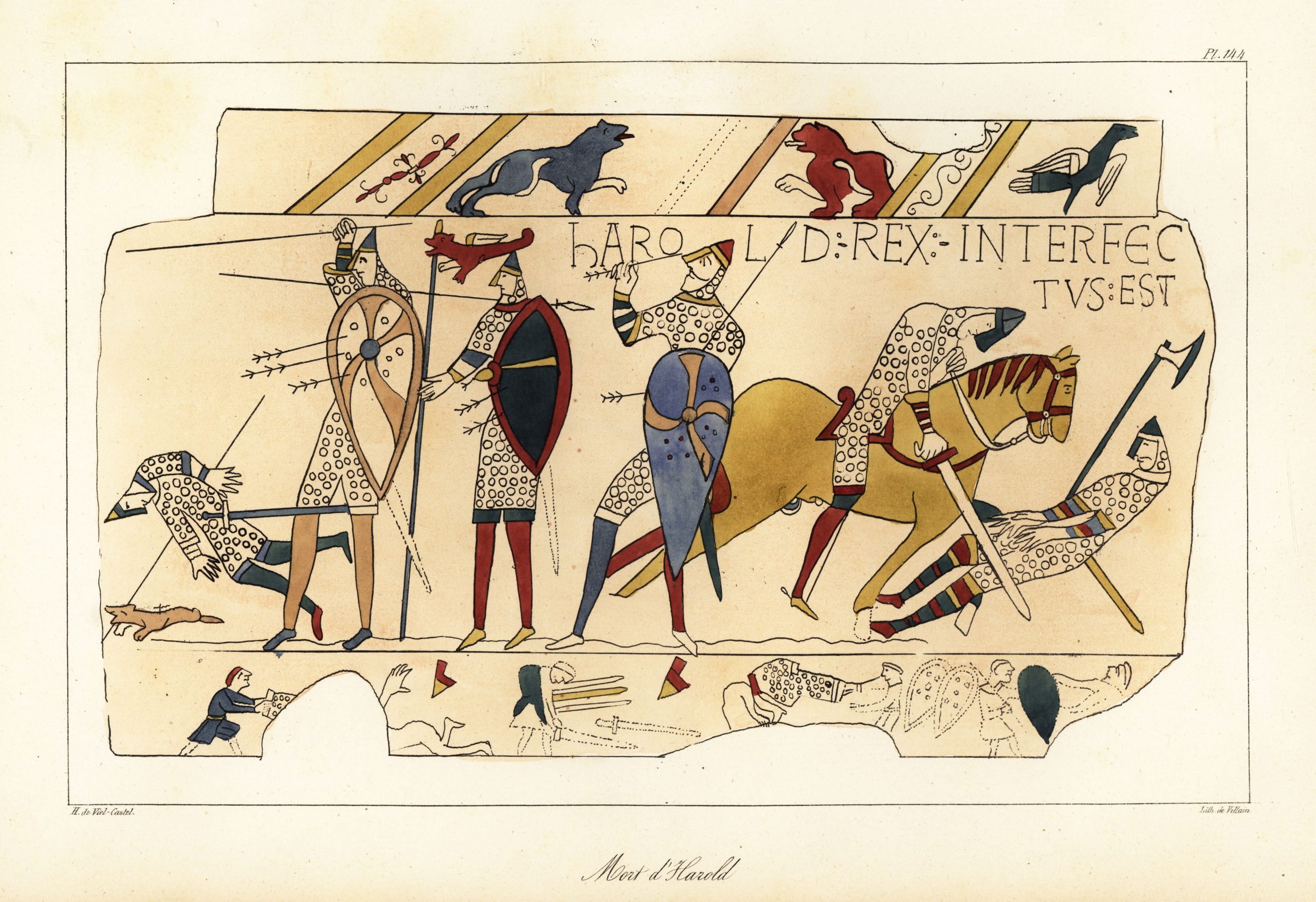
A long-lost fragment of the Bayeux Tapestry, the 11th-century embroidered chronicle of the Norman Conquest of England, has been rediscovered in the Schleswig-Holstein State Archives in Schleswig, Germany. The roughly one-inch linen piece belonged to the estate of archaeologist Karl Schlabow, who had been part of a Nazi-affiliated group that re-measured the tapestry in 1941. The fragment will be repatriated to France later this year, but first it will go on public display at the Museum of Archaeology at Gottorf Castle as part of the exhibition “Viking Twilight: Turning Point in the North” from April 16 through November 2.

1815, a Key Year for the Question of Art Restitution at the Heart of an Enlightening Book

1815, année clé de la question des restitutions d’œuvres d’art au cœur d’un ouvrage éclairant

Art historian Bénédicte Savoy has released a new book, "1815, le temps du retour," which examines the massive wave of art restitutions following the collapse of the Napoleonic Empire. Between 1794 and 1811, French revolutionary and imperial forces seized thousands of artworks and cultural objects from across Europe to fill the Louvre under the guise of creating a universal museum. After Napoleon's defeat in 1815, the subsequent return of these works sparked a global debate involving intellectuals and politicians regarding national identity, cultural property, and the legal status of looted heritage.