filter_list Showing 5 results for "Forma" close Clear
dashboard All 812 museum exhibitions 462article local 99article news 80article culture 44trending_up market 30person people 30article policy 26rate_review review 19candle obituary 13gavel restitution 5article events 2article event 2
date_range Range Today This Week This Month All
Subscribe

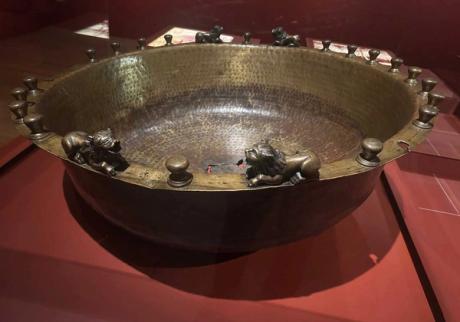
How did a 16th-century European basin end up as a sacred object in West Africa?

The Aya Kese, a massive 16th-century northern European brass basin, is currently on display at the British Museum while its complex history remains under scrutiny. Looted by British officer Robert Baden-Powell in 1896 from the Asante kingdom’s royal mausoleum in present-day Ghana, the object was long sensationalized by colonial accounts as a vessel for human sacrifice. Recent scholarship and historical records from Asante King Prempeh I contest these claims, asserting the basin’s sacred role as a spiritual repository for the souls of the Asante people.
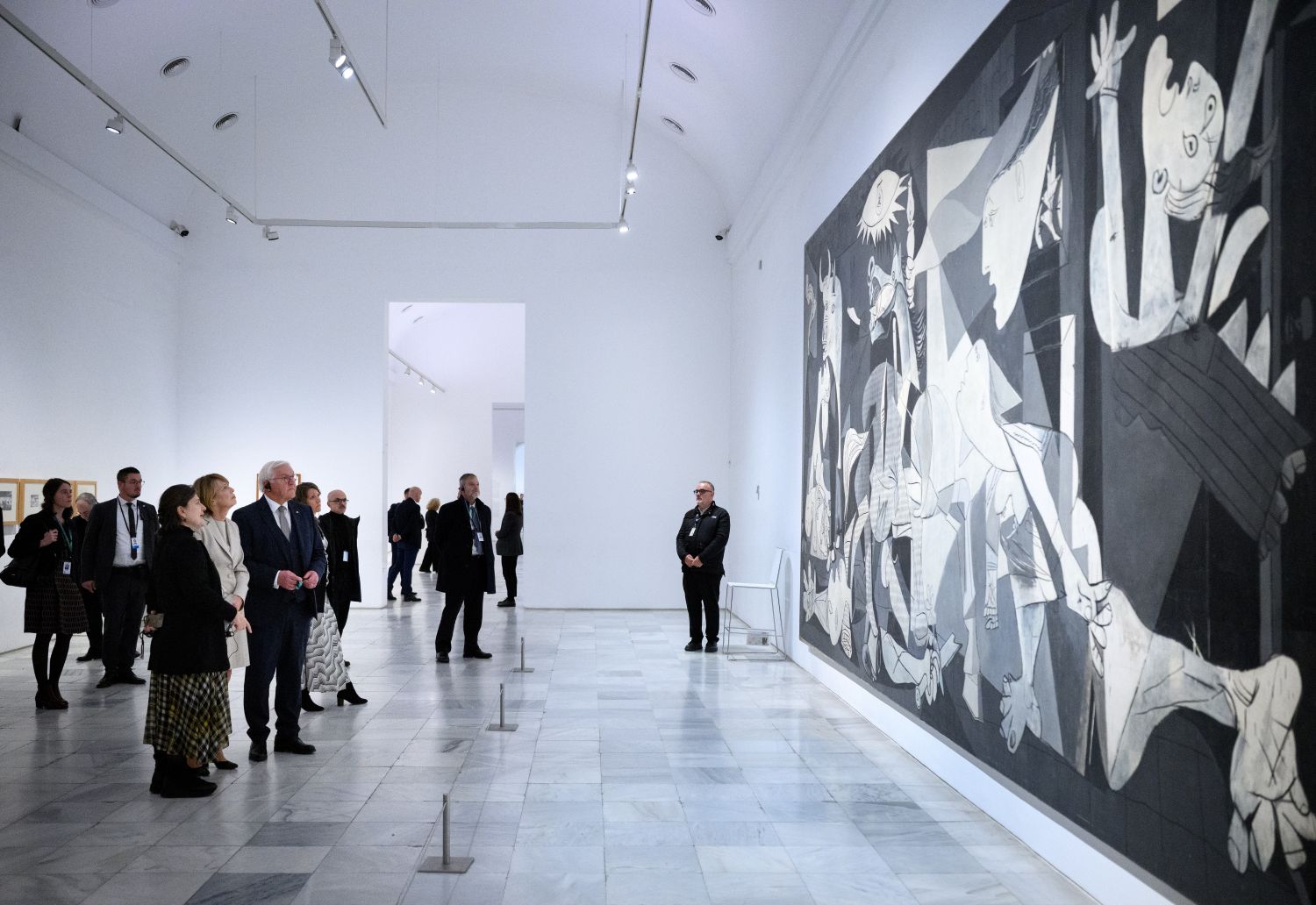
Where Does "Guernica" Belong?

Wohin gehört "Guernica"?

Basque Prime Minister Imanol Pradales has formally requested the temporary transfer of Pablo Picasso’s masterpiece "Guernica" from Madrid to the Basque Country. The proposal seeks to exhibit the monumental 1937 anti-war painting at the Guggenheim Museum Bilbao for nine months starting in late 2026 to coincide with the 90th anniversary of the town's bombing. While the work depicts the destruction of the Basque town of Gernika by Nazi and Italian fascist forces, it has resided at the Museo Reina Sofía in Madrid since 1992.

Mexico faces sales of pre-Columbian art

Le Mexique face aux ventes d’art précolombien

The Mexican government is facing ongoing legal and diplomatic hurdles in its attempts to halt the sale of pre-Columbian artifacts in Paris. Despite formal protests from the Mexican embassy citing national heritage laws from 1827, auction houses like Millon continue to proceed with sales, generating millions in revenue. French authorities and legal experts maintain that Mexican national laws do not supersede French jurisdiction, which largely adheres to the 1970 UNESCO Convention regarding the illicit import and export of cultural property.

U.S. Returns Hundreds of Looted Antiquities to Italy

U.S. officials formally returned 337 looted antiquities, archival materials, and artworks to Italy during a ceremony at Rome’s La Marmora barracks. The objects, spanning from the Villanovan era (900–700 B.C.E.) through the Hellenistic period (323–31 B.C.E.), include Etruscan, Greek, Italic, and Egyptian artifacts. The repatriation was coordinated by Italy’s Carabinieri Command for the Protection of Cultural Heritage, the U.S. Federal Bureau of Investigation, the Department of Homeland Security, and the office of Manhattan District Attorney Alvin Bragg Jr. Key items include a marble head of Alexander the Great, a bronze sculpture from Herculaneum, and Egyptian basalt sculptures. Some 221 objects were recovered via the Manhattan DA, while the remaining 116 were secured with help from Christie’s.

UK’s Brighton & Hove Museums to return 45 artefacts to Botswana

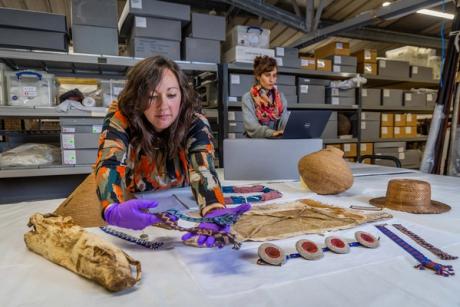
Brighton & Hove Museums in southern England will return 45 artefacts to Botswana. The objects, including clothing, accessories and hunting implements, were acquired by English reverend William Charles Willoughby in the 1890s and will be housed at the Khama III Memorial Museum in Serowe, where they will form part of a permanent exhibition opening on 27 May. A team from Brighton & Hove Museums is working with Botswanan curators on the return, which is scheduled for April.